
Hangzhou Hanten places Tsubame’s ramen culture in the national conversation, with Tabelog Ramen EAST “Tabelog 100” selections from 2020 through 2025 and a format that also reaches into dumplings and Chinese cooking. The draw is not luxury coding; it is regional food identity, practical scale, and a Niigata city better known for metalwork than dining tourism.
Pearl is the En Primeur Club membership app — saves, bookings, and concierge access live there. Same editors, same standards.
- Address
- 49-4 Tsubame, Niigata 959-1288, Japan
- Phone
- +81 256-64-3770
- Website
- tabelog.com
 Saves & bookings on Pearl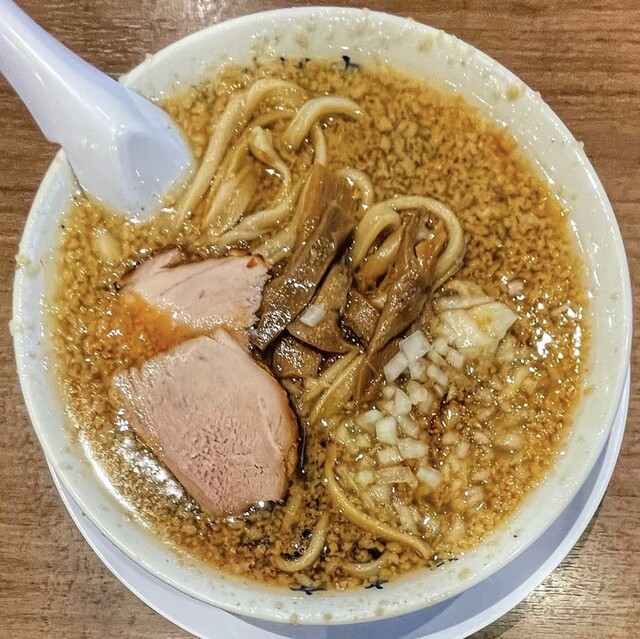
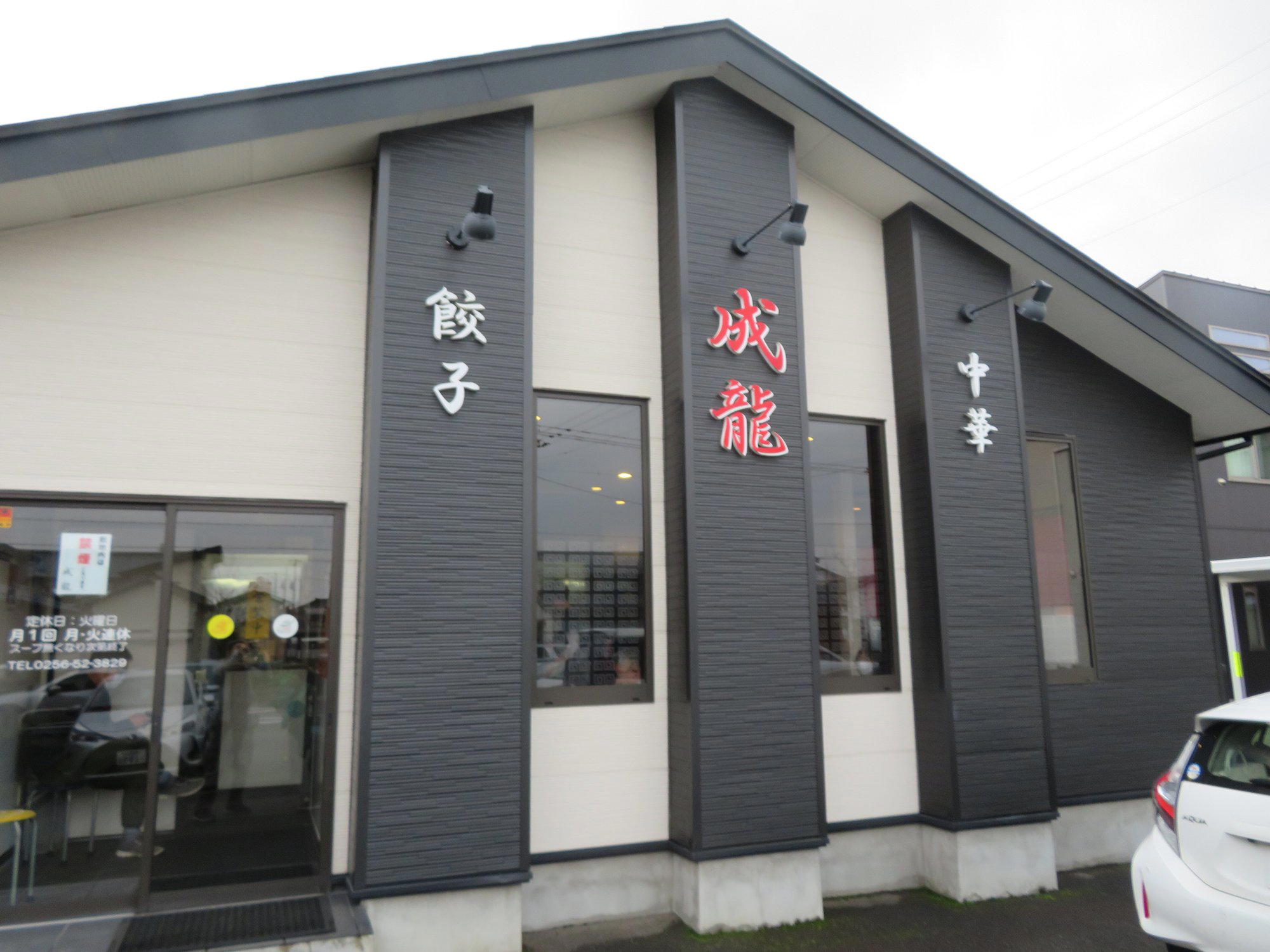
Approaching a ramen room in Tsubame differs from entering a polished central Tokyo counter. The city’s working character frames the meal: industrial streets, local traffic, families arriving without ceremony, and a room built for turnover rather than theatre. Hangzhou Hanten belongs to the regional Japanese category where comfort food, Chinese influence, and local habit overlap, and where seriousness is measured not by linen or choreography but repetition.
Tsubame is better known outside Niigata for metalwork than restaurant pilgrimages, so its ramen culture reads differently from the capital’s competitive queue economy. Here, ramen is not only a specialist bowl; it sits beside dumplings and Chinese dishes in a broader town-restaurant format. Sourcing and place connect less obviously: the food culture reflects a local manufacturing city’s appetite, durable family dining, and a regional market rewarding substance over trend cycles.
Tsubame ramen belongs to the working-city table, not the tasting-counter circuit
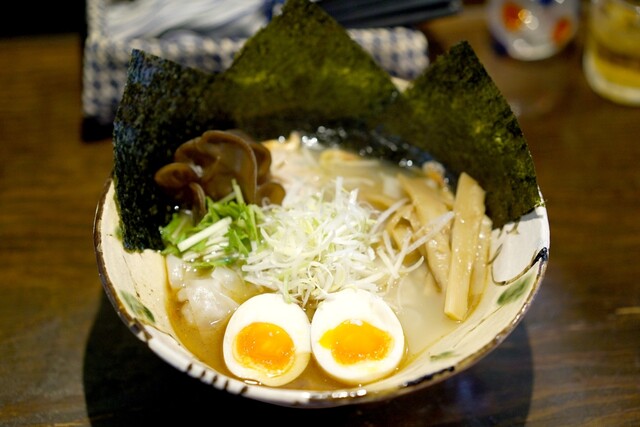
Japan’s ramen conversation often favors narrow specialization: tiny counters, limited bowls, timed service, and obsessive variation by broth, noodle, tare, or fat. Tsubame’s version needs another lens. In Niigata, hearty local ramen styles developed around climate, labor, and town rhythms, with bowls built less for novelty than satisfaction. Hangzhou Hanten sits within that tradition, while its attached categories, ramen, dumpling, and Chinese, reveal the hybrid base from which many regional ramen houses emerged.
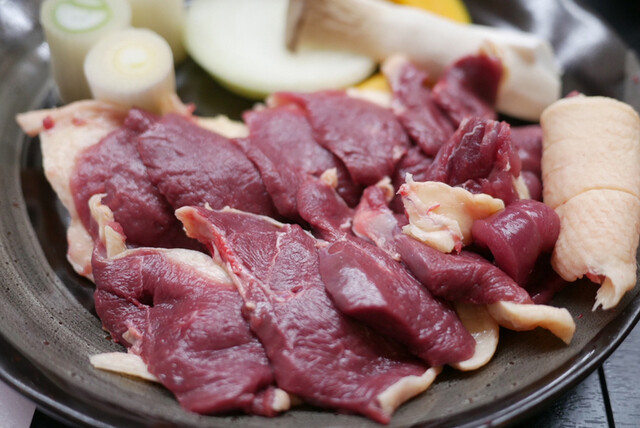
The ingredient question is less about named farms or chef-led sourcing narratives than regional food logic. Ramen in towns such as Tsubame has long relied on accessible staples, broth craft, wheat noodles, pork or other animal fats, vegetables, and pantry seasonings moving from Chinese cooking into Japanese daily eating. The point is not rarity, but how an inexpensive genre carries local identity when handled consistently across years.
Recognition gives that local form a national reading. Selection for Tabelog Ramen EAST “Tabelog 100” in 2025, after selections from 2020 through 2024, places the restaurant within a curated eastern Japan ramen field, not merely among neighbourhood favorites. For travelers, ramen awards often surface places beyond obvious metropolitan routes; here, a town restaurant gains attention without adopting fine-dining language.
For a wider city dining map, Our full Tsubame restaurants guide gives context. Within Tsubame, 日本料理 魚幸 points to another local register, Japanese cooking rather than ramen and Chinese comfort food. Reading the two together is more revealing than treating either as a standalone stop: one shows everyday noodle culture, the other a more formal Japanese dining thread.
Recognition has not turned the room into a luxury performance
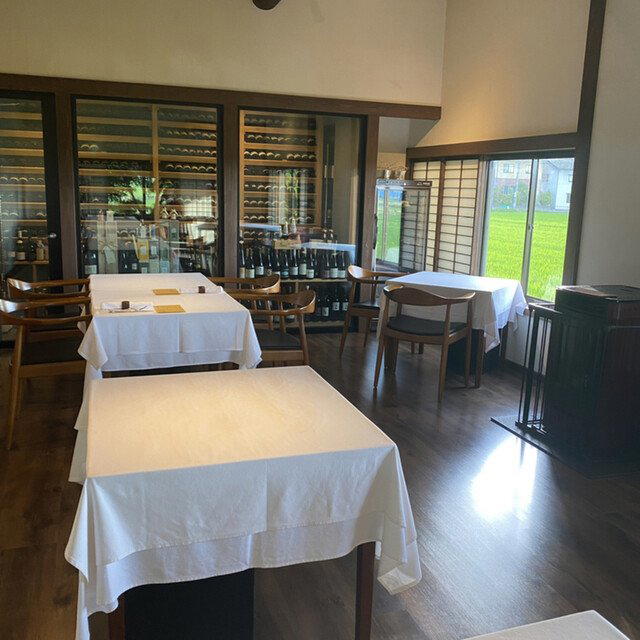
The restaurant’s scale shapes the experience. With 80 seats, this is not the eight-seat counter model of certain ramen tourism. The larger room, family-friendly cue, and tatami seating place it nearer a town dining hall than a minimalist specialist shop. That matters for ingredient-led eating because the kitchen must deliver consistency at volume; sourcing is expressed through repeatable bowls and side dishes, not a seasonal lecture.
The no-smoking policy and children-welcome positioning also show who the room is built for. In Japan, acclaimed ramen can remain intensely functional: quick meals, low ceremony, and a mix of locals, enthusiasts, and travelers following award lists into regional stations. Hangzhou Hanten appeals most to diners who understand that ramen prestige in Japan need not look expensive. It can look like a busy local room with Chinese roots, national award history, and an everyday bill.
There is a useful contrast with destination dining elsewhere in Japan. A traveler moving between categories might compare this regional ramen stop with the beef focus of -Grilled beef Sukiyaki- KAMAKURA TANUKIAN 鎌倉 たぬき庵 in Kamakura, the Tokyo casual grill context around . 鮪と炭火焼き うお炭 秋葉原店 in Tokyo, or the urban café register of .cafe in Osaka. These are not cuisine peers; they underline how Japanese dining ranges from single-dish precision to broad casual formats. Tsubame’s ramen culture belongs firmly to the latter, which is its strength.
For broader Japan food itineraries, comparison by category often matters more than city. .know in Kumamoto, (Shoku) Vietnam in Kawasaki, [Curry Senmon Ten] Maruyama Kyoju. in Sapporo, and [ki:] in Kyoto occupy different parts of Japan’s casual-dining spectrum. Hangzhou Hanten’s editorial value is showing how a regional ramen house can earn national selection while remaining a practical, local meal.
How to place it in a Tsubame itinerary
Tsubame rewards travelers who treat food as part of the city, not a detached reservation exercise. The dining decision pairs naturally with the area’s craft and manufacturing identity: ramen before or after time around local metalwork, a short local meal rather than a long tasting schedule. The lack of formal dining signals is the point. This is direct, not ceremonial.
The planning logic is simple: treat it as a ramen-and-Chinese stop in a regional city, not a luxury restaurant. Payment and access details are practical, so arrive prepared for a local operation rather than an international hospitality setup. The broader travel frame can be built through Our full Tsubame hotels guide, Our full Tsubame bars guide, Our full Tsubame wineries guide, and Our full Tsubame experiences guide.
As a critical recommendation, Hangzhou Hanten suits travelers serious about ramen as regional culture rather than social-media theatre. It also corrects the idea that Japan’s acclaimed food always requires high spend or hushed service. Put it beside casual-format references such as #肉といえば松田 奈良本店 in Kashihara, 1/3 HAMBURGER FACTORY in Kanazawa, and 1000 in Yokohama, and the pattern is clear: the strongest casual meals often explain their cities more efficiently than prestige dining rooms.
For readers extending the theme beyond Japan, Jōdo Saké Bar in Los Angeles and Onigiri Time in Pasadena show how Japanese food formats change abroad. In Tsubame, the value lies in the opposite direction: eating the form close to its regional use, at a restaurant whose repeated Tabelog Ramen EAST “Tabelog 100” selections have brought outside attention to a local style without turning it into a staged performance.
In Context: Similar Options
Comparable venues by cuisine and price in the same metro.
| Venue | Cuisine | Price | Awards | Notes |
|---|---|---|---|---|
| Hangzhou HantenThis venue — the venue you are viewing | Japanese Ramen | $$ | , | |
| 日本料理 魚幸 | Traditional Japanese Kaiseki | $$$ | , | Tsubame |
| らぁめん家 69'N' ROLL ONE 赤坂本店 | Chicken Clear Soy Ramen | $$ | , | Akasaka |
| 橋本屋 | Japanese Curry House | $$ | , | Minami-Senba |
| Sonmin Shokudo (村民食堂) | Shinshu Regional Japanese | $$ | , | Hoshino Area |
| 東家 本店 | 盛岡わんこそばの老舗 | $$ | , | 中ノ橋通 |
Continue exploring
More in Tsubame
At a Glance
- Classic
- Cozy
- Iconic
- Hidden Gem
- Family
- Group Dining
- Casual Hangout
- Solo
- Standalone
- Sake Program
A casual, traditional house restaurant atmosphere with a busy, popular lunch scene and a family-friendly feel.