
Kappou Choukichi gives Niigata’s chicken-cuisine tradition a serious kappou frame, with Tabelog 100 recognition in 2025 and a rural Nishikan Ward setting that points the meal back toward local supply rather than city-centre spectacle. The appeal is in the category itself: bird cookery treated with the pacing, privacy, and drink range of a formal Japanese restaurant.
Pearl is the En Primeur Club membership app — saves, bookings, and concierge access live there. Same editors, same standards.
- Address
- 91 Yamaguchi Shinden, Nishikan Ward, Niigata, 959-0503, Japan
- Phone
- +81 256-86-2618
- Website
- longly-luck.com
 Saves & bookings on Pearl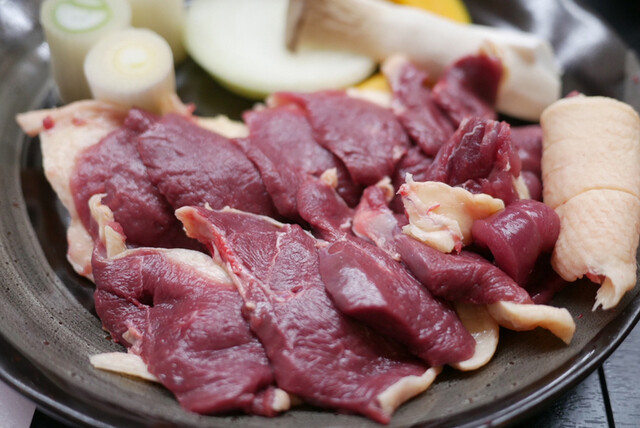
The approach to Nishikan Ward changes the dining premise before the first course appears. Central Niigata’s restaurant energy is compact and station-oriented; out here, the meal reads through fields, road distance, and a slower sense of supply. That matters for chicken cuisine, a category often reduced abroad to skewers and smoke. In Japan, serious toriryori can sit closer to kappou: multiple cuts, controlled seasoning, rice-country accompaniments, and drinks chosen to handle fat, char, and broth rather than merely refresh the palate.
Kappou Choukichi belongs in that more disciplined bracket. Its 2025 selection for Tabelog 100 in chicken cuisine gives the restaurant a national category signal, not just a local reputation marker. For Niigata, where the outside conversation often stops at sake, seafood, and rice, that recognition is useful: it places bird cookery inside the prefecture’s broader ingredient culture, where water, grain, and rural distribution shape what ends up on the table.
Chicken cuisine with Niigata's rice-country logic
Niigata is a rice prefecture before it is a restaurant city. That agricultural identity changes how chicken cuisine lands here. The food has to sit comfortably beside nihonshu, shochu, and wine; it also has to carry enough structure for a full meal, not just a drinking session. Kappou Choukichi’s category is listed plainly as chicken dishes, but the setting and recognition point to a more formal reading of that phrase: bird as the organising ingredient, handled across a sequence rather than as a single grilled order.
This is where ingredient sourcing becomes the useful lens. Premium chicken restaurants in Japan compete less on theatrical luxury than on consistency: freshness, cut selection, heat control, and the ability to make lean, fatty, crisp, and gently cooked elements feel related. In a prefecture associated with polished rice and clean sake, the cuisine’s restraint can read more clearly than it might in a louder urban room. The appeal is not novelty. It is the confidence to make a narrow ingredient category carry the weight of dinner.
That also explains why the restaurant sits apart from many Niigata itineraries. A traveller building a city dining run might compare sushi at Chiyo Zushi, regional Japanese cooking at Echigo Ichie Juro, or a more hybrid table such as French Teppan Seikou An. Those choices map different versions of Niigata’s dining identity. Chicken cookery in Nishikan Ward asks a narrower question: how much depth can one ingredient provide when the room, pacing, and drinks are built around it?
A kappou room rather than a counter-only performance
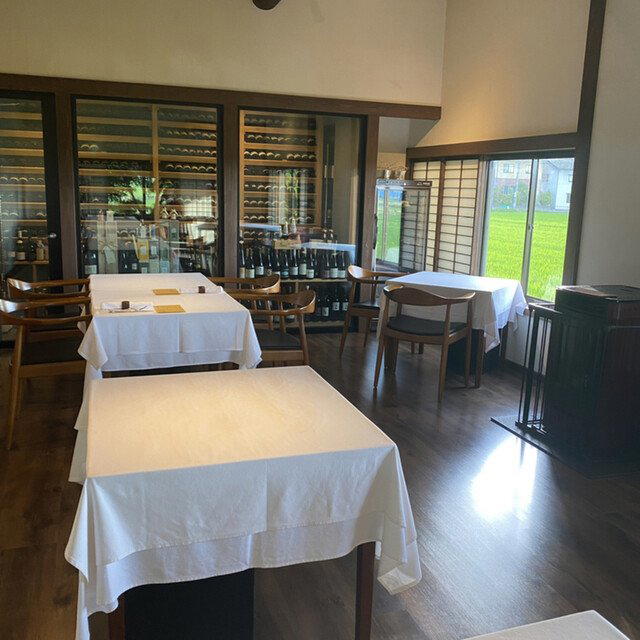
The format matters. With 80 seats and private rooms available across small and large groups, this is not the tiny-counter model that dominates English-language coverage of Japanese destination dining. That scale changes the atmosphere. It suits family gatherings, business meals, and regional celebrations, while keeping the subject firmly on Japanese chicken cuisine rather than chef-as-performer theatre.
Niigata has room for both compact specialist dining and larger local restaurants with serious recognition. A small place such as Amaranthus answers a different kind of urban dining need; Burger Stand Tender sits in a casual register altogether. Kappou Choukichi’s usefulness is that it does not imitate either mode. It belongs to the Japanese tradition of occasion restaurants, where private rooms, controlled pacing, and a focused ingredient category can coexist without the meal becoming stiff.
The Tabelog score of 3.81 reinforces that position without needing overstatement. In Japan’s user-review culture, scores above the mid-threes in a specialist category tend to indicate repeat confidence rather than tourist-driven hype. The 2025 Tabelog 100 selection carries more weight because the category is chicken cuisine, a field where regional restaurants can compete on craft without requiring luxury seafood or imported prestige ingredients.
For travellers planning around Niigata rather than simply passing through it, the restaurant is also a reminder to look beyond the obvious city-centre list. The broader regional picture is better read alongside our full Niigata restaurants guide, with lodging context in our full Niigata hotels guide and post-dinner planning through our full Niigata bars guide. Niigata’s sake identity also rewards wider planning through our full Niigata wineries guide and our full Niigata experiences guide, even when the dinner itself is not framed as a sake specialist venue.
How to place it on a Japan dining itinerary
Kappou Choukichi is a targeted choice, not a default stop for every visitor. It makes sense for diners who already understand that Japanese regional dining is not only sushi, tempura, and kaiseki. The comparison set within Niigata is varied: 割烹渡辺 and KOKAJIYA speak to the city’s Japanese-dining depth, while Regalo and Hangzhou Hanten show how broad the local price and format spectrum can be. Against that spread, a recognised chicken specialist in Nishikan Ward occupies a distinct lane.
There is a wider national parallel too. Japan’s restaurant culture rewards focused formats, from beef sukiyaki at -Grilled beef Sukiyaki- KAMAKURA TANUKIAN 鎌倉 たぬき庵 in Kamakura to charcoal-led seafood at. 鮪と炭火焼き うお炭 秋葉原店 in Tokyo, curry specialists such as [Curry Senmon Ten] Maruyama Kyoju. in Sapporo, and casual-format precision at.cafe in Osaka,.know in Kumamoto, and (Shoku) Vietnam in Kawasaki. The same logic travels outside Japan at places such as Jōdo Saké Bar in Los Angeles and Onigiri Time in Pasadena: focus is often the clearest sign of intent.
The practical reading is simple. This is a restaurant for diners who want Niigata through a rural, ingredient-led lens and who are comfortable making a meal out of a single culinary category. The reward is not breadth for its own sake. It is a sharper understanding of how Japanese chicken cuisine can move from everyday comfort into formal regional dining.
Quick Comparison
Comparable venues by cuisine and price in the same metro.
| Venue | Cuisine | Price | Awards | Notes |
|---|---|---|---|---|
| Kappou ChoukichiThis venue — the venue you are viewing | Seasonal Wild Duck Kappo (Japanese) | $$$ | , | |
| Sushi Nakahisa Hoshino | Edomae Sushi | $$$ | , | Niigata Furumachi |
| Tori Yasu | Chicken-focused Japanese izakaya | $$ | , | / Kita Ward |
| Tonkatsu Taro (とんかつ太郎) | Niigata Tare Katsu Tonkatsu | $$ | , | 古町 (Furumachi) |
| Tokiwa Sushi Nigata Ten | Niigata Local Omakase Sushi | $$$ | Chuo Ward | |
| Yakiniku Hatchi | Japanese Yakiniku BBQ | $$$ | , | Furumachi |
Continue exploring
More in Niigata
At a Glance
- Rustic
- Cozy
- Scenic
- Hidden Gem
- Intimate
- Classic
- Special Occasion
- Date Night
- Celebration
- Business Dinner
- Group Dining
- Standalone
- Garden
- Private Dining
- Historic Building
- Sake Program
- Local Sourcing
- Farm To Table
- Sustainable Seafood
- Garden
A quiet, rural kappo house with tatami rooms overlooking a garden, offering an intimate, rustic yet refined atmosphere that highlights the seasonal wild duck experience rather than urban polish.