Google: 4.8 · 61 reviews
フェネトレ
フェネトレ sits in Nakashibetsu, a town in eastern Hokkaido's Shibetsu District where dairy farming and raw-material agriculture define the local economy as much as the local table. The surrounding Konsen plateau supplies some of Japan's most closely tracked dairy and livestock, placing any serious kitchen here at the intersection of provenance and remoteness. For the full picture of dining in the region, see our <a href='https://www.enprimeurclub.com/cities/shibetsu-district'>Shibetsu District restaurants guide</a>.
 Discover on Pearl
Pearl is the En Primeur Club membership app — saves, bookings, and concierge access live there. Same editors, same standards.
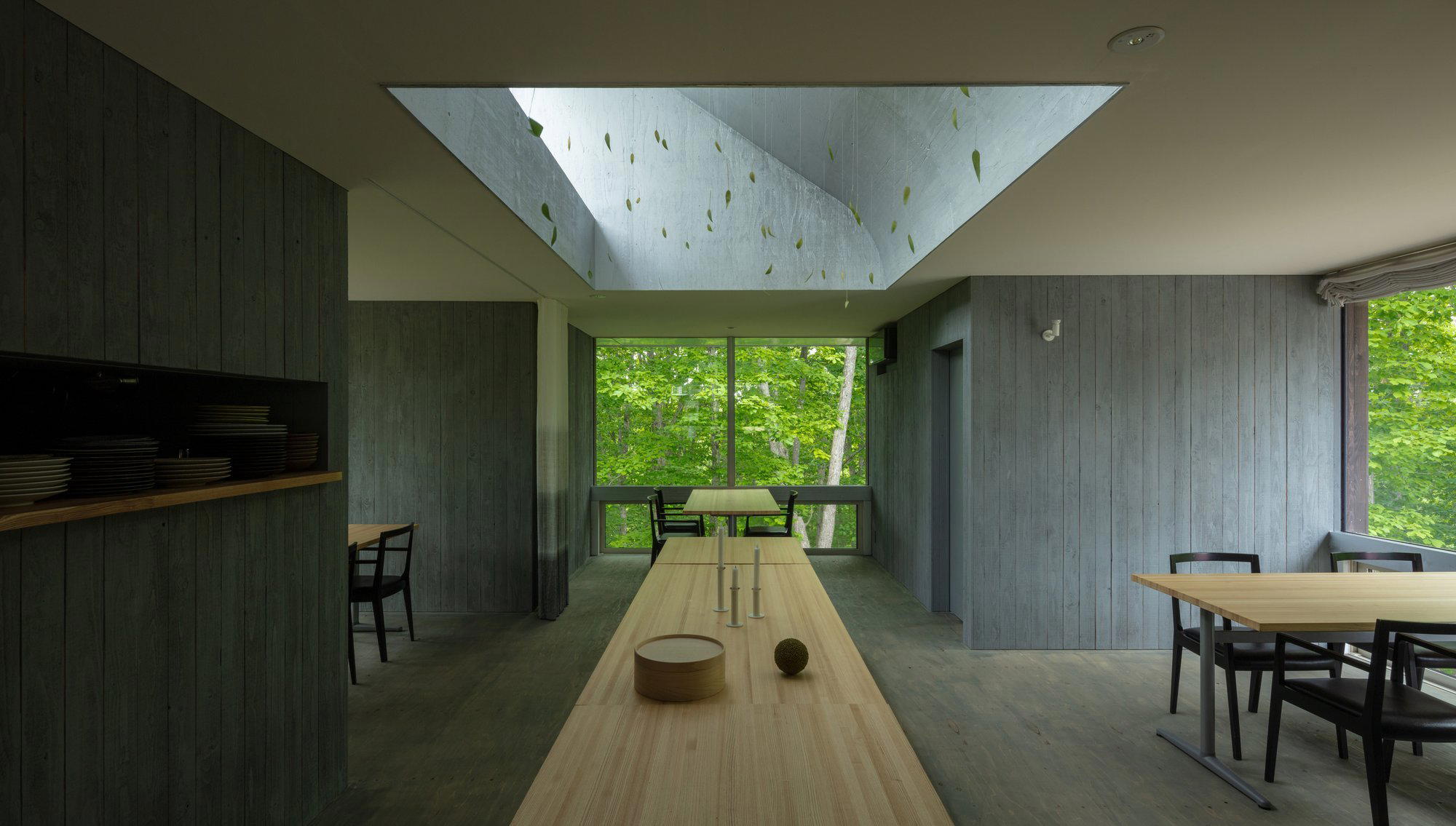
Eastern Hokkaido and the Sourcing Argument
Nakashibetsu sits at the eastern edge of the Konsen plateau, a stretch of Hokkaido where the population of dairy cattle outnumbers human residents by a ratio that locals cite without irony. That demographic fact is not incidental to the dining conversation here. It is the dining conversation. Restaurants in this part of Japan do not have to construct a sourcing narrative the way kitchens in Tokyo or Osaka might, arranging relationships with distant farms as a point of differentiation. The farms are visible from the road. The supply chain, in many cases, is a ten-minute drive.
フェネトレ, located on Midorimachiminami in Nakashibetsu, occupies that context directly. The address alone signals something about scale and intention: this is not a city restaurant that happens to reference the countryside, but a place operating within the agricultural logic of the Konsen region. In eastern Hokkaido, a kitchen's credibility is partly determined by proximity to its sources, and few parts of Japan offer that proximity more literally than this plateau.
For readers building a picture of serious dining across Japan's prefectures, the comparison set is instructive. Tokyo counters like Harutaka and Osaka's HAJIME operate at the highest urban tier, where sourcing is curated from a distance and the kitchen's skill in transformation is the primary argument. Gion Sasaki in Kyoto works within the kaiseki tradition's seasonal discipline. What a place like フェネトレ represents is a different logic entirely: the argument that the most direct relationship between land and plate is the one measured in kilometers, not in the prestige of the intermediary.
The Konsen Plateau as Pantry
The Konsen region produces a disproportionate share of Japan's high-quality dairy. Hokkaido accounts for roughly half the country's milk output, and the eastern plateau districts, including Shibetsu, carry a significant portion of that weight. Butter, cream, and cheese produced here reach kitchens across Japan, often stripped of their geographic identity by the time they arrive. A restaurant in Nakashibetsu operates with access to those same ingredients before they enter the distribution system, which is a structural advantage that no amount of procurement budget in a city kitchen can fully replicate.
Beyond dairy, the broader Hokkaido context matters. The island's short but intense growing season compresses vegetable quality in ways that reward kitchens willing to work seasonally rather than maintain a fixed menu year-round. Autumn in eastern Hokkaido brings root vegetables and fungi that move quickly through local supply. Spring signals asparagus from areas further west, but the eastern districts have their own rhythms. Any kitchen taking the sourcing argument seriously in this location is working against a calendar, not just a menu.
This regional ingredient culture places Hokkaido restaurants in a different conversation from their counterparts in Honshu. Venues like akordu in Nara or Goh in Fukuoka each draw on distinct regional ingredient traditions. Hokkaido's version of that tradition is built on cold-climate agriculture and maritime access, a combination that produces ingredient quality with a specific textural and flavor profile: dairy fat with higher richness, seafood from cold waters with firmer flesh and cleaner taste.
Remote Dining and What It Requires of the Reader
Getting to Nakashibetsu requires deliberate planning. The town sits roughly 160 kilometers east of Kushiro, itself not a short journey from Sapporo. Visitors arriving from the main Hokkaido cities typically travel by car or via the regional airport at Nakashibetsu, which handles domestic connections. This is not a restaurant that absorbs the casual foot traffic of an urban dining district. The decision to eat here is a logistical commitment, which tends to self-select for a particular kind of visitor.
That remoteness is not incidental to the experience. In Japanese culinary culture, the willingness to travel for a meal carries its own meaning. The onsen and kaiseki circuits of rural Japan have always operated on this principle: distance signals seriousness of purpose. Eastern Hokkaido applies that logic to an agricultural rather than a hot-spring context. Readers who have followed dining in less-frequented parts of Japan, including places like the Nanao coastline covered by 一本杉川嶋制 in Nanao or Nishikawa Machi's 鳥羽屋, will recognize the pattern: the further from a major city, the more the surrounding environment becomes part of the proposition.
Hokkaido's Sapporo dining scene, represented by venues such as 夕佳亭山乃, operates at a different scale and with different urban dynamics. The contrast between that city tier and the rural east of the island is considerable, and it helps locate Nakashibetsu restaurants in their proper context: these are not outposts of urban dining culture, but expressions of a different set of priorities altogether.
Planning a Visit
Practical information for フェネトレ is limited in publicly available records. Phone, website, hours, and booking method are not confirmed in current data, which means direct outreach to the venue or local tourism contacts in Nakashibetsu is the appropriate first step. The address on Midorimachiminami, in the southern residential section of the town, suggests a neighborhood setting rather than a commercial strip. Visitors combining this with broader Hokkaido itineraries might use Nakashibetsu as a base for the Shiretoko Peninsula or the Notsuke wetlands, both within driving range, which would justify the travel logistics across multiple days.
For context on the broader range of serious Japanese dining that EP Club tracks, the comparison set extends well beyond Hokkaido. Gion Sasaki in Kyoto and akordu in Nara represent the kind of regional depth that rewards planning. Internationally, the sourcing discipline seen in leading Japanese kitchens has parallels in places like Le Bernardin in New York City and Atomix, where ingredient provenance is treated as a primary editorial argument rather than a supporting detail. The Hokkaido version of that argument is simply more immediate, more geographic, and in the case of eastern Hokkaido, more tied to the specific agricultural character of a plateau that has been feeding the rest of Japan for decades. See also: Bistro Ange in Toyohashi, Blue Ocean Steak in Nakagami District, bodai in 那智勝浦町, Cafe Naoshima Konichiwa, Denko Sekka in Hiroshima, Birdland in Sakai, and 湖畔荘 in Takashima for further regional reference points across Japan's dining map.
In Context: Similar Options
These are the closest comparables we have in our database for quick context.
| Venue | Cuisine | Price | Awards | Notes |
|---|---|---|---|---|
| フェネトレ | This venue | |||
| HAJIME | French, Innovative | ¥¥¥¥ | Michelin 3 Star | French, Innovative, ¥¥¥¥ |
| Harutaka | Sushi | ¥¥¥¥ | Michelin 3 Star | Sushi, ¥¥¥¥ |
| L'Effervescence | French | ¥¥¥¥ | Michelin 3 Star | French, ¥¥¥¥ |
| RyuGin | Kaiseki, Japanese | ¥¥¥¥ | Michelin 3 Star | Kaiseki, Japanese, ¥¥¥¥ |
| Crony | Innovative, French | ¥¥¥¥ | Michelin 2 Star | Innovative, French, ¥¥¥¥ |
Continue exploring
More in Shibetsu District
Restaurants in Shibetsu District
Browse all →

At a Glance
- Elegant
- Intimate
- Special Occasion
- Standalone
- Sake Program
- Local Sourcing
Intimate dining room with focus on seasonal cuisine and wine pairings.