

Our verdict
Current status is under verification; live venue details are withheld until a current primary source confirms them.
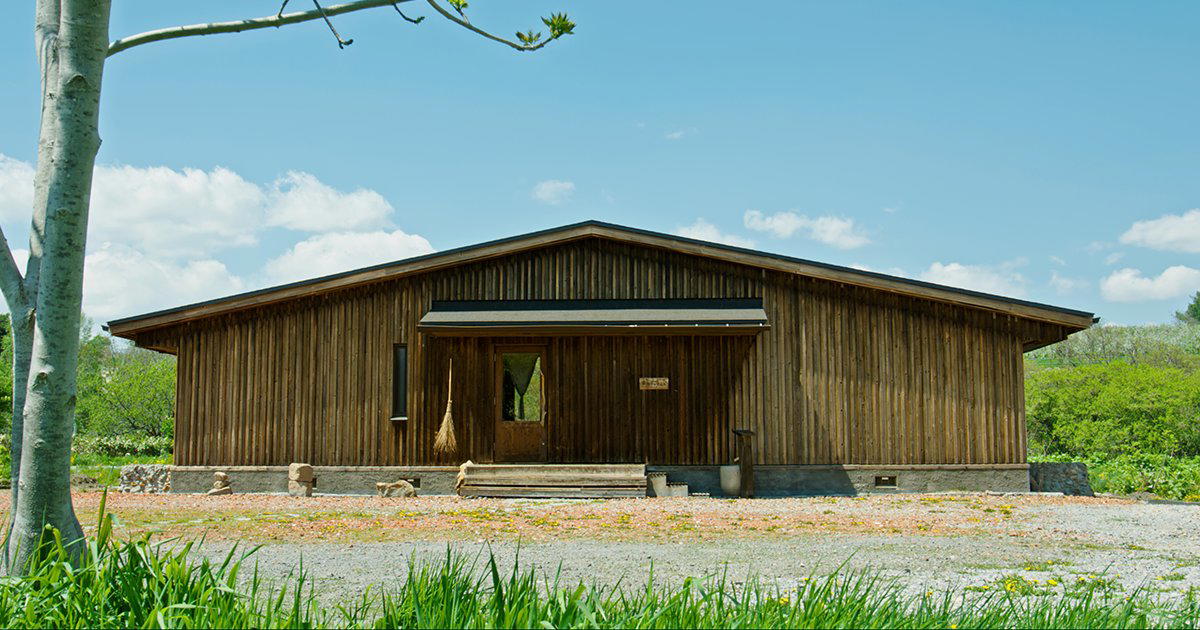
Where Hokkaido's Wine Country Meets the Table
Yoichi District occupies a coastal fold of Hokkaido known for its agricultural and fishing industries. The town of Yoichi sits roughly an hour west of Sapporo by train, flanked by the Sea of Japan to the north and a ring of low mountains. Yoichi has long been known domestically for its apple orchards and the Nikka Whisky distillery. The vineyards came later, and the restaurants that treat them as a cultural anchor later still. 余市サグラ, addressed at 987-2 Noboricho in central Yoichi, belongs to that more recent generation of establishments, ones that position the district's agricultural specificity as the point, not the backdrop.
In Japan's broader fine dining conversation, the energy concentrates in Tokyo, Osaka, and Kyoto. The counters at Harutaka in Tokyo and the kaiseki architecture of Gion Sasaki in Kyoto operate in a register defined by density of access and decades of institutional recognition. What distinguishes Hokkaido's emerging restaurant scene is a different logic entirely: distance from the capital functions as a filter. The kitchens that have established themselves here reflect the town's regional focus. 余市サグラ represents one anchor point within a growing cluster of serious dining in the district.
The Cultural Weight of Cold-Climate Cuisine
Hokkaido's culinary identity is built on cold-weather agriculture and proximity to some of Japan's most productive fishing grounds. The prefecture accounts for a disproportionate share of Japan's dairy, wheat, beet sugar, and seafood output, and the leading kitchens in the region treat that agricultural surplus as the framework for everything they do. This is not farm-to-table as a marketing concept but a practical reality: the supply chains are short and the seasonal windows are sharp.
That seasonal compression creates a culinary culture that differs structurally from what you find in Japan's warmer regions. In Kyoto, kaiseki's logic is refined and codified. In Hokkaido, the cuisine is younger, less codified, and more directly tethered to what the land and sea produce in a given week. Restaurants in this district sit closer to their sources, both geographically and philosophically, than most of their counterparts in the urban south. The approach at places like オチガビ, the winery restaurant operating within Yoichi's vine-growing corridor, shows how that source-proximity can shape a dining concept. 余市サグラ occupies the same geographic and conceptual territory, drawing on the district's wine-growing identity as cultural context.
This dynamic has parallels elsewhere in Japan's regional dining expansion. Goh in Fukuoka and akordu in Nara both demonstrate how cities and towns outside the main metropolitan triangle have developed serious, identity-led dining that uses regional specificity as its competitive advantage rather than trying to replicate what Tokyo or Osaka already do. Yoichi is following that pattern, and the timing matters: Hokkaido's wine industry has reached a level of international recognition that gives local restaurants a credible pairing story to tell.
Yoichi's Vineyards as Dining Context
Working vineyards in Yoichi change how a meal is framed. Cold-climate winemaking in Hokkaido follows a northern European model more than a Californian one: short growing seasons, high acidity, and varieties selected for frost tolerance. The wines that emerge from Yoichi's leading producers are structurally different from what Japan's warmer wine regions produce, and they pair accordingly, with fish rather than meat, with fermented dairy, with the mineral character of Hokkaido's coastal vegetables. A restaurant operating in this context inherits that pairing logic whether it chooses to or not. The local wine list functions as a statement of geographic affiliation.
For comparison, consider how HAJIME in Osaka uses French technique as a lens for Japanese ingredients, or how Atomix in New York City treats Korean culinary tradition as the intellectual framework for a tasting menu format. Particularly interesting regional restaurants in Japan are doing something analogous: using the specificity of their location, its agricultural calendar, its traditional preservation techniques, its proximity to particular producers, as the structural logic of the menu rather than as decoration. Yoichi's restaurants, including 余市サグラ, operate in that mode.
Further afield, dining in wine-adjacent country shares this grammar from Napa to Burgundy. The regional parallels that matter most here are domestic ones: 湖畔荘 in Takashima and 古代山乃幸 in Sapporo both illustrate how Hokkaido and its surrounding prefectures are developing dining identities rooted in specific landscapes rather than imported culinary templates.
Planning a Visit to Yoichi
Yoichi is accessible by JR train from Sapporo on the Hakodate Main Line, with journey times of approximately one hour. The town itself is compact, and the central Noboricho address of 余市サグラ places it within walking distance of the main station area. Visitors combining the restaurant with a winery visit should note that Yoichi's vineyard operations are concentrated in the hills east and south of the town center; several producers accept visitors during the harvest season in September and October, though advance contact is advisable. The district's dining options remain limited compared to Sapporo, so securing a reservation at 余市サグラ before arriving is the practical approach.
Travelers building a broader Hokkaido itinerary will find that Yoichi sits naturally between a Sapporo base and the peninsula's western coastal route. For those prioritizing Japan's wider fine dining geography, the contrast between a Yoichi meal and dinner at Le Bernardin in New York City or the tasting counter format of Harutaka in Tokyo is instructive: both ends of the spectrum are defined by rigor, but the Yoichi version operates at a register of agricultural intimacy that larger urban venues structurally cannot replicate.
Frequently asked questions
Is 余市サグラ okay with children?
Reservations are essential, and the smart casual dress code suggests an adult-oriented dining room.
What's the vibe at 余市サグラ?
余市サグラ sits in Yoichi's Noboricho area, a district shaped more by fishing industry heritage and working vineyards than by urban dining-scene energy. The surrounding environment suggests a low-key, produce-focused atmosphere rather than a formal city-restaurant setting. Expect a pace and tone that reflects Hokkaido's rural north rather than Sapporo's commercial dining corridors.
Is 余市サグラ a good base for exploring Yoichi's wine producers?
余市サグラ's address at 987-2 Noboricho puts it within Yoichi town itself, which hosts several of Hokkaido's most-discussed cold-climate wineries. Yoichi is approximately one hour from Sapporo by JR train on the Hakodate Main Line, making a combined dining and winery visit practical as a day or overnight itinerary. The district has attracted increasing attention from Japanese wine drinkers drawn to its northern European-style viticulture.
What's the signature dish at 余市サグラ?
Expect modern Italian-Japanese cooking shaped by Yoichi's local produce and seafood.
What's 余市サグラ's location?
余市サグラ is located at 987-2 Noboricho, Yoichi, Yoichi District, Hokkaido 046-0002, Japan.
Price and Positioning
Comparable venues nearby, for context on price, style, and recognition.
| Venue | Cuisine | Price | Awards | Notes |
|---|---|---|---|---|
| 余市サグラThis venue (the venue you are viewing) | 登町, Modern Italian-Japanese Auberge | Not listed | Not listed | Not listed |
| オチガビ | French Winery Restaurant | $30–50 | Not listed | Yoichi, French Winery Restaurant |
| Yoichi Sagra | Chinese | Not listed | Tabelog Silver #112 | Dining |
| Master of beef Miyoshi (にくの匠 三芳) | Premium Beef Kaiseki | $500+ | Not listed | Gion, Premium Beef Kaiseki |
| 早苗饗 | 大沢, Local Niigata Gastronomy Kaiseki | Not listed | Not listed | Not listed |
| Kimoto (紀茂登) | Not listed | Not listed | Not listed | Shinjuku, Traditional Japanese Kaiseki Omakase |
Recognition history
Dated appearances from independent guides and award organizations, with the underlying list record or original source where available.
Opinionated About Dining Top Restaurants in Japan Recommended
Opinionated About Dining
The Japan Times Destination Restaurants Destination Restaurants Selection #1
The Japan Times Destination Restaurants
Continue exploring
More in Yoichi
Restaurants in Yoichi
All restaurants in Yoichi →
Hotels in Yoichi
Browse all →
Wineries in Yoichi
All wineries in Yoichi →
Details
- Cozy
- Elegant
- Intimate
- Rustic
- Special Occasion
- Date Night
- Open Kitchen
- Sake Program
- Local Sourcing
- Tasting Menu
- Local Wine