
Hachinoki belongs to Sapporo’s serious ramen circuit rather than its tourist-facing dining script. The draw is format and discipline: a compact 17-seat room, counter-led service, and recognition in Tabelog’s Ramen HOKKAIDO 100 for 2024 and 2025, placing it among Hokkaido ramen shops that reward timing, patience, and a clear appetite for the city’s everyday noodle culture.
Pearl is the En Primeur Club membership app — saves, bookings, and concierge access live there. Same editors, same standards.
- Address
- 14 Chome-1-33 Hassamu 7 Jo, Nishi Ward, Sapporo, Hokkaido 063-0827, Japan
- Phone
- +81115901992
- Website
- instagram.com
 Saves & bookings on Pearl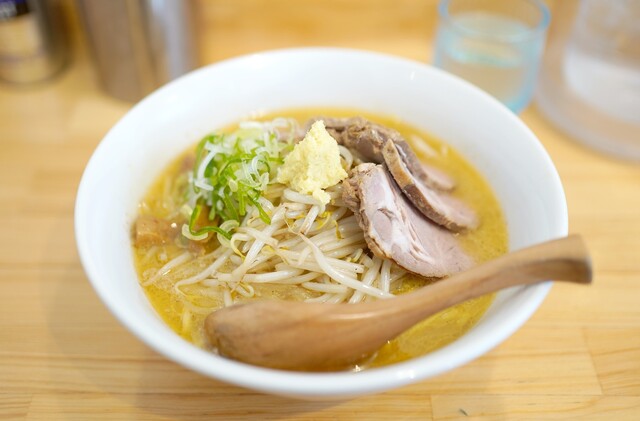
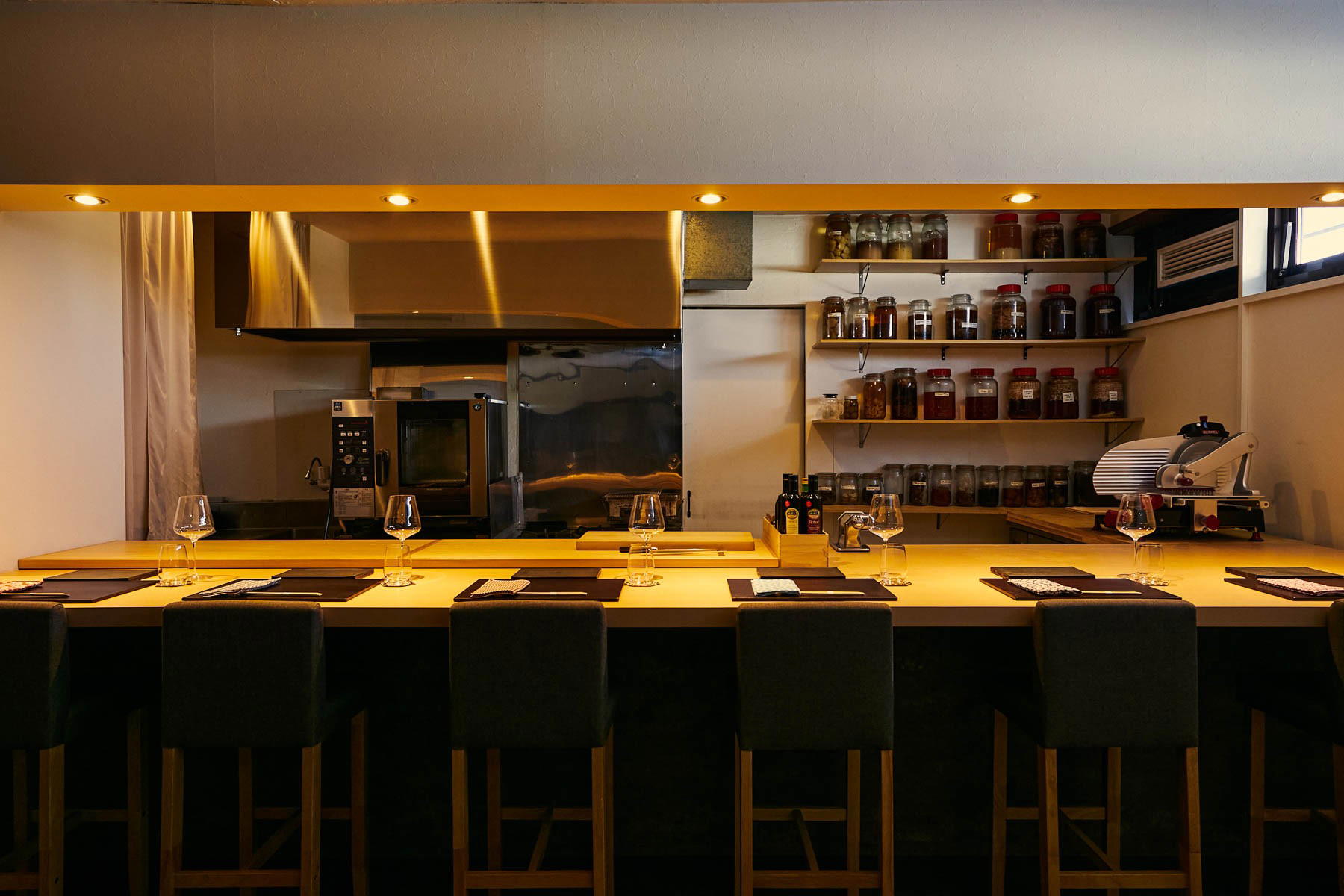
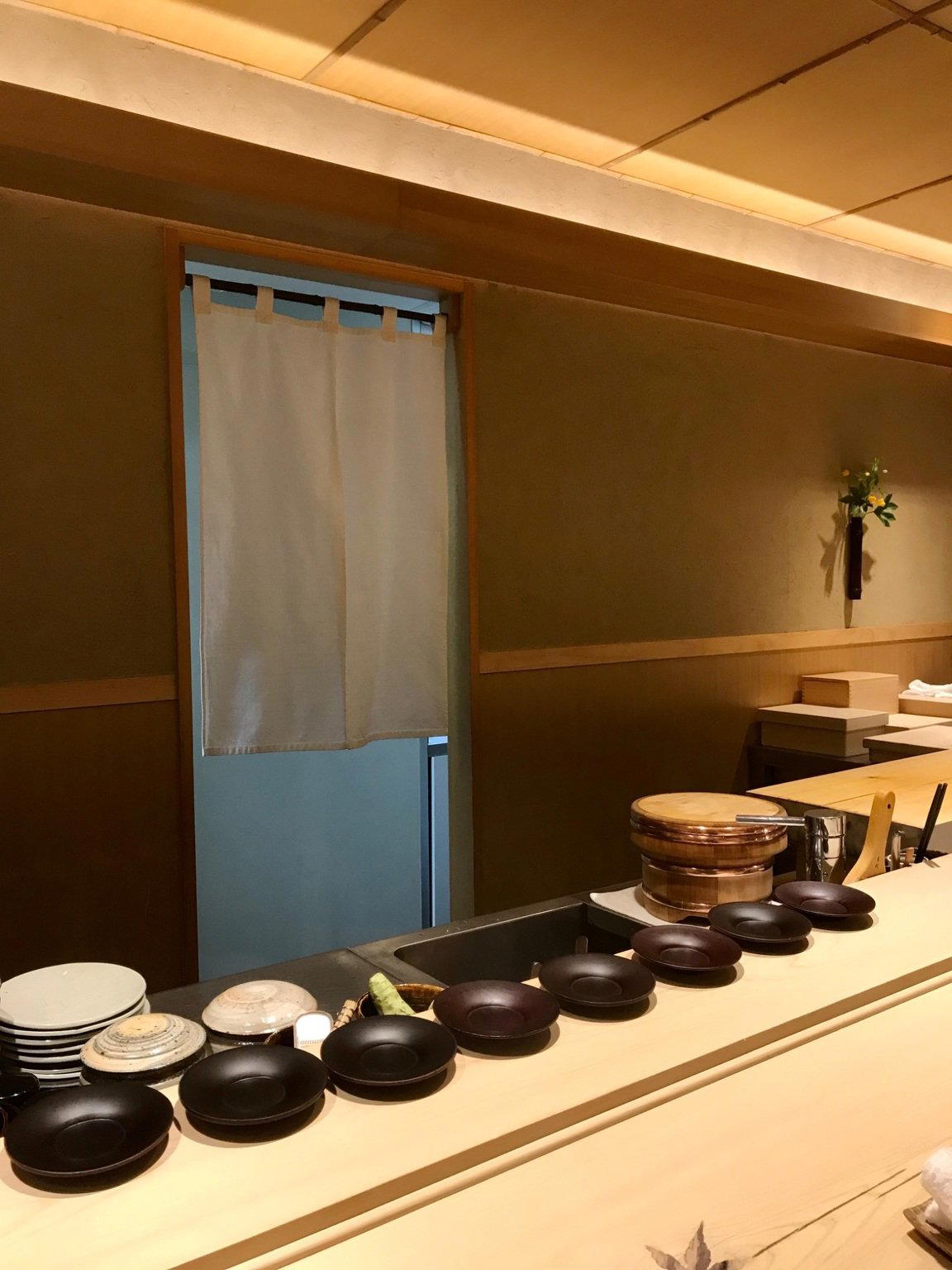
Approaching a Sapporo ramen shop in winter is less theatre than ritual: coats stay zipped until the door slides open, the room is compact, and the meal moves at the pace of boiling water, tickets, bowls, and quick turnover. Hachinoki fits that grammar. It is not built around lingering or spectacle. The format is the point: a small ramen room with 17 seats, including counter seating, where the diner’s role is to arrive ready, order cleanly, eat while the bowl is hot, and make space for the next person.
Sapporo’s ramen culture is often flattened into a single shorthand, but the city’s stronger noodle shops operate across a wider spectrum: miso-led bowls associated with central Sapporo, porkier regional styles, spicy tantanmen, and neighbourhood shops that matter because locals return to them outside the visitor corridor. Hachinoki sits in that latter conversation. Its selection for Tabelog’s Ramen HOKKAIDO 100 in both 2024 and 2025 gives it a public marker beyond neighbourhood loyalty, and its Tabelog score of 3.69 places it in the serious local-review tier without turning the meal into a luxury performance.
A counter-led ramen ritual in Sapporo's western suburbs
The key to reading this kind of ramen shop is pacing. Ramen in Japan is often a short meal, but short does not mean casual in the careless sense. The compact room, counter orientation, and solo-dining friendliness all point to a specific etiquette: decide before the queue reaches the front, avoid turning the table into a planning session, and treat the bowl as time-sensitive. That rhythm matters more here than decorative service language.
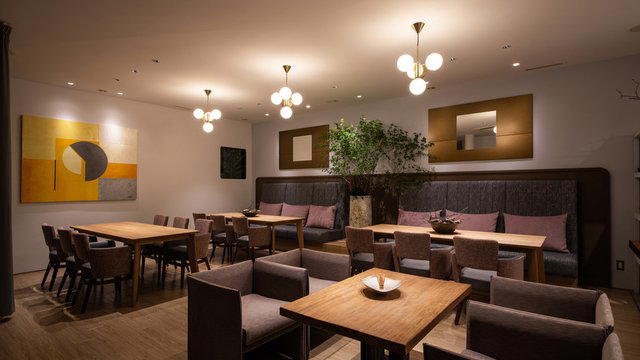
Hachinoki’s appeal is also tied to scale. A 17-seat ramen shop cannot absorb indecision or large-group dining in the way a central Sapporo dining room can. Eight counter seats and two four-person tables create a hybrid format: efficient enough for single diners, forgiving enough for families, but not designed for drawn-out meals. Children are welcomed, which is useful in a city where many serious ramen counters can feel intimidating to travellers, yet the meal remains governed by ramen-shop cadence rather than restaurant ceremony.
Within Sapporo, that places Hachinoki in useful contrast with other low-price, high-frequency eating formats. Sapporo Menya Mitsuba, Ramen Sakurajima Honten, and Menya hide occupy comparable ramen territory at the same accessible price band, while Teuchi Soba no Taguto shows how another noodle tradition in the city uses a quieter, craft-driven register. For a broader read of the city’s dining range, Our full Sapporo restaurants guide is the better map, especially when pairing ramen with curry specialists such as [Curry Senmon Ten] Maruyama Kyoju., Ajanta Indo Curry Ten, and Ajanta Sohonke.
Why the recognition matters, and what it does not promise
Tabelog’s Ramen HOKKAIDO 100 selection is a meaningful trust signal in a region where ramen is not a side category. Hokkaido has enough noodle depth that recognition requires more than tourist visibility. Hachinoki’s repeat appearance in 2024 and 2025 suggests consistency inside that regional field, not a sudden publicity spike. The award also helps frame expectations correctly: this is a ramen shop with peer credibility, not a tasting-menu restaurant wearing ramen as a motif.
That distinction matters for travellers used to reservation-led dining. The value of a shop like this lies in the democratic precision of the format: a defined category, narrow purpose, fast service, and a price structure that keeps ramen in its everyday lane. The listed budget remains under JPY 999 for lunch and dinner, with review-based spending commonly shown in the JPY 1,000 to JPY 1,999 range. In Sapporo terms, that makes the critical question less about splurge value and more about opportunity cost. If the day’s plan already includes central-city dining, Hachinoki asks whether the reader wants to spend a meal on local ramen specificity rather than another polished restaurant booking.
That same logic applies across Sapporo’s wider food planning. A visitor building a serious eating itinerary might use 175°DENO Tantanmen Sapporo kitaguchi ten for spice and sesame depth, Aigues Vives for baking, then put Hachinoki into the ramen slot rather than treating every meal as a formal reservation. The city rewards that mix. It is also worth separating restaurant planning from the rest of the trip: Our full Sapporo hotels guide, Our full Sapporo bars guide, Our full Sapporo wineries guide, and Our full Sapporo experiences guide help keep the ramen stop in proportion.
The reader decision: go for discipline, not ceremony
Hachinoki makes sense for diners who understand ramen as a disciplined urban routine. The room is small, the recognition is regional and category-specific, and the experience belongs to the Japanese counter tradition where efficiency is not a lack of hospitality. The more useful comparison is not with fine dining, but with other tightly defined casual formats across Japan: the sukiyaki focus at -Grilled beef Sukiyaki- KAMAKURA TANUKIAN 鎌倉 たぬき庵 in Kamakura, charcoal-and-tuna dining at. 鮪と炭火焼き うお炭 秋葉原店 in Tokyo, café culture at.cafe in Osaka, and sharper small-format cooking at.know in Kumamoto or [ki:] in Kyoto.
For international readers, the lesson travels as much as the address. Japanese casual dining is often strongest when it refuses to over-explain itself. That is why a ramen counter in Sapporo can belong in the same itinerary logic as (Shoku) Vietnam in Kawasaki, Jōdo Saké Bar in Los Angeles, or Onigiri Time in Pasadena: each rewards the diner who respects the format before asking it to behave like something else. Hachinoki is the Sapporo version of that principle, a concise ramen meal with enough third-party recognition to justify the detour and enough restraint to keep the focus where it belongs, on the bowl and the rhythm of the room.
What It’s Closest To
Comparable venues for orientation by cuisine and category.
| Venue | Cuisine | Price | Notes |
|---|---|---|---|
| HachinokiThis venue — the venue you are viewing | Classic Sapporo Ramen | $ | Not listed |
| Menya Kamejin | Sapporo ramen shop | $ | Higashi |
| Ramen Arata | Sapporo ramen with Korean-inspired options | $ | Chūō |
| Sapporo Fujiya | Ramen & Tsukemen Shop | $ | Higashi |
| SAKURA BROWN | Sapporo-style soup curry shop | $ | Nishi |
| Chuka Soba Usagi | Japanese Ramen | $ | Kita |
Recognition history
Dated appearances from independent guides and award organizations, with the underlying list record or original source where available.
Tabelog 100 #5 · No. 5
Tabelog · Tabelog 100 - Ramen - HOKKAIDO - 2025
At a Glance
- Classic
- Cozy
- Solo
- Casual Hangout
- Family
- Standalone
Current opening hours
- Monday
- 11 AM–3 PM, 5–7:30 PM
- Tuesday
- 11 AM–3 PM, 5–7:30 PM
- Wednesday
- 11 AM–3 PM
- Thursday
- Closed
- Friday
- 11 AM–3 PM, 5–7:30 PM
- Saturday
- 11 AM–3 PM, 5–7:30 PM
- Sunday
- 11 AM–3 PM, 5–7:30 PM
Hours can change for holidays and private events. Last verified .
Simple, traditional ramen-shop atmosphere with a focus on a classic, authentic bowl rather than a flashy dining setting.