Our verdict
Du & I Alm sits at Hauser Kaibling 218, embedded in the alpine terrain above Haus im Ennstal in Austria's Enns Valley. In a region where mountain huts range from utilitarian ski stops to full-service dining destinations, this address occupies the refined end of the local alm tradition. For visitors to Haus, it represents one of the more considered options on the mountain circuit.

Pearl is the En Primeur Club membership app, where members save venues, book tables and use the concierge.
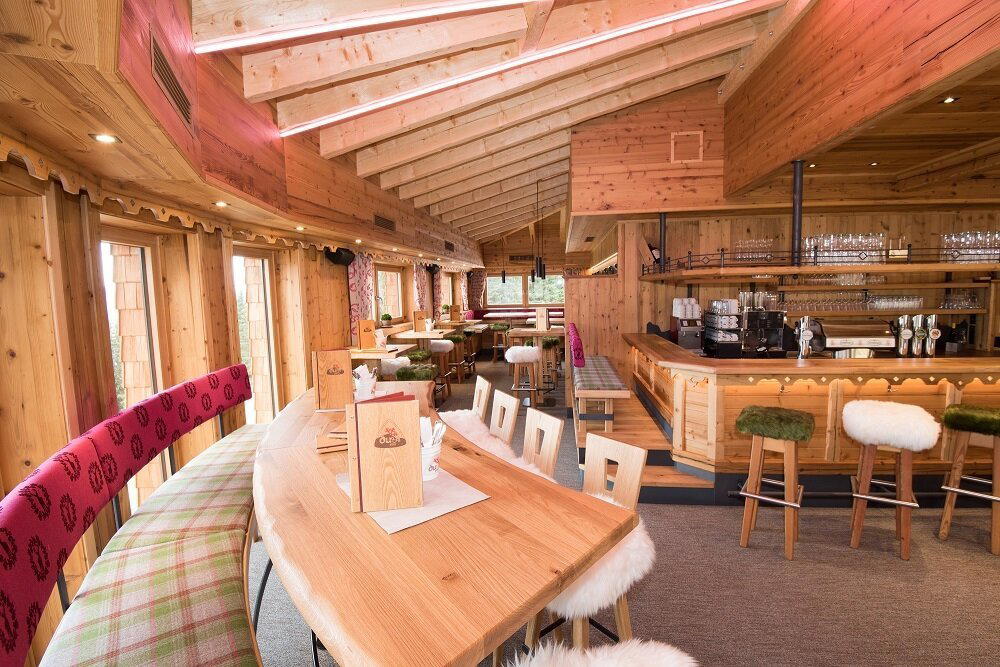
Mountain Dining in the Enns Valley: Where the Alm Tradition Holds Its Ground
The Hauser Kaibling ski area rises above Haus im Ennstal at the western edge of the Schladming-Dachstein region, part of the Styrian Alps' broader push to position itself as a serious alpine destination year-round. The mountain huts that punctuate this terrain are not incidental to the experience, they are, in many cases, the reason visitors return. In Austria's alm culture, the hut is a social institution as much as a food stop: a place where the rhythm of the mountain slows, where local produce finds its most direct expression, and where the gap between field and plate is measured in altitude rather than kilometres. Du & I Alm, located at Hauser Kaibling 218, sits inside this tradition and answers to its logic.
The address itself signals something. Hauser Kaibling is one of four interconnected mountains in the Schladming-Dachstein Ski World, a circuit that collectively draws serious skiers and summer hikers who treat the terrain as a primary reason for travel rather than background scenery. An alm positioned here is not serving a captive audience of reluctant lunch-breakers. It is competing, implicitly, with peers like Krummholzhütte, Schoarlhütte, and Stöcklhütte on the same mountain, and with the valley-level option offered by Natur- und Wellnesshotel Höflehner below. That competitive context matters when assessing what any individual hut is doing well or differently.
What the Alm Format Demands: Sourcing at Altitude
Editorial angle most relevant to any alpine hut in Styria is ingredient sourcing, because geography imposes constraints that shape menus more forcefully here than in city kitchens. Styria is Austria's agricultural heartland, the region produces pumpkin seed oil, beef from Enns Valley cattle, Steirisches Weidelamm lamb, and a range of dairy products that carry regional designation. The leading alm kitchens in this part of Austria treat proximity as a discipline rather than a marketing point: sourcing from farms within the valley floor or the immediate mountain surrounds, keeping menus seasonal by necessity rather than fashion, and letting the elevation and the setting do work that elaborate preparation would only obscure.
This model sits at the opposite end of the spectrum from the resort-hotel dining rooms that have proliferated in premium alpine destinations across the Alps. Where those rooms import technique and ambition from city kitchens, sometimes to strong effect, as at Gourmetrestaurant Tannenhof in Sankt Anton am Arlberg or Stüva in Ischgl, the alm format derives its authority from rootedness. The two approaches produce genuinely different dining experiences, and neither is reducible to the other. Austria's broader fine dining circuit, which includes addresses like Steirereck im Stadtpark in Vienna, Döllerer in Golling an der Salzach, and Obauer in Werfen, has increasingly engaged with regional sourcing as a philosophical position. The alm tradition arrived at that position by default generations earlier.
The Physical Experience: Approaching Hauser Kaibling
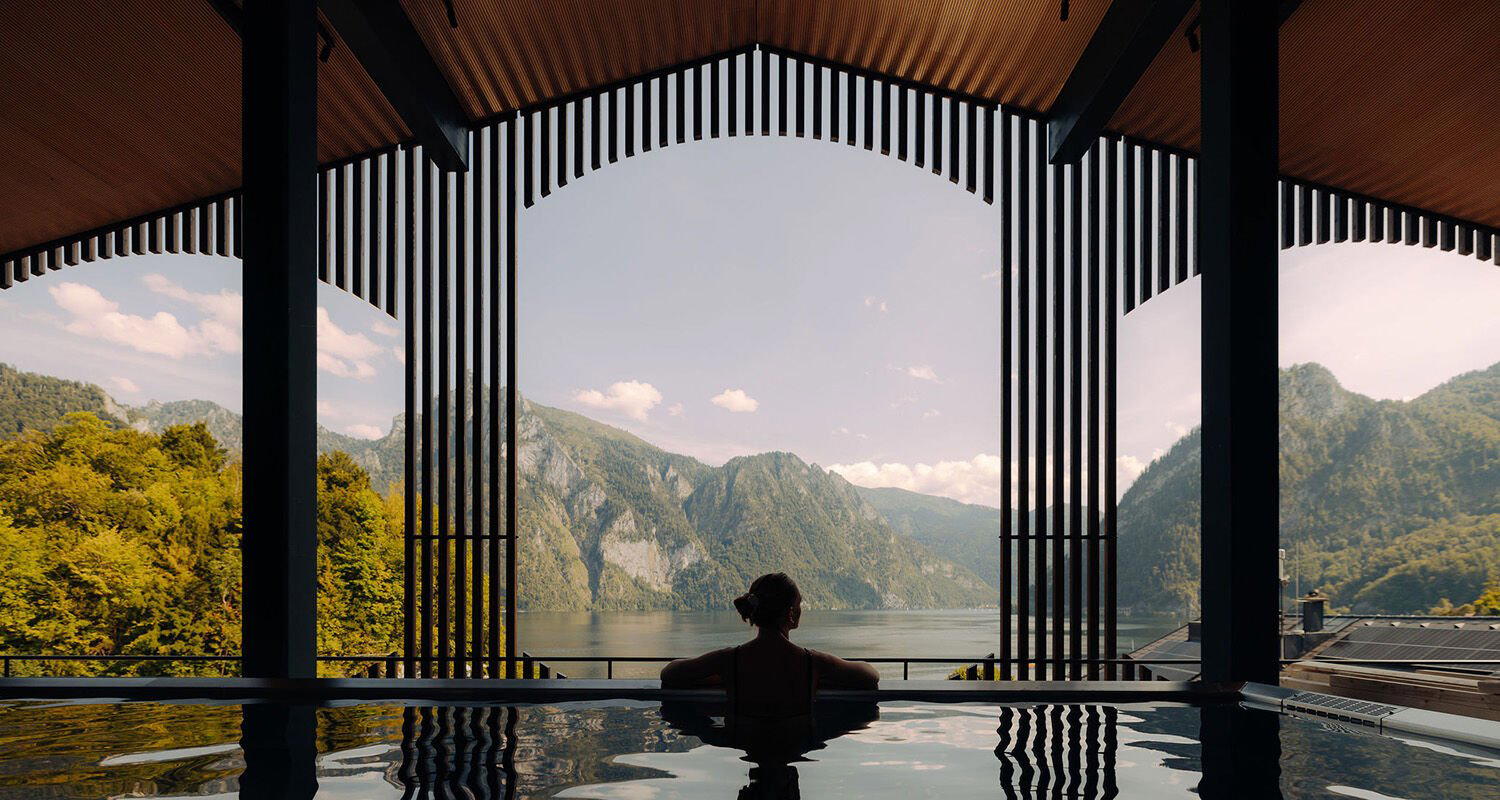
To reach Du & I Alm, visitors ascend the Hauser Kaibling cable car system from the valley station in Haus im Ennstal. The approach, whether on skis in winter or on foot in the summer hiking season, frames the eventual arrival in a way that no urban restaurant entrance can replicate. The panoramic view across the Enns Valley toward the Dachstein massif and the Grimming, Styria's free-standing mountain with its immediately recognisable plateau profile, provides the context in which any food or drink consumed will be understood. Light changes quickly at this elevation, and the transition from a morning mist-covered valley to a clear alpine afternoon happens in compressed time.
The alm format in Austria traditionally supports this kind of environmental theatre with food and drink that requires no elaborate framing. Gröstl, Gulasch, Käsespätzle, or a plate of local charcuterie served with dark bread and mountain air carries a direct logic that the setting reinforces rather than contradicts. The leading huts in the Schladming-Dachstein area operate within that logic consistently, see also Stangl Alm for another local point of reference.
Haus im Ennstal in Broader Austrian Context
Haus im Ennstal occupies a particular position in Austrian alpine tourism: substantial enough to anchor a serious ski circuit, small enough to retain the character of a working Styrian valley town. It lacks the international brand saturation of Kitzbühel or the celebrity-resort density of Lech, which means the hospitality infrastructure here tends toward the functional and the local rather than the performative. That is not a criticism, it is a description of what makes this part of Styria appealing to visitors who find the heavily branded end of Austrian ski tourism less interesting.
Comparable regional specificity, applied to sourcing and food tradition, appears at other Austrian addresses that have built reputations on staying within their geography: Landhaus Bacher in Mautern an der Donau, Ois in Neufelden, and Kräuterreich by Vitus Winkler in Sankt Veit im Pongau all operate on versions of that philosophy at different price points and formats. The alm version of this commitment is less elaborately expressed, it does not require a wine programme or a tasting menu, but the underlying logic is the same: food that is specific to a place tends to be more honest than food that could have been served anywhere. For international reference points operating in a structurally similar way at the high end, Lazy Bear in San Francisco and Le Bernardin in New York City demonstrate what sustained sourcing discipline produces when applied over decades, though the formats are obviously different.
The full picture of dining in Haus is covered in our full Haus restaurants guide. For the alpine tier specifically, Du & I Alm and its mountain neighbours form a distinct category worth understanding on their own terms before mapping them against valley-level or regional peers.
Planning Your Visit
Du & I Alm operates in alpine terrain at Hauser Kaibling, which means access depends on cable car operating hours during the ski season (roughly December to April) and hiking trail conditions during the summer season (typically June to October). Visitors planning a dedicated meal stop should time arrival for early afternoon when the mountain lunch rush on the slopes has eased. The Hauser Kaibling lift system connects with the broader Schladming-Dachstein network, so those skiing across the four-mountain area can factor a stop here into a multi-mountain day. Haus im Ennstal is accessible from Salzburg in approximately 90 minutes by car and sits on the main Salzburg-Graz rail corridor, with Schladming as the nearest major station. Also worth considering during any stay in Haus: Schwarzer Adler in Hall in Tirol and Restaurant 141 by Joachim Jaud in Mieming are within broader Tyrol and Salzburg regional reach for those extending their Austrian itinerary.
Frequently asked questions
Is Du & I Alm child-friendly?
Alpine huts on ski circuits like Hauser Kaibling typically draw families as a core part of their trade, and Du & I Alm's position on the mountain at Haus im Ennstal places it squarely within that pattern. Access requires the Hauser Kaibling cable car system, so very young children who are not skiing would need to ascend via the gondola. On-mountain alm dining in Styria is a multigenerational tradition, making the format inherently accommodating to mixed-age groups.
What's the vibe at Du & I Alm?
Du & I Alm operates within the Styrian alm tradition: expect the unpretentious, communal atmosphere that defines working mountain huts rather than resort hotel dining. The setting on Hauser Kaibling above Haus im Ennstal means the clientele skews toward active skiers taking a midday break, with the tempo of the room driven by cable car schedules and daylight hours. It is functional and grounded, not theatrical.
Can you reach Du & I Alm without skis?
Yes. The Hauser Kaibling cable car system from the valley station in Haus im Ennstal, Austria, provides access to the mountain independently of ski equipment, meaning walkers, snowshoers, and non-skiing visitors can ascend during operating hours. Access remains tied to the cable car schedule, which follows the ski season calendar running roughly from December through April, so visiting outside that window is not possible via standard means.
What do people recommend at Du & I Alm?
At Hauser Kaibling, sourcing is shaped by the logistics of supply at elevation, which tends to push kitchens toward regionally established, seasonally stable dishes.
Quick Comparison
Comparable venues nearby, for context on price, style, and recognition.
| Venue | Cuisine | Price | Notes |
|---|---|---|---|
| Du & I AlmThis venue (the venue you are viewing) | Alpine Ski Hut | Not listed | Not listed |
| Stangl Alm | Traditional Tyrolean Alpine Cuisine | $20–30 | Oberndorf in Tirol |
| Schoarlhütte | Traditional Austrian Alpine Hut | $10–20 | Haus im Ennstal |
| Stöcklhütte | Traditional Austrian Alpine | $10–20 | Haus im Ennstal |
| Krummholzhütte | Styrian Gourmet Hut | $20–30 | Haus im Ennstal |
Continue exploring
More in Haus
Restaurants in Haus
All restaurants in Haus →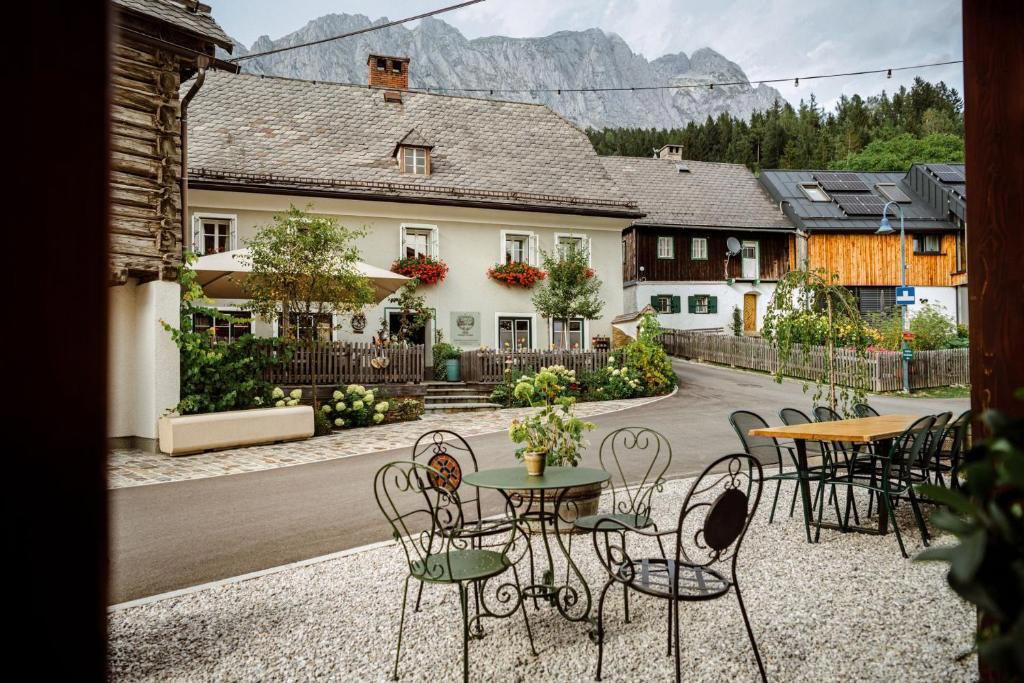
Details
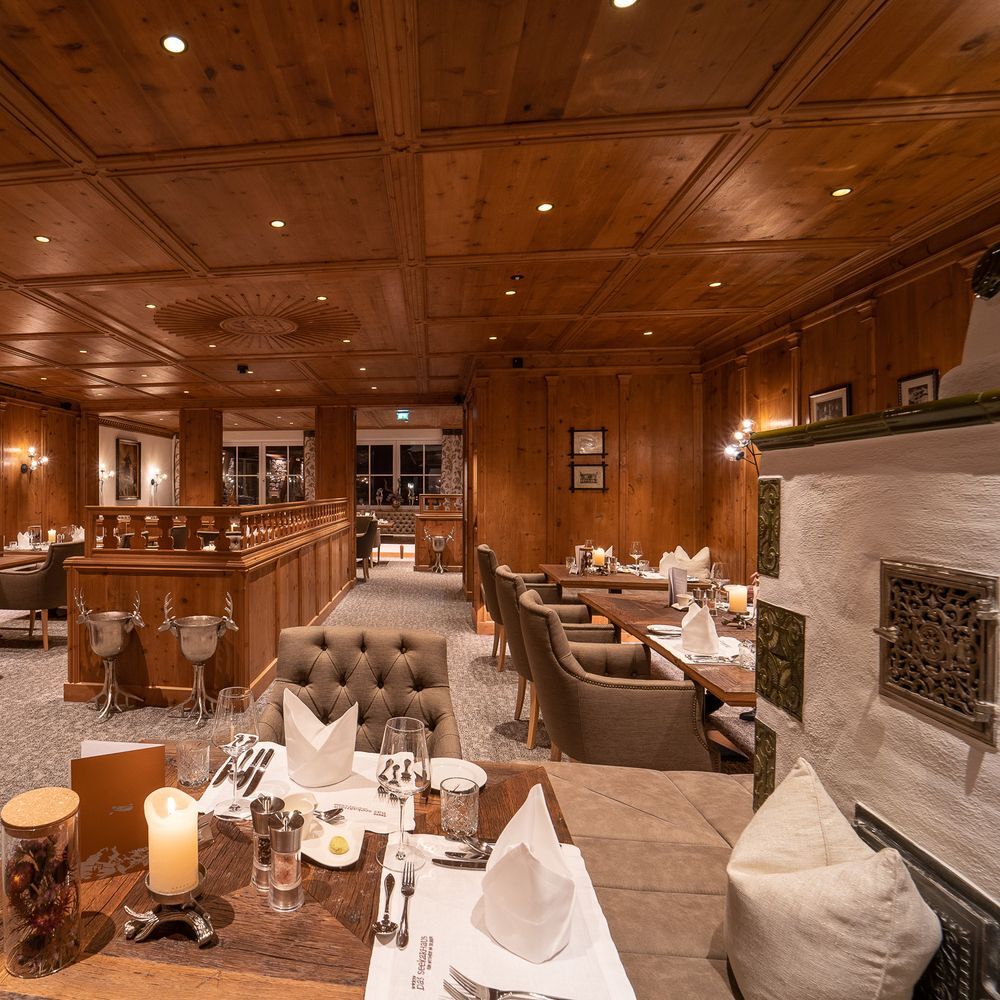
- Cozy
- Rustic
- Scenic
- Casual Hangout
- Open Kitchen
- Terrace
- Panoramic View
- Mountain
- Street Scene
- A La Carte
Current opening hours
- Monday
- 9 AM–5 PM
- Tuesday
- 9 AM–5 PM
- Wednesday
- 9 AM–5 PM
- Thursday
- 9 AM–5 PM
- Friday
- 9 AM–5 PM
- Saturday
- 9 AM–5 PM
- Sunday
- 9 AM–5 PM
Hours can change for holidays and private events. Hours as of .
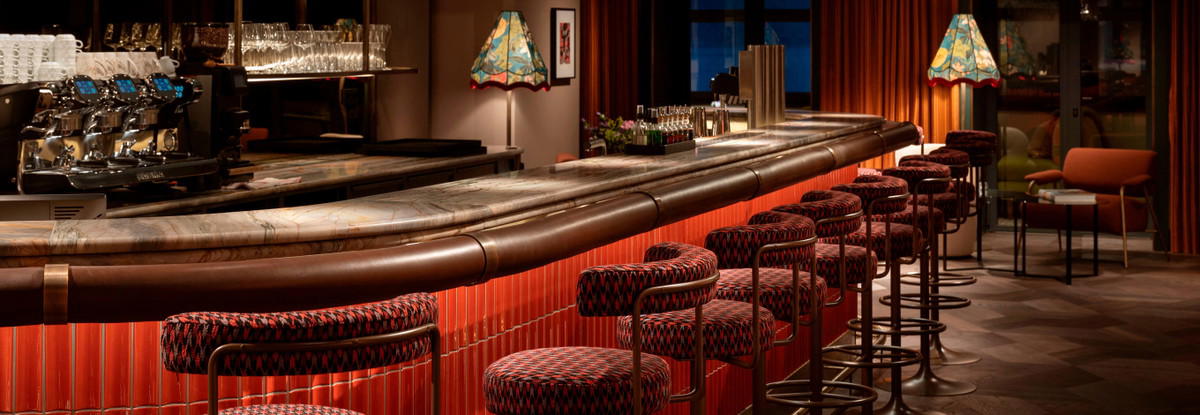
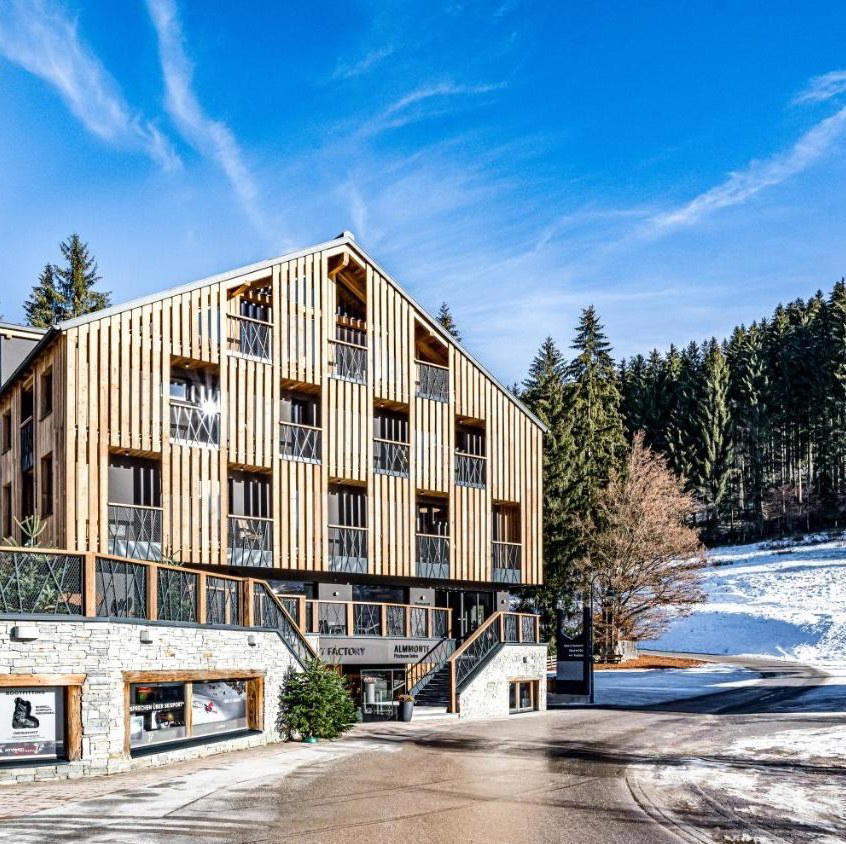
Cozy alpine ambiance with panoramic piste views from bar-lounge and sun terrace.