Our verdict
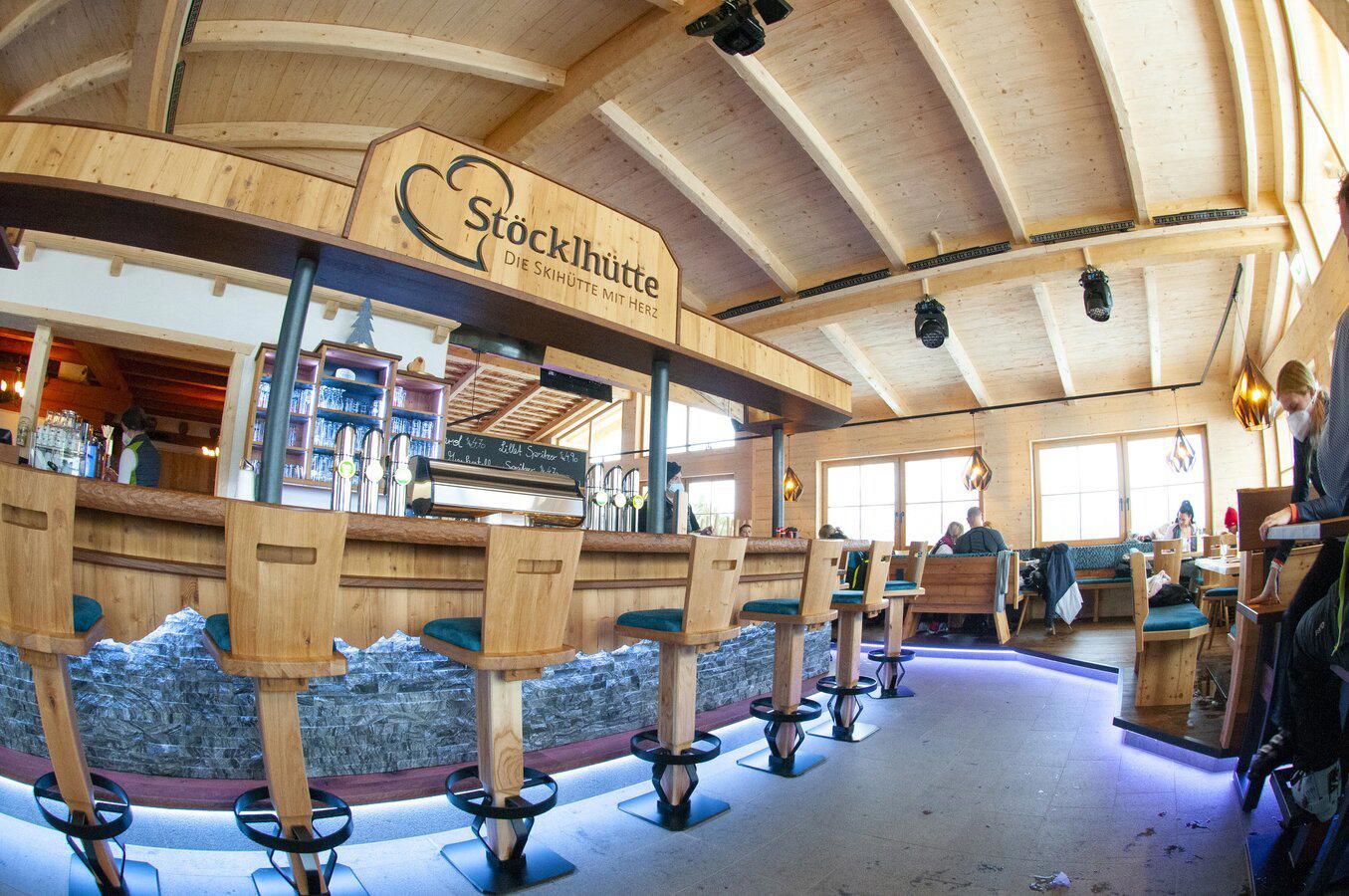
Stöcklhütte sits on the Hauser Kaibling ski area above the Styrian village of Haus, operating in the tradition of Austrian alpine huts that fold serious eating into the rhythm of a mountain day. The format here follows a pattern common to the upper tier of Schladming-Dachstein dining: hearty regional cooking served in a setting where the altitude and the season shape what lands on the table.

Pearl is the En Primeur Club membership app, where members save venues, book tables and use the concierge.
The menu
What to order
- Stöcklburger
- Hüttengröstl
- Stöcklpfandl
- Topfen-Heidelbeerstrudel
Altitude and Appetite: How Alpine Huts Frame the Meal
There is a particular logic to eating on an Austrian ski mountain that has little in common with urban dining. The sequence is reversed: the effort comes first, the table second. At huts positioned across the Hauser Kaibling, that structure shapes everything from what gets ordered to how long guests linger. Stöcklhütte, sited at the Hauser Kaibling above the village of Haus in the Enns valley, operates within that tradition. The address, 8967 Hauser Kaibling, places it squarely on the mountain, not at its base, which means access is determined by the lift system and the season, not a street-level stroll.
The Hauser Kaibling is one of four interconnected mountains that form the Schladming-Dachstein ski region, a circuit with enough vertical and variety to hold a visitor for a full week. Mountain dining in this part of Styria sits in a competitive field: the huts that survive here do so not just on location but on the quality of what they serve and the reliability of the experience. A warm Stube, a well-judged Gulasch, a cold beer with a view of the Dachstein massif, these are not incidental pleasures but the point.
Menu Architecture on the Mountain
Alpine hut menus in Austria tend to follow a structural logic that is worth understanding before you arrive. They are not ambitious in the sense that, say, Steirereck im Stadtpark in Vienna or Ikarus in Salzburg are ambitious. The ambition runs in a different direction: maximum coherence within a narrow, seasonal register. The menu is short by design. A hut operating at altitude, often reached only by ski or lift, cannot rotate 40 covers through a ten-course progression. What it can do is execute a small number of dishes, soups, roasted meats, regional pasta, perhaps a Kaiserschmarrn, with the kind of consistency that repeat visitors rely on.
This compactness is a structural choice, not a limitation. The huts that earn a following in the Schladming-Dachstein region tend to be the ones that resist the temptation to broaden their menus seasonally and instead deepen what they already do well. At the other end of the Austrian dining spectrum, houses like Obauer in Werfen or Landhaus Bacher in Mautern an der Donau build identity through elaborate seasonal construction. Mountain huts build it through reduction. What Stöcklhütte carries in that tradition is the emphasis on hearty, regionally rooted preparation suited to the physical demands of a day on the slopes.
Haus and the Hauser Kaibling: Setting the Scene
Haus im Ennstal is a small Styrian village that functions as the base for Hauser Kaibling, the ski mountain that gives the area its competitive identity within the broader Ski amadé network. The village sits roughly 750 metres above sea level; the Kaibling peak reaches above 1,900 metres. That vertical range supports a ski season typically running from December through April, with peak weeks in February and early March when conditions and daylight hours align.
The hut scene across Hauser Kaibling has a distinct character compared with the more heavily trafficked slopes of neighbouring Planai and Hochwurzen. It is quieter, which translates into a more relaxed pace at mountain restaurants. Visitors who find the main Schladming area congested at lunch often cross to the Kaibling side specifically for that reason. For neighbouring options across the local hut circuit, Du & I Alm, Krummholzhütte, Schoarlhütte, and Stangl Alm round out the on-mountain options, each occupying a slightly different position on the slope and drawing a different mix of visitors.
The broader village infrastructure includes Natur- und Wellnesshotel Höflehner, which anchors the valley-level dining offer for those staying in Haus rather than eating exclusively on the mountain. The full picture of where to eat across the area is covered in our full Haus restaurants guide.
Where Stöcklhütte Sits in the Austrian Alpine Dining Spectrum
Austrian alpine hut occupies a different cultural register than either the fine-dining rooms of the country's cities or the destination restaurants that have drawn international attention to the alpine corridor running from Vorarlberg through Salzburg. Places like Griggeler Stuba in Lech or Gourmetrestaurant Tannenhof in Sankt Anton am Arlberg have pushed alpine dining toward Michelin-level precision within a mountain context. Stöcklhütte is not in that category. It operates in the broader, more democratic tier of mountain hut eating that is actually far more representative of how Austrians and regular ski visitors eat on the slopes.
That tier is not without its own standards. In the Schladming-Dachstein area, huts that cannot hold a consistent lunch service, warm interior, prompt kitchen, reliable regional dishes, lose their loyal clientele quickly. The regional comparison set is honest: Kräuterreich by Vitus Winkler in Sankt Veit im Pongau and Döllerer in Golling an der Salzach show what Salzburg-region alpine-influenced dining can achieve at the high end, but they are not the benchmark for a Kaibling hut. The benchmark is operational competence, regional authenticity, and the understanding that the guest has just spent a morning in cold air and needs something that delivers before they head back to the slopes. For reference on what structured contemporary dining achieves outside the alpine context, Ois in Neufelden and Restaurant 141 by Joachim Jaud in Mieming represent the sharper end of regional Austrian cooking in a non-mountain format.
Internationally, the structural difference between a tightly edited mountain menu and the kind of architectural precision seen at Le Bernardin in New York City or the multi-course intelligence of Atomix in New York City is instructive: both ends of the spectrum demand clarity of purpose. The alpine hut version of that clarity is just expressed through simplicity rather than complexity.
Planning Your Visit
Stöcklhütte is accessible via the Hauser Kaibling lift system, which means it operates within the ski season calendar rather than as a year-round destination. Visitors should plan visits during the core winter season, with mid-week lunches typically offering a more relaxed experience than weekend peak hours. Given that the venue sits on the mountain proper, arrival by ski or lift is the operative mode; the address at Hauser Kaibling confirms the on-slope position.
Frequently asked questions
Is Stöcklhütte a family-friendly restaurant?
Stöcklhütte sits on the Hauser Kaibling lift system in Haus, Styria, a mountain area with terrain that draws a broad cross-section of skiers including families. The alpine hut format, hearty portions, informal seating, no dress expectations, suits groups travelling with children. That said, access depends on the lift system being operational, so the ski season calendar governs when families can reach it.
What's the vibe at Stöcklhütte?
The atmosphere follows the Styrian Stube tradition: a clientele that has already spent the morning on the slopes, wooden interior warmth, and a tempo shaped by skiers who need to eat and get back out. It is practical and convivial rather than leisurely. Stöcklhütte is on the Hauser Kaibling mountain above Haus im Ennstal, which means the room fills with people in ski boots, not dress shoes.
Is Stöcklhütte accessible without skis, and can you reach it on foot?
Stöcklhütte is located on the Hauser Kaibling mountain above Haus im Ennstal, Austria, and its primary access route runs through the lift system. Outside the ski season, hiking trails on Hauser Kaibling do provide mountain access, though specific summer trail conditions linking to Stöcklhütte's position should be confirmed locally before planning a visit on foot.
What do people recommend at Stöcklhütte?
Austrian alpine huts in the Styrian tradition typically anchor their menus around Gulasch, Germknödel, and Käsespätzle, the kind of calorie-dense cooking that makes sense at altitude after a morning of skiing. For the current menu, visiting during the Hauser Kaibling ski season or checking with the lift operator directly is the reliable approach.
How do I find Stöcklhütte?
Stöcklhütte is located at 8967 Hauser Kaibling, Austria, Haus.
Do they take walk-ins at Stöcklhütte?
Mountain huts on the Hauser Kaibling lift system in Haus operate primarily as walk-in venues, with skiers stopping mid-run rather than booking ahead. Advance reservations are not the norm in this format, though peak season weekends and school holiday periods can push capacity. Arriving before noon tends to be the practical move on busy days.
Awards and Standing
Comparable venues nearby, for context on price, style, and recognition.
| Venue | Cuisine | Price | Notes |
|---|---|---|---|
| StöcklhütteThis venue (the venue you are viewing) | Traditional Austrian Alpine | $10–20 | Not listed |
| Krummholzhütte | Styrian Gourmet Hut | $20–30 | Haus im Ennstal |
| Schoarlhütte | Traditional Austrian Alpine Hut | $10–20 | Haus im Ennstal |
| Stangl Alm | Traditional Tyrolean Alpine Cuisine | $20–30 | Oberndorf in Tirol |
| Du & I Alm | Alpine Ski Hut | Not listed | Haus im Ennstal |
Continue exploring
More in Haus
Restaurants in Haus
All restaurants in Haus →
Details
- Rustic
- Cozy
- Scenic
- Casual Hangout
- After Work
- Historic Building
- Open Kitchen
- Local Sourcing
- Mountain
- A La Carte
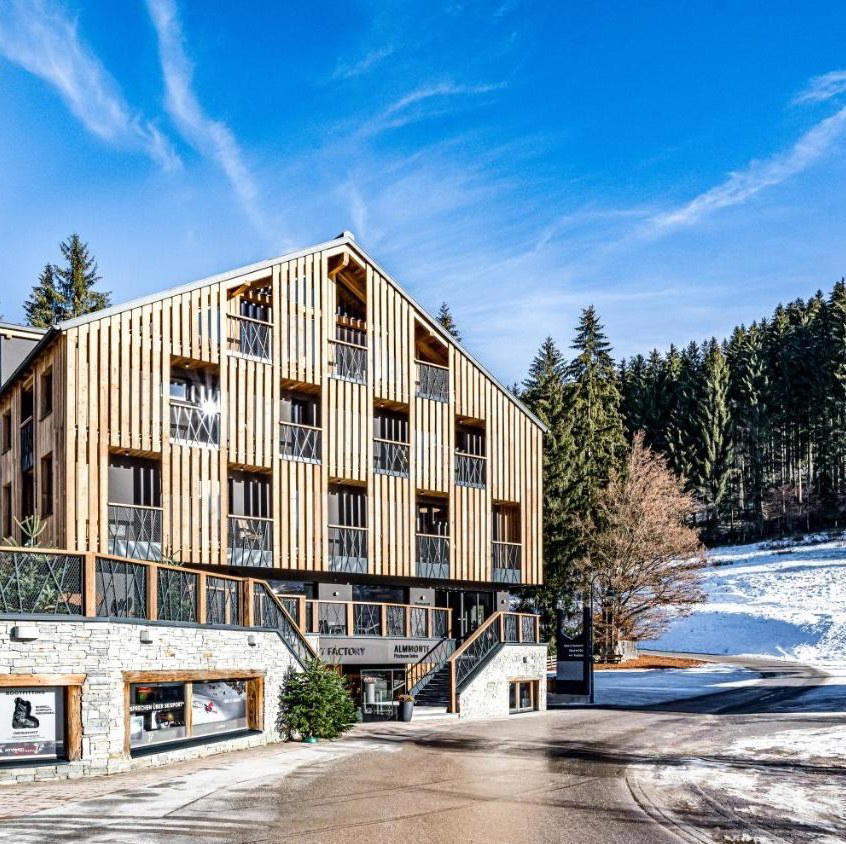
Rustic and cozy alpine atmosphere with lively après-ski vibe.