
Stefan Haas Fine Dine holds consecutive Michelin Plates for 2024 and 2025, placing it among the more formally recognised creative restaurants in the Salzkammergut. Situated in Fischerndorf on the edge of Altaussee's lake district, it occupies a tier where the cooking is taken seriously but the setting remains alpine..
Pearl is the En Primeur Club membership app — saves, bookings, and concierge access live there. Same editors, same standards.
- Address
- Fischerndorf 80, 8992 Fischerndorf, Austria
- Phone
- +43 676 5138838
- Website
- stefanhaas-finedine.at
- Directions
- Get directions
 Saves & bookings on Pearl
Creative Cooking at the Edge of the Salzkammergut
Altaussee sits in a fold of the Styrian Alps where the lake is cold and clear and the nearest city with a Michelin constellation feels a long drive away. That remoteness shapes what fine dining means here. Restaurants in the Salzkammergut region cannot rely on urban foot traffic or corporate expense accounts; they earn their clientele through destination pull, and the cooking has to justify the journey. Stefan Haas Fine Dine, addressed at Fischerndorf 80 on the lake's eastern shore, operates inside that logic. Its consecutive Michelin Plates for 2024 and 2025 are the guide's signal that the kitchen is cooking at a level worth noting.
Where Alpine Austria Meets Creative Cuisine
Austria's creative fine dining tradition has deep roots in the tension between classical regional cooking and the influence of French and Central European technique. The country's most referenced creative kitchens, Steirereck im Stadtpark in Vienna at the summit of the price tier, or Ikarus in Salzburg with its rotating guest chef format, have built their identities around interpreting local ingredients through a broader European lens. The same current runs through the alpine corridor that includes Döllerer in Golling an der Salzach and Obauer in Werfen. Stefan Haas Fine Dine operates at €€€, a notch below that upper bracket on price, which positions it as the more accessible entry point into Michelin-recognised creative cooking in the broader Salzburg-to-Styria arc.
That positioning matters culturally. In the alpine regions of Austria, creative cuisine is not simply a transplant of urban restaurant culture into scenic surroundings. It draws on a tradition of larder cooking, game, freshwater fish, mountain herbs, dairy, and reframes those materials through modern technique. The Salzkammergut, with its lake fish and forested hinterland, offers a specific pantry that distinguishes its creative restaurants from peers in Tirol or the Vorarlberg. Restaurants such as Griggeler Stuba in Lech and Gourmetrestaurant Tannenhof in Sankt Anton am Arlberg demonstrate how western Austrian alpine dining has developed its own identity. In Styria and the Salzkammergut, the idiom is different: earthier, more rooted in the lake and forest, less influenced by the ski-resort premium market.
The Michelin Plate Signal
Two consecutive Michelin Plates, awarded for 2024 and again for 2025, indicate that the guide's inspectors have visited and found cooking at a consistent standard. The Plate is not a star, but it is a deliberate inclusion: Michelin uses it to mark restaurants where the food is good, as distinct from the broader pool of listed addresses. In a town the size of Altaussee, with a local population in the hundreds and a dining scene that leans heavily toward traditional Gasthäuser, a Michelin recognition in the creative category is a meaningful data point. It places Stefan Haas Fine Dine in a distinct bracket from its immediate neighbours.
For comparison, the Austrian restaurants in the creative or innovative category that carry full stars, Steirereck, Döllerer, Kräuterreich by Vitus Winkler in Sankt Veit im Pongau, are clustered around the €€€€ price point. The pricing of the restaurant suggests a tighter menu format or a different operating model, which is common in smaller alpine venues where the economics of running a fine dining kitchen depend on lower overheads rather than high cover counts. Similar patterns appear at Ois in Neufelden, Schwarzer Adler in Hall in Tirol, and Restaurant 141 by Joachim Jaud in Mieming, all of which operate in the regional fine dining tier without reaching the leading price bracket.
Internationally, the creative category covers a wide range of approaches. At the high end, addresses like Alléno Paris au Pavillon Ledoyen or Enrico Bartolini in Milan define what the label means at three-star level. The restaurant operates at the opposite end of that scale: a small venue in a remote alpine location, cooking at a recognised standard for a specific audience of travellers and locals who make the effort to get there.
Dining in Altaussee: What to Expect from the Setting
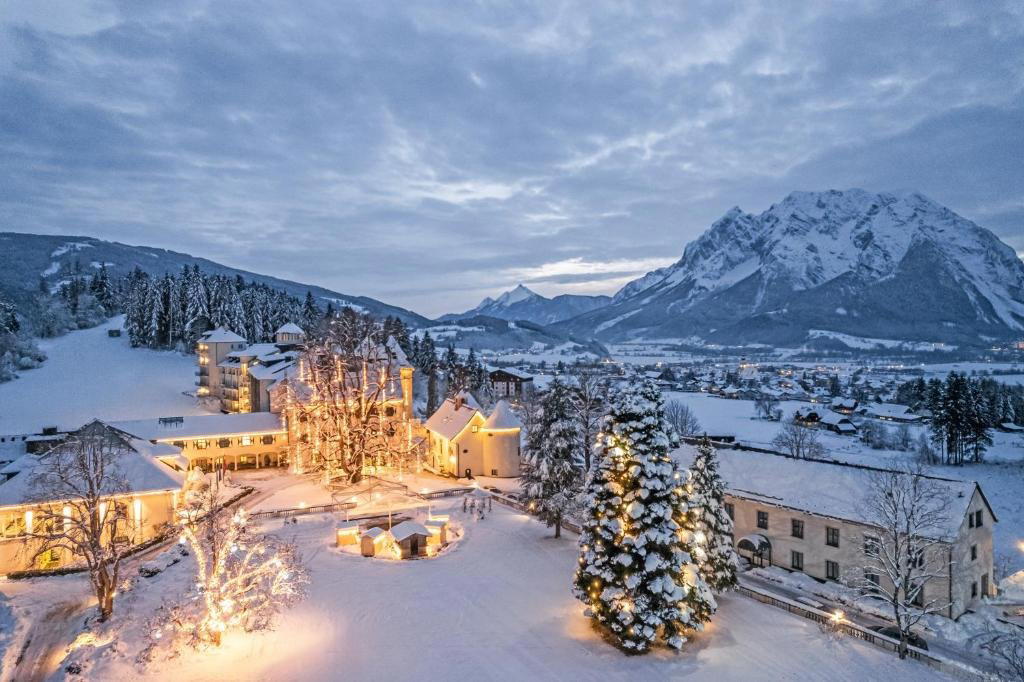
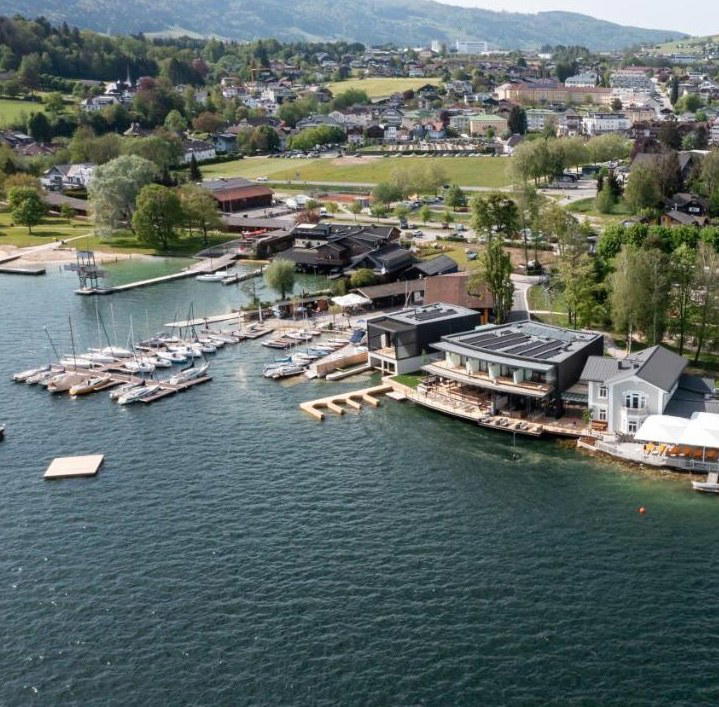
Fischerndorf is the quiet eastern settlement on the Altaussee lake, separated from the main village by a short lakeside road. The address at number 80 puts the restaurant in an area where the view across the water is framed by the Loser massif. The physical environment sets expectations: this is not a city restaurant that happens to have alpine decor. The surroundings are genuinely remote, genuinely alpine, and the dining experience sits inside that context rather than against it.
For visitors, the practical reality of dining in Altaussee is that it requires forward planning. The village has no large hotel stock, and the nearest significant rail connection is Bad Aussee, roughly four kilometres away. Most guests arrive by car, and given the distance from Salzburg (around 90 kilometres) or Graz (around 110 kilometres), an overnight stay in the region makes more sense than a day trip for dinner. For those building a broader itinerary around Altaussee's dining scene, Geiger Alm represents the more casual end of the local restaurant offer. Our full Altaussee restaurants guide maps the full range.
Booking ahead is advisable given the venue's size and recognition. Guests should check current opening days directly with the restaurant before planning travel, as alpine fine dining venues at this scale frequently operate on restricted weekly schedules or close between seasons.
For those spending longer in the region, Altaussee bars, wineries, and experiences provide context for building a fuller visit around the Salzkammergut.
A Pricing-First Comparison
Comparable venues nearby, for context on price, style, and recognition.
| Venue | Cuisine | Price | Awards | Notes |
|---|---|---|---|---|
| Stefan Haas Fine DineThis venue — the venue you are viewing | Creative | $$$$ | Michelin Plate | Not listed |
| Strandcafé | Altaussee, Traditional Austrian Lakeside | $$$ | Not listed | Not listed |
| Loserhütte | Not listed | $$ | Not listed | Altaussee, Authentic Austrian Mountain Hut Cuisine |
| Geiger Alm | Dining | Not listed | Michelin 1 Star | Not listed |
| Wirtschaft Altaussee | Not listed | $$ | Not listed | Fischerndorf, Modern Austrian-Asian Fusion |
| Iris Porsche | Not listed | $$$$ | Michelin Plate | Marktplatz, Modern Fine Dining with Regional Austrian Influences |
Recognition history
Dated appearances from independent guides and award organizations, with the underlying list record or original source where available.
Michelin Plate
Michelin
Michelin Plate
Michelin
Michelin Plate
Michelin
Continue exploring
More in Altaussee
Restaurants in Altaussee
Browse all →
Bars in Altaussee
Browse all →


At a Glance
- Intimate
- Modern
- Minimalist
- Elegant
- Sophisticated
- Special Occasion
- Date Night
- Celebration
- Open Kitchen
- Chefs Counter
- Standalone
- Sommelier Led
- Beer Program
- Local Sourcing
- Farm To Table
Current opening hours
- Monday
- Closed
- Tuesday
- Closed
- Wednesday
- Closed
- Thursday
- Closed
- Friday
- 5–11 PM
- Saturday
- 12–11 PM
- Sunday
- 12–6 PM
Hours can change for holidays and private events. Last verified .
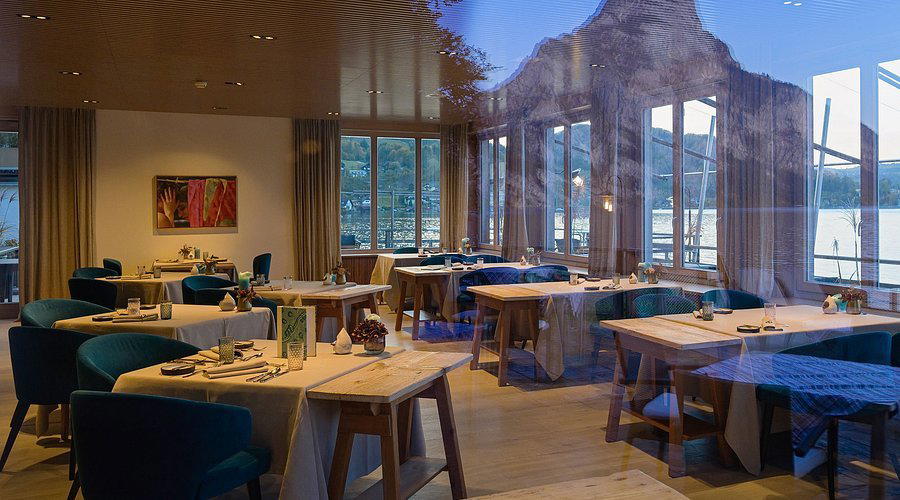
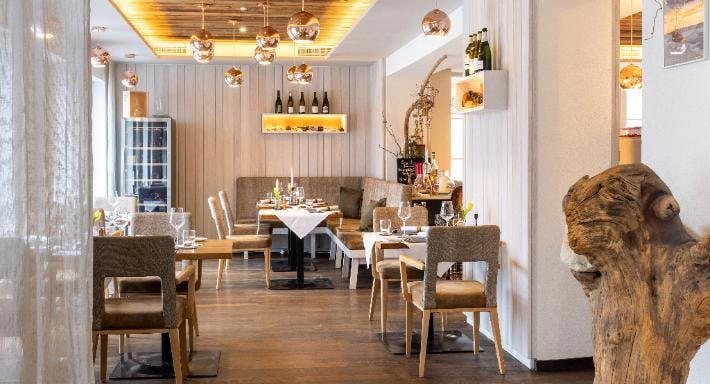
Modern and minimalist dining space with bright, natural lighting and a relaxed yet refined atmosphere; intimate setting with limited tables emphasizing personalized service and culinary focus.