Imlauer Hotel Schloss Pichlarn

Preferred Hotels L.V.X. Collection
A castle hotel in Austria's Enns Valley, Imlauer Hotel Schloss Pichlarn spreads across 110 rooms within a historic Schloss setting in Aigen im Ennstal, positioned between the Styrian Alps and the Gesäuse National Park. The property sits in a tier of Austrian castle conversions that prioritise scale and landscape access over boutique restraint, making it a substantive base for mountain and wellness travel in the Schladming-Dachstein region.

Pearl is the En Primeur Club membership app — saves, bookings, and concierge access live there. Same editors, same standards.
- Address
- Zur Linde 1, 8943 Aigen im Ennstal
- Phone
- +43 3682 24440
- Website
- schlosspichlarn.at
- Directions
- Get directions
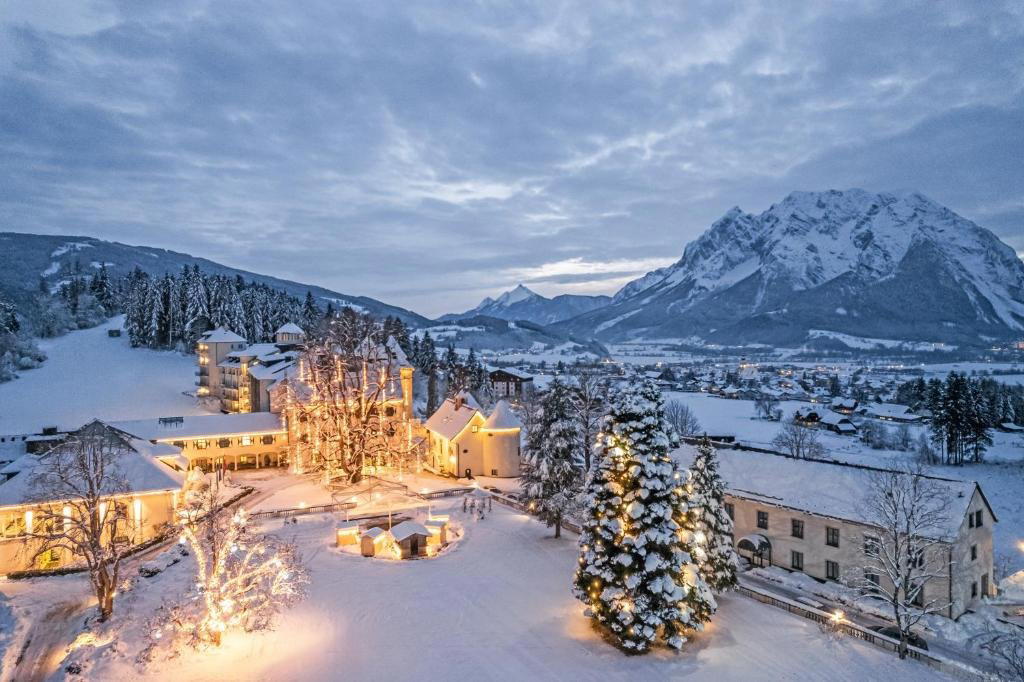
Castle Architecture in the Enns Valley: What Schloss Pichlarn Represents
The conversion of historic Austrian castles into full-service hotels has followed a consistent pattern over the past three decades: properties either contract into intimate, design-led retreats with a handful of rooms, or they expand their footprint to accommodate conference infrastructure, spa facilities, and the capacity required to run a year-round mountain resort. Imlauer Hotel Schloss Pichlarn, at 110 rooms, sits firmly in the second category. The sheer scale of the property relative to its Schloss origins tells you something important about how it operates within the region: this is not a house hotel where architectural preservation takes precedence over guest volume, but a working resort where the castle fabric serves as the organising visual identity for a much larger complex.
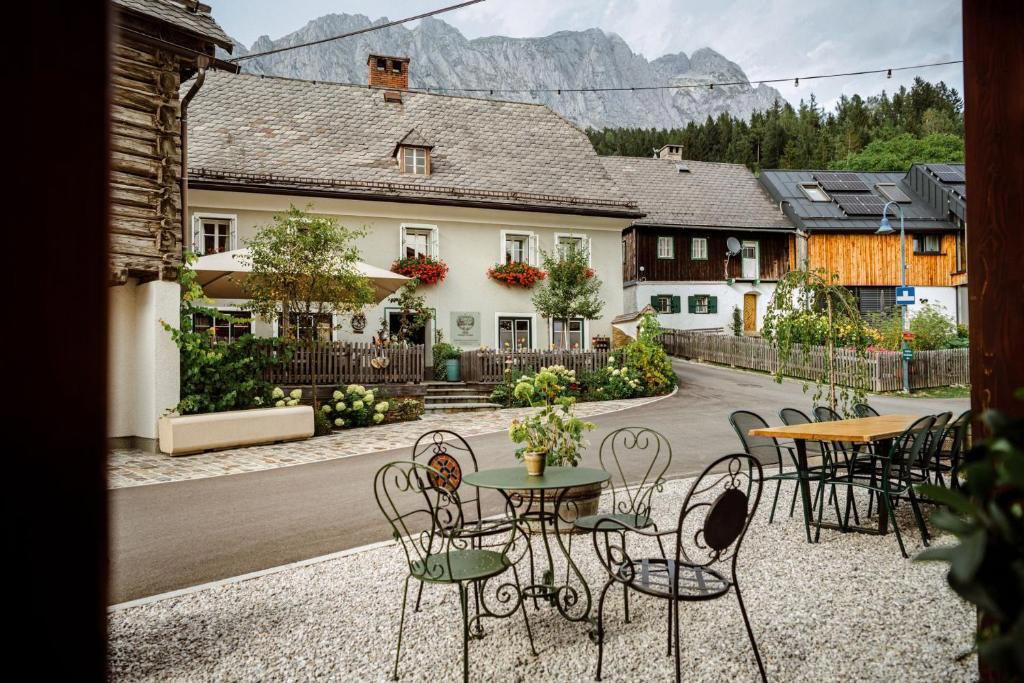
Aigen im Ennstal, where the property is addressed at Zur Linde 1, occupies a stretch of the Enns Valley in Styria that remains genuinely off the international radar compared with the Salzkammergut or the Arlberg. The Gesäuse National Park lies to the east, and the broader Schladming-Dachstein ski and hiking region anchors the west. Hotels in this corridor have historically drawn Austrian and German guests rather than international leisure travellers, which shapes the character of the offer: locally rooted, seasonally structured, and built around outdoor access rather than gastronomy or design prestige.
The Physical Environment: Reading the Schloss as Architecture
Approaching a Schloss conversion of this size, the architectural reading tends to divide between the historic core, which carries the visual weight of the castle, and the accommodation wings that subsequent development has added to reach the room count required for resort economics. At 110 rooms, Schloss Pichlarn is considerably larger than the small-key Austrian castle retreats that compete on intimacy. For comparison, properties such as Schloss Mönchstein in Salzburg operate at a fraction of that scale, where the architecture and the guest experience are effectively the same thing. Pichlarn's model is different: the Schloss provides the formal reference point, while the broader estate delivers the actual resort programming.
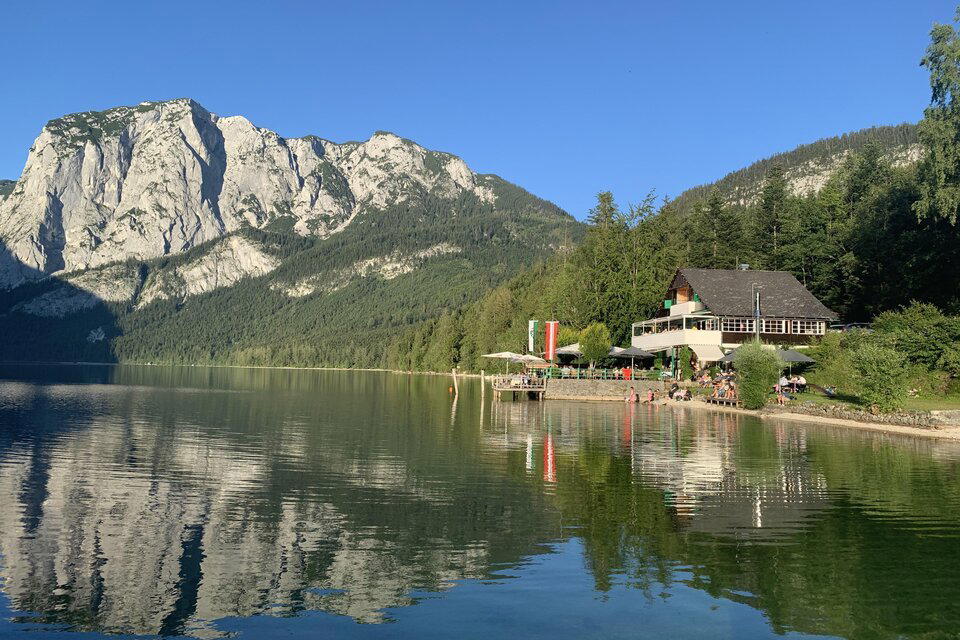
The estate setting in the Enns Valley gives the property its strongest physical argument. Alpine castle hotels that control meaningful grounds, rather than simply occupying a historic building on a village street, offer a spatial experience that urban conversions cannot replicate. The relationship between the built structure and the surrounding landscape, the transition from stone facade to mountain terrain, is where the design logic of these properties either works or doesn't. Among Austrian mountain properties that occupy a comparable position between historic architecture and resort scale, Rosewood Schloss Fuschl in Hof bei Salzburg represents the upper end of the castle-conversion category in terms of international brand positioning and grounds integration, and sits in a different competitive tier.
Where It Fits Among Austrian Mountain Hotels
Austrian mountain hospitality has developed two distinct tracks for properties at this scale. The first prioritises wellness and alpine sport, with serious spa infrastructure, ski-in access or organised transfers, and a clientele that returns annually. The second prioritises design and gastronomy, often with a smaller room count and a higher price point that reflects the investment per key. Schloss Pichlarn's 110-room format and Styrian location place it closer to the first model. Properties such as Alpen-Wellness Resort Hochfirst in Obergurgl, Aktiv & Wellnesshotel Bergfried in Tux, and Naturhotel Waldklause in Längenfeld operate across the Tyrolean side of a similar segment, where the outdoor programme, rather than the architecture, drives the booking decision.
Within Styria specifically, the Imlauer group's presence at Schloss Pichlarn connects the property to a broader hospitality network, though the Schloss itself functions as the flagship of that regional position. For travellers comparing it against Falkensteiner Schlosshotel Velden in Velden am Wörthersee or Hotel Schloss Seefels in Techelsberg, both of which are lakeside castle properties in Carinthia, the Pichlarn offer is less about water and leisure than about alpine terrain and year-round outdoor access.
The Enns Valley as Context: Why the Location Matters
The Schladming-Dachstein region has been a recognised winter destination since the 1982 Alpine Ski World Championships at Schladming, and it hosted the World Championships again in 2013. That history of competitive skiing infrastructure means the broader region around Pichlarn has lift systems and piste networks that function at a different scale from boutique ski villages. Summer hiking and cycling access through the Gesäuse, Austria's youngest national park, provides the warm-weather programming that keeps mountain properties at this size economically viable outside the ski season. The Enns Valley itself, less trafficked than the Salzkammergut or the Inn Valley, retains a character that separates it from the more polished resort corridors of the Arlberg or Kitzbühel. For context on what a higher-profile ski-adjacent castle hotel looks like, Grand Tirolia Kitzbühel in Kitzbühel represents that more internationally recognised tier.
Planning Your Stay: Practical Considerations
For travellers arriving from Vienna, Aigen im Ennstal sits roughly two and a half hours by road via the A9, with the nearest significant rail connection at Stainach-Irdning. The property's 110-room scale means it accommodates group bookings and conference programmes alongside leisure guests, which is worth understanding when timing a visit. High season in this part of Styria runs through July and August for hiking, and from late December through March for skiing at nearby Schladming and Ramsau am Dachstein. Shoulder months, particularly September and early October, offer the clearest mountain conditions with notably lighter visitor numbers across the Enns Valley. Travellers planning a broader Austrian castle hotel circuit alongside this property might cross-reference Hotel Sacher Wien in Vienna for the city anchor, or consult our full Aigen im Ennstal restaurants guide for the broader dining context in the region. Further afield, LOISIUM Wine & Spa Resort Langenlois in Langenlois, Alpenresort Schwarz in Obermieming, and Alpine Resort Sacher Seefeld in Seefeld represent alternative Austrian resort formats worth comparing when building an itinerary.
Fast Comparison
Comparable venues nearby, for context on price, style, and recognition.
| Venue | Cuisine | Price | Awards | Notes |
|---|---|---|---|---|
| Imlauer Hotel Schloss PichlarnThis venue — the venue you are viewing | Historic castle hotel blending traditional Alpine charm with contemporary 5-star luxury and modern wellness amenities. | Not listed | Preferred Hotels L.V.X. Collection | Not listed |
| Hotel Nesslerhof | Modern alpine luxury with family hospitality | Not listed | 1 Michelin Key · Tablet Hotels Top 40 New Hotels #10 | Grossarl |
| stieg’nhaus | Design boutique hotel feeling like a private residence with natural materials and curved architecture. | $300–500 | Michelin Guide New Hotels New Hotel · Design Hotels Member | Mühlbach am Hochkönig |
| Kaiserlodge | Luxury alpine aparthotel blending private apartment comfort with high-end hotel amenities, featuring contemporary design rooted in Tyrolean tradition. | $500–750 | Michelin Selected | Scheffau am Wilden Kaiser |
| MAYRLIFE Medical Health Resort Altaussee | Modern medical health resort in traditional chalet style with light airy interiors and floor-to-ceiling windows. | $300–500 | Virtuoso Luxury Hotel Partner | Altaussee |
| Hotel Bristol, a Luxury Collection Hotel, Vienna | Historic Viennese grandeur with modern luxury updates. | $300–500 | Not listed | Staatsoper |
Recognition history
Dated appearances from independent guides and award organizations, with the underlying list record or original source where available.
Preferred Hotels L.V.X. Collection
Preferred Hotels
Continue exploring
More in Aigen im Ennstal
Hotels in Aigen im Ennstal
Browse all →
Bars in Aigen im Ennstal
Browse all →


Details
- Romantic
- Elegant
- Scenic
- Sophisticated
- Quiet
- Romantic Getaway
- Wellness Retreat
- Honeymoon
- Anniversary
- Celebration
- Golf Course
- Destination Spa
- Historic Building
- Panoramic View
- Garden
- Terrace
- Private Dining
- Wi Fi
- Pool
- Spa
- Fitness Center
- Room Service
- Concierge
- Golf Course
- Restaurant
- Bar
- Sauna
- Hot Tub
- Tennis Court
- Bicycle Rental
- Mountain
- Garden
- Elevator
- Accessible Restroom
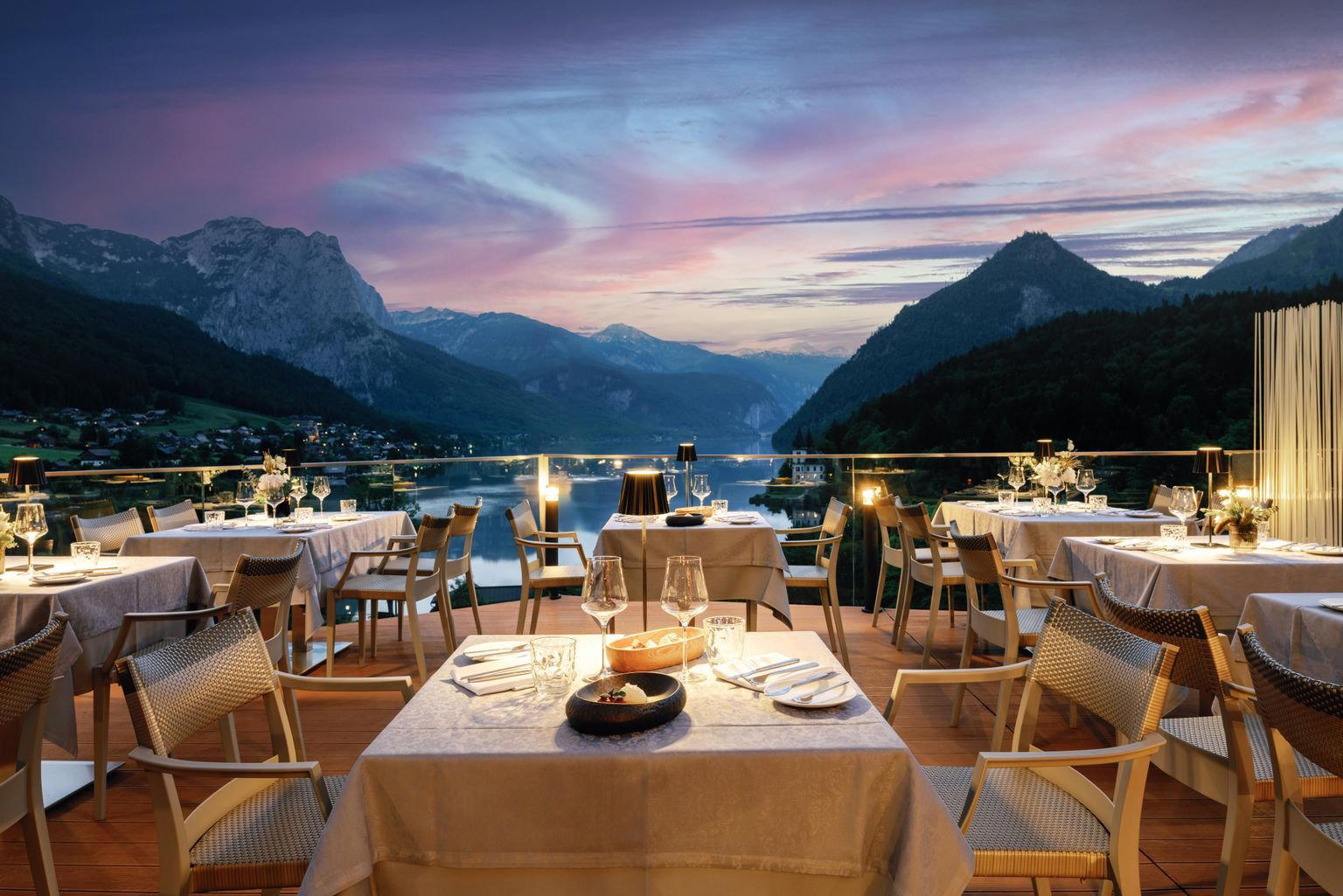
Elegant and refined with warm, welcoming service; guests describe the atmosphere as peaceful and romantic with dramatic mountain views, crackling fireplaces in select suites, and a serene wellness-focused environment.