Our verdict
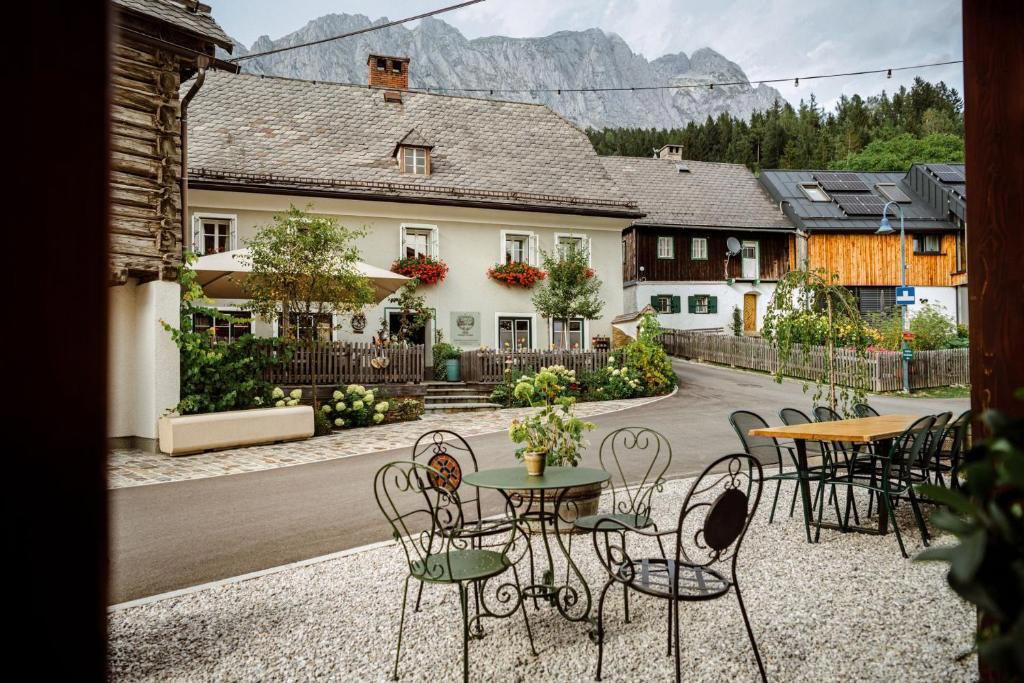
A mountain hut on the Hauser Kaibling ski area, Krummholzhütte sits at the point where alpine terrain and regional cooking tradition converge. The hut format is central to how the Ennstal valley delivers its most grounded dining experiences, with sourcing tied closely to the surrounding agricultural landscape. For visitors exploring the broader Haus restaurant scene, it represents the mountain hut tier at its most contextually rooted.

Pearl is the En Primeur Club membership app, where members save venues, book tables and use the concierge.
Where the Terrain Shapes What You Eat
Mountain huts in the Austrian Alps do not operate in the same register as resort restaurants or valley-floor dining rooms. They are shaped by altitude, access, and the logistics of keeping a kitchen running when your nearest supplier is a cable car ride away. The Krummholzhütte, positioned on the Hauser Kaibling above Haus im Ennstal in the Styrian Ennstal valley, sits within this tradition, where the constraints of the alpine setting function less as a limitation and more as an editorial filter on what ends up on the plate.
The Hauser Kaibling is one of the four mountains forming the Schladming-Dachstein ski network, a circuit that draws serious skiers across Austria and central Europe for its vertical range and groomed terrain. Huts at this altitude serve a practical function first: they anchor long skiing days and give guests a reason to pause mid-mountain. But the better huts in this region have long understood that the food itself is part of the draw, not an afterthought to the chairlift schedule.
The Ingredient Logic of Altitude
The editorial angle that makes mountain huts in this part of Styria worth examining is sourcing. The Ennstal valley runs through farming country where beef cattle graze at elevation, dairy operations produce milk with a mineral character shaped by alpine pasture, and game is harvested from forests that begin where the ski runs end. Kitchens at this altitude that take their sourcing seriously tend to work with a compressed radius, not by aesthetic choice but by practical necessity: what travels well to elevation is what gets served.
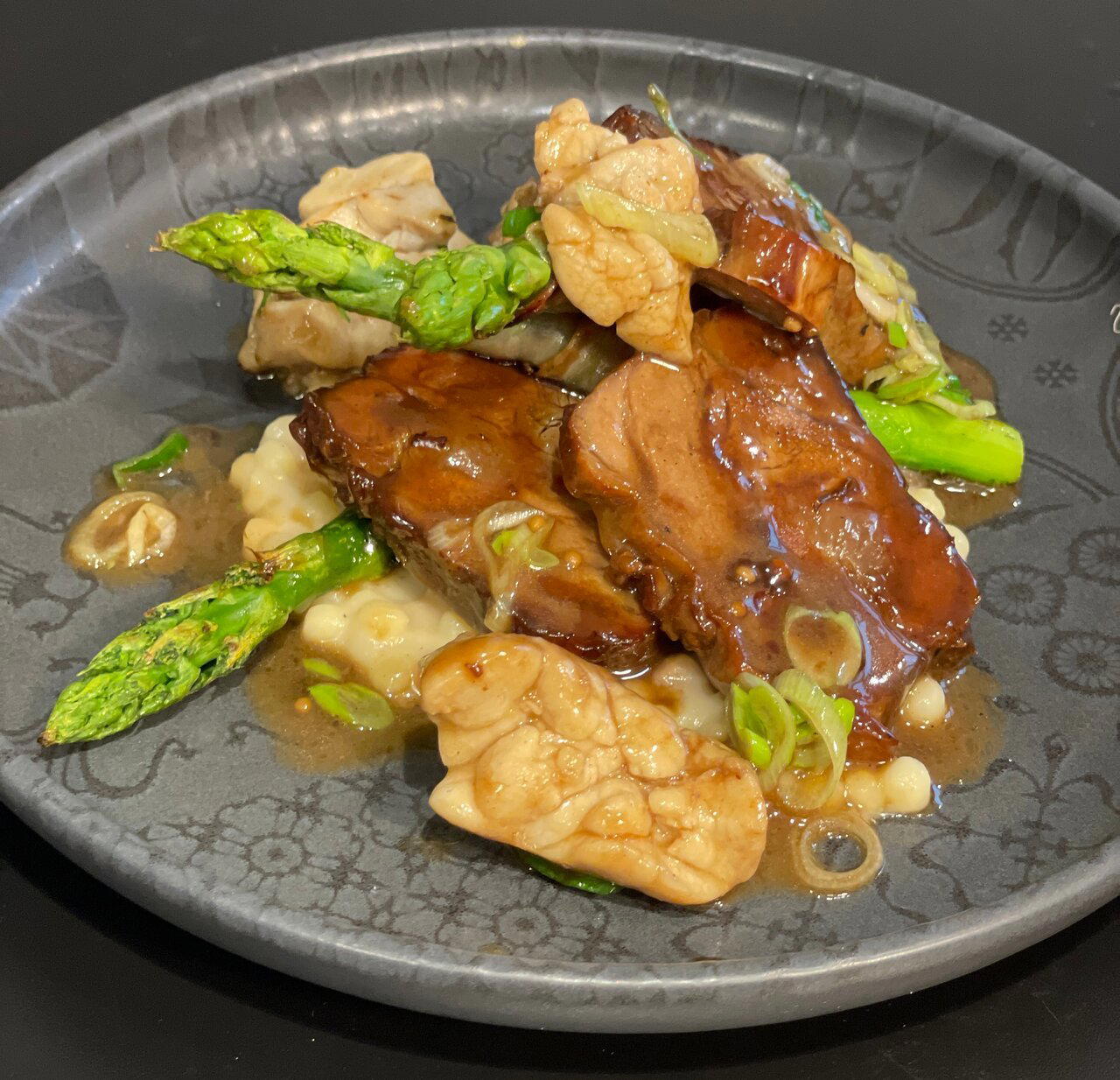
This is the frame through which the Krummholzhütte is most usefully understood. The hut format in Austria historically developed around produce that could be preserved, stored, or sourced locally. Lard-based dishes, cured meats, hearty stews, and dairy-forward preparations all reflect the supply conditions of high-altitude kitchens before modern logistics softened the edges. Contemporary mountain huts in the Schladming-Dachstein area are renegotiating that tradition: some lean fully into nostalgic regionalism, others apply a lighter hand, but the underlying logic of terrain-driven sourcing remains the common thread.
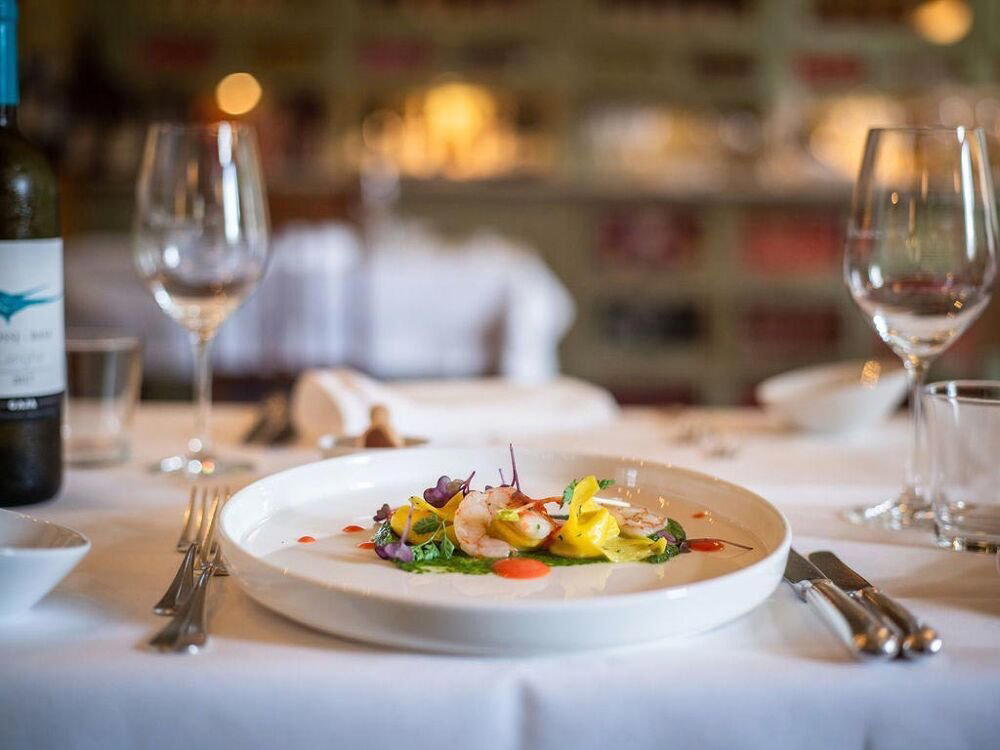
Styrian cuisine has its own internal grammar that separates it from Tyrolean or Salzburg cooking. Pumpkin seed oil, produced almost exclusively in Styria, appears in ways that would be unusual further west. Beef from the Ennstal valley, particularly from Pinzgauer cattle, carries a reputation among regional cooks. Horseradish, foraged mushrooms, and smoked trout from mountain streams all belong to a Styrian pantry that huts like the Krummholzhütte draw from when they are operating at their most regionally coherent.
The Hut as a Dining Format
Mountain huts in Austria occupy a specific tier in the broader hospitality structure. They are neither casual snack stations nor fine dining destinations, but something in between that resists easy categorisation. The better comparison set is not a valley restaurant like Natur- und Wellnesshotel Höflehner or a peer Alpine property like Du & I Alm, but rather the genre of hut dining that has evolved across Austria's ski areas into something with genuine culinary credibility.
Within the Haus restaurant scene, huts like Schoarlhütte, Stangl Alm, and Stöcklhütte each represent variations on the same format: a kitchen tied to a mountain setting, a menu shaped by regional produce, and a guest experience where the outdoor environment is as much a part of the meal as what arrives on the table.
For context on what the broader Austrian dining tradition looks like when it moves off the mountain, Steirereck im Stadtpark in Vienna represents the country's most prominent expression of regional sourcing taken to a formal register. Further afield, Obauer in Werfen and Döllerer in Golling an der Salzach demonstrate what alpine ingredient logic looks like when applied with technical rigour. Mountain huts occupy a different position on this spectrum, but the sourcing conversation is the same one.
Visiting Krummholzhütte: Practical Considerations
Access to the Krummholzhütte follows the logic of the mountain rather than a city restaurant's booking calendar. The Hauser Kaibling operates on seasonal schedules tied to the ski season, which typically runs from December through April, with summer hiking access dependent on conditions. Visitors should confirm current operating periods before planning a visit, as altitude huts in this region are not year-round operations in the way valley restaurants are.
Getting there involves using the Hauser Kaibling lift infrastructure from the base at Haus im Ennstal. The town is accessible by train from Schladming, itself well-connected on the main Salzburg-Graz rail corridor. For those arriving by car, Haus sits along the B320 Ennstal road. The Hauser Kaibling base station is signed from the village centre. Guests visiting during peak ski weeks in January and February should expect the mountain to be operating at capacity; mid-week visits during shoulder periods of the season typically offer a quieter experience across all four mountains in the Schladming-Dachstein area.
For a broader orientation to eating and drinking in the area, the full Haus restaurants guide maps the range from mountain huts to valley dining rooms. Those planning an extended trip through the Austrian Alps with an interest in regional cooking would also find useful reference points at Kräuterreich by Vitus Winkler in Sankt Veit im Pongau, Gourmetrestaurant Tannenhof in Sankt Anton am Arlberg, Griggeler Stuba in Lech, Ikarus in Salzburg, Landhaus Bacher in Mautern an der Donau, Ois in Neufelden, and Restaurant 141 by Joachim Jaud in Mieming. For international comparison on ingredient-led cooking at the fine dining level, Le Bernardin in New York City and Atomix in New York City offer a useful counterpoint to what alpine sourcing traditions produce.
Frequently asked questions
How do I find Krummholzhütte?
Krummholzhütte is located at Hauser Kaibling 76, 8967 Haus im Ennstal, Austria, Haus.
Is Krummholzhütte accessible without skis, and when does it open?
Krummholzhütte sits on the Hauser Kaibling mountain above Haus im Ennstal in Styria, so access is governed by the ski area's lift schedule and seasonal opening dates. In most Austrian alpine hut operations at this elevation, guests reach the hut via gondola or chairlift rather than on foot in winter. Opening periods align with the Hauser Kaibling ski season; summer access, if any, depends on whether summer lift services run, check the ski area's current schedule before planning a visit.
What dish is Krummholzhütte famous for?
No single signature dish is documented for Krummholzhütte, but mountain huts on Hauser Kaibling typically anchor their menus around Styrian regional staples, think hearty preparations suited to altitude and physical exertion. The Ennstal valley's farming country means sourcing tends toward local dairy, cured meats, and seasonal produce. Specific menu items are best confirmed directly on arrival or via the ski area's seasonal communication.
How hard is it to get a table at Krummholzhütte?
Access follows the rhythm of the Hauser Kaibling ski area rather than a conventional restaurant booking system. The hut operates seasonally, tied to lift operations at the Hauser Kaibling 76 location above Haus im Ennstal, which means peak days on the mountain, weekends and school holidays, are the high-demand windows.
How It Stacks Up
| Venue | Cuisine | Price |
|---|---|---|
| KrummholzhütteThis venue (the venue you are viewing) | Styrian Gourmet Hut | $20–30 |
| Du & I Alm | Alpine Ski Hut | Not listed |
| Schoarlhütte | Traditional Austrian Alpine Hut | $10–20 |
| Stangl Alm | Traditional Tyrolean Alpine Cuisine | $20–30 |
| Stöcklhütte | Traditional Austrian Alpine | $10–20 |
Continue exploring
More in Haus
Restaurants in Haus
All restaurants in Haus →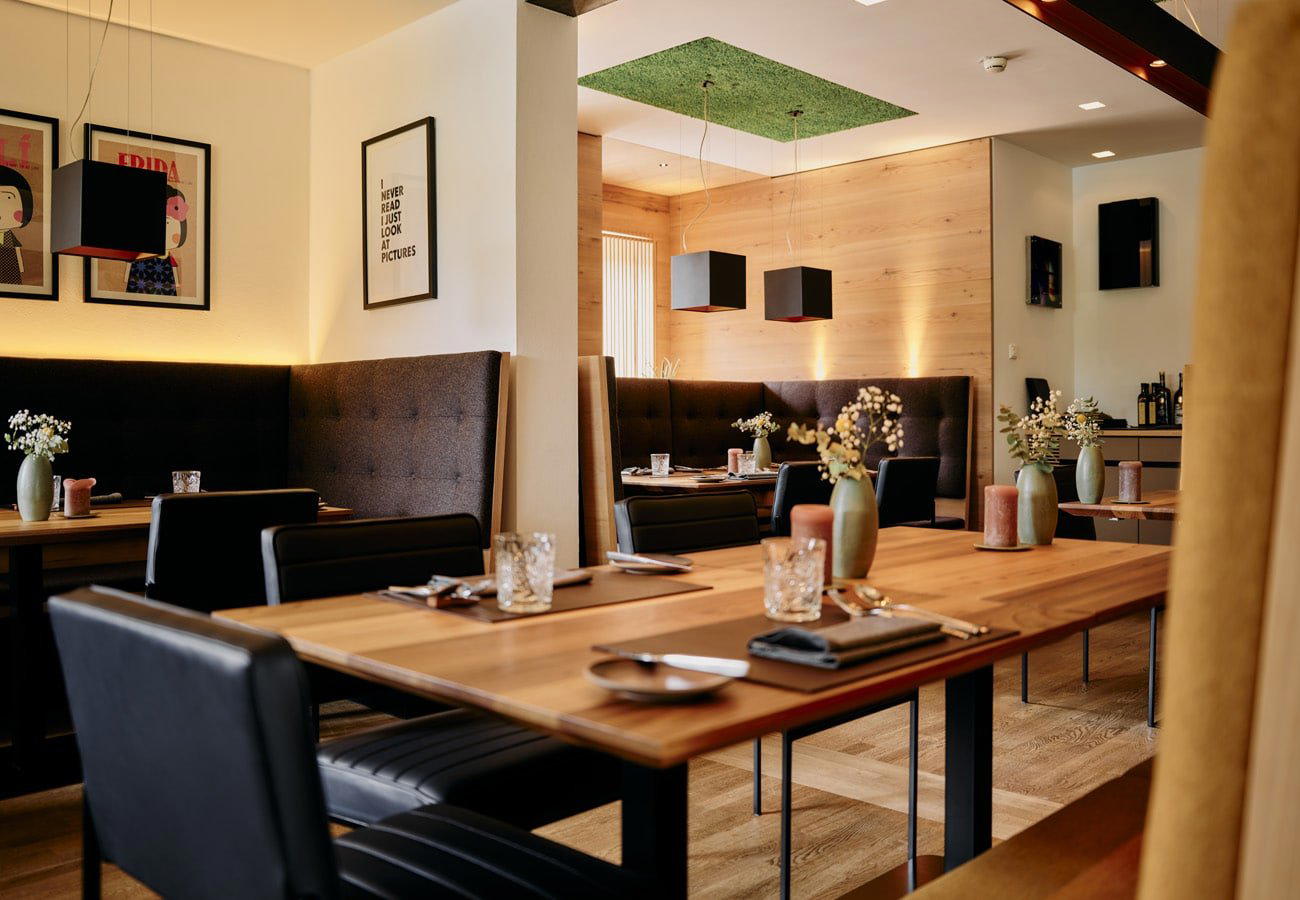
Details
- Rustic
- Cozy
- Scenic
- Casual Hangout
- Terrace
- Panoramic View
- Extensive Wine List
- Local Sourcing
- Mountain
- A La Carte
- Vegetarian Friendly
- Vegan Options
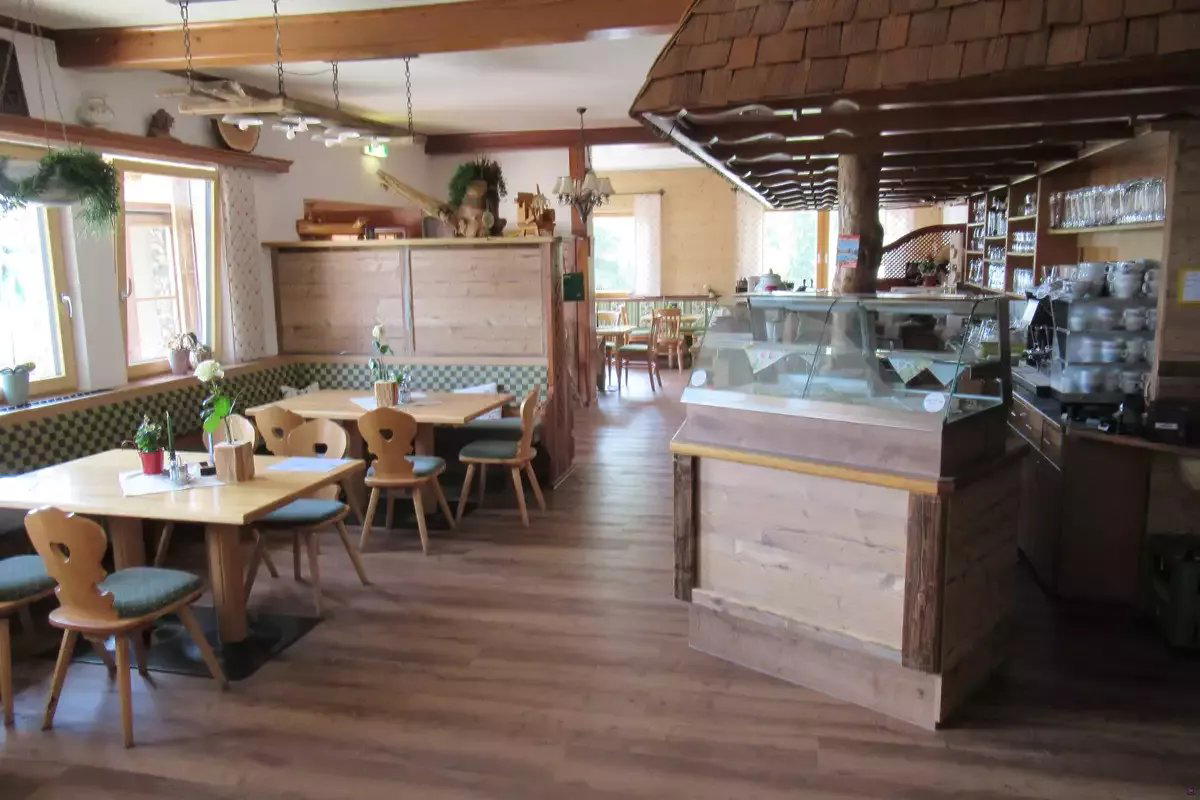
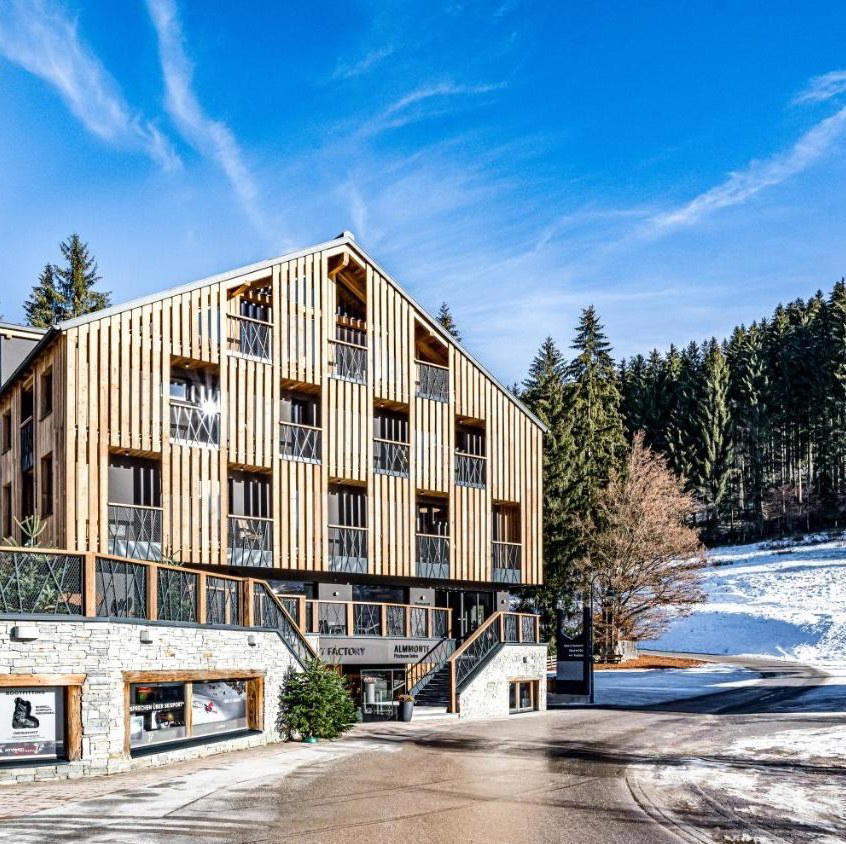
Bright, modern alpine wood interior creating a comfortable and cozy mountain hut atmosphere.