Mesnerhaus


A Michelin-starred seasonal restaurant in the Salzburg mountains, Mesnerhaus occupies a building dating to 1420 inside Mauterndorf's UNESCO Biosphere Park.
Pearl is the En Primeur Club membership app — saves, bookings, and concierge access live there. Same editors, same standards.
- Address
- Markt 56, 5570 Mauterndorf, Austria
- Phone
- +43 6472 7595
- Website
- mesnerhaus.at
- Directions
- Get directions
 Saves & bookings on Pearl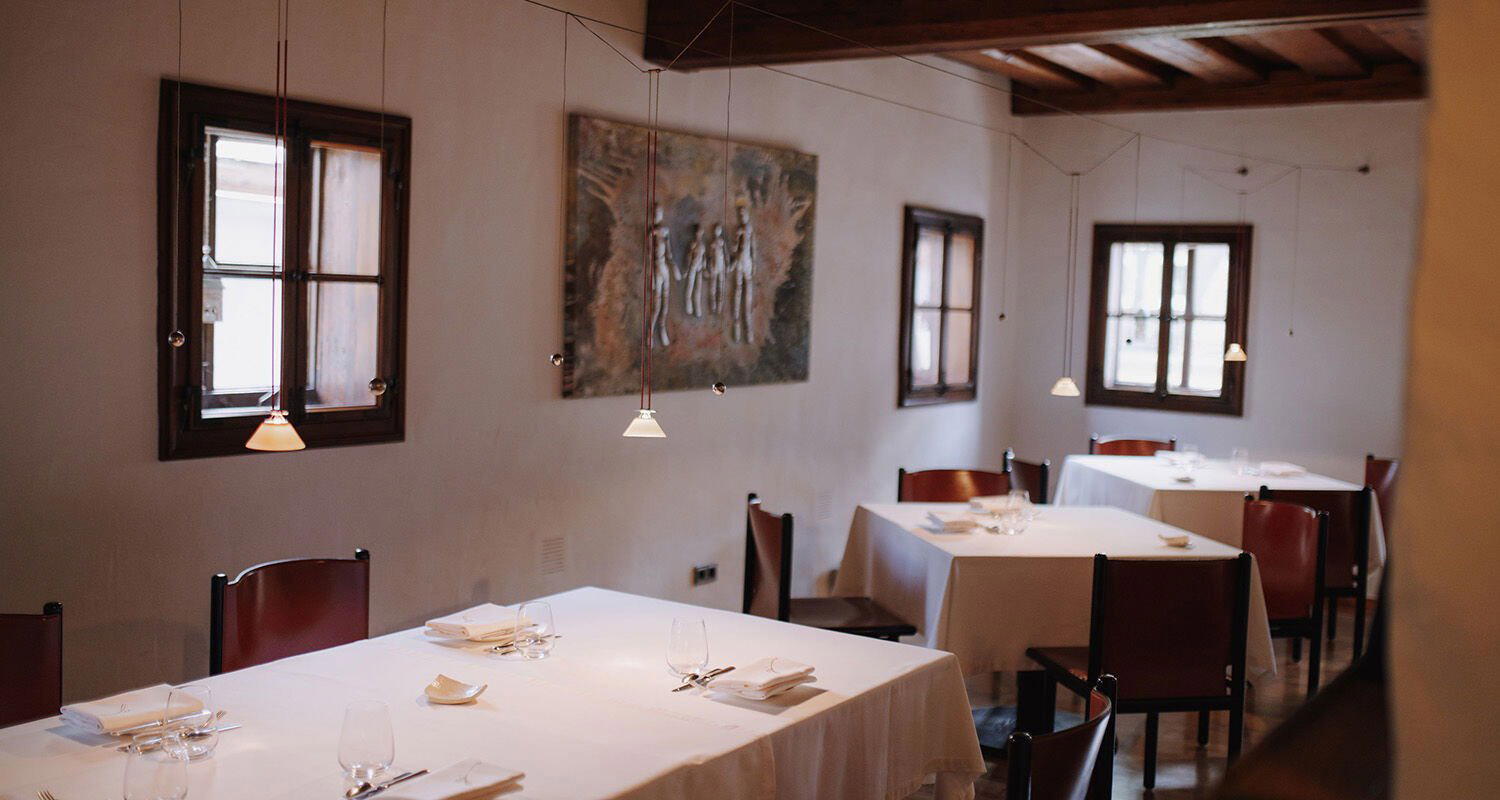
Where the Lungau Comes to the Table
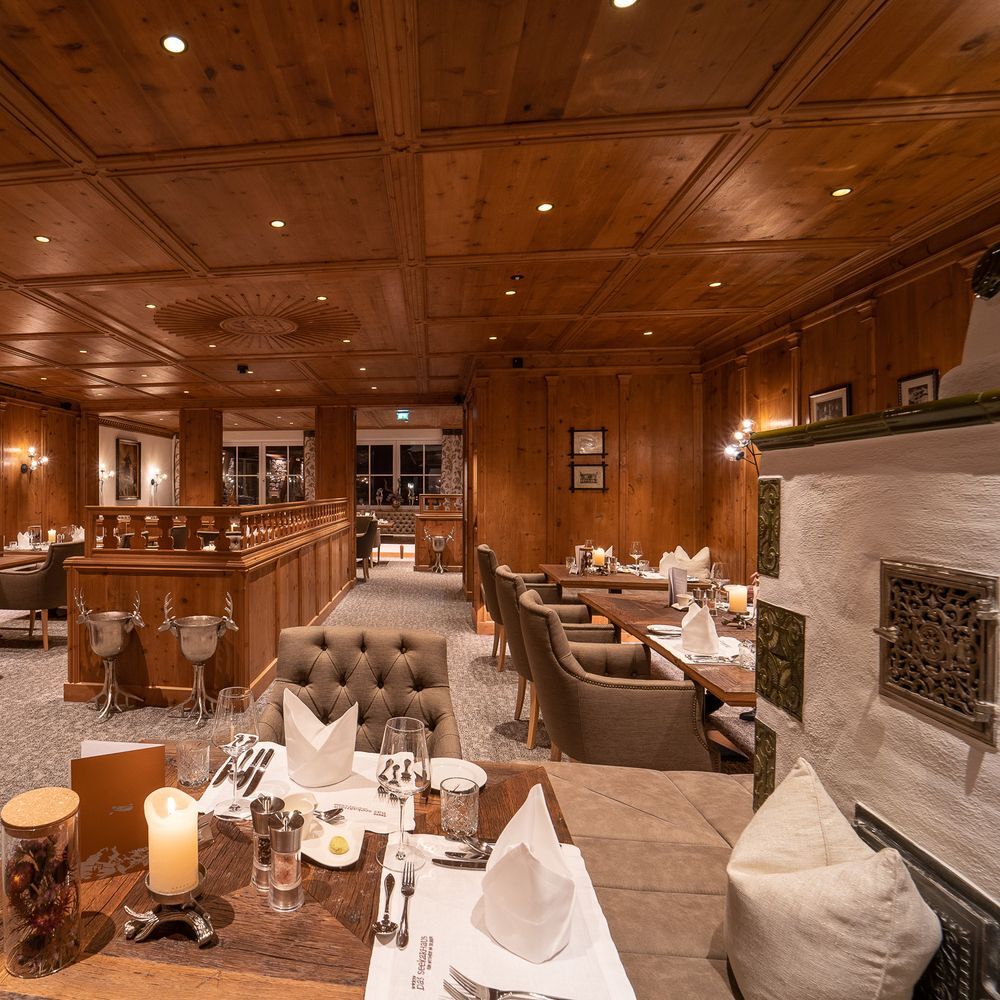
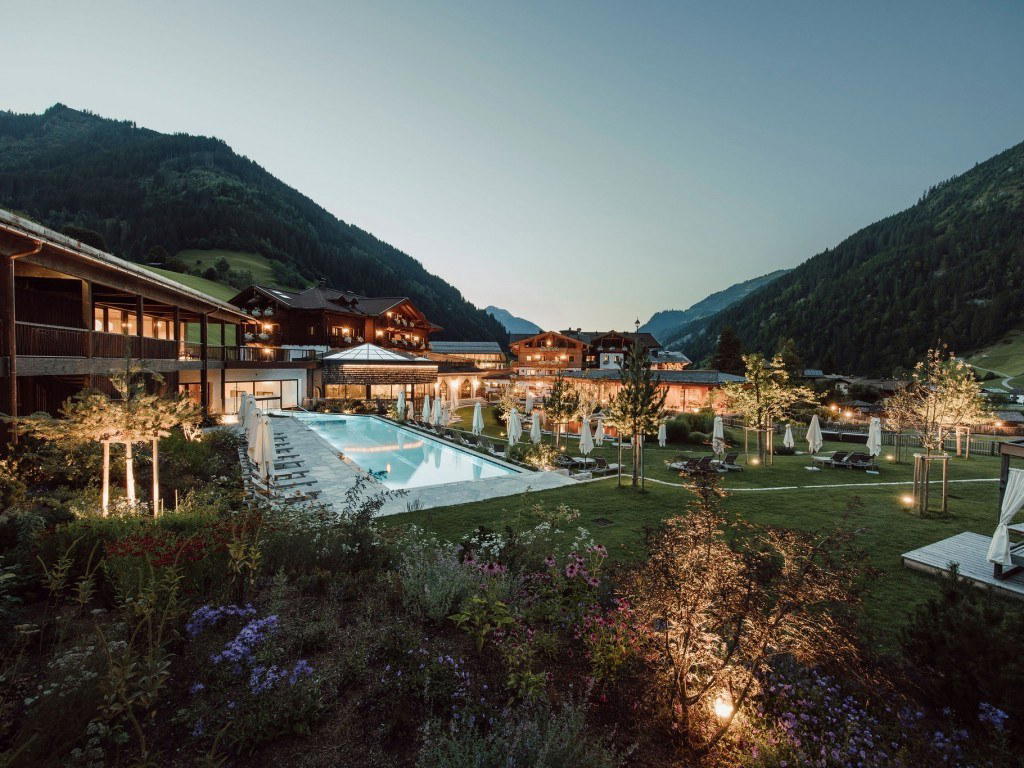
Mauterndorf sits in the Lungau, the high-altitude plateau region of Salzburg state that earned UNESCO Biosphere Reserve designation partly because of how thoroughly it has resisted the kind of development that flattens regional character elsewhere in the Alps. The town's market square is medieval in layout and largely intact, and the building at Markt 56 fits that continuity: its walls date to 1420, which means the structure predates modern Austria by several centuries. Walking into Mesnerhaus, you feel the weight of that chronology before you sit down. The interior works with the building's bones rather than against them, pairing historical stone and timber with a considered contemporary fit-out that doesn't attempt to cosplay the past.
This approach to space mirrors what the kitchen does with ingredients. The Lungau is one of Austria's most self-contained food-producing regions, a high valley that grows its own heritage potato varieties, raises its own cattle, and supports small-scale producers who rarely send product beyond the plateau. In a country where regional cuisine often means sourcing from a broad national or Central European supply chain and calling it local, Lungau restaurants working from genuine proximity to their ingredients occupy a distinct position. Mesnerhaus, holding a Michelin star, sits firmly in that group.
The Logic of Lungau Sourcing
The editorial angle on Austrian alpine restaurants has shifted noticeably over the past decade. In the early 2010s, the story was about modernisation: chefs at places like Döllerer in Golling an der Salzach and Obauer in Werfen were recontextualising Austrian culinary tradition through contemporary technique. The current story is more granular: it's about which specific valleys and microclimates produce what, and whether kitchens are genuinely embedded in those supply chains or performing regionalism as a marketing posture.
Lungau's geography enforces honesty on this point. At roughly 1,000 to 1,200 metres elevation, the growing season is short, the soil conditions are specific, and the region's isolation has preserved agricultural practices that have largely disappeared from lower-altitude Austria. The Lungau potato, a protected variety tied to the region's terroir, is among the more direct expressions of this specificity. It appears in the kitchen at Mesnerhaus as a signature preparation: served with sour cream, egg yolk, and Grüll caviar, it is simultaneously a hyperlocal ingredient statement and a demonstration of how restraint can carry as much technical confidence as elaboration. Grüll, the Styrian caviar producer, has become a reference point across Austrian fine dining precisely because it provides a domestically sourced luxury ingredient that doesn't require the kitchen to reach toward Russian or Iranian supply chains. The pairing with Lungau potato completes a kind of provenance loop: every element traceable within Austria, most within a narrower regional radius.
This is the kind of dish that reads differently depending on what you already know. To a visitor unfamiliar with either ingredient, it's an elegant amuse-bouche-scale plate. To someone tracking Austrian ingredient sourcing, it's a declaration about the kitchen's priorities. Both readings are valid; the dish is constructed to reward either level of attention.
The Room, the Service, the Register
Austrian alpine fine dining tends to bifurcate between resort-adjacent restaurants that design their service around a global luxury clientele passing through on ski holidays, see Griggeler Stuba in Lech or Stüva in Ischgl, and more rooted operations where the clientele is predominantly regional and the atmosphere reflects that. Mesnerhaus belongs to the latter category, and this shapes everything from the pace of service to the way the wine list is presented.
Maria Steffner manages the front of house, the wine cellar, and the hotel component. That consolidation of responsibility under one person is unusual at this price tier and produces a coherence of tone that larger operations struggle to replicate. The wine programme at this level of €€€€ pricing in a Michelin-starred context should carry depth in Austrian whites and a considered selection of European bottles. What is observable from the restaurant's structure and positioning is that a dedicated cellar responsibility at this scale suggests the wine programme is treated as a serious editorial element of the meal, not an afterthought.
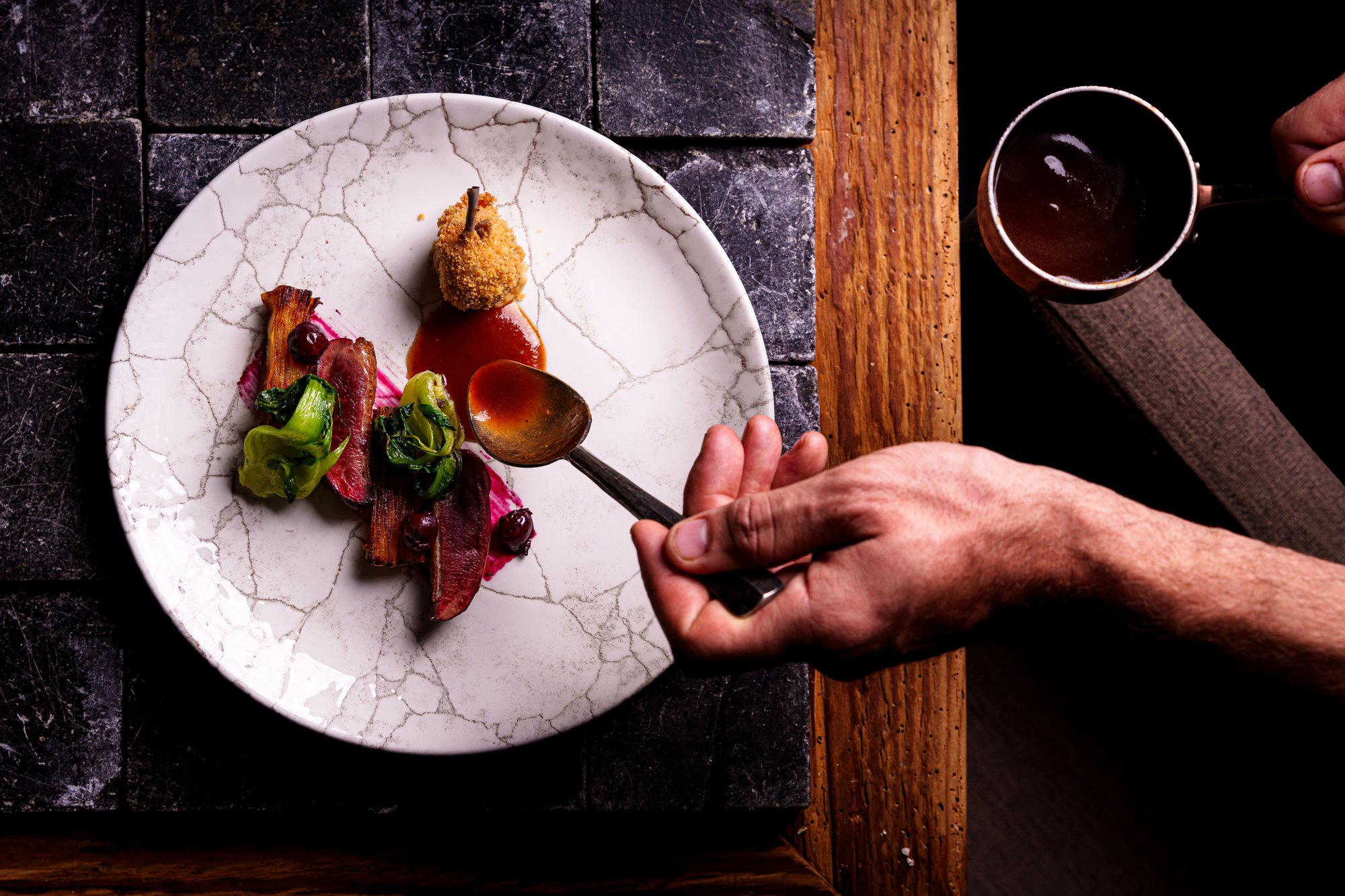
The kitchen operates a set menu alongside à la carte options, which positions it closer to the format used at Kirchenwirt in Leogang or Kräuterreich by Vitus Winkler in Sankt Veit im Pongau than the locked tasting-menu-only format at the highest end of the Austrian scene. The à la carte option is worth noting for parties with dietary constraints or guests who prefer to build their own progression rather than commit to a chef's sequence.
Mauterndorf in the Context of Austrian Mountain Dining
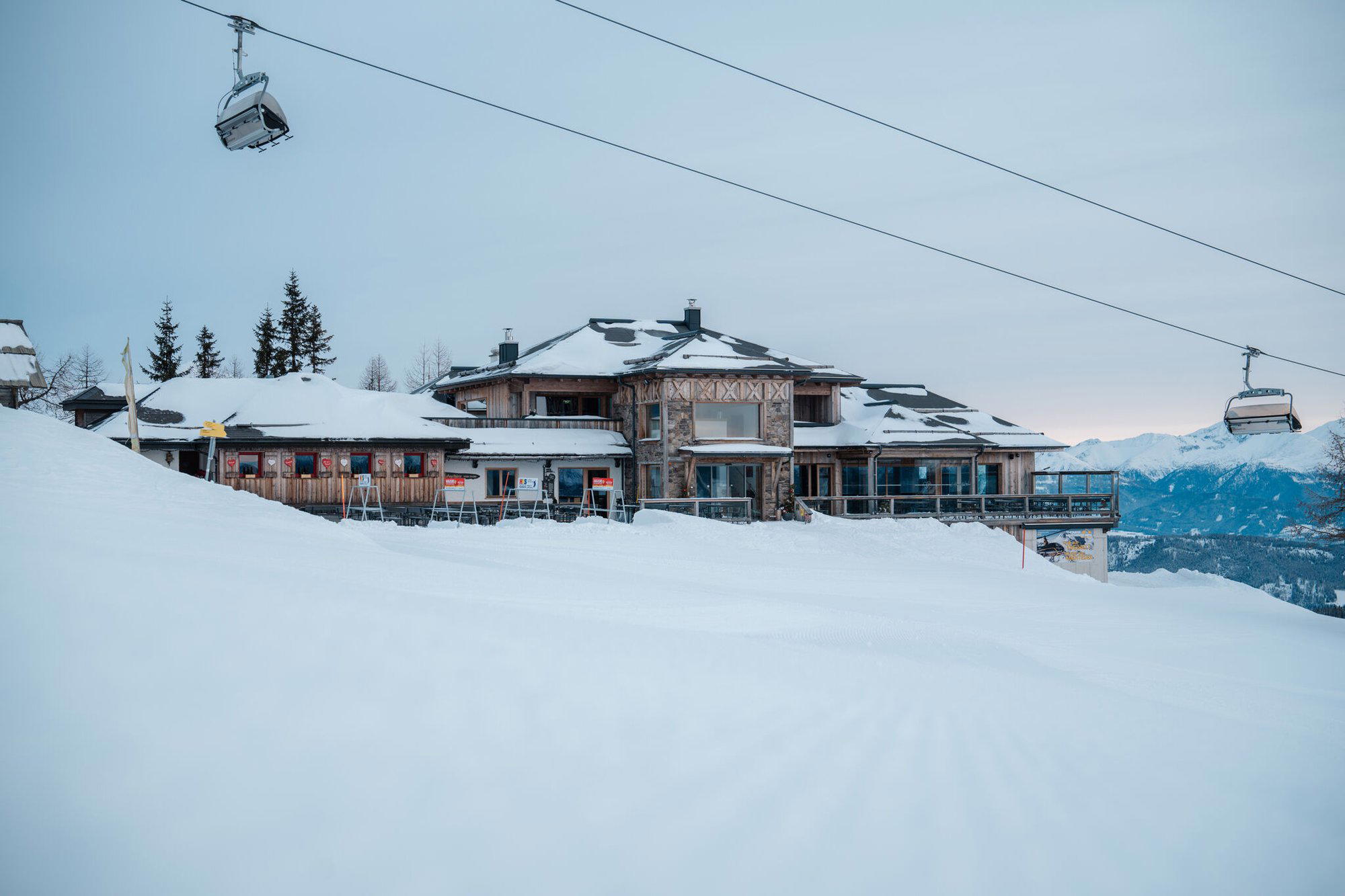
The Salzburg region's Michelin-starred dining is concentrated in a handful of clusters: Salzburg city itself (where Ikarus anchors the high end), the valleys accessible from the city, and a smaller number of more remote addresses that require deliberate travel. Mesnerhaus falls into this last category. The Lungau is roughly two hours from Salzburg city by road, and that distance filters its clientele. Guests who make the drive or combine it with a stay in one of the property's six rooms and a suite are, by definition, there for the restaurant and the landscape, not because the address happened to be convenient.
That deliberateness matters for how the restaurant functions as an experience. It shares this quality with addresses like Ois in Neufelden or Restaurant 141 by Joachim Jaud in Mieming, places where the remoteness is part of the proposition rather than an obstacle. The UNESCO Biosphere Park designation that surrounds Mauterndorf reinforces the point: this is a protected landscape, and the kitchen's sourcing philosophy is consistent with that designation rather than incidental to it.
For comparison across the broader Austrian fine dining conversation, Steirereck im Stadtpark in Vienna and Schwarzer Adler in Hall in Tirol represent how the country's leading kitchens handle the tension between Austrian identity and international fine dining language.
For those interested in how seasonal sourcing and alpine produce translate to the plate in formats beyond the restaurant, mural farmhouse in Munich offers a useful comparative data point across the broader German-speaking fine dining context. The regional sourcing logic travels across the border, though the Lungau's particular agrarian specificity remains its own chapter.
Planning a Visit
Mesnerhaus opens for lunch from 11:30 AM to 1:30 PM and dinner from 6 PM to 9:30 PM, Wednesday through Sunday, with Monday and Tuesday closed. At €€€€ pricing with a Michelin star and only six rooms plus a suite on site, booking well in advance is advisable, particularly for weekend evenings and for the accommodation element, which books at a different pace than the restaurant seats. The address at Markt 56 places it on the town's main market square, direct to reach but requiring a deliberate journey into the Lungau valley by car or by public transport connections through the regional rail network.
Comparable Venues
Comparable venues nearby, for context on price, style, and recognition.
| Venue | Cuisine | Price | Awards | Notes |
|---|---|---|---|---|
| MesnerhausThis venue — the venue you are viewing | Modern Austrian Seasonal Fine Dining | $$$$ | Michelin 1 Star | Not listed |
| Wörgötter - Fine Dining | Creative Modern Fine Dining | $$$$ | Michelin 1 Star | Ligist |
| Guat'z Essen | Permaculture Vegetarian Fine Dining | $$$$ | Michelin 1 Star | Stumm |
| Austria Stuben | Modern Alpine Fine Dining | $$$$ | Michelin 1 Star | Gurgl |
| ZeitRAUM | Creative Seasonal Fine Dining | $$$$ | Michelin 1 Star | Sankt Kathrein am Offenegg |
| Saziani | Creative Seasonal Austrian | $$$$ | Michelin 1 Star | Straden |
Recognition history
Dated appearances from independent guides and award organizations, with the underlying list record or original source where available.
Falstaff Restaurant - 96 Falstaff Points
Falstaff
Michelin 1 Star
Michelin
Michelin 1 Star
Michelin
Michelin 1 Star
Michelin
Continue exploring
More in Mauterndorf
Restaurants in Mauterndorf
Browse all →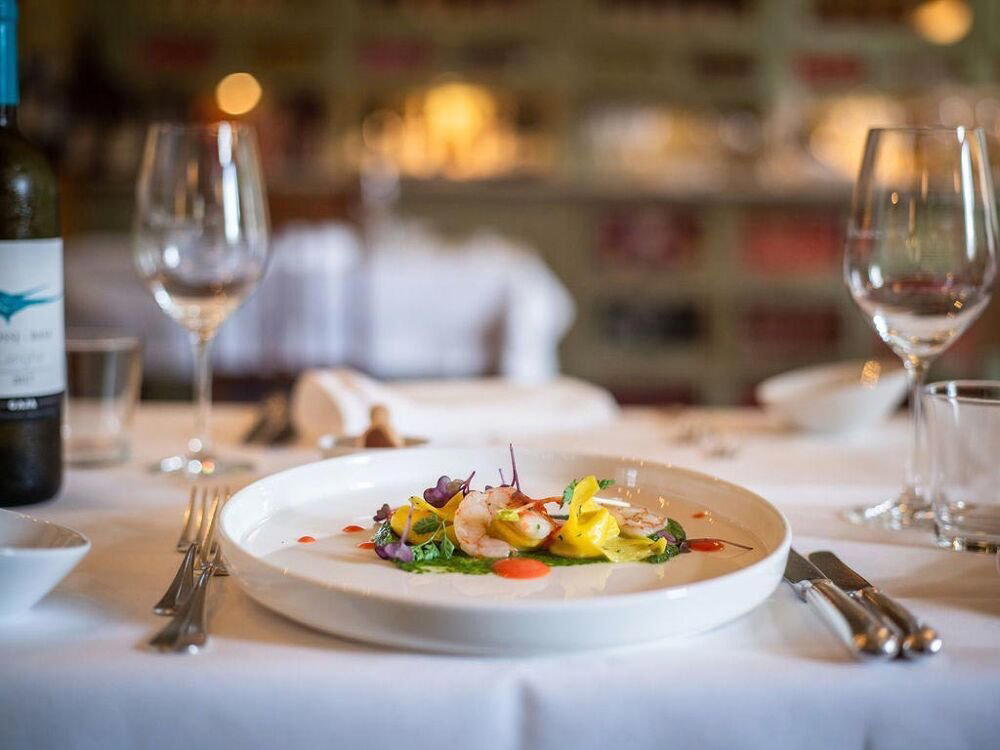

Bars in Mauterndorf
Browse all →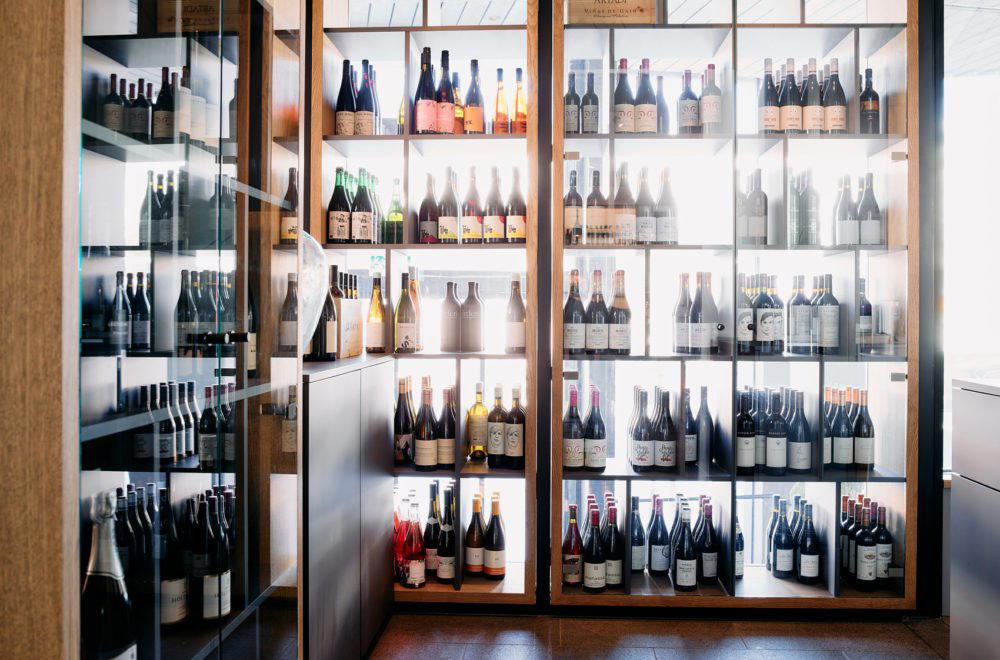


Hotels in Mauterndorf
Browse all →
Wineries in Mauterndorf
Browse all →
At a Glance
- Elegant
- Cozy
- Rustic
- Sophisticated
- Intimate
- Date Night
- Special Occasion
- Celebration
- Historic Building
- Hotel Restaurant
- Extensive Wine List
- Local Sourcing
- Mountain
Current opening hours
- Monday
- Closed
- Tuesday
- Closed
- Wednesday
- 11:30 AM–1:30 PM, 6–9:30 PM
- Thursday
- 11:30 AM–1:30 PM, 6–9:30 PM
- Friday
- 11:30 AM–1:30 PM, 6–9:30 PM
- Saturday
- 11:30 AM–1:30 PM, 6–9:30 PM
- Sunday
- 11:30 AM–1:30 PM
Hours can change for holidays and private events. Last verified .
Warm, welcoming atmosphere in modern interior within venerable historic walls, cozy and gemütlich with heartfelt hospitality.