Wirtshaus im Dorfhotel Mayer

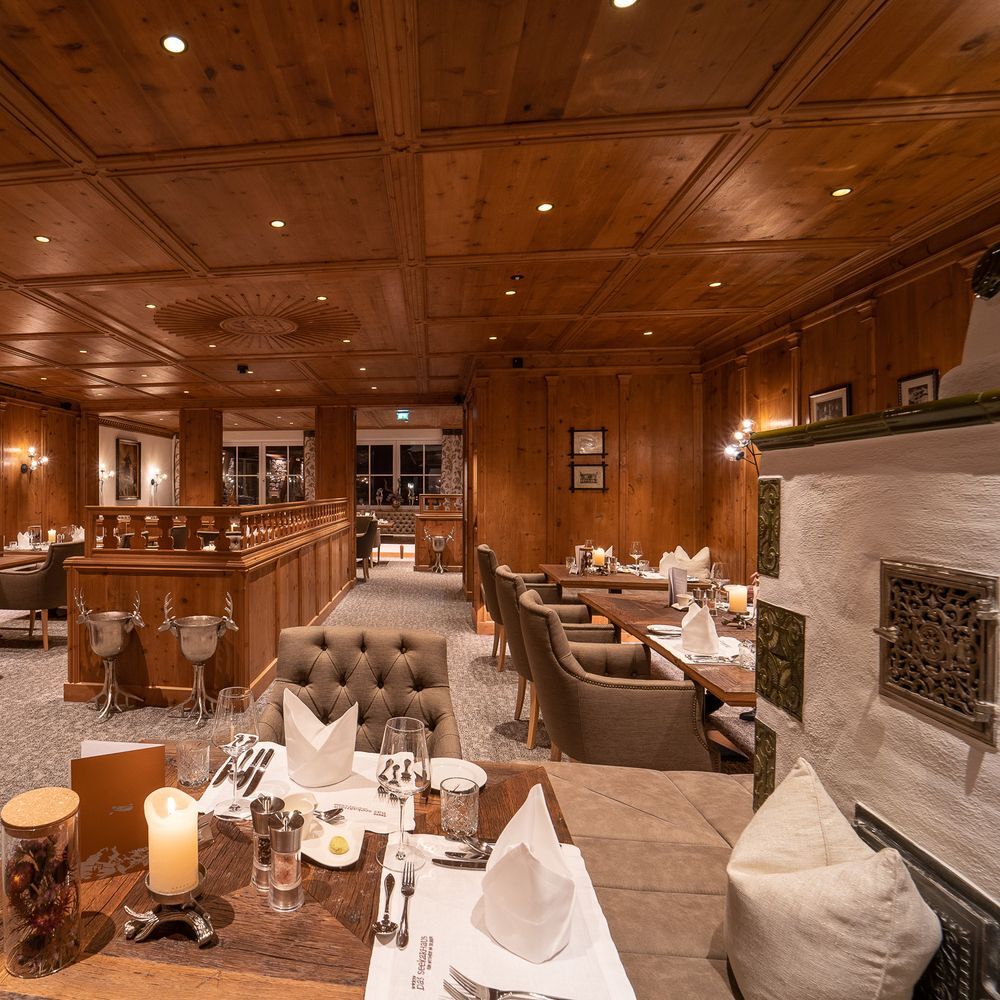
Operating under the same family name since 1854, Wirtshaus im Dorfhotel Mayer in Sankt Martin am Grimming is now in its seventh generation, with certified sommelier Lisa Mayer running front of house and her husband Stefan Ell-Mayer cooking a seasonal à la carte menu that rotates every two to three weeks. The kitchen draws on regional produce to move between classical Austrian and more adventurous tasting formats, with individually designed guestrooms available for those staying overnight.
Pearl is the En Primeur Club membership app — saves, bookings, and concierge access live there. Same editors, same standards.
- Address
- Sankt Martin am Grimming 9-12
- Phone
- +43 3684 2203
- Website
- mayer-grimming.at
- Directions
- Get directions
 Saves & bookings on Pearl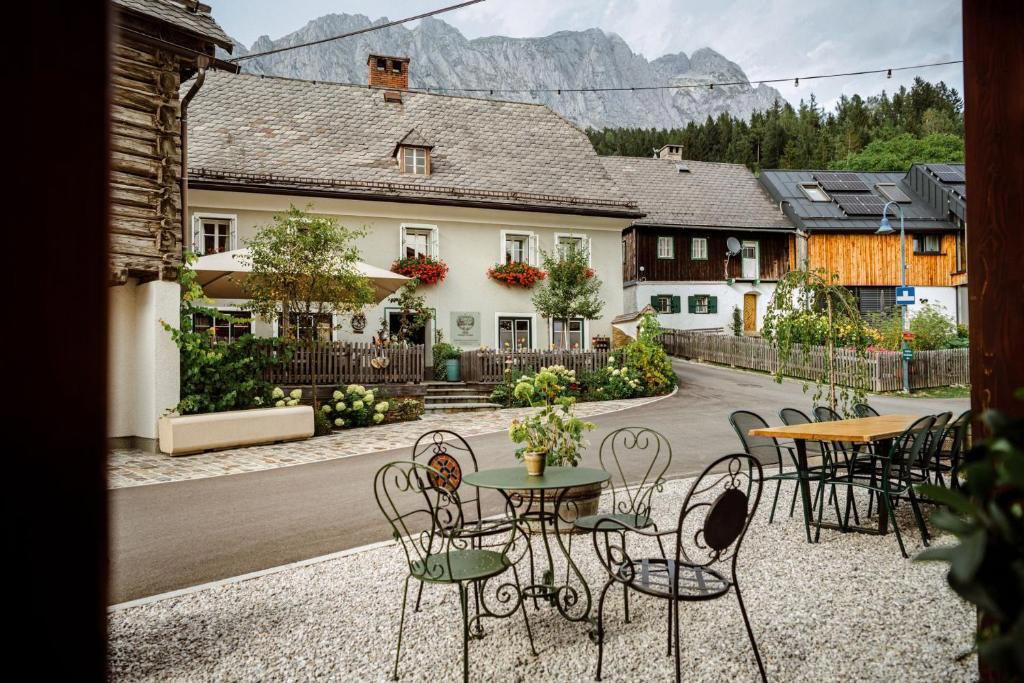
Where Seven Generations of Seasonal Cooking Meet the Ennstal Valley
The villages of the Styrian Ennstal sit in a basin of the Eastern Alps where, for much of the twentieth century, the serious restaurant conversation stayed firmly in Graz or Vienna. That has shifted. A generation of Austrian cooks trained in urban kitchens and at internationally recognised addresses has filtered back toward the countryside, and the rural Wirtshaus, a format that elsewhere in Europe might read as purely nostalgic, has become a legitimate vehicle for ingredient-led cooking. In Sankt Martin am Grimming, the surrounding alpine terrain, with its mountain pastures, valley streams, and small-scale agricultural holdings, provides exactly the raw material that format needs to work at a serious level.
Wirtshaus im Dorfhotel Mayer occupies that tradition from a position of deep continuity. The house has operated under the Mayer family name since 1854, and the seventh generation now runs it: certified sommelier Lisa Mayer holds front of house, and her husband Stefan Ell-Mayer leads the kitchen. That lineage matters not as biography but as evidence of how a kitchen embeds itself in its supply network. A family operation running for over 170 years does not source its produce through a distribution catalogue. It grows relationships with the farms, foragers, and small producers that define what actually ends up on the plate.
The Kitchen and Its Sources
The menu at Wirtshaus im Dorfhotel Mayer changes every two to three weeks, a rhythm that forces genuine commitment to seasonality rather than a once-a-season adjustment. That cycle is faster than many Austrian country restaurants manage, and it implies a kitchen that stays in active dialogue with what is available rather than building a stable repertoire and adjusting around the margins.
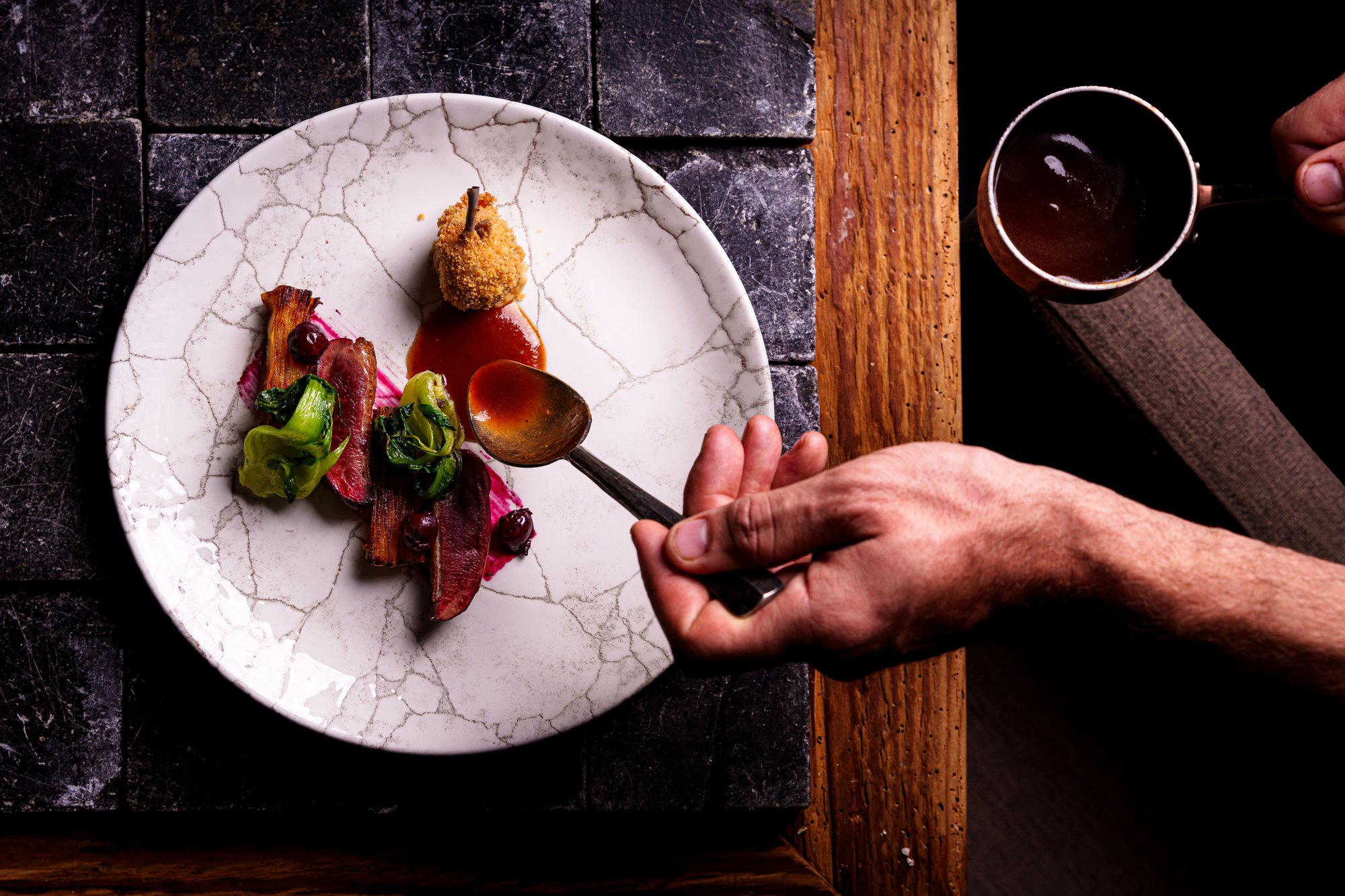
That sourcing orientation shows in how dishes are constructed. The golden trout with buttermilk, beurre blanc, cauliflower, pistachio, and saffron is a dish that places a single regional protein at its centre and builds around it with precision: the beurre blanc anchors the dish in classical French-Austrian technique, while the supporting elements add texture and quiet complexity without burying the fish. Trout from Austrian mountain streams, particularly the Steiermark's cold-water rivers and hatcheries, occupies a specific flavour register: clean, mineral, not fatty, and responsive to restrained treatment. The combination of buttermilk and beurre blanc as parallel acid-fat elements signals a kitchen thinking carefully about how its primary ingredient should be framed.
Equally telling is the coq au vin prepared with Zehentmoarhof Riesling, young vegetables, and Brandteigkrapferl, the traditional Austrian choux pastry fritters. The Zehentmoarhof reference is not decorative: naming a specific estate wine as a cooking component indicates that the kitchen treats local wine as an ingredient in its own right, not as a generic flavour base. The pairing of a Styrian-adjacent Riesling's acidity and aromatic profile with the slow-cooked poultry and choux element creates a dish that reads as regionally specific rather than generically European bistro. For context on how Austria's most celebrated restaurants approach regional sourcing at a higher price tier, Steirereck im Stadtpark in Vienna has built its reputation precisely on that kind of hyper-local sourcing discipline, though it operates in an entirely different context and price bracket.
The beef soup and beef tartare anchoring the more classical end of the card reflect how the leading Styrian Wirtshäuser treat Austria's cattle-farming heritage: not as a throwback but as a foundation. Styria produces some of the country's most closely tracked beef, and a tartare on a menu that rotates this frequently suggests the kitchen is responding to specific cuts and animals as they become available, rather than holding a fixed preparation year-round.
Two Menus, One Kitchen Philosophy
The menu format splits between a seasonal à la carte selection and a four- to six-course surprise menu. That structure is now common across Austrian alpine restaurants of this character, but it serves a real purpose: the surprise menu allows the kitchen to work at a higher level of composition and pacing, while the à la carte card keeps the Wirtshaus accessible to guests who want a single dish or a shorter meal. The Ennstal's dining culture tends toward the convivial and unhurried, and a format that allows for both a full tasting experience and a lighter à la carte visit reflects how that region actually eats.
For those travelling across Austria's alpine restaurant circuit, comparable approaches to alpine regionalism, though at varying price points and with different competitive contexts, appear at Obauer in Werfen, Kräuterreich by Vitus Winkler in Sankt Veit im Pongau, and Gourmetrestaurant Tannenhof in Sankt Anton am Arlberg. Each operates in its own context, but together they map out the direction Austrian alpine cooking has taken over the past decade: away from generic Austrian comfort food and toward precise, sourcing-led menus with strong regional identity. Landhaus Bacher in Mautern an der Donau offers another reference point for how long-running family operations in Austria can sustain culinary credibility across generations.
Staying On and Planning Your Visit
Sankt Martin am Grimming sits in the Styrian Salzkammergut fringe, within reach of the lake district and the hiking terrain above the Ennstal valley. Staying overnight allows you to eat at a more relaxed pace, engage with the surprise menu without a return drive to manage, and engage more fully with a part of Austria that rewards slower travel.
Given that the menu rotates every two to three weeks, the timing of a visit affects what you eat. A late spring visit captures the young vegetables and herb-forward preparations that define the post-winter transition; autumn brings game, root vegetables, and richer preparations suited to the surprise menu format. Neither window is the wrong choice, but they are different restaurants in practice.
Comparable alpine dining in other parts of Austria can be found at Griggeler Stuba in Lech, Stüva in Ischgl, Schwarzer Adler in Hall in Tirol, and Restaurant 141 by Joachim Jaud in Mieming. For those building a broader Austrian fine dining itinerary, Ikarus in Salzburg and Ois in Neufelden represent different expressions of where Austrian cooking sits today.
A Quick Peer Check
Comparable venues nearby, for context on price, style, and recognition.
| Venue | Cuisine | Price | Awards | Notes |
|---|---|---|---|---|
| Wirtshaus im Dorfhotel MayerThis venue — the venue you are viewing | Seasonal Styrian Wirtshaus | $$ | Michelin Plate | Not listed |
| Lercher's Wirtshaus | Traditional Styrian Regional | $$ | Michelin Plate | old town |
| Berggasthof Steinerhaus | Traditional Austrian Mountain Cuisine | $$ | Not listed | Stoderzinken |
| Weitmoosalm | Traditional Austrian Alpine | $$ | Not listed | Planai |
| Sonnenalm | Traditional Austrian Alpine | $$ | Not listed | Mandling |
| Knoll Lift-Stüberl | Traditional Austrian | $$ | Not listed | Ramsau am Dachstein |
Recognition history
Dated appearances from independent guides and award organizations, with the underlying list record or original source where available.
Michelin Bib Gourmand
Michelin
Michelin Plate
Michelin · 2026 Michelin Plate
Continue exploring
More in Sankt Martin am Grimming
Restaurants in Sankt Martin am Grimming
Browse all →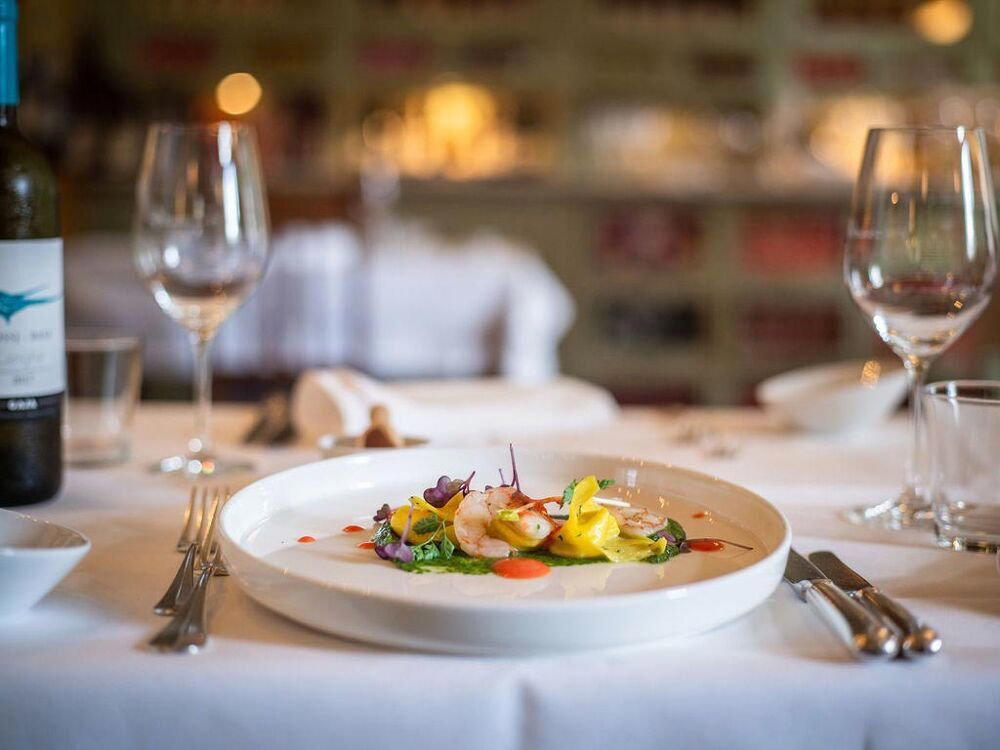
Bars in Sankt Martin am Grimming
Browse all →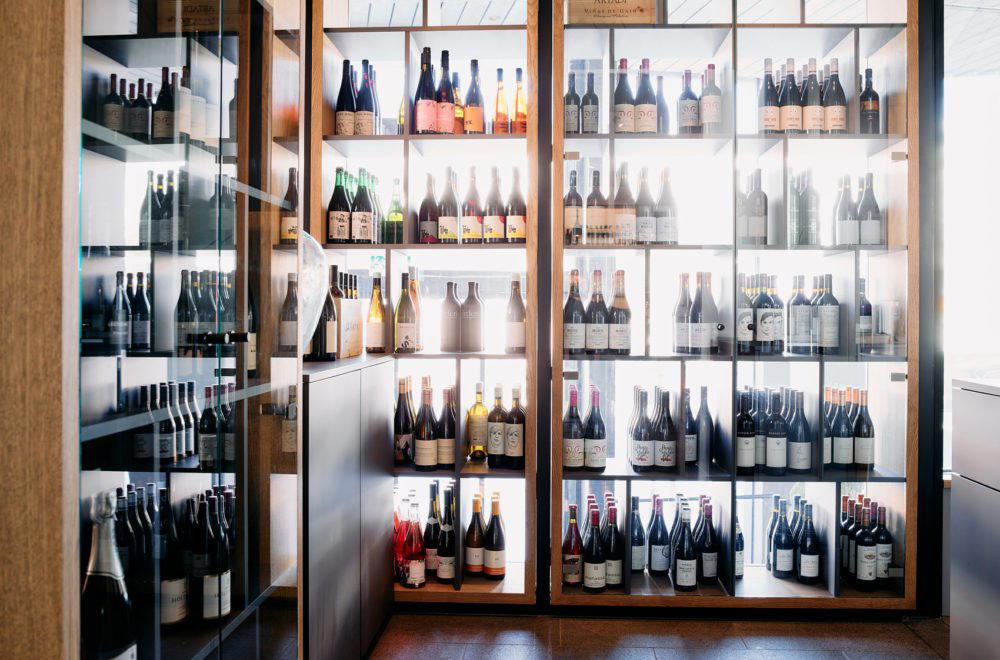


At a Glance
- Cozy
- Rustic
- Classic
- Date Night
- Special Occasion
- Family
- Hotel Restaurant
- Terrace
- Extensive Wine List
- Local Sourcing
- Farm To Table
- Mountain
- Garden
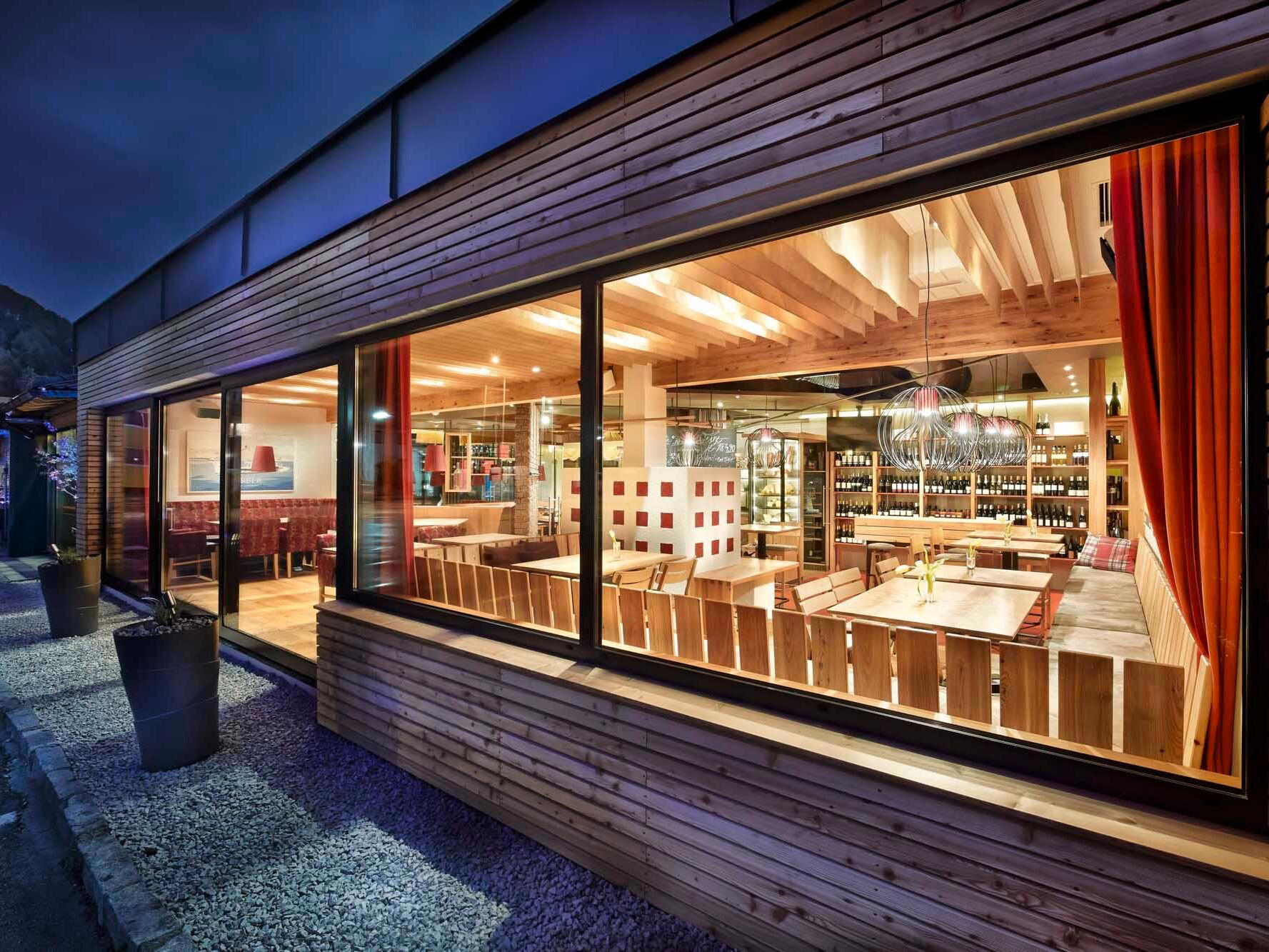
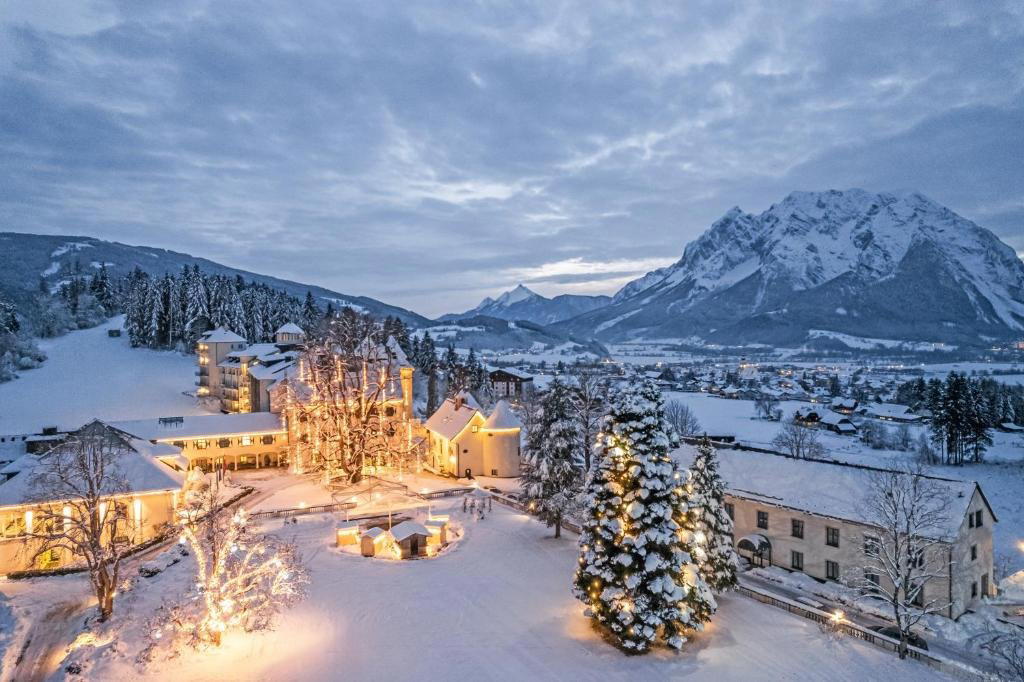
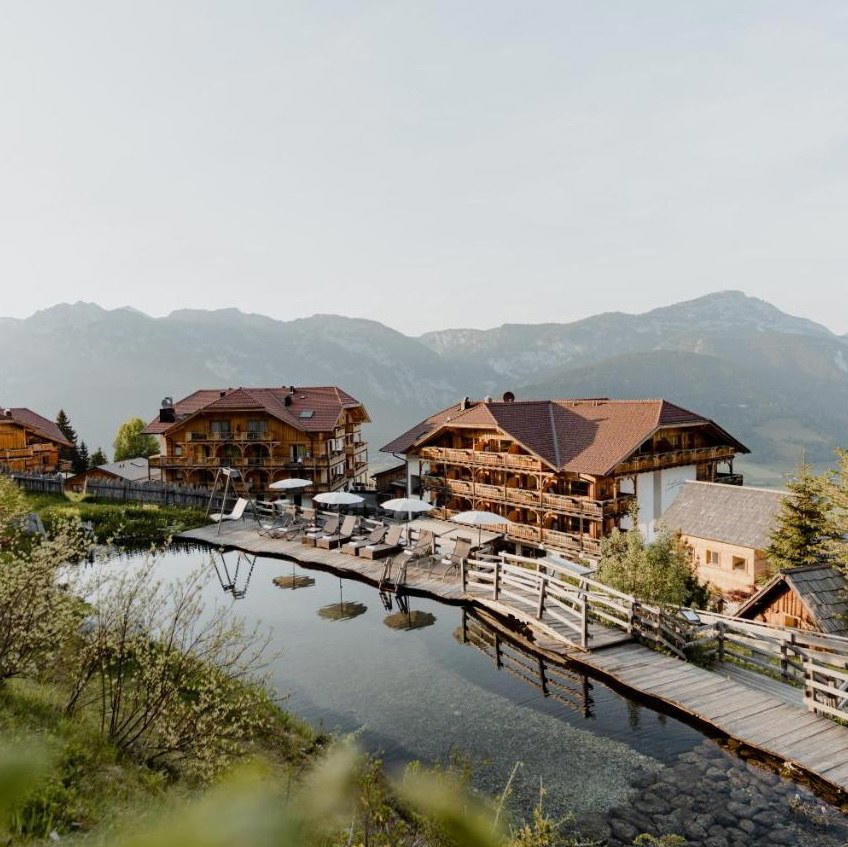
Cozy, gemütlich atmosphere in a picturesque village setting with mountain views, praised for its romantic garden and post-renovation stylish interior.