Winterstellgut


Winterstellgut sits in the Salzburg Alps at Annaberg im Lammertal, holding a Michelin Plate in both 2024 and 2025 for regional cuisine that draws directly from the mountain farming landscape around it. The setting is farmhouse Austria at its most grounded, stone, timber, and altitude, and the cooking follows the same logic: local sourcing, seasonal discipline, and a price range (€€€) that positions it among the Salzburg region's serious but non-theatrical dining addresses.
Pearl is the En Primeur Club membership app — saves, bookings, and concierge access live there. Same editors, same standards.
- Address
- Braunötzhof 4, 5524 Annaberg im Lammertal, Austria
- Phone
- +43 6463 60078
- Website
- tauroa.at
- Directions
- Get directions
 Saves & bookings on Pearl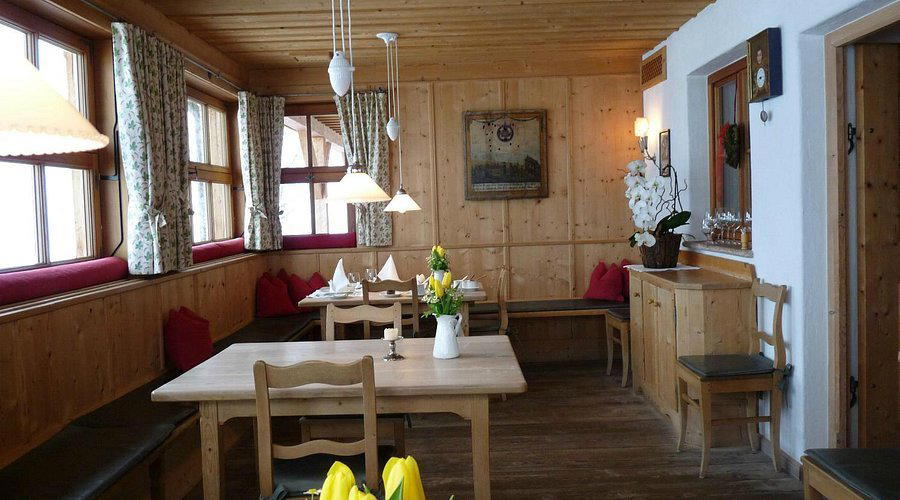
Mountain Farming on the Plate: How Annaberg im Lammertal Shapes the Kitchen at Winterstellgut
The Lammertal valley cuts south from Abtenau into the Salzburg Alps, and by the time the road reaches Annaberg, the surrounding topography has done most of the editorial work for any kitchen serious about regional cooking. Altitude shapes what grows, what grazes, and what survives a winter at these elevations. At Braunötzhof 4, that geography is not merely backdrop, it is the sourcing logic that defines what arrives on the plate at Winterstellgut.
The restaurant has held a Michelin Plate for two consecutive years, 2024 and 2025, a recognition that denotes consistent quality cooking. That distinction matters here. The Michelin Plate signals a kitchen doing something honest and repeatable rather than chasing the validation curve that shapes menus at, say, Döllerer in Golling an der Salzach or Ikarus in Salzburg, both of which operate at €€€€ with the menu architecture to match. Winterstellgut sits at €€€, which in the Salzburg alpine context places it in the same tier as quality-driven farmhouse and Gasthof addresses where the sourcing story is the primary credential.
What Regional Cuisine Means at This Altitude
Austrian regional cuisine is not a monolithic category. The Salzkammergut and the Pongau-Tennengau mountain corridor produce a specific larder: Alpine dairy, particularly butter, cream, and aged cheeses, game from the surrounding forests, freshwater fish from cold-running streams, root vegetables that store through winter, and grains that tolerate short growing seasons. Restaurants in this zone that take the regional designation seriously tend to anchor their menus in those materials rather than importing protein or produce from outside the valley system.
This sourcing logic has a traceable tradition across the Salzburg Alps. Obauer in Werfen, roughly 30 kilometres north in the Salzach corridor, built its reputation on exactly this framework, rooting classical Austrian technique in what the surrounding region provides, with the cooking intelligence to make that constraint productive rather than limiting. Kräuterreich by Vitus Winkler in Sankt Veit im Pongau takes the herb and forage dimension of that same larder further still. Winterstellgut operates within this tradition rather than departing from it, which, in the current Austrian dining conversation, is a coherent and defensible position. The country's broader creative tier, led by addresses like Steirereck im Stadtpark in Vienna, has pushed Austrian produce toward international fine-dining formats. The farmhouse-rooted alpine end of the spectrum has held its ground by doing the opposite: less transformation, more transparency about origin.
The Setting as Argument
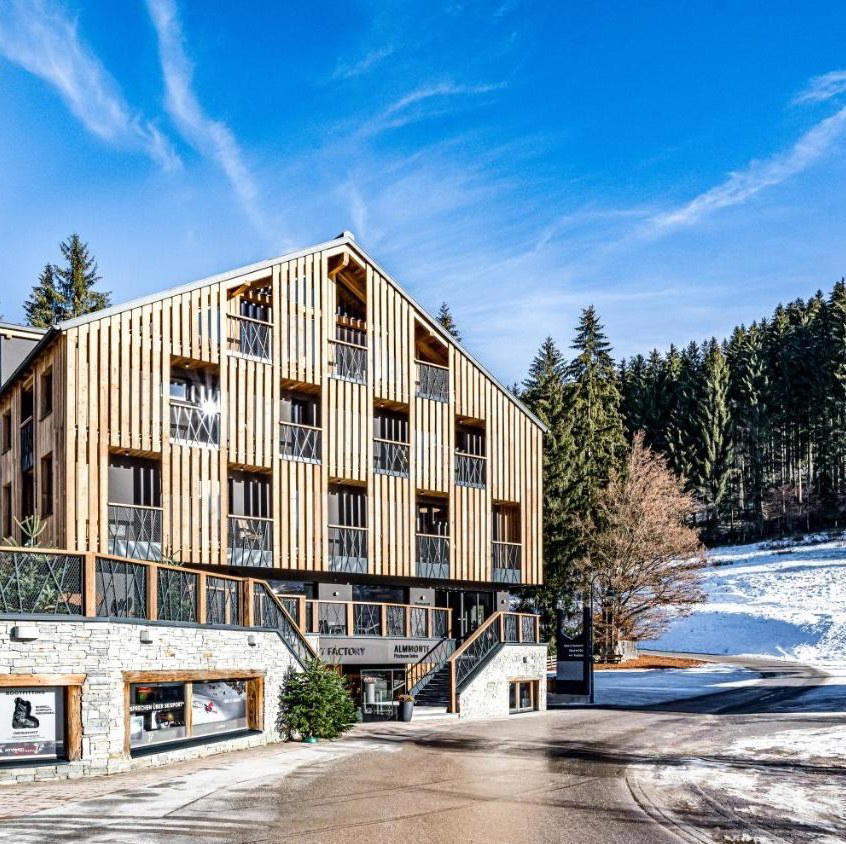
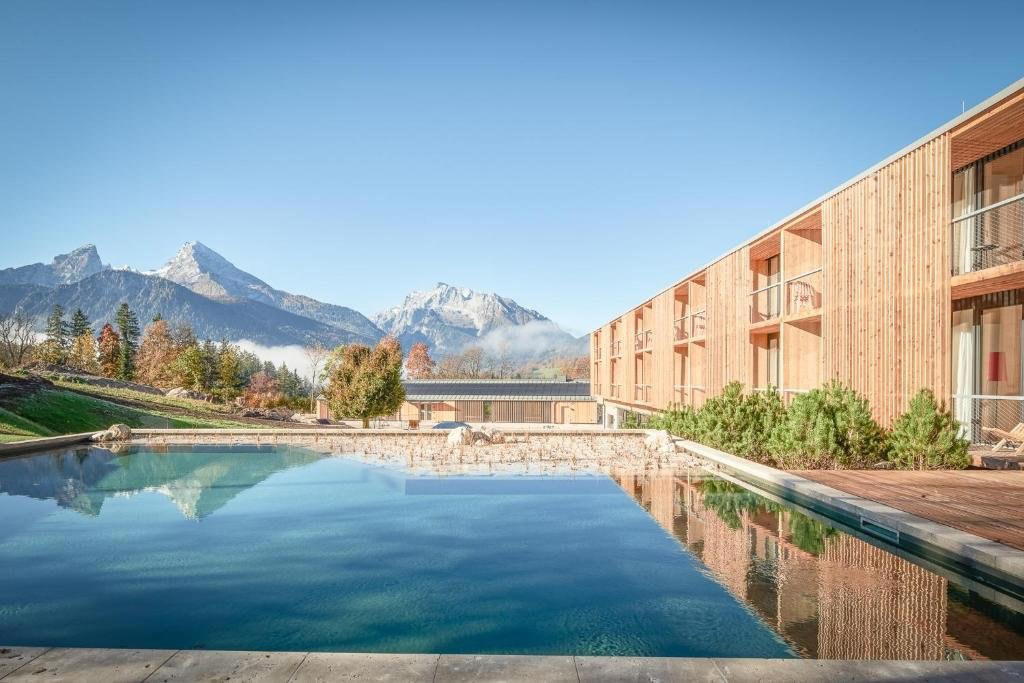
Winterstellgut is at Braunötzhof 4 in Annaberg im Lammertal, and the address frames the experience before any food arrives. Farmstead addresses in the Lammertal sit within working agricultural land, the Braunötzhof name signals a working farm property or former farmstead of that type, common in the Salzburg alpine valleys where Hof properties often carry long agricultural histories. The physical environment at these addresses tends toward heavy timber construction, low ceilings, and the kind of functional materiality that accumulates over generations rather than being designed in a single gesture. That atmosphere is not incidental to how the food lands; it provides the interpretive context that makes ingredient-forward regional cooking legible as a statement rather than mere simplicity.
Across the Austrian alpine restaurant category, the physical setting and the sourcing argument tend to reinforce each other. Gannerhof in Innervillgraten, in East Tyrol, operates on a similar premise, a working farm property where the environment is inseparable from the cooking identity. The same logic appears in the Arlberg corridor at Gourmetrestaurant Tannenhof in Sankt Anton am Arlberg and at Griggeler Stuba in Lech, where altitude and setting shape the guest's frame of reference before the first course arrives.
Reader Signals and Peer Context
That depth of review record is meaningful in a valley location without major tourist infrastructure; it indicates the restaurant draws repeat custom from the broader Salzburg alpine region, not just seasonal visitors. In the Austrian mountain dining tier, that kind of consistent rating across a substantial sample is a more reliable signal than any single-season spike driven by a guide mention.
For comparison within the wider alpine regional dining spectrum, Fahr in Künten-Sulz and Ois in Neufelden both operate within the regional cuisine category at comparable price positioning, demonstrating that the farmhouse-rooted format has traction across the German-speaking alpine zone, not just in the Salzburg corridor. At the Tyrolean end of the spectrum, Schwarzer Adler in Hall in Tirol and Stüva in Ischgl represent the more resort-facing version of the same alpine-ingredient argument. Restaurant 141 by Joachim Jaud in Mieming occupies a different register again, showing how varied the regional cuisine category has become across Austria's western provinces.
Winterstellgut's position at €€€ with sustained Michelin recognition and a high-volume review record places it in the serious-but-accessible tier of this comparable set, rather than the aspirational or destination-dining end.
Planning Your Visit
Annaberg im Lammertal sits in the Tennengau district of Salzburg province, accessible from Salzburg city by road through Abtenau, a drive of roughly 45 to 50 minutes depending on conditions. Given that the valley sits at alpine elevation, seasonal timing matters: winter access and summer hiking season both generate distinct local dining rhythms, and the kitchen's ingredient logic follows those seasons rather than holding a static year-round menu structure. Booking in advance is advisable for a restaurant with this level of recognition and a following that extends across the region. Specific hours and reservation methods are best confirmed directly with the property.
Side-by-Side Snapshot
Comparable venues nearby, for context on price, style, and recognition.
| Venue | Cuisine | Price | Awards | Notes |
|---|---|---|---|---|
| WinterstellgutThis venue — the venue you are viewing | Traditional Austrian Alpine Cuisine | $$$ | Michelin Plate | Not listed |
| Weitmoser Schlössl | Classic Austrian Regional | $$$ | Michelin Plate | Bad Hofgastein |
| Zum Goldenen Hirschen | Contemporary Austrian with Alpine Influences | $$$ | Michelin Plate | Gmunden city center |
| Die Gersberg Alm | Traditional Austrian with Regional Influences | $$$ | Michelin Plate | Gersberg |
| Blaue Quelle | Traditional Austrian with International Influences | $$$ | Michelin Plate | Erl |
| Der Schützenwirt | Modern Austrian Regional | $$$ | Michelin Plate | Sankt Jakob am Thurn |
Recognition history
Dated appearances from independent guides and award organizations, with the underlying list record or original source where available.
Falstaff Restaurant - 94 Falstaff Points
Falstaff
Michelin Plate
Michelin
Michelin Plate
Michelin
Michelin Plate
Michelin
Continue exploring
More in Annaberg im Lammertal
Restaurants in Annaberg im Lammertal
Browse all →
Bars in Annaberg im Lammertal
Browse all →


At a Glance
- Romantic
- Scenic
- Cozy
- Elegant
- Rustic
- Classic
- Date Night
- Celebration
- Special Occasion
- Family
- Private Event
- Panoramic View
- Historic Building
- Garden
- Private Dining
- Terrace
- Extensive Wine List
- Farm To Table
- Local Sourcing
- Organic
- Mountain
- Garden
Current opening hours
- Monday
- Closed
- Tuesday
- Closed
- Wednesday
- Closed
- Thursday
- 9 AM–11 PM
- Friday
- 9 AM–11 PM
- Saturday
- 9 AM–11 PM
- Sunday
- 9 AM–11 PM
Hours can change for holidays and private events. Last verified .
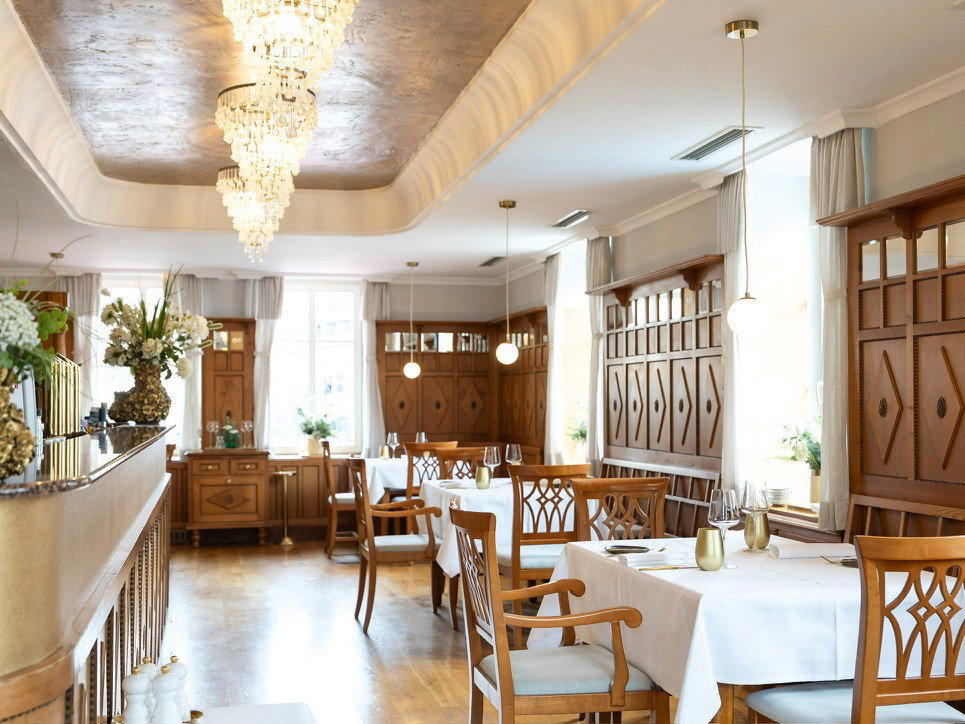
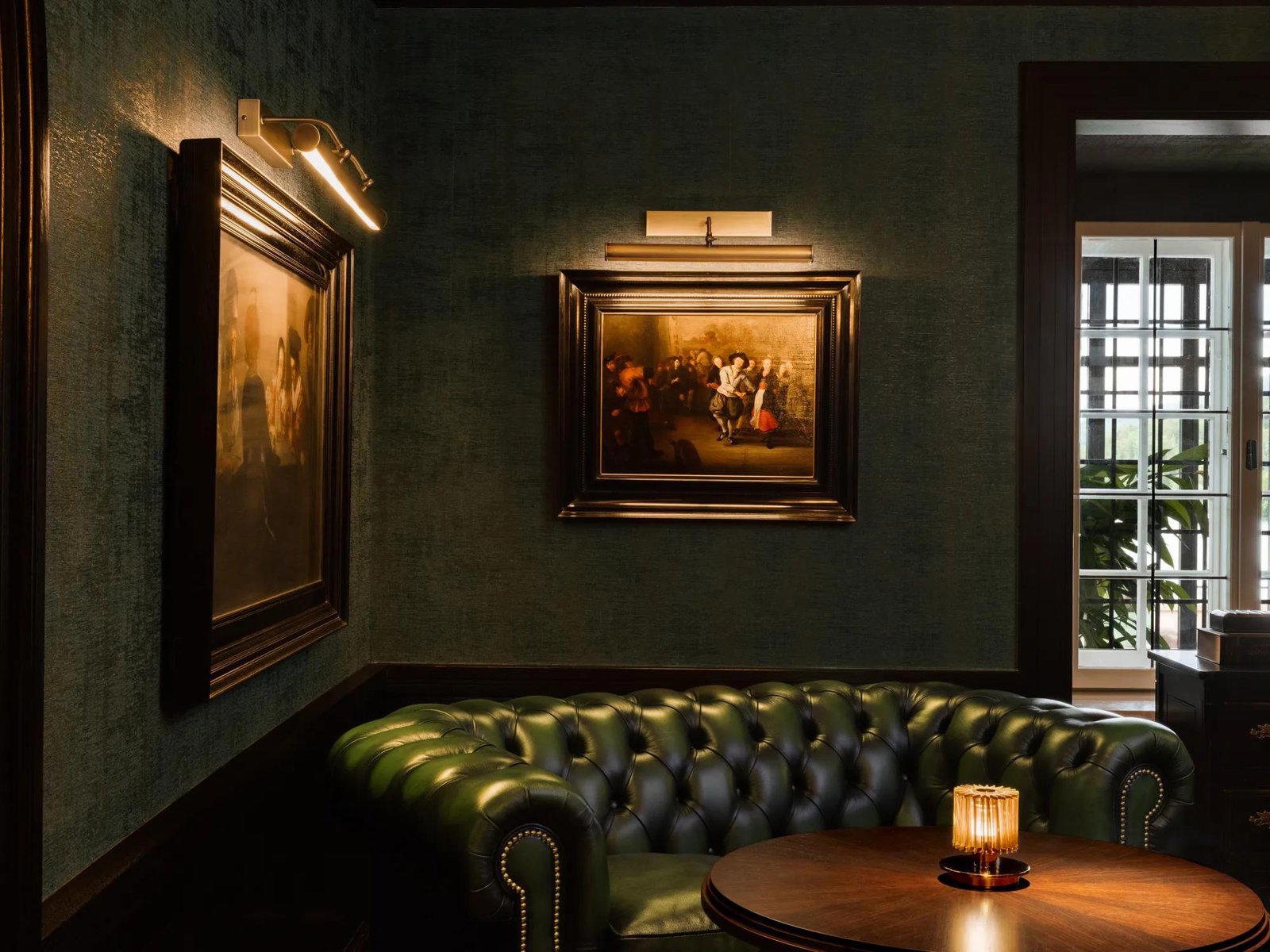
Warmly decorated in traditional Austrian countryside style with cozy alpine furnishings, natural lighting from expansive windows overlooking mountains, and a welcoming, homey atmosphere enhanced by staff in local folklore costumes.