Natur- und Wellnesshotel Höflehner

Selected by the Michelin Guide Hotels 2025, Natur- und Wellnesshotel Höflehner sits in the Enns Valley of the Austrian Alps, where the region's tradition of nature-integrated wellness hospitality has produced a distinctive tier of mountain property. The hotel addresses the growing demand for alpine retreats that foreground landscape immersion over resort-scale programming, placing it in a specific niche within Austria's Michelin-recognised accommodation scene.
Pearl is the En Primeur Club membership app — saves, bookings, and concierge access live there. Same editors, same standards.
- Address
- Gumpenbergweg 2, 8967 Gumpenberg, Austria
- Phone
- +43 3686 2548
- Website
- hoeflehner.com
- Directions
- Get directions
 Saves & bookings on Pearl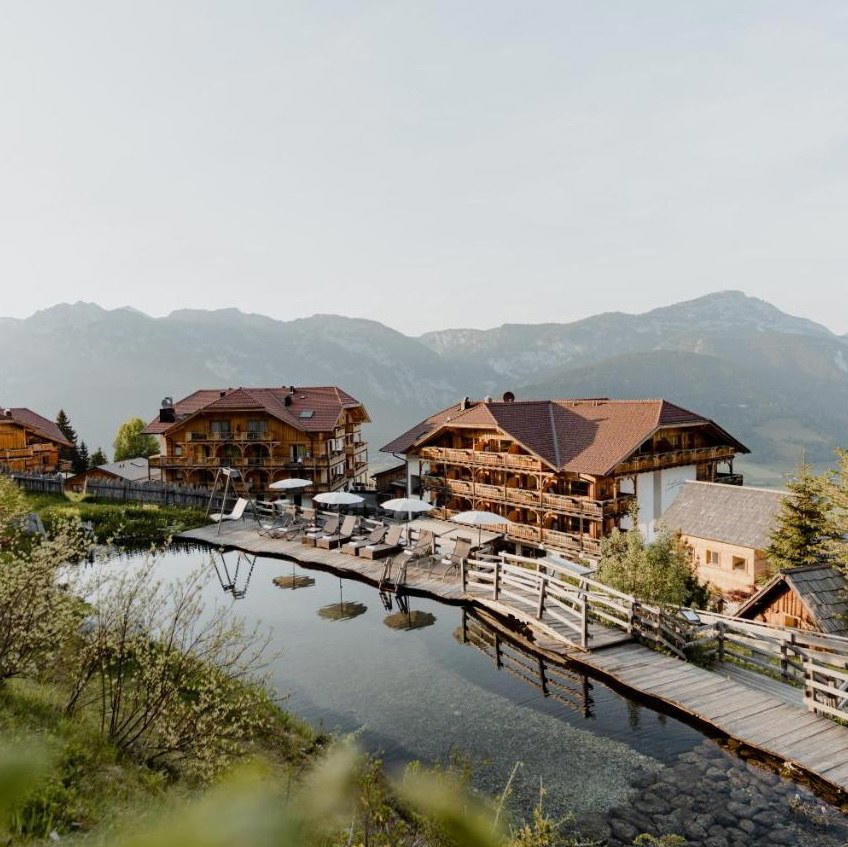
Where the Enns Valley Sets the Aesthetic Register
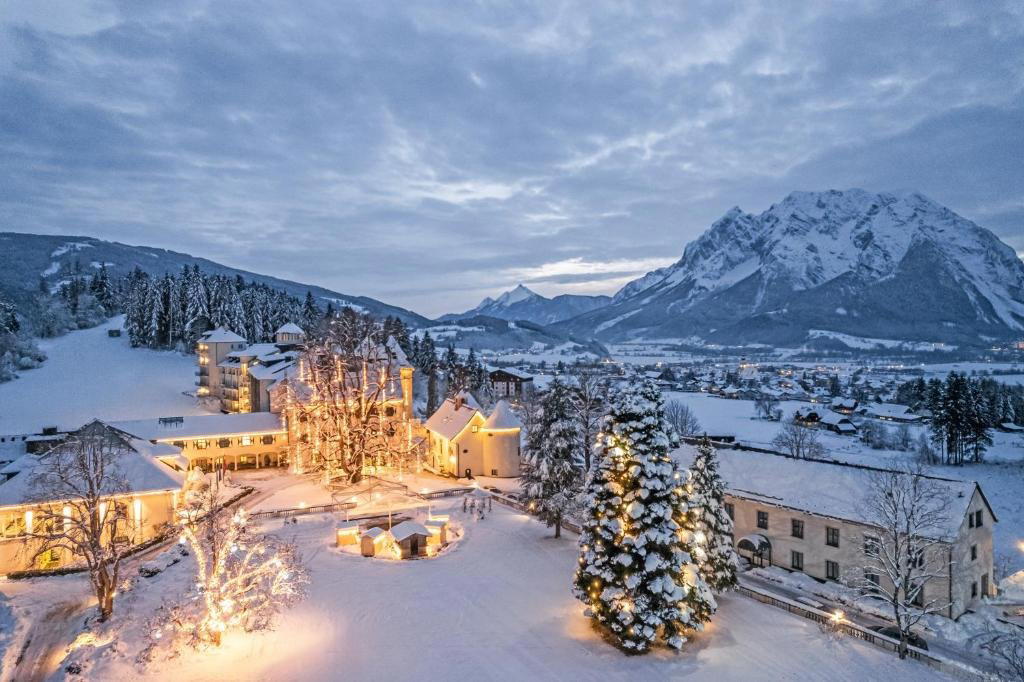
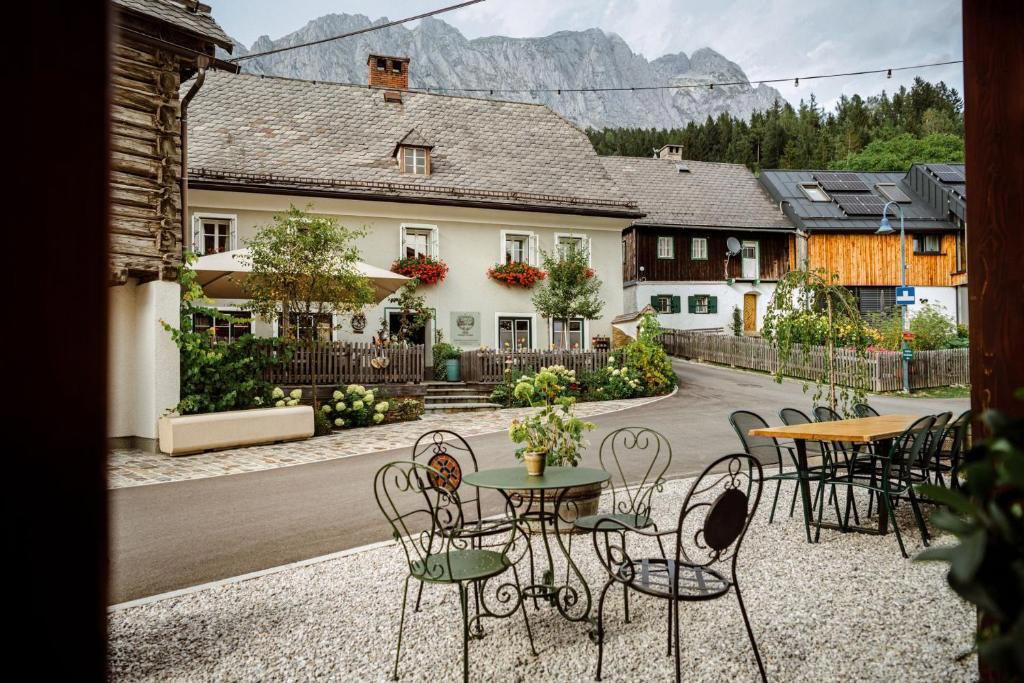
The Styrian Alps around Haus im Ennstal produce a particular kind of mountain hotel that differs from the polished ski-resort circuit of Tirol or the manicured lakeside properties of Carinthia. Here, the Enns Valley's combination of lower-profile peaks, working farmland, and pine-heavy slopes has shaped a hospitality sensibility rooted in nature proximity rather than altitude prestige. Natur- und Wellnesshotel Höflehner, at Gumpenberg 2 on the valley's edge, fits squarely within that tradition: a property whose architectural and spatial logic reads from the outside in, starting with the mountain setting and working toward interior comfort, rather than the reverse. The Michelin Guide's 2025 selection of the hotel confirms its standing within Austria's curated accommodation tier.
The Physical Logic of an Alpine Nature Property
Austrian alpine wellness hotels have developed a recognisable design grammar over the past two decades: exposed timber, natural stone, views oriented toward high ground, and spa infrastructure that references the landscape rather than contradicts it. That grammar emerged partly from guest expectation and partly from a genuine regional material culture in which local spruce, larch, and limestone have been construction staples for centuries. Höflehner's positioning as a Natur- und Wellnesshotel signals membership in a category where the physical environment and the built structure are meant to operate in dialogue. Properties in this bracket typically site their wellness zones to capture mountain sightlines, use warm-toned natural materials throughout sleeping and common areas, and keep the architectural footprint lower than equivalent resort-scale competitors. The result is a spatial experience calibrated around quietness and visual access to the outdoors rather than interior spectacle.
This approach places Höflehner in a different peer group from the grand alpine palace hotels. Compare it against, say, Rosewood Schloss Fuschl in Hof bei Salzburg, where a former imperial hunting lodge provides the architectural centrepiece, or Hotel Sacher Wien in Vienna, where the building itself is the cultural argument. Höflehner makes no such monumental claim. Its argument is environmental: the valley, the air, the light at different points of the day. That is a more austere and more honest form of alpine hospitality.
Haus Im Ennstal in the Austrian Mountain Hotel Context
Haus im Ennstal sits within the Schladming-Dachstein region, a stretch of Styria that has positioned itself as a year-round outdoor destination without fully entering the premium ski-resort tier occupied by Lech, Kitzbühel, or Ischgl. That positioning creates a guest mix weighted toward walkers, cyclists, and skiing visitors who prioritise access to terrain over village social scenes. The hotel market here reflects that: properties tend toward the family-owned, nature-integrated model rather than the international chain format. Michelin's inclusion of Höflehner in its 2025 hotel selection provides external validation within that local context, signalling that the property meets criteria that go beyond regional reputation alone.
Across Austria's alpine wellness sector, the Michelin-selected tier clusters around properties that achieve a specific balance: enough spa and comfort infrastructure to satisfy guests who expect it, combined with a design and operational approach that does not feel industrialised. Naturhotel Waldklause in Längenfeld and Aktiv & Wellnesshotel Bergfried in Tux occupy analogous positions in Tirol, while Alpen-Wellness Resort Hochfirst in Obergurgl serves a higher-altitude, ski-season-heavy market. Höflehner's Styrian address gives it a quieter profile than those Tirolean counterparts, which may suit guests who find the busier western valleys increasingly crowded during peak weeks.
Wellness as Architecture, Not Amenity
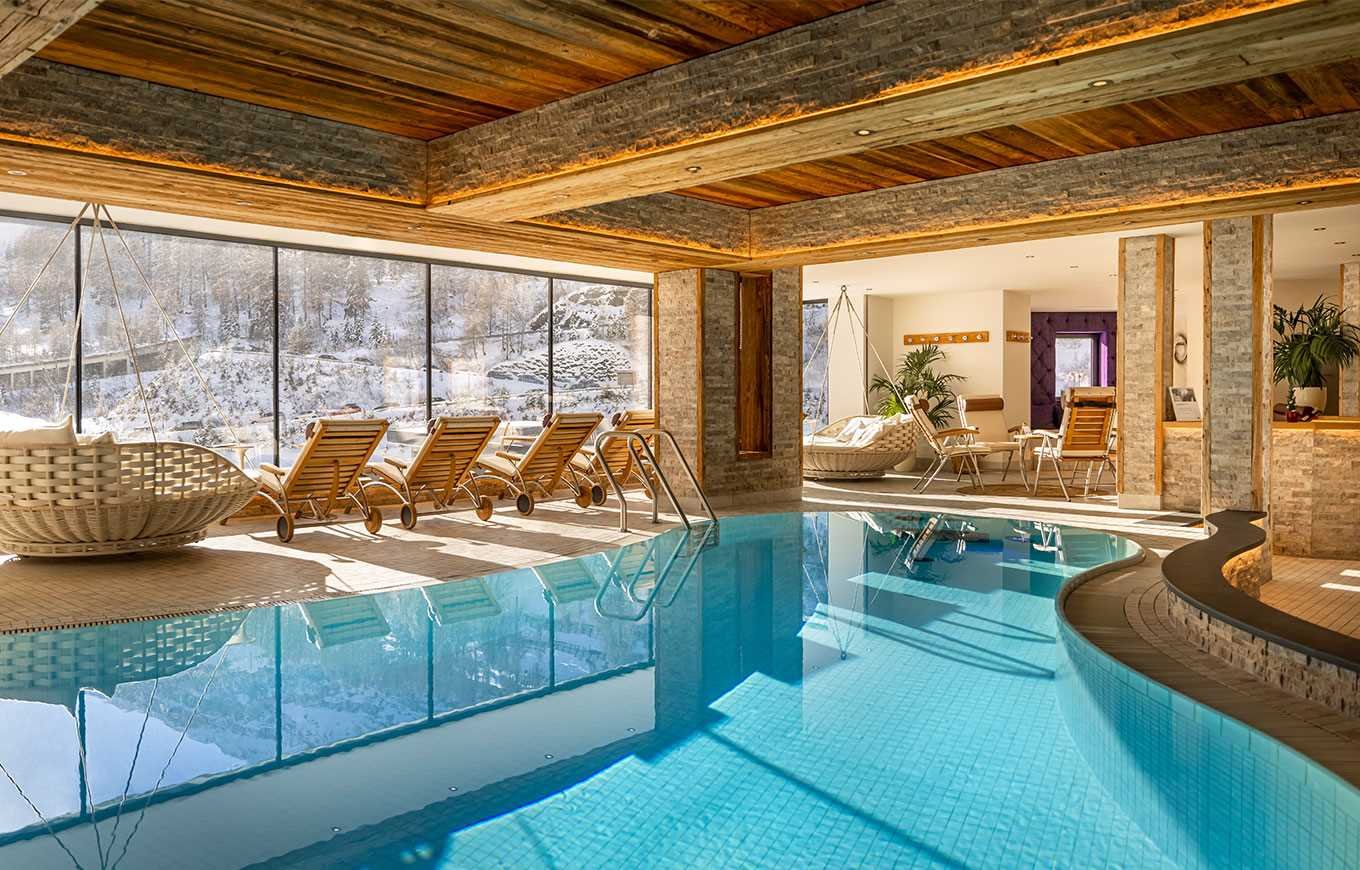
The distinction between wellness as a bolted-on amenity and wellness as an organising architectural principle has become one of the more reliable quality signals in the alpine hotel category. Properties where the spa occupies a converted basement differ substantively from those where thermal and relaxation spaces were designed as primary volumes from the ground up. The Natur- und Wellnesshotel designation in German-speaking alpine hospitality carries specific expectations: outdoor water access, rooms with unobstructed mountain orientation, and programming that uses the surrounding terrain as its primary resource. Properties that use the designation loosely tend to attract different guest profiles and different critical responses.
For context on what the Austrian alps' broader wellness hotel spectrum looks like at adjacent price and quality points, SPA-HOTEL Jagdhof in Neustift and LEADING Hotel Hochgurgl in Hochgurgl both represent the high-altitude, higher-spend end of the category, while Bergblick in Grän and Sportresidenz Zillertal in Uderns serve active-focused guests with somewhat different spatial priorities. Höflehner's position in the Enns Valley places it in the quieter, less commercially saturated end of the Michelin-selected Austrian mountain segment.
Planning a Stay
Haus im Ennstal is accessible by rail via the Ennstal line, with road access direct from the A9 motorway corridor. The Schladming-Dachstein region operates year-round, with summer hiking and cycling seasons running from approximately May through October and ski access to the Dachstein glacier available across much of the year. Properties in the Michelin-selected tier in this region tend to fill during school holiday windows and peak ski weeks, so advance reservation through the hotel's direct channel is advisable for those periods. For guests building a broader Austrian mountain itinerary, the surrounding Styrian alps combine well with Salzburg-region properties such as Schloss Mönchstein in Salzburg or the western Tirolean circuit anchored by Hotel Almhof Schneider in Lech and Grand Tirolia Kitzbühel. Guests looking for other Michelin-recognised family and nature-focused alpine formats might also consider Family Nature Resort Moar Gut in Grossarl as a comparable regional point of reference.
Quick Comparison
Comparable venues nearby, for context on price, style, and recognition.
| Venue | Cuisine | Price | Awards | Notes |
|---|---|---|---|---|
| Natur- und Wellnesshotel HöflehnerThis venue — the venue you are viewing | Natural luxury in secluded mountain position with sustainable design | $$$$ | 4-Star | Not listed |
| Hotel & Villa Auersperg | Contemporary classic boutique in historic villa | $$$$ | 4-Star | Neustadt |
| Grand Hotel Wiesler | Historic Art Nouveau reinterpreted with modern luxury | $$$$ | 4-Star | Gries |
| Design Hotel zum Hirschen Salzburg | Historic 15th-century inn revitalized as a fashionable design hotel. | $$$ | 4-Star | Elisabeth Vorstadt |
| Alpin Life Resort Lürzerhof | Alpine luxury resort with modern extensions | $$$$ | 4-Star | Untertauern |
| Wellnesshotel Theresa | Family-run luxury wellness hotel blending traditional Tyrolean architecture with contemporary spa facilities, positioned as a full-board gourmet and wellness destination. | $$$$ | 4-Star | Zell am Ziller center |
Recognition history
Dated appearances from independent guides and award organizations, with the underlying list record or original source where available.
Michelin Selected
Michelin
Continue exploring
More in Haus Im Ennstal
Hotels in Haus Im Ennstal
Browse all →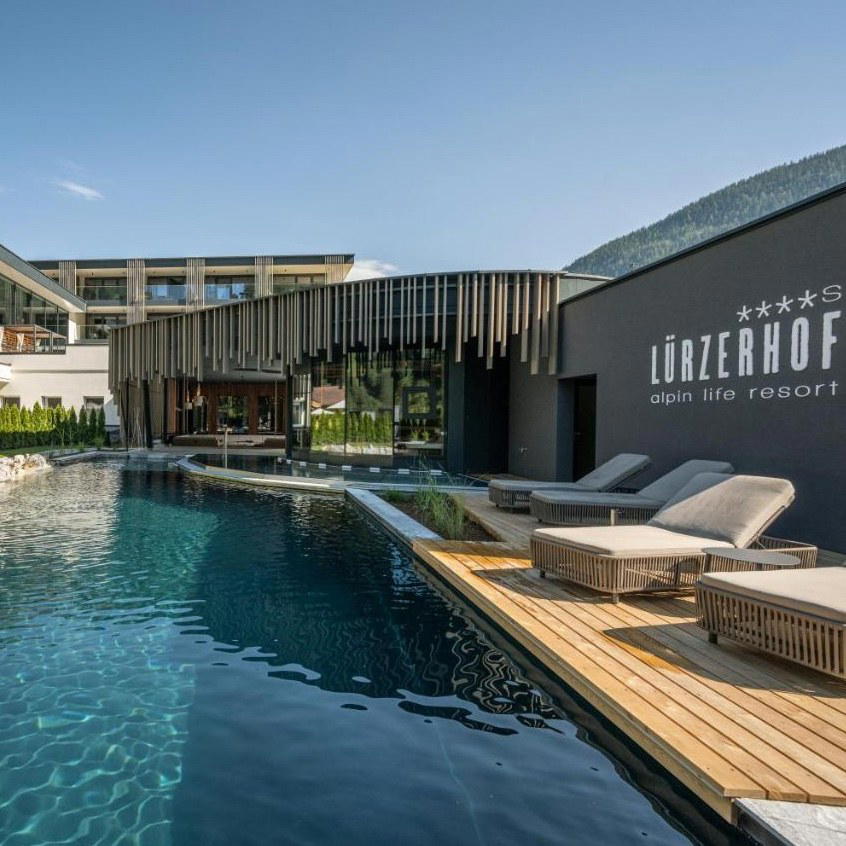
Bars in Haus Im Ennstal
Browse all →


At a Glance
- Quiet
- Scenic
- Cozy
- Rustic
- Wellness Retreat
- Romantic Getaway
- Family Vacation
- Ski In Ski Out
- Infinity Pool
- Panoramic View
- Destination Spa
- Spa
- Pool
- Sauna
- Fitness Center
- Kids Club
- Mountain
- Spa
- Pool
- Sauna
- Fitness Center
- Kids Club
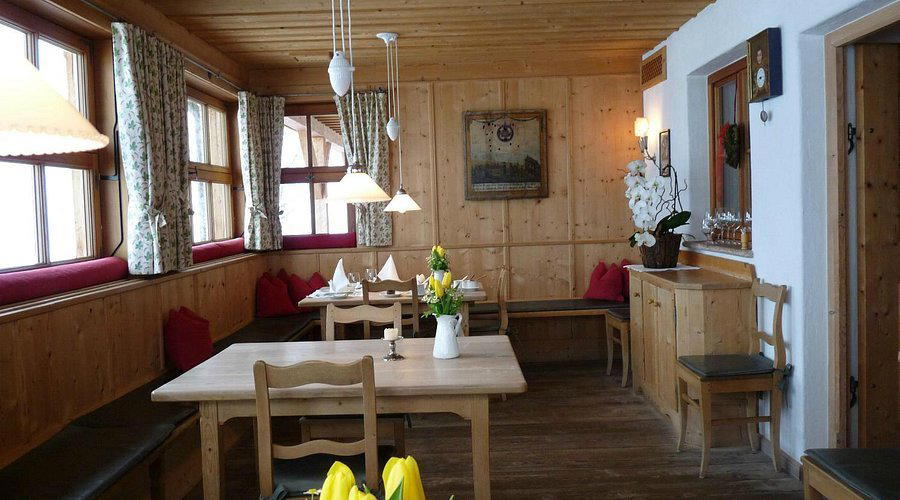
Cozy alpine ambiance with natural Swiss stone pine wood, immaculate design, and serene mountain views fostering deep relaxation.