Skip to Main Content
Regional Austrian Natural Cuisine

Google: 4.6 · 1,429 reviews

← Collection
Haus, Austria

Natur- und Wellnesshotel Höflehner

Price≈$80
Dress CodeSmart Casual
ServiceUpscale Casual
NoiseQuiet
CapacityMedium

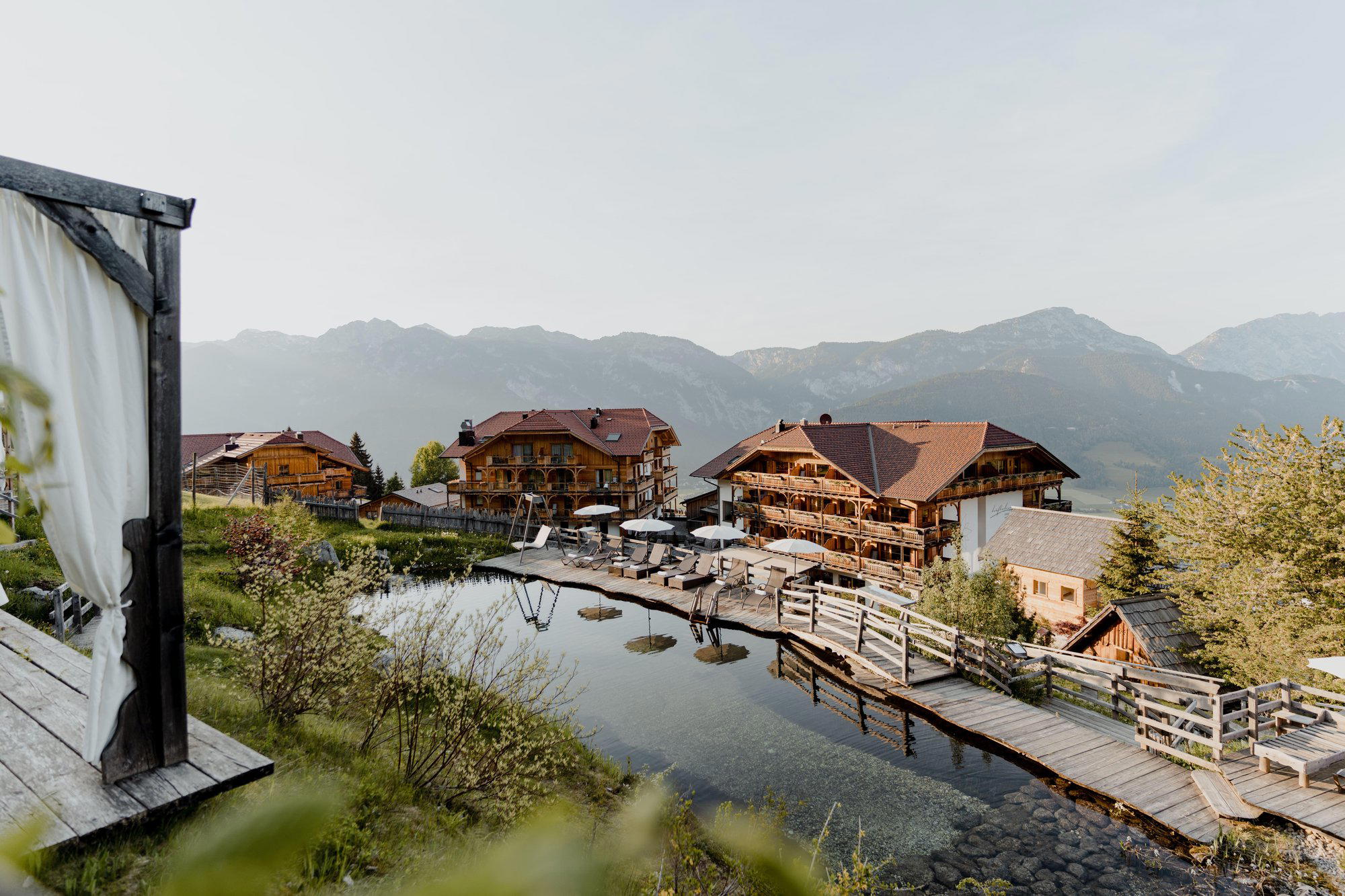
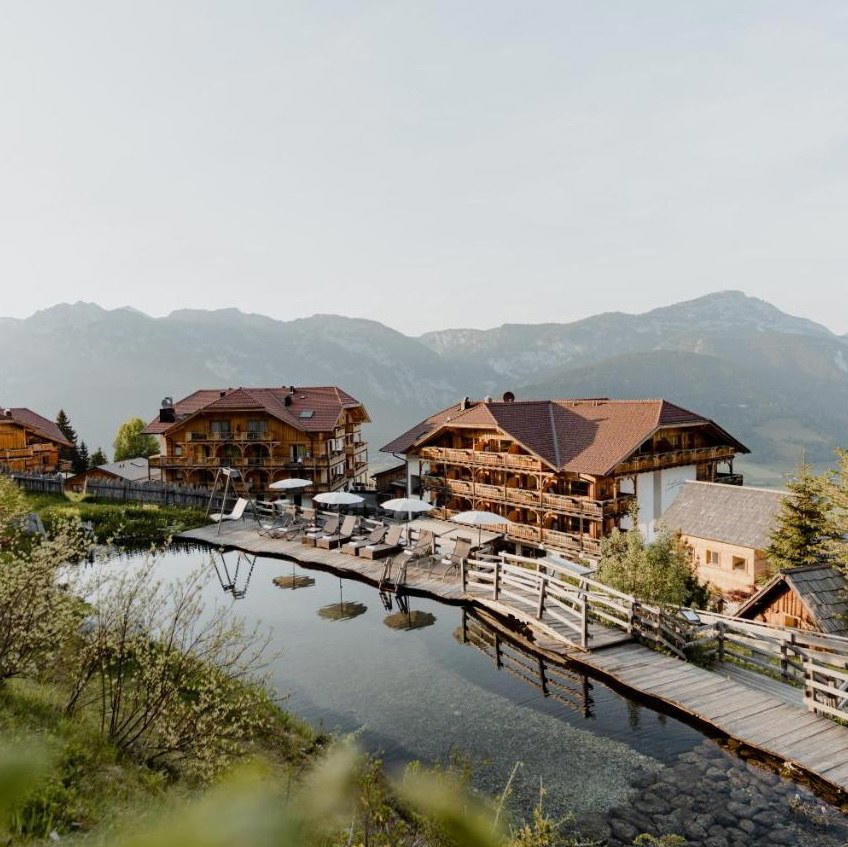
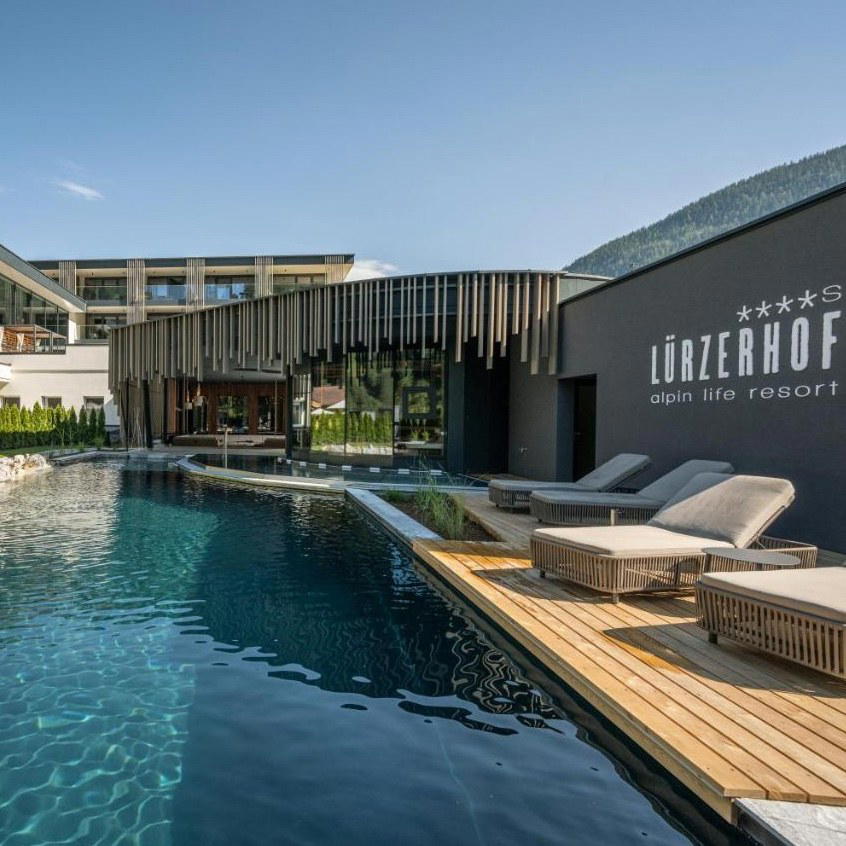
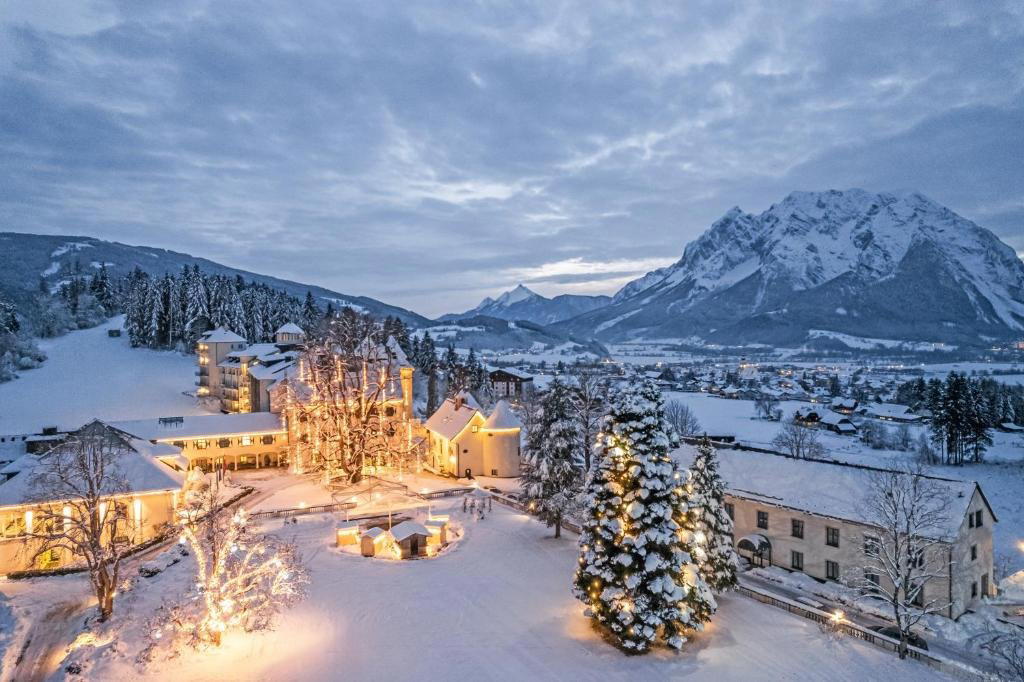
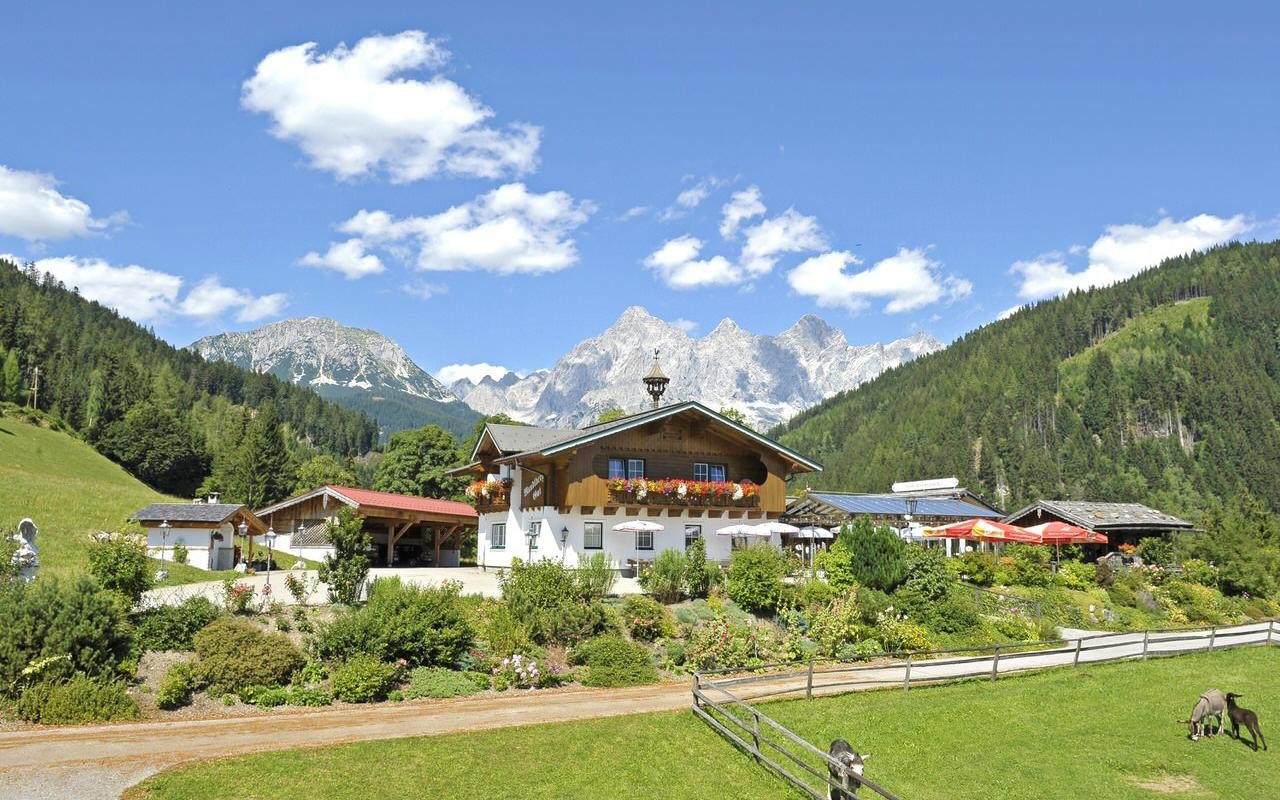
Set on the alpine slopes above Haus im Ennstal in the Austrian Styrian Alps, Natur- und Wellnesshotel Höflehner is a nature-focused wellness property at Gumpenbergweg 2, Gumpenberg. The hotel sits within a region where mountain terrain shapes both hospitality format and cuisine character, placing it alongside a small cluster of alpine retreats defined by landscape-first design and restorative programming.

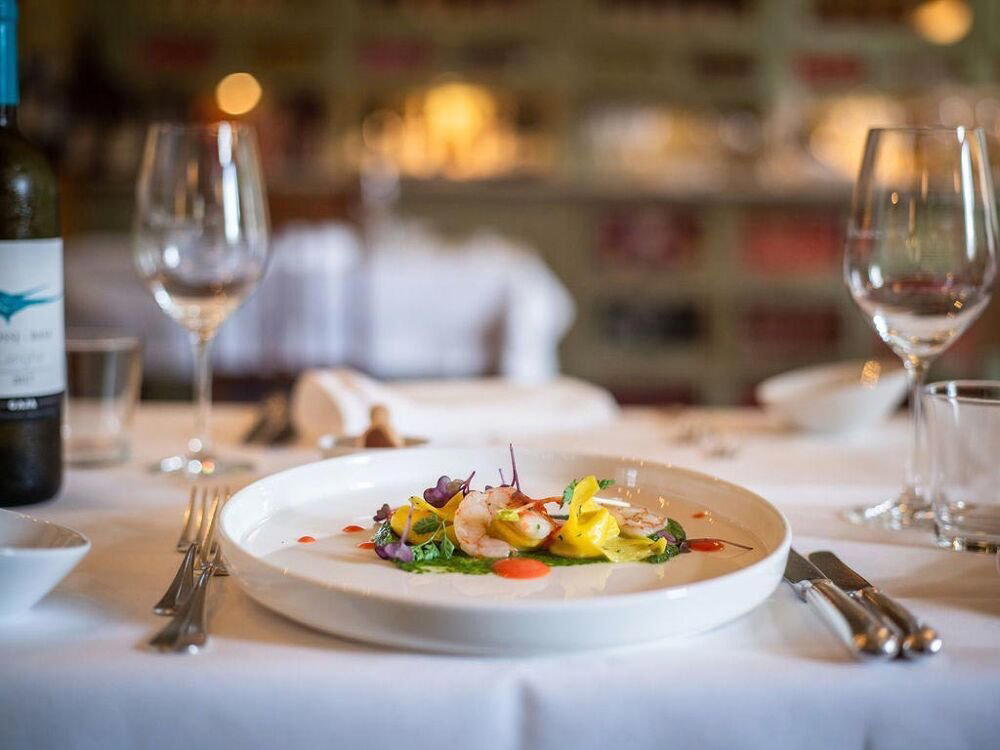
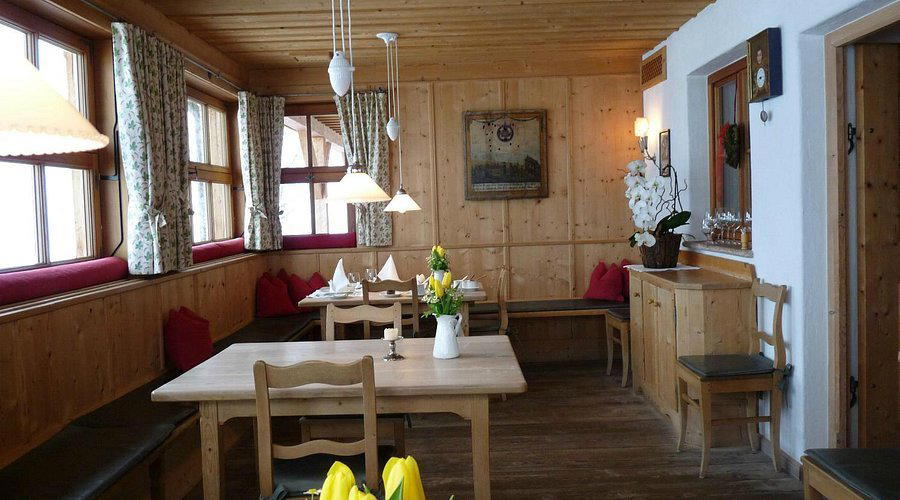
Natur- und Wellnesshotel Höflehner restaurant in Haus, Austria
About

Alpine Wellness in the Ennstal: Where Mountain Terrain Sets the Agenda

The Austrian alpine wellness hotel has a distinct character that separates it from urban spa hotels or lowland resort complexes. At altitude, in regions like the Ennstal valley above Haus, the physical environment is not backdrop — it is the program. Snowpack, forest cover, elevation, and seasonal rhythm all shape what a property can offer and when. Natur- und Wellnesshotel Höflehner, at Gumpenbergweg 2 in Gumpenberg, sits inside this tradition: a mountain wellness property where the natural setting and the hospitality format are designed to work as a single system rather than as separate amenities.

Haus im Ennstal occupies a position in the Styrian Alps that gives it access to both the Schladming-Dachstein ski area and the broader Ennstal valley, a region that draws guests across seasons rather than peaking in winter alone. This dual-season pull is characteristic of Styrian alpine destinations that have invested in wellness infrastructure as a counterweight to ski dependency. Properties in this tier compete less on proximity to lifts and more on the quality of their restorative offer: thermal facilities, spa programming, dietary menus, and direct access to mountain trails.

The Cultural Logic of Austrian Alpine Hospitality

Austrian alpine hospitality carries a set of cultural expectations that distinguish it from Swiss or Italian mountain hotel traditions. The Gasthof and Landhotel lineage runs deep here: properties tend toward family operation, long tenure, and a cooking philosophy rooted in Styrian and broader Austrian regional produce. In the Ennstal specifically, that means dishes built around game, dairy, root vegetables, and foraged ingredients that shift with altitude and season. Where a French alpine property might anchor its dining identity in classical technique, Austrian mountain hotels in this region tend to foreground ingredient provenance and regional identity.

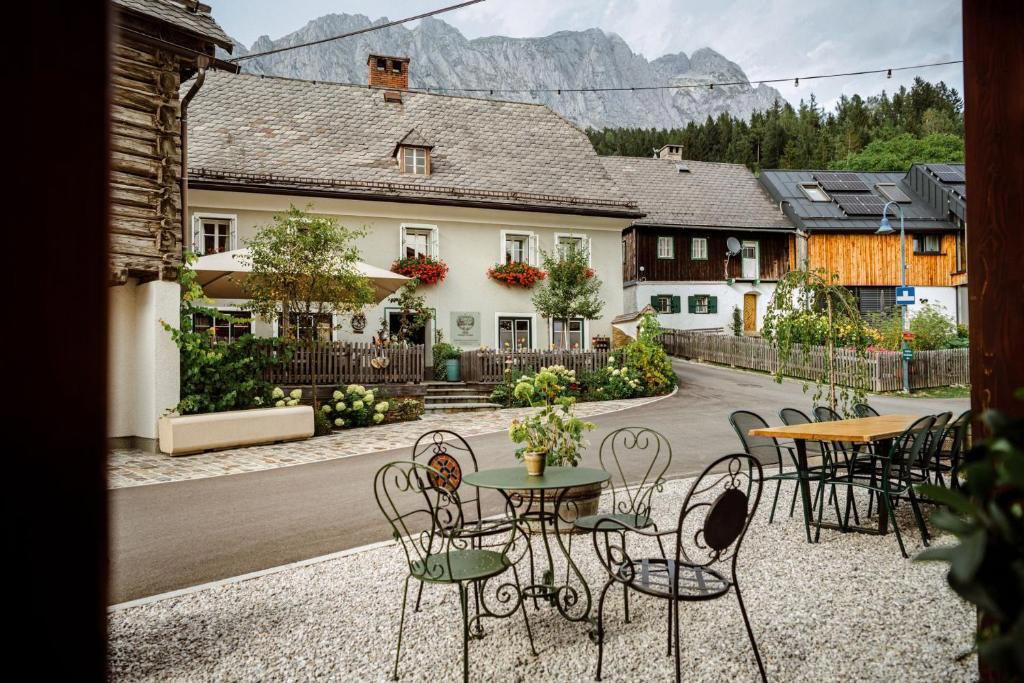
This culinary character plays out differently across Haus's eating options. Casual alpine huts like Du & I Alm, Krummholzhütte, and Schoarlhütte serve the on-mountain appetite for hearty, immediate food — Kasnocken, Gulasch, house-made Strudel , while properties like Stangl Alm and Stöcklhütte occupy the middle ground between hut informality and hotel dining. See our full Haus restaurants guide for a mapped view of the area's dining options across formats and price points.

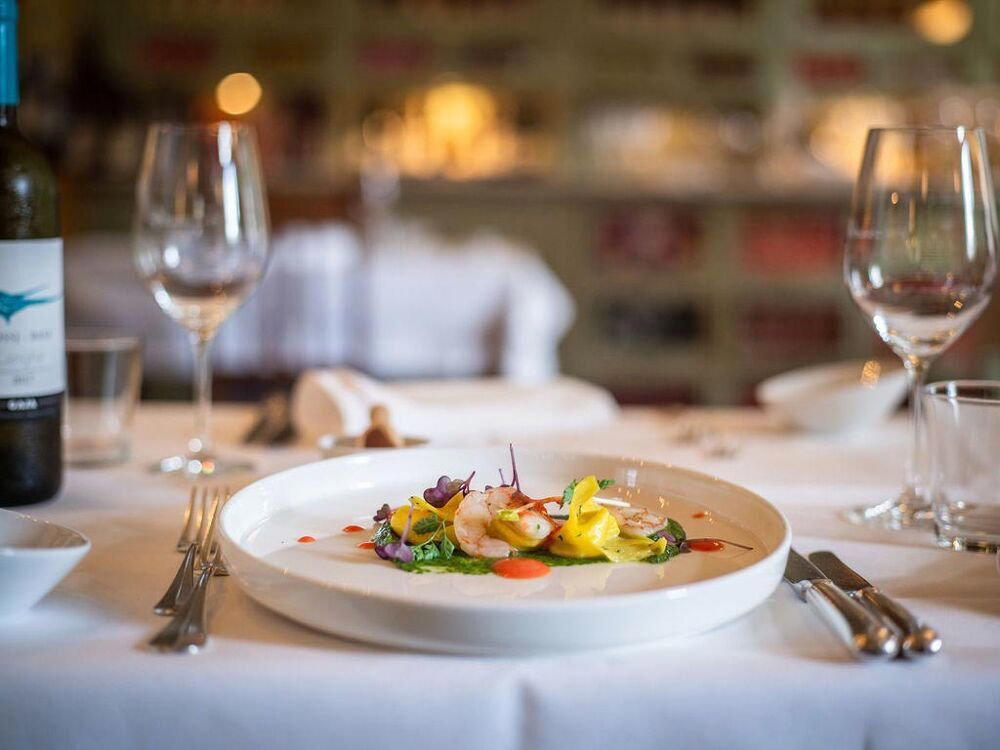
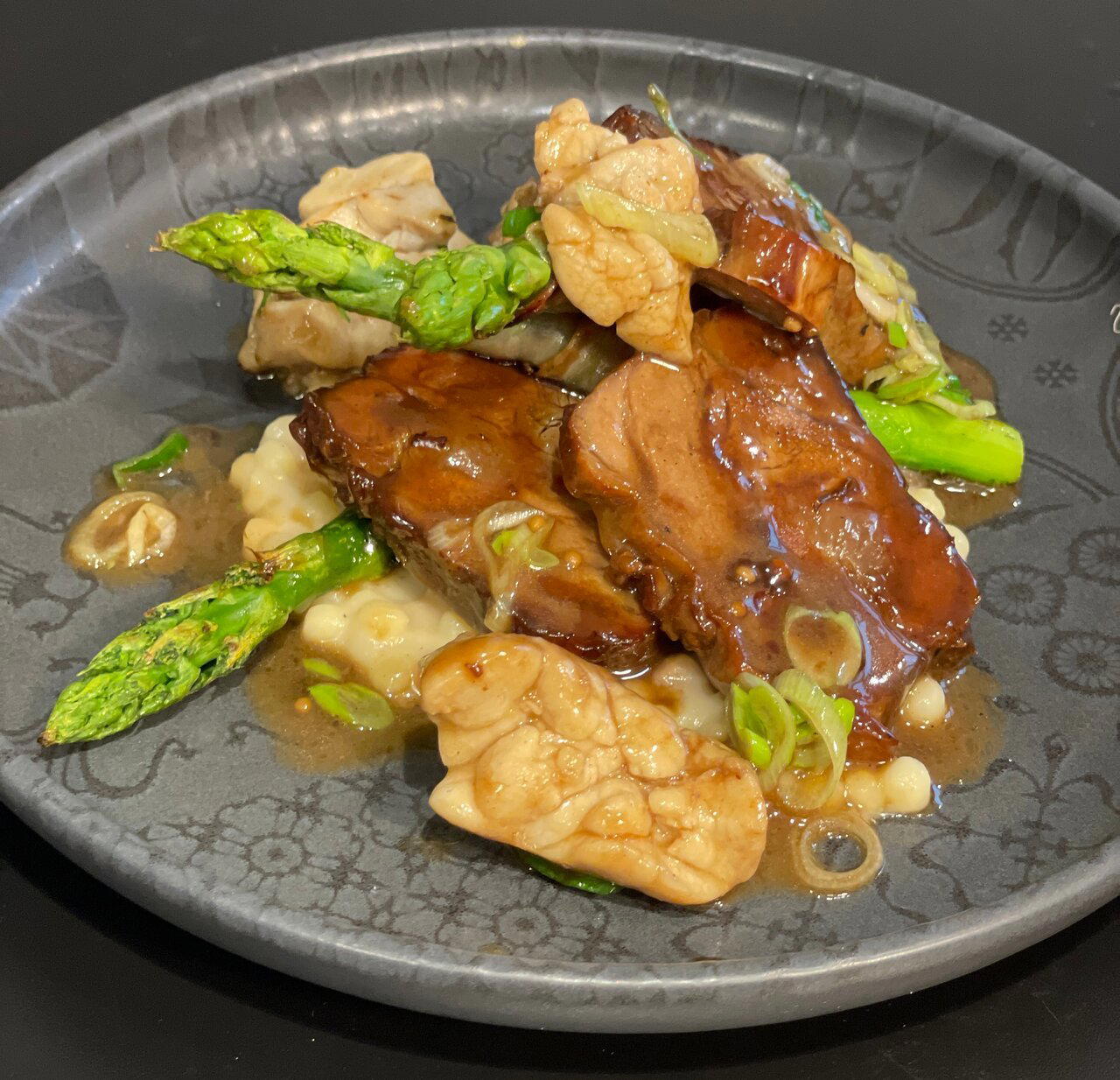
Within a wellness hotel format, however, the dining program takes on a different function. Kitchen output at a nature-wellness property is expected to serve the recuperative agenda: lighter preparations, seasonal sourcing, and menu structures that accommodate dietary protocols without reducing variety. This is a meaningful operational discipline, and it represents a different kind of cooking challenge than the prestige technique on display at, say, Steirereck im Stadtpark in Vienna or Ikarus in Salzburg. Wellness-oriented alpine kitchens are solving a quieter problem: how to feed guests who are tired, cold, and in active recovery, using ingredients that are geographically and seasonally constrained, in a way that feels neither clinical nor.

How Höflehner Sits Within Austria's Wider Alpine Dining Scene

The Styrian Alps produce a number of properties that have pushed their dining programs toward fine dining territory without abandoning their wellness or nature identity. Kräuterreich by Vitus Winkler in Sankt Veit im Pongau is the clearest example of an alpine wellness hotel kitchen that has earned significant critical attention, with an herb-led kitchen philosophy that operates at a Michelin-recognized level. Obauer in Werfen and Döllerer in Golling an der Salzach demonstrate how deeply regional identity can anchor cooking at the highest Austrian levels. Further afield in the alpine arc, Griggeler Stuba in Lech and Gourmetrestaurant Tannenhof in Sankt Anton am Arlberg show how Austrian and Swiss-adjacent mountain resort kitchens have developed a parallel fine dining tradition that rewards destination travel.

Natur- und Wellnesshotel Höflehner does not carry the same level of published critical recognition as those properties, and current data does not support placing it in the same tier on dining credentials alone. Its competitive position is better understood within the wellness-led alpine hotel segment, where Landhaus Bacher in Mautern an der Donau and Ois in Neufelden offer useful comparators for Austrian properties that blend regional cooking with a considered hospitality format at a remove from major urban centres.

Planning a Stay: What the Setting Demands

Gumpenberg sits above the valley floor, which means access is shaped by road conditions and season. Guests arriving from Salzburg or Graz , the two most practical gateway cities , should expect a mountain drive as the final leg of the journey, and factor that into arrival timing, particularly in winter. The Schladming-Dachstein area operates efficient ski infrastructure, and Haus is integrated into that network, making the property accessible for those combining wellness with ski days rather than treating them as separate trips.

Booking lead times at alpine wellness hotels in this region extend significantly in peak winter (late December through February) and during the summer hiking season (July and August). Properties of this type tend to fill on weekly half-board or full-board packages rather than on nightly room rates, so enquiring about package structure early is worth the effort. For guests whose main reference points for ambitious mountain dining sit well outside Europe , the technique-driven precision of Le Bernardin in New York City or the refined Korean-influenced tasting formats of Atomix in New York City , the Austrian alpine wellness hotel represents a genuinely different hospitality logic, one organised around physical environment and seasonal rhythm rather than kitchen performance as the primary draw.

For those drawn to Restaurant 141 by Joachim Jaud in Mieming or the herb-focused alpine cooking traditions of the region, a stay at a nature-wellness property in the Ennstal makes a coherent pairing with the broader Styrian alpine circuit.

Frequently asked questions

Cost and Credentials

A compact peer snapshot based on similar venues we track.

At a Glance
Vibe
  • Scenic
  • Cozy
  • Elegant
  • Rustic
  • Sophisticated
Best For
  • Special Occasion
  • Celebration
  • Family
Experience
  • Hotel Restaurant
  • Terrace
  • Panoramic View
Drink Program
  • Extensive Wine List
Sourcing
  • Local Sourcing
  • Farm To Table
Views
  • Mountain
Dress CodeSmart Casual
Noise LevelQuiet
CapacityMedium
Service StyleUpscale Casual
Meal PacingLeisurely

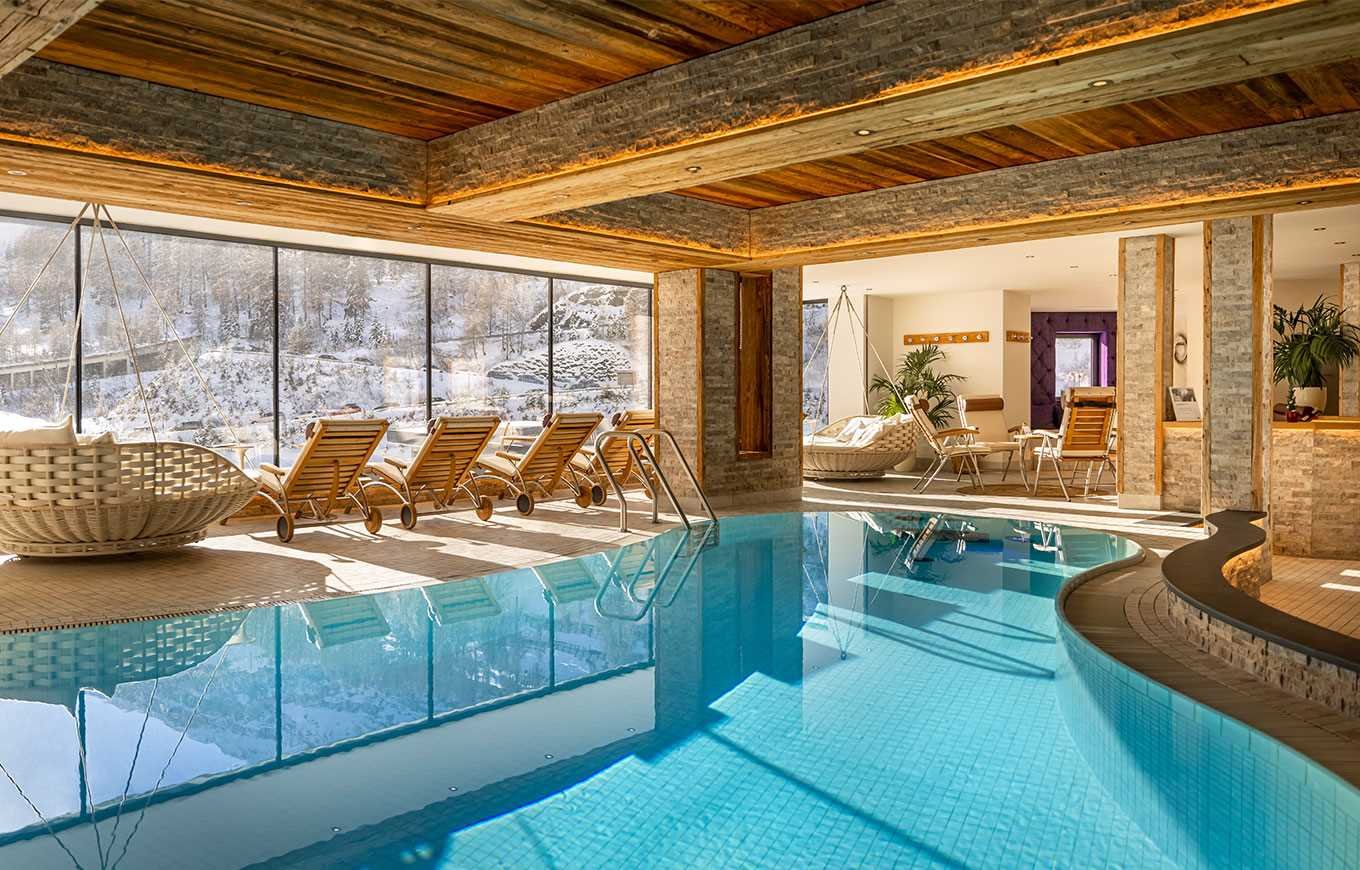
Cozy atmosphere with natural Swiss stone pine wood, warm lighting, and panoramic mountain views fostering deep relaxation and authentic enjoyment.