Doña Tina
Doña Tina sits along Camino los Refugios del Arrayan in Lo Barnechea, the Andean-edge commune that marks where Santiago's urban grid gives way to mountain terrain. The address places it within a dining corridor that draws from both the capital's appetite and the foothills' produce rhythms. For context on how it fits the broader local scene, see our full Lo Barnechea restaurants guide.
Pearl is the En Primeur Club membership app — saves, bookings, and concierge access live there. Same editors, same standards.
- Address
- Cam. los Refugios del Arrayan 15125, Lo Barnechea, Región Metropolitana, Chile
- Phone
- +56 2 2321 6546
- Website
- donatina.cl
- Directions
- Get directions
 Saves & bookings on Pearl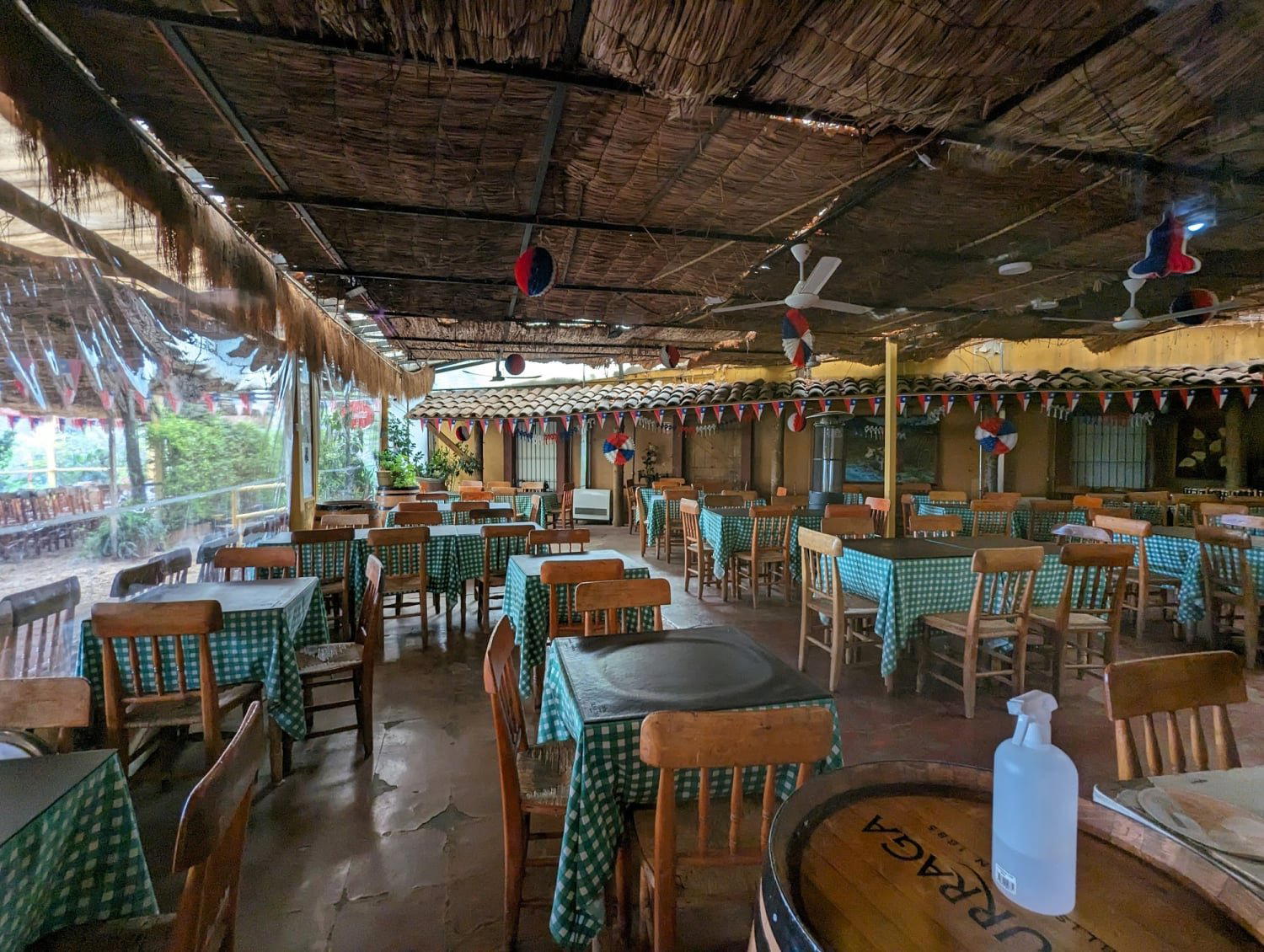
Where Santiago's Eastern Edge Meets the Andean Foothills
Lo Barnechea occupies a distinctive position in Greater Santiago: it is the point where the city's expanding residential fabric meets the pre-Andean slopes of the Cajón del Maipo approach. The commune sits above the Vitacura and Las Condes corridor, and its upper reaches along roads like Camino los Refugios del Arrayan feel closer in character to mountain villages than to the capital's financial districts. Dining here follows that logic. Restaurants along this stretch tend to anchor themselves in the rhythms of the surrounding terrain, drawing on seasonal produce from the Central Valley and the cultural memory of Chilean home cooking rather than competing with the tasting-menu ambitions of downtown Santiago.
Doña Tina is located at Camino los Refugios del Arrayan 15125, placing it squarely within this foothills dining register. The address itself signals something: this is not a venue positioned for maximum urban footfall. It is the kind of location you arrive at with purpose, either because you live in the commune or because you have made a deliberate detour from the city. That deliberateness shapes what you find.
Chilean Home Cooking as a Cultural Category
To understand a restaurant like Doña Tina, it helps to understand what Chilean cocina de campo and casera traditions actually represent. Chilean home cooking is not a simplified or diminished version of the country's fine-dining output. It is a distinct culinary category with its own logic, one built around slow-cooked stews, legume-forward dishes, seasonal vegetables from the Central Valley, and the kind of preparation that prioritises depth over technique display. The cazuela, the pastel de choclo, the porotos granados: these are not rustic approximations of something more sophisticated. They are the foundation from which the country's contemporary restaurant culture draws its references.
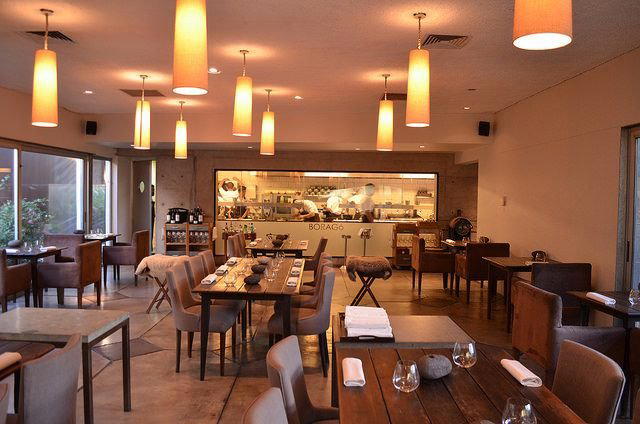
Santiago's more celebrated addresses have increasingly made this explicit. Boragó in Santiago built its international reputation on Chilean native ingredients and foraging traditions, while Peumayen in Providencia frames its menu around pre-Columbian and indigenous Chilean food culture. Both represent a formal, high-investment approach to the same source material that neighbourhood restaurants like Doña Tina engage with at a different register. The difference is one of format and ambition, not of cultural authenticity. Neighbourhood trattorias in Chile occupy a role comparable to what family-run trattorie do in Italy or what bistrot de quartier formats do in France: they hold the baseline of a culinary tradition in place while the fine-dining tier experiments around it.
This comparative framing matters when assessing Lo Barnechea's dining options. The commune sits in a different competitive set than Bellavista or Lastarria. Restaurants here are not competing for the same diner who books D.O. Restoran weeks in advance. They are serving a residential community with access to fresh mountain air, weekend leisure, and an appetite for the kind of food that does not require a dress code or a tasting-menu commitment.
The Foothills Dining Format
Across Chile's geography, consistent dining experiences outside the major urban centres tend to follow a pattern: a family name in the restaurant's title, a location near a natural landmark or recreational route, and a menu that shifts with the season rather than remaining fixed year-round. This format appears in the wine valleys too. Restaurants like Rosario in Rengo and Aquí Jaime in Concon operate within the same broad register: regional, grounded, calibrated to a local clientele rather than to international food tourism.
The restaurant's location on Camino los Refugios del Arrayan places it adjacent to the recreational routes that lead toward the Arrayan Nature Reserve. Weekend traffic along this road draws Santiago residents seeking hiking access and outdoor time, and restaurants along the corridor benefit from that pattern. The timing of a visit matters: weekday lunch may offer a quieter, more residential experience, while weekends bring a broader cross-section of the city's population. Arriving early in the lunch window or contacting the restaurant directly before a weekend visit is the practical approach.
Chile's Broader Dining Geography as Context
Placing the restaurant within Chile's wider restaurant geography helps clarify what it represents. The country's dining spectrum runs from destination properties with international recognition, such as Lapostolle Residence in Santa Cruz, Awasi Atacama in San Pedro de Atacama, and Awasi Patagonia in Torres del Paine, through to estate dining experiences like Viña Concha y Toro in Pirque and Clos Apalta Residence in Valle de Apalta, down to neighbourhood restaurants that serve the country's culinary baseline without ceremony. andBeyond Vira Vira in Araucanía and CasaMolle in El Molle represent the regional lodge format, while VIK and Fuente Toscana in Ovalle each occupy distinct niches within the Central Valley offer.
Internationally, the comparison that holds is less with tasting-counter formats like Le Bernardin in New York City or Lazy Bear in San Francisco and more with the Italian osteria or the Spanish venta: a restaurant whose value lies in consistency, locality, and the maintenance of a culinary tradition rather than in formal innovation. Pasta e Vino Ristorante in Valparaiso occupies a comparable register in its own city, translating European trattoria logic into a Chilean coastal context.
Planning Your Visit
The restaurant's address on Camino los Refugios del Arrayan puts it in Lo Barnechea's upper residential zone, most practically reached by car from central Santiago. The drive from Providencia takes approximately 30 to 40 minutes depending on traffic, with the road climbing noticeably as it approaches the foothills. One reliable approach is to visit in person or seek local referrals through the commune before making a special trip. Weekday visits tend to carry less uncertainty around availability than weekend lunch, when the Arrayan corridor draws hikers and families from across the metropolitan region.
For visitors building a broader Santiago itinerary that takes in the foothills alongside the city's more formal dining options, the Lo Barnechea zone pairs naturally with excursions toward the Cajón del Maipo and the pre-Cordillera terrain that defines this part of the Metropolitan Region.
Budget and Context
Comparable venues nearby, for context on price, style, and recognition.
| Venue | Cuisine | Price | Notes |
|---|---|---|---|
| Doña TinaThis venue — the venue you are viewing | Lo Barnechea, Traditional Chilean | $$$ | Not listed |
| Capri | Not listed | $$ | La Dehesa, Italian Pizza & Pasta Restobar |
| D.O. Restoran | Not listed | $$$ | Lo Barnechea, Modern Chilean Designation of Origin |
| Bocanáriz | Lastarria, Modern Chilean Wine Bar | $$$ | Not listed |
| Delicateses Criollas | Recoleta, Authentic Venezuelan & Chilean | $$ | Not listed |
Continue exploring
More in Lo Barnechea
Restaurants in Lo Barnechea
Browse all →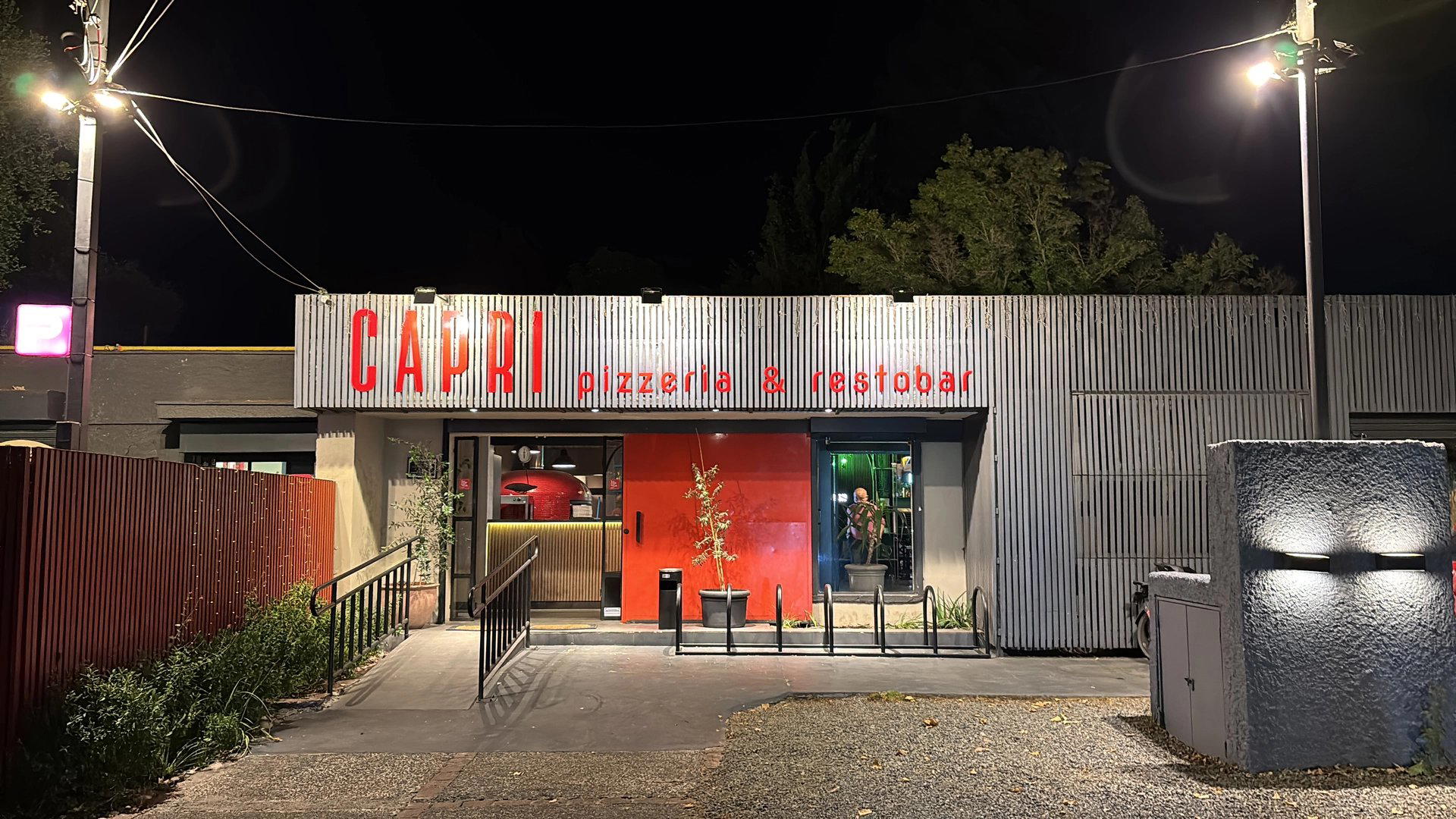
Bars in Lo Barnechea
Browse all →
Hotels in Lo Barnechea
Browse all →

At a Glance
- Rustic
- Cozy
- Classic
- Family
- Group Dining
- Casual Hangout
- Local Sourcing
- Mountain
Current opening hours
- Monday
- 12–5 PM
- Tuesday
- 12–5 PM
- Wednesday
- 12–5 PM
- Thursday
- 12–5 PM
- Friday
- 12–5 PM
- Saturday
- 12–5 PM
- Sunday
- 12–5 PM
Hours can change for holidays and private events. Last verified .
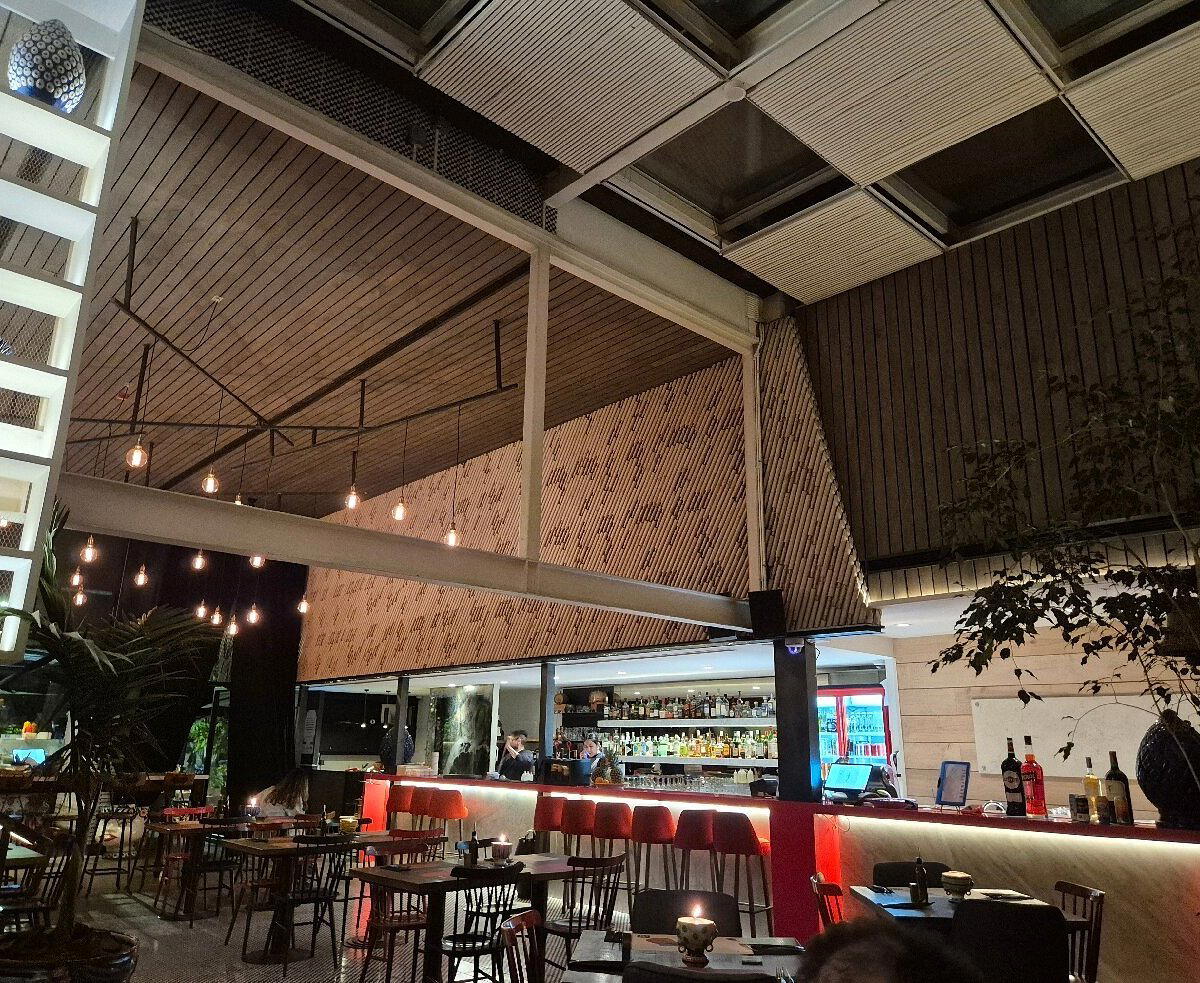
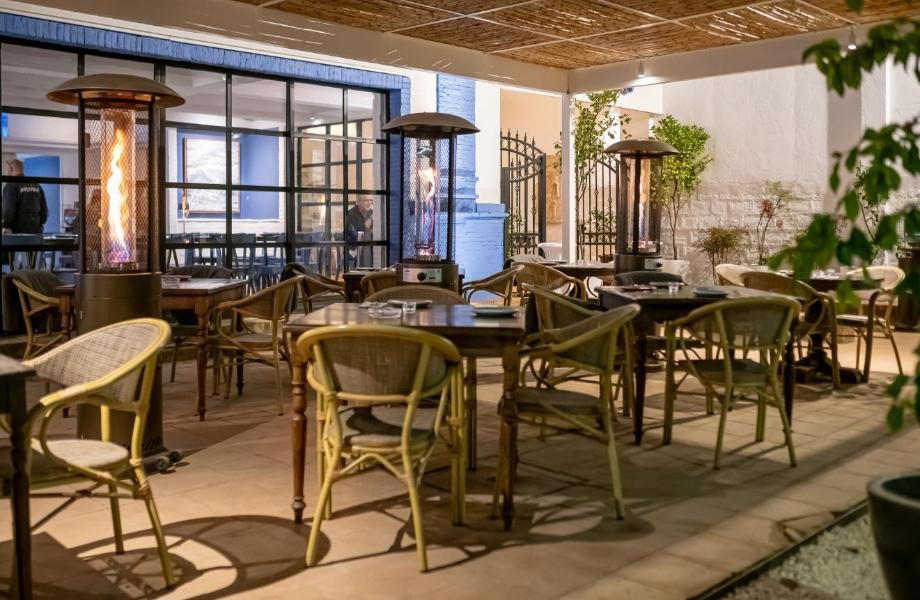
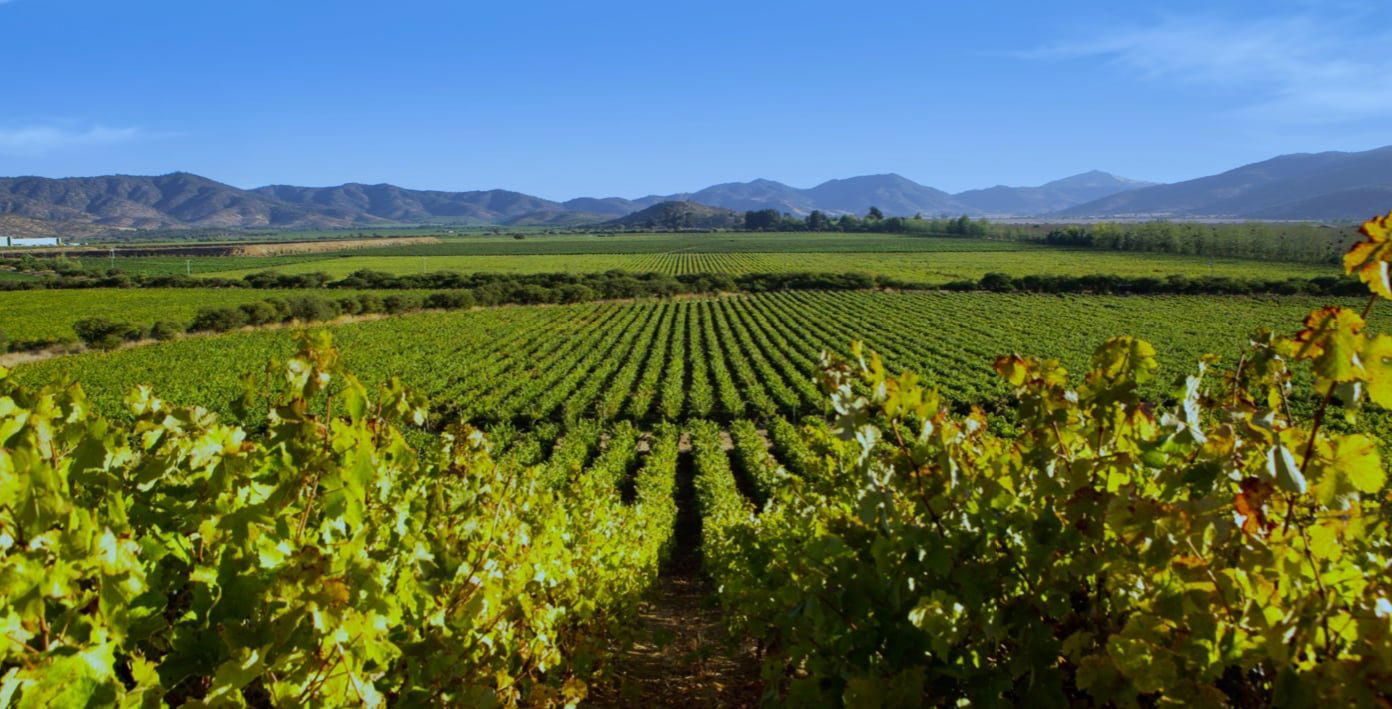
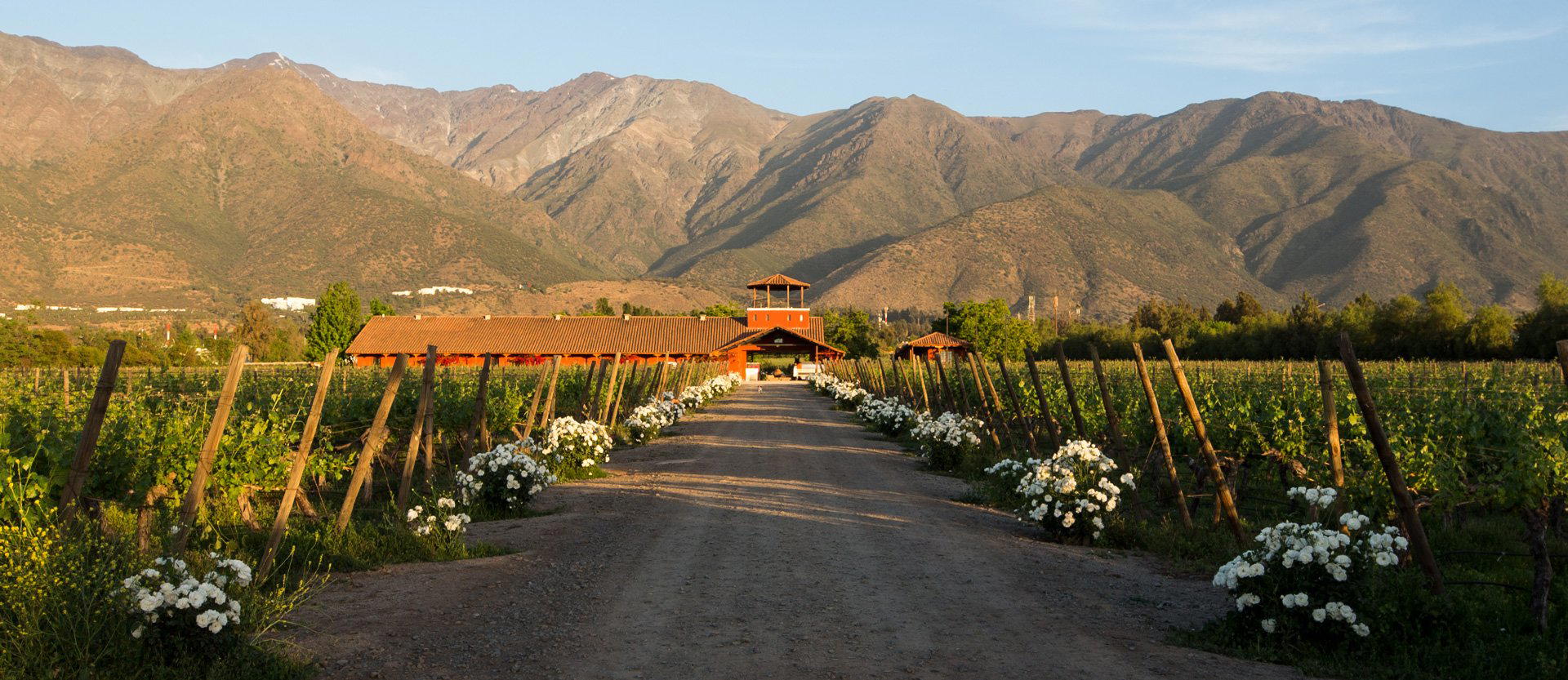
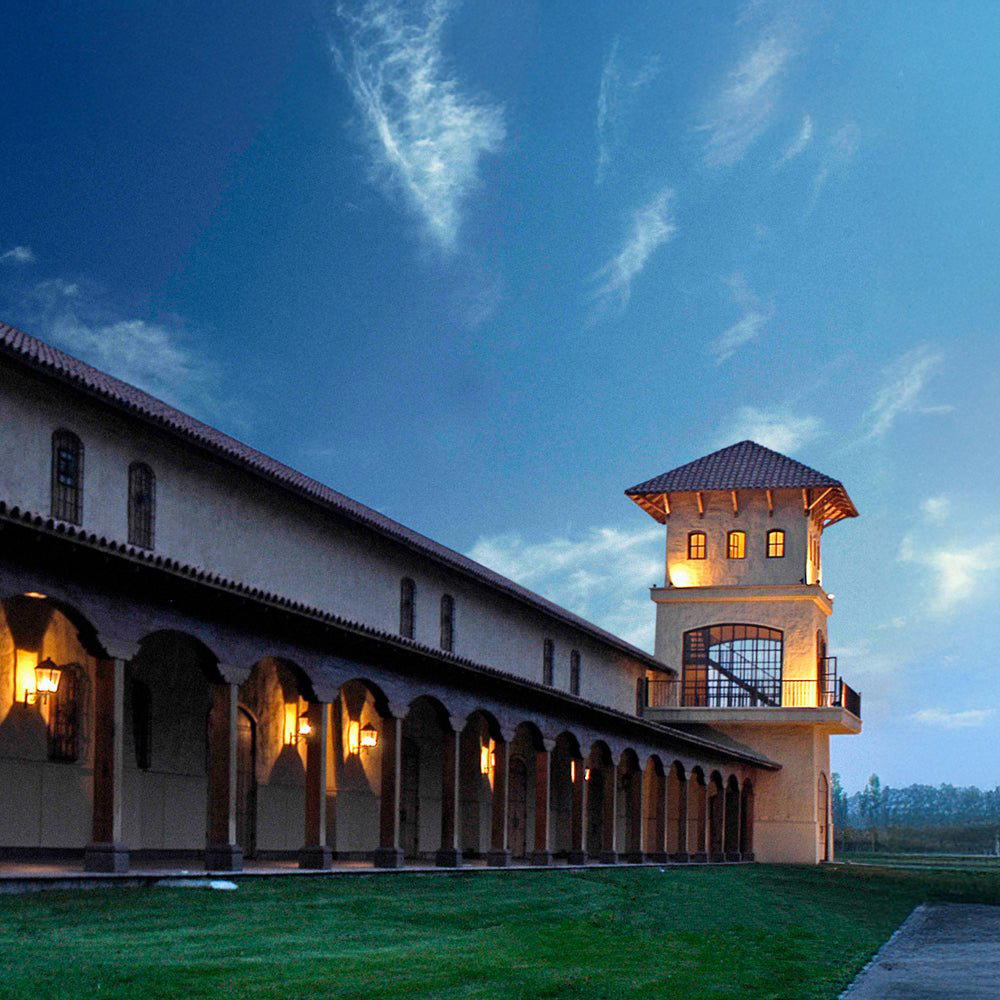
Rustic charm with authentic Chilean atmosphere, Chilean music, and welcoming family vibe in a sprawling countryside setting at the foothills of the Andes.