




World's 50 Best #23 · La Liste Top Restaurants · The Best Chef Three Knives
Our verdict
Boragó has held a place in the World's 50 Best Restaurants every year since 2015, and its tasting menu, Endémica, remains one of South America's most rigorous expressions of native-ingredient cooking. Chef Rodolfo Guzmán works with over 200 foragers and small producers across Chile, drawing from coastlines, high-altitude terrain, and a biodynamic orchard to build a menu rooted in Mapuche food culture.

Pearl is the En Primeur Club membership app — saves, bookings, and concierge access live there. Same editors, same standards.
- Address
- Costanera Sur S.J.E. de Balaguer 5970, 7640804 Vitacura, Región Metropolitana, Chile
- Phone
- +56 2 2953 8893
- Hours
- Mon–Sat 5:30–10 PMSun Closed
- Website
- borago.cl
- Directions
- Get directions
Where Vitacura Meets the Cordillera
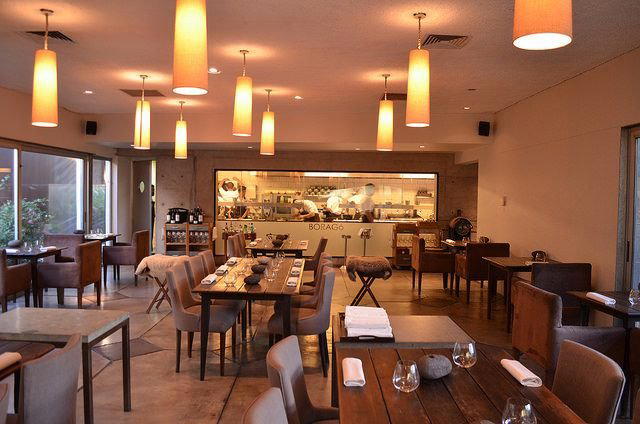
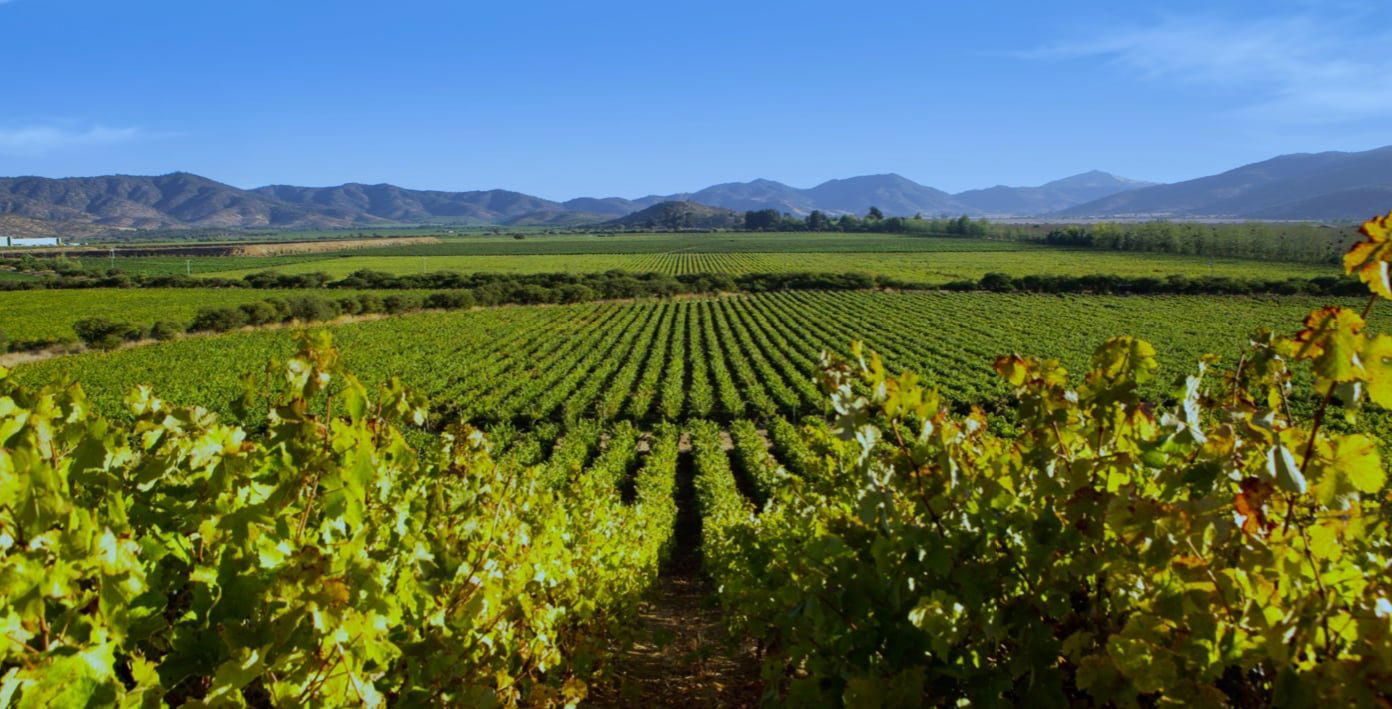
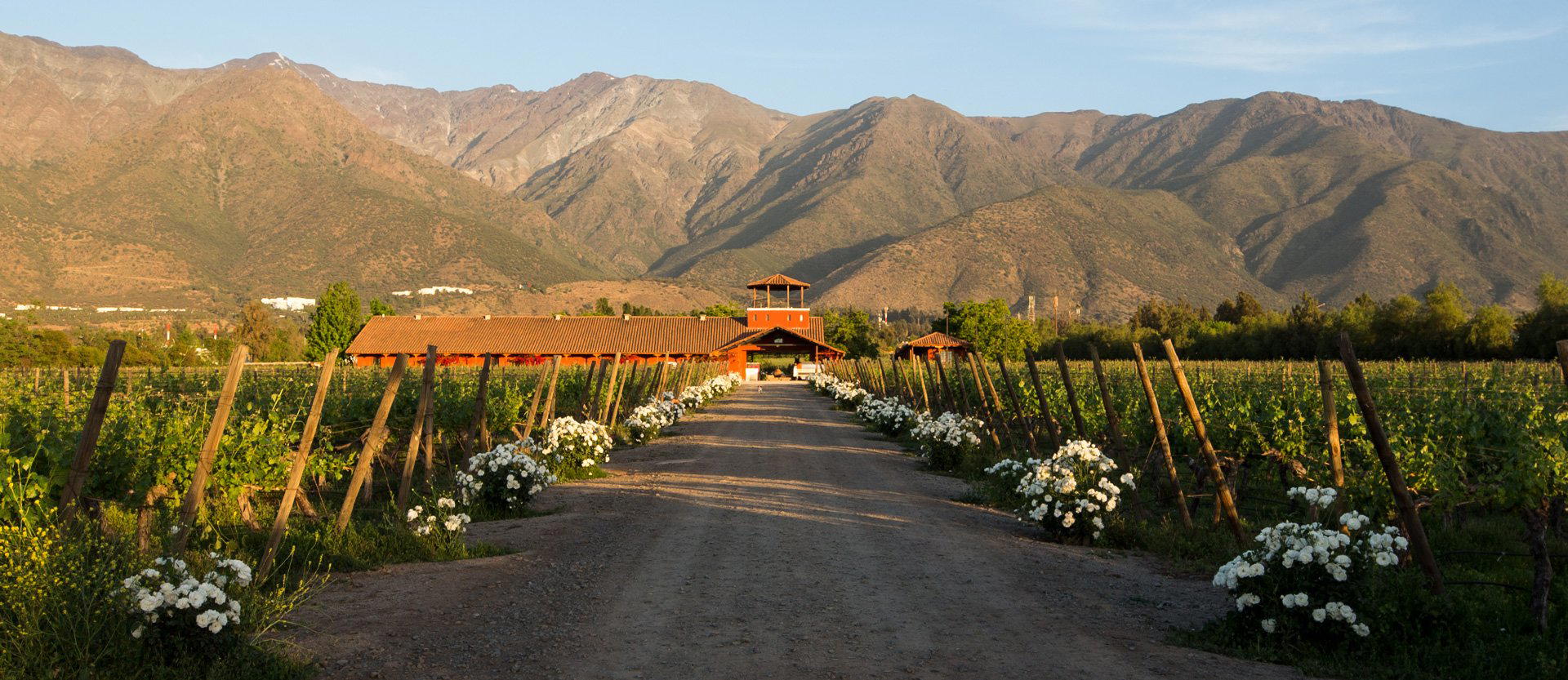
The approach to Boragó sets a particular tone. The restaurant sits in Vitacura, Santiago's wealthiest district, at the base of Cerro Manquehue, the tallest peak visible from the city. The mountain backdrop is not decorative context: it is, more or less, the supply chain. The foraging territory that feeds the kitchen extends upward into that terrain, and the same altitude gradients that define the Andean ecosystem define what arrives on the plate. Vitacura's address places the restaurant among Santiago's premium dining corridor, alongside fine dining counterparts like Naoki in Vitacura, but the cultural orientation points elsewhere entirely, toward pre-colonial Chile rather than international fine dining convention.
The 54-cover room operates Tuesday through Saturday, opening at 5 pm and closing at 1 am. Sundays and Mondays are dark. The operating format, a single extended tasting menu served over several hours, means the pacing is deliberate from the start. This is not a restaurant designed for quick turnarounds.
The Endémica Menu and Its Cultural Logic
Chile's geography is extreme and compressed: the Atacama Desert in the north, temperate rainforest in the south, one of the world's longest coastlines running the full length, and Andean altitude throughout. The country's endemic plant life reflects that compression, and the Endémica menu is built around it. Guzmán works with more than 200 people across Chile, including foraging communities, small producers, and a research team based at CIB, a food research centre he established adjacent to the restaurant. The sourcing map for a single service can span multiple climate zones.
The menu takes its name from the idea of endemism: plants and organisms found nowhere else. That specificity is deliberate. Where other contemporary tasting menus draw on global technique libraries, Endémica is structured around what cannot be replicated outside Chile. Dishes have included mussels with fava beans and unripe peaches, onion and pink tomato tarte tatin, and Patagonian lamb with fig leaf and Maule pink tomato. The ingredient combinations are not arbitrary: they reflect specific regional seasonality and the ecological relationships between native species.
The cultural framework is Mapuche, the Indigenous people of southern Chile and Argentina whose hunter-gatherer practices shaped the relationship between the land and its food resources for centuries before European settlement. Guzmán's use of autochthonous plants is not an aesthetic choice grafted onto a European fine dining format. The menu's internal logic, the sequencing of foraged plants and coastal ingredients alongside cultivated produce, reflects an attempt to cook within that Indigenous framework rather than simply quote from it. The We're Smart Green Guide named Boragó the first five-radish restaurant in Chile, its highest rating for plant-forward cooking, which positions the kitchen inside a specific international conversation about ecological and ingredient-led cuisine.
A Decade in the World's 50 Best
Awards record here is worth examining structurally rather than simply listing. Boragó first appeared in the World's 50 Best Restaurants ranking in 2015 at number 42. It held a position in every subsequent year through 2024, reaching as high as number 26 in 2019. The 2024 ranking placed it at number 29. That sustained presence, across a decade of ranking cycles, is a different signal from a single high placement: it reflects consistent recognition from the international dining community over time rather than a breakout moment.
Opinionated About Dining, which uses a database-driven scoring model weighted toward repeat visits from its reviewer community, ranked Boragó third in South America in 2025, up from fourth in both 2023 and 2024. La Liste scored it 94.5 points in 2025, adjusting to 91 points in 2026. The restaurant also won the inaugural Sustainable Restaurant Award at Latin America's 50 Best Restaurants in 2018, then repeated the accolade at The World's 50 Best Restaurants in 2021. That sustainability track record is not separate from the culinary identity: the zero-mile sourcing model, the biodynamic farm, and the foraging network are the infrastructure the menu depends on.
Santiago's Broader Fine Dining Scene
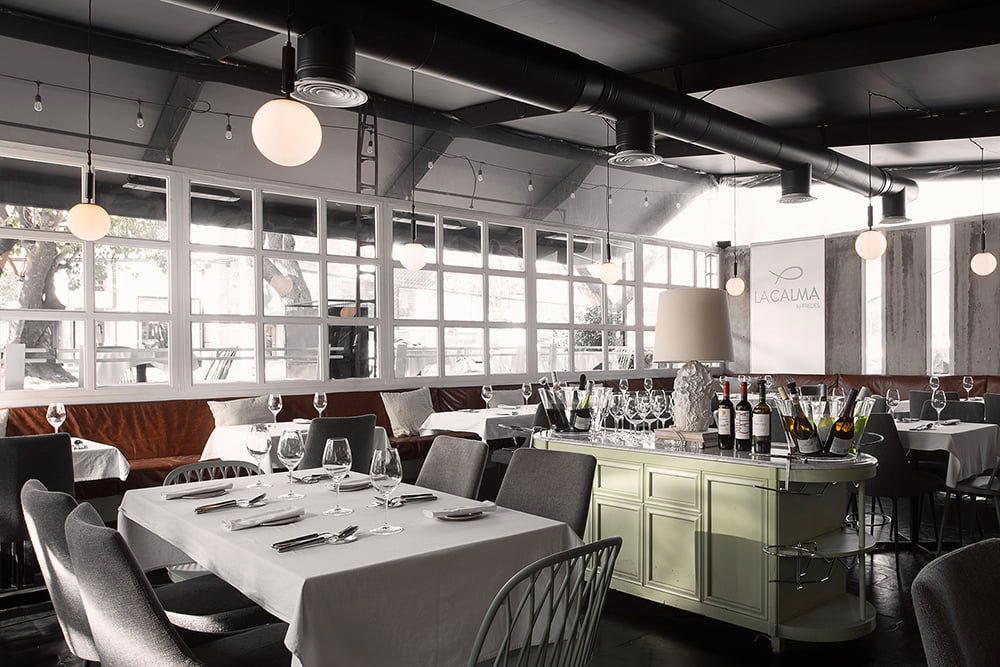
Santiago's fine dining sector has developed steadily over the past two decades, with a cohort of restaurants working across French-Chilean, seafood-forward, and ingredient-led formats. Ambrosia represents the French-Chilean tradition that predates the native-ingredient movement, while La Calma by Fredes operates within a seafood-focused contemporary format. Demencia and Casa Las Cujas occupy different positions within the city's evolving creative dining tier. Bocanáriz functions as the city's most focused wine bar, with a list that maps Chilean wine regions in depth. For visitors building a multi-day Santiago dining itinerary, Allería in Providencia offers a neighbourhood-scale contrast to Vitacura's concentration of premium restaurants.
Most fine dining restaurants in Santiago source from premium distributors with some direct relationships. The 200-person foraging and producer network at Boragó represents a different model, closer in structure to what a handful of restaurants globally have built, and which requires years to establish. The CIB research centre formalises that infrastructure: it is not a marketing construct but an operational asset that funds ingredient discovery and seasonal experimentation.
Chile's Native Ingredient Tradition Beyond Santiago
The culinary geography that Boragó maps through the Endémica menu extends well beyond the capital. Restaurants in Chile's remoter regions have been developing their own relationships with local ecosystems, often without the institutional infrastructure available in Santiago. Awasi Atacama in San Pedro de Atacama and Awasi Patagonia in Torres del Paine each work within distinct ecological contexts at opposite ends of the country. CasaMolle in El Molle and Clos Apalta Residence in Valle de Apalta connect wine-region cooking to specific terroir. Together, these restaurants reflect a broader movement in Chilean cooking that uses native ingredients not as ornament but as the structural foundation of the menu. Boragó is the most internationally visible point of that movement, but it is not isolated within it.
Planning Your Visit
Boragó is located at Costanera Sur S.J.E. de Balaguer 5970 in Vitacura, operating Tuesday through Saturday from 5 pm to 1 am. The format is a single tasting menu, Endémica, which changes with seasonal availability from the foraging network. Given the 54-cover capacity and sustained international recognition, advance booking is advisable, particularly for weekend services. The restaurant sits in the Vitacura district, accessible by taxi or rideshare from central Santiago, roughly a 15 to 20-minute drive from the Lastarria or Bellavista neighbourhoods depending on traffic.
For visitors spending several days in Santiago, the EP Club guides to restaurants, hotels, bars, wineries, and experiences cover the full range of the city's premium offerings across categories.
Frequently asked questions
Who is the chef connected to Boragó?
The chef associated with Boragó is Rodolfo Guzmán.
Cuisine-First Comparison
| Venue | Cuisine | Price | Awards | Notes |
|---|---|---|---|---|
| BoragóThis venue — the venue you are viewing | Hyper-Local Chilean Tasting Menu | $100–150 | World's 50 Best #23 · La Liste Top Restaurants | Not listed |
| Ambrosia | Modern Gastro-Bistro | Not listed | We're Smart World 1 Radish | Not listed |
| La Calma by Fredes | Fresh Chilean Seafood | $50–100 | World's 50 Best #57 · The Best Chef One Knife | Seafood |
| Bocanáriz | Modern Chilean Wine Bar | $50–100 | Not listed | Not listed |
| The Singular Santiago, Lastarria Hotel | Modern French-Chilean Fine Dining | $50–100 | La Liste Top Restaurants | Not listed |
| Demencia | Modern Fusion Small Plates | Not listed | World's 50 Best #95 · The Best Chef One Knife | Not listed |
Recognition history
Dated appearances from independent guides and award organizations, with the underlying list record or original source where available.
World's 50 Best Restaurants #23
World's 50 Best
La Liste Top Restaurants
La Liste
Opinionated About Dining Top Restaurants in South America Ranked #6
Opinionated About Dining
The Best Chef Three Knives
The Best Chef
We're Smart World 5 Radishes
We're Smart World
Full recognition history (19 entries)
La Liste Top Restaurants
La Liste
Opinionated About Dining Top Restaurants in South America Ranked #3
Opinionated About Dining
World's 50 Best Latin America's Best Restaurants #6
World's 50 Best
Opinionated About Dining Top Restaurants in South America Ranked #4
Opinionated About Dining
World's 50 Best Restaurants #29
World's 50 Best
Opinionated About Dining Top Restaurants in South America Ranked #4
Opinionated About Dining
World's 50 Best Restaurants #29
World's 50 Best
World's 50 Best Restaurants #43
World's 50 Best
World's 50 Best Restaurants #38
World's 50 Best
World's 50 Best Restaurants #26
World's 50 Best
World's 50 Best Restaurants #27
World's 50 Best
World's 50 Best Restaurants #42
World's 50 Best
World's 50 Best Restaurants #36
World's 50 Best
World's 50 Best Restaurants #42
World's 50 Best
Continue exploring
More in Santiago
Restaurants in Santiago
Browse all →
Bars in Santiago
Browse all →
Hotels in Santiago
Browse all →

Details
- Modern
- Elegant
- Sophisticated
- Intimate
- Special Occasion
- Date Night
- Open Kitchen
- Extensive Wine List
- Local Sourcing
- Mountain
- Tasting Menu
- Vegetarian Friendly
Current opening hours
- Monday
- 5:30–10 PM
- Tuesday
- 5:30–10 PM
- Wednesday
- 5:30–10 PM
- Thursday
- 5:30–10 PM
- Friday
- 5:30–10 PM
- Saturday
- 5:30–10 PM
- Sunday
- Closed
Hours can change for holidays and private events. Last verified .
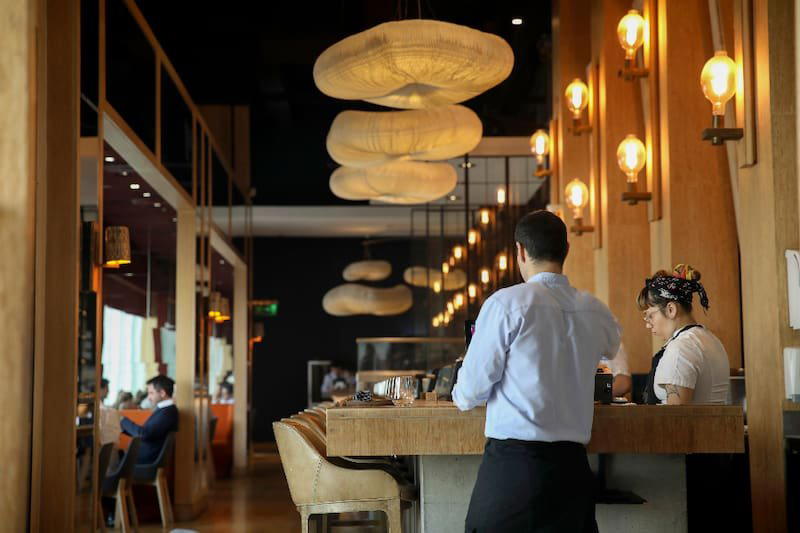
Sleek modern dining room with dark woods, soft lighting, clean lines, and an open kitchen view creating a sophisticated yet relaxed elegant atmosphere.