
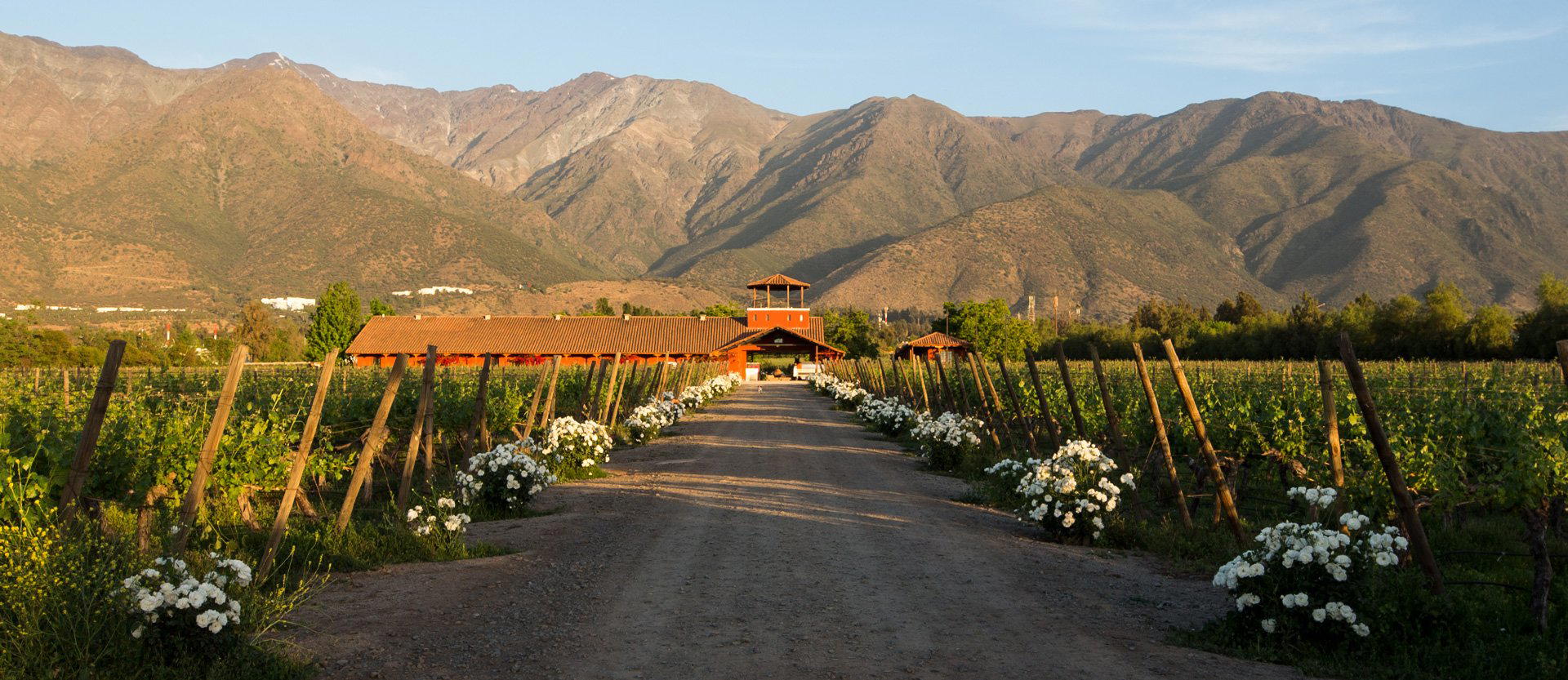
Set within its own working vineyard in Las Condes, VIK's Milla Milla restaurant brings the estate-to-table concept into sharp focus: a seasonal menu built around produce from the property's garden, paired with wines grown on the same land. The setting draws comparisons to cinematic drama, and the approach to sourcing places it among Chile's most self-contained dining experiences.
Pearl is the En Primeur Club membership app — saves, bookings, and concierge access live there. Same editors, same standards.
- Address
- Alonso de Córdova 5320, Local 14, 7550000 Las Condes, Región Metropolitana, Chile
- Phone
- +56 2 2993 5027
- Website
- becycle.cl
- Directions
- Get directions
 Saves & bookings on Pearl
Vineyard, Garden, Plate: The Logic Behind VIK's Table
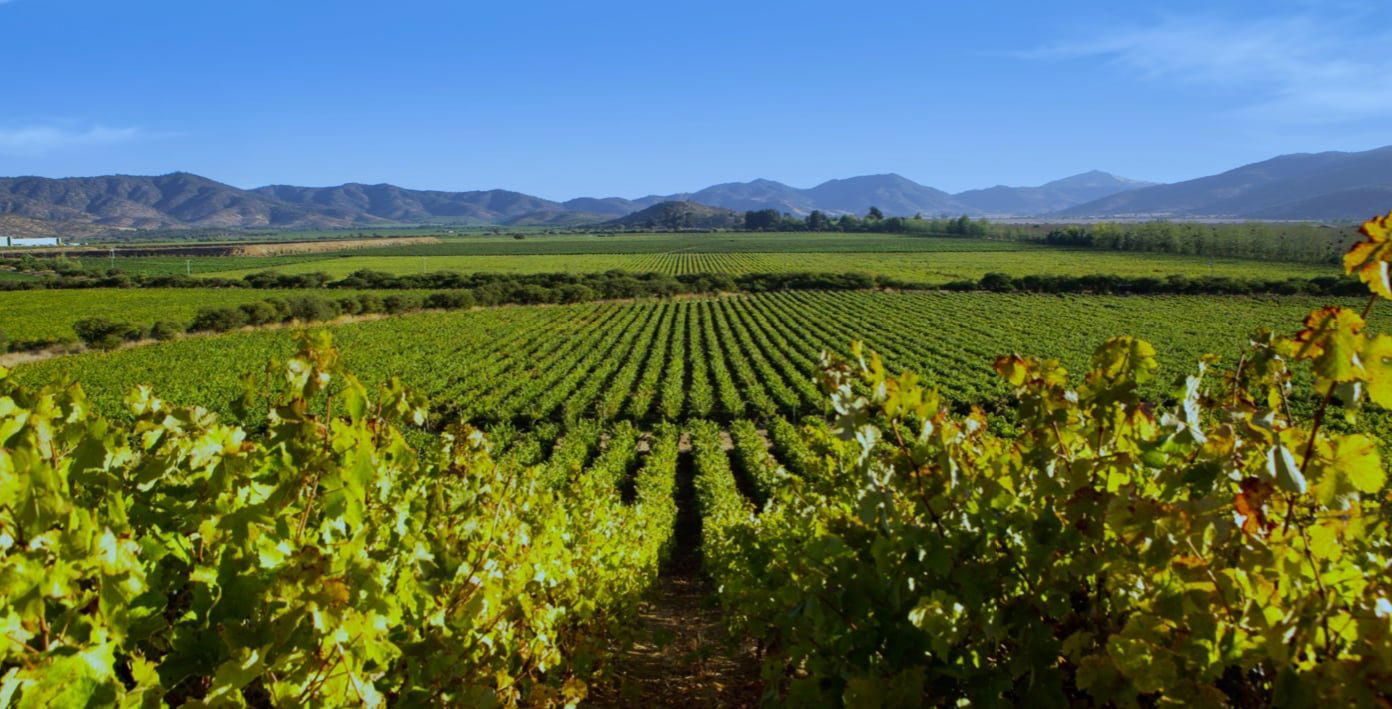
There is a particular kind of restaurant that only makes sense in a specific place. Not the kind where a chef has sourced locally out of principle, but where the ground beneath the dining room is the literal origin of nearly everything on the table: the wine, the vegetables, the editorial logic of the menu itself. That model is rare in Santiago's dining scene, where most of Las Condes' upscale restaurants operate as destination addresses inside the city grid. VIK takes a different position. VIK is a restaurant in Las Condes, Santiago, serving contemporary Chilean farm-to-table fine dining at about US$350 per person. Situated within a working vineyard at Alonso de Córdova 5320 in Las Condes, the property's Milla Milla restaurant places ingredient provenance at the structural centre of its offer. The vines are not decorative. The garden is not incidental. Both are the point.
The Setting: Inside the Estate
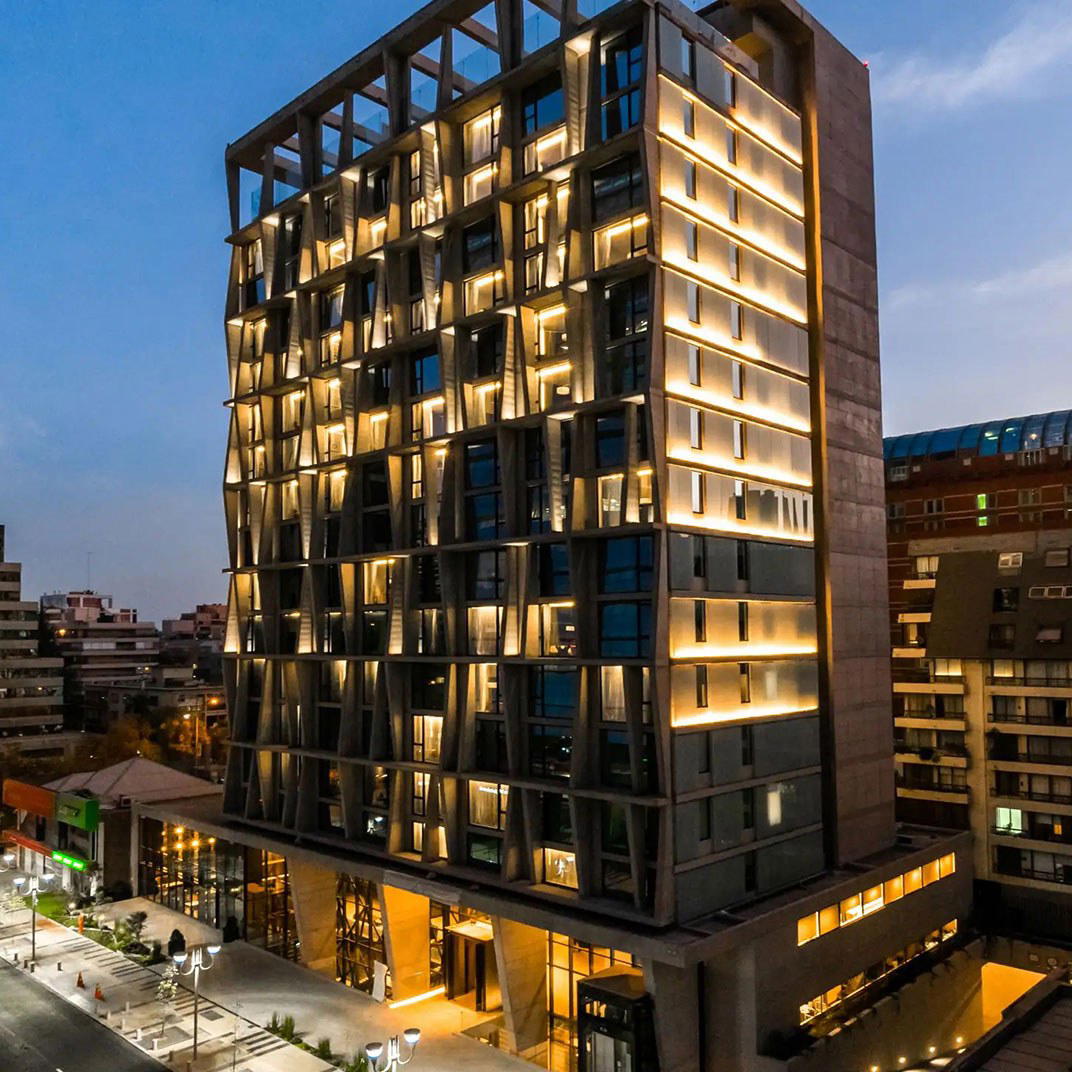
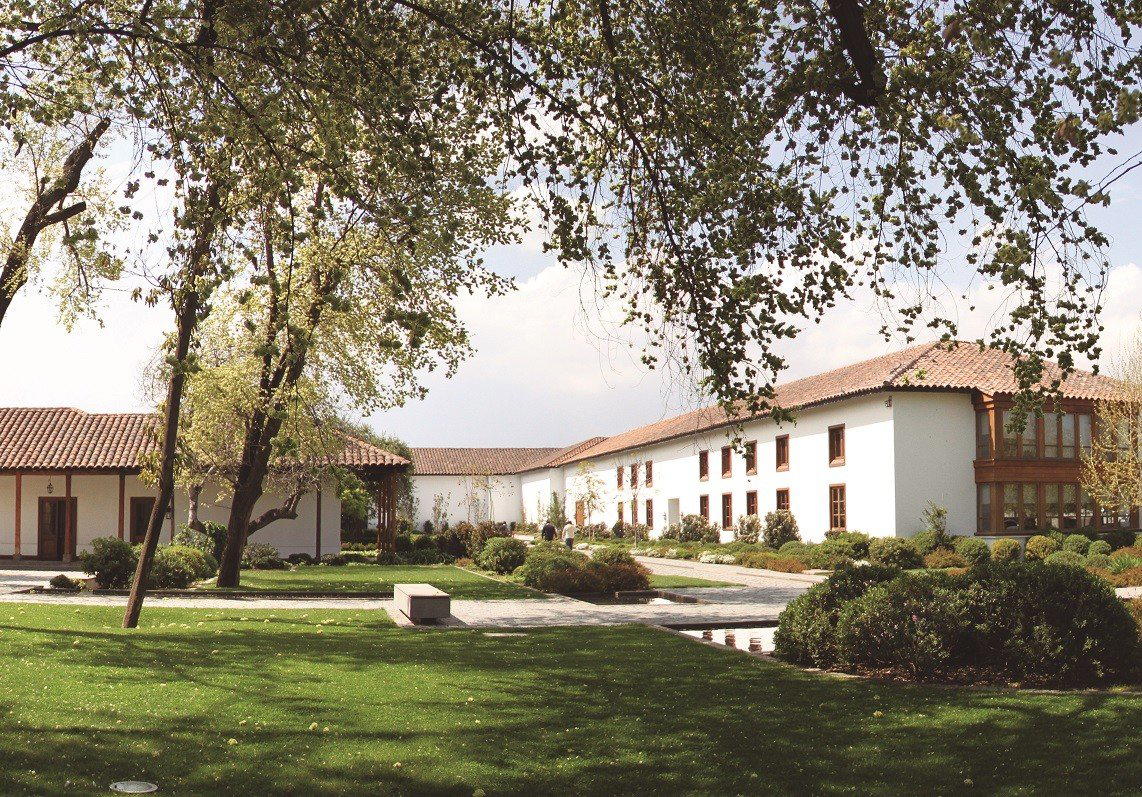
Approaching a restaurant surrounded by its own vineyard produces a different psychological register than arriving at a street-level address. The transition from urban Las Condes into the estate is the first signal that the format here operates on different terms. Visitors arriving for lunch or dinner at Milla Milla move through a landscape that is both the backdrop and the supply chain for the meal ahead. The architecture and scale of the project have drawn consistent comparison to something cinematic in character, a grandeur that reads as theatrical without being decorative. This is a property that takes its physical presence seriously, and the dining experience is framed by that ambition.
Properties like Awasi Atacama in San Pedro de Atacama and Awasi Patagonia in Torres del Paine operate on a similar estate logic, where the setting is inseparable from the dining offer. In Santiago itself, however, the vineyard-integrated format remains considerably less common. VIK holds a rare position in the capital's dining geography.
The Sourcing Model: Why the Garden Matters
Chile's most talked-about restaurants have largely followed one of two ingredient philosophies in recent years. The first, leading represented by Boragó in Santiago, involves sourcing from remote and indigenous Chilean ecosystems, foraging from landscapes that most diners would never access. The second, less headline-grabbing but more consistent, is the estate model: a closed-loop system where the kitchen draws from the property's own cultivated land.
Milla Milla operates within that second tradition. The seasonal menu is built around vegetables grown in the property's own garden, which means the kitchen's creative range is directly tied to what the land produces at a given time of year. This is not a constraint presented as a feature for marketing purposes, it is a structural reality that shapes what arrives at the table across the calendar. In spring, the garden produces one set of possibilities. In summer, another. The menu does not override this; it follows it.
This kind of estate-garden discipline is more common in Chile's wine valley properties, where the agricultural infrastructure already exists. Clos Apalta Residence in Valle de Apalta and Lapostolle Residence in Santa Cruz operate within similar frameworks in Colchagua. What makes VIK's position in Las Condes notable is the urban-adjacent location: this level of agricultural self-sufficiency is considerably harder to sustain within the capital's metropolitan reach, which raises the logistical stakes and the interest.
Wine Integration: The Estate on Both Sides of the Glass
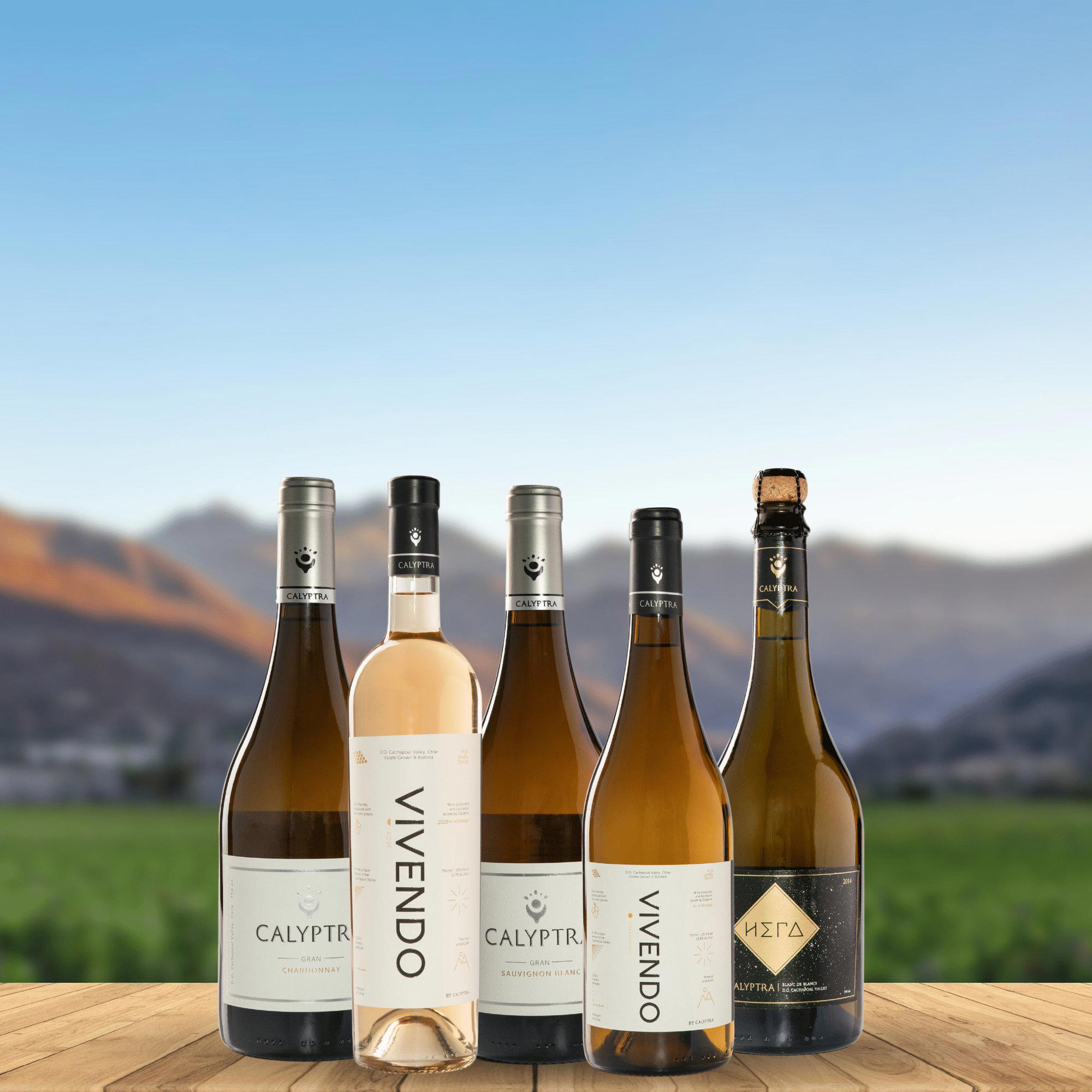
The pairing logic at VIK follows the same closed-loop principle as the food. Wines served at Milla Milla come from the estate's own production, which means that at no point in a meal here does the sourcing chain leave the property. The vineyard produces the wine; the garden produces the vegetables; the kitchen assembles the two into a seasonal menu. For a diner who cares about agricultural coherence, this is as close to a fully self-contained table as Santiago's dining scene currently offers.
Estate wine programs at restaurant tables vary considerably in quality and ambition across Chile's wine regions. At VIK, the integration is by design rather than convenience: the wines and the food share soil, which is a specific kind of coherence that paired menus in conventional restaurants can approximate but not replicate.
Comparable estate integration elsewhere in the region can be found at CasaMolle in El Molle and Fuente Toscana in Ovalle, both of which tie their table programs closely to on-site production. Internationally, the estate-dining model has found its most refined expression at properties where the agricultural identity is the primary credential rather than a secondary attraction.
Placing VIK in Santiago's Premium Dining Context
Santiago's upper end of the dining market has diversified considerably over the past decade. The city now holds a range of formats: urban fine-dining addresses like Naoki in Vitacura, neighbourhood-rooted tables like Allería in Providencia, and estate-format experiences like VIK that require the diner to arrive at the property rather than a street address. These are not competing for the same occasion. The estate format demands more from a visitor in terms of travel and time commitment, and in return it offers a context that a city-centre table cannot.
The reference set for VIK is therefore less the Santiago restaurant scene and more the category of estate dining globally, where the food, the wine, and the physical setting form an integrated argument. In that frame, the comparison draws closer to lodge-format restaurants at andBeyond Vira Vira in Araucanía than to Las Condes' conventional upscale addresses.
Planning a Visit
Milla Milla is open for both lunch and dinner, which makes it accessible as a dedicated dining excursion from central Santiago rather than requiring an overnight stay at the property. The estate address in Las Condes, Alonso de Córdova 5320, Local 14, places it within the city's eastern corridor.
Given the seasonal menu format and the estate's production calendar, timing a visit to align with a specific growing season will produce a different meal than arriving at another point in the year. This is not a reservation to make casually and cancel: the estate-format commitment is part of what makes the experience coherent.
Comparable Spots, Quickly
Comparable venues nearby, for context on price, style, and recognition.
| Venue | Cuisine | Price | Notes |
|---|---|---|---|
| VIKThis venue — the venue you are viewing | Contemporary Chilean Farm-to-Table Fine Dining | $$$$ | Not listed |
| Lapostolle Residence | Modern Chilean Fine Dining | $$$$ | Colchagua Valley |
| Restaurante Happening | Argentine-Style Steakhouse | $$$ | Las Condes |
| Bocanáriz | Modern Chilean Wine Bar | $$$ | Lastarria |
| Peumayen | Ancestral Chilean | $$$ | Providencia |
| Doña Tina | Traditional Chilean | $$$ | Lo Barnechea |
Recognition history
Dated appearances from independent guides and award organizations, with the underlying list record or original source where available.
We're Smart World 1 Radish
We're Smart World
Continue exploring
More in Santagio
Restaurants in Santagio
Browse all →
Bars in Santagio
Browse all →
Hotels in Santagio
Browse all →

At a Glance
- Elegant
- Scenic
- Sophisticated
- Romantic
- Date Night
- Special Occasion
- Celebration
- Wine Cellar
- Garden
- Panoramic View
- Private Dining
- Terrace
- Design Destination
- Hotel Restaurant
- Extensive Wine List
- Sommelier Led
- Farm To Table
- Organic
- Local Sourcing
- Vineyard
- Mountain
- Garden
Current opening hours
- Monday
- 6 AM–10 PM
- Tuesday
- 6 AM–10 PM
- Wednesday
- 6 AM–10 PM
- Thursday
- 6 AM–10 PM
- Friday
- 6 AM–10 PM
- Saturday
- 10 AM–2:30 PM
- Sunday
- 10 AM–2 PM
Hours can change for holidays and private events. Last verified .
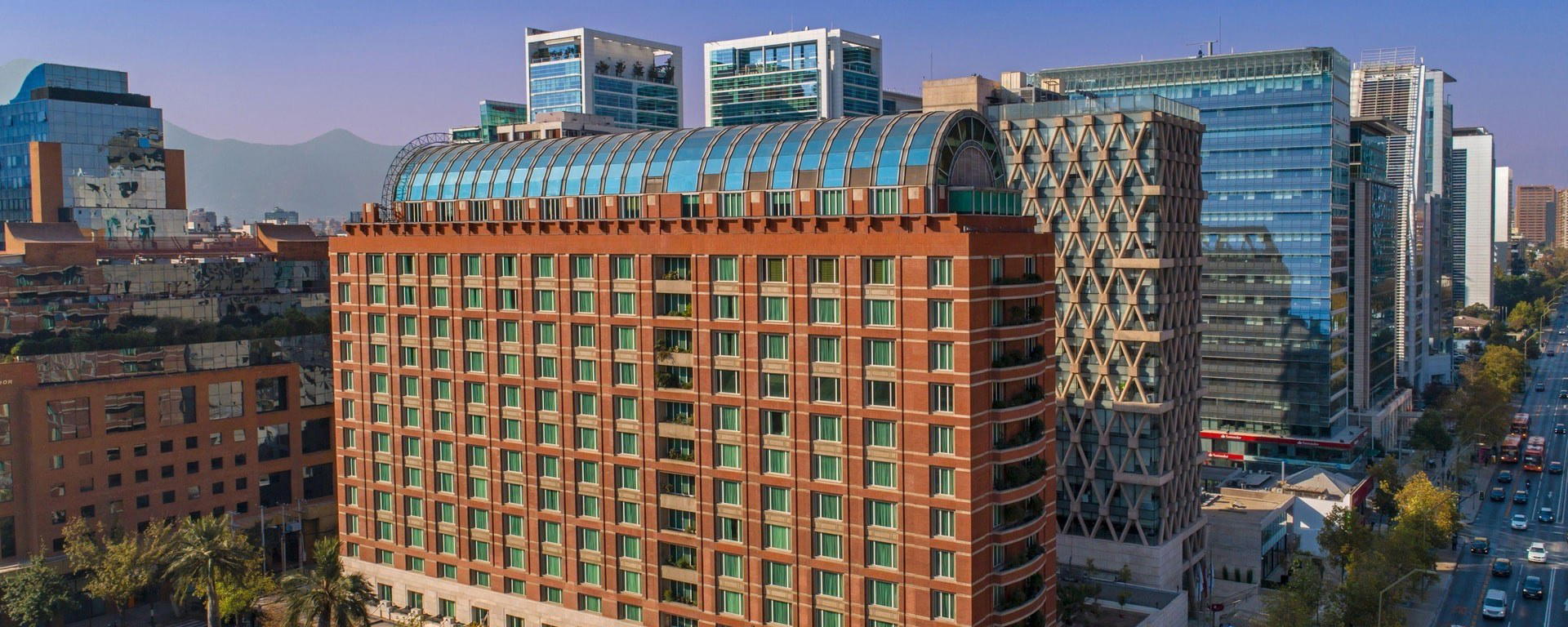
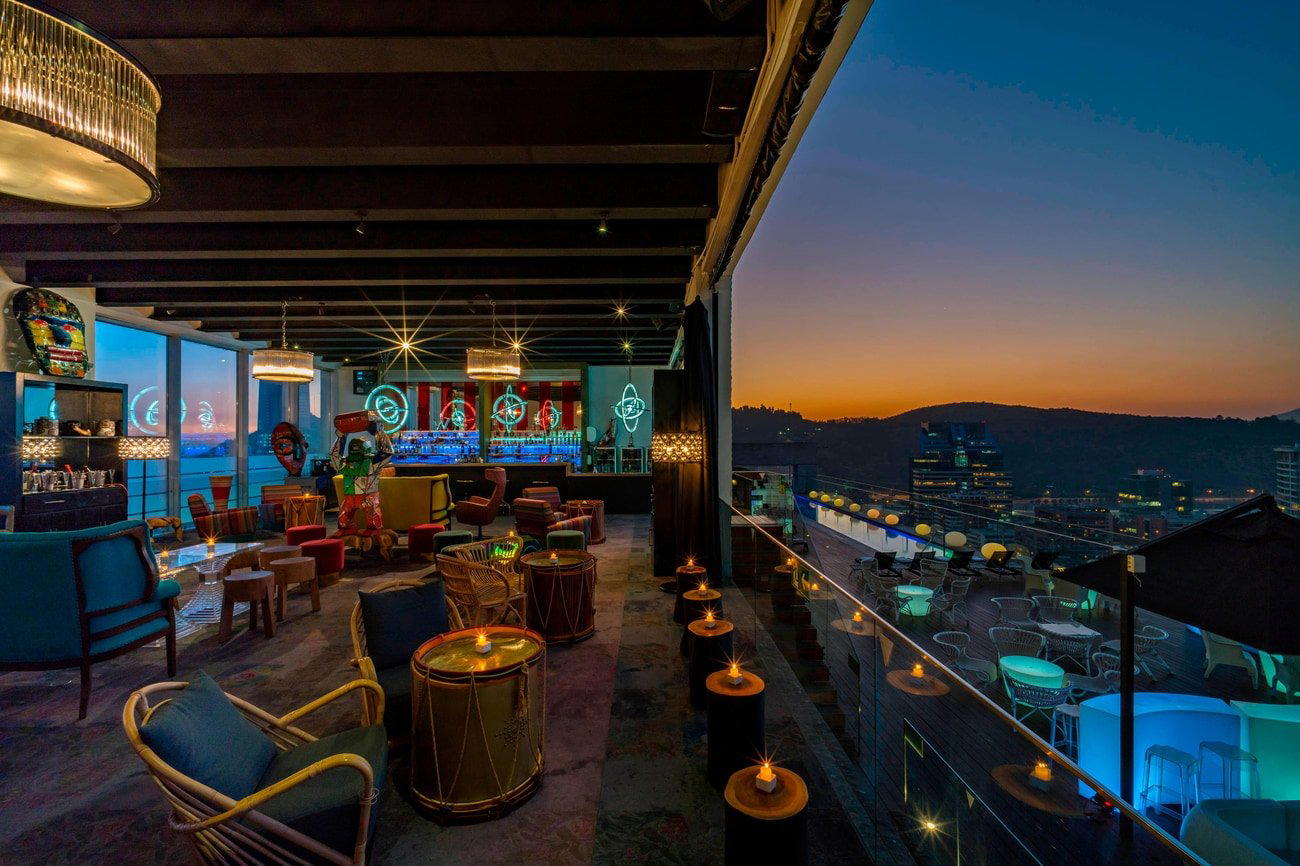
Modern mid-century aesthetic with striking architecture, fireplace living rooms, and floor-to-ceiling windows showcasing panoramic vineyard and mountain vistas; refined yet warm lighting creates an intimate, sophisticated atmosphere.