
Fuente Toscana sits on Independencia in central Ovalle, a wine-list destination recognized with a White Star on Star Wine List in 2026. In a city better known as a gateway to Limarí Valley vineyards than as a dining destination in its own right, that recognition places the restaurant in a small comparable set. Ovalle's broader restaurant scene is covered in our full guide.
Pearl is the En Primeur Club membership app — saves, bookings, and concierge access live there. Same editors, same standards.
- Address
- Independencia 146, 1840621 Ovalle, Coquimbo, Chile
- Phone
- +56 9 3411 0588
- Website
- fuentetoscana.cl
- Directions
- Get directions
 Saves & bookings on Pearl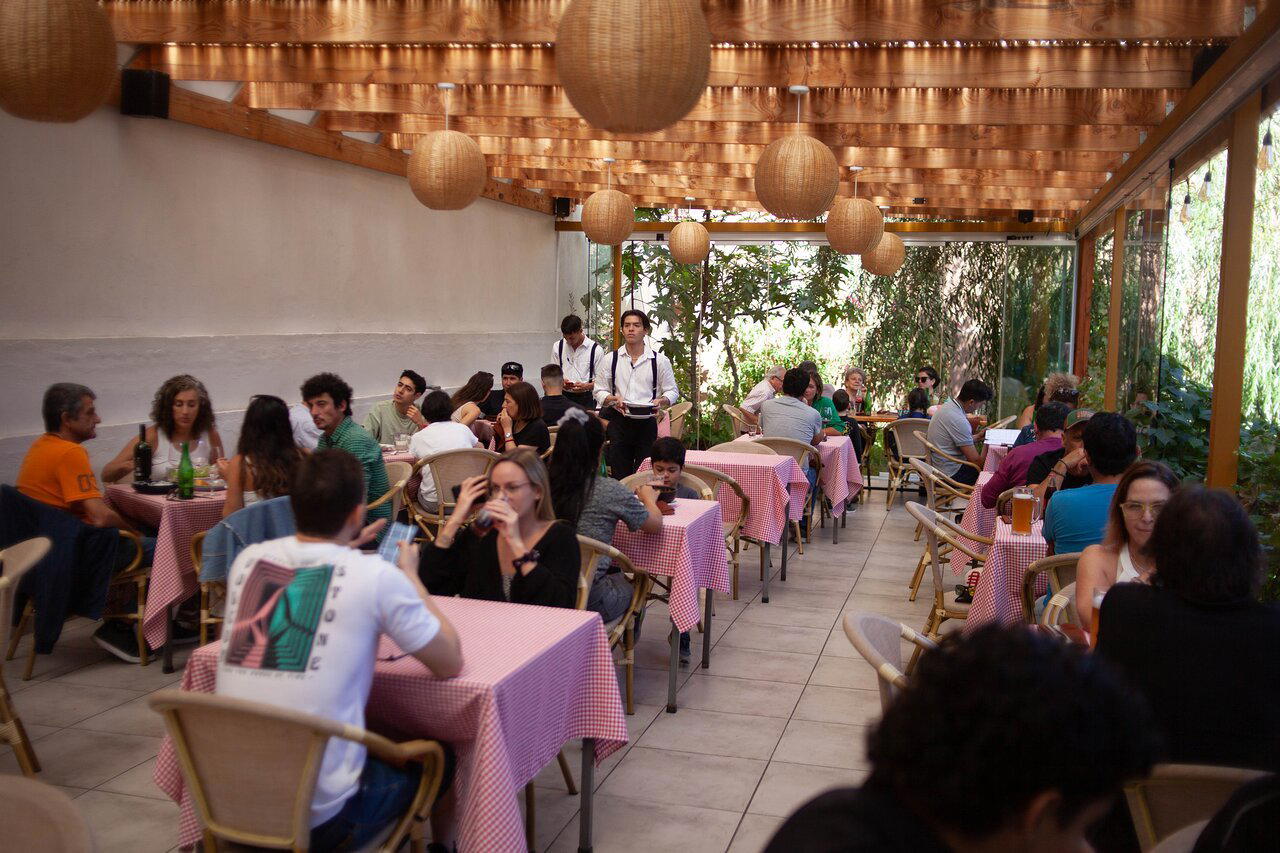
Where Limarí Valley Produce Meets the Table
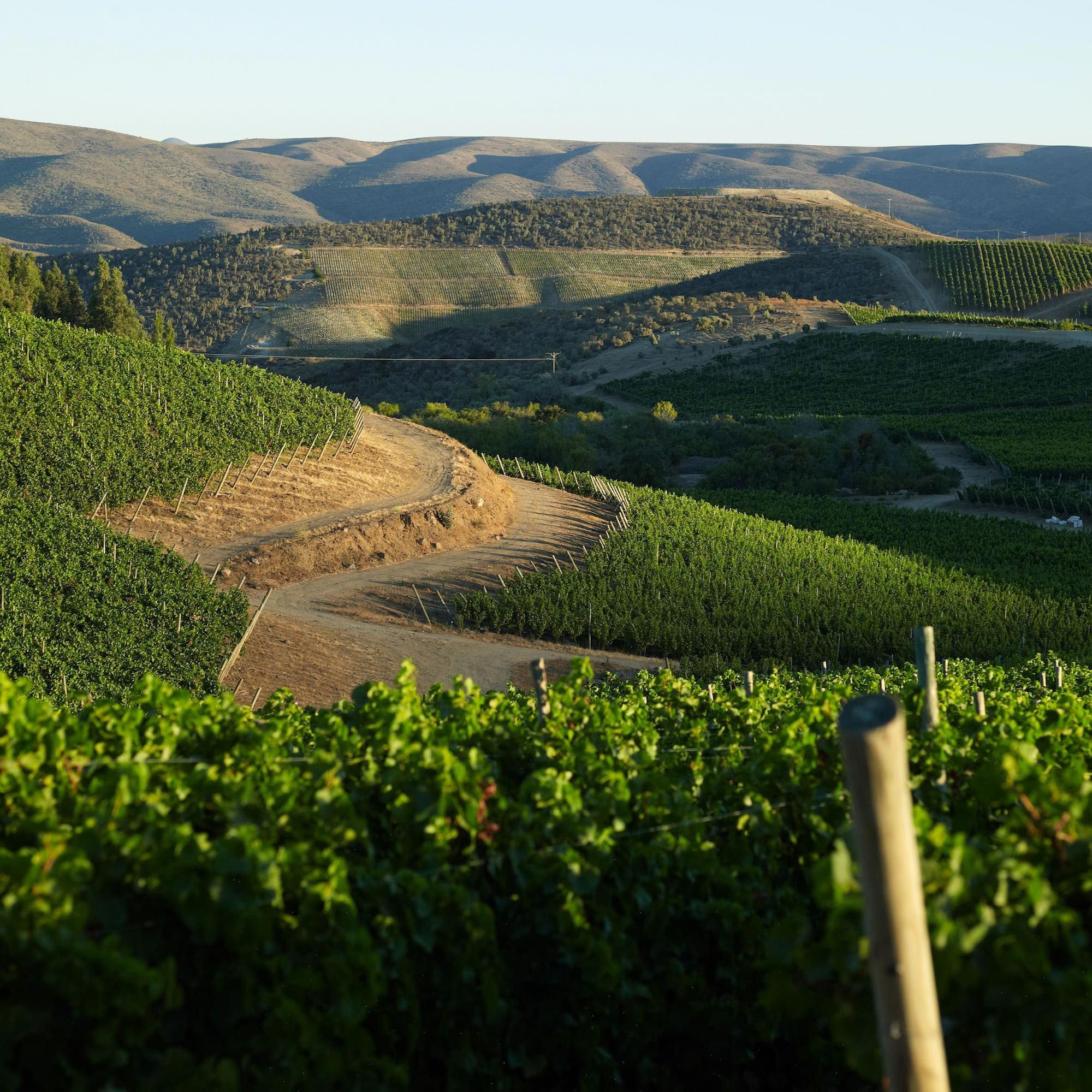
Ovalle occupies a position that most Chilean dining coverage skips over. Santiago gets the critical attention, the restaurant-world chatter about places like Boragó in Santiago or Naoki in Vitacura. But the Coquimbo Region, and Ovalle specifically, sits at the heart of one of Chile's most agriculturally serious valleys. The Limarí, with its limestone-rich soils and near-desert light, produces grapes that have rewritten assumptions about what northern Chile can do with Chardonnay and Syrah. It also grows stone fruit, olives, and irrigated vegetables that define the local pantry in ways that rarely make it into national editorial. A restaurant willing to work seriously with that raw material is in a position that few addresses in Chile can replicate.
Fuente Toscana occupies a ground-floor address on Independencia 146, one of central Ovalle's main civic streets. The area around it is workaday Chilean provincial, municipal buildings, mid-century commercial facades, the kind of street life that runs on lunches and errands rather than destination dining. That context matters: this is not a restaurant positioned against wine-country lodge competitors like CasaMolle in El Molle, which packages the Limarí setting into a full rural hospitality experience. Fuente Toscana operates within the town itself, which places it in a different category of restaurant entirely, one whose audience is as likely to include local regulars as it is visiting wine tourists.
The Ingredient Case for This Part of Chile
The editorial angle on Fuente Toscana cannot be separated from where it stands geographically. The Limarí Valley runs roughly 90 kilometres inland from the coast at Tongoy, threading through a semi-arid zone where daytime temperatures climb hard and nights drop sharply. That thermal range is what makes the valley's produce so concentrated. Grapes retain acidity while accumulating sugar. Stone fruit skins thicken. Olives yield oil with higher polyphenol content than more temperate growing zones. Any kitchen operating here with serious sourcing intent has access to a raw material base that is measurably different from what a Santiago restaurant can buy from a central market.
Chilean restaurants that have drawn sustained critical recognition, from lodge-format operations like Awasi Atacama in San Pedro de Atacama and Awasi Patagonia in Torres del Paine to estate dining rooms like Lapostolle Residence in Santa Cruz and Clos Apalta Residence in Valle de Apalta, tend to make the sourcing argument central to their identity. The pitch is consistent: the ingredient is the story, and proximity to where it grows is the credential. The restaurant's recognition on Star Wine List suggests a wine program that fits into this broader conversation about northern Chilean production rather than simply importing its selections from the south.
A White Star in a Small City
Star Wine List's White Star designation is granted to restaurants that demonstrate a wine offering. In the context of Ovalle, receiving that recognition positions the restaurant against a short list of comparable addresses in the Coquimbo Region. The Limarí Valley has established wine producers with serious international followings, and a restaurant earning a wine-list distinction here reads differently than the same award in Santiago, where the competitive field is far denser. It suggests a deliberate editorial stance on what to pour, likely one that reflects the valley's own output: producers working with Syrah, Chardonnay, Carmenère, and Muscat under conditions that produce a recognisably northern Chilean profile.
For context on how Chilean wine-country dining has developed, the comparisons are instructive. Estate dining rooms in the Central Valley have built their reputations partly on wine access, the ability to serve library vintages, to pour across a complete range, to place the bottle in the physical landscape where the grapes were grown. A town restaurant in Ovalle operates without that estate context, which means any serious wine recognition has to come from curation and knowledge rather than captive cellar access. That is a harder credential to earn, and a more transferable one.
Placing Fuente Toscana in the Ovalle Dining Scene
Ovalle does not have the critical mass of destination restaurants that makes a city appear in international food media. The Coquimbo Region's dining conversation tends to organise itself around coastal seafood in La Serena and Coquimbo, or around lodge and estate formats in the wine valleys inland. A town-centre restaurant in Ovalle occupies a gap in that conversation: it serves the actual population of the place, operates on local terms, and builds its audience through consistency rather than spectacle.
That positioning is not a limitation. Some of the more useful dining addresses in Chilean wine country are exactly this kind of operation: places that function as lunch anchors for winery visitors making the inland drive, that maintain a wine list shaped by what is being made within a 30-kilometre radius, and that price against local expectations rather than international ones. For a visitor spending time in the Limarí Valley, a restaurant of this type fills a different role than the lodge dining rooms listed elsewhere in our full Ovalle restaurants guide.
Those planning a wider Chilean food and wine circuit will find useful comparisons in Allería in Providencia and andBeyond Vira Vira in Araucanía, both of which illustrate how Chilean regional kitchens are developing at different latitudes and price points.
Planning a Visit
The restaurant is located at Independencia 146 in central Ovalle, within walking distance of the city's main plaza and municipal core. Reservations are recommended. Hours are Tue 12:30 to 4:30 PM, Wed 12:30 to 4:30 PM and 5:30 to 8:30 PM, Thu and Fri 12:30 to 4:30 PM and 5:30 to 10 PM, and Sat 12:30 to 4:30 PM and 5:30 to 9 PM. Ovalle is accessible from La Serena by road in under an hour, making it a practical stop on a Limarí Valley wine circuit. The wine-list recognition through Star Wine List is the clearest independent signal of the restaurant's seriousness, and that credential is what makes it worth seeking out when visiting the region.
At-a-Glance Comparison
Comparable venues nearby, for context on price, style, and recognition.
| Venue | Cuisine | Price | Notes |
|---|---|---|---|
| Fuente ToscanaThis venue — the venue you are viewing | Mediterranean Migrant Italian | $ | Not listed |
| Domani Pizzería Napolitana | Neapolitan Pizza | $$ | Providencia |
| Hogs | Gourmet Hot Dogs | $ | Centro Histórico |
| 400 Pizzería | Contemporary Neapolitan Pizzeria | $$ | Providencia |
| Rivoli | Authentic Roman & Lazio Italian | $$$ | Providencia |
| Delicateses Criollas | Authentic Venezuelan & Chilean | $$ | Recoleta |
Recognition history
Dated appearances from independent guides and award organizations, with the underlying list record or original source where available.
Star Wine List
Star Wine List
Continue exploring
More in Ovalle

At a Glance
- Rustic
- Cozy
- Elegant
- Intimate
- Date Night
- Family
- Special Occasion
- Garden
- Historic Building
- Extensive Wine List
- Local Sourcing
- Garden
Current opening hours
- Monday
- Closed
- Tuesday
- 12:30–4:30 PM
- Wednesday
- 12:30–4:30 PM, 5:30–8:30 PM
- Thursday
- 12:30–4:30 PM, 5:30–10 PM
- Friday
- 12:30–4:30 PM, 5:30–10 PM
- Saturday
- 12:30–4:30 PM, 5:30–9 PM
- Sunday
- Closed
Hours can change for holidays and private events. Last verified .
Pleasant, fresh, and quiet atmosphere in a colonial-style interior patio with Tuscan-inspired decor.