Awasi Patagonia

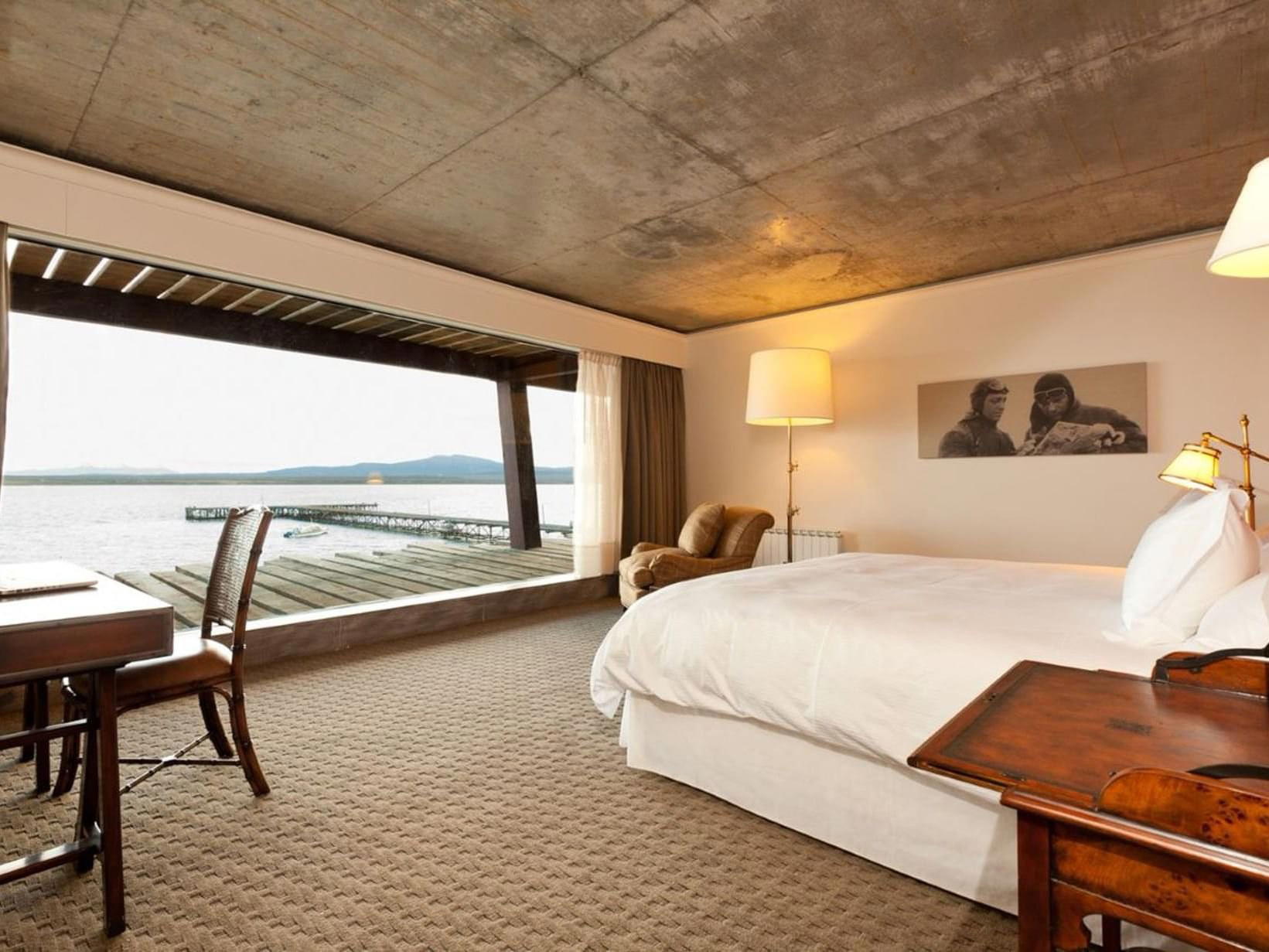
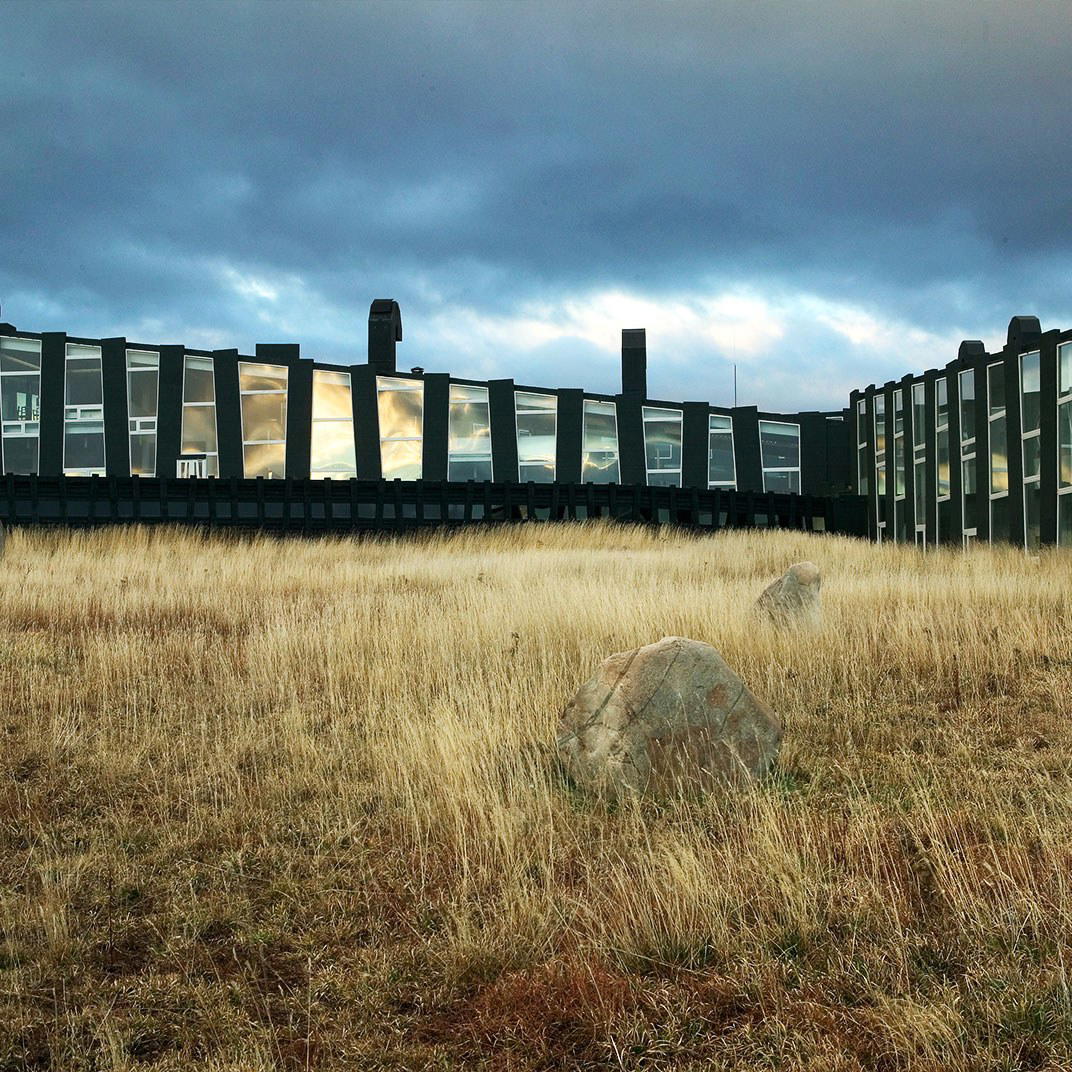
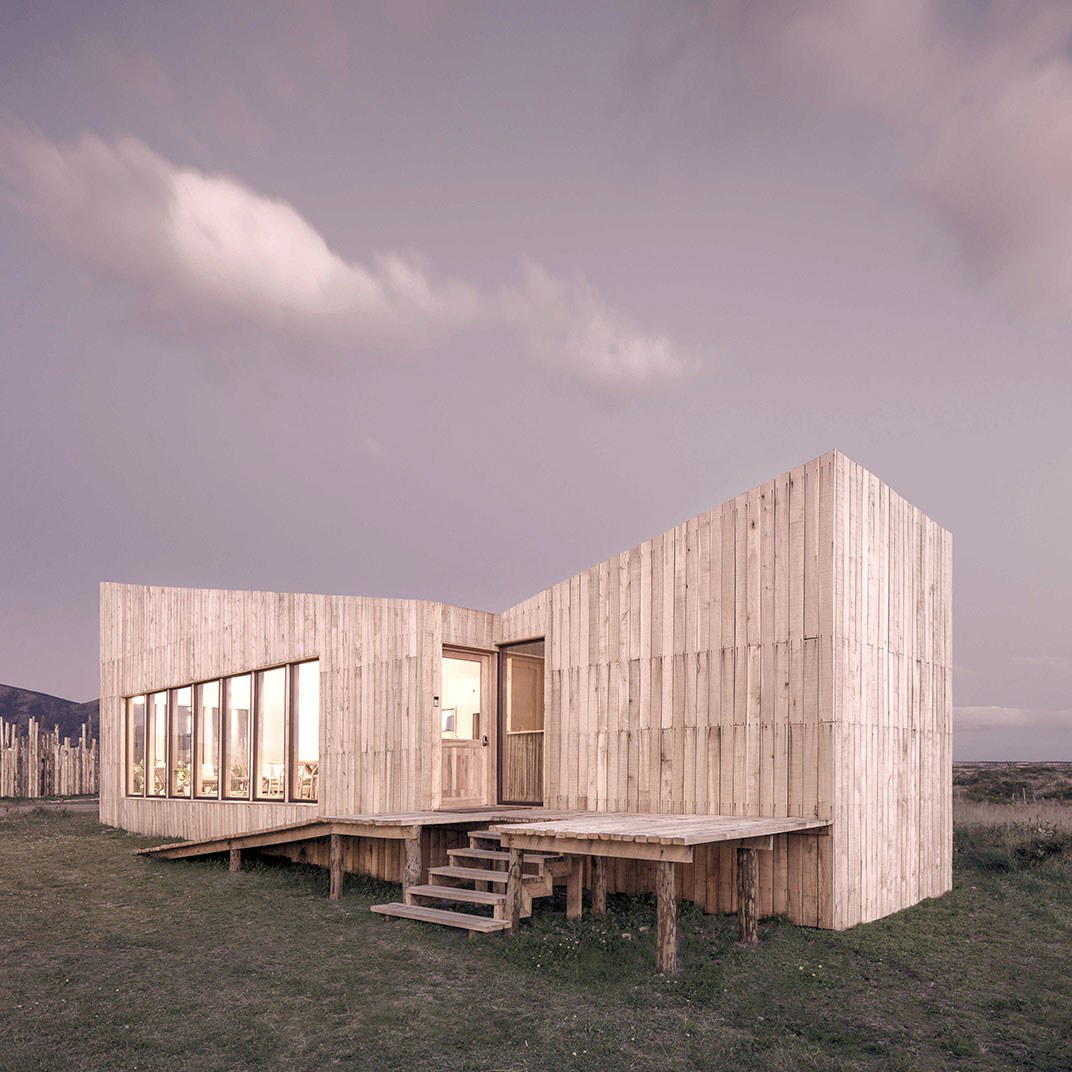
Awasi Patagonia sits on Estancia Tercera Barranca, a private working ranch at the edge of Torres del Paine, and operates as a Relais & Châteaux all-inclusive property where the wilderness schedule shapes the dining calendar as much as the kitchen does. Under chef Marco Salinas, the cooking draws on southern Chilean produce and tradition, framed by a low-carbon approach that positions it squarely within Chile's small tier of ecologically accountable luxury lodges.
Pearl is the En Primeur Club membership app — saves, bookings, and concierge access live there. Same editors, same standards.
- Address
- Estancia Tercera Barranca
- Phone
- +56 61 272 2030
- Website
- thesingular.com
- Directions
- Get directions
 Saves & bookings on Pearl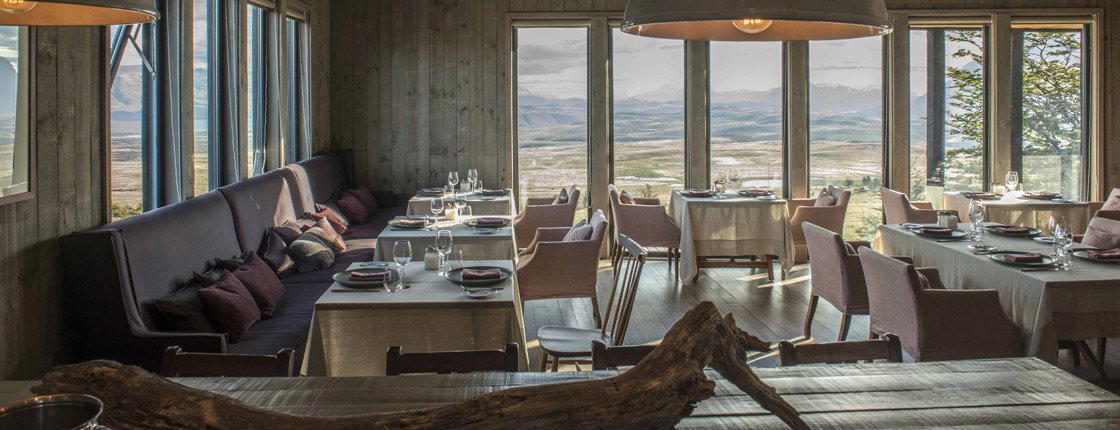
Where the Estancia Sets the Table
Awasi Patagonia is a restaurant at Estancia Tercera Barranca in Torres del Paine, known for refined Patagonian fine dining and a smart casual setting. The lodge sits within that geography rather than beside it, and the dining experience follows the same logic. Meals are timed around excursions, not the other way around. Guests return from half-day treks or horseback rides into wind that has genuinely worked on them, and the kitchen's role is restorative as much as gastronomic. That positioning separates Awasi from the urban Chilean fine-dining tier, properties like Boragó in Santiago or Allería in Providencia operate in a context where the meal is the destination. Here, the landscape holds that role.
The Relais & Châteaux Standard in a Remote Context
Awasi Patagonia carries Relais & Châteaux membership, a designation that sets a floor across hospitality, food, and service quality rather than prescribing a single format. In remote wilderness lodges, that membership communicates something specific to the traveller: a commitment to local provenance, table craft, and the kind of attentive service that doesn't require a city's supply chain to sustain. For comparison, the Relais & Châteaux framework also encompasses properties as varied as Clos Apalta Residence in Valle de Apalta, another Chilean entry in that network, which signals how the organisation positions itself across Chile's distinct geographic and culinary zones.
Chef Marco Salinas and the Southern Chilean Kitchen
The editorial angle on chef-driven wilderness dining is rarely about technique in isolation. What matters in a place like Torres del Paine is whether the kitchen has a coherent relationship with its immediate geography: what lamb tastes like here versus the Central Valley, how Patagonian shellfish and cold-water fish behave differently from their northern equivalents, what fermentation or preservation approaches make sense when resupply is slow and seasonal. Marco Salinas works within that framework. The property's commitment to a low-carbon approach means sourcing discipline is built into the kitchen's operating logic, not bolted on as a marketing note. That places Awasi in a small but growing cohort of Chilean properties, alongside Awasi Atacama in San Pedro de Atacama, where the chef's role includes translating a specific Chilean bioregion into a coherent menu rather than importing a metropolitan fine-dining template into remote terrain.
This is a meaningfully different challenge from what faces a chef at, say, Naoki in Vitacura or CasaMolle in El Molle, where proximity to Santiago or the Elqui Valley respectively eases the logistics of sourcing. Patagonia's kitchen supply chain is genuinely constrained, which tends to sharpen a chef's thinking about what the region actually offers rather than what's simply available. The result, at its most coherent, is a table that reads as unmistakably local, southern lamb, cold-water fish, native herbs, wood-fired techniques suited to a working estancia, rather than a generic international lodge menu.
All-Inclusive Format and What It Means at This Tier
The all-inclusive structure at Awasi shapes the dining experience in a practical way that matters to how guests plan. Meals, excursions with private guides, and accommodation are bundled, which removes the per-item pricing decisions that characterise city dining and allows the kitchen to operate with more consistency across the stay. At wilderness lodges of this type, the all-inclusive format also signals that the property is oriented around a total experience rather than maximising individual revenue lines. Globally, comparable properties at this tier, including some three-Michelin-star urban peers that operate fundamentally differently, use either fixed tasting menus or à la carte formats that place the economic burden of curation on the diner. Awasi's approach, by contrast, puts that curation responsibility with the property. It is a model that suits guests arriving after long travel to Puerto Natales and then the park, where decision fatigue is real and the appetite for seamless logistics is high.
The Guide Programme as Part of the Table
The expert private guide programme noted in the property's highlights is relevant to the dining conversation in a way that isn't immediately obvious. At properties where excursions and meals are genuinely integrated, the guide's knowledge of the estancia and surrounding terrain feeds directly into what the kitchen works with and what context guests bring to the table. A guest who has spent a morning tracking pumas on the property or navigating the Grey Glacier approaches dinner with a specific relationship to the landscape the food comes from. This is not a dynamic that applies at most restaurants, including high-performance urban rooms like Atomix in New York or Alinea in Chicago, where the guest's relationship to the ingredients is almost entirely mediated through the plate. Here, the geography is already inside the experience before the first course arrives.
Planning Your Stay
Awasi Patagonia is reachable via Puerto Natales, the closest town of scale to Torres del Paine National Park, and sits on Estancia Tercera Barranca within the broader park area. The property operates on an all-inclusive basis, so dining and guided excursions are covered within the stay. Bookings and enquiries go through the Relais & Châteaux–listed contact channels: the property email is awasipatagonia@relaischateaux.com and the telephone number listed is +56 2 22339641, with the full property website at awasi.com/lodges/patagonia. The Patagonian season runs broadly from October through April, with October to November and March offering particularly settled shoulder-season conditions; high summer (January to February) brings peak visitor numbers to the park but also particularly extended daylight hours.
Those planning a wider Chilean itinerary might also consider how the restaurant connects to the country's other serious dining destinations, from the foraging-driven ambition of Boragó in Santiago to the classical European lineage at properties in Relais & Châteaux's European tier that share the same membership framework.
Quick Comparison
Comparable venues nearby, for context on price, style, and recognition.
| Venue | Cuisine | Price | Notes |
|---|---|---|---|
| Awasi PatagoniaThis venue — the venue you are viewing | Refined Patagonian Fine Dining | $$$$ | Not listed |
| Aquí está Coco Restaurante | Traditional Chilean Seafood | $$$$ | Vitacura |
| Aqui Esta Coco | Chilean Seafood | $$$ | Vitacura |
| Restaurant Dona Inés | Barbecue Specialties | $$ | Centro |
| Restaurant Comida China | Chinese | $$ | Centro |
| Casino Dreams | Regional Chilean Seafood Buffet | $$$ | Strait of Magellan waterfront |
Recognition history
Dated appearances from independent guides and award organizations, with the underlying list record or original source where available.
Relais Chateaux Award
Relais Chateaux
Continue exploring
More in Torres del Paine
Restaurants in Torres del Paine
Browse all →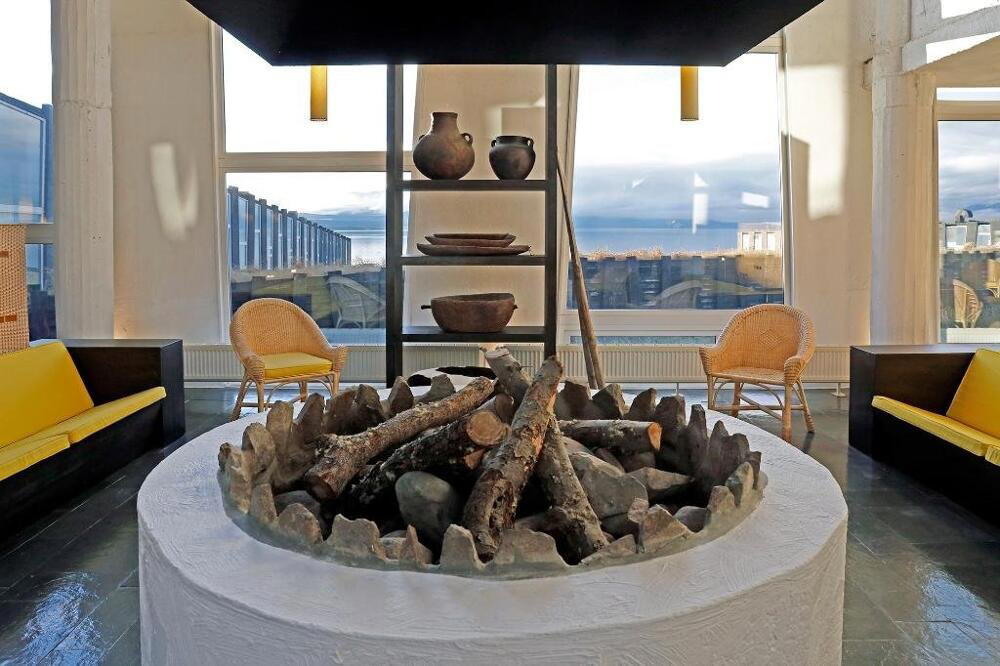
Bars in Torres del Paine
Browse all →
At a Glance
- Scenic
- Elegant
- Rustic
- Intimate
- Sophisticated
- Special Occasion
- Hotel Restaurant
- Panoramic View
- Extensive Wine List
- Sommelier Led
- Local Sourcing
- Sustainable Seafood
- Mountain
Cozy and refined with wood-burning fireplaces, dramatic mountain views, and an intimate atmosphere highlighted by polished service and local ingredients.