

La Liste Top Restaurants · Black Pearl 1 Diamond
Our verdict
Cai Feng Lou sits in Xi'an's Qujiang New District, carrying a Black Pearl 1 Diamond (2025) and 81 points from La Liste's 2026 rankings. The kitchen draws on the deep larder of Shaanxi's agricultural interior, positioning it within the city's small tier of formally recognised Chinese restaurants. For visitors working through Xi'an's dining options, it is one of the few addresses with verifiable international credentials.

Pearl is the En Primeur Club membership app — saves, bookings, and concierge access live there. Same editors, same standards.
- Address
- No. 40, Yanyin Road, Qujiang New District, Xi'an, Shaanxi, 710061, Mainland China
- Phone
- +862987990000
- Website
- ihg.com
- Directions
- Get directions
The menu
What to order
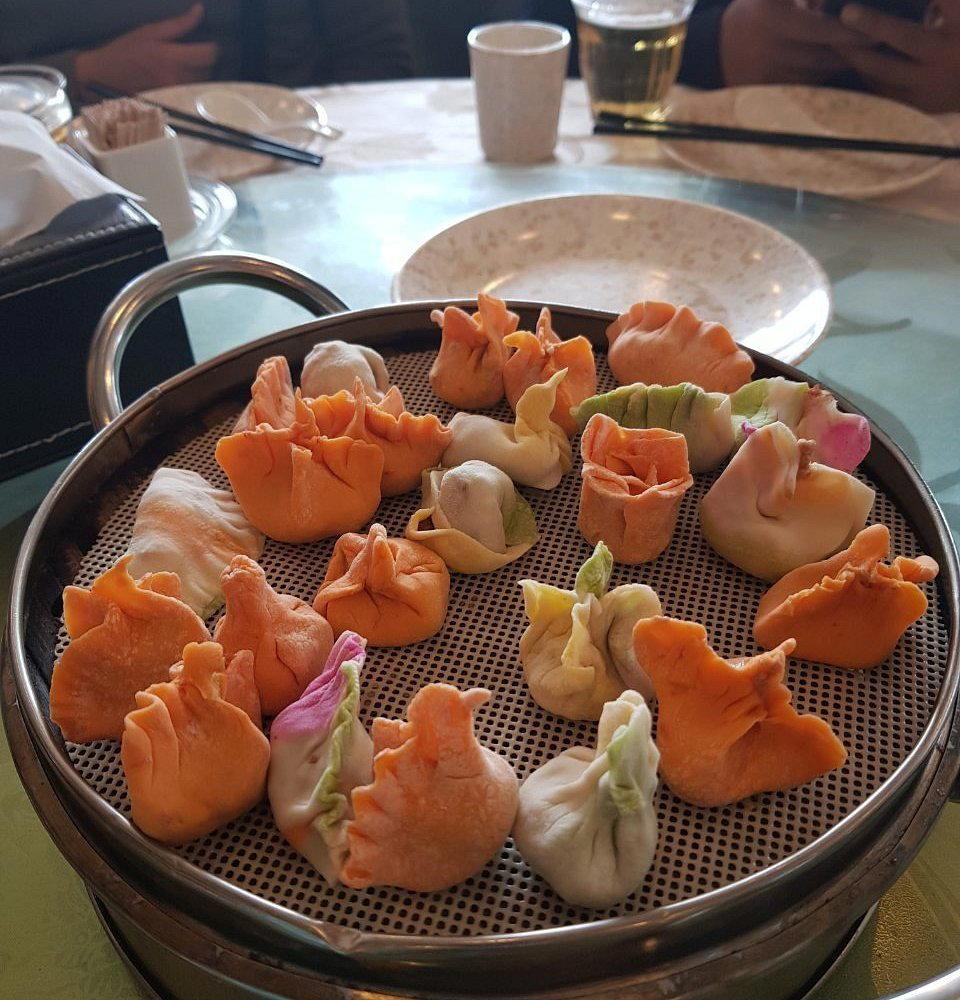
- Honey Black Pork Barbecued Pork
- Braised Crispy Pigeon
Xi'an's Qujiang District and the Case for Formally Recognised Chinese Dining
Qujiang New District does not look like a place built around culinary heritage. Its wide boulevards and planned cultural zones — anchored by the Tang Paradise site and the Qujiang Pool ruins — were designed for tourism infrastructure as much as for residents. Yet this part of southern Xi'an has attracted a small number of restaurants with serious formal credentials, and Cai Feng Lou at No. 40 Yanyin Road is among the more notable: a Black Pearl 1 Diamond recipient in 2025 and a restaurant that La Liste scored at 81 points in its 2026 global rankings. Those two signals, taken together, place it in a competitive set that sits well above the city's street-food circuit and alongside the small group of Xi'an restaurants that have drawn attention from cross-border critics.
In most Chinese cities, fine-dining recognition tends to cluster around Cantonese houses, Japanese-influenced kaiseki formats, or hotel dining rooms with international backing. Xi'an is different. The city's culinary identity is rooted in a landlocked northern tradition, lamb, wheat, preserved vegetables, long-braised preparations, that has historically been harder to translate into the language of formal awards. When a restaurant here earns Black Pearl recognition, it is not simply competing on technique; it is arguing that a regional Chinese tradition has its own terms for precision and quality.
Ingredient Sourcing and the Shaanxi Interior
The framing that leading explains what separates formally recognised Xi'an restaurants from their peers is provenance. Shaanxi sits at the geographic centre of China, bounded by the Qinling Mountains to the south and the Loess Plateau to the north. That geography produces a specific larder: grain-fed livestock from the Wei River basin, cold-climate vegetables from higher elevations, dried chillies and vinegars that carry regional designation, and millet and sorghum varieties that have been cultivated in the same valleys for centuries. A kitchen that takes this material seriously is not simply sourcing locally in the fashionable sense; it is working with an agricultural archive that predates the Tang dynasty's urbanisation of the area.
This is the context in which Cai Feng Lou's Black Pearl recognition reads as meaningful rather than ceremonial. The Black Pearl Guide, operated by Meituan, uses a multi-criteria evaluation system that includes ingredient quality alongside technique and service. A 1 Diamond rating at this level signals a restaurant that has met baseline thresholds across all of those categories. For visitors trying to read the Xi'an restaurant scene from the outside, it functions as a more locally calibrated signal than Michelin (which does not currently cover Xi'an) and more granular than broad international guides alone.
Across China's premium dining tier, the sourcing conversation has shifted noticeably over the past decade. Restaurants like Xin Rong Ji (Xinyuan South Road) in Beijing and Ru Yuan in Hangzhou have built reputations in part by making the origin of their materials a stated part of the dining proposition. That approach, treating provenance as a form of culinary argument, is more established in Jiangnan and Cantonese kitchens, but it is increasingly visible in northern Chinese fine dining as well. Xin Rong Ji in Chengdu and Imperial Treasure Fine Chinese Cuisine in Guangzhou each demonstrate how regional ingredient identity can anchor a formal dining program without flattening into generic luxury.
Xi'an's Formal Dining Tier: Where Cai Feng Lou Sits
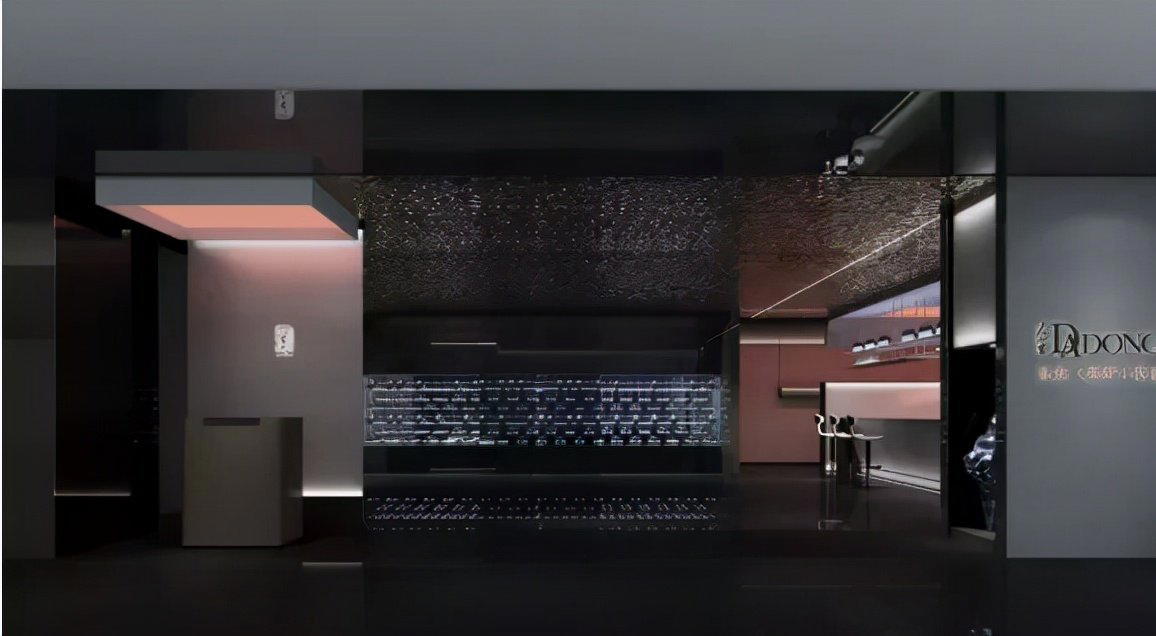
Xi'an's formally recognised restaurant scene is compact. The city draws significant domestic and international tourism on the strength of the Terracotta Warriors and its Tang dynasty heritage, but its fine-dining tier has developed more slowly than that of Chengdu, Hangzhou, or even Wuhan. A handful of addresses now carry verifiable credentials. CHANG AN CLUB and Lotus operate in similar territory. DaDong Sea Cucumber Shop (Xi'An SKP) and THE BEIJING KITCHEN approach northern Chinese cuisine from different angles, with DaDong's brand bringing a Beijing-rooted identity to the Xi'an market. MING JIA rounds out a tier that, in aggregate, is beginning to attract the kind of cross-regional attention that Xi'an's cultural standing arguably warrants.
Within that group, Cai Feng Lou's La Liste score of 81 points places it in meaningful company. La Liste aggregates critical scores from global restaurant guides and applies a weighting formula; an 81-point result in 2026 positions the restaurant broadly in line with addresses in other Chinese cities that have earned comparable recognition, a different competitive frame than street-food tourism, and a useful one for visitors calibrating their time and spending across a Xi'an itinerary.
For a sense of how this tier compares internationally, it is worth noting that La Liste scores are calculated on a consistent global methodology. Restaurants like Le Bernardin in New York City and Atomix in New York City anchor the best of that global list; the 81-point mark situates Cai Feng Lou in the respected mid-tier of a ranking that covers thousands of restaurants across more than a hundred countries. For Xi'an, that is a significant foothold. For context on what multi-course Chinese dining can achieve at the highest levels, Chef Tam's Seasons in Macau and 102 House in Shanghai offer comparison points.
Planning a Visit: What to Know Before You Go
Cai Feng Lou is located at No. 40 Yanyin Road in Qujiang New District, in the southern part of Xi'an. Qujiang is accessible by Xi'an Metro Line 3, which connects the district to the city's central rail hub and to the broader urban network. The area sees substantial tourist traffic during peak heritage travel seasons, particularly around Chinese national holidays and summer, which typically means that reservation planning ahead of those windows is advisable. For a broader view of the city's dining options covers the range from formal dining to neighbourhood specialists. Those extending their stay can find accommodation context in, and further city orientation through, wineries guide, and experiences guide.
Frequently asked questions
What part of town is Cai Feng Lou in?
Cai Feng Lou is located at No. 40, Yanyin Road, Qujiang New District, Xi'an, Shaanxi, 710061, Mainland China, Xi'An.
Does Cai Feng Lou have a Michelin star or similar recognition?
Cai Feng Lou has received recognition including: La Liste Top Restaurants (2026): 81pts; Black Pearl 1 Diamond (2025).
What do people recommend at Cai Feng Lou?
Both programmes assess ingredient quality and culinary consistency, so the menu likely centres on Shaanxi regional cooking held to a standard that earns repeated critical recognition. Visiting with an open approach to a chef-guided or set menu is the most reliable way to experience what the kitchen prioritises.
What's the best way to book Cai Feng Lou?
For a Black Pearl-recognised restaurant in Qujiang New District, reservations through the venue's front desk or a hotel concierge familiar with Xi'an's formal dining circuit are the most dependable routes. Booking lead times at this tier in Chinese cities typically run several days to a few weeks for weekend sittings, so planning ahead is advisable, particularly around major domestic holidays.
Comparison Snapshot
| Venue | Cuisine | Price | Awards |
|---|---|---|---|
| Cai Feng LouThis venue — the venue you are viewing | Elegant Cantonese Fine Dining | $50–100 | La Liste Top Restaurants · Black Pearl 1 Diamond |
| CHANG AN CLUB | Authentic Shaanxi Cuisine | $50–100 | Black Pearl 1 Diamond |
| DaDong Sea Cucumber Shop(Xi'An SKP) | Contemporary Chinese Sea Cucumber & Peking Duck | Not listed | Black Pearl 1 Diamond |
| Lotus | High-class Western | $20–30 | Black Pearl 1 Diamond |
| THE BEIJING KITCHEN | Traditional Cantonese | $50–100 | Black Pearl 1 Diamond |
| MING JIA | Premium Shandong Seafood | $50–100 | Black Pearl 1 Diamond |
Recognition history
Dated appearances from independent guides and award organizations, with the underlying list record or original source where available.
La Liste Top Restaurants
La Liste
Black Pearl 1 Diamond
Black Pearl
Full recognition history (3 entries)
Black Pearl 1 Diamond
Black Pearl





Details
- Elegant
- Sophisticated
- Cozy
- Business Dinner
- Family
- Celebration
- Special Occasion
- Private Dining
- Hotel Restaurant
- Extensive Wine List
- A La Carte
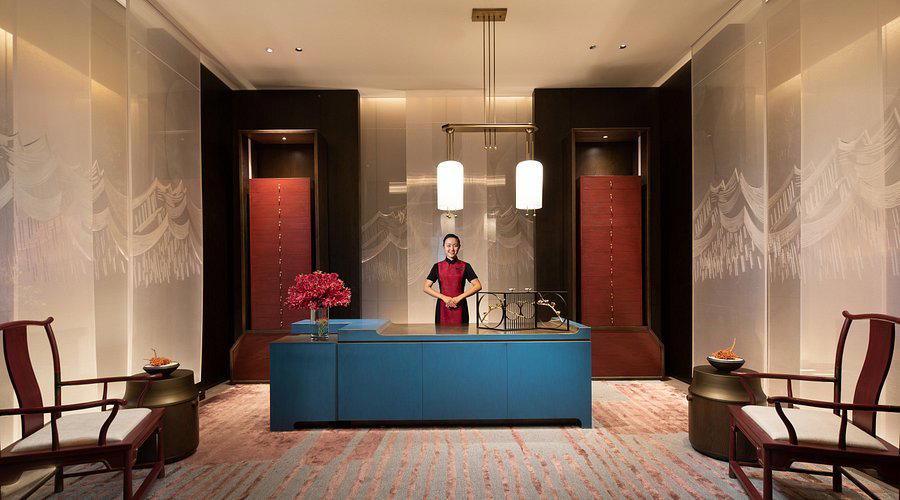
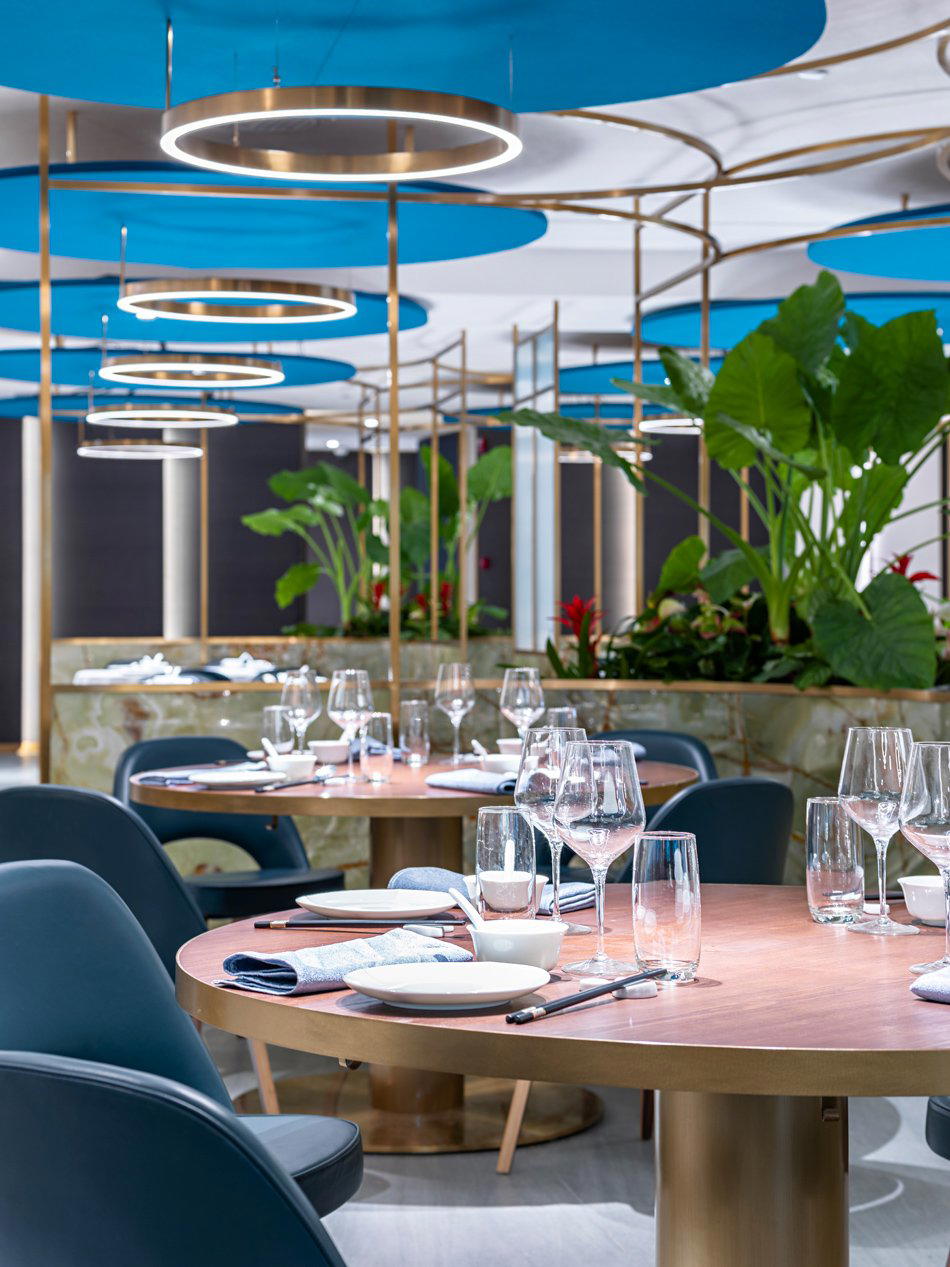
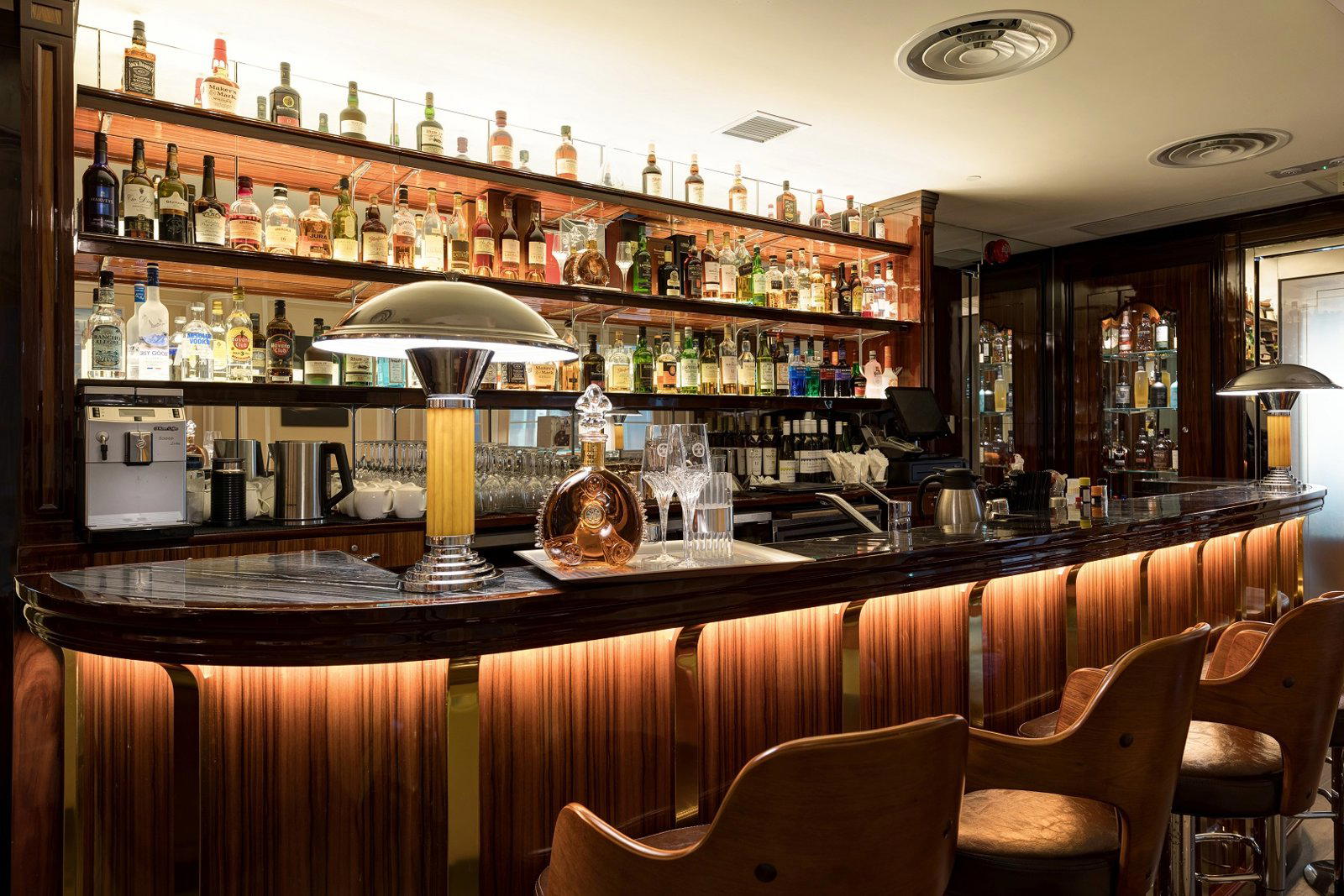
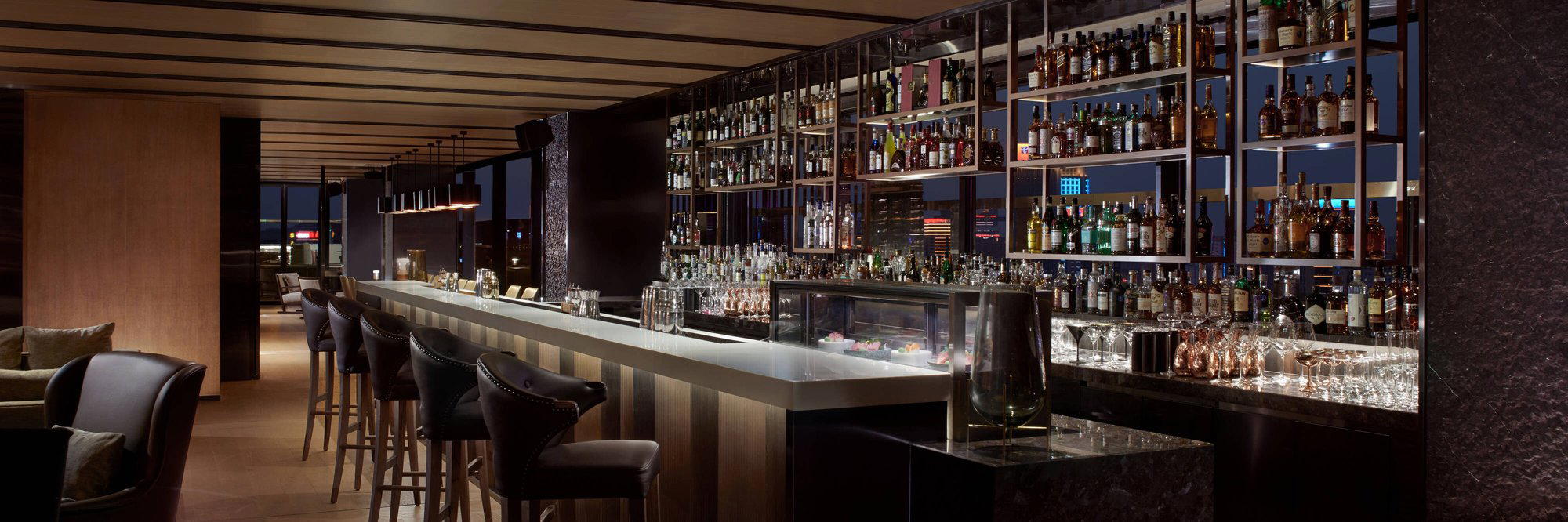
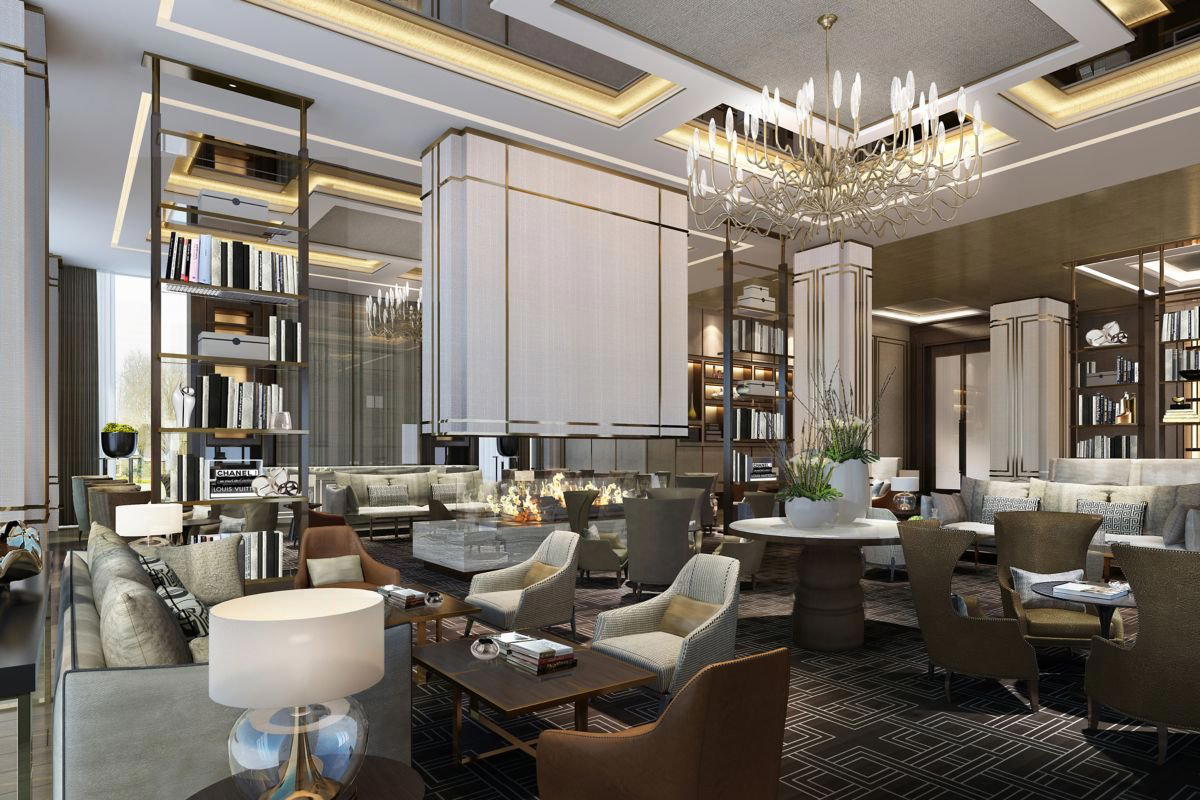
Warm woods, soft lighting, table spacing that preserves conversation, and a calm, service-forward atmosphere.