
Michelin Plate
Our verdict
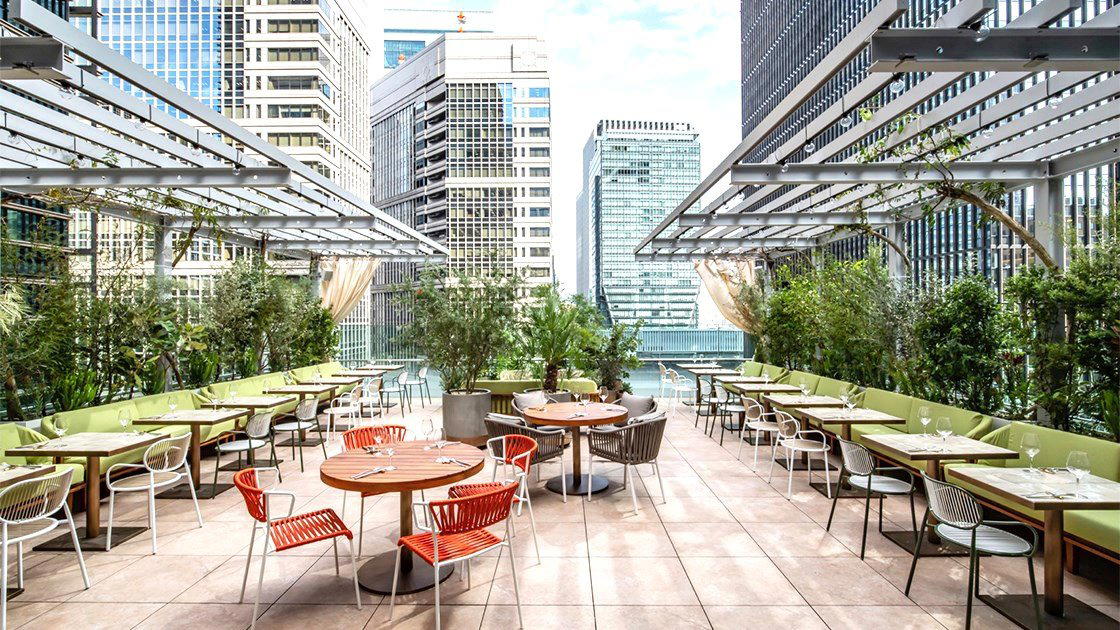
De Ming Fan Dian occupies a residential pocket of Shangcheng district, where its display counter of clay-pot stews, leafy greens, and freshwater fish signals the kind of cooking that rarely courts visitors from outside the neighbourhood. River fish drives the menu, with fried eel in bean sauce and braised pork intestine among the draws, alongside house-made herbal and fruit wines that mark it as a place operating on its own terms.

Pearl is the En Primeur Club membership app, where members save venues, book tables and use the concierge.
The menu
What to order
- Braised Pork Intestine
- Fried River Shrimp
- Braised Duck
Where the Ingredients Do the Talking
Hangzhou's most discussed restaurants tend to cluster around West Lake, shaping menus to match a view and a price tier that suits incoming visitors. The city's residential neighbourhoods operate on different logic. Along Huyu Road in Shangcheng, De Ming Fan Dian sits in a district where the regulars arrive on foot and the menu is dictated less by trend than by what the local markets and the Qiantang River system can provide that week. The physical entrance makes this legible immediately: dishes are arranged in open display at the dining room threshold, clay pots of meat stew, bundles of leafy greens, and the freshwater fish that define the restaurant's reputation. There is no interpretive layer between the ingredients and the diner.
That approach to display is not merely aesthetic. In Zhejiang cooking tradition, freshness is the primary credential, and showing the raw or prepared product before service functions as both communication and commitment. The same logic animates the high-end end of the spectrum, venues like Ru Yuan, which operates at the ¥¥¥¥ tier with comparable sourcing rigour, but at De Ming Fan Dian the format strips away the ceremony and delivers the same underlying principle at street level.
River Fish as the Central Argument
Zhejiang cuisine has always been built around proximity to water. The province's rivers, lakes, and coastal zones supply ingredients that do not travel well and therefore rarely appear with the same character outside the region. Hangzhou's freshwater tradition draws specifically on species from the Qiantang River and the canal network, and that sourcing geography shapes what gets served at neighbourhood tables like this one.
De Ming Fan Dian's most-cited dish is fried eel in bean sauce, finished with quantities of scallion and garlic that push the aromatics well above background note. Eel cookery in this style requires sourcing that prioritises live or same-day fish; the texture that makes the dish work does not survive freezing or long transport. The bean sauce itself carries fermented depth, and the combination positions the dish within a broader category of Hangzhou preparations that use strong aromatics to frame, rather than mask, the sweetness of freshwater protein.
For context on how this ingredient sourcing philosophy scales upward, Guiyu (Xihu) and Hangzhou House both work within the same Zhejiang tradition but target a formal dining register. The difference is not fundamentally one of quality philosophy but of format and occasion. At the neighbourhood end, sourcing discipline is expressed through simplicity and volume rather than through tableside presentation and curated progression.
Offal, Fermentation, and the Supporting Cast
Alongside the fish, braised pork intestine appears as a signature preparation. Offal cookery in Zhejiang follows a long tradition of slow-braising technique that converts challenging cuts into something yielding and concentrated. The intestine here is described as tender and well-seasoned, served with a proprietary dip that provides acidic or spiced contrast. This pairing structure, slow-cooked protein with a separately prepared condiment, recurs across the region's home-style cooking and signals a kitchen that understands the architecture of the dishes it works with.
House-made wines infused with herbs or fruits extend the sourcing story beyond the plate. Fruit and herb wines occupy a different category from the grain spirits that dominate most Chinese restaurant tables, and their presence here suggests a kitchen engaged with local botanical materials as an ingredient category rather than an afterthought. These are not cocktail-bar preparations; they sit closer to the medicinal wine tradition of southern China, where seasonal ingredients are macerated to produce something both drinkable and functional.
Restaurants working within this kind of culinary frame are relatively sparse in the upper tiers of Hangzhou dining. Jie Xiang Lou touches on related Zhejiang preparations at a more formal register, and Ambré Ciel approaches the city's food culture from an innovative angle. De Ming Fan Dian sits at neither extreme, occupying the space where tradition is maintained through repetition rather than reinterpretation.
The Neighbourhood as Context
Shangcheng district carries density and a residential character that filters out most of the visitor traffic that concentrates around the lake. Huyu Road itself does not appear in most short-stay itineraries, which means De Ming Fan Dian's regular clientele is primarily local. This dynamic has implications for the cooking: the kitchen does not need to adjust flavour profiles for unfamiliar palates, and the menu does not need to function as an introduction to Zhejiang cuisine. It can assume a diner who already knows what fermented bean sauce tastes like and who expects pork intestine to be properly cleaned and braised rather than presented as a novelty.
That assumption of shared culinary literacy produces cooking that sits at a different point on the accessibility spectrum from the more formal Hangzhou institutions. The comparison set for De Ming Fan Dian is not Xin Rong Ji in Beijing or Imperial Treasure Fine Chinese Cuisine in Guangzhou, which operate at national prestige register. Nor does it sit in the same frame as Chef Tam's Seasons in Macau or the produce-focused precision of 102 House in Shanghai. A closer analogy might be drawn to the kind of institution-level neighbourhood cooking that sustains a district rather than attracts from outside it, comparable in function, if not in cuisine, to something like Emeril's in New Orleans operating as a neighbourhood anchor rather than a destination draw. The freshwater-fish-focused end of Zhejiang cooking at this price and format level has few internationally mapped equivalents; for fish-centred ingredient discipline at the fine-dining register one might look toward Le Bernardin in New York as a useful counter-reference for how completely a menu can be organised around a single protein category.
Planning a Visit
De Ming Fan Dian is located at 36 Huyu Road in Shangcheng, a district accessible by metro from central Hangzhou. Given the residential setting and neighbourhood clientele, arriving earlier in a meal period reduces the risk of finding the display counter depleted of the river fish preparations. The dish display at the entrance functions as both menu and availability indicator: what you see is what remains. For visitors combining this with broader Hangzhou dining, EP Club maintains guides to restaurants, hotels, bars, wineries, and experiences across the city. The Dai Yuet Heen experience in Nanjing and Xin Rong Ji in Chengdu offer useful comparisons for travellers mapping regional Chinese cooking traditions across eastern and central China.
Frequently asked questions
Has De Ming Fan Dian won any awards?
De Ming Fan Dian has received recognition including: The down-to-earth joint is nestled in a residential neighbourhood. At the entrance of the dining room, dishes are neatly displayed – leafy greens, meat stews in clay pots and of course, the river fish that the restaurant is most famous for.….
Where is De Ming Fan Dian located?
De Ming Fan Dian is located at 36 Huyu Road, Shangcheng, Hangzhou.
What should I eat at De Ming Fan Dian?
River fish is the kitchen's core strength, and fried eel in bean sauce is the preparation most associated with the restaurant, built around scallion and garlic aromatics. Braised pork intestine is a secondary signature, served with a house dip that sharpens the dish considerably. The house-made wines, infused with herbs or fruit, are worth ordering alongside.
What's the best way to book De Ming Fan Dian?
Arriving earlier in the service window improves your chances at a table, particularly given the restaurant's residential regulars who tend to fill the room on weekday lunches and weekend sittings.
What is De Ming Fan Dian known for?
The restaurant trades on freshwater river fish cookery, a tradition anchored in Zhejiang province's proximity to its river and lake systems. Fried eel in bean sauce is the dish most closely tied to the kitchen's reputation, alongside braised pork intestine and clay-pot meat stews visible at the entrance display before you sit down.
At-a-Glance Comparison
Comparable venues nearby, for context on price, style, and recognition.
| Venue | Cuisine | Price | Awards | Notes |
|---|---|---|---|---|
| De Ming Fan DianThis venue (the venue you are viewing) | Traditional Hangzhou Cuisine | Not listed | Michelin Plate | Not listed |
| Lou Wai Lou (Gushan Road) | Traditional Hangzhou Cuisine | $20–30 | Michelin Plate | Hangzhoushi |
| Fu Yuan Ju (Shangcheng) | Home-style Hangzhou Cuisine | $10–20 | Michelin Bib Gourmand | Hangzhoushi |
| King's Choice (Huyu Road) | Authentic Hangzhou Regional Cuisine | $10–20 | Michelin Bib Gourmand | Yuhangxian |
| Fuyuanju | Authentic Hangzhou Cuisine | $10–20 | Not listed | Hangzhoushi |
| Hu Qing Yu Tang Yao Shan | Medicinal Hangzhou Cuisine | $30–50 | Michelin Plate | Hangzhoushi |
Recognition history
Dated appearances from independent guides and award organizations, with the underlying list record or original source where available.
Michelin Plate
Michelin · 2026 Michelin Plate
Continue exploring
More in Hangzhou
Restaurants in Hangzhou
All restaurants in Hangzhou →
Bars in Hangzhou
All bars in Hangzhou →
Details
- Cozy
- Classic
- Family
- Casual Hangout
- Group Dining
- Standalone
- A La Carte
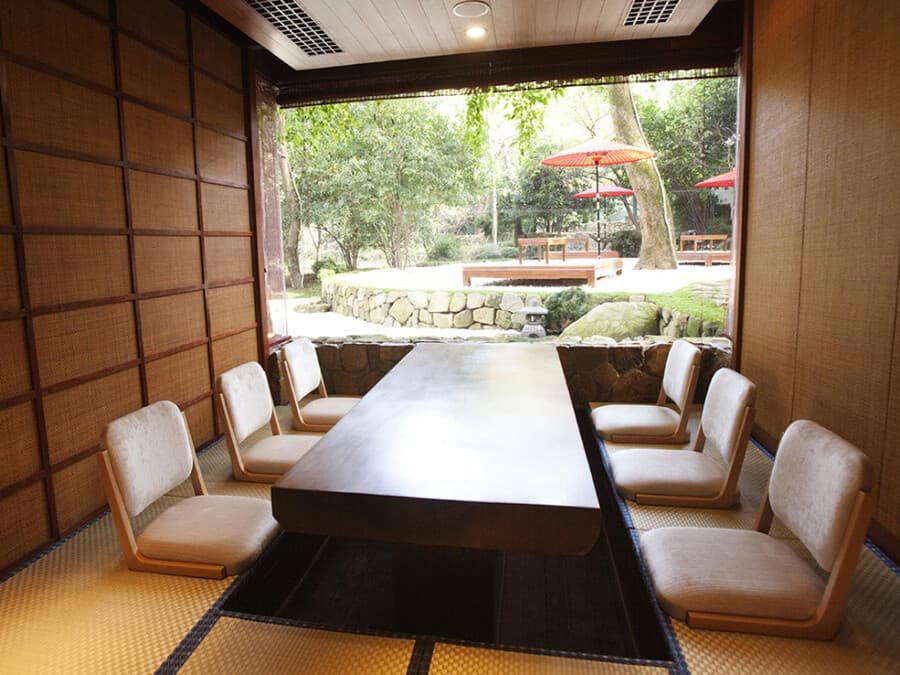
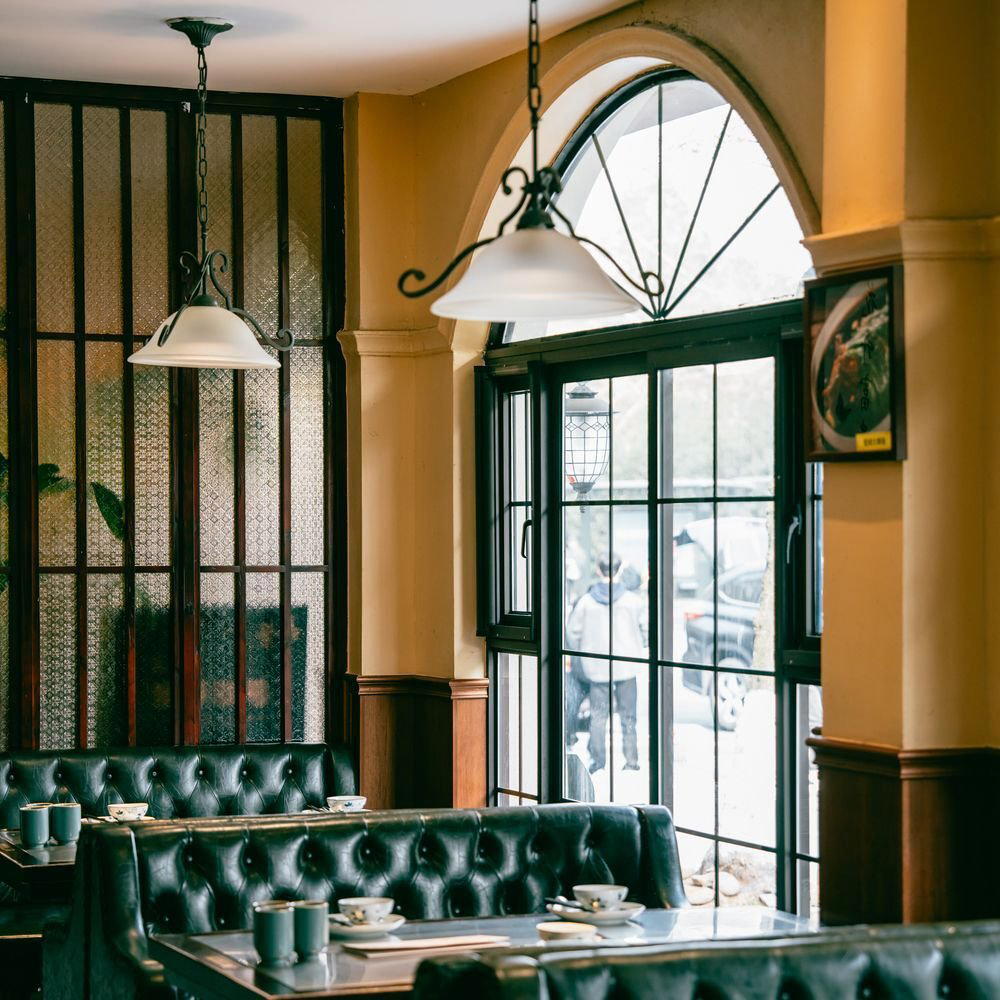
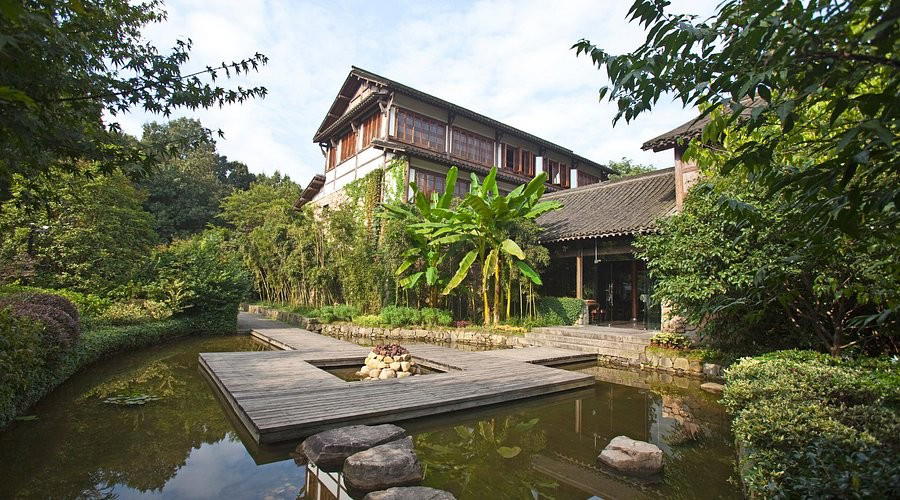
Casual, down-to-earth atmosphere in a residential area with dishes displayed at the entrance and a spacious new location featuring a second floor.