
De la Riva occupies a quiet address in Chamartín, one of Madrid's more residential northern districts, where the city's appetite for traditional Castilian cooking sits alongside a growing tier of serious contemporary Spanish kitchens. The restaurant represents a strand of Madrid dining that values craft and restraint over spectacle, placing it in a distinct position relative to the capital's more theatrical tasting-menu operators.
Pearl is the En Primeur Club membership app — saves, bookings, and concierge access live there. Same editors, same standards.
- Address
- C. de Cochabamba, 13, Chamartín, 28016 Madrid, Spain
- Phone
- +34914588954
- Website
- restaurantedelariva.com
- Directions
- Get directions
 Saves & bookings on Pearl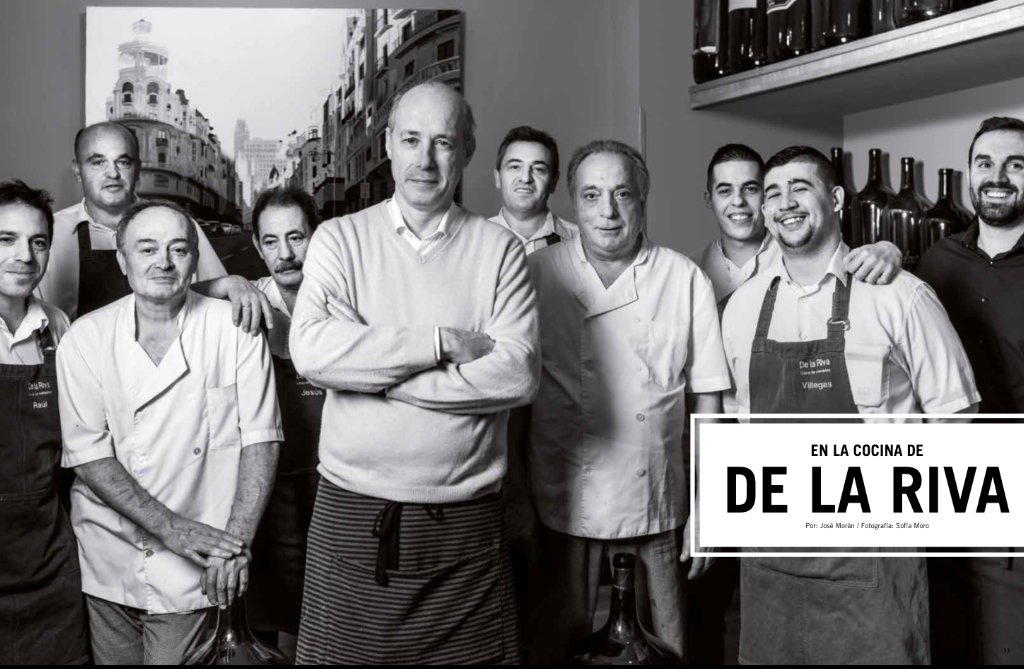
Chamartín and the Case for Cooking Without a Spotlight
De la Riva is a restaurant in Madrid’s Chamartín district, serving traditional Spanish market cuisine at an accessible price point. Chamartín, the residential district north of the M-30 ring road, operates differently. The neighbourhood draws a local clientele with specific expectations: cooking that reflects a genuine point of view, not one calibrated for social media or tourist footfall. De la Riva, on Calle de Cochabamba, sits squarely in that tradition. The address alone signals something about the restaurant's orientation.
Approaching the street, the shift from Madrid's busier arteries is immediate. Chamartín moves at a slower pace, its wide pavements and apartment-fronted blocks giving the area a pragmatic, residential character that has little interest in performance. For a restaurant of De la Riva's register, that context is not incidental. It shapes who walks through the door and what they expect when they arrive.
What the Setting Tells You Before You Order
In Spain's more considered dining establishments, the physical environment functions as the first editorial statement a kitchen makes. The decision to operate in a neighbourhood rather than a showcase district, to keep sightlines low and volumes controlled, tells a diner something before the menu arrives. Madrid has spent the past decade producing a particular kind of high-wattage dining room, the kind that houses operations like DiverXO, where the room's theatricality is inseparable from the cooking's ambition. The restaurant is not in conversation with that format. It belongs to the quieter register: the one that prizes the meal itself over the frame around it.
That positioning places the restaurant within a Madrid dining tradition that stretches back through the city's long history of tabernas and classic Castilian restaurants, where the primary sensory experience is the food, its temperature, its aroma, the sound of a kitchen operating with focused efficiency rather than drama. The smell of a properly constructed sauce, the textural contrast between aged proteins and fresh vegetables in season, the ambient sound of a room at comfortable capacity: these are the signals this kind of kitchen sends. They require attention to notice, which is exactly the point.
De la Riva in Madrid's Broader Restaurant Tier
Madrid's serious restaurant scene now spans a range that few European capitals can match in density. At one technically ambitious end sit multi-Michelin-starred operations. Coque brings its creative Spanish framework to the city's northern edge. Deessa occupies a hotel address with modern Spanish credentials. DSTAgE and Paco Roncero represent the capital's interest in avant-garde tasting formats. The restaurant's character points toward a different comparable set: the restaurants that draw on Castilian tradition and regional Spanish produce without needing to announce it through a ten-course tasting structure.
This is a meaningful distinction. Spain's broader fine dining conversation increasingly happens at addresses like El Celler de Can Roca in Girona, Mugaritz in Errenteria, Arzak in San Sebastián, or Quique Dacosta in Dénia, each of which operates within a well-defined regional identity and commands international recognition. Madrid's contribution to that map has historically been weighted toward Castilian produce and technique, and the restaurant's Chamartín address aligns it with that inheritance rather than the experimental vanguard. For a diner tracking the full picture of Spanish gastronomy, the comparison set also extends to Aponiente in El Puerto de Santa María, Azurmendi in Larrabetzu, Martin Berasategui in Lasarte-Oria, Ricard Camarena in València, Cocina Hermanos Torres in Barcelona, and Atrio in Cáceres, each representing a different strand of how serious Spanish cooking operates outside of the capital.
Planning a Visit
The restaurant's location in Chamartín makes it most naturally approached from the northern metro stations, with Concha Espina and Colombia both within walking distance of the Calle de Cochabamba address. That self-selection tends to favour diners who have sought the restaurant out specifically, rather than those who wandered in from a nearby hotel strip.
| Restaurant | District | Format | Price Band |
|---|---|---|---|
| The restaurant | Chamartín | Traditional / Regional | Not confirmed |
| DiverXO | Tetuán | Progressive / Asian Creative | €€€€ |
| Coque | Chamberi | Spanish Creative | €€€€ |
| Deessa | Salamanca | Modern Spanish Creative | €€€€ |
| Paco Roncero | Centro | Creative | €€€€ |
The restaurant is priced at about $60 per person, and reservations are essential.
- cocido madrileño
- lentejas
- patatas guisadas
- clams in garlic sauce
- suckling pig chops
- squid in ink
- brains
- omelette with tripe
Awards and Standing
Comparable venues nearby, for context on price, style, and recognition.
| Venue | Cuisine | Price | Notes |
|---|---|---|---|
| De la RivaThis venue — the venue you are viewing | Traditional Spanish Market Cuisine | $$ | Not listed |
| Semilla Tomate | Traditional Spanish & Mediterranean | $$ | Arapiles |
| Cafetería Restaurante Alfonso XI | Traditional Spanish Cafeteria | $$ | Jeronimos |
| La Finca de Susana | Traditional Spanish Mediterranean | $$ | Sol |
| ZERAIN | Traditional Basque Grill & Cider House | $$ | Barrio de las Letras |
| Casa Alberto | Traditional Madrilenian | $$ | Barrio de las Letras |
Recognition history
Dated appearances from independent guides and award organizations, with the underlying list record or original source where available.
Macarfi 7.5 Food Rating
Macarfi
Continue exploring
More in Madrid
Restaurants in Madrid
Browse all →
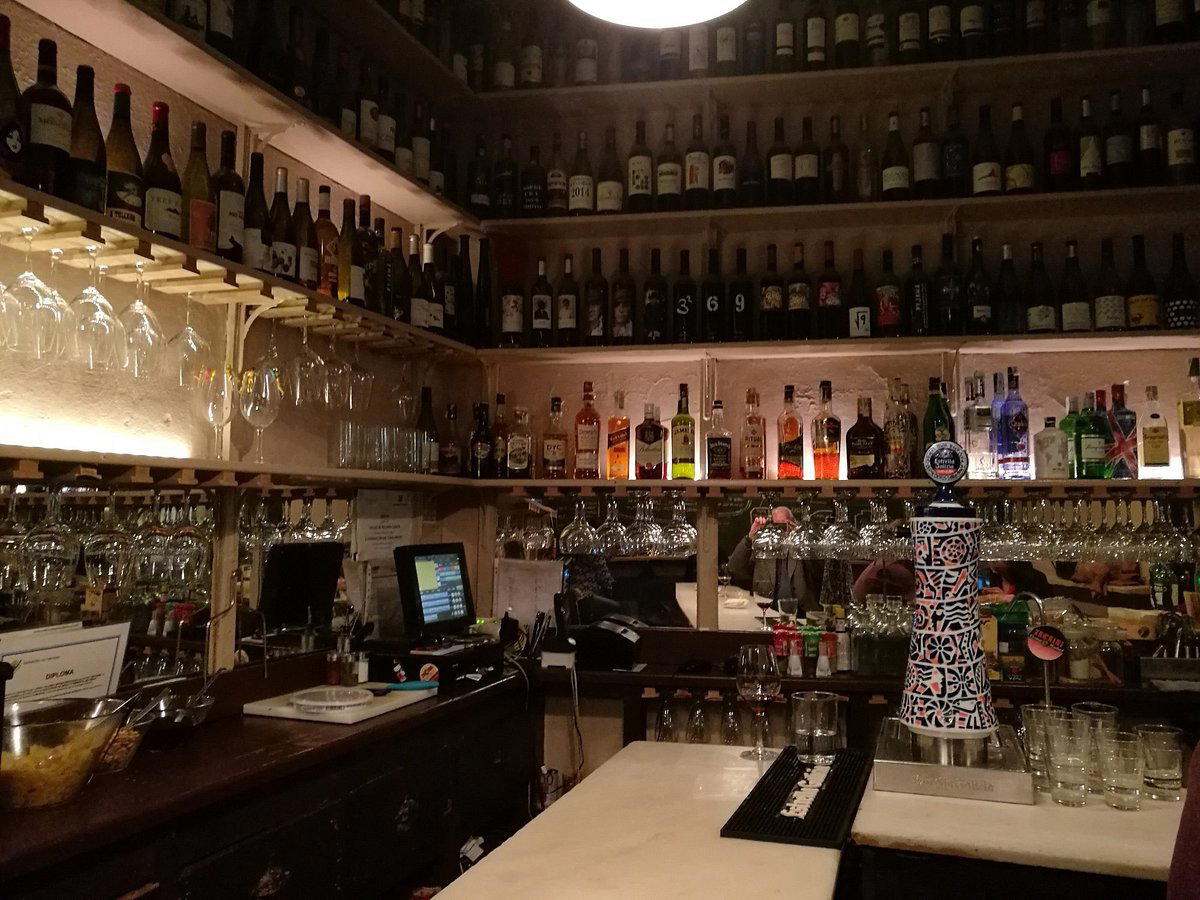
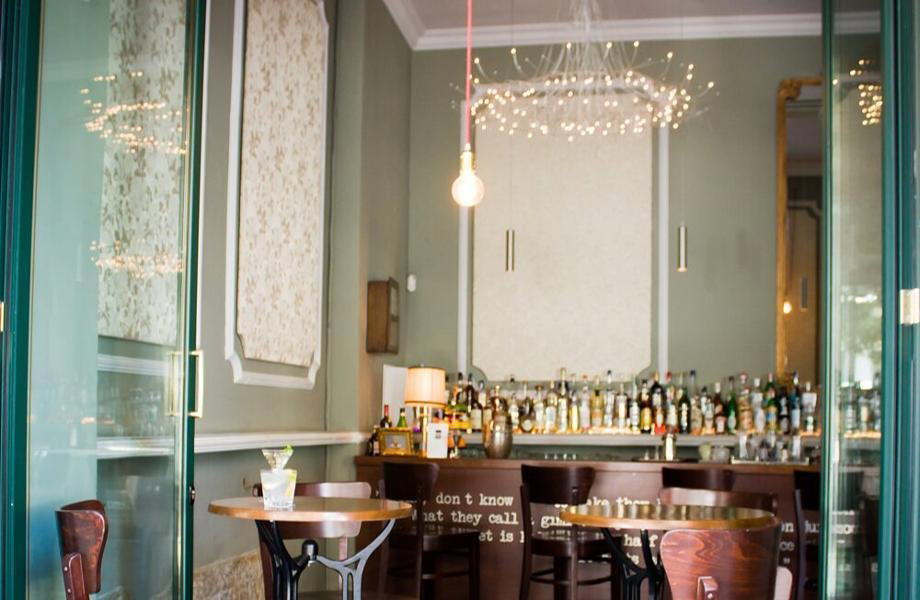
Bars in Madrid
Browse all →
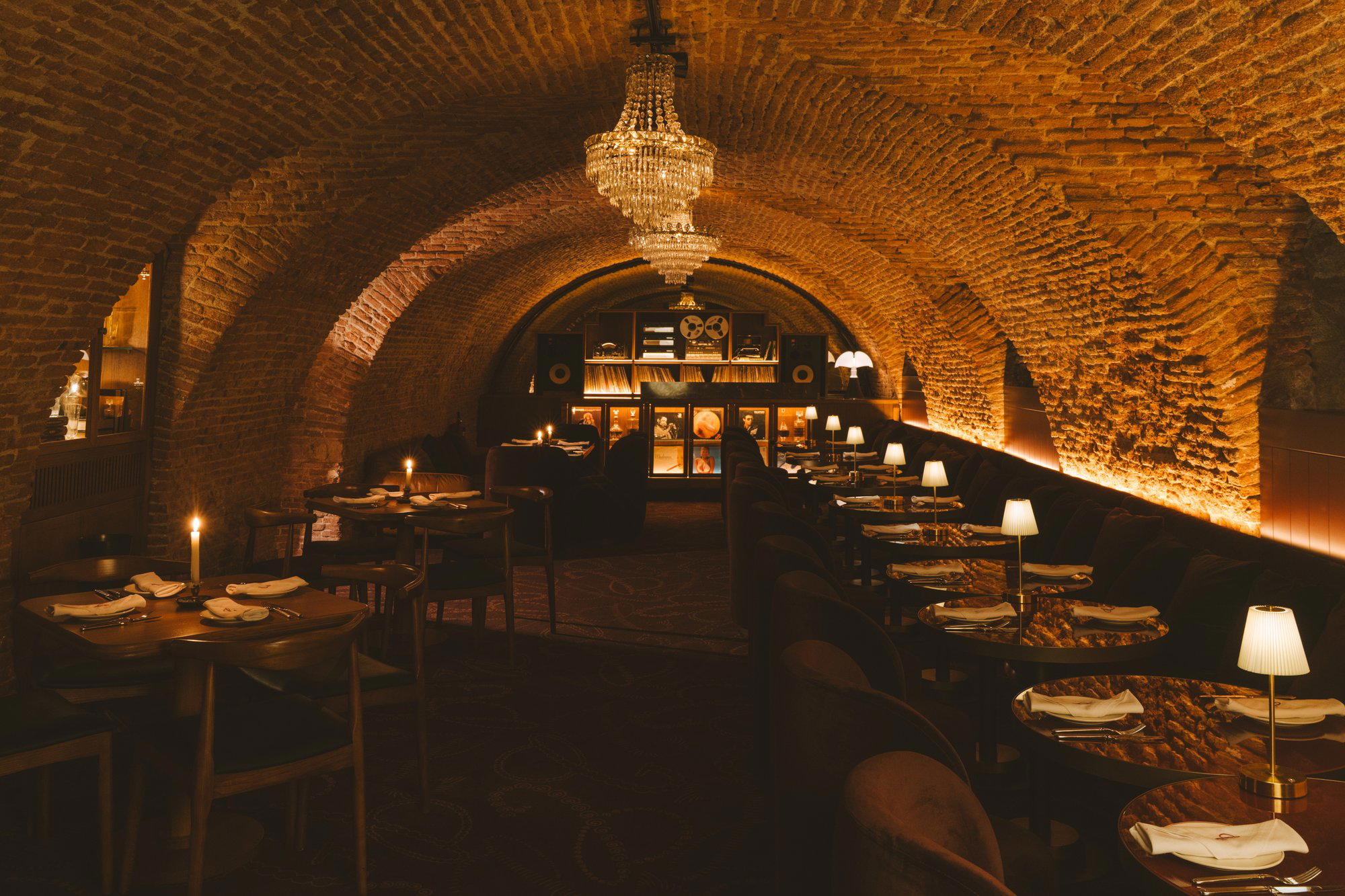
Hotels in Madrid
Browse all →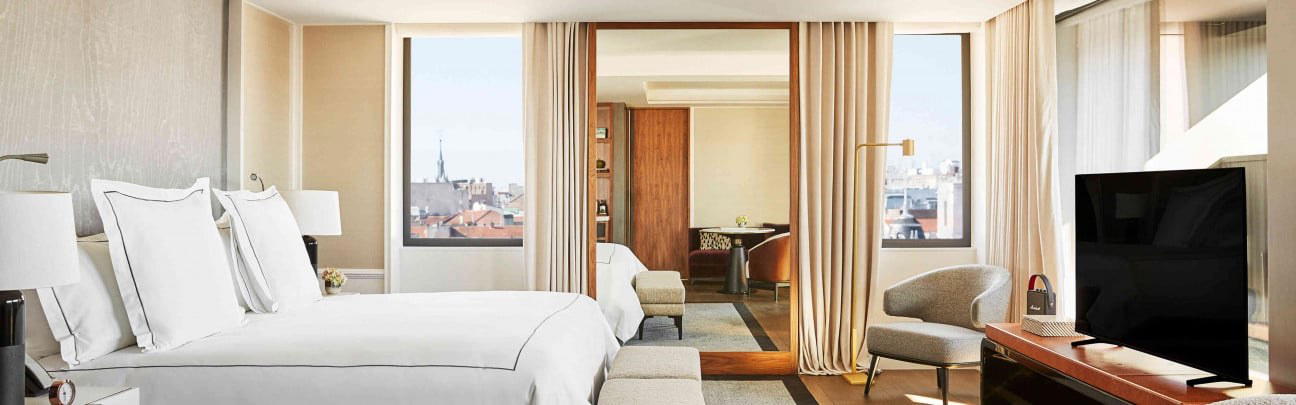

At a Glance
- Classic
- Lively
- Well Known
- Rustic
- Business Dinner
- Group Dining
- Casual Hangout
- Historic Building
- Standalone
- Local Sourcing
- Farm To Table
Current opening hours
- Monday
- 1:30–5 PM
- Tuesday
- 1:30–5 PM
- Wednesday
- 1:30–5 PM
- Thursday
- 1:30–5 PM
- Friday
- 1:30–5 PM
- Saturday
- 1:30–5 PM
- Sunday
- Closed
Hours can change for holidays and private events. Last verified .
Warm, convivial atmosphere with traditional wooden furnishings and historic photographs on walls; high-energy service with waiters calling out spontaneous specials; lively and noisy with Spanish music in the background.