Semilla Tomate occupies a corner of Chamberí where Madrid's appetite for produce-driven cooking meets technique borrowed from beyond the Pyrenees. The address on Calle Fernández de los Ríos places it inside one of the city's most residential and genuinely local neighbourhoods, away from the trophy-restaurant circuit. It is the kind of room where the cooking is the argument, not the décor or the celebrity pedigree.
Pearl is the En Primeur Club membership app — saves, bookings, and concierge access live there. Same editors, same standards.
- Address
- C. de Fernández de los Ríos, 28, Chamberí, 28015 Madrid, Spain
- Phone
- +34916708669
- Website
- semillatomate.com
- Directions
- Get directions
 Saves & bookings on Pearl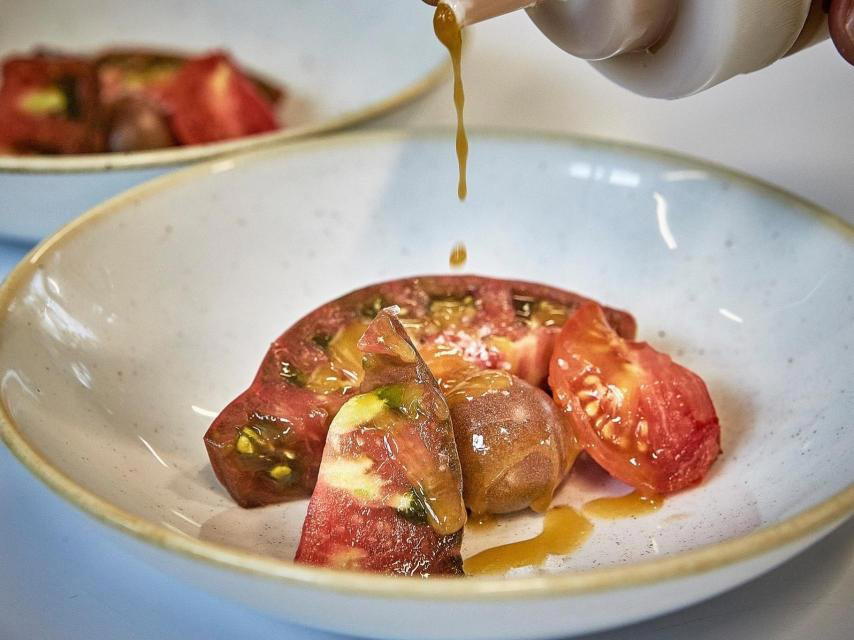
Chamberí and the Case for Neighbourhood Cooking
Semilla Tomate is a restaurant in Chamberí, Madrid, serving Traditional Spanish & Mediterranean cooking at about $33 per person. Madrid's serious dining scene has long concentrated around a handful of showcase addresses: the multi-Michelin rooms along the Gran Vía corridor, the hotel dining that clusters near Salamanca, and the destination-level operations like DiverXO and Coque that attract international press and command price points to match. Chamberí operates on a different logic. The neighbourhood north of Malasaña and west of Alonso Martínez is genuinely residential in a way that few central Madrid barrios manage to remain, and the restaurants there tend to answer to local regulars before they answer to guide inspectors. Semilla Tomate on Calle Fernández de los Ríos sits inside that pattern: a room oriented around the cooking itself rather than around the theatre of being seen eating there.
That distinction matters more than it might sound. In a city where the upper tier of creative cooking, represented by addresses like Deessa, DSTAgE, and Paco Roncero, has converged on tasting-menu formats with elaborate production values, there is meaningful appetite for places that apply serious technique to a smaller, more focused proposition. Semilla Tomate operates in that space: a neighbourhood address with the kind of kitchen discipline that the name, evoking seed and tomato, signals from the outset.
The Intersection of Local Produce and Imported Method
Spain's cooking renaissance over the past two decades has largely been told as a story of technique: the nitrogen tanks, the spherification, the deconstruction that spread outward from the Basque Country and Catalonia to reshape what fine dining meant across the peninsula. What stronger examples from that generation demonstrated at places like El Celler de Can Roca, Mugaritz, and Arzak was that technique in service of local product produces more interesting results than technique applied for its own sake. That lesson has filtered down into the mid-tier of Spanish urban dining in a productive way.
The name Semilla Tomate points directly at that intersection. The tomato is one of Spain's great agricultural achievements: the Raf variety from Almería, the pear tomatoes of the Canary Islands, the deep-red specimens that appear in Madrid's Mercado de la Paz from late July through September carry a flavour intensity that imported greenhouse equivalents cannot replicate. A kitchen that centres its identity around that kind of ingredient is making a statement about sourcing before it makes any statement about technique. The global methods, whether drawn from classical French structure, Japanese precision in product handling, or the kind of fermentation work that has crossed from Nordic kitchens into Spanish ones over the past decade, arrive in service of that produce rather than in place of it.
This approach has precedent at the highest level. Aponiente in El Puerto de Santa María applies advanced technique almost entirely to ingredients the mainstream food world ignores. Quique Dacosta in Dénia built an international reputation on the specific produce of the Levante coast. Azurmendi in the Basque Country anchors its tasting experience in the agricultural landscape immediately surrounding the building. The logic at the restaurant belongs to that same line of thinking, scaled to a neighbourhood rather than a destination.
Madrid's Mid-Tier: Where the Interesting Work Happens
The critical conversation about Spanish gastronomy focuses heavily on the multi-starred operations, but the city's mid-tier, the restaurants that operate below the Michelin conversation while still running serious kitchens, is where daily culinary life in Madrid actually takes place. This tier has strengthened considerably over the past five years as cooks trained in top-level restaurants have moved into smaller, more personal operations in residential neighbourhoods, bringing technique with them but leaving behind the overheads and the production budgets.
Chamberí has absorbed several of these openings. The barrio's mix of professionals and long-term residents creates a clientele that wants serious food without the ceremony that surrounds it at the city's flagship addresses. For comparison, the kind of cooking that Cocina Hermanos Torres delivers in Barcelona at scale, or that Ricard Camarena delivers in València with deep regional specificity, has its Madrid equivalent in smaller, less publicised rooms that operate without the infrastructure of a starred operation but with comparable rigour in the kitchen.
The restaurant fits that description. Its address in a primarily residential stretch of Chamberí, away from the tourist circuits that run through Malasaña and Chueca, positions it as a room for people who have chosen it deliberately rather than stumbled across it. That is a meaningful signal about who the kitchen is cooking for.
Seasonal Timing and When to Go
Madrid's produce calendar is more dramatic than the city's continental reputation sometimes suggests. Spring brings the white asparagus from Navarra and the young garlic shoots that appear across the central plateau. Summer delivers the tomato season that a name like Semilla Tomate implicitly invokes, with the window from late July through September representing peak quality for the varieties grown in Spain's southern and eastern regions. Autumn shifts toward wild mushroom season, when the markets around the city receive porcini and chanterelles from the sierra, and the colder months bring the game and pulse-based cooking that has always anchored Madrid's winter table.
A kitchen organised around local ingredients will reflect those shifts in what arrives at the table. The summer months, when Spain's tomato production reaches its seasonal peak, represent one coherent time to visit a room whose identity is built around that product. For travellers building a broader Spain itinerary, a visit to the restaurant pairs logically with the higher-octane Madrid dining at addresses like Martin Berasategui further north or with the kind of wine-anchored dining that Atrio in Cáceres provides as a regional contrast. For a global frame of reference on what produce-driven technique at its most refined can look like, Le Bernardin in New York and Atomix represent the same philosophy applied in different cultural contexts.
See the full Madrid restaurants guide for the complete picture of how the city's dining tiers map across neighbourhoods.
Planning Your Visit
The restaurant is located at C. de Fernández de los Ríos, 28, in the Chamberí district of Madrid, postcode 28015. The address sits in a residential part of the barrio, most easily reached on foot from the Moncloa or Argüelles metro stations. The seasonal focus of the cooking means the menu in summer, when tomato varieties are at their leading, will differ meaningfully from what the kitchen produces in winter.
Peers Worth Knowing
Comparable venues nearby, for context on price, style, and recognition.
| Venue | Cuisine | Price | Notes |
|---|---|---|---|
| Semilla TomateThis venue — the venue you are viewing | Traditional Spanish & Mediterranean | $$ | Not listed |
| Casa Parrondo | Traditional Asturian Tapas & Seafood | $$ | Sol |
| PETIT COMITÉ Azca | Spanish Tapas with French Touch | $$ | Cuatro Caminos |
| La Goyesca | Traditional Spanish | $$ | Goya |
| Don Benito San Roque | Andalusian Tapas | $$ | Trafalgar |
| perretxiCo Chueca | Modern Basque Pintxos Taberna | $$ | Chueca |
Continue exploring
More in Madrid
Restaurants in Madrid
Browse all →
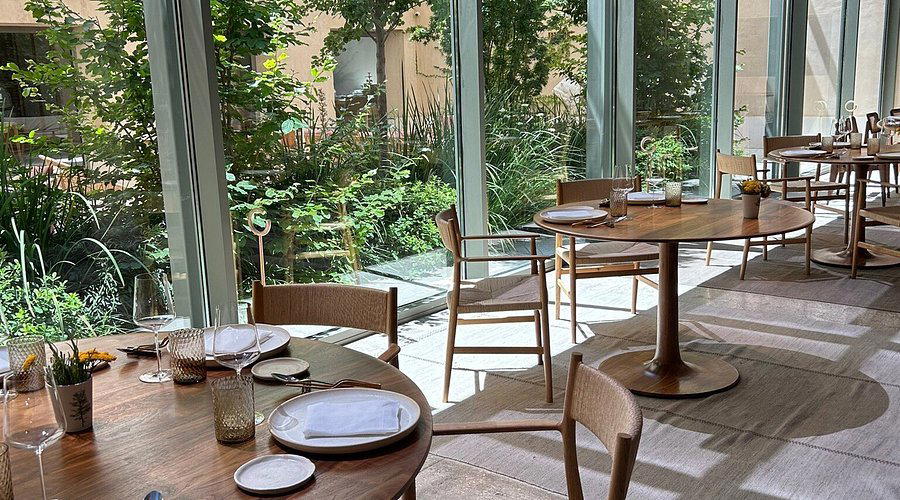
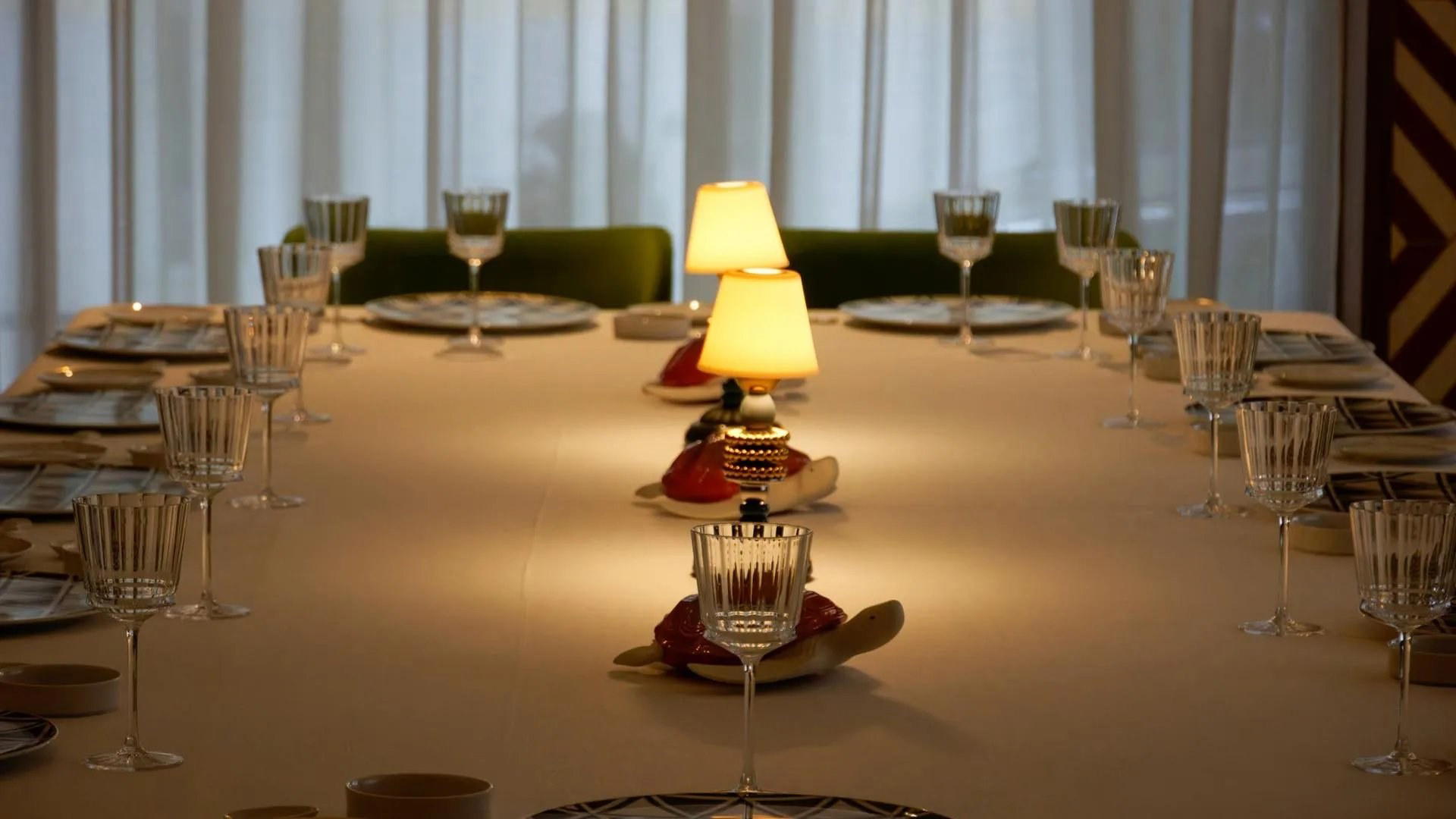
Bars in Madrid
Browse all →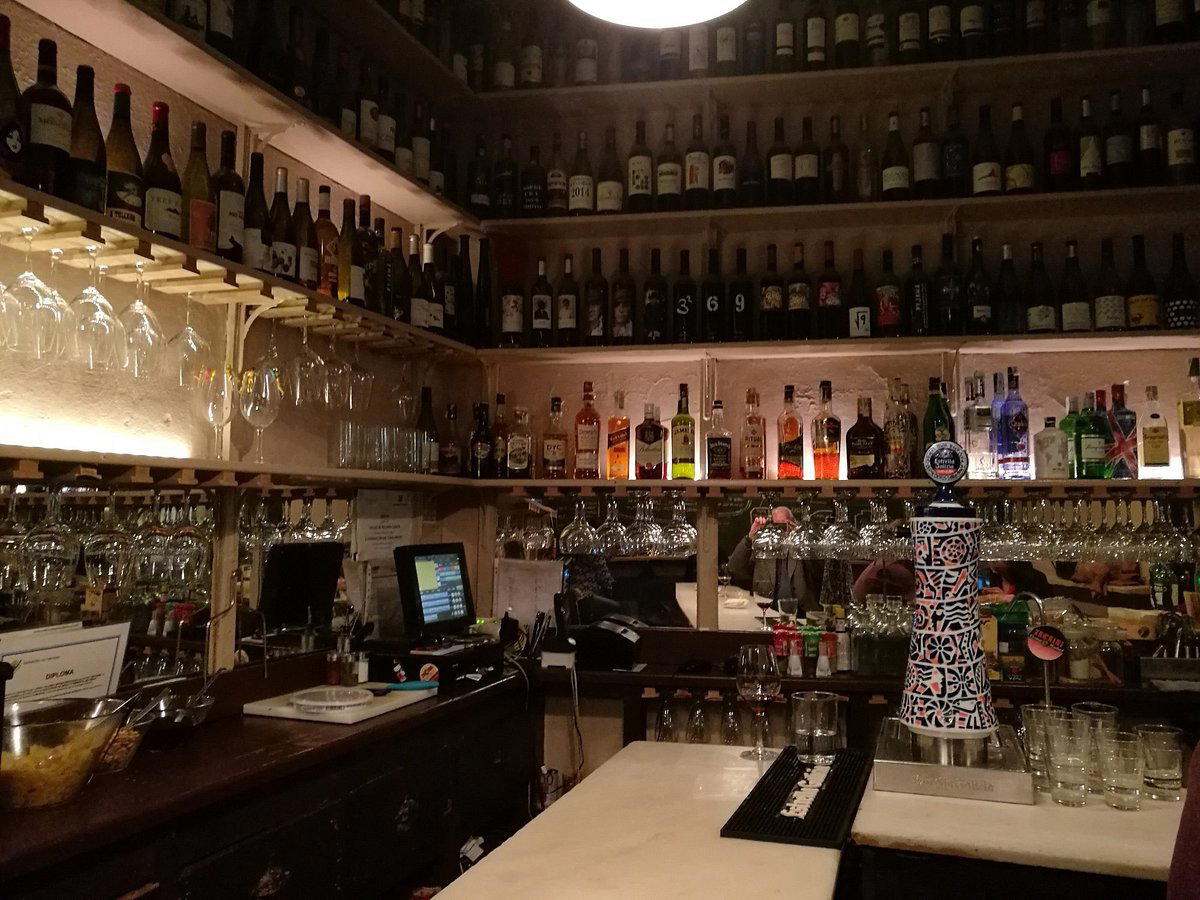
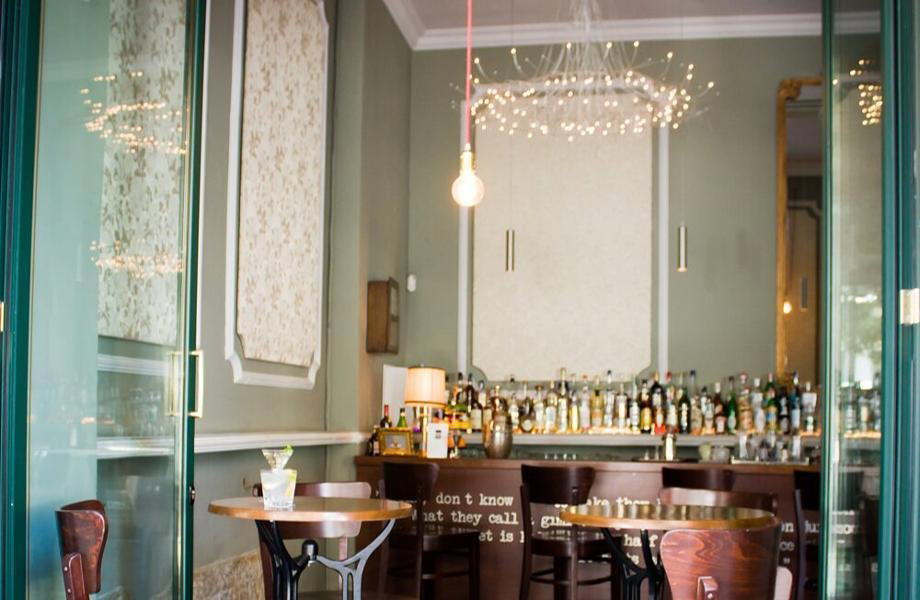
Hotels in Madrid
Browse all →


At a Glance
- Casual
- Rustic
- Casual Hangout
- Group Dining
- Standalone
Current opening hours
- Monday
- 7 AM–4 PM, 7–11 PM
- Tuesday
- 7 AM–4 PM, 7–11 PM
- Wednesday
- 7 AM–4 PM, 7–11 PM
- Thursday
- 7 AM–4 PM, 7–11 PM
- Friday
- 7 AM–4 PM, 7–11 PM
- Saturday
- 8 AM–4 PM, 7–11 PM
- Sunday
- Closed
Hours can change for holidays and private events. Last verified .
Casual dining atmosphere with traditional Spanish character.