On Calle del Príncipe in the heart of Madrid's Centro district, La Finca de Susana occupies a particular position in the city's mid-market dining conversation: accessible enough to draw regulars, consistent enough to keep them. Against a Madrid scene increasingly defined by tasting-menu formality and €€€€ price points, it operates at a register that rewards repeat visits over special occasions.
Pearl is the En Primeur Club membership app — saves, bookings, and concierge access live there. Same editors, same standards.
- Address
- C. del Príncipe, 10, Centro, 28012 Madrid, Spain
- Phone
- +34913693557
- Website
- andilana.com
- Directions
- Get directions
 Saves & bookings on Pearl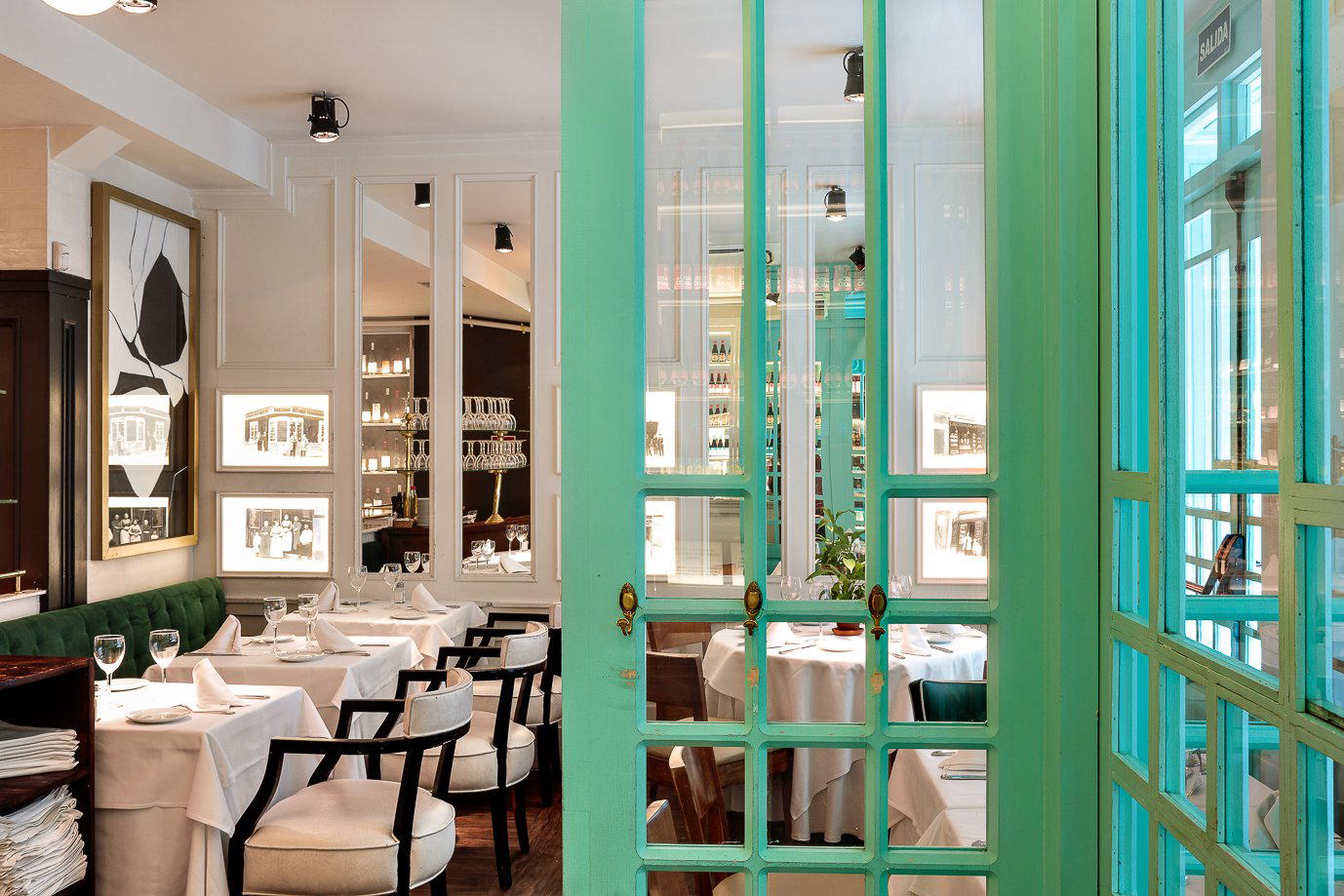
Centro's Dining Register: Where La Finca de Susana Fits
La Finca de Susana is a traditional Spanish Mediterranean restaurant in Centro, Madrid, at C. del Príncipe, 10. Madrid's central dining belt has developed an interesting tension over the past decade. At one end, the city's most ambitious kitchens, places like DiverXO and Coque, operate at price points and formats that require planning, occasion-setting, and a willingness to commit an entire evening. At the other end, the city's traditional tabernas and tapas bars function as daily infrastructure rather than destination dining. La Finca de Susana on Calle del Príncipe occupies the space between those poles: a sit-down restaurant in the Centro district that draws on the city's appetite for well-priced, repeatable meals without the formality of a tasting-menu room.
That positioning is worth understanding before anything else. Madrid's Centro, anchored by the Teatro Español and the literary cafés of the Barrio de las Letras, has long attracted a mix of locals, theatre-goers, and visitors who want something more considered than a tourist-track menu but less theatrical than the rooms around Deessa or DSTAgE. The address on Calle del Príncipe places the restaurant squarely in that neighbourhood current.
The Wine Question in a Mid-Market Madrid Room
Madrid's wine culture has shifted considerably. The city's leading creative kitchens now maintain cellars that compete with the great Spanish wine programs elsewhere in the country: Atrio in Cáceres, for instance, holds among the more significant wine collections in Iberia, while the Basque-rooted restaurants that define Spain's international reputation, from Arzak to Azurmendi, treat the cellar as inseparable from the kitchen's ambition. What this creates, as a byproduct, is a trickle-down awareness: Madrid diners at every price point now expect the wine offering to reflect some thought, not just a laminated list of the obvious suspects.
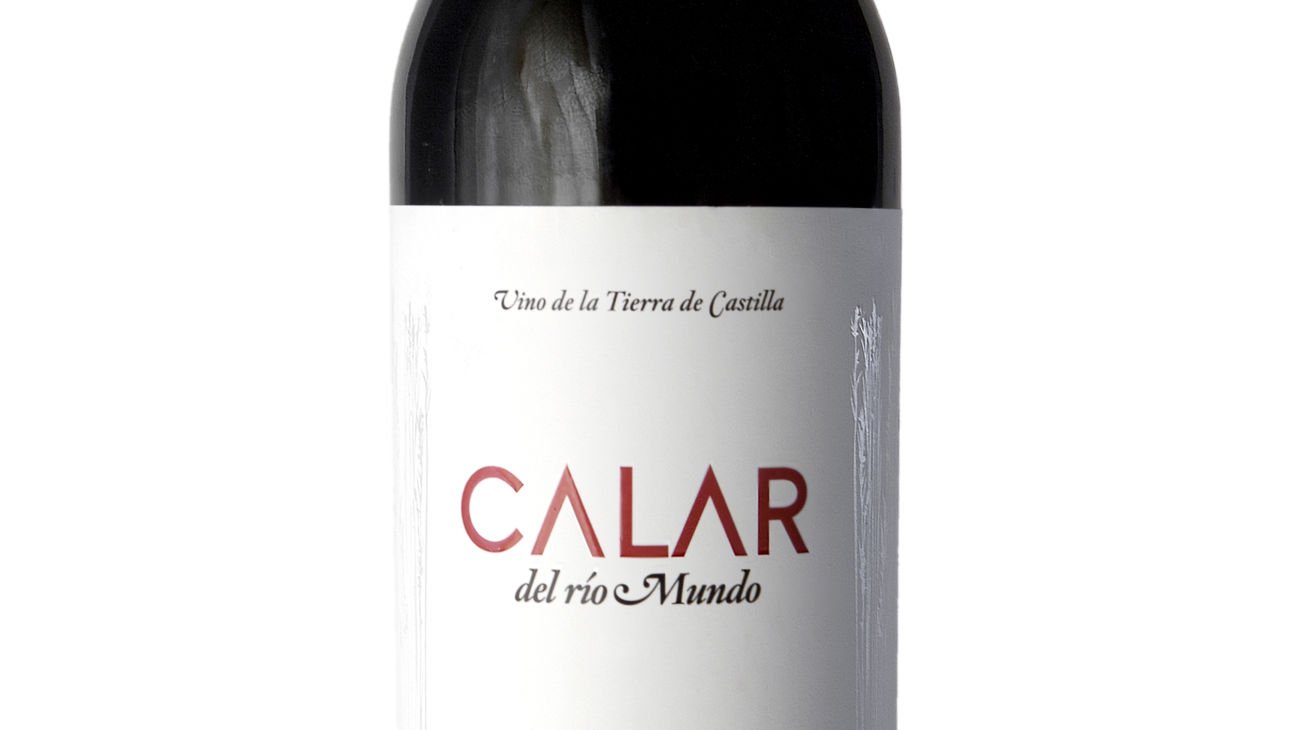
In a room operating at the restaurant's register, the wine list rarely achieves the depth of a dedicated sommelier program. That is not a criticism specific to this address; it reflects a structural reality of mid-market dining across European capitals. The cost of maintaining a serious cellar, rotating stock, and employing credentialed sommeliers is more easily absorbed into €€€€ tasting menus than into accessible, high-turnover dining rooms. What distinguishes the better mid-market wine programs in Madrid is curation discipline: a focused selection of Riojas, Riberas, and increasingly the more affordable appellations from Castilla y León, Cariñena, or Jerez, chosen to pair cleanly with the food rather than to showcase the buyer's range. The test is whether the list feels assembled with the menu in mind or populated by supplier convenience.
For context on what wine ambition looks like at the other end of Madrid's dining spectrum, Paco Roncero operates with the full infrastructure of a high-end creative kitchen, where the cellar is part of the experience rather than an afterthought. The contrast helps calibrate expectations for what the restaurant, at its price tier, is reasonably expected to offer.
The Neighbourhood Pull: Calle del Príncipe and the Barrio de las Letras
Calle del Príncipe sits at the heart of a neighbourhood that has historically defined Madrid's intellectual and theatrical life. The street runs toward the Teatro Español, one of the city's oldest active theatres, and the surrounding blocks of the Barrio de las Letras are named for the literary figures who once lived there: Cervantes, Lope de Vega, Quevedo. Today the neighbourhood's character is more mixed, with wine bars, independent restaurants, and late-night terrace culture coexisting with the cultural venues. Dining here tends to follow a social rather than gastronomic logic: the theatre crowd needs somewhere before or after a performance, and the neighbourhood regulars want reliability over novelty.
That social pull toward reliability and accessibility explains a great deal about how mid-market restaurants in this zone operate. The comparison is instructive when set against Madrid's newer destination-dining addresses, which tend to cluster further north or in hotel formats. The Barrio de las Letras remains one of the more genuinely mixed-use central neighbourhoods in Spain's capital, and restaurants here, including the restaurant, operate within that social ecosystem rather than against it.
Spain's Broader Restaurant Spectrum: Setting the Frame
To understand where any Madrid restaurant sits, it helps to map the full range of Spanish dining ambition. At the summit, Spain's three-Michelin-star rooms, including El Celler de Can Roca in Girona, Martin Berasategui in Lasarte-Oria, Mugaritz in Errenteria, and Aponiente in El Puerto de Santa María, define what Spanish haute cuisine looks like globally. Further down the price curve, restaurants like Quique Dacosta in Dénia, Ricard Camarena in València, and Cocina Hermanos Torres in Barcelona occupy a creative-serious middle register. Below that sits an enormous, underappreciated tier of neighbourhood restaurants that sustain the day-to-day dining life of Spanish cities. The restaurant belongs to that lower-but-essential tier in Madrid's Centro, and evaluating it fairly means measuring it against that comparable set, not against the starred rooms.
For international comparisons, the gap between a mid-market Madrid room and the format discipline of, say, Le Bernardin in New York City or the precision of Atomix is significant and expected. Those are different categories of restaurant serving different purposes. The relevant comparison for the restaurant is the reliable, well-priced, centrally located restaurant that a Madrid resident returns to, not the rooms that require a special-occasion rationale.
For a broader map of where the restaurant sits within Madrid's full dining spectrum, the EP Club Madrid restaurants guide covers the city across price tiers and neighbourhood zones.
Know Before You Go
- Address: C. del Príncipe, 10, Centro, 28012 Madrid, Spain
- Neighbourhood: Barrio de las Letras, Centro
- Price tier: Mid-market (accessible relative to Madrid's destination-dining tier)
- Nearest landmark: Teatro Español, Plaza de Santa Ana
- Reservations: Recommended for peak theatre-crowd hours, particularly Thursday through Saturday evenings
- Getting there: Closest metro stations are Antón Martín (Line 1) and Sevilla (Line 2), both within comfortable walking distance
The Short List
Comparable venues nearby, for context on price, style, and recognition.
| Venue | Cuisine | Price | Notes |
|---|---|---|---|
| La Finca de SusanaThis venue — the venue you are viewing | Sol, Traditional Spanish Mediterranean | $$ | Not listed |
| La Pulpería De Victoria | Sol, Galician Pulpería | $$ | Not listed |
| El Escaldon | La Latina, Traditional Canarian | $$ | Not listed |
| La Madreña | El Viso, Traditional Asturian | $$ | Not listed |
| La Lupa | Guindalera, Modern Spanish Tapas | $$ | Not listed |
| ZERAIN | Not listed | $$ | Barrio de las Letras, Traditional Basque Grill & Cider House |
Continue exploring
More in Madrid
Restaurants in Madrid
Browse all →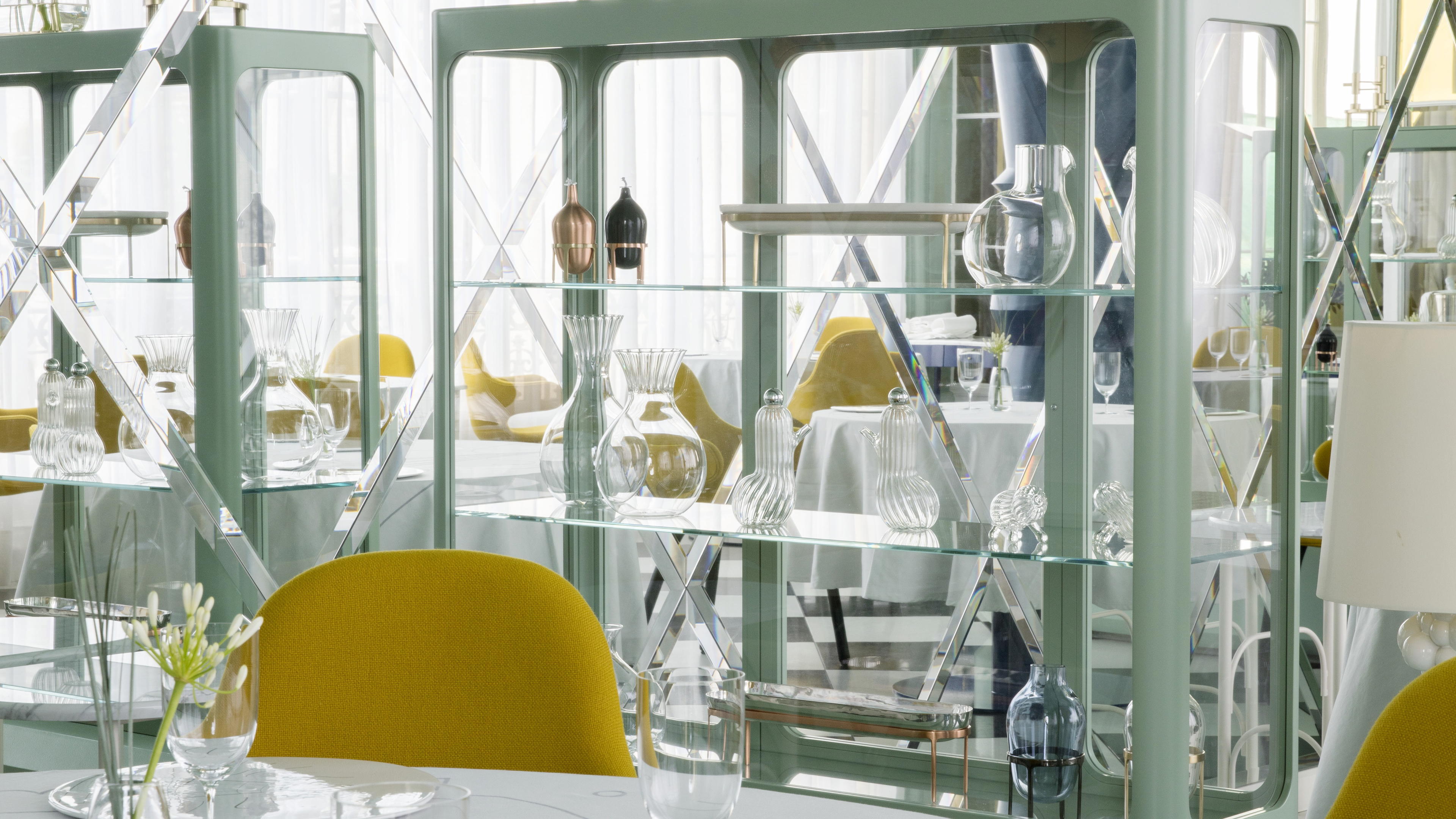
Bars in Madrid
Browse all →
Hotels in Madrid
Browse all →

At a Glance
- Elegant
- Classic
- Cozy
- Date Night
- Casual Hangout
- Standalone
Current opening hours
- Monday
- 9 AM–11 PM
- Tuesday
- 9 AM–11 PM
- Wednesday
- 9 AM–11 PM
- Thursday
- 9 AM–11 PM
- Friday
- 9 AM–11:30 PM
- Saturday
- 1–11:30 PM
- Sunday
- 1–11 PM
Hours can change for holidays and private events. Last verified .
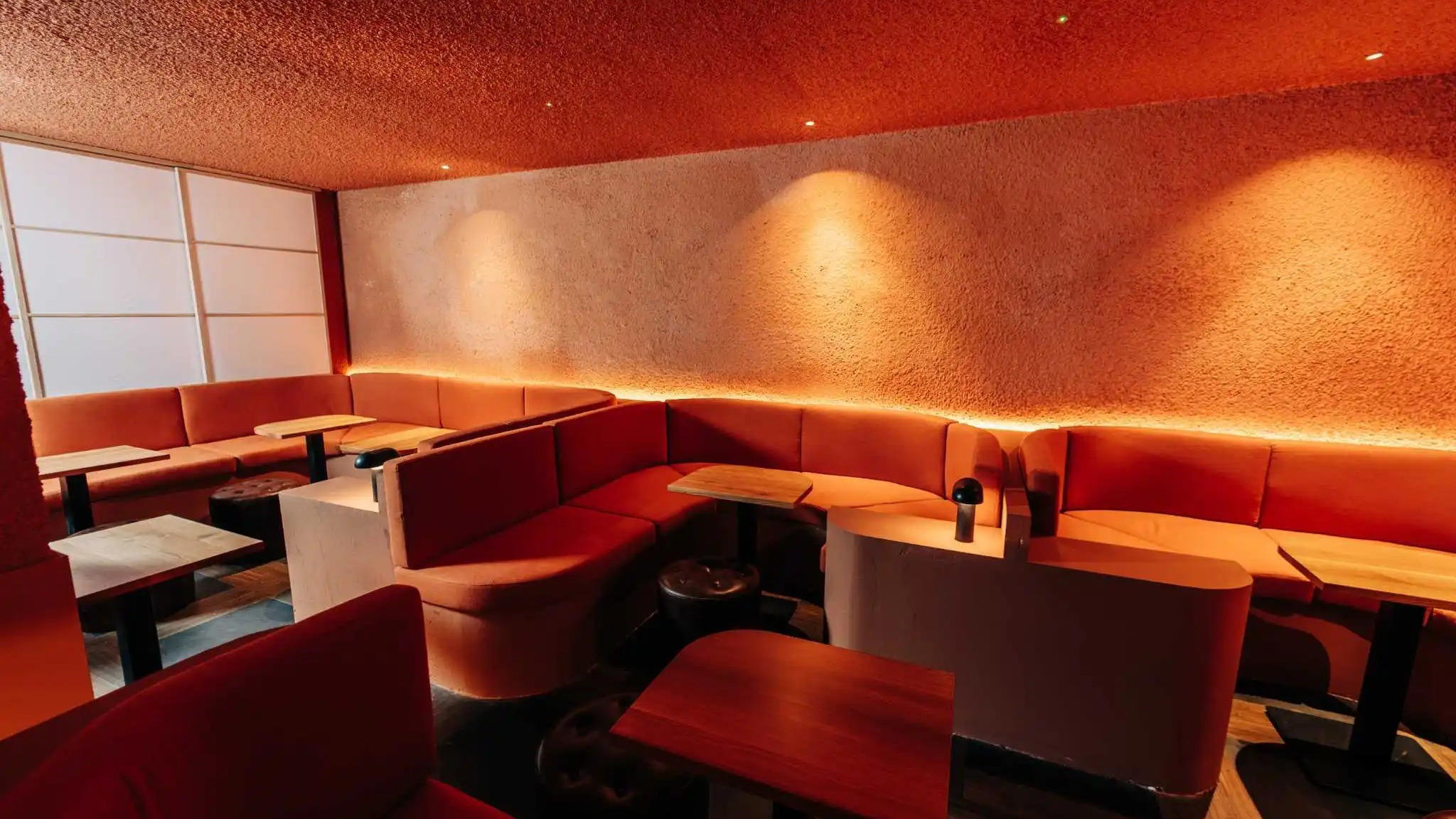
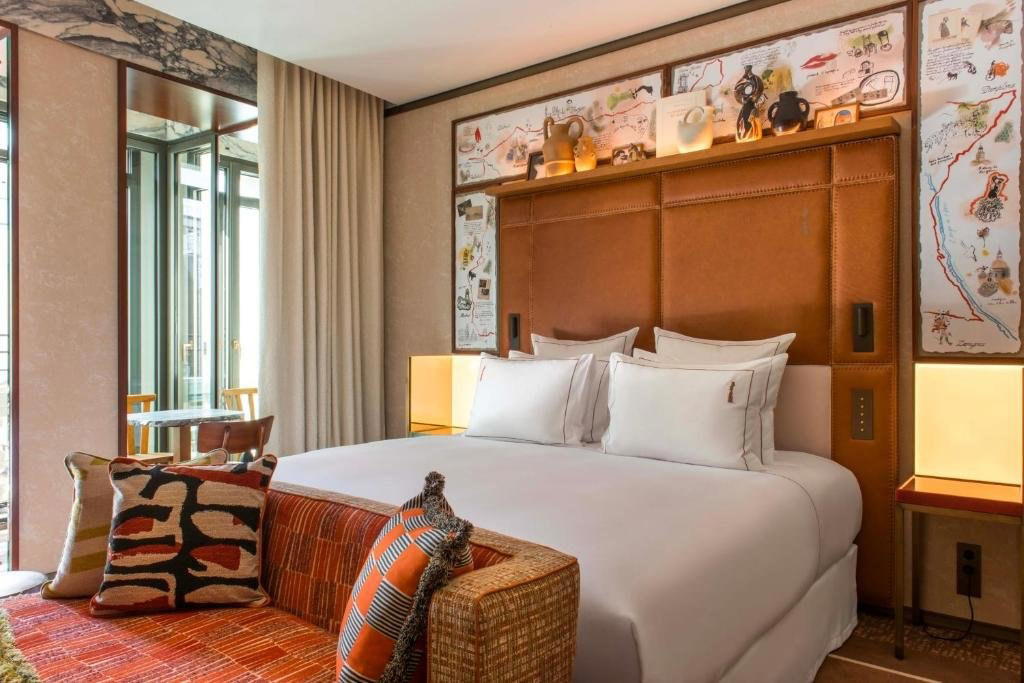
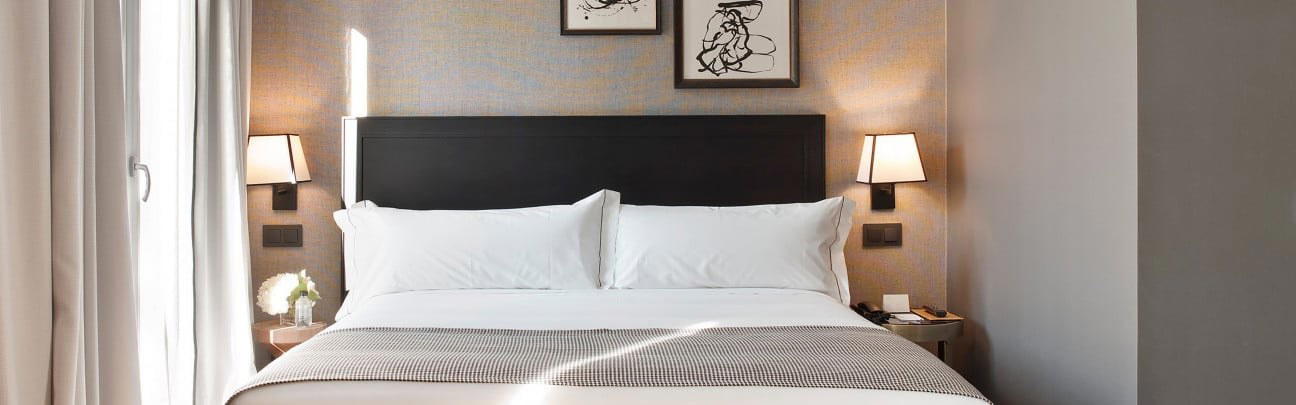
Mediterranean light atmosphere with modern, functional, and elegant decoration in intimate basement rooms featuring dim lighting.