De Compagnon
De Compagnon occupies a narrow alley address in Amsterdam's medieval centre, placing it inside the city's older, more architecturally intimate dining tier. The address alone signals a particular kind of meal: considered, unhurried, and oriented toward tradition rather than spectacle. For visitors working through Amsterdam's serious restaurant options, it belongs on the shortlist alongside the city's other destination-calibre tables.
Pearl is the En Primeur Club membership app — saves, bookings, and concierge access live there. Same editors, same standards.
- Address
- Guldehandsteeg 17, 1012 RA Amsterdam, Netherlands
- Phone
- +31206204225
- Website
- decompagnon.nl
- Directions
- Get directions
 Saves & bookings on Pearl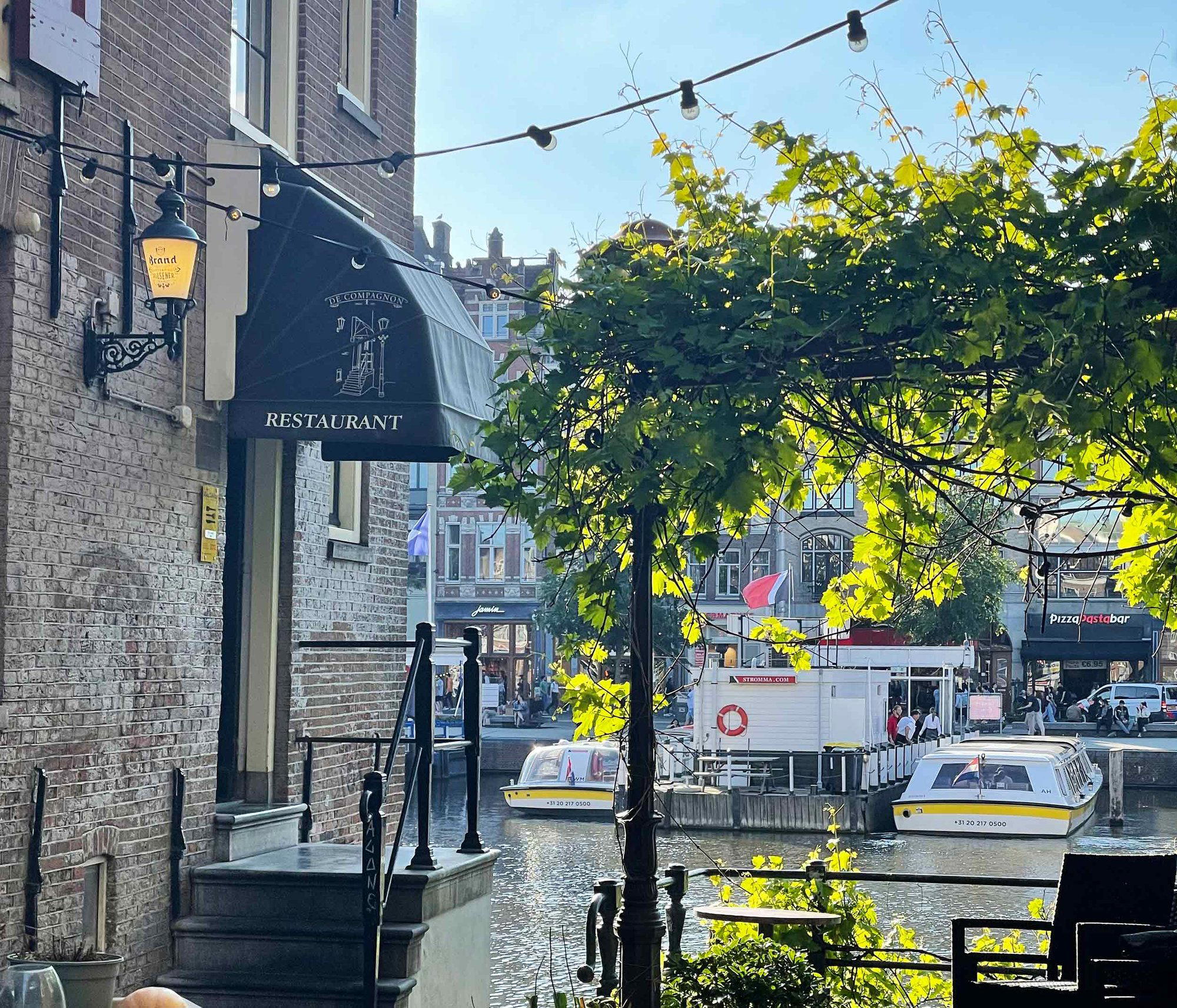
A Lane, a Door, and the Ritual of the Dutch Dinner
Guldehandsteeg is the kind of Amsterdam street that most visitors walk past without registering. A narrow alley off the old centre grid, it offers none of the canal-front theatrics that define the city's postcard version of itself. What it offers instead is compression and quiet: the sense that you are following a specific instruction rather than stumbling into somewhere. That physical approach matters more than it might seem. In Amsterdam's higher dining tier, the journey to the table has become part of the format. You arrive because you made a deliberate choice. De Compagnon, at number 17, sits inside that logic.
The Dutch dining ritual at this level operates on a different tempo than its European neighbours. Where Paris rushes and Tokyo focuses on technical ceremony, Amsterdam's better tables tend toward a kind of deliberate unhurriedness: courses paced to conversation, wine poured without pressure, and a general assumption that the evening has been set aside rather than squeezed in. That pacing is not accidental. It reflects a deeper cultural preference for the meal as social occasion rather than performance.
Where De Compagnon Sits in Amsterdam's Restaurant Hierarchy
Amsterdam's serious dining scene has expanded considerably over the past decade. At the leading end, tables like Ciel Bleu and Spectrum operate in the creative and contemporary register. A tier below sits a category of restaurants that do not lead with stars or tasting-menu architecture but instead hold their position through consistency, neighbourhood loyalty, and a cooking style that prioritises the plate over the concept. De Compagnon occupies territory in this second tier, at an address that places it geographically at the heart of the old city rather than in the western or southern neighbourhoods where much of Amsterdam's newer dining energy has settled.
Comparison venues in the same price bracket, such as Bistro de la Mer in the classic cuisine mode, illustrate how Amsterdam handles the middle-to-upper register: a commitment to quality product, restrained room design, and service that reads as professional without being formal. The restaurant fits recognisably within this pattern. It is not making the same argument as Flore or Vinkeles, which operate in the fully creative or heritage-space tier. The address and format suggest something closer to a serious neighbourhood restaurant that happens to sit inside one of Europe's most visited city centres.
The Dutch Fine Dining Context: Provincialism as Strength
Serious Dutch dining often happens outside Amsterdam. The Netherlands has produced Michelin-starred restaurants at a density that surprises visitors who assume the capital concentrates all the talent. De Librije in Zwolle and Inter Scaldes in Kruiningen hold three stars each, anchoring the country's highest tier in secondary cities. Elsewhere, De Nieuwe Winkel in Nijmegen, De Lindenhof in Giethoorn, Tribeca in Heeze, De Groene Lantaarn in Staphorst, Brut172 in Reijmerstok, De Lindehof in Nuenen, De Bokkedoorns in Overveen, and De Treeswijkhoeve in Waalre represent how the country's culinary ambition has spread geographically rather than centralising in the capital.
This dispersal has a consequence for Amsterdam restaurants: they compete with the city's own tourist-driven market while also serving a local clientele that knows it can access serious cooking an hour outside the city. Restaurants that hold repeat local customers in Amsterdam tend to do so through reliability and a specific sense of place, not through novelty or destination-dining spectacle. The alley address of the restaurant, a physical fact that filters out casual foot traffic, is consistent with that model.
The Ritual of the Meal: How Pacing Defines the Experience
At the level where the restaurant operates, the customs of the Dutch restaurant meal are worth understanding before you arrive. Reservations are the entry point, not an optional courtesy. Tables are not rushed between seatings. The expectation on both sides is that a dinner will extend over two to three hours. Wine service at this tier tends to be guided rather than upsold: a sommelier or knowledgeable server will steer rather than pressure.
That format has parallels in other dining cultures. The chef-driven tasting experience at Lazy Bear in San Francisco uses communal pacing as an explicit design choice. The seafood-forward progression at Le Bernardin in New York operates through a sequence logic where the order of courses carries as much meaning as the dishes themselves. At the restaurant, the ritual operates at a quieter register, but the underlying principle holds: the structure of the meal communicates as much as the food on the plate.
Visitors who approach the evening with that understanding tend to get more from it. The Guldehandsteeg address is part of the signal that the restaurant is sending about the kind of experience it intends to provide.
Ciel Bleu, Flore, Vinkeles, Bistro de la Mer
Recognition, Side-by-Side
Comparable venues nearby, for context on price, style, and recognition.
| Venue | Cuisine | Price | Notes |
|---|---|---|---|
| De CompagnonThis venue — the venue you are viewing | Classic French/Burgundian | $$$ | Not listed |
| Restaurant De Belhamel | Traditional French with Italian and Dutch influences | $$$ | Haarlemerbuurt |
| Kien | Modern French-European | $$$ | Filips van Almondekwartier |
| Copain | Modern French Seasonal Bistro | $$$ | Terrasdorp |
| Lion Noir | Stylish French Bistro | $$$ | Gouden Bocht |
| Van De Kaart | French Regional Bistro | $$$ | Spiegelbuurt |
Continue exploring
More in Amsterdam
Restaurants in Amsterdam
Browse all →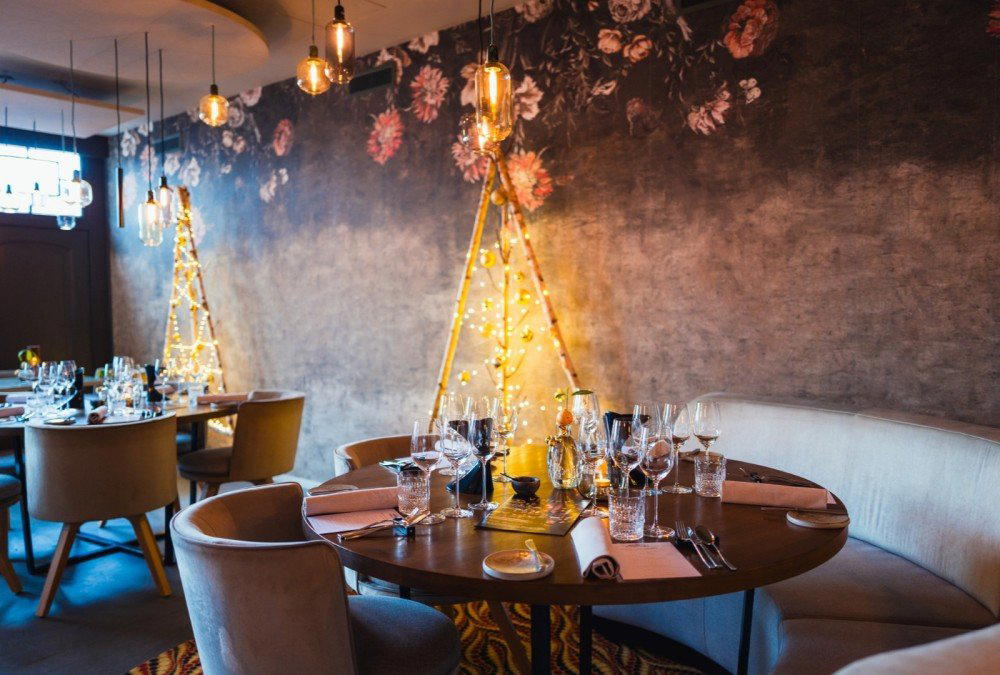
Bars in Amsterdam
Browse all →
Hotels in Amsterdam
Browse all →
Wineries in Amsterdam
Browse all →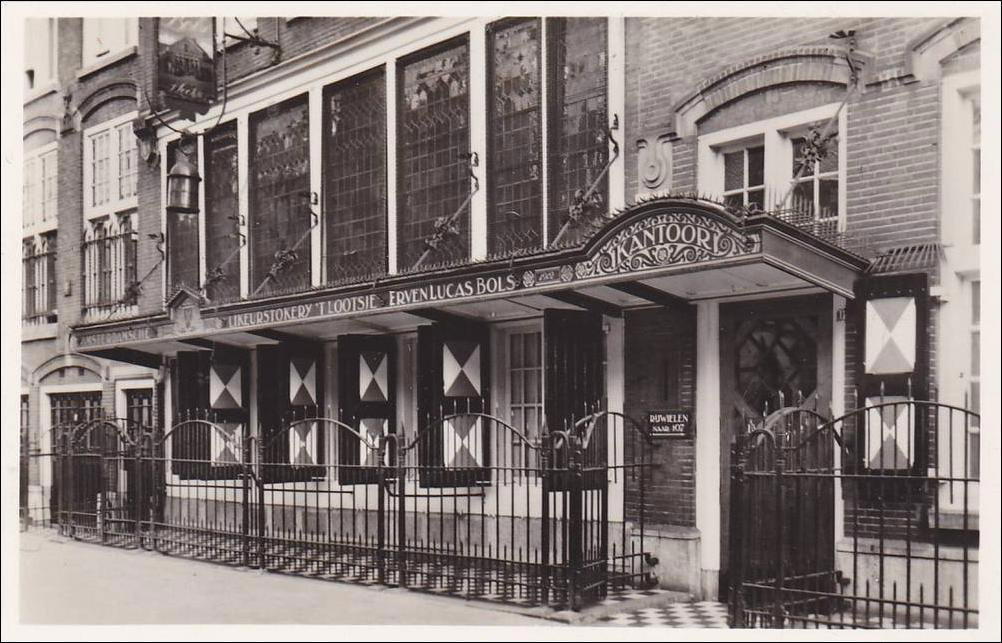
At a Glance
- Romantic
- Cozy
- Elegant
- Intimate
- Classic
- Date Night
- Special Occasion
- Business Dinner
- Waterfront
- Private Dining
- Historic Building
- Extensive Wine List
- Organic
- Waterfront
Current opening hours
- Monday
- Closed
- Tuesday
- 12–1:30 PM, 6–9:30 PM
- Wednesday
- 12–1:30 PM, 6–9:30 PM
- Thursday
- 12–1:30 PM, 6–9:30 PM
- Friday
- 12–1:30 PM, 6–9:30 PM
- Saturday
- 12–1:30 PM, 6–9:30 PM
- Sunday
- Closed
Hours can change for holidays and private events. Last verified .
Romantic atmosphere with candlelight, antique mirrors, and tiny tables on multiple mezzanine levels.