Restaurant De Belhamel
On the Brouwersgracht, one of Amsterdam's most cinematically preserved canals, Restaurant De Belhamel occupies a corner address where art nouveau interiors meet a kitchen rooted in European bistro tradition. The room earns its own reputation, a high-ceilinged, candlelit setting that frames the canal outside like a painting. For visitors mapping Amsterdam's mid-to-upper dining tier, it belongs on the shortlist alongside the city's more decorated addresses.
Pearl is the En Primeur Club membership app — saves, bookings, and concierge access live there. Same editors, same standards.
- Address
- Brouwersgracht 60, 1013 GX Amsterdam, Netherlands
- Phone
- +31 20 622 1095
- Website
- belhamel.nl
- Directions
- Get directions
 Saves & bookings on Pearl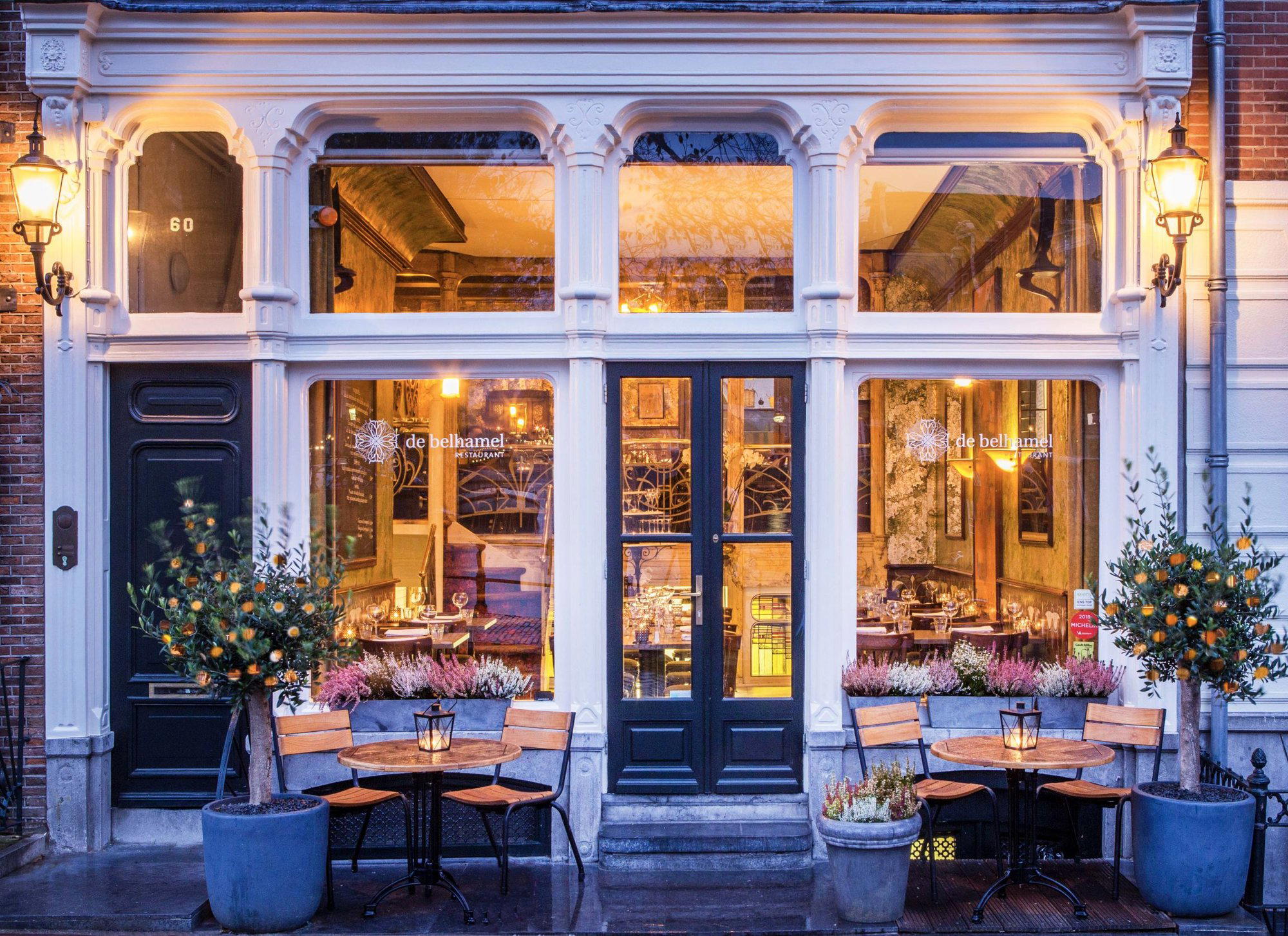
A Canal Address That Sets Its Own Standard
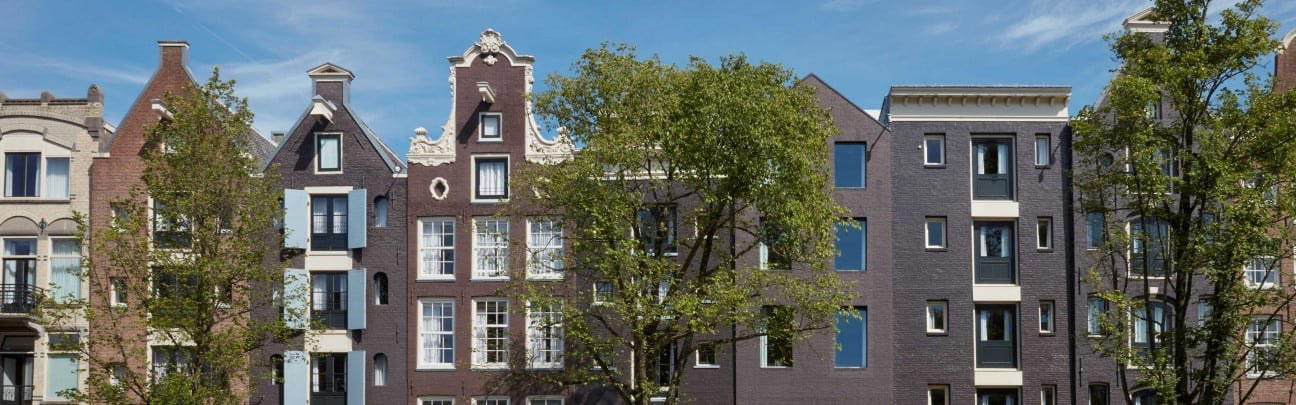
Amsterdam's canal belt carries a particular kind of atmospheric pressure. The Brouwersgracht, which runs along the northern edge of the Jordaan and connects the main grachtengordel canals, is widely regarded among residents as the city's most handsome waterway: narrower than the Herengracht, less trafficked than the Prinsengracht, lined with former warehouses whose brickwork has settled into a deep, almost burgundy tone over centuries. At the corner of Brouwersgracht 60, Restaurant De Belhamel, a restaurant in Amsterdam serving traditional French with Italian and Dutch influences, has made that address its primary credential. Before a dish arrives, the room is already doing substantial work.
The interior reflects a period when Amsterdam's merchant class commissioned buildings with genuine decorative ambition. Art nouveau detailing, high ceilings, and large windows facing the canal create a setting that most restaurants in cities with newer building stock cannot replicate through design budget alone. In a city where waterfront dining frequently means tourist-facing terraces with compromised kitchens, De Belhamel occupies a different position: a proper dining room that happens to face one of Europe's most photographed canals.
Where De Belhamel Sits in Amsterdam's Dining Order
At the ceiling are the Michelin-decorated addresses, a tier that includes Ciel Bleu, Flore, Spectrum, and Vinkeles, each operating on tasting menu formats at €€€€ pricing with the full apparatus of sommelier programs and brigade kitchens. Below that, the mid-tier has filled in considerably, with addresses like Bistro de la Mer occupying the classic bistro register at €€€. De Belhamel sits in that middle band: a serious restaurant without the institutional weight of starred dining, but with a canal-side setting and a long-running reputation that gives it durable relevance.
It reflects a European dining tradition, the neighbourhood restaurant with genuine cooking ambitions and a room worth sitting in for two hours, that the Michelin tier has largely moved away from. Visitors who want tasting-menu formality and wine pairings built around a single chef's vision have abundant options in Amsterdam. Those looking for a convivial room, French-inflected European cooking, and a canal view that rewards lingering occupy a slightly different brief, and De Belhamel addresses that brief directly.
The Room as a Collaborative Object
The editorial angle on De Belhamel is the integration of room, service, and cooking into a coherent experience. Amsterdam's dining scene, like most Northern European cities, has moved toward a model in which front-of-house and kitchen operate as equal partners in the guest experience rather than the kitchen existing as the primary point of differentiation. The result, at its leading, is an environment where the host's knowledge of the wine list, the pacing of service, and the relationship between the room's character and what arrives on the plate all function in alignment.
At De Belhamel, the physical setting creates a particular obligation. A room this architecturally charged requires a service style that matches it, unhurried, knowledgeable, attuned to the rhythm of guests who have come to sit with the view as much as to eat. The Dutch dining culture from which De Belhamel operates has historically prized directness over theatrics in service, which tends to produce interactions that feel more substantive than performative. That register suits the room.
For visitors mapping European fine-casual dining more broadly, De Belhamel occupies a category that has strong representation in France and Belgium but is less common in the Netherlands, where the market tends to polarise between casual brown-café eating and fully formal restaurant dining. The canal-belt bistro with European cooking and a serious wine list is a less populated category here than in Paris or Brussels, which partly explains De Belhamel's sustained recognition over time.
Dutch Fine Dining: The National Context
The Netherlands has produced a number of serious kitchens outside Amsterdam that provide useful reference points. De Librije in Zwolle and Inter Scaldes in Kruiningen represent the formal end of Dutch fine dining, with multiple Michelin stars and destination-dining profiles. Elsewhere, De Nieuwe Winkel in Nijmegen has built a reputation around plant-forward cooking, while addresses like De Lindenhof in Giethoorn, Tribeca in Heeze, De Groene Lantaarn in Staphorst, Brut172 in Reijmerstok, De Lindehof in Nuenen, De Bokkedoorns in Overveen, and De Treeswijkhoeve in Waalre represent a broader geography of serious provincial Dutch cooking. De Belhamel connects to this tradition obliquely: it is not a Dutch-produce-forward kitchen in the contemporary sense, but it operates within a country that has raised its culinary expectations substantially over the past two decades.
For international visitors who arrive in Amsterdam with reference points drawn from cities like New York or San Francisco, where service-driven, room-led dining has its own extended tradition at places like Le Bernardin or the collaborative-format kitchens typified by Lazy Bear, De Belhamel occupies a recognisable category: the serious restaurant where the full experience is the point, not simply the plate.
Planning a Visit
The Brouwersgracht address is walkable from the central canal district and from the Jordaan neighbourhood. The restaurant's location on a corner plot means canal views from multiple angles within the room, and table position matters: arriving with a specific preference is worth communicating when booking. Reservations are essential.
In Context: Similar Options
Comparable venues nearby, for context on price, style, and recognition.
| Venue | Cuisine | Price | Notes |
|---|---|---|---|
| Restaurant De BelhamelThis venue — the venue you are viewing | Traditional French with Italian and Dutch influences | $$$ | Not listed |
| Van De Kaart | French Regional Bistro | $$$ | Spiegelbuurt |
| Cafe Maurits | French Bistro with Seasonal Influences | $$$ | Aalsmeerwegbuurt Oost |
| Amstel Restaurant | French Brasserie with Mediterranean Influences | $$$ | Sarphatistrook |
| Copain | Modern French Seasonal Bistro | $$$ | Terrasdorp |
| Café Pigalle | French-Mediterranean Brasserie | $$ | Amsterdam Zuidoost |
Continue exploring
More in Amsterdam
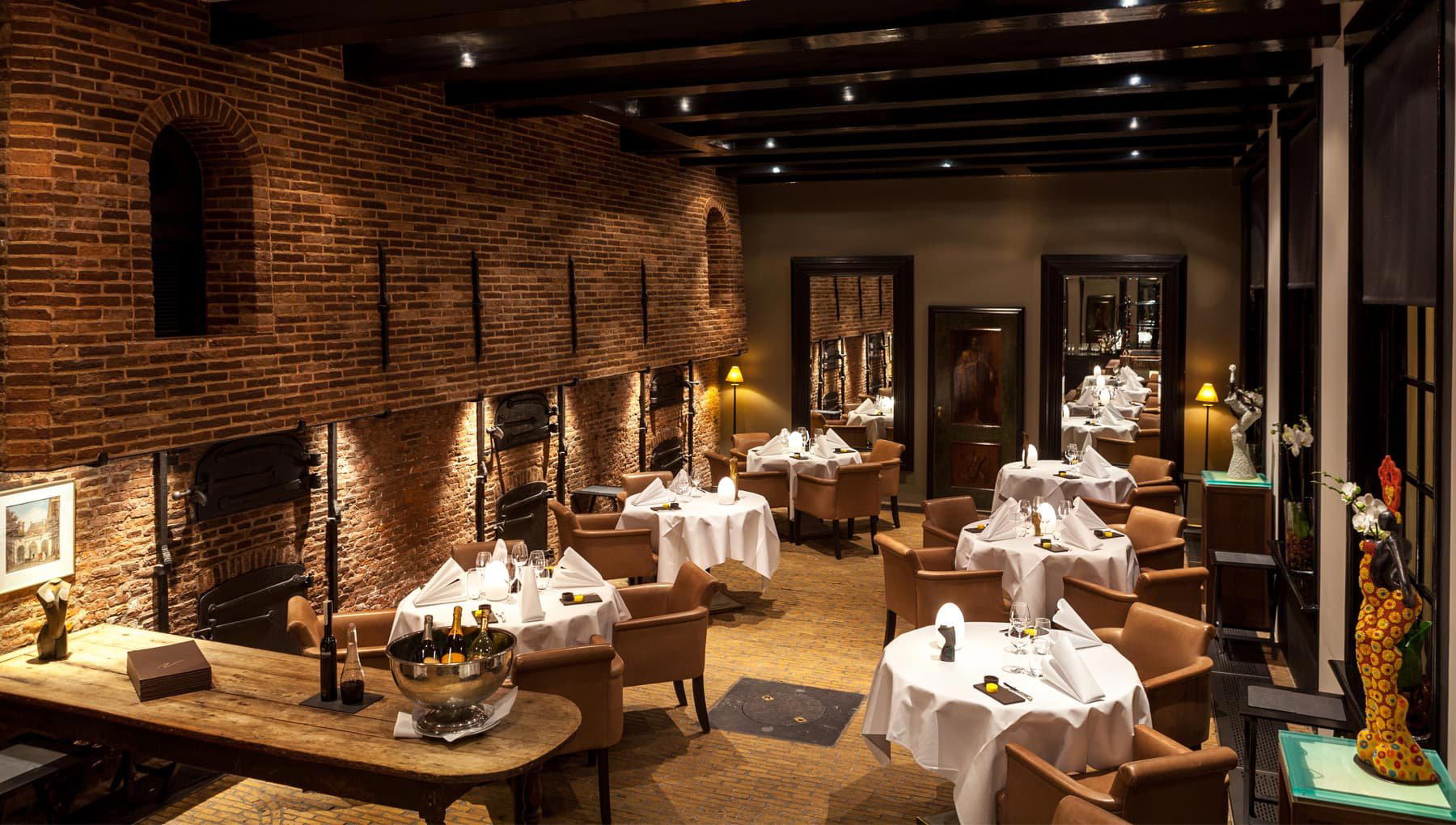
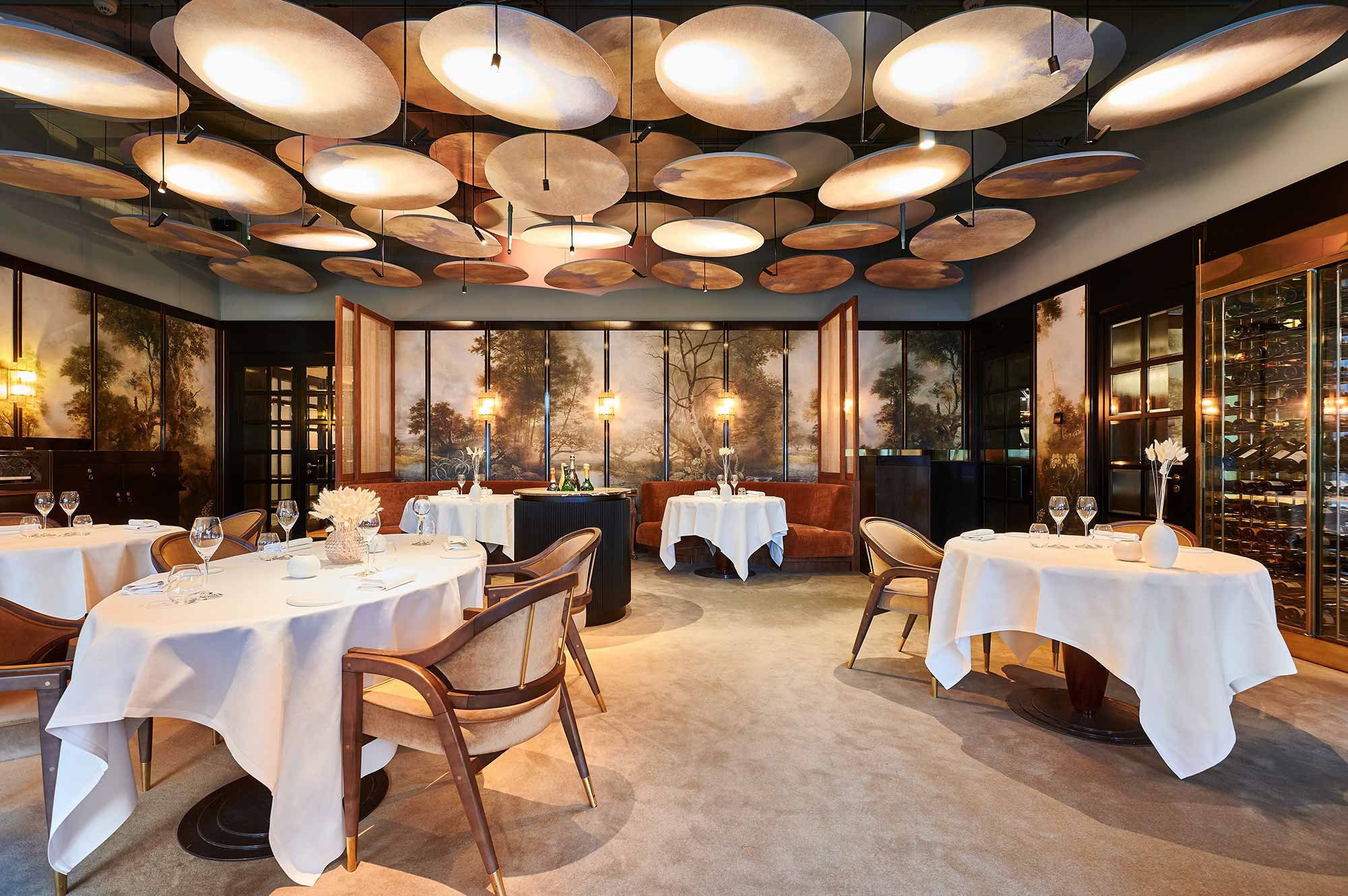
Restaurants in Amsterdam
Browse all →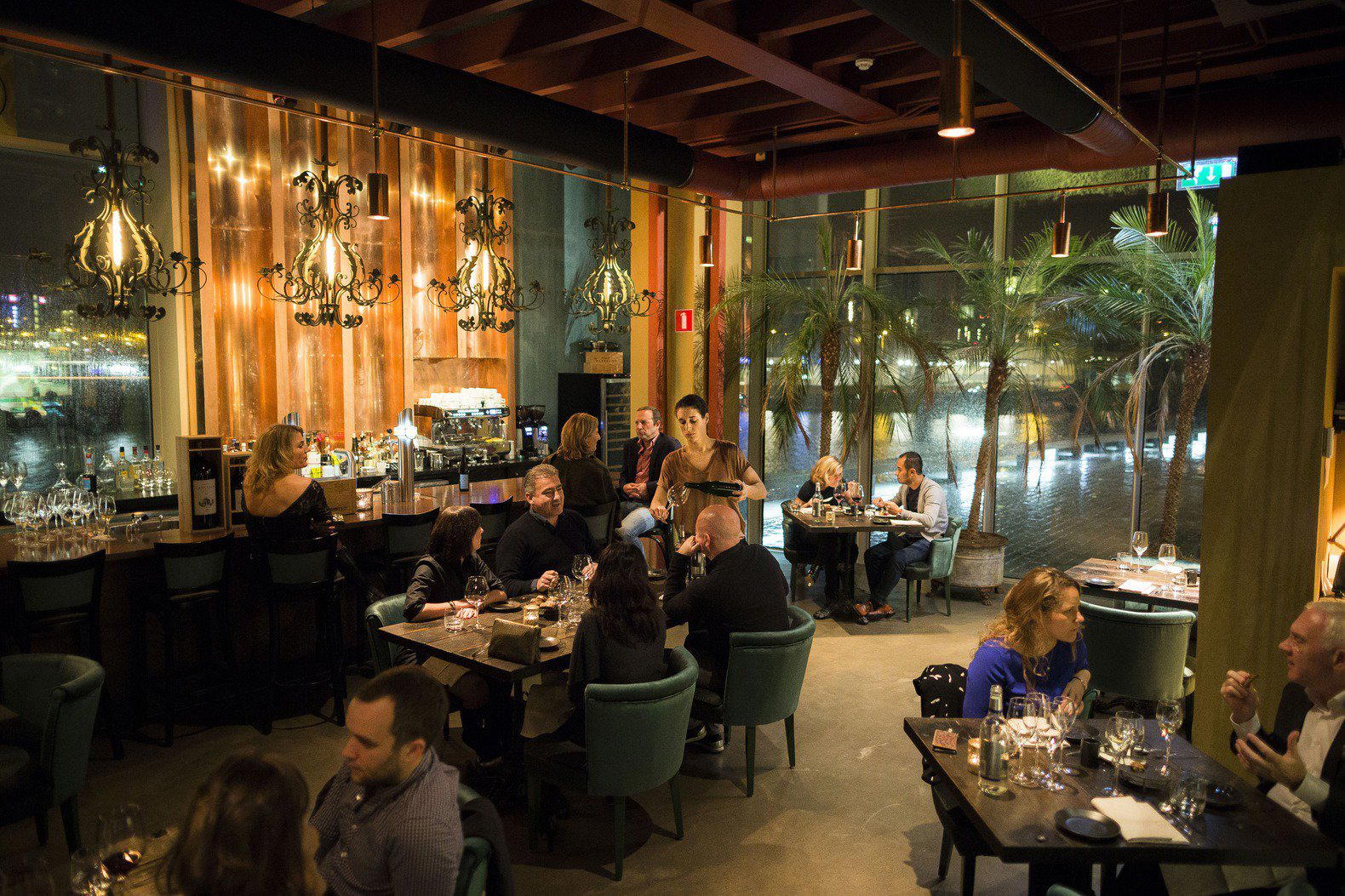
Bars in Amsterdam
Browse all →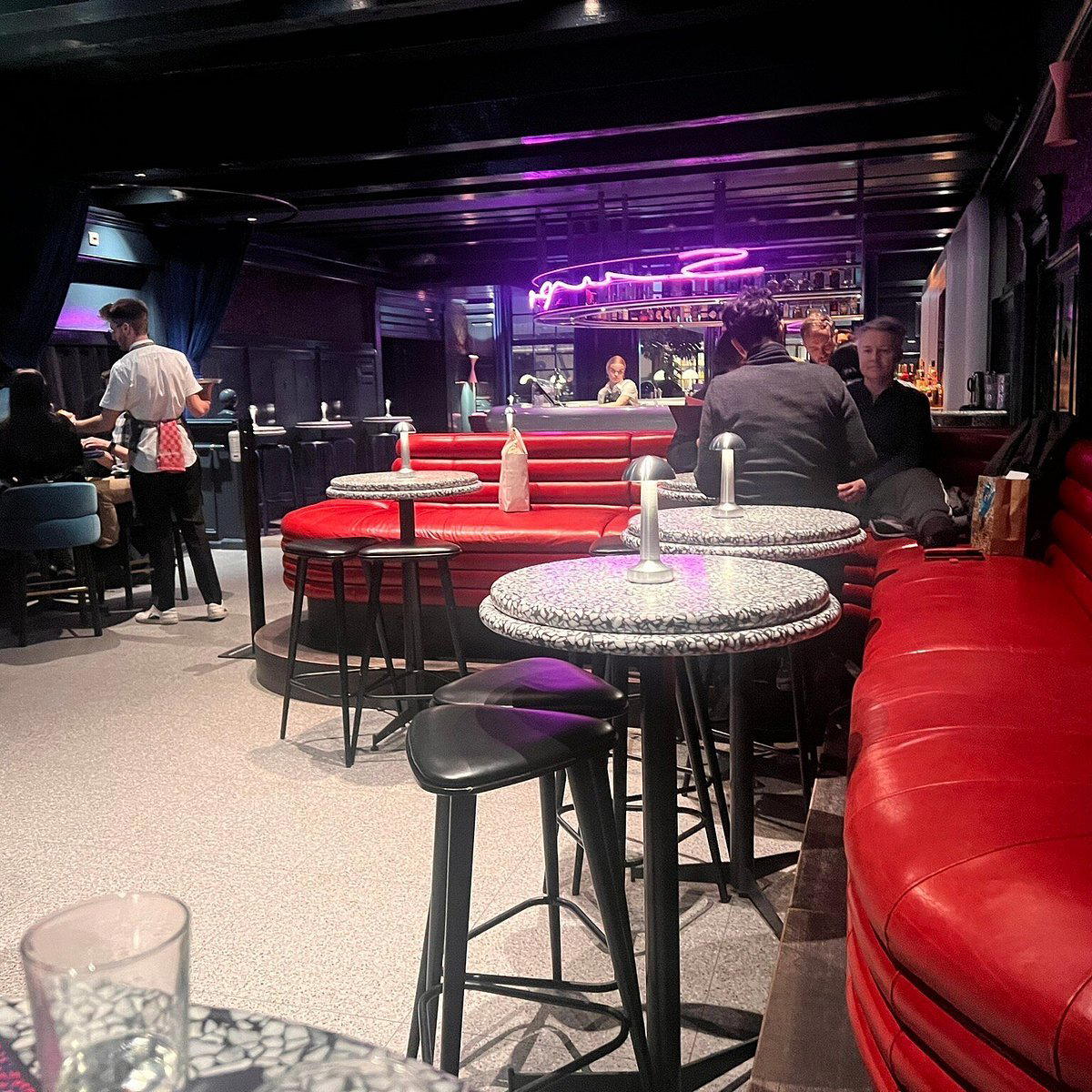
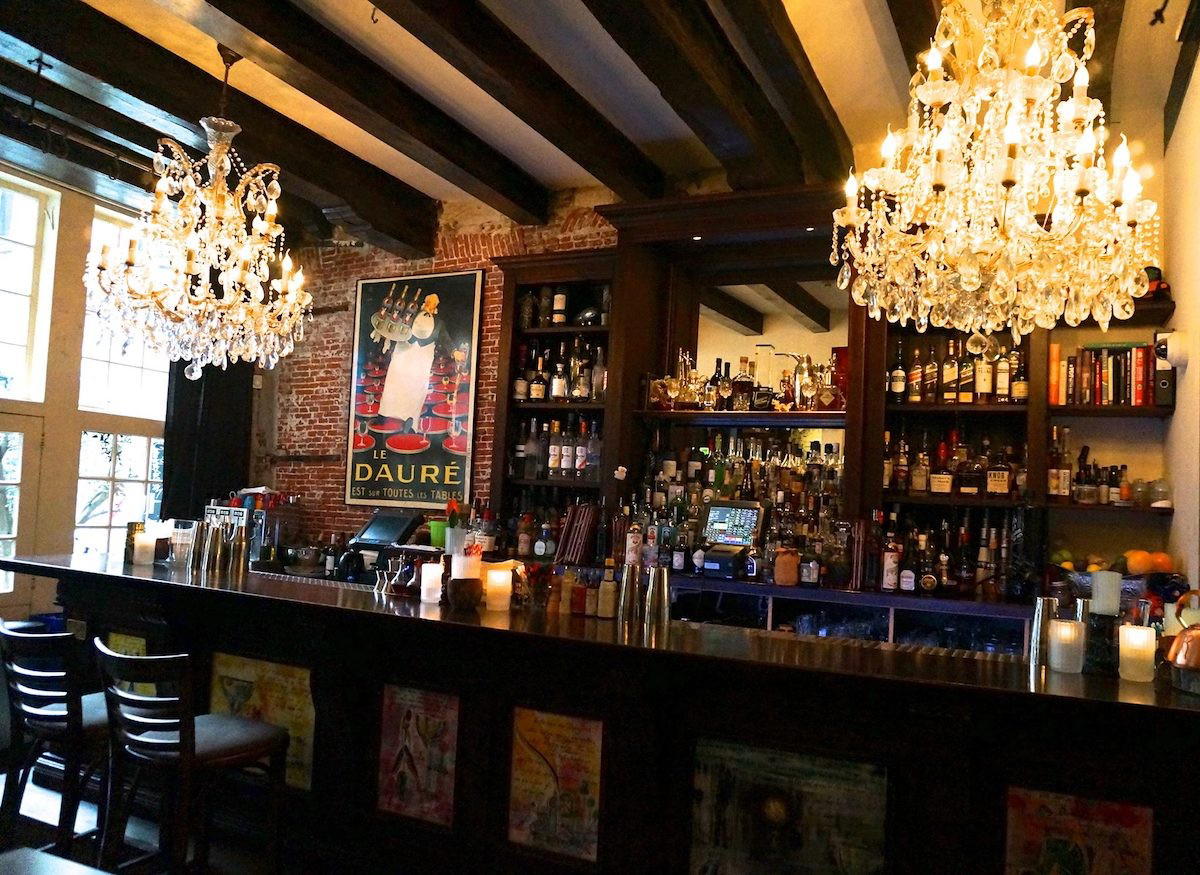
Hotels in Amsterdam
Browse all →
Wineries in Amsterdam
Browse all →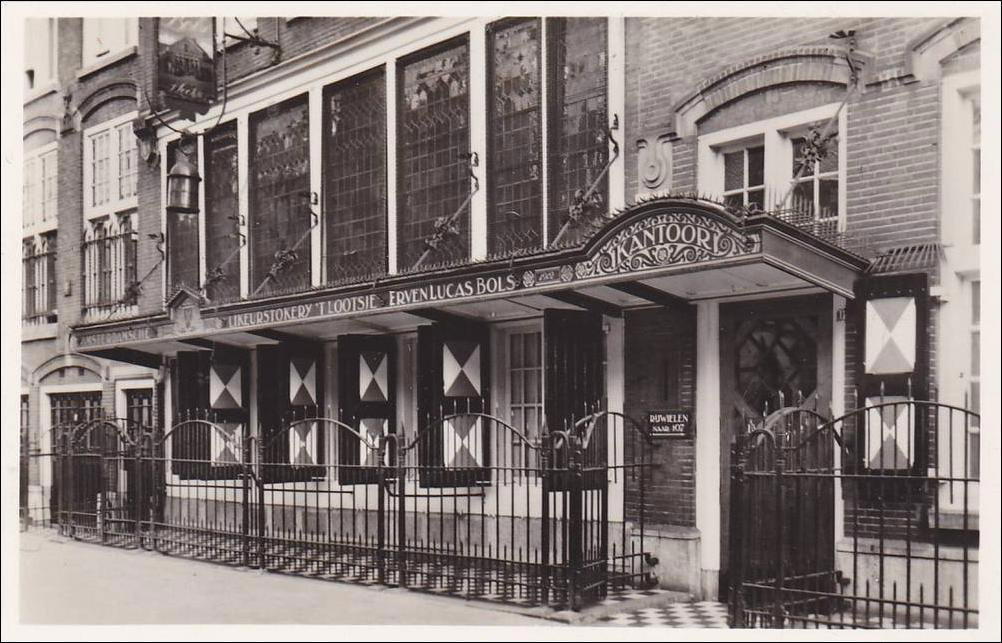
At a Glance
- Romantic
- Cozy
- Elegant
- Classic
- Intimate
- Scenic
- Date Night
- Special Occasion
- Waterfront
- Terrace
- Historic Building
- Extensive Wine List
- Organic
- Waterfront
- Street Scene
Current opening hours
- Monday
- 9:30 AM–10 PM
- Tuesday
- 9:30 AM–10 PM
- Wednesday
- 9:30 AM–10 PM
- Thursday
- 9:30 AM–10 PM
- Friday
- 9:30 AM–10 PM
- Saturday
- 9:30 AM–10 PM
- Sunday
- 9:30 AM–10 PM
Hours can change for holidays and private events. Last verified .
Rich, cozy Art Nouveau decor evoking fin-de-siècle Paris with romantic canal views from split-level seating.