Van De Kaart
On the Prinsengracht canal in Amsterdam's ring district, Van De Kaart sits within a dining scene where wine curation has become as consequential as the kitchen. The address places it among a cluster of canal-side restaurants where cellar depth and sommelier fluency define the experience as much as the plate. Visitors planning around seasonal Dutch produce and thoughtful wine pairings will find the setting a natural point of reference.
Pearl is the En Primeur Club membership app — saves, bookings, and concierge access live there. Same editors, same standards.
- Address
- Prinsengracht 512, 1017 KH Amsterdam, Netherlands
- Phone
- +31206259232
- Website
- vandekaart.com
- Directions
- Get directions
 Saves & bookings on Pearl
Canal-Side Dining and the Wine Question in Amsterdam
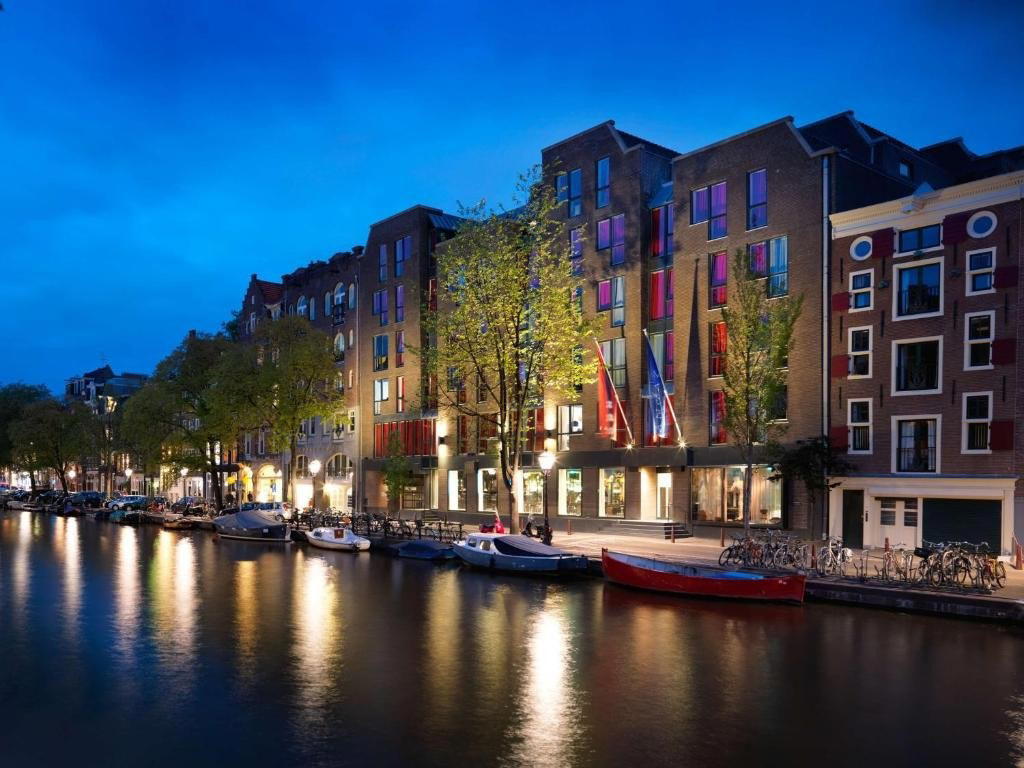
Prinsengracht is one of Amsterdam's oldest canal streets, a stretch of seventeenth-century townhouses whose ground floors have, over the decades, cycled through galleries, boutiques, and restaurants of varying ambition. At number 512, Van De Kaart occupies a position that carries the particular spatial grammar of the canal ring: narrow frontage, tall windows that push afternoon light deep into the interior, and the faint sound of water and bicycle bells as a constant backdrop. Prinsengracht at this stretch runs closer to the Spiegelkwartier and Utrechtsestraat, a zone where Amsterdam's more settled dining culture operates, regulars rather than passers-by, bookings rather than walk-ins.
The broader Amsterdam fine-dining scene has split over the past decade into two distinct orientations. On one side are the large, formally structured rooms with tasting menus built around creative or Modern Dutch frameworks, places like Ciel Bleu at the summit of the Hotel Okura, Flore, Spectrum, and Vinkeles, all operating in the €€€€ tier with Michelin recognition and cellar programs designed to match multi-course sequences. On the other side are the more intimate canal-side addresses where the format is less prescribed and the wine list often carries more editorial character than the Michelin-tracked properties allow themselves.
What the Wine List Signals About the Room
In Amsterdam's mid-to-upper tier, the wine program has become one of the more reliable indicators of a restaurant's actual ambitions. A list that runs to a few dozen references, selected purely to match a prix-fixe menu, tells one story. A list with genuine cellar depth, older vintages, grower Champagnes, regional European producers outside the standard axis of Burgundy and Bordeaux, tells another. The distinction matters because it signals whether the kitchen and front-of-house share a common intellectual project or simply coexist in the same building.
Van De Kaart sits on Prinsengracht 512 in a part of the city where this second type of wine culture has found its most natural expression. Canal-side restaurants at this price point have historically attracted a clientele that arrives with specific requests rather than deferred choices, and that expectation shapes how serious an operator needs to be about the cellar. The sommelier role in rooms like this one is less about upselling and more about conversation, steering guests through producers and regions they may not have encountered, or defending an unexpected pairing against the safer default.
This approach connects Van De Kaart to a wider Dutch fine-dining sensibility. Outside Amsterdam, comparable wine seriousness appears at addresses like De Librije in Zwolle and 't Nonnetje in Harderwijk, both of which have built Michelin-recognized programs where the cellar functions as a genuine peer to the kitchen rather than a support function. In the Amsterdam orbit, Aan de Poel in Amstelveen occupies a similar register. Further afield, Brut172 in Reijmerstok, De Bokkedoorns in Overveen, and De Groene Lantaarn in Staphorst each demonstrate the Dutch tendency to treat the wine program as a first-order concern rather than an afterthought.
The Seasonal Dimension
Amsterdam dining takes on a different character depending on the time of year, and this matters for how a canal-side address like this one reads on any given visit. Spring and early summer bring legible Dutch produce into the kitchen: white asparagus from Limburg, the first North Sea catches, and the early herbs that give Dutch plates their characteristic freshness in that window. Autumn shifts the register toward richer root vegetables, game, and the kind of full-bodied European reds that benefit from the cooler evenings along the Prinsengracht. These seasonal shifts affect not just what appears on the plate but how the sommelier approaches the pairing conversation, lighter, more aromatic whites in April and May; oxidative or structured reds when the light drops in October.
For the Dutch fine-dining circuit more broadly, summer is the high-pressure period, when Amsterdam absorbs international visitors and canal-side bookings become competitive. The quieter months, November through February, often represent the period when restaurants in this tier are most focused on their regular clientele and when the wine program receives greater attention. Guests willing to visit outside the peak summer window frequently find the room more relaxed and the service more attentive.
Where Van De Kaart Sits in Its comparable set
Among Amsterdam's mid-to-upper dining addresses, the restaurant operates in a tier below particularly formally structured Michelin properties but above the straightforwardly casual brasserie. The closest tonal comparisons within the city are places like Bistro de la Mer at the €€€ level, where the format is less ceremonial and the emphasis falls on product and pairing rather than architectural tasting-menu construction. Internationally, the spirit of this category recalls what restaurants like Le Bernardin in New York or Atomix demonstrate at their respective levels: that a room's seriousness about wine and produce can coexist with formats that feel less rigid than the classic grand-tasting format.
Across the Netherlands, the concentration of serious wine-forward kitchens outside the major cities is notable. De Lindehof in Nuenen, De Lindenhof in Giethoorn, De Nieuwe Winkel in Nijmegen, and De Treeswijkhoeve in Waalre each represent the Dutch pattern of embedding serious dining into smaller cities and rural settings. Amsterdam, by contrast, concentrates these ambitions along the canal ring, where the density of potential guests supports a different economic model. The restaurant at Prinsengracht 512 is a product of that urban concentration.
Planning Your Visit
Prinsengracht 512 is accessible by tram from Leidseplein and Rembrandtplein, the two central squares that anchor the southern canal ring, with a short walk along the canal from either stop. The address is not directly adjacent to the major museum or hotel clusters, which means the surrounding streets are quieter at dinner than those nearer the Rijksmuseum or Dam Square. For guests arriving from outside Amsterdam, the address is well-placed relative to the city's central hotel district. Booking ahead is advisable for this part of the Prinsengracht, particularly in the summer months and at weekends, when canal-side restaurants across the ring fill quickly. Booking ahead is advisable for this part of the Prinsengracht, particularly in the summer months and at weekends, when canal-side restaurants across the ring fill quickly.
Comparable Options
Comparable venues nearby, for context on price, style, and recognition.
| Venue | Cuisine | Price | Notes |
|---|---|---|---|
| Van De KaartThis venue — the venue you are viewing | French Regional Bistro | $$$ | Not listed |
| Le Hollandais | Classic French Bistro | $$$ | Hemonybuurt |
| Jaspers | Modern French-Dutch Fine Dining | $$$ | Hercules Seghersbuurt |
| Restaurant De Belhamel | Traditional French with Italian and Dutch influences | $$$ | Haarlemerbuurt |
| L'Entrecôte et les Dames | Traditional French Bistro | $$$ | Museumplein |
| Kien | Modern French-European | $$$ | Filips van Almondekwartier |
Continue exploring
More in Amsterdam
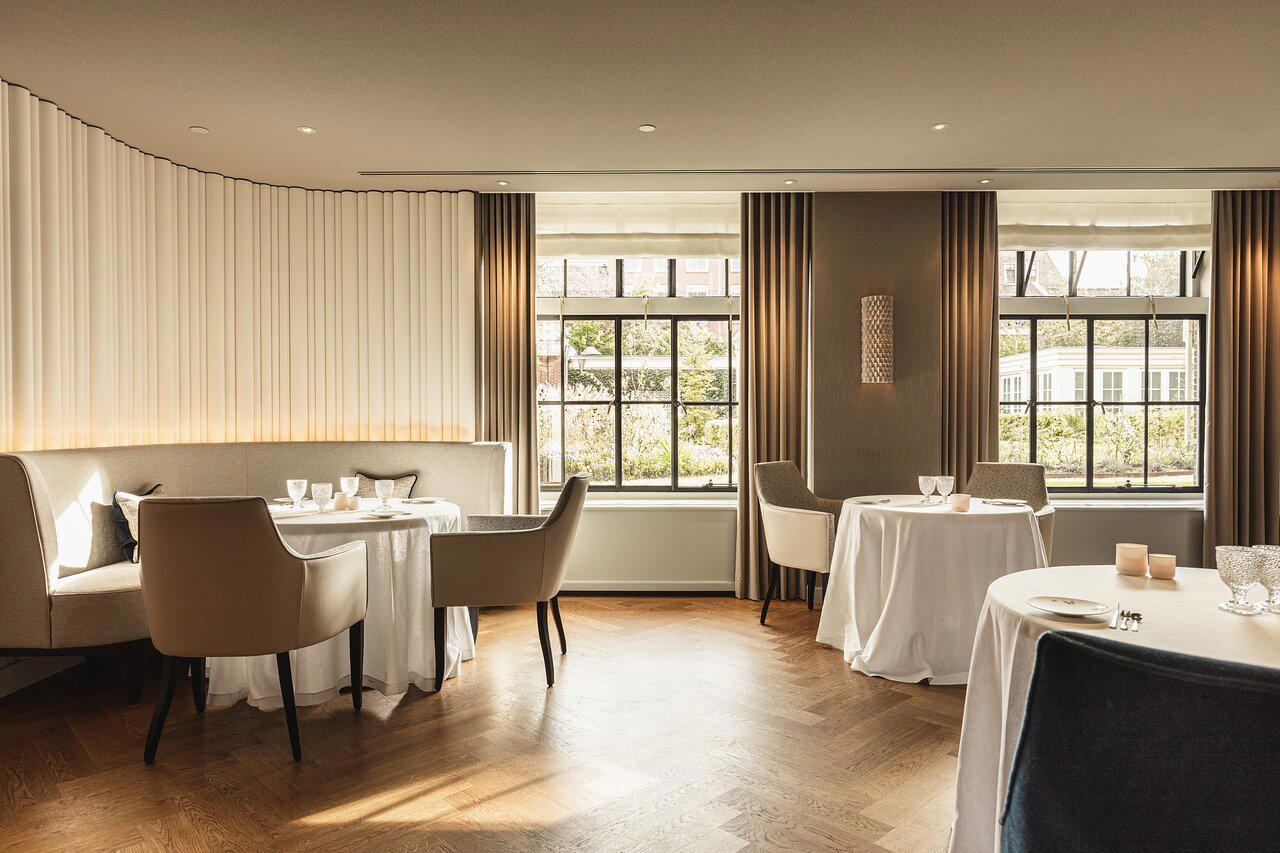
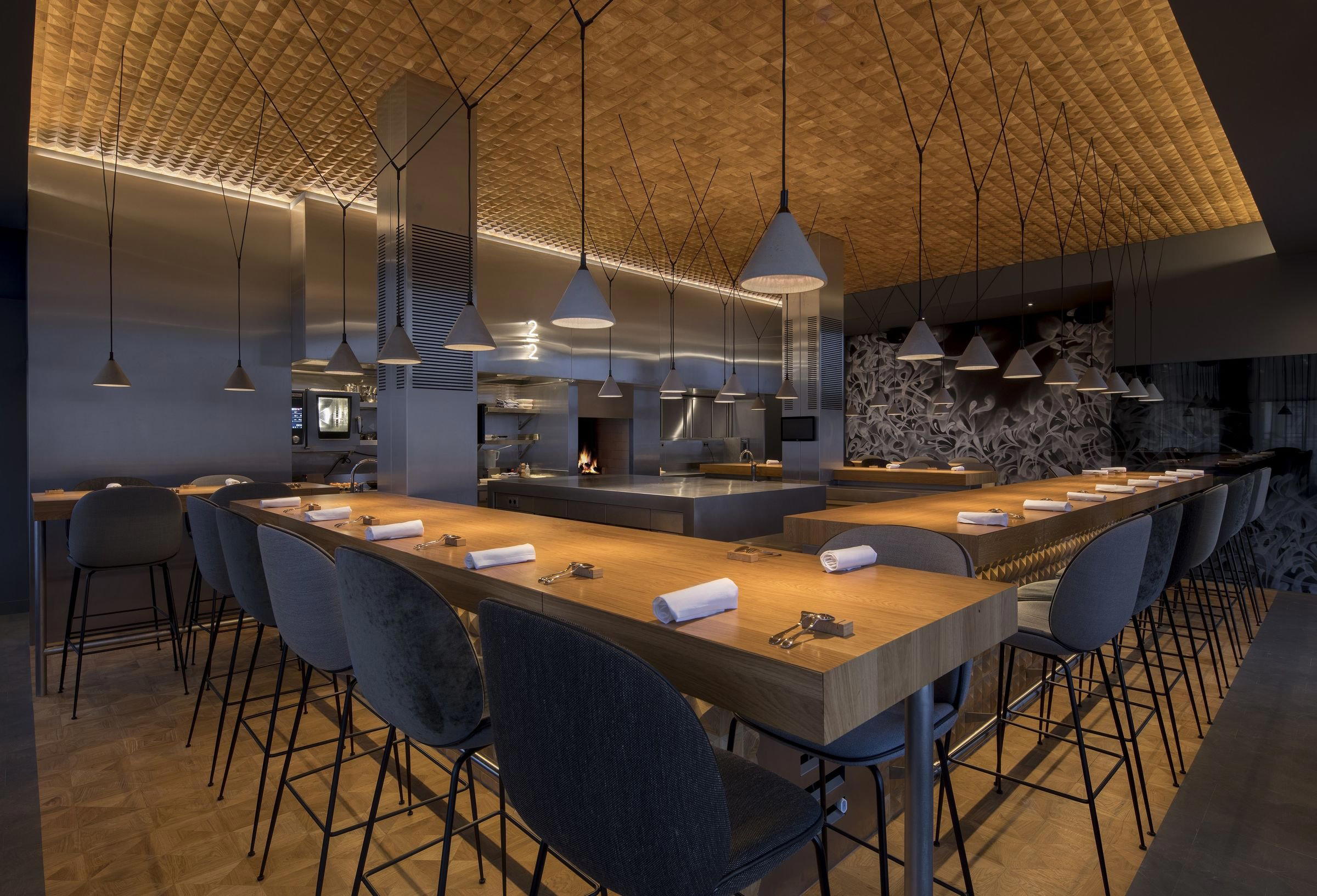
Restaurants in Amsterdam
Browse all →
Bars in Amsterdam
Browse all →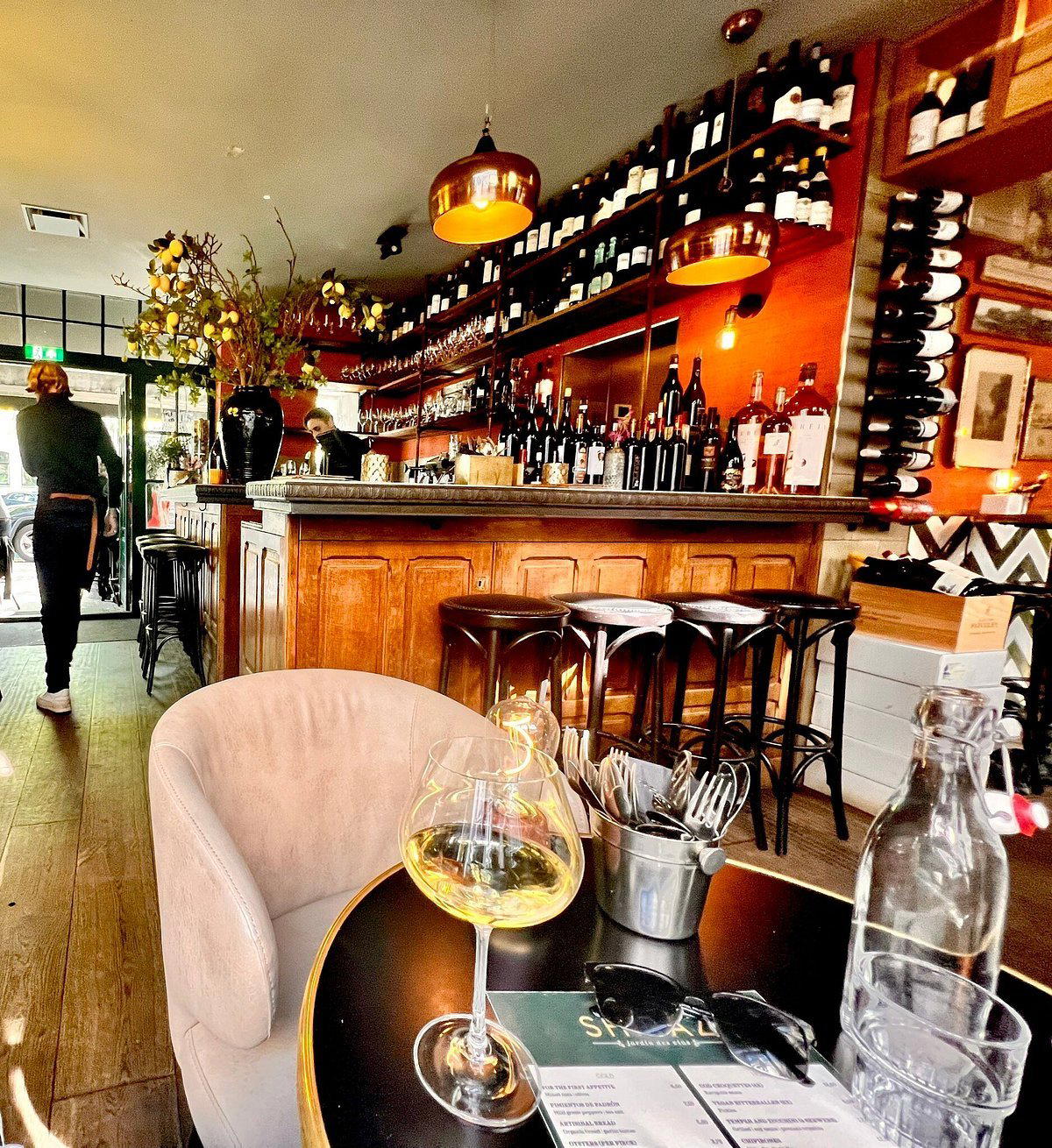
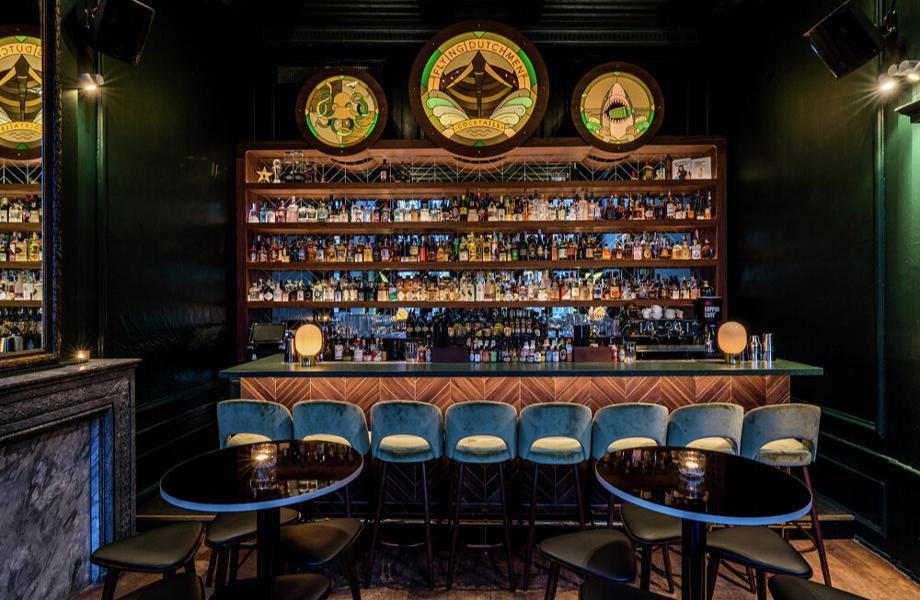
Hotels in Amsterdam
Browse all →
Wineries in Amsterdam
Browse all →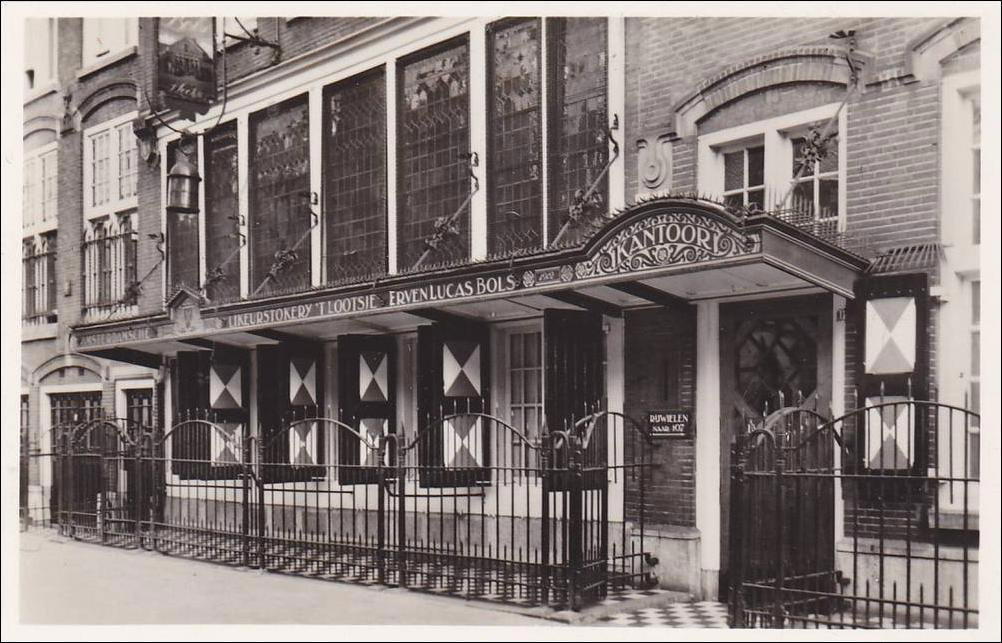
At a Glance
- Cozy
- Intimate
- Date Night
- Casual Hangout
- Waterfront
- Local Sourcing
- Waterfront
- Street Scene
Current opening hours
- Monday
- 11 AM–10 PM
- Tuesday
- 11 AM–10 PM
- Wednesday
- 11 AM–10 PM
- Thursday
- 11 AM–10 PM
- Friday
- 11 AM–10 PM
- Saturday
- 11 AM–10 PM
- Sunday
- 11 AM–10 PM
Hours can change for holidays and private events. Last verified .
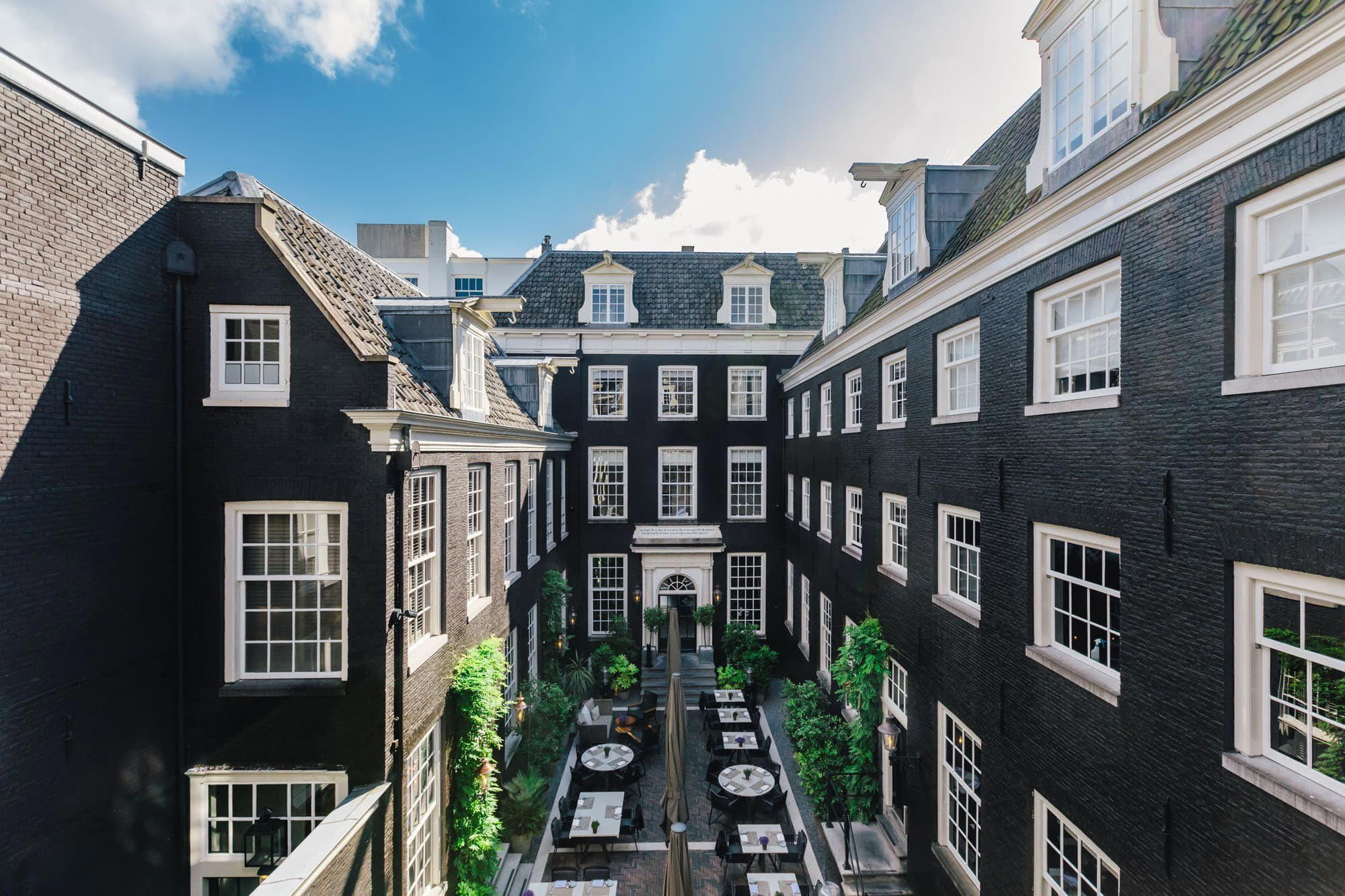
Serene and inviting atmosphere in a typical Amsterdam basement setting.