Hôtel Le Doge

Relais Chateaux Award
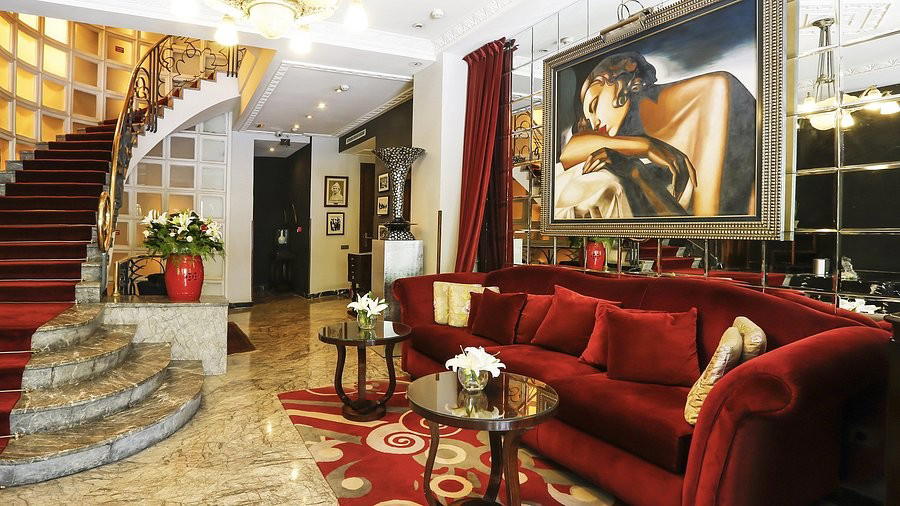
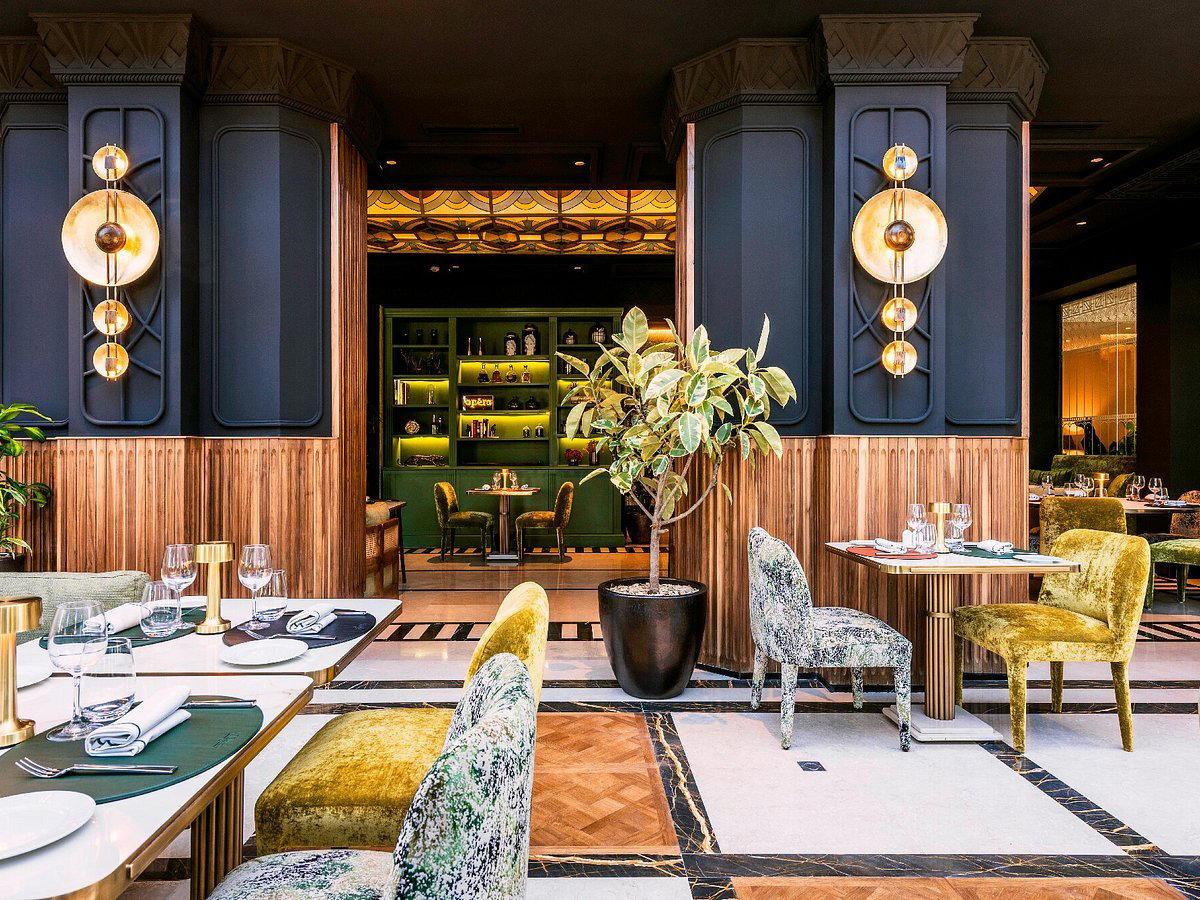
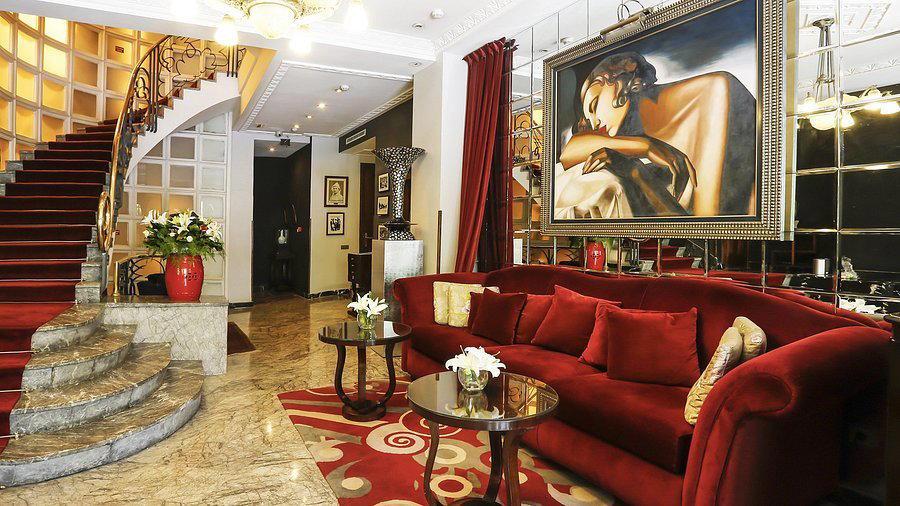
A preserved 1930s Art Deco address in central Casablanca, Hôtel Le Doge sits at the quieter, more intimate end of the city's hotel spectrum. Rates from US$239 per night position it well below the flagship international chains, while the Moroccan fine dining program and intimate atmosphere align it with a different kind of Casablanca stay altogether.

Pearl is the En Primeur Club membership app, where members save venues, book tables and use the concierge.
A Different Register of Casablanca
Casablanca's hotel scene has consolidated around two poles: the large international flags clustered near the Corniche and business district, and a smaller cohort of character-led properties that trade square footage for architectural specificity. Four Seasons Hotel Casablanca, the Hyatt Regency Casablanca, and the Kenzi Tower Hotel anchor the former category, offering the scale and amenity depth expected of global brands. Hôtel Le Doge occupies the other register entirely: a 1930s building on Rue Dr Veyre, in the heart of the city, where the architecture does most of the talking before a guest has set foot inside a room.
The 1930s in Casablanca produced a concentrated run of Art Deco and Mauresque buildings that still define whole neighbourhoods. Unlike many cities where that era's construction has been absorbed by renovation cycles, Casablanca retains enough of the original fabric that a property like Le Doge can sit within its period context rather than as an isolated curio. That continuity matters. It places the hotel inside a living architectural tradition rather than positioning it as a museum piece.
What the Building Communicates
Approaching Le Doge from Rue Dr Veyre, the building reads as a product of the interwar French Protectorate period, when Casablanca was being designed from the ground up as a modern city. The Mauresque style, which hybridised French modernism with North African ornamental traditions, produced facades and interior treatments that feel neither purely European nor traditionally Moroccan, a deliberate synthesis that still characterises the city's centre. Properties that have maintained that fabric without aggressive modernisation occupy a specific niche in the Casablanca market, one that the Royal Mansour Casablanca and Royal Hideaway Casablanca approach from different angles, each with their own relationship to heritage and scale.
Le Doge's intimacy is structural, not curated. Smaller room counts in period properties are a function of original floor plans rather than a design choice made for boutique positioning. That produces a different service dynamic: fewer guests per floor, fewer competing demands on staff attention, and a rhythm that larger hotels with hundreds of rooms cannot replicate regardless of staffing ratios.
Service at This Scale
In Casablanca's upper-tier hotel segment, service philosophies tend to diverge along the same lines as physical scale. International flags like the Hyatt Regency and Four Seasons run standardised training programs that produce consistent, process-driven experiences across their global portfolios. The trade-off is that personalisation arrives through deliberate systems, loyalty programme data, and pre-arrival requests, rather than through proximity and familiarity.
At a property the size of Le Doge, the conditions for anticipatory service are different. Staff-to-guest ratios at smaller hotels tend to be higher relative to occupied rooms, and the physical scale means that individual guests are more visible across the day. The guest who lingered over mint tea at breakfast is the same person the front desk sees returning from a late lunch. That continuity of observation creates the conditions for the kind of unscripted attentiveness that cannot easily be systemised.
For context on Morocco's broader boutique hotel culture, the approach at Villa Sahrai in Casablanca and properties like Hotel Sahrai in Fes and Jnane Tamsna in Marrakech illustrates how intimacy-led hospitality has developed across Moroccan cities as a counterweight to resort-scale development. Le Doge sits within that tradition, though its urban location and period architecture give it a distinct character from those riad or garden-villa formats.
Moroccan Fine Dining in a French Deco Frame
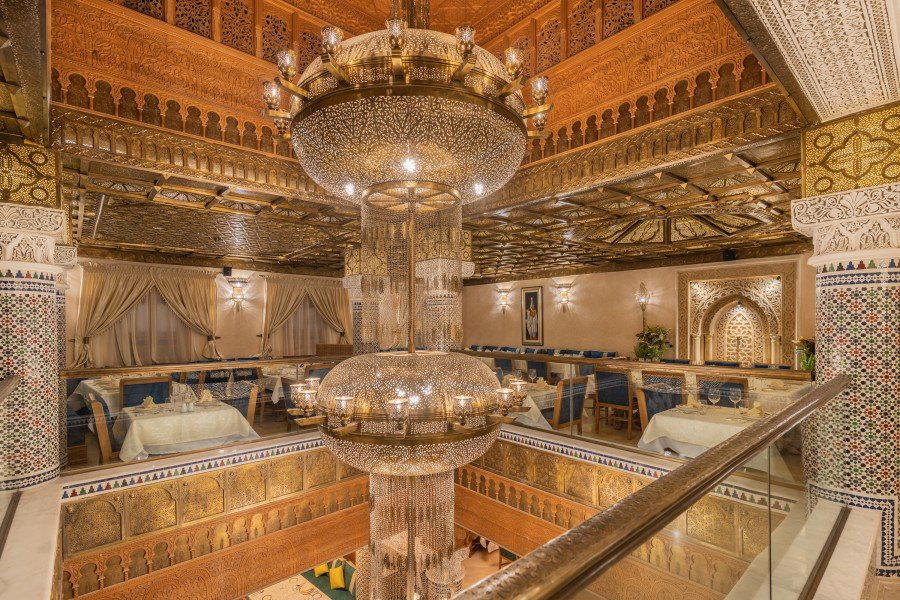
The combination of 1930s French Protectorate architecture and Moroccan fine dining is not incidental, it mirrors Casablanca's own historical layering. The city's culinary culture has always operated at the intersection of Moroccan tradition and French influence, producing a dining register that is neither purely trad nor fusion in any diluted sense. A hotel with genuine period fabric provides a frame for that cuisine that newer builds, however well-appointed, cannot easily replicate.
Morocco's fine dining scene across the country has developed considerable depth in the last decade, with properties like La Mamounia in Marrakesh setting a high reference point for what Moroccan hospitality dining can achieve at the upper tier. In Casablanca, the dining program at Le Doge operates in a more intimate register, proportionate to the hotel's scale. Whether that suits a given traveller depends on what they're optimising for: spectacle and breadth, or proportion and atmosphere.
Readers planning a broader Morocco itinerary will find the EP Club's coverage of Dar Ahlam in Ouarzazate, Dar Maya in Essaouira, Dar al Hossoun in Taroudant, and Kasbah Tamadot in Asni useful for mapping the country's character-led accommodation spectrum. For the Atlantic coast and northern Morocco, Banyan Tree Tamouda Bay in Fnideq, Fairmont Tazi Palace Tangier, La Fiermontina Ocean in Larache, and the Fairmont La Marina Rabat Salé cover the northern and capital-city tier. For central Morocco, Fes Marriott Jnan Palace and Hotel Sahrai in Fez represent the main reference points. Wine travellers should note Château Roslane in Icr Iqaddar, Morocco's most-discussed estate-hotel pairing. And for travellers continuing beyond Morocco, Hilton Taghazout Bay covers the surf-and-resort tier on the Atlantic coast.
Planning Your Stay
Le Doge sits at GPS coordinates 33.5928, -7.6234, placing it centrally within Casablanca's downtown grid. Casablanca Mohamed V International Airport lies approximately 20 kilometres from the property, with the airport train connecting to Casa Port station, which is around 5 kilometres from the hotel. That rail link makes the arrival sequence unusually clean for a major African city: a direct train to the central station, then a short transfer. Rates start from US$239 per night, which positions Le Doge below the international flagship tier represented by the Four Seasons and Hyatt Regency, while sitting above the standard business hotel bracket. For Casablanca dining beyond the hotel, the EP Club's full Casablanca restaurants guide covers the city's wider table.
Travellers comparing this property against peers in other cities should note that the intimacy-and-architecture model has close analogues at Aman Venice and The Fifth Avenue Hotel in New York City, where period buildings provide a frame that contemporary builds cannot replicate. Aman New York takes that logic to its most capital-intensive conclusion. Le Doge operates at a considerably different price point, but the underlying proposition, that a building with genuine history creates a guest experience no amount of contemporary design spend can fully substitute, is the same.
Cuisine Lens
Comparable venues nearby, for context on price, style, and recognition.
| Venue | Cuisine | Price | Awards | Notes |
|---|---|---|---|---|
| Hôtel Le DogeThis venue (the venue you are viewing) | Intimate urban Art Deco retreat preserving 1930s glamour with modern comforts. | $200–300 | Relais Chateaux Award | Not listed |
| Royal Hideaway Casablanca | Timeless luxury urban retreat fusing tradition and modernity. | $100–200 | Not listed | Anfa |
| Four Seasons Hotel Casablanca | Seaside luxury resort blending Moroccan tradition with modern sophistication. | Not listed | Michelin Selected · World Luxury Hotel Awards WLHA Continent Winner | La Corniche |
| Hyatt Regency Casablanca | Urban luxury with Art Deco influences | $200–300 | Michelin Selected | Sidi Belyout |
| Kenzi Tower Hotel | Modern urban tower hotel in landmark Twin Center | $100–200 | Preferred Hotels Member | Maarif |
| Royal Mansour Casablanca | Well-known Art Deco luxury hotel in urban Casablanca | Not listed | 2 Michelin Keys · La Liste Top Hotels | city center |
Recognition history
Dated appearances from independent guides and award organizations, with the underlying list record or original source where available.
Relais Chateaux Award
Relais Chateaux
Full recognition history (2 entries)
Relais Chateaux Award
Relais Chateaux
Continue exploring
More in Casablanca
Hotels in Casablanca
All hotels in Casablanca →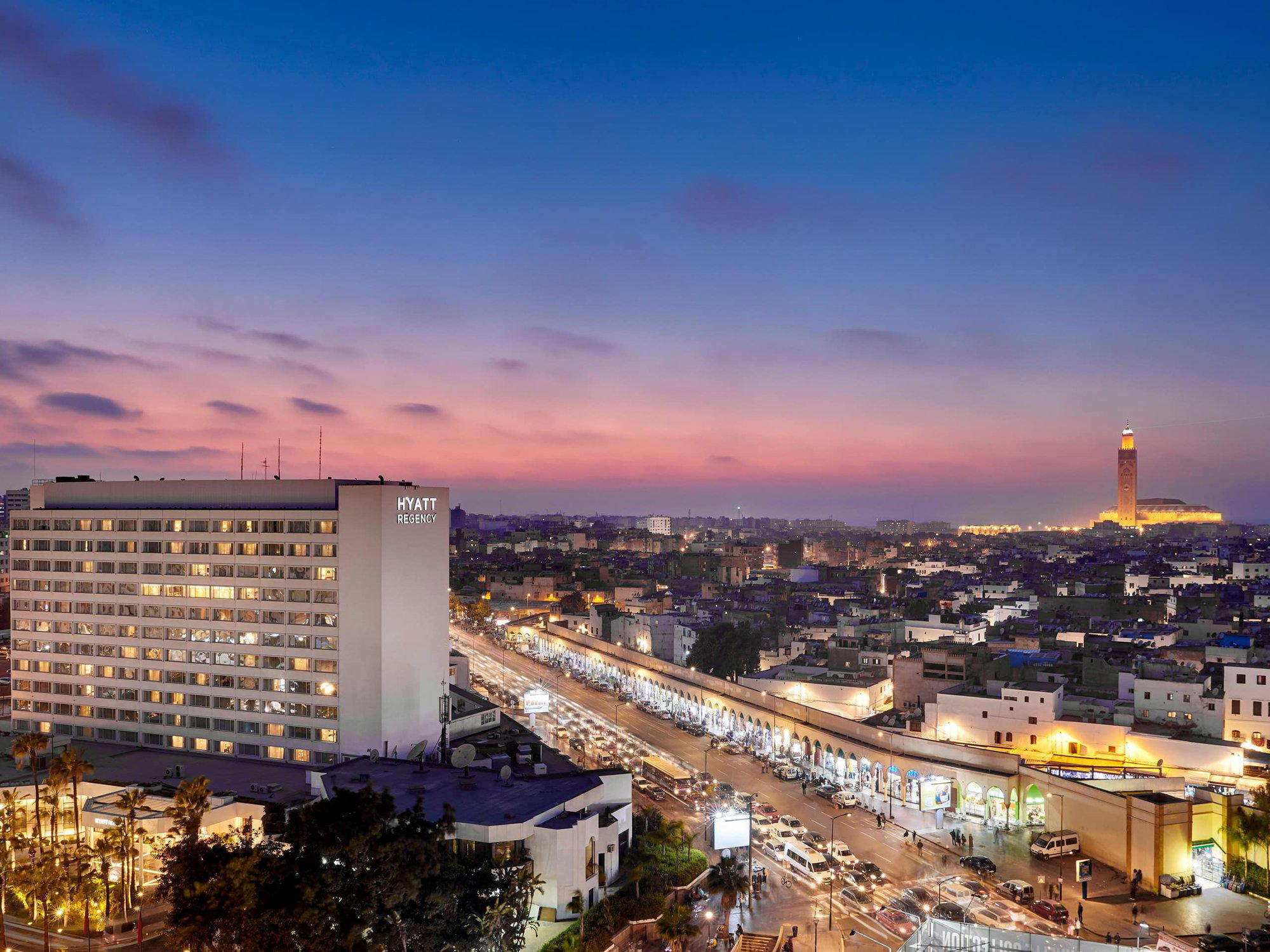
Bars in Casablanca
All bars in Casablanca →
Details
- Elegant
- Sophisticated
- Romantic
- Classic
- Intimate
- Romantic Getaway
- Anniversary
- Business Trip
- Rooftop Pool
- Historic Building
- Terrace
- Panoramic View
- Wi Fi
- Spa
- Pool
- Room Service
- Concierge
- Business Center
- Valet Parking
- Skyline
- Elevator
- Wheelchair Accessible
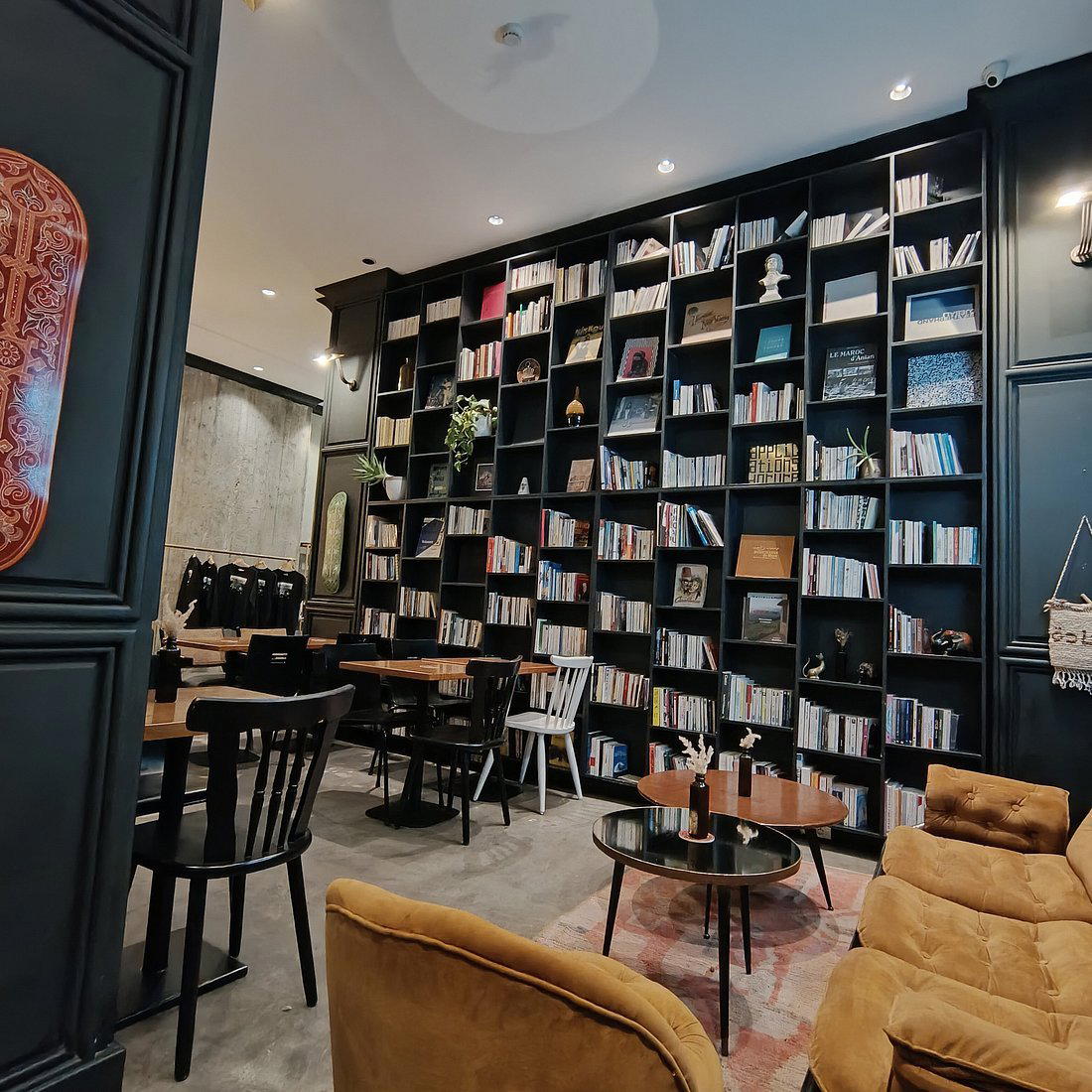
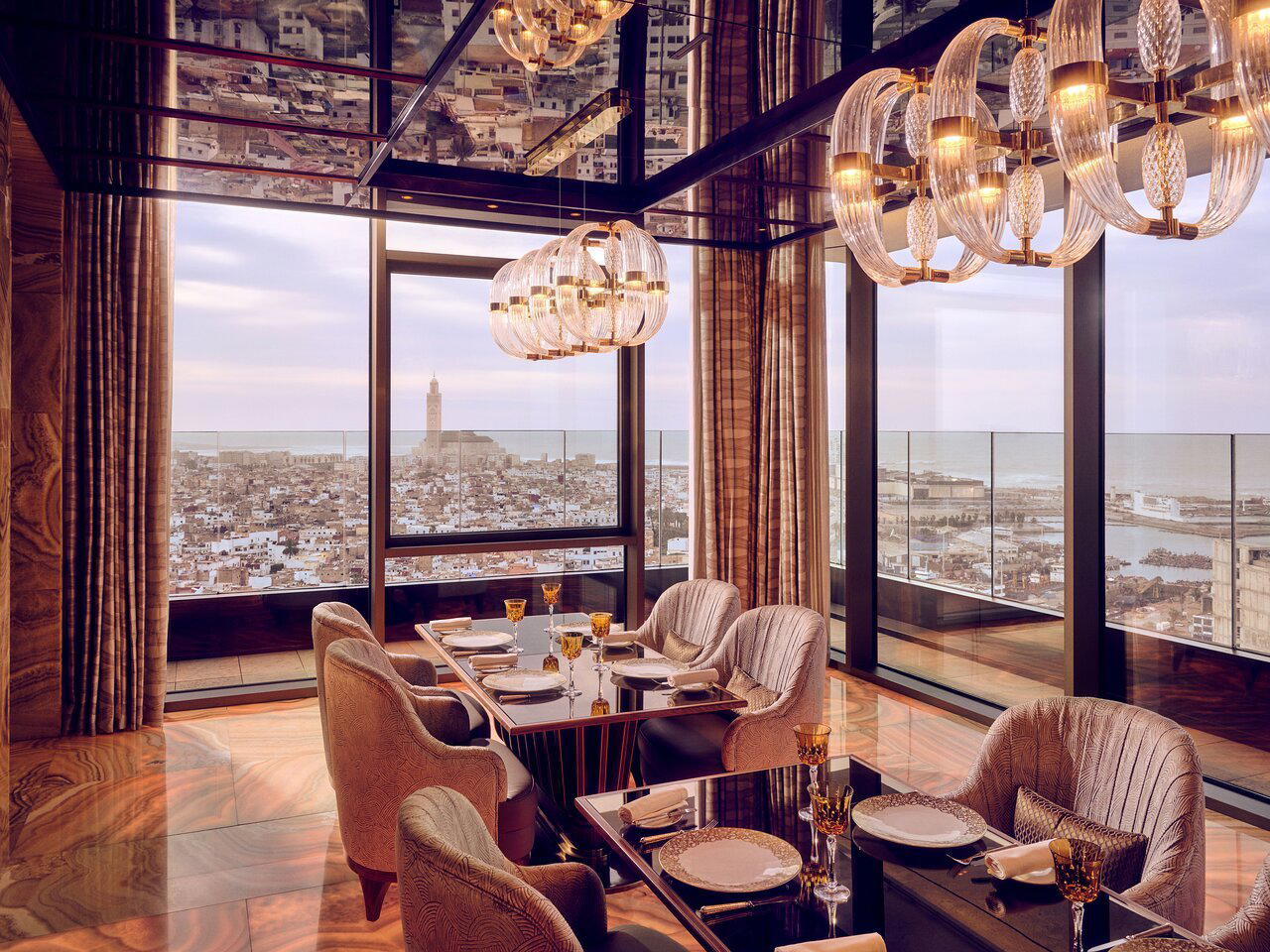
Glamorous 1930s Art Deco atmosphere with elegant lighting, serene and sophisticated vibe, quiet side street location praised for peacefulness.