NIYA
On Rue Sebou in Casablanca, NIYA occupies a position within the city's growing cohort of address-driven dining rooms where the ritual of the meal carries as much weight as the food itself. The address places it inside a residential neighbourhood that has gradually drawn serious restaurants away from the tourist-facing Atlantic corniche. For those mapping Casablanca's current dining scene, it belongs on the list.
Pearl is the En Primeur Club membership app — saves, bookings, and concierge access live there. Same editors, same standards.
- Address
- 34 Rue Sebou, Casablanca 20100, Morocco
- Phone
- +212611189390
- Website
- niya-casablanca.com
- Directions
- Get directions
 Saves & bookings on Pearl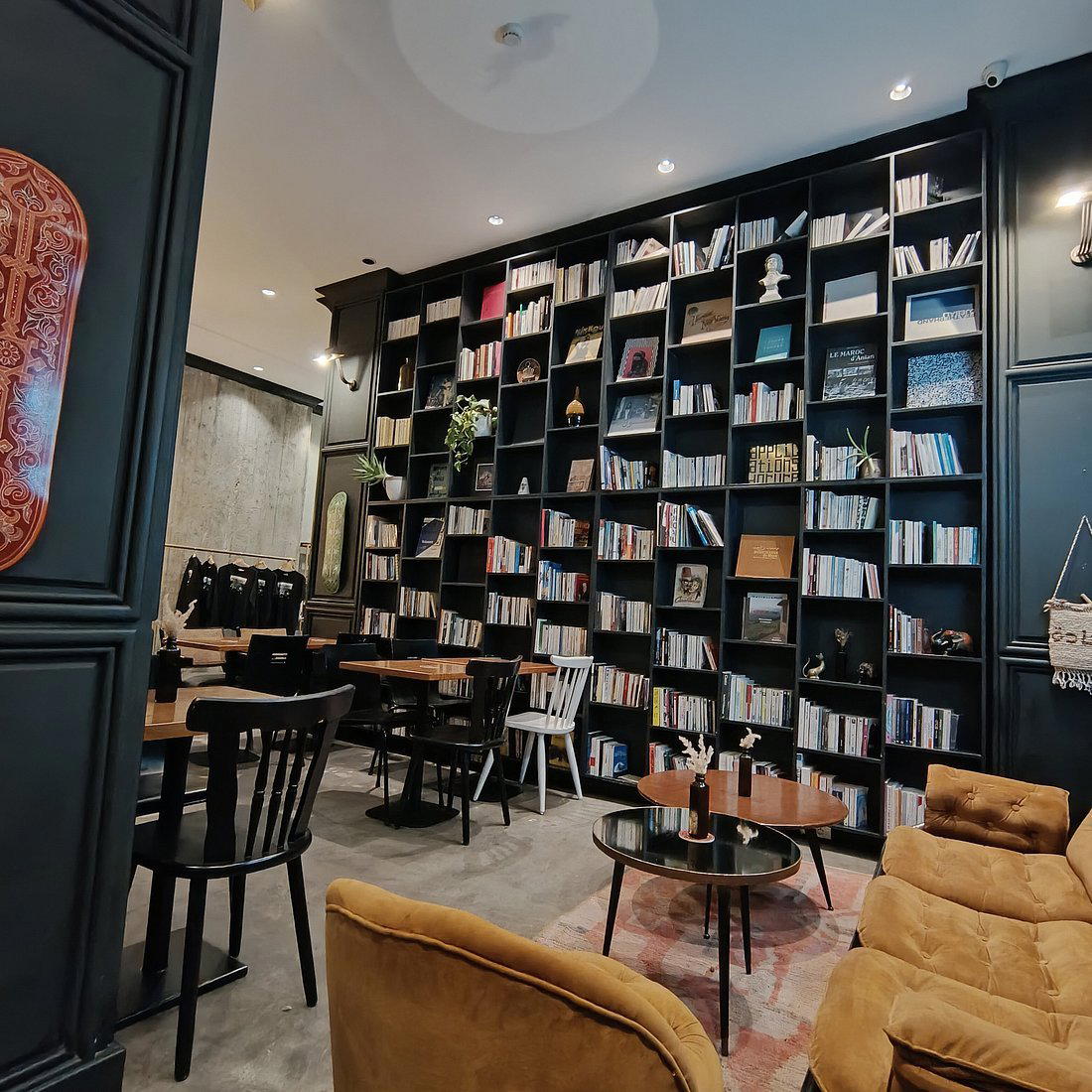
A Street, a Room, a Particular Pace
Rue Sebou, in the residential interior of the 20100 district, sits firmly in the second register. Arriving here, the scale changes immediately. The street is quieter than the city's commercial arteries, the buildings lower, the foot traffic more purposeful. NIYA at number 34 announces itself without spectacle.
It is a pattern visible in other Moroccan cities too: in Fes, Berrada operates from a riad interior largely unknown to passing trade, and in Essaouira, Heure Bleue Palais draws from a similar logic of deliberate removal from the obvious tourist circuit.
The Ritual of the Table in Casablanca
Moroccan dining, at its most attentive, is structured around hospitality as a sustained act rather than a transaction. The meal does not begin with an order and end with a bill; it opens with tea or something cold, moves through several small courses or shared plates before any protein arrives, and closes with something sweet and unhurried. The pacing is deliberate and the expectation is that the guest will stay. This is the tradition that separates Morocco's better independent restaurants from their hotel counterparts, where international guests often compress the ritual into a single-course format.
At NIYA's price point and address, the expectation is that the full arc of that tradition applies. Casablanca's comparable addresses confirm this. Dar El Kaid and Iloli both operate within the Moroccan French register, where the pacing is deliberate and the room is designed to hold you rather than turn you. The contrast with La Grande Table Marocaine at Royal Mansour Casablanca is instructive: the latter deploys the same ritual vocabulary but inside a hotel apparatus designed for maximum legibility to an international guest. NIYA, by its address and format, does not seem to be calibrating for that audience.
Where NIYA Sits in the City's Current Dining Cohort
Casablanca is not Marrakech, and the distinction matters for understanding how restaurants here position themselves. Marrakech has a well-developed infrastructure for premium dining aimed at high-spend tourism, Le Palace and La Grande Brasserie by Helene Darroze both operate in a market shaped by international leisure visitors. Casablanca's dining scene is more locally anchored: the primary audience is the city's own professional class, supplemented by business travel rather than leisure tourism. That audience rewards consistency and personal recommendation over Instagram presence or hotel affiliation.
Within Casablanca's current independent restaurant cohort, NIYA's Rue Sebou address places it in the neighbourhood-focused tier rather than the grand-hotel tier represented by Hôtel Le Doge. The city's dining geography has been redistributing over the past decade, with strong addresses clustering in residential quarters rather than the historic centre or the beachfront. Cocoa Café, Dar Dada in Sidi Belyout, and the older Mauresque institution La Sqala all point to a city that has layered its dining options across multiple neighbourhoods rather than concentrating them. For
Morocco's Atlantic coast also deserves a mention as culinary context. Casablanca's position as a port city means seafood plays a larger role in the local diet than it does in the inland imperial cities. L'Araignée Gourmande in Oualidia, roughly two hours south, is the reference point for Atlantic-sourced seafood at its most direct, oysters pulled from the lagoon, cooked simply.
For reference beyond Morocco, the pairing of neighbourhood address with ritual-paced dining finds its clearest international analogues not in French fine dining but in formats like Atomix in New York, where the meal is structured as a series of deliberate acts rather than a conventional sequence of courses. The distance between a Korean tasting counter in Manhattan and a Moroccan neighbourhood room in Casablanca is large, but the underlying logic, that the pace and form of service are as meaningful as the food, is shared. Le Bernardin in New York represents the other tradition: technical mastery delivered through a format so legible it removes friction entirely. NIYA, by its positioning, suggests a preference for the former approach.
Morocco's wine geography is also relevant context for any serious Casablanca table. Château Roslane in the Meknes region represents the country's most ambitious appellation viticulture, and its bottles appear on the lists of Casablanca's better restaurants as a mark of local credibility. Similarly, Azurita in Tangier and Café Enjoy Agadir point to the geographic spread of serious dining across Morocco's Atlantic and northern cities, each operating within its own local register.
Planning a Visit
NIYA's address, 34 Rue Sebou, Casablanca 20100, is in a residential area that requires deliberate navigation rather than proximity to a major landmark. The 20100 postal district covers a broad swathe of the city's interior, and Rue Sebou itself does not appear on major tourist itineraries, which means arriving by taxi with the full address confirmed in advance is the practical approach. Reservations are recommended. NIYA is open Tuesday through Sunday, with Monday closed. Reservations are recommended.
Where It Fits
Comparable venues nearby, for context on price, style, and recognition.
| Venue | Cuisine | Price | Notes |
|---|---|---|---|
| NIYAThis venue — the venue you are viewing | Modern Vegan Mediterranean | $$ | Not listed |
| Hôtel Le Doge | Traditional Moroccan & Mediterranean | $$$ | Art Deco District |
| Iloli | Modern Japanese Gastronomy | $$$$ | Gauthier |
| La Sqala: Café Maure | Traditional Moroccan Café Maure | $$ | Medina |
| La Grande Table Marocaine - Royal Mansour Casablanca | Refined Moroccan Fine Dining | $$$$ | Anfa |
| Dar El Kaid | Traditional Moroccan | $$$ | Medina |
Continue exploring
More in Casablanca
Restaurants in Casablanca
Browse all →
At a Glance
- Cozy
- Modern
- Trendy
- Intimate
- Brunch
- Casual Hangout
- Open Kitchen
- Local Sourcing
- Organic
Current opening hours
- Monday
- Closed
- Tuesday
- 12–10 PM
- Wednesday
- 12–10 PM
- Thursday
- 12–10 PM
- Friday
- 12–10 PM
- Saturday
- 10 AM–10 PM
- Sunday
- 10 AM–5 PM
Hours can change for holidays and private events. Last verified .
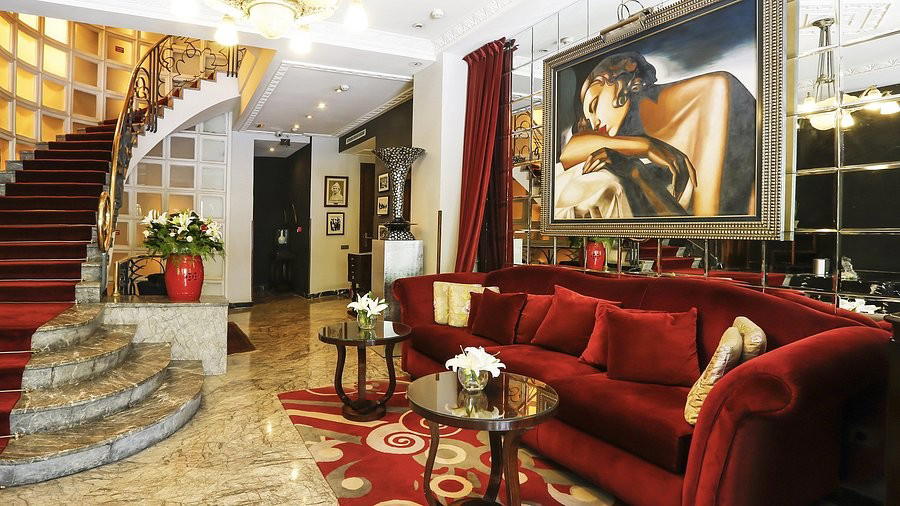
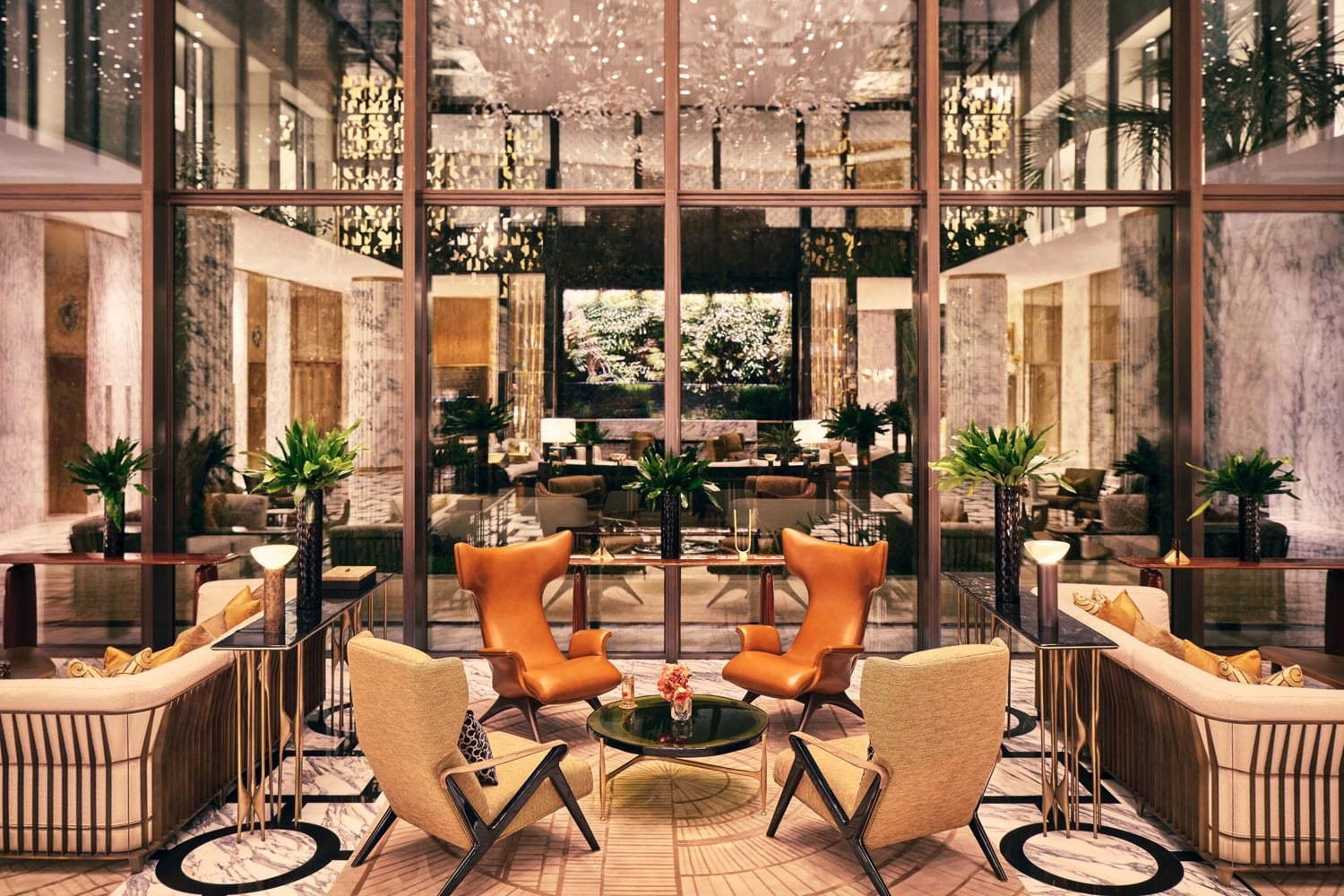
Cozy living room-like space with orange leather sofas, mismatched chairs, big bookshelves, local art, and a welcoming cultural vibe.