Our verdict
Located at 2-23 Hashibacho in Kanazawa's historic core, éåæ¨ represents the kind of address that rewards those already familiar with the city's serious dining culture. Kanazawa sits among Japan's most concentrated regional food cities, and venues along this stretch operate within that tradition rather than against it. For visitors tracing the arc of Ishikawa cuisine, this is a reference point worth including in any considered itinerary.

Pearl is the En Primeur Club membership app — saves, bookings, and concierge access live there. Same editors, same standards.
- Address
- 2-23 Hashibacho, Kanazawa, Ishikawa 920-0911, Japan
- Phone
- +81762218188
- Hours
- Daily 11 AM–9 PM
- Website
- r001101.gorp.jp
- Directions
- Get directions
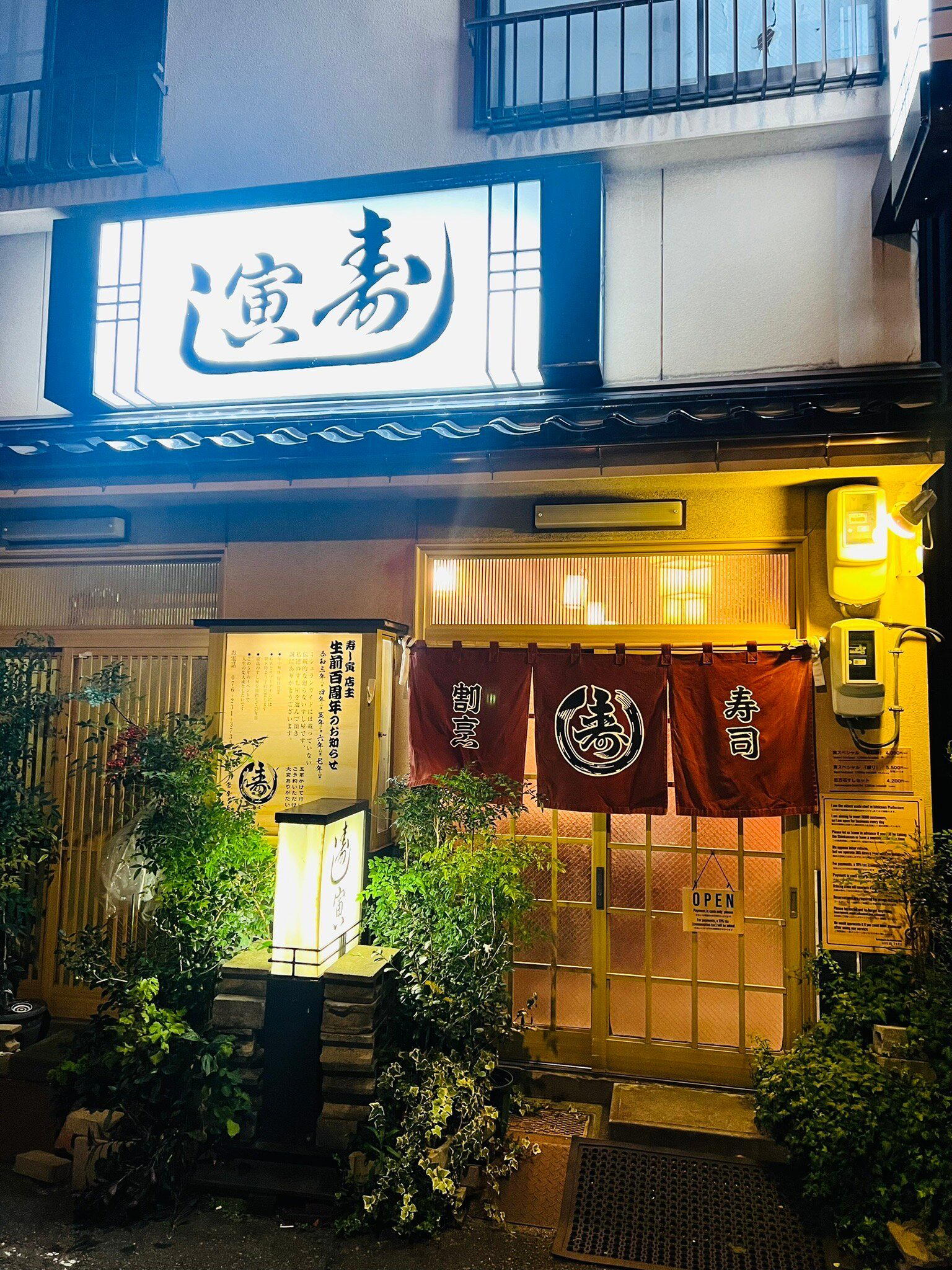
Kanazawa's Dining Discipline and Where éåæ¨ Fits
Kanazawa has long occupied a particular position in Japan's regional food conversation — not as a footnote to Kyoto or Osaka, but as a city with its own culinary grammar. The Noto Peninsula's seafood supply, Kaga vegetables cultivated over centuries, and a tradition of kaiseki that predates modern tourism have given this city a dining culture that operates on its own terms. Venues in the Hashibacho area, where éåæ¨ is located at 2-23 Hashibacho, tend to attract a clientele that arrives with some knowledge of what Kanazawa does well — not visitors looking for an orientation meal, but those already inside the logic of the city's food tradition. That is the context in which this address should be understood.
Within Kanazawa's mid-tier and specialist dining map, the Hashibacho address places éåæ¨ a reasonable distance from the Higashi Chaya geisha district and within the broader neighbourhood corridor that connects the city's historic fabric to its more serious restaurant concentration. Kanazawa's dining geography rewards walking; the density of worthwhile addresses in this part of the city means that a meal here fits logically into a day that might also include Amanatto Kawamura or a counter seat at Dokkan. For a fuller picture of what this city offers across formats and price points, the EP Club Kanazawa restaurants guide maps the scene in more detail.
The Arc of a Meal in This Register
In a city where the progression of a meal is taken as seriously as the ingredients themselves, the tasting format carries particular weight. Kanazawa's kaiseki tradition, practiced at serious addresses like Dokkan and the long-established Hakuichi, builds a meal as a sequence of deliberate transitions: from lighter, more acidic preparations early in the service toward richer, more grounded dishes as the evening moves forward. This is not simply a structural habit; it reflects a philosophy about how the palate should be led, and how each course should make the next one land with greater clarity.
The tasting progression in this register of Japanese dining asks the diner to pay attention not just to individual dishes but to the logic of movement between them. A well-constructed kaiseki or multi-course Japanese meal in Kanazawa typically opens with something that orients the season, a delicate soup, a cold preparation using local produce, before moving through grilled fish or Kaga vegetable arrangements toward a more substantial centrepiece. Rice arrives toward the end, functioning as a reset rather than a filler. Dessert, where it appears, is restrained by the standards of Western tasting menus. The rhythm is the point. Understanding that rhythm is the baseline for appreciating what venues in this part of Kanazawa are attempting.
For those arriving in Kanazawa from cities with their own serious tasting-menu cultures, say, having eaten at Gion Sasaki in Kyoto or HAJIME in Osaka, the differences in register become apparent quickly. Kanazawa's approach tends toward a more restrained presentation vocabulary, one that trusts the quality of local ingredients to carry the work without elaborate plating architecture. That restraint is a discipline, not a limitation.
Regional Peers and What the Comparison Reveals
Across Japan's regional cities, the past decade has seen a quiet consolidation of serious dining addresses that operate outside the Tokyo-Osaka-Kyoto axis but compete, in terms of ingredient quality and technical precision, with the upper tiers of those city's scenes. Goh in Fukuoka, akordu in Nara, and affetto akita in Akita each represent a version of this: restaurants in cities that are not primarily defined by their dining scenes, yet which have produced addresses worth travelling toward. Kanazawa belongs to this grouping, and éåæ¨'s Hashibacho location places it within that broader pattern of regional Japanese dining gaining traction with a more internationally aware audience.
The comparison also clarifies what Kanazawa is not. Unlike Fukuoka, where ramen and hakata-style yakitori dominate the popular narrative, or Kyoto, where the kaiseki tradition is so codified it sometimes calcifies, Kanazawa has enough distance from those dominant narratives to do things in its own way. Restaurants here can draw on the same foundational techniques while applying them to a local ingredient vocabulary, Noto abalone, Jibuni duck stew, Kaga lotus root, that gives the food a distinct regional signature even when the format is recognisably kaiseki. That is a meaningful distinction for anyone making the trip specifically to understand what Ishikawa Prefecture produces.
Kanazawa in the Context of Japan's Broader Dining Shift
Japan's dining culture has increasingly distributed its serious addresses away from metropolitan centres, partly because ingredient proximity matters more at the top of the market, and partly because younger chefs have found that establishing in a regional city carries lower cost and higher local profile. This shift has benefited Kanazawa specifically, given the quality of its proximity to Noto seafood and Kaga produce. The pattern is visible in other regional cities covered by EP Club, Aji Arai in Oita, Akakichi in Imabari, but Kanazawa's existing cultural infrastructure (gold leaf crafts, the Kenroku-en garden, the 21st Century Museum) means it captures a more diverse visitor base than most regional Japanese cities.
For a comparative sense of what serious multi-course formats look like outside Japan entirely, the tasting-menu discipline at Le Bernardin in New York City or the progressive format at Lazy Bear in San Francisco offers a useful counterpoint, different culinary traditions, but a shared structural commitment to the meal as a curated arc rather than a collection of independent dishes.
The Hashibacho address also sits within a city where several formats compete for the same evening: the French-inflected kaiseki approach at Budoonomori Les Tonnelles, the accessible curry institution at Go! Go! Curry, and the grilled-meat precision at Dokkan all occupy different registers. éåæ¨ belongs to a cohort of addresses in Kanazawa that prioritise the integrity of a sequenced meal over volume or spectacle, the right framing for anyone planning an evening that runs at the pace the city's leading kitchens intend.
Planning Your Visit
éåæ¨ is located at 2-23 Hashibacho, Kanazawa, Ishikawa 920-0911. For broader context on Kanazawa's full dining scene, including comparable addresses across cuisine type and price tier, see the EP Club Kanazawa guide.
Frequently asked questions
Where is éåæ¨ in Kanazawa?
éåæ¨ is located at 2-23 Hashibacho, Kanazawa, Ishikawa 920-0911, Japan, Kanazawa.
What should I eat at éåæ¨?
Kanazawa's larder defines what serious kitchens in this city put on the table: Noto Peninsula seafood — crab, yellowtail, and sea urchin chief among them — alongside Kaga vegetables, a category of heritage cultivars grown in the region for centuries. A multi-course kaiseki format is the standard vehicle for this kind of ingredient set in Kanazawa, where the progression of the meal is treated as a structural discipline rather than a loose arrangement of dishes. Expect the menu to track the season closely, given how directly regional supply chains connect kitchen to coastline and farm.
Do they take walk-ins at éåæ¨?
Reservations are recommended for éåæ¨ in Kanazawa. Confirm current policy via the venue's official channels.
What's éåæ¨ best at?
éåæ¨ is best approached by focusing on the core concept and signature offerings.
A Credentials Check
Comparable venues nearby, for context on price, style, and recognition.
| Venue | Cuisine | Price | Awards | Notes |
|---|---|---|---|---|
| 金城樓This venue — the venue you are viewing | Seafood Restaurant | Not listed | Not listed | Not listed |
| Cliente Kawabata | Dining | Not listed | Tabelog 100 #57 | Kanazawa |
| 鮨ä¸èª | japanese | Not listed | Not listed | Kanazawa |
| Ajiraku Yumemi | Kanazawa izakaya with local seafood and sake | Not listed | Not listed | Kanazawa |
| Amanatto Kawamura | Traditional Japanese Sweets and Amanatto | $10–20 | Tabelog 100 #28 | Kanazawa |
| HIRAMIPAN | French-Japanese Bakery Bistro | $10–20 | Tabelog 100 #75 | Kanazawa |
Continue exploring
More in Kanazawa
Restaurants in Kanazawa
Browse all →
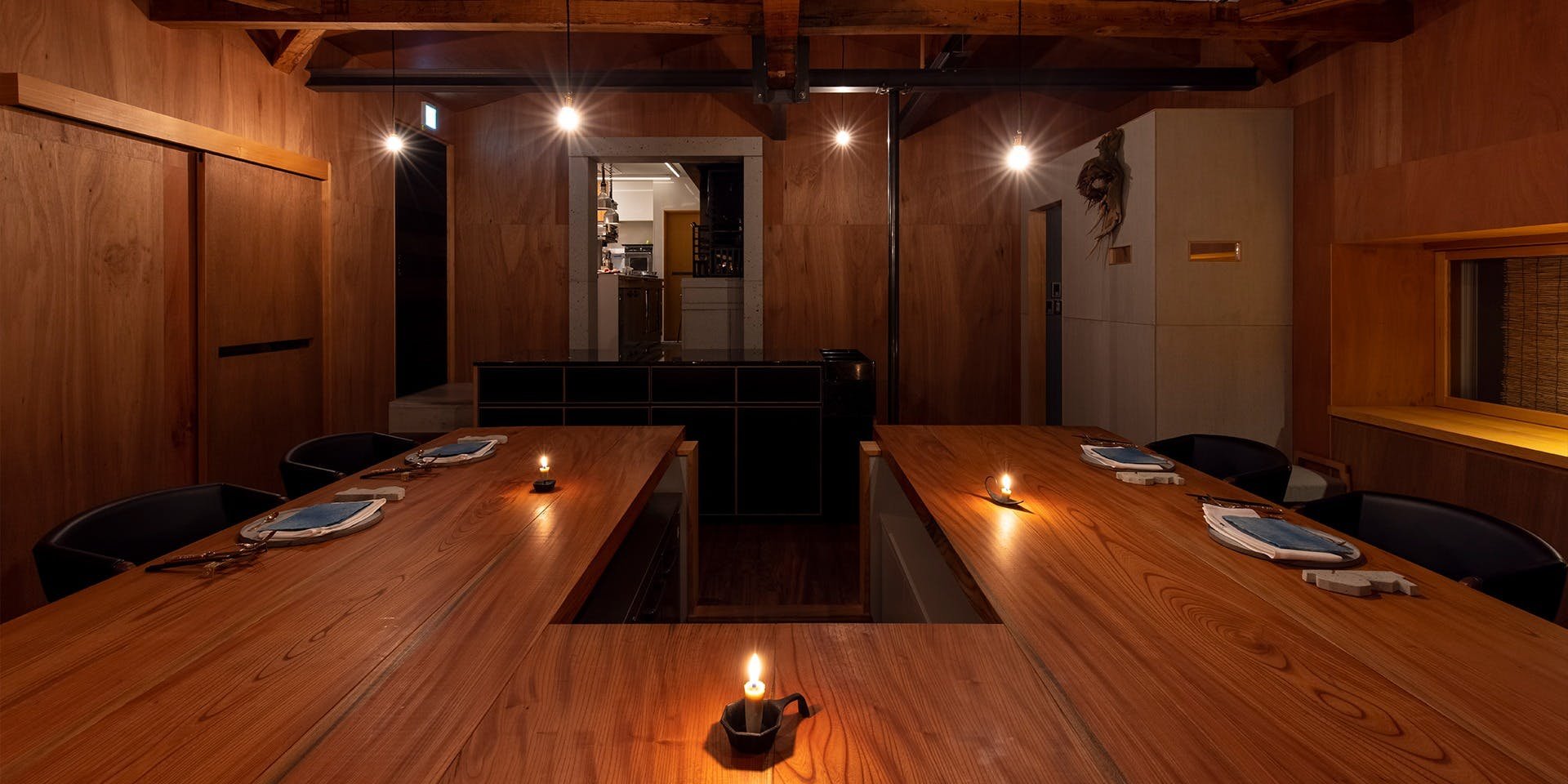
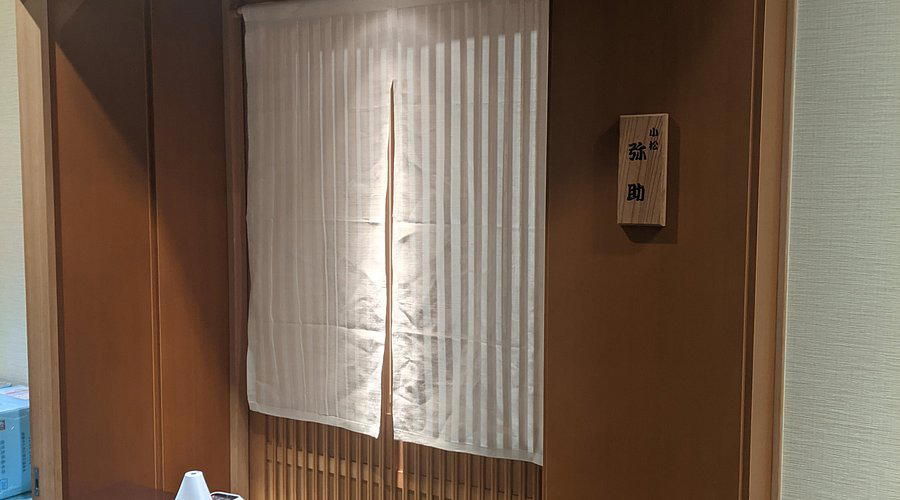
Bars in Kanazawa
Browse all →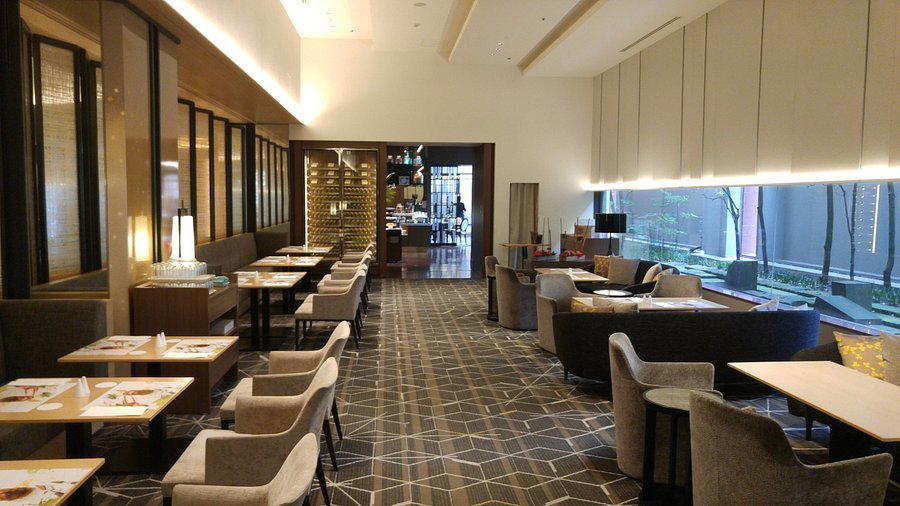
Hotels in Kanazawa
Browse all →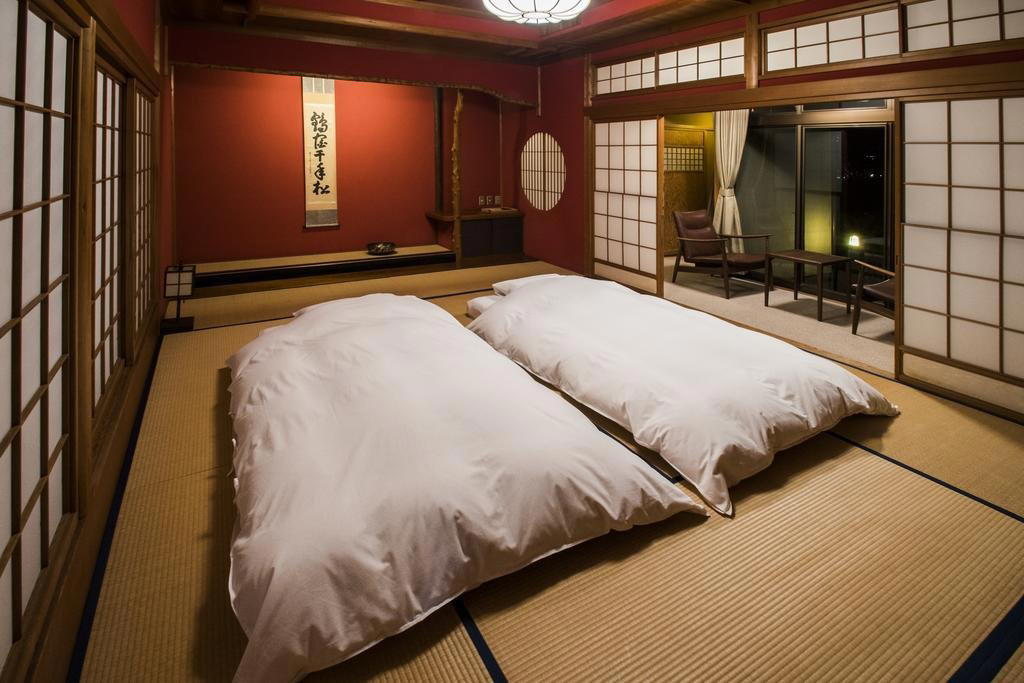
Wineries in Kanazawa
Browse all →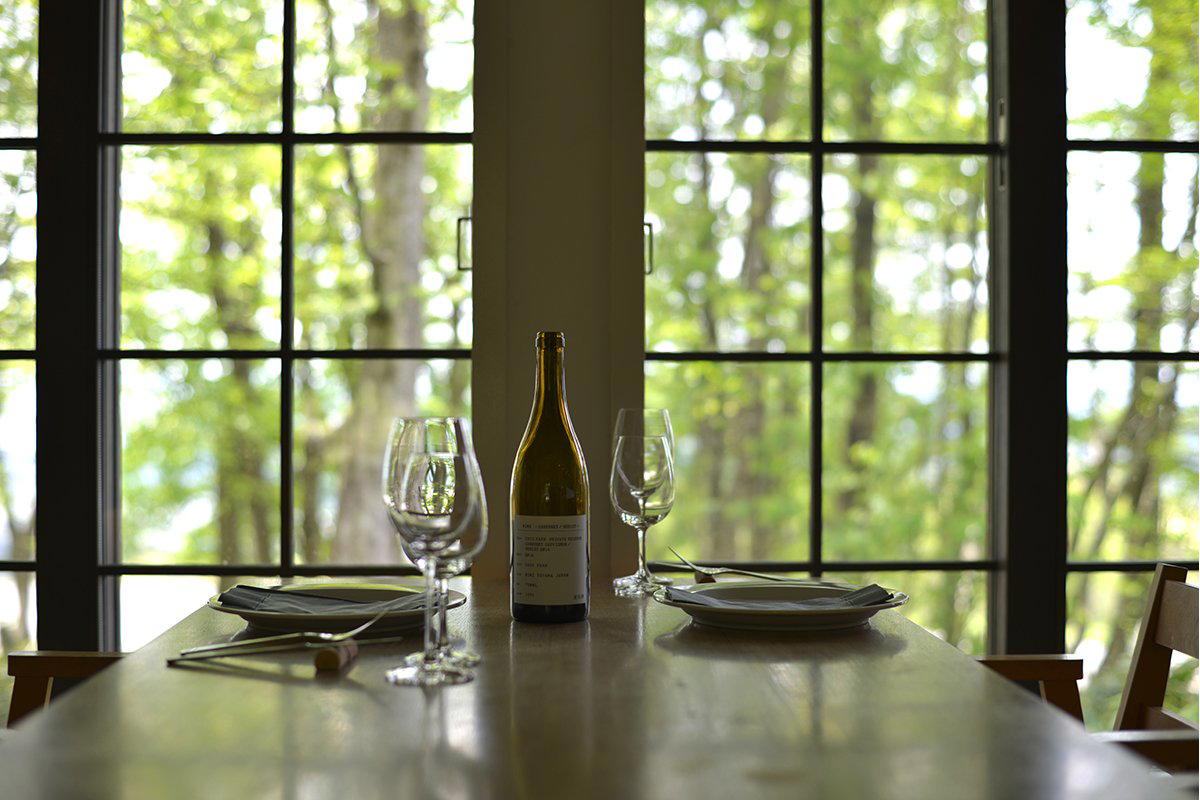
Details
- Cozy
- Family
- Group Dining
- Casual Hangout
- Private Dining
- Beer Program
- Small Plates
- A La Carte
- Vegetarian Friendly
Current opening hours
- Monday
- 11 AM–9 PM
- Tuesday
- 11 AM–9 PM
- Wednesday
- 11 AM–9 PM
- Thursday
- 11 AM–9 PM
- Friday
- 11 AM–9 PM
- Saturday
- 11 AM–9 PM
- Sunday
- 11 AM–9 PM
Hours can change for holidays and private events. Last verified .
Casual, cozy, and upmarket atmosphere suitable for family meals and group gatherings.