
Ningyocho gives Tokyo yakiniku a different frame from Ginza polish or Shibuya noise: older commercial streets, after-work appetite, and restaurants that reward planning. Yakiniku Akami Nikugatou Ningyouchou honten sits in that context with Tabelog 100 Yakiniku Tokyo recognition in 2025, a 40-seat room, and a red-meat focus that places it in the city’s serious grill conversation rather than casual barbecue territory.
Pearl is the En Primeur Club membership app — saves, bookings, and concierge access live there. Same editors, same standards.
- Address
- 東京都中央区日本橋堀留町1-6-7
- Phone
- +81336682910
- Website
- nikugatou.com
 Saves & bookings on Pearl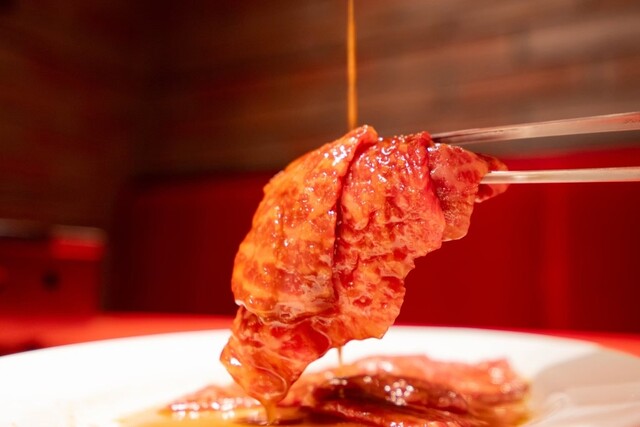
Ningyocho changes the register before the first grill is lit. Around Nihonbashi Horidomecho, streets are lower, tighter, and more workaday than Tokyo’s grand dining corridors, with small restaurants folded into an old mercantile district rather than staged for spectacle. That matters for yakiniku: social by design, but in this part of Chuo it feels less like night-out performance than disciplined urban habit, meat, heat, smoke control, drinks, and timing.
Yakiniku Akami Nikugatou Ningyouchou honten belongs to that side of Tokyo dining. Its inclusion in Tabelog 100 Yakiniku Tokyo 2025 gives it a public marker in a category local diners judge rigorously: beef sourcing, cut selection, offal handling, grill management, and table rhythm. The 3.60 score is not the story alone; in Tokyo yakiniku, the stronger signal is repeated category selection, including 2020, 2021, 2022, 2023, and 2025.
Ningyocho makes the grill feel local rather than theatrical
Tokyo yakiniku splits into polished wagyu rooms for expense accounts, casual grills built around beer and volume, and smaller specialist places where the table is expected to pay attention. Ningyocho suits the third mode: enough office traffic for weeknight demand, enough old-Tokyo texture to avoid a showroom feel, and enough proximity to Nihonbashi to attract diners who distinguish a convenient grill from a serious one.
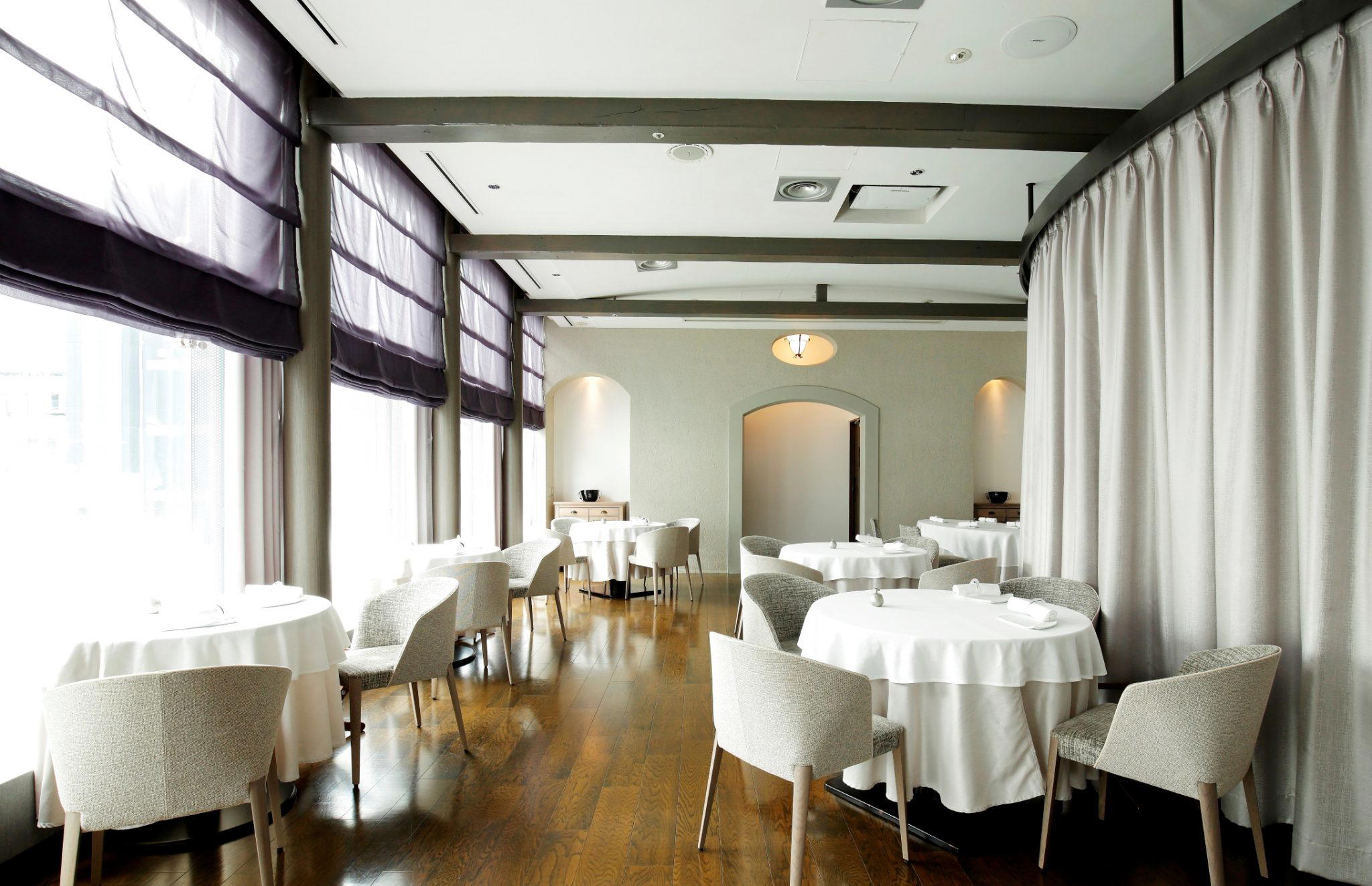
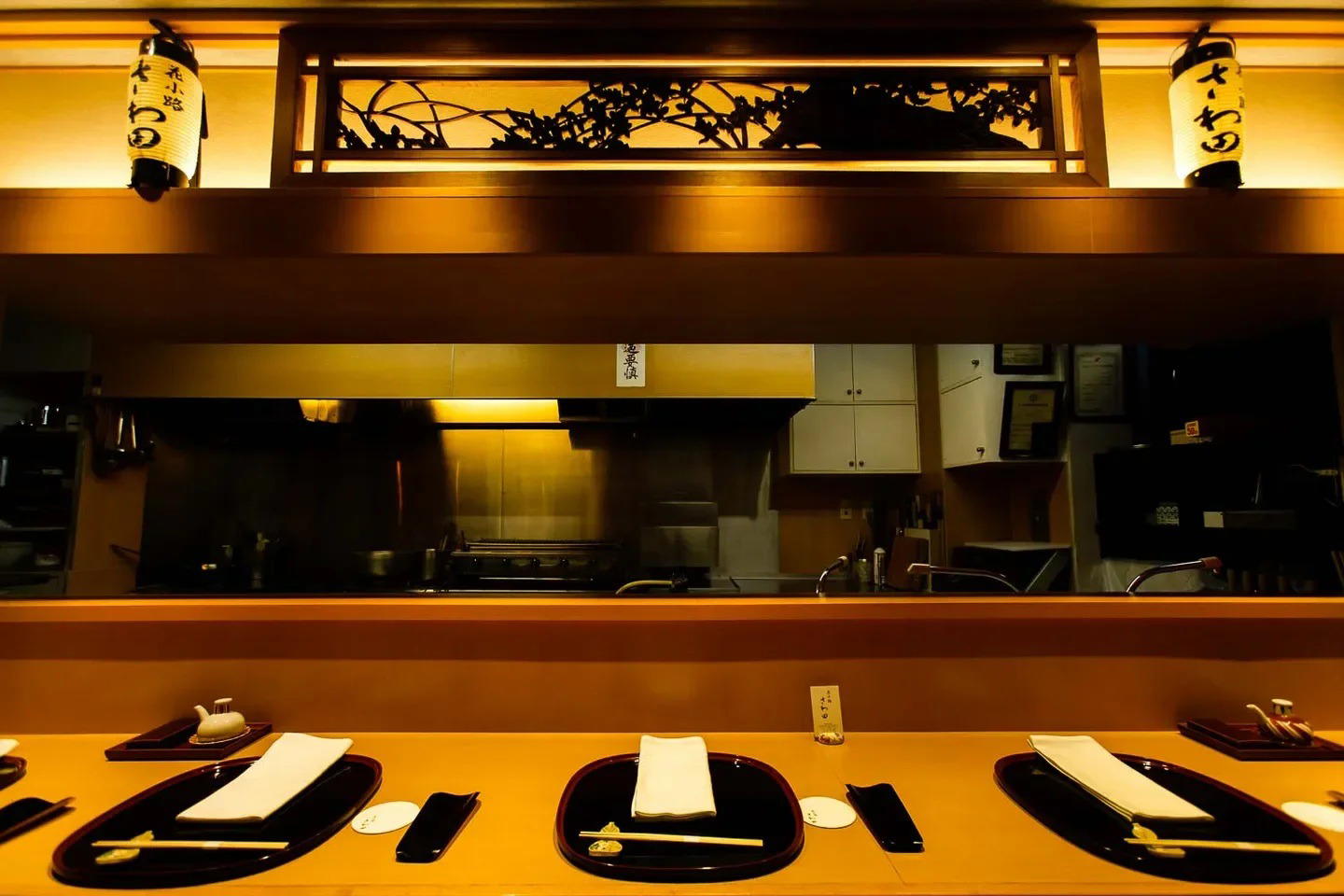
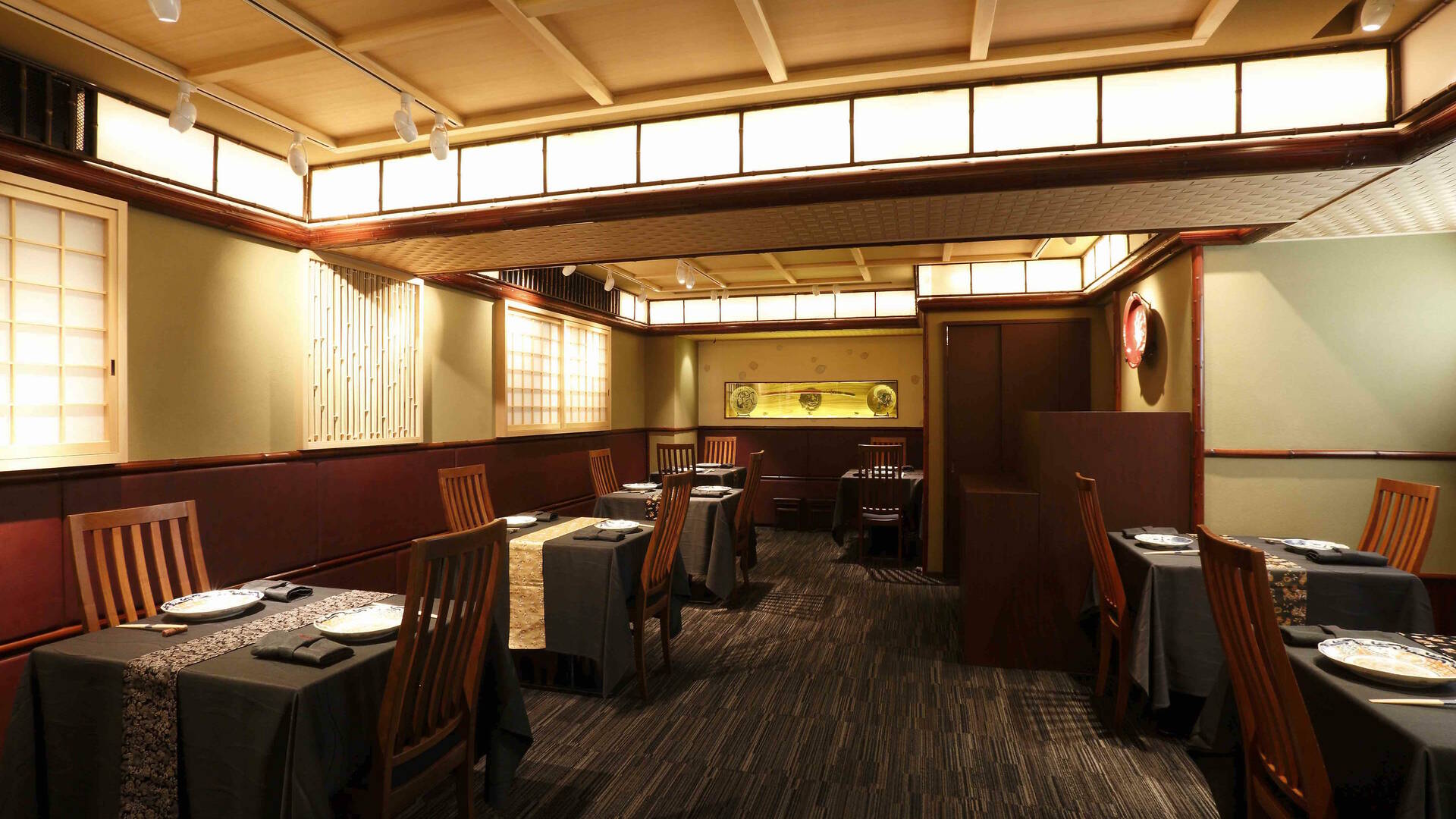
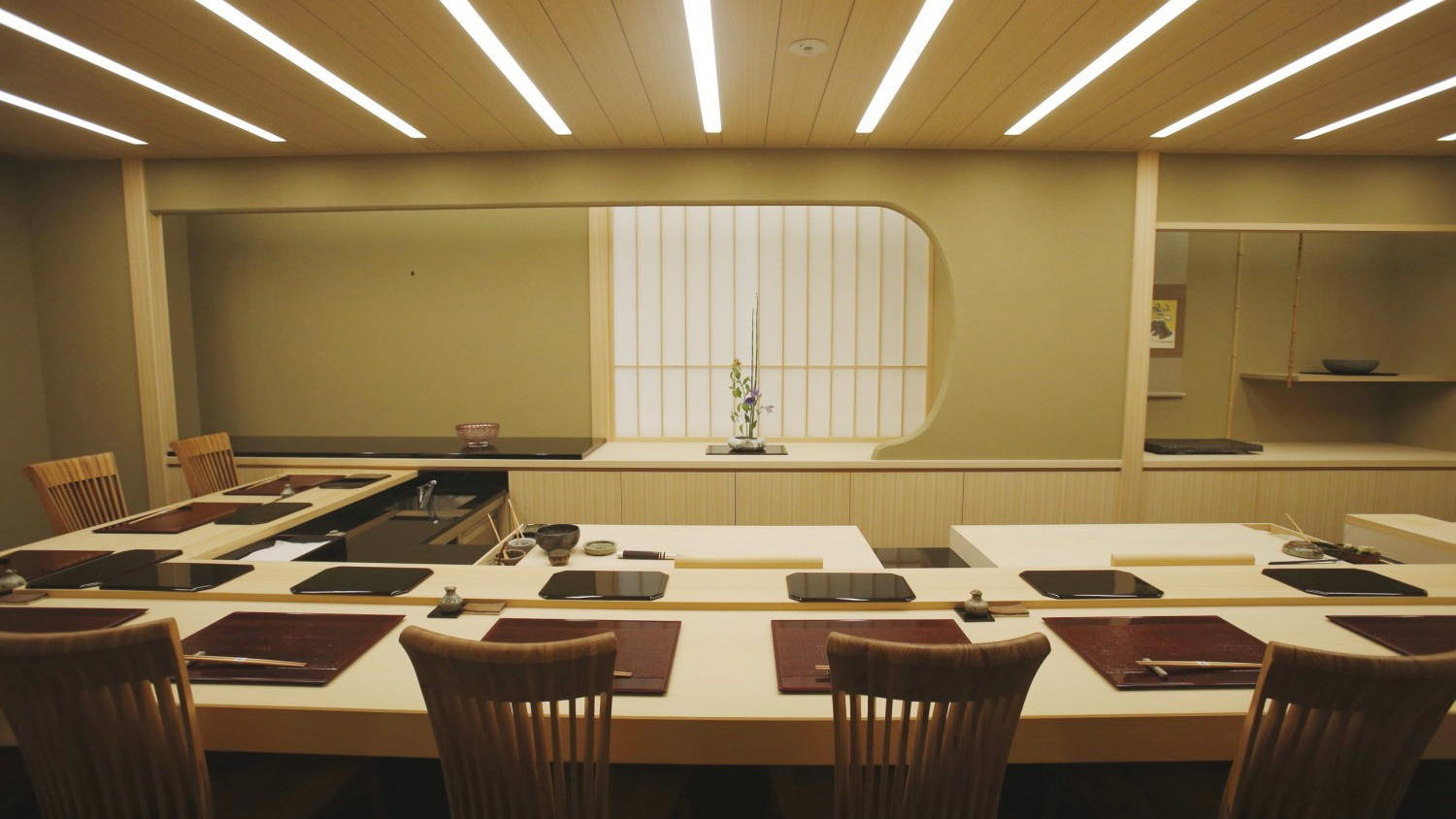
The room reinforces that middle path. Forty seats, including counter seating, table seating, and a private-room configuration, is neither tiny-counter precious nor banquet-scale anonymous. For yakiniku, size matters: too large and the experience drifts into throughput; too small and it becomes reservation theater. Here the appeal is controlled conviviality, with structure for courses and private-room dining plus enough looseness for izakaya-adjacent drinking culture.
The category listing is telling: yakiniku, tripe, and izakaya. That places the restaurant in a tradition valuing secondary cuts and drinking compatibility, not only luxury beef branding. Tokyo’s better yakiniku rooms often distinguish themselves through texture, fat, and offal across a meal. Even without named dishes, the category mix signals more range than a steak-house substitute.
Red meat, offal, and drinks define the decision
Name points diners toward akami, leaner red meat, a useful lens for the meal. In Japanese beef dining, heavily marbled cuts often dominate foreign expectations, but leaner meat has its own audience: diners seeking flavor concentration, cleaner progression, and less fatigue over dinner. Red-meat yakiniku sits apart from the high-fat wagyu shorthand that still frames much overseas discussion of Japanese beef.
Drink program broadens the room’s use. Sake, shochu, wine, and cocktails are listed, with particular attention to wine. That matters because serious Tokyo yakiniku has moved beyond beer-or-highball. Wine service, when intentional, changes the pacing of grilled beef: lean cuts, richer cuts, tripe, and sauce-driven preparations each pull differently. The smarter move is not luxury labels, but matching the grill’s arc.
Price clarifies its position in the immediate Tokyo set. Ino Cantonese Nihonbashi Takase and Chinese Sai ARATA sit higher at JPY 15,000 to JPY 19,999 for dinner, while Katsu Yoshi sits lower at JPY 3,000 to JPY 3,999. Yakiniku Akami Nikugatou Ningyouchou honten, at JPY 8,000 to JPY 9,999, lands in the serious-but-not-ceremonial bracket: above casual neighborhood eating, below formal tasting-menu spend. That is often yakiniku’s sweet spot, where product quality and table energy both matter.
For a wider Tokyo dining map, this is a counterpoint to other genres, not a substitute. Compare it with seafood-and-charcoal at . 鮪と炭火焼き うお炭 秋葉原店, the Shinjuku address of 12/10 Shinjuku ten, yakitori at 124. KAGURAZAKA (Yakitori), the graphic café culture of 2D Cafe, or curry comfort at 3 Chome no Curry Ya San. The value is specificity: Tokyo beef culture seen through Ningyocho, not hotel-district gloss.
Know Before You Go
- Area: Nihonbashihoridomecho, Chuo, Tokyo, near Ningyocho Station.
- Recognition: Selected for Tabelog 100 Yakiniku Tokyo 2025, with earlier selections listed for 2020, 2021, 2022, and 2023.
- Format: Yakiniku with tripe and izakaya elements; 40 seats across counter, tables, and private-room seating.
- Spend: Dinner is listed at JPY 8,000 to JPY 9,999.
- Good for: A planned beef dinner in central Tokyo where the neighborhood context is part of the appeal.
- Planning note: Reservations are listed as available, and the Ningyocho operation is described as referral-based, so arrange access ahead rather than treating it as a casual last-minute decision.
Keep the wider itinerary balanced. Yakiniku carries weight, especially with offal, sauces, rice, and drinks. Pair it with lighter daytime eating or a bar-focused evening elsewhere, not another heavy dinner. For citywide planning, use Our full Tokyo restaurants guide alongside Our full Tokyo hotels guide, Our full Tokyo bars guide, Our full Tokyo wineries guide, and Our full Tokyo experiences guide.
For readers extending the beef thread beyond central Tokyo, -Grilled beef Sukiyaki- KAMAKURA TANUKIAN 鎌倉 たぬき庵 in Kamakura shifts the comparison toward sukiyaki. Other Japan stops widen the frame further:.cafe in Osaka.know in Kumamoto, (Shoku) Vietnam in Kawasaki, [Curry Senmon Ten] Maruyama Kyoju. in Sapporo, and [ki:] in Kyoto. Across the Pacific, Jōdo Saké Bar in Los Angeles and Onigiri Time in Pasadena show how Japanese dining categories travel, simplify, and change once they leave the Tokyo grid.
The reason to care is not rarity for its own sake; Tokyo has countless places to grill beef. The stronger argument is fit: a Ningyocho address, a category-specific Tabelog 100 signal, mid-to-serious dinner spend, and a format that keeps yakiniku close to its social roots while giving enough structure for a planned meal. That makes Yakiniku Akami Nikugatou Ningyouchou honten a sharp choice for diners who want Tokyo beef culture without turning the evening into a formal tasting-menu exercise.
Comparable Spots, Quickly
Comparable venues to calibrate price, style, and recognition.
| Venue | Cuisine | Price | Notes |
|---|---|---|---|
| Yakiniku Akami Nikugatou Ningyouchou hontenThis venue — the venue you are viewing | Japanese Yakiniku | $$$ | Not listed |
| 立喰 鮨となり | Standing Sushi | $$$ | Azabujuban |
| にしたに | Ginza Sushi | $$$ | Chiyoda |
| Tachinomi Asakusa Sharemon | Japanese Izakaya / Standing Bar | $$$ | Taitō |
| Sumiyaki Unafuji Yuurakuchou ten | Traditional Nagoya-style unagi and hitsumabushi | $$$ | Chiyoda |
| 龍圓 | japanese | $$$ | Taitō |
Recognition history
Dated appearances from independent guides and award organizations, with the underlying list record or original source where available.
Tabelog 100 #85 · No. 85
Tabelog · Tabelog 100 - Yakiniku - TOKYO - 2025



At a Glance
- Cozy
- Intimate
- Sophisticated
- Group Dining
- Special Occasion
- Business Dinner
- Standalone
- Beer Program
Exclusive and discreet, with a members/referral-only feel that suggests a quiet, intimate dining room rather than a casual barbecue hall.