Caffè San Marco on Via Cesare Battisti is one of Trieste's great literary cafés, a Habsburg-era room where the city's Central European coffee culture survives in its most intact form. The vaulted interior, dark wood, and marble surfaces have hosted writers and intellectuals for over a century. For anyone tracing Trieste's café tradition, it belongs at the centre of the itinerary.
 Discover on Pearl
Pearl is the En Primeur Club membership app — saves, bookings, and concierge access live there. Same editors, same standards.
- Address
- Via Cesare Battisti, 18, 34125 Trieste TS, Italy
- Phone
- +39402035357
- Website
- caffesanmarco.com
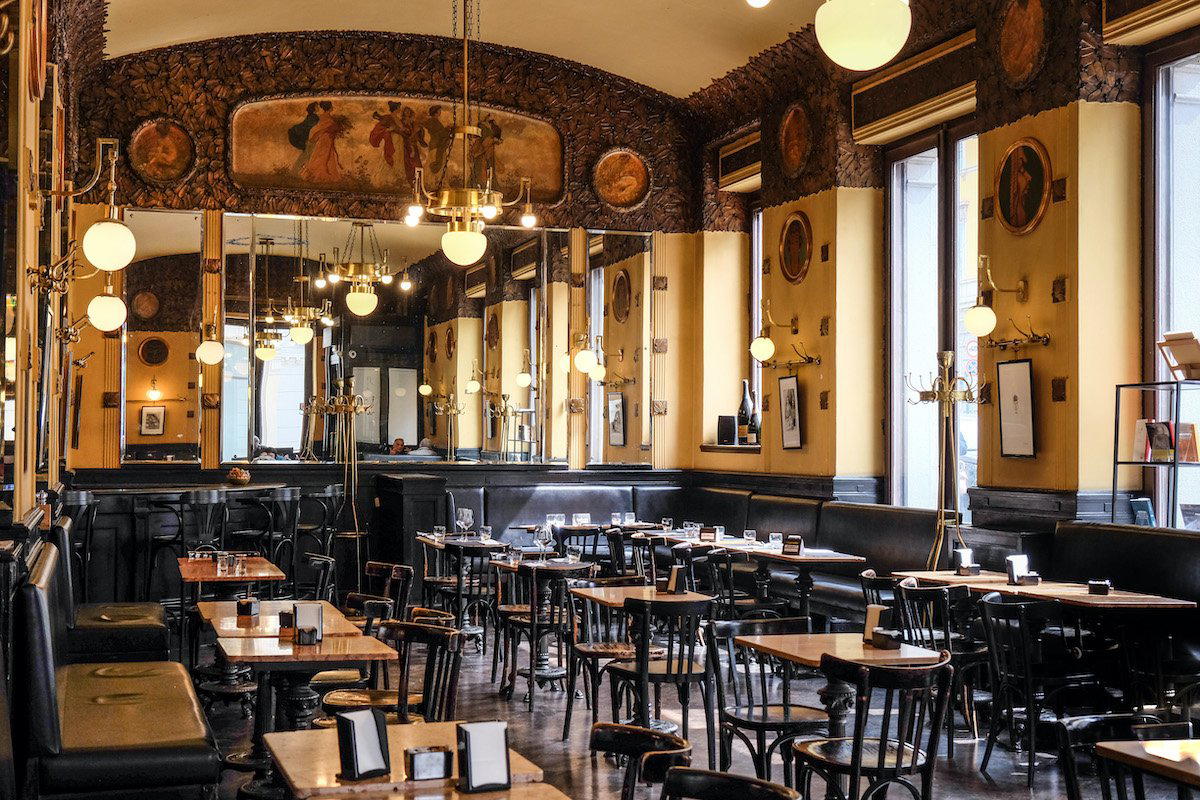
Where the Habsburg Coffee House Still Has a Pulse
The café as a civic institution, reading room, debate hall, and informal office in one, reached its height in the cities of the Austro-Hungarian empire. Vienna, Prague, Budapest, and Trieste each developed their own version, and in most of them the original form has either been museumified or replaced entirely. Trieste holds an exception. Caffè San Marco, on Via Cesare Battisti in the city's older commercial quarter, has sustained the format across more than a century of political discontinuity: Habsburg administration, Italian unification, wartime occupation, postwar reconstruction, and the long economic reconfiguration that followed the port's decline.
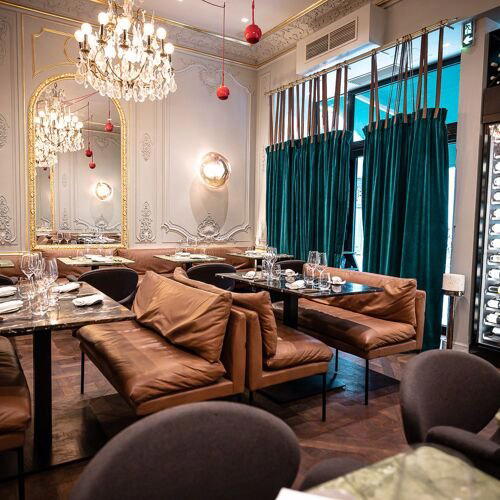
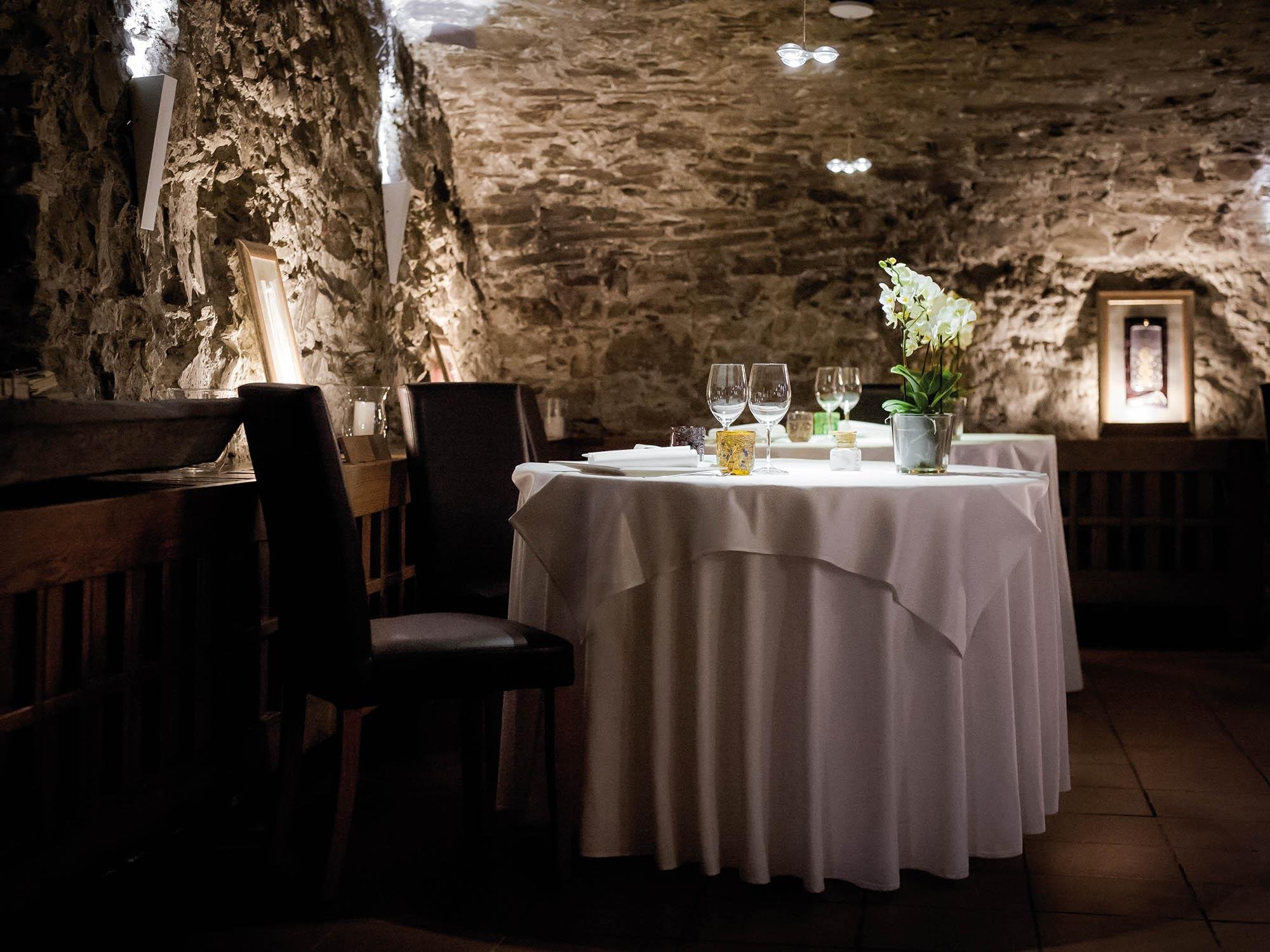
Entering from the street, the room establishes its context immediately. The ceiling height, the curve of the arches, the patinated wood of the furniture, the arrangement of small tables with their marble surfaces, these are not reproduction period details but the actual fabric of a pre-war interior. The light is calibrated rather than dramatic: enough to read by, not enough to feel exposed. The sound level settles somewhere between library and restaurant. This is the physical grammar of the Central European café, and San Marco reads it correctly.
A City That Takes Coffee Seriously, on Its Own Terms
Trieste has a coffee culture distinct enough that the city developed its own ordering vocabulary, largely disconnected from the Milanese espresso idiom that now defines Italian café culture nationally. A nero is what the rest of Italy calls an espresso; a capo is a macchiato; a capo in b arrives in a glass. These terms reflect a tradition that passed through Vienna before passing through Rome, and that sequence still shapes how coffee is consumed and ordered across the city's older cafés.
San Marco sits within that tradition while serving a clientele that includes students from the nearby university, working professionals on their second coffee of the morning, and visitors who have specifically sought out the room after reading about Trieste's literary past. The mix produces a café that functions across several registers simultaneously, something the leading historic cafés have always managed and most contemporary coffee venues cannot replicate because they have been built around a single purpose.
The Literary Record and What It Means for the Room
Trieste's literary associations are well-documented. James Joyce lived and wrote in the city for over a decade, producing much of Dubliners and A Portrait of the Artist as a Young Man during his years there before the First World War. Italo Svevo, whose novel La Coscienza di Zeno gave Trieste a canonical modernist text, was a regular presence in the city's café culture. The rooms of San Marco were part of that world, and the traces are not merely commemorative, they inform the atmosphere of a place that still attracts writers, academics, and readers who come to work rather than simply to be seen.
For the visitor, this context matters less as trivia and more as explanation. It accounts for why the café sustains a pace and an atmosphere that many contemporary venues, built for throughput, have deliberately abandoned. San Marco has not made itself into a monument; it has continued operating as a café in which sitting for two hours over a single order is neither unusual nor unwelcome.
Positioning Within Trieste's Dining and Drinking Scene
Trieste's restaurant and café scene positions itself differently from the major northern Italian cities. The Adriatic seafood tradition runs through venues like Al Bagatto and Ai Fiori, while modern Italian cooking at the higher price points is anchored by places like Harry's Piccolo. The café tradition occupies a separate register altogether, it is not a competitor to the dining scene but a complement to it, functioning at different hours and serving a different social purpose.
Within that café tier, San Marco operates at the historic end of the spectrum, alongside a handful of other surviving grand cafés. It is not the city's only historic café, but its combination of interior integrity, literary association, and continued daily use makes it the room that most fully represents what the Triestine café tradition looked like at its formation. Visitors constructing a broader itinerary around the city's food and drink culture might map San Marco against dinner at Ai 3 Magnoni or Al Civicosei, treating the café as the morning or afternoon anchor and the restaurants as evening destinations. Our full Trieste restaurants guide maps the wider scene in detail.
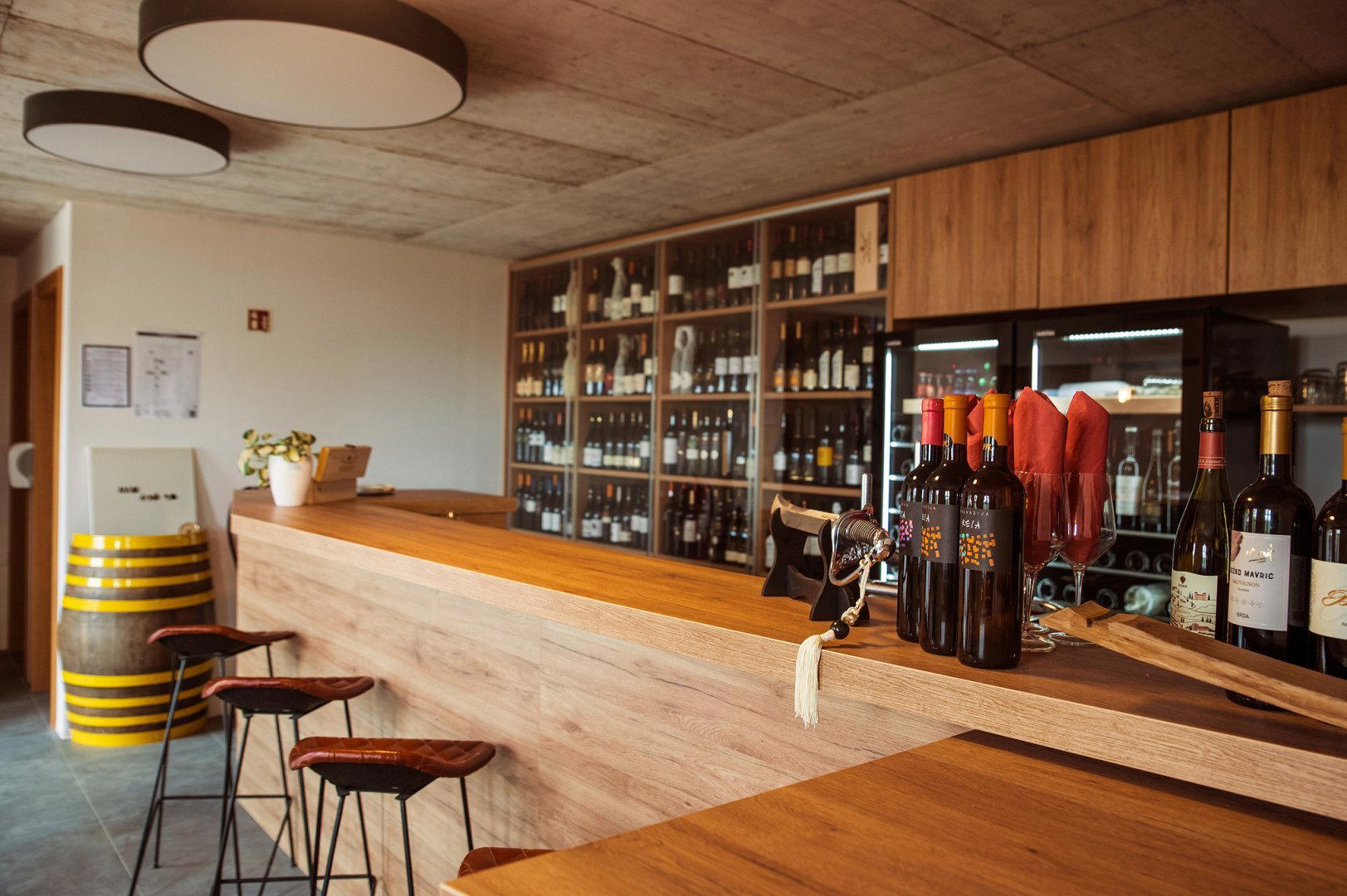
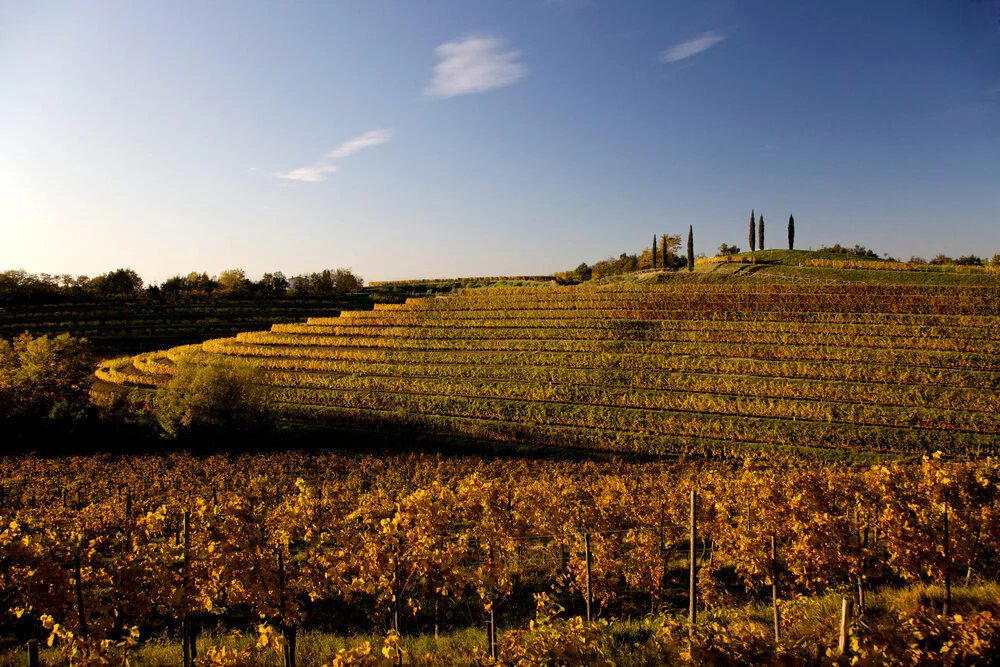
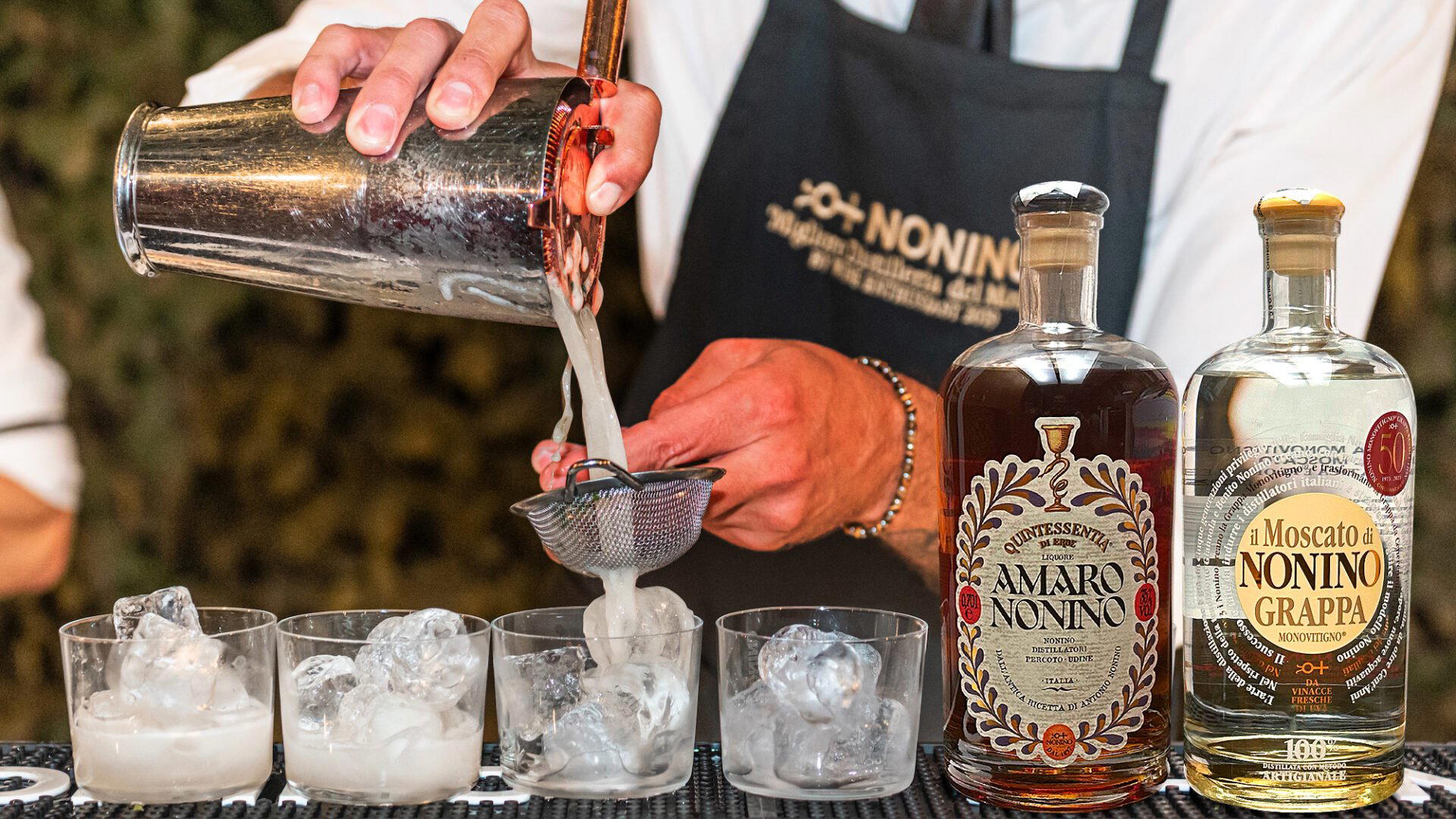
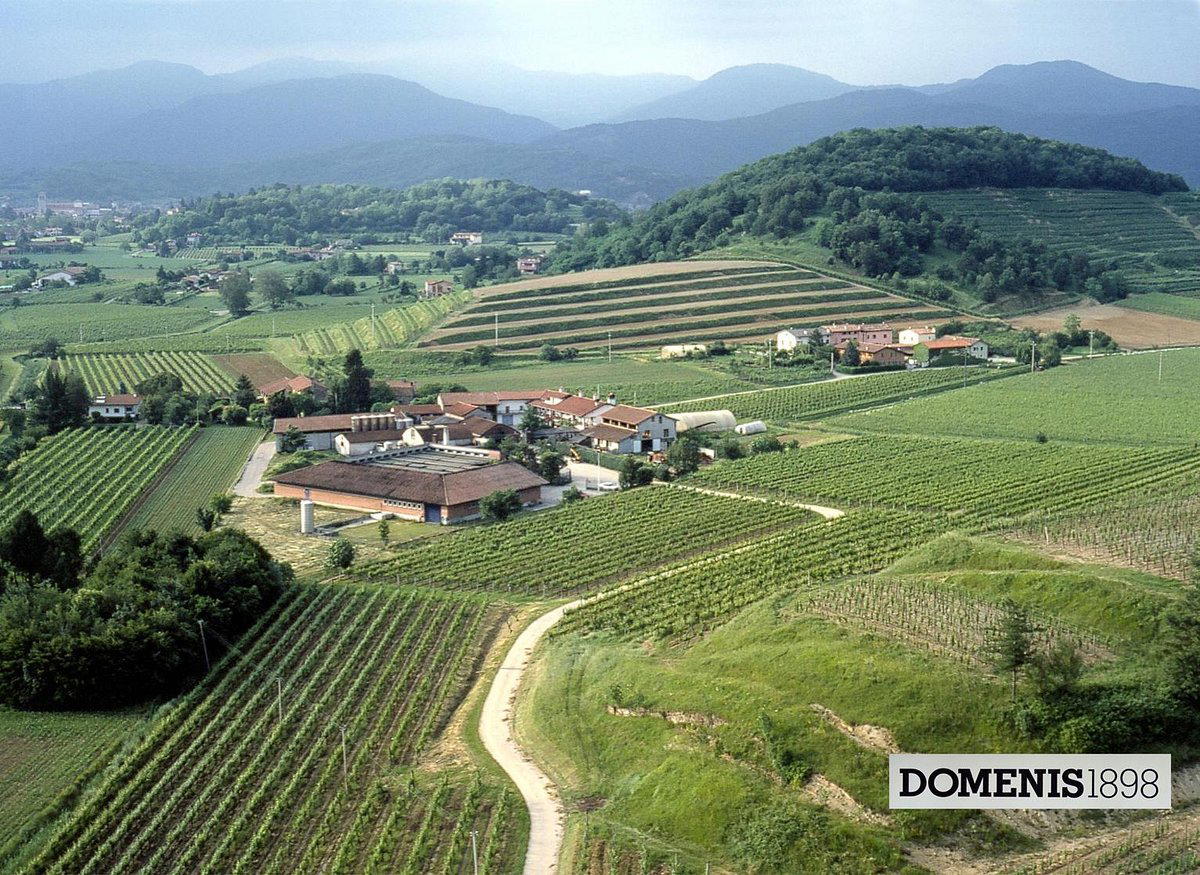
Wine and the Collio Connection
Planning a Visit
Caffè San Marco is located at Via Cesare Battisti 18, in the central part of Trieste's older grid, within walking distance of the city's main piazzas and the waterfront.
In Context: Similar Options
Comparable venues nearby, for context on price, style, and recognition.
| Venue | Cuisine | Price | Awards | Notes |
|---|---|---|---|---|
| Caffè San MarcoThis venue — the venue you are viewing | Italian Café & Pastry | $$ | , | |
| Tre Merli | Italian Seafood Trattoria | $$ | , | Barcola |
| Alla Valle | Italian Seafood Osteria | $$ | , | Centro |
| Trattoria Alla Sacchetta | Traditional Italian Seafood Trattoria | $$ | , | Riva Tommaso Gulli |
| Nerodiseppia | Italian Seafood Trattoria | $$ | , | Centro |
| Alla Sorgente | Traditional Italian Seafood Trattoria | $$ | , | Trieste center |
Continue exploring
More in Trieste
Restaurants in Trieste
Browse all →
Bars in Trieste
Browse all →
Hotels in Trieste
Browse all →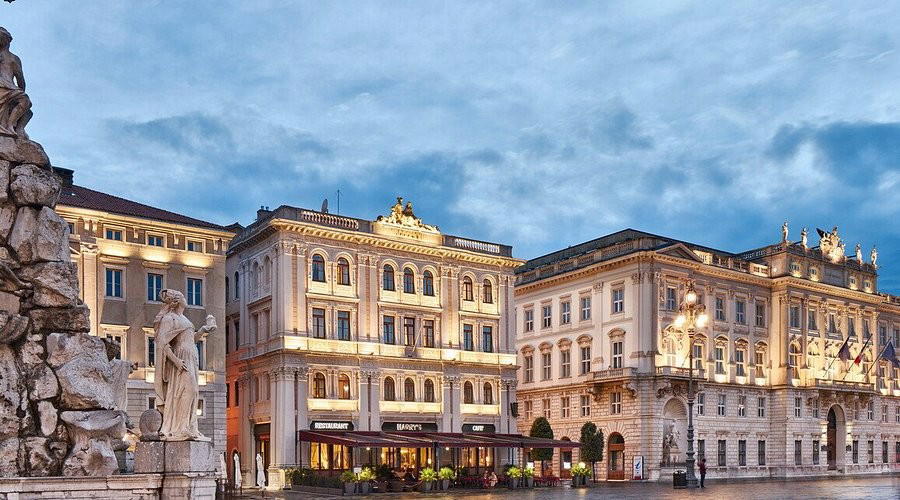
At a Glance
- Iconic
- Classic
- Elegant
- Cozy
- Casual Hangout
- Brunch
- Solo
- Group Dining
- Historic Building
- Terrace
- Street Scene
Ornate Art Nouveau décor with period furnishings evoking early 20th-century elegance; warm, nostalgic atmosphere filled with literary history and intellectual heritage.