Chimera di Bacco occupies a compact address on Via del Pane in central Trieste, a city where the line between Italian and Central European dining traditions blurs in ways that few other ports manage. The name alone signals a wine-forward sensibility, and the setting places it within Trieste's mid-register dining scene, where neighbourhood character and a serious cellar often matter more than formal credentials.
Pearl is the En Primeur Club membership app — saves, bookings, and concierge access live there. Same editors, same standards.
- Address
- Via del Pane, 2, 34121 Trieste TS, Italy
- Phone
- +393940364023
- Website
- chimeradibacco.com
- Directions
- Get directions
 Saves & bookings on Pearl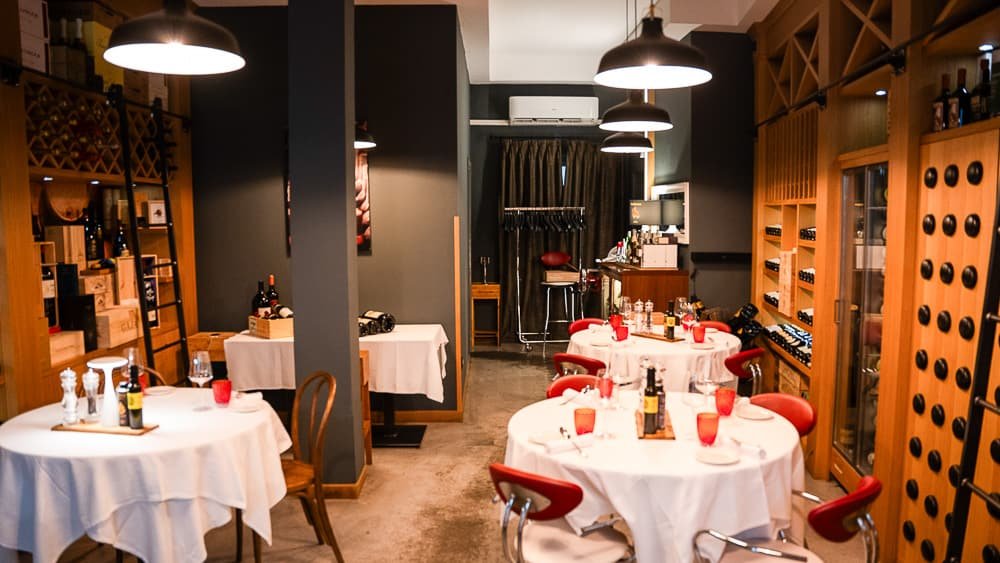
Trieste at the Table: Where the Adriatic Meets the Habsburg
Few Italian cities eat quite the way Trieste does. Positioned at the northeastern tip of the country, pressed between the Karst plateau and the Gulf of Trieste, the city draws on culinary traditions that stretch from the Veneto through Friuli-Venezia Giulia and into what was once the Austro-Hungarian empire. The result is a dining scene that sits slightly outside the Italian mainstream: osmizza wine stops built into farmhouses on the plateau, fish markets where brodetto and baccalà share space with sardoni in savor, and a café culture that owes as much to Vienna as to Rome. It is against this backdrop that Chimera di Bacco, at Via del Pane 2 in the 34121 postcode of central Trieste, finds its place.
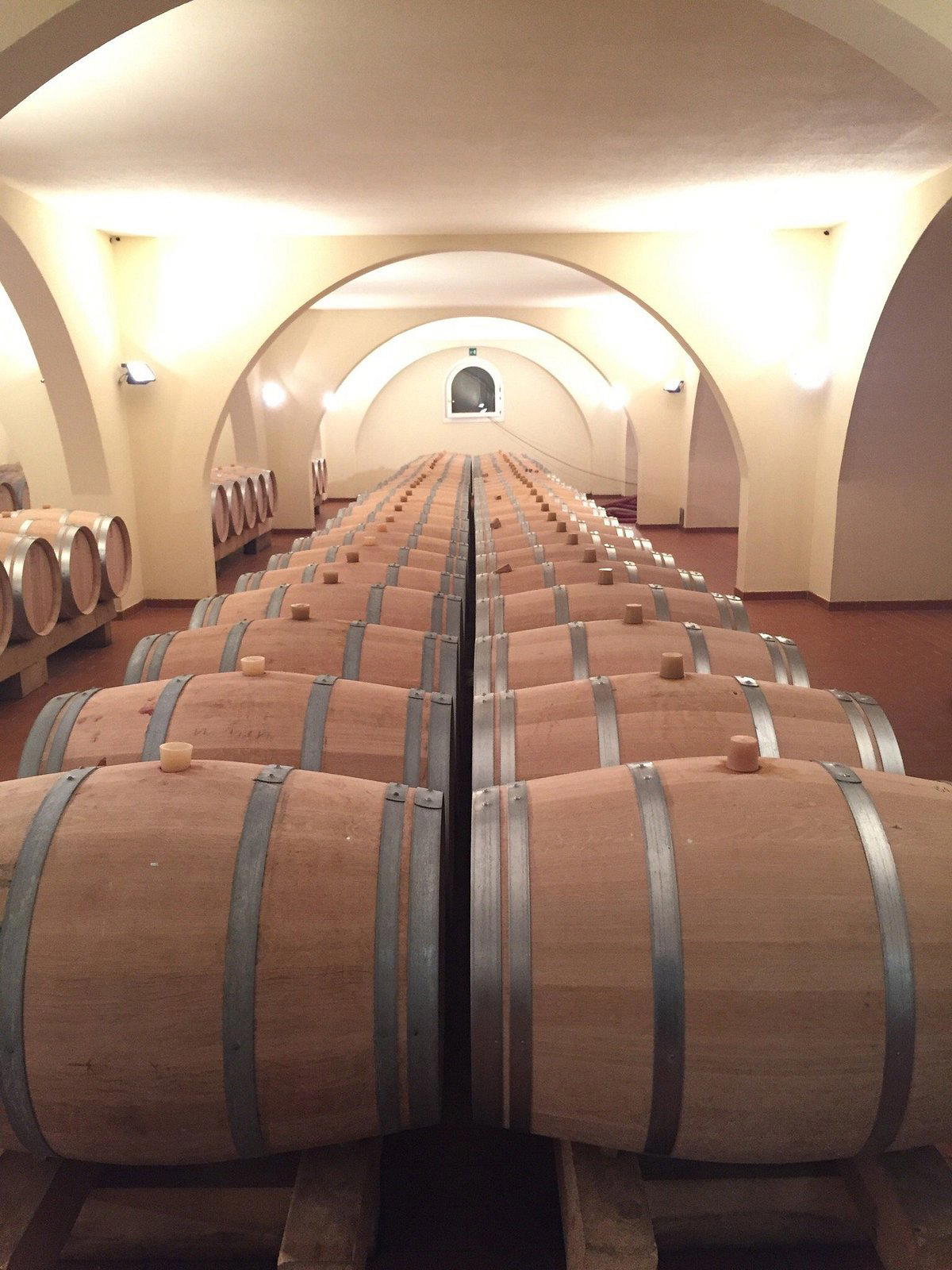
The name references both myth and wine, a pairing that suits a city with a serious relationship to the glass. Trieste is one of the natural gateways to Friuli's wine country, where Collio and Carso producers, working with Ribolla Gialla, Vitovska, and Terrano, have spent decades building an identity distinct from the broader Italian wine conversation. A venue with Bacco in its name in this city is making a statement about where its priorities lie.
The Lunch Shift and the Evening Shift
In Trieste's mid-register dining scene, the distance between lunch and dinner service is rarely just a matter of hours. Lunch in this city carries a working rhythm, the port, the insurance sector, the university, and restaurants that read the room correctly offer a register that is quicker, more affordable, and more ingredient-led. Evening service, by contrast, slows to a pace that allows a table to extend, a second carafe to arrive, and conversation to move at the speed the Adriatic seems to demand.
Chimera di Bacco sits on Via del Pane, a street whose name translates literally as Bread Street, in a part of central Trieste that holds both residential life and the kind of neighbourhood traffic that sustains places not designed around tourist circuits. That positioning tends to produce a particular kind of restaurant: one that manages a dual register, serving the midday crowd with efficiency and the evening crowd with more room to breathe. The practical implication for visitors is that a lunch visit and a dinner visit to the same address in this part of the city can feel like two distinct proposals, shaped by who else is in the room and what the kitchen is being asked to produce at speed versus what it is given time to develop.
For those weighing value, lunch in Trieste's neighbourhood dining tier generally represents the stronger proposition on price-to-quality terms. Evening service, particularly at venues with serious wine programs, tends to shift the equation toward the cellar, where bottles drive the bill upward in ways that the food ticket alone would not. This is a city where the wine frequently leads the evening.
Chimera di Bacco in the Trieste Context
Trieste's restaurant scene covers a meaningful range. At the higher end, Harry's Piccolo operates at the €€€€ tier with a modern Italian and contemporary Italian format that positions it against national fine dining peers. Al Bagatto holds the seafood brief at the €€€ level, drawing on the Adriatic larder with more formality than the osterie that dominate the lower end of the market. The restaurant occupies different ground from both: the name and the address point toward a wine-anchored neighbourhood format that values the glass as much as the plate, closer in character to the enoteca tradition than to the white-tablecloth register.
That enoteca tradition is worth understanding in context. Across northeastern Italy, the wine bar has evolved from a simple pour-and-go format into something that often carries a serious food proposition alongside it, not a full tasting menu, but a selection of cicchetti, cold cuts, cheese boards, and warm dishes calibrated to sustain a long evening of drinking. Whether the restaurant operates fully in that mode or crosses further into restaurant territory is a distinction worth clarifying on arrival, as the format shapes what a visit looks like in terms of pacing, ordering, and spend.
Italy's Broader Wine-Dining Register
For context on how venues anchored by wine programming fit into Italy's wider scene, it helps to look at the range. At one end, restaurants like Enoteca Pinchiorri in Florence or Osteria Francescana in Modena treat the cellar as part of a high-formal dining proposition backed by major award recognition. Further along the spectrum, Piazza Duomo in Alba, Le Calandre in Rubano, and Uliassi in Senigallia each anchor their identity in a regional food tradition while maintaining wine lists with serious depth. At the opposite end of the formality axis, wine-led venues in provincial Italian cities function primarily as neighbourhood anchors, where the cellar is the draw and the food extends the visit rather than defining it.
The restaurant's positioning within that range remains somewhat open, which is itself a characteristic of venues that build reputation through repeat local custom rather than through press profiles or award submissions. It is the kind of address that tends to reward a visitor who arrives without fixed expectations and is willing to be guided by what the kitchen is focused on that day. If the name holds, the wine will be the starting point for that conversation.
Planning a Visit
The restaurant is located at Via del Pane 2 in central Trieste, within walkable distance of the city's main piazzas and public transport links. Current booking policy is recommended, and the restaurant opens Monday to Saturday for lunch and dinner. Reservations are recommended, especially for dinner.
Where It Fits
Comparable venues nearby, for context on price, style, and recognition.
| Venue | Cuisine | Price | Notes |
|---|---|---|---|
| Chimera di BaccoThis venue — the venue you are viewing | Modern Italian Seafood | $$$ | Not listed |
| Caffè Tommaseo | Historic Italian Café & Trattoria | $$$ | Piazza Nicolò Tommaseo |
| Bracerie Venete | Italian Steakhouse | $$$ | Centro |
| Trattoria Al Sub | Italian Seafood Trattoria | $$ | Barcola |
| Trattoria Alla Sacchetta | Traditional Italian Seafood Trattoria | $$ | Riva Tommaso Gulli |
| Osteria Marise | Authentic Triestino Italian | $$ | Trieste city center |
Continue exploring
More in Trieste
Restaurants in Trieste
Browse all →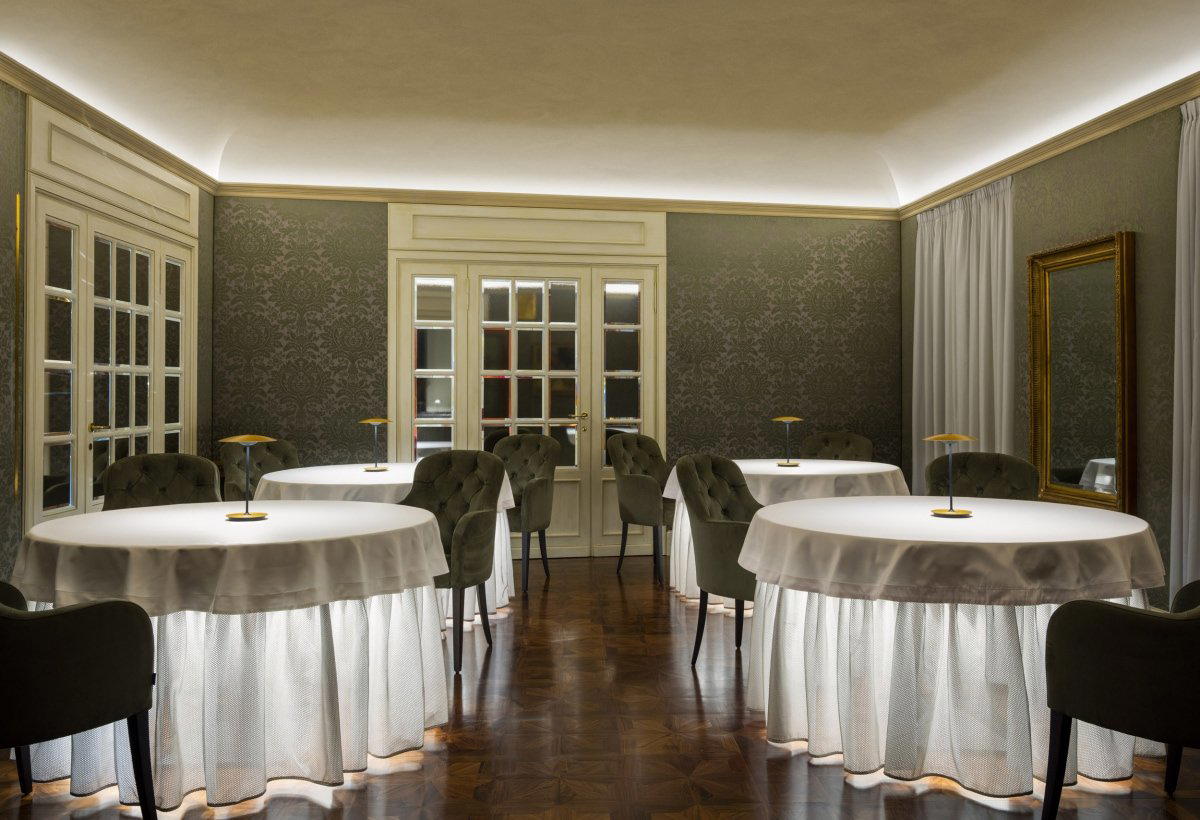
Bars in Trieste
Browse all →
Hotels in Trieste
Browse all →
At a Glance
- Elegant
- Intimate
- Sophisticated
- Cozy
- Date Night
- Special Occasion
- Business Dinner
- Wine Cellar
- Extensive Wine List
Current opening hours
- Monday
- 12–2:30 PM, 7–11 PM
- Tuesday
- 12–2:30 PM, 7–11 PM
- Wednesday
- 12–2:30 PM, 7–11 PM
- Thursday
- 12–2:30 PM, 7–11 PM
- Friday
- 12–2:30 PM, 7–11 PM
- Saturday
- 12–2:30 PM, 7–11 PM
- Sunday
- Closed
Hours can change for holidays and private events. Last verified .
Pleasant and welcoming historic setting with attentive service, intimate rooms, and refined dining atmosphere.