On a quiet residential street in Trieste's inner city, Hostaria da Libero operates in the register of the city's osteria tradition: unhurried, locally anchored, and oriented toward the Adriatic and central European culinary crosscurrents that define this corner of Italy. For visitors looking beyond the waterfront tourist circuit, it offers a useful entry point into how Trieste actually eats.
Pearl is the En Primeur Club membership app — saves, bookings, and concierge access live there. Same editors, same standards.
- Address
- Via Risorta, 7/A, 34131 Trieste TS, Italy
- Phone
- +393940301113
- Website
- hostariadalibero.com
- Directions
- Get directions
 Saves & bookings on Pearl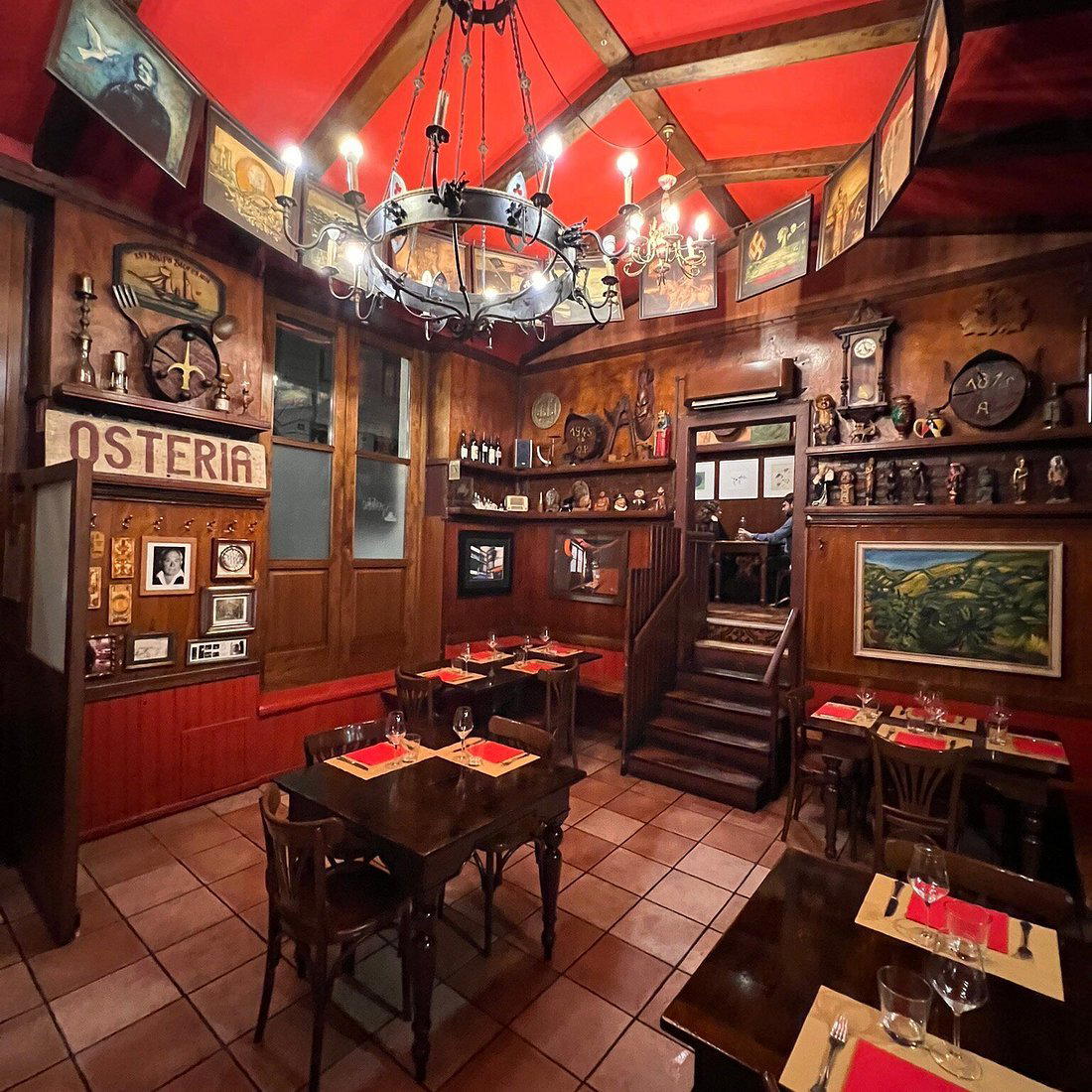
How Trieste Eats, and Where Hostaria da Libero Fits
Via Risorta is not a street that draws visitors. It runs through a residential quarter of central Trieste, away from the Piazza Unità d'Italia and the caffè-lined corso, and the buildings here have the settled, slightly worn quality of a city that has outlasted several empires. That setting is not incidental to understanding what Hostaria da Libero is. In Trieste, the osteria format has always been embedded in the neighbourhood rather than the tourist belt, and restaurants on streets like this one tend to answer to regulars before they answer to guidebooks.
Trieste's dining identity is genuinely hard to categorise by Italian regional standards. The city spent centuries as the main port of the Habsburg Empire, and its food culture reflects that layered history: brodetto and grilled fish from the Adriatic sit alongside goulash, jota (a thick bean and pork soup of Slovenian and Friulian origin), and a general tolerance for central European flavours that would read as anomalous anywhere else on the Italian peninsula. The osterie that have survived here tend to honour that plurality rather than resolving it into a single regional pitch.
The Ritual of the Meal at a Triestine Osteria
The dining rhythm in a room like this follows conventions that pre-date modern restaurant culture. Triestine osterie operate on a pace set by the kitchen, not the table. Courses arrive when they are ready; the assumption is that you have time, and that the meal is the occasion rather than a prelude to one. This is not inefficiency, it is structure, and visitors calibrated to tighter metropolitan service often need a course or two to adjust.
The correct way to approach a meal at Hostaria da Libero, or at any osteria in this tradition, is to order more than you think you need in the first pass and to let the middle of the meal expand. A well-constructed Triestine lunch moves through raw or cured fish or a light antipasto, into a pasta course that may draw from both Italian and central European registers, and then into a secondi that is often simply cooked, relying on the quality of the base ingredient rather than technical intervention. Wine is local or regional by default: Carso whites, Friulano, Vitovska, or a Refosco from the Collio border zone are all natural companions to the food this kitchen type produces.
Service model in neighbourhood osterie like this one tends toward the proprietorial: a small team, often family-linked, where the person who takes your order may also have an opinion on what you should be eating. That is not overreach, it is the mechanism by which these places transfer culinary knowledge. Taking that advice seriously tends to produce better meals than working against it.
Trieste's Dining Tiers and Where This Sits
Trieste has a modest but coherent upper tier of restaurants. Harry's Piccolo operates in the modern Italian and Italian Contemporary register at the summit of the city's price range, and Al Bagatto is the reference point for serious Adriatic seafood at the €€€ level. Below that tier sits a broader set of mid-register trattorias and osterie, including Ai 3 Magnoni, Ai Fiori, and Al Civicosei, where the cooking is honest and regionally grounded rather than technically ambitious. The restaurant operates in that cohort: places where the quality signal comes from ingredient sourcing and kitchen consistency rather than from formal credentials or award-circuit positioning.
This is a different proposition from the starred or listed restaurants that form the reference set for Italian fine dining internationally. Houses like Osteria Francescana in Modena, Le Calandre in Rubano, or Piazza Duomo in Alba are making arguments about cuisine as a discipline. A Triestine osteria is making an argument about cuisine as a daily practice, and the two registers reward different kinds of attention. Coastal Italy has produced distinguished versions of both: Uliassi in Senigallia and Quattro Passi in Marina del Cantone demonstrate what happens when Adriatic and Tyrrhenian seafood traditions are pushed toward technical ambition. The restaurant is not operating in that mode, and it is not trying to.
Planning Your Visit
Via Risorta 7/A places the restaurant within walking distance of Trieste's central districts, accessible on foot from the main piazza and the train station quarter. Reservations are recommended, and the restaurant serves lunch from Tuesday to Saturday and dinner from Tuesday to Saturday. The kitchen is closed on Monday and Sunday, with lunch and dinner services on the remaining days. Reservations are recommended, especially for weekend evenings. Dress is smart casual.
Style and Standing
Comparable venues nearby, for context on price, style, and recognition.
| Venue | Cuisine | Price | Notes |
|---|---|---|---|
| Hostaria da LiberoThis venue — the venue you are viewing | Traditional Italian Osteria | $$ | Not listed |
| Caffè degli Specchi | Historic Italian Café | $$ | Piazza Unità d'Italia |
| Caffè San Marco | Italian Café & Pastry | $$ | Centro Storico |
| Da Angelina | Italian Seafood Trattoria | $$ | Trieste Central |
| Hostaria Malcanton | Traditional Triestina Seafood | $$ | Centro |
| Ristorante Le Vele | Italian Seafood | $$$ | :null |
Continue exploring
More in Trieste
Restaurants in Trieste
Browse all →
Bars in Trieste
Browse all →
Hotels in Trieste
Browse all →
At a Glance
- Rustic
- Cozy
- Classic
- Intimate
- Date Night
- Casual Hangout
- Special Occasion
- Historic Building
- Local Sourcing
Current opening hours
- Monday
- Closed
- Tuesday
- 12:30–2 PM, 7:15–10 PM
- Wednesday
- 12:30–2 PM, 7:15–10 PM
- Thursday
- 12:30–2 PM, 7:15–10 PM
- Friday
- 12:30–2 PM, 7:15–10 PM
- Saturday
- 12:30–2 PM, 7:15–10 PM
- Sunday
- Closed
Hours can change for holidays and private events. Last verified .
Cozy and homey atmosphere with wood furnishings, pictures, and decorative objects evoking a lived-in, welcoming family feel.