Côté Cuisine
Our verdict
Côté Cuisine sits in Hirtzfelden, a village in Alsace's southern Haut-Rhin where the Rhine plain and the Vosges foothills define what ends up on the plate. The address places it firmly in one of France's most ingredient-driven regional traditions, where proximity to forest, river, and smallholder farms has shaped local cooking for generations. A considered stop for anyone tracing Alsatian cuisine beyond the well-worn tourist trail.

Pearl is the En Primeur Club membership app — saves, bookings, and concierge access live there. Same editors, same standards.
- Address
- 1 Rue du Schmollgasse, 68740 Hirtzfelden, France
- Phone
- +33389748196
- Hours
- Mon–Tue ClosedWed–Sun 12–3 PM, 7–10 PM
- Website
- cote-cuisine-restaurant.com
- Directions
- Get directions
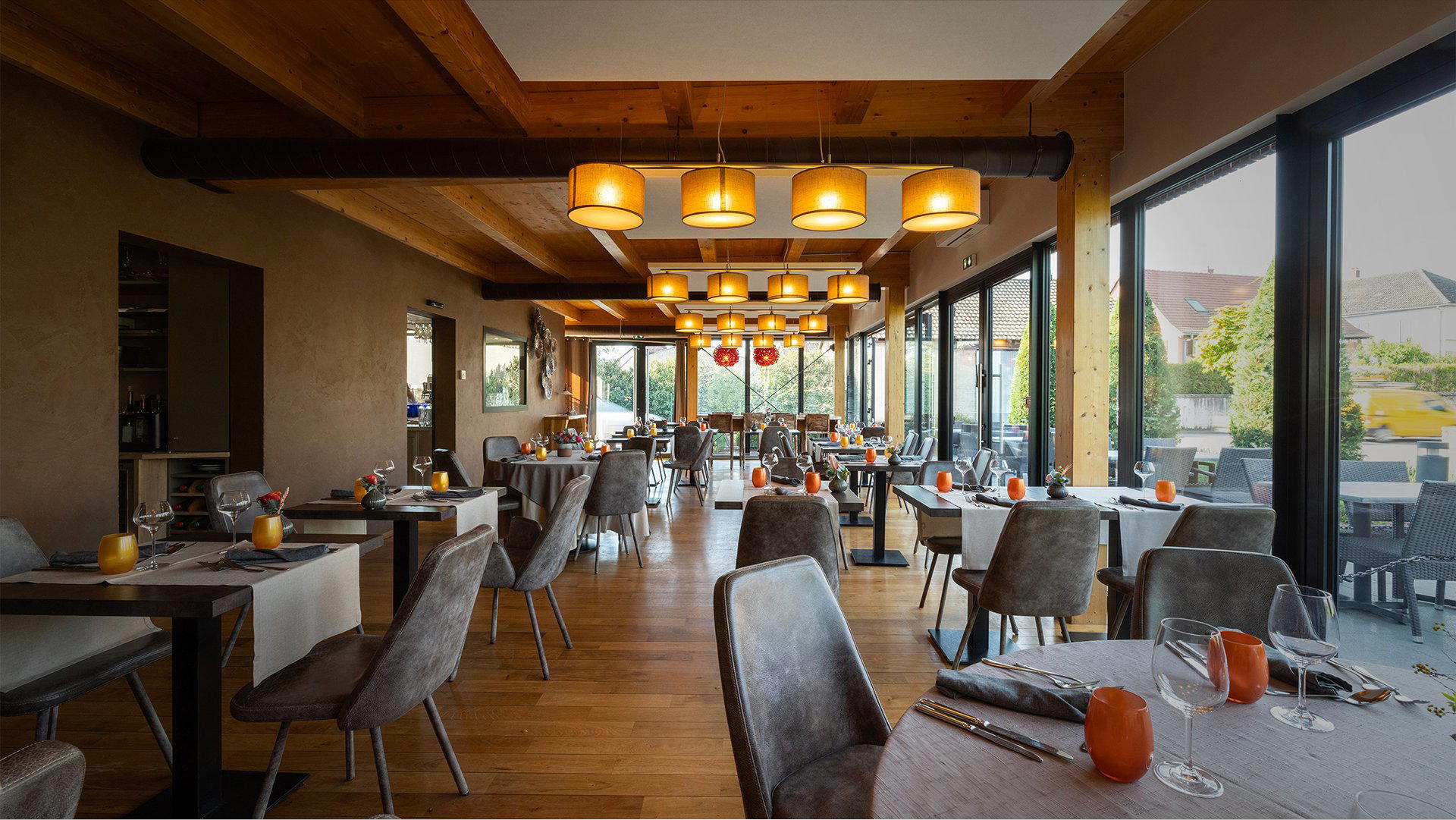
Alsace's Southern Larder, on a Village Street
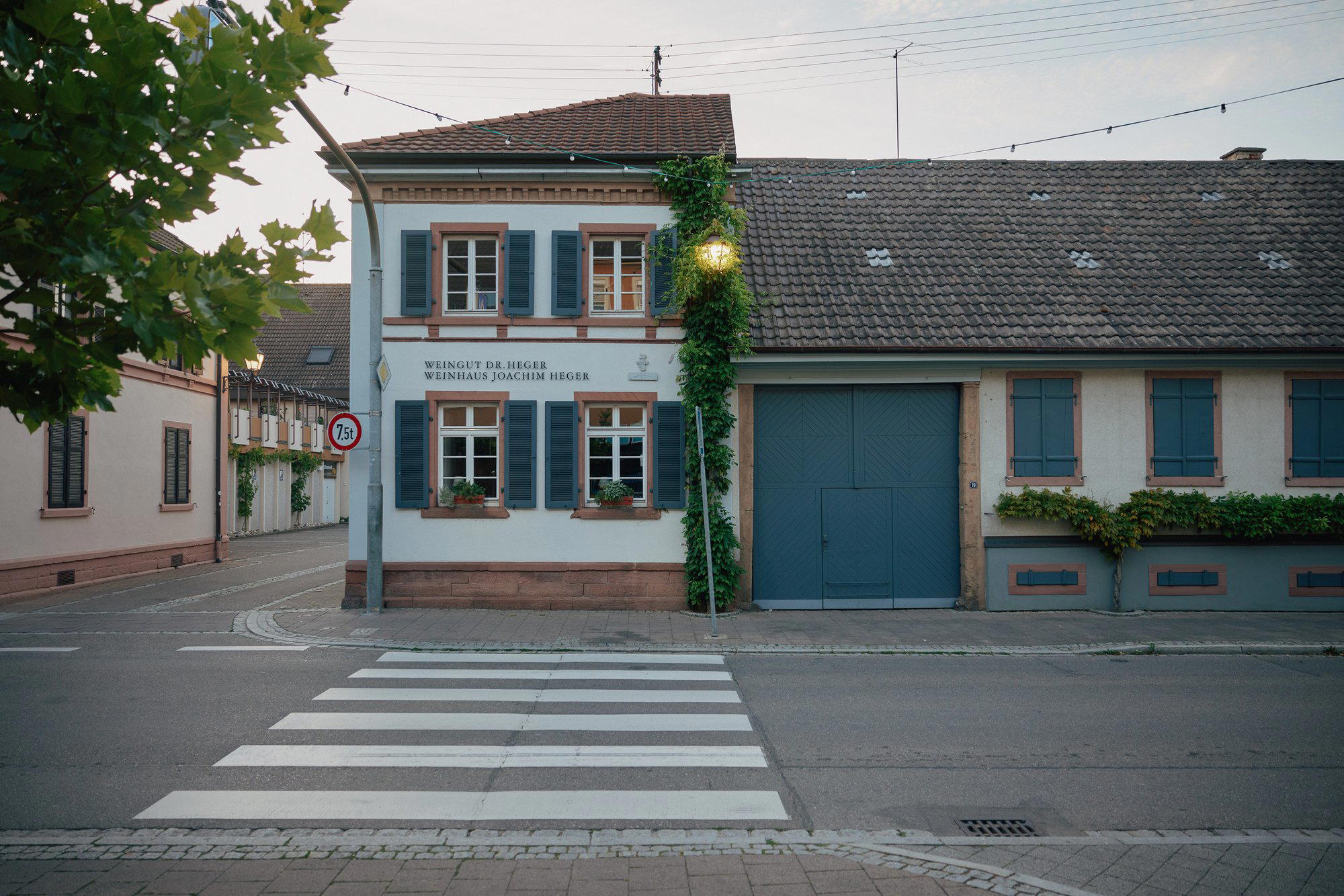
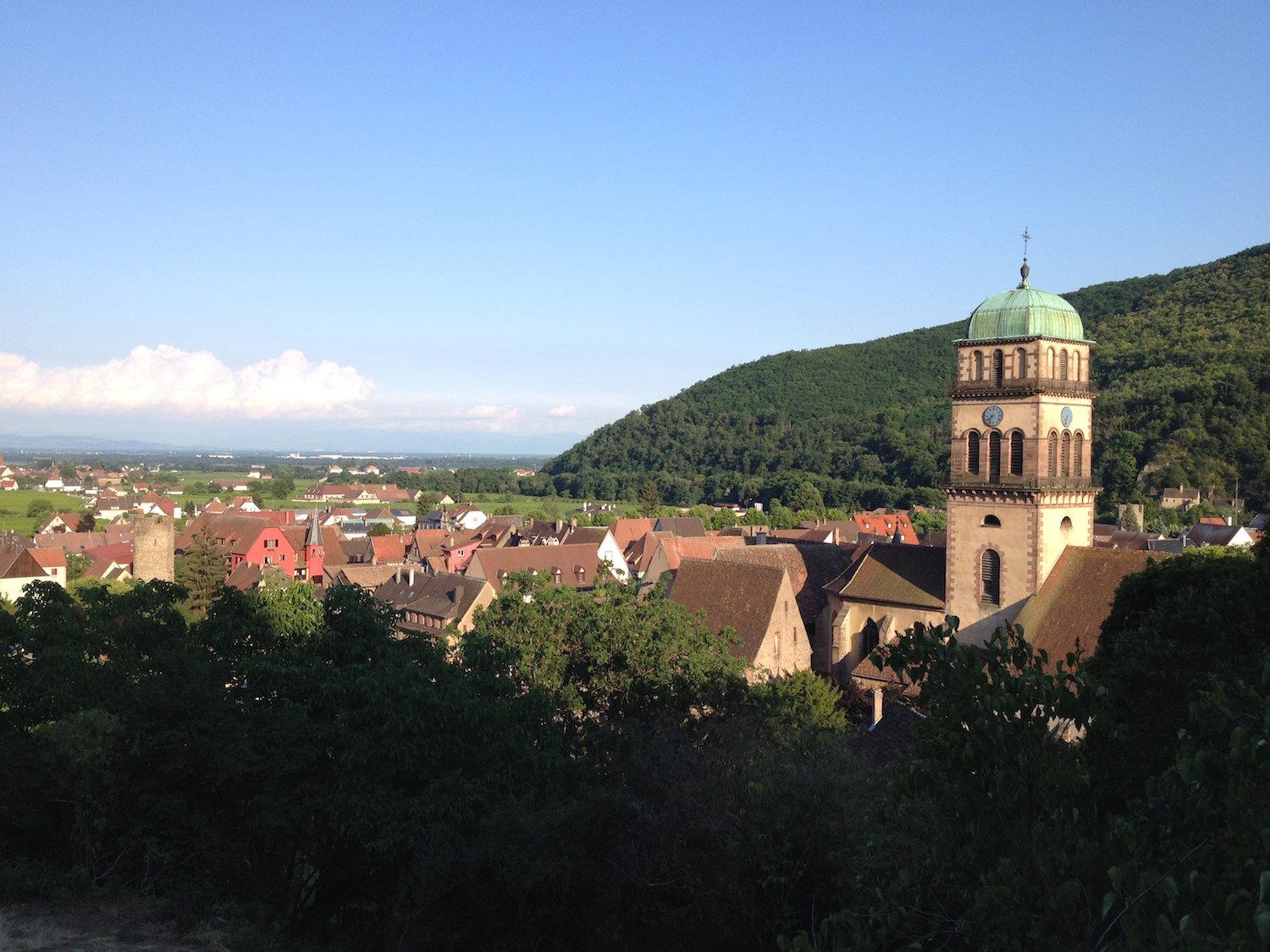
The road into Hirtzfelden gives little away. A quiet commune in the Haut-Rhin, roughly equidistant between Colmar and Mulhouse, it sits in the agricultural flatlands where the Rhine plain begins its slow ascent toward the Vosges. It is not a destination that announces itself. The village is the kind of place where the surrounding land is taken seriously as a source rather than as scenery, and that orientation runs through the cooking tradition of the area more reliably than any single restaurant name. Côté Cuisine, at 1 Rue du Schmollgasse, occupies this context: a French table in a working Alsatian village, away from the polished wine-route towns that most visitors use as their reference point for the region. For a broader look at what the area offers, see our full Hirtzfelden restaurants guide.
Why Sourcing Defines Alsatian Village Cooking
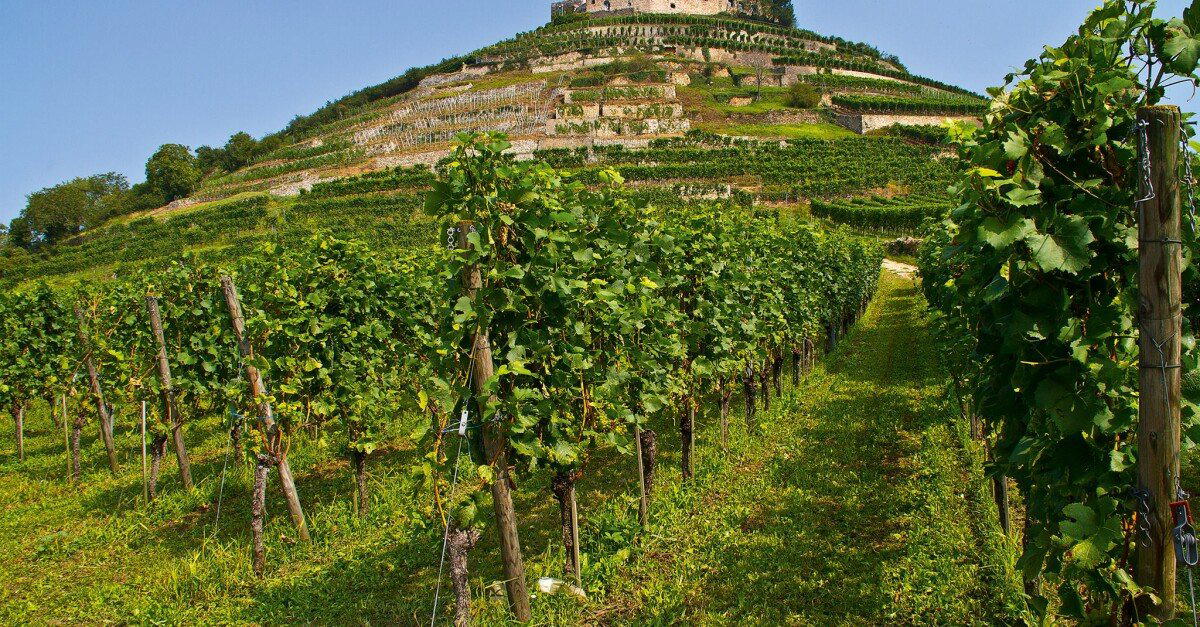
Alsace has one of the most clearly delineated ingredient geographies in France. The Vosges to the west supply game, mushrooms, and the soft water that defines local charcuterie. The Rhine plain delivers brassicas, asparagus (white, in season from April through June), and the kind of smallholder vegetable production that larger cities import at considerable premium. The river itself, and the network of ponds and waterways across the Haut-Rhin, contribute freshwater fish that rarely appear on Parisian menus but are treated as staples here. This is the material that underpins a regional kitchen: not a curated provenance story assembled for a tasting menu, but an actual supply chain built over decades of proximity.
The distinction matters when placing a restaurant like Côté Cuisine. Village tables in this part of Alsace sit closer to that supply chain than their counterparts in Strasbourg or Colmar, where urban kitchens increasingly source through the same national distributors as everywhere else. The gap between what a Hirtzfelden cook can reach and what a city restaurant can reach is, on the leading days, measurable on the plate.
This sourcing logic connects Côté Cuisine to a broader tradition of French rural gastronomy that the country's decorated establishments have long drawn from. Bras in Laguiole built its identity on Aubrac's wild plants and dairy. Auberge du Vieux Puits in Fontjoncouse made a case for the Corbières garrigue as a serious ingredient source. The logic is the same: place determines palette. In Alsace, that tradition has its own deep roots, most visibly at Auberge de l'Ill in Illhaeusern, which has held three Michelin stars since 1967 and remains the benchmark against which Alsatian fine dining measures itself.
The Haut-Rhin Table: Where Côté Cuisine Sits in the Regional Tier
French regional dining has developed a clear stratification. At the leading, multi-starred destinations draw international visitors as primary audience: Flocons de Sel in Megève, Mirazur in Menton, and Alléno Paris au Pavillon Ledoyen each operate in that register, pricing and format pitched at a global audience. A tier below, established regional houses like Maison Lameloise in Chagny or Georges Blanc in Vonnas serve both destination diners and a loyal local clientele, their reputations spanning decades. Further down, village tables occupy a different position entirely: primarily local in audience, lower in price, and often more directly connected to regional supply chains precisely because they have not scaled to meet broader demand.
Côté Cuisine occupies the village-table tier in a region where that tier carries genuine culinary weight. The Haut-Rhin has a density of serious cooking that few French départements match outside Lyon's immediate orbit. The proximity to Germany and Switzerland, and the historical back-and-forth of Alsatian identity between French and German administration, has produced a cuisine that is neither straightforwardly French nor German but distinctly its own: choucroute, baeckeoffe, flammekueche, and a pastry tradition that reflects Austro-German influence as much as Parisian. A village restaurant here is not a diminished version of a city table; it is a different thing, operating according to different logic.
Visiting: What to Know Before You Go
For those building a longer French gastronomic itinerary, the contrast between a table like this and the grander formats further afield is worth considering deliberately. Troisgros in Ouches, Paul Bocuse in Collonges-au-Mont-d'Or, and Les Prés d'Eugénie in Eugénie-les-Bains each represent a different model of French regional identity at high formality; Le 1947 at Cheval Blanc in Courchevel, La Vague d'Or in Saint-Tropez, and L'Oustau de Baumanière in Les Baux anchor the resort-destination tier. La Table du Castellet and Le Bernardin in New York show how French culinary logic exports. The village table, by contrast, asks for a different kind of attention: less spectacle, more direct contact with place. Lazy Bear in San Francisco has made a comparable argument in a different context, that format and scale need not determine seriousness.
Frequently asked questions
Is Côté Cuisine okay with children?
Hirtzfelden is a quiet residential commune, and village restaurants in the Haut-Rhin generally accommodate families without ceremony. Côté Cuisine is located at 1 Rue du Schmollgasse, away from any high-traffic urban setting, which tends to make for a relaxed rather than formal dining environment. check the venue's official channels to confirm seating arrangements for younger guests.
What is the atmosphere like at Côté Cuisine?
The setting is a small Alsatian village commune, which frames the experience before you step inside: Hirtzfelden has no tourist infrastructure to speak of, so the room draws largely from the local and regional catchment rather than international foot traffic. That dynamic typically produces a grounded, neighbourhood-focused tone rather than the performance of destination dining. The address on Rue du Schmollgasse reinforces the residential, unhurried character of the place.
How far is Côté Cuisine from Colmar and Mulhouse, and is it worth the detour?
Hirtzfelden sits roughly equidistant between Colmar and Mulhouse in the Haut-Rhin, making Côté Cuisine a practical stop on any route through southern Alsace rather than a dedicated pilgrimage. The commune is small with limited visitor infrastructure, so the restaurant at 1 Rue du Schmollgasse functions more as a local address than a regional draw — which is precisely what makes it useful for travellers wanting to eat where the region actually eats rather than where it performs for visitors.
What should I order at Côté Cuisine?
What is well established is that southern Alsace kitchens in the Haut-Rhin draw on a defined larder: game and mushrooms from the Vosges, Rhine plain produce, and local charcuterie traditions. Dishes rooted in that ingredient geography are a reliable focus at village-level restaurants in this part of Alsace.
How do I find Côté Cuisine?
Côté Cuisine is located at 1 Rue du Schmollgasse, 68740 Hirtzfelden, France, Hirtzfelden.
A Quick Peer Check
Comparable venues nearby, for context on price, style, and recognition.
| Venue | Cuisine | Price | Notes |
|---|---|---|---|
| Côté CuisineThis venue — the venue you are viewing | Bistronomique French | $30–50 | Not listed |
| Au Cygne | Traditional Alsatian Winstub | $20–30 | Colmar center |
| L'Oignon | Traditional French Alsatian | $30–50 | Centre |
| Au Brasseur | Traditional Alsatian Brasserie | $20–30 | Centre |
| Winstub Le Freiberg | Traditional Alsatian Winstub | $30–50 | town center |
| L’aventure | French Mountain Grill | $30–50 | Oz en Oisans |
Continue exploring
More in Hirtzfelden
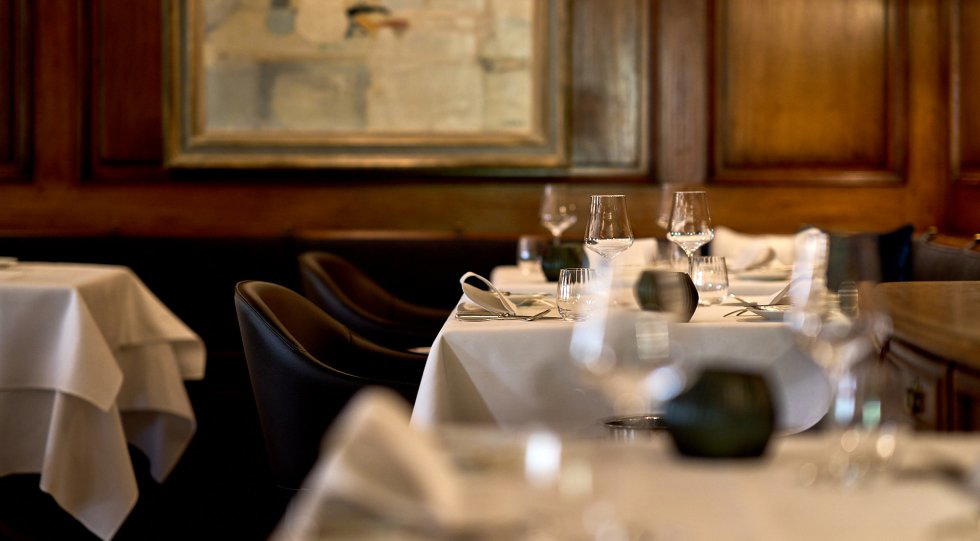
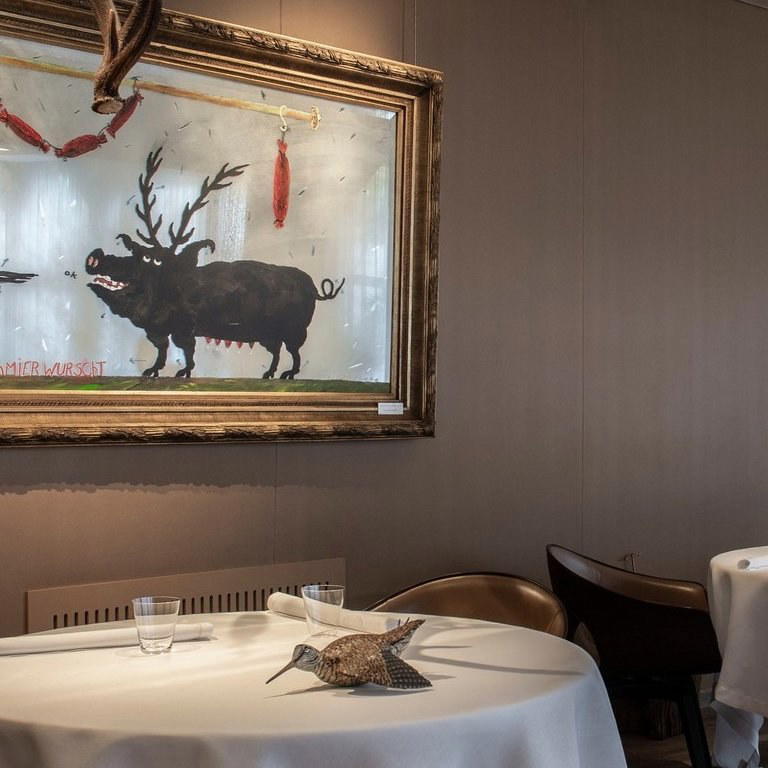
Restaurants in Hirtzfelden
Browse all →
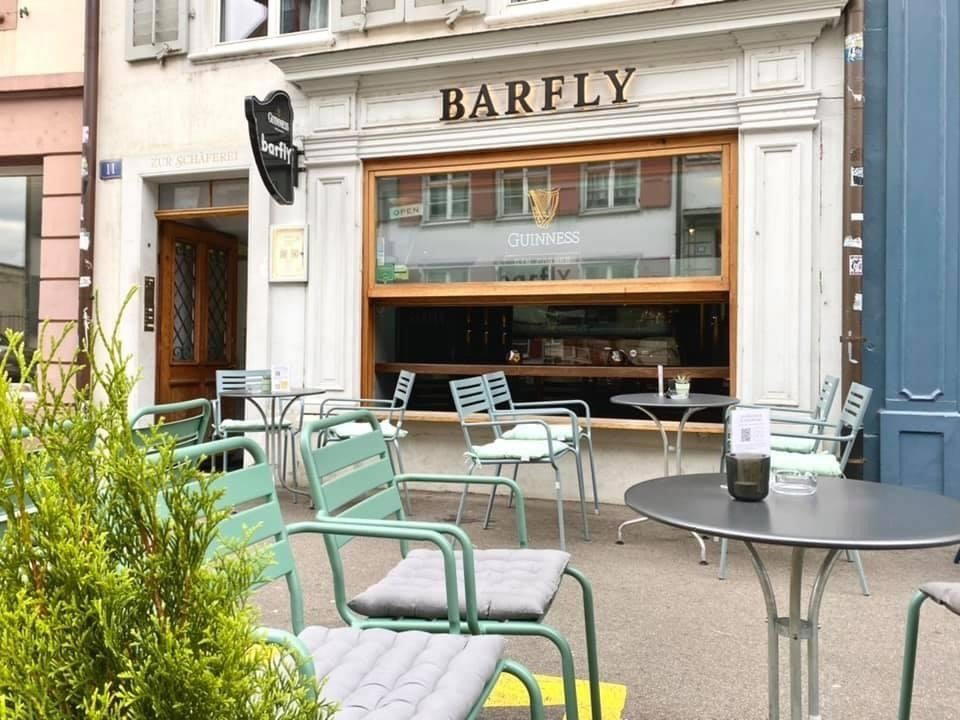
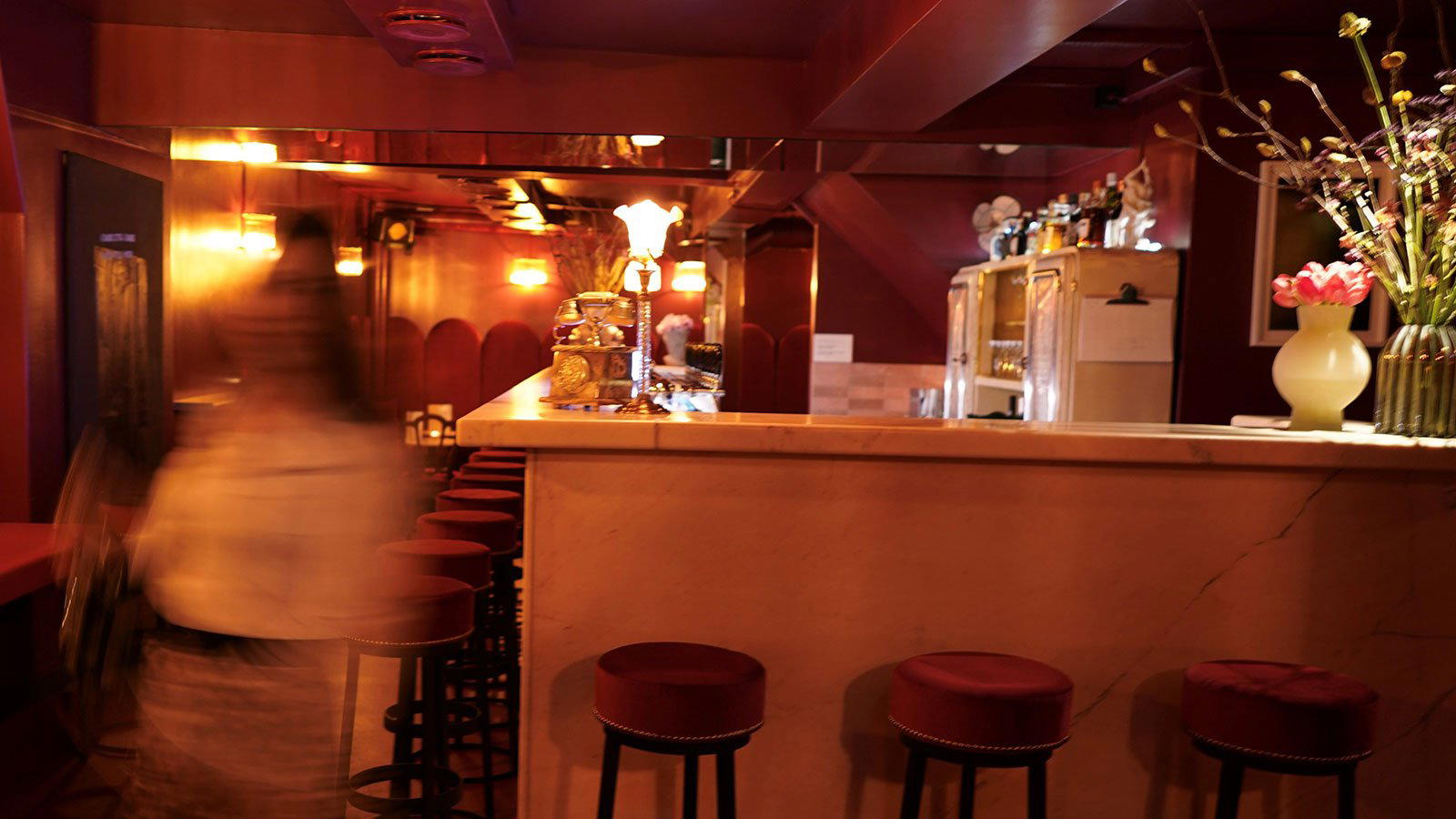
Bars in Hirtzfelden
Browse all →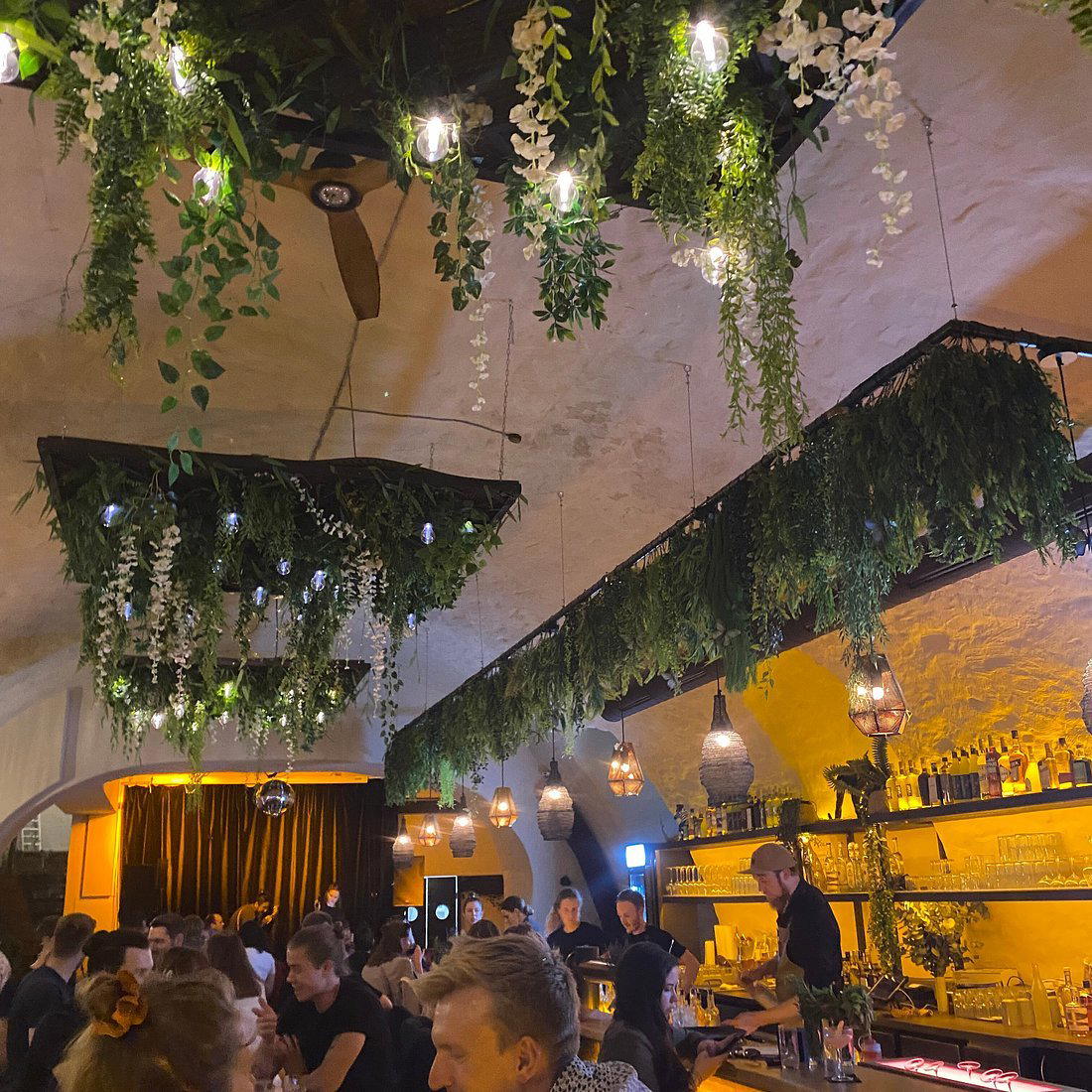

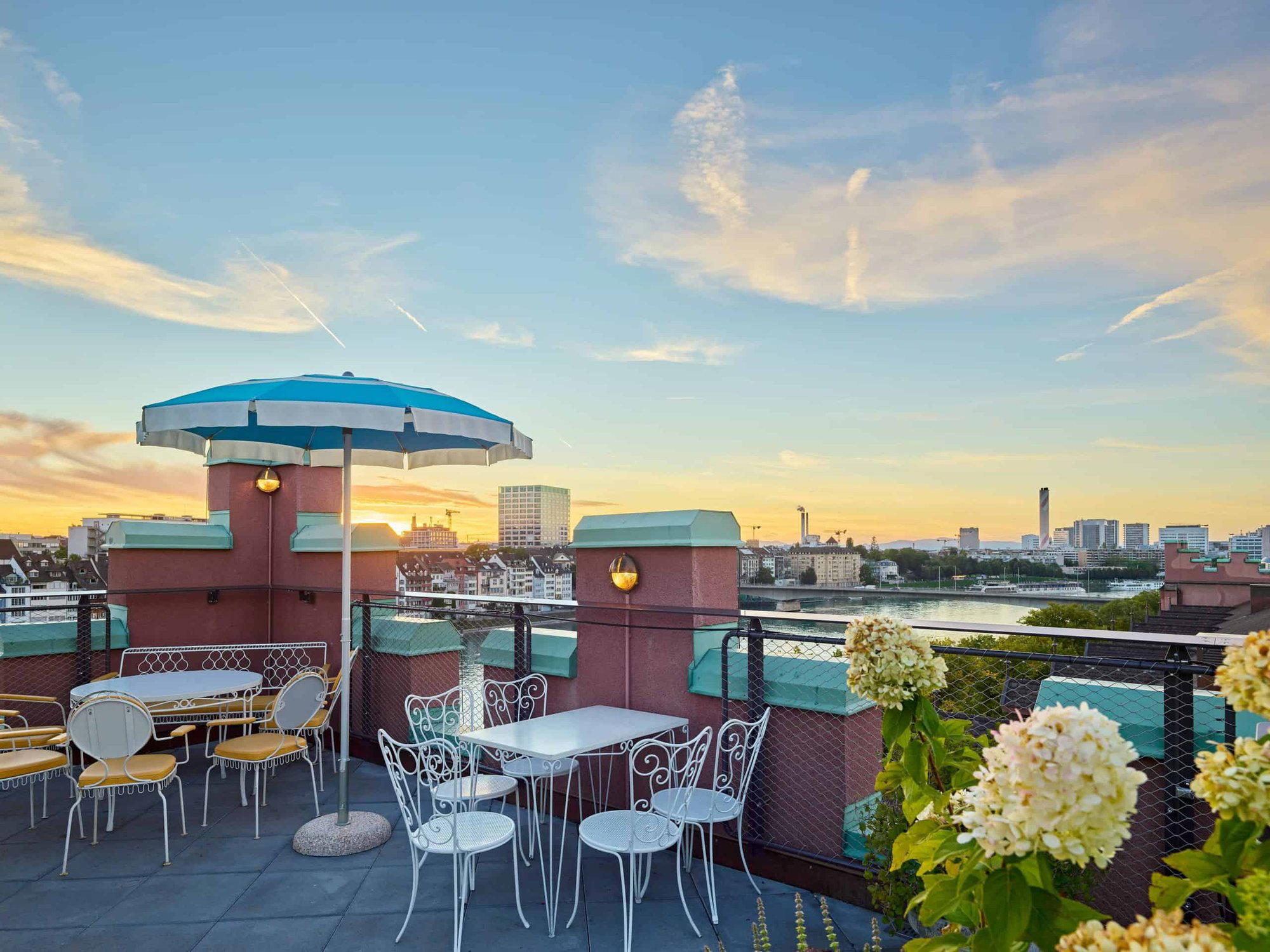
Hotels in Hirtzfelden
Browse all →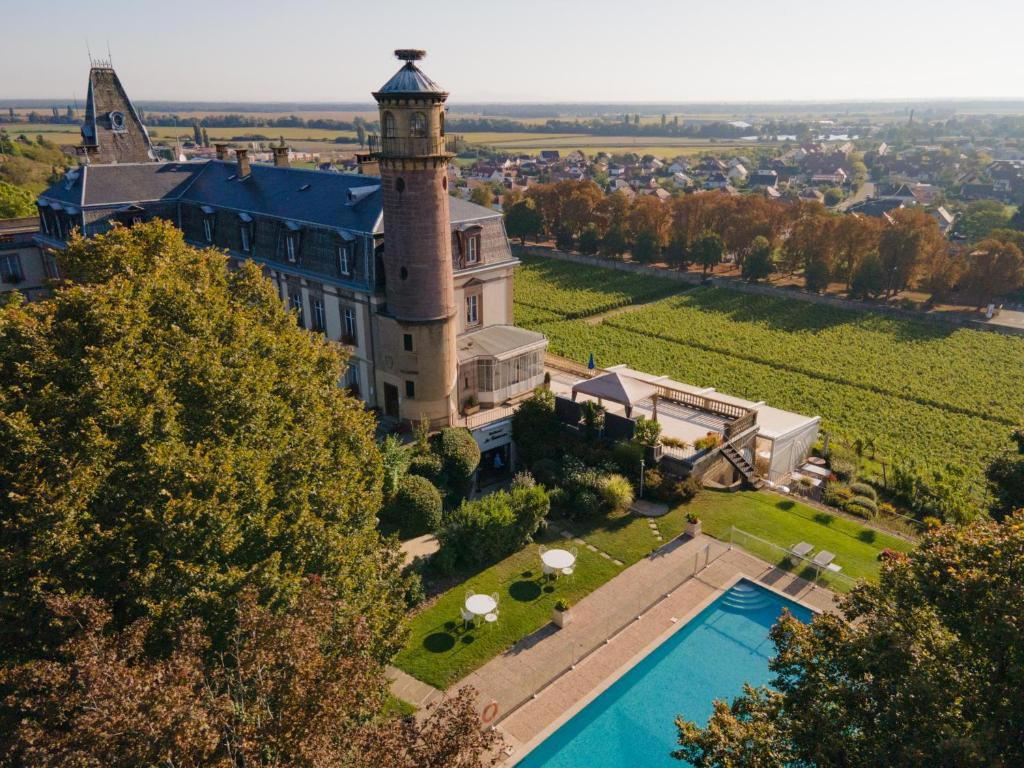
Details
- Cozy
- Elegant
- Modern
- Date Night
- Special Occasion
- Open Kitchen
- Local Sourcing
- A La Carte
- Vegetarian Friendly
Current opening hours
- Monday
- Closed
- Tuesday
- Closed
- Wednesday
- 12–3 PM, 7–10 PM
- Thursday
- 12–3 PM, 7–10 PM
- Friday
- 12–3 PM, 7–10 PM
- Saturday
- 12–3 PM, 7–10 PM
- Sunday
- 12–3 PM, 7–10 PM
Hours can change for holidays and private events. Last verified .
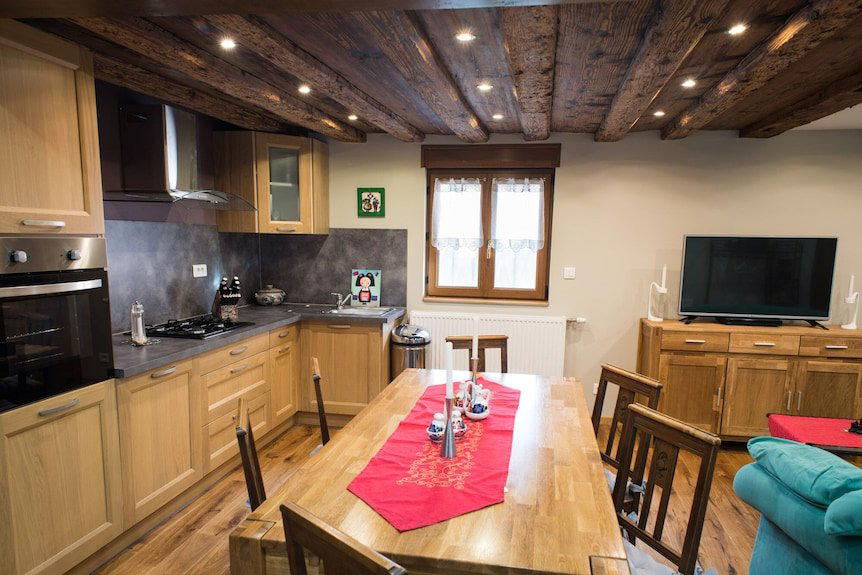
Sobri et lumineux space with careful presentation, open to the terrace and kitchen, offering a warm and modern atmosphere.