L'Oignon
Located at 4 Rue des Moulins in the heart of Strasbourg's old city, L'Oignon sits within one of France's most distinctive regional dining traditions, where Alsatian culinary identity meets rigorous French technique. The address places it steps from the historic centre, in a city that has long operated as a crossroads between French and Germanic food culture. Reservations are advised for this address given its position in a competitive dining quarter.
Pearl is the En Primeur Club membership app — saves, bookings, and concierge access live there. Same editors, same standards.
- Address
- 4 Rue des Moulins, 67000 Strasbourg, France
- Phone
- +33388165981
- Website
- restaurantloignon.fr
- Directions
- Get directions
 Saves & bookings on Pearl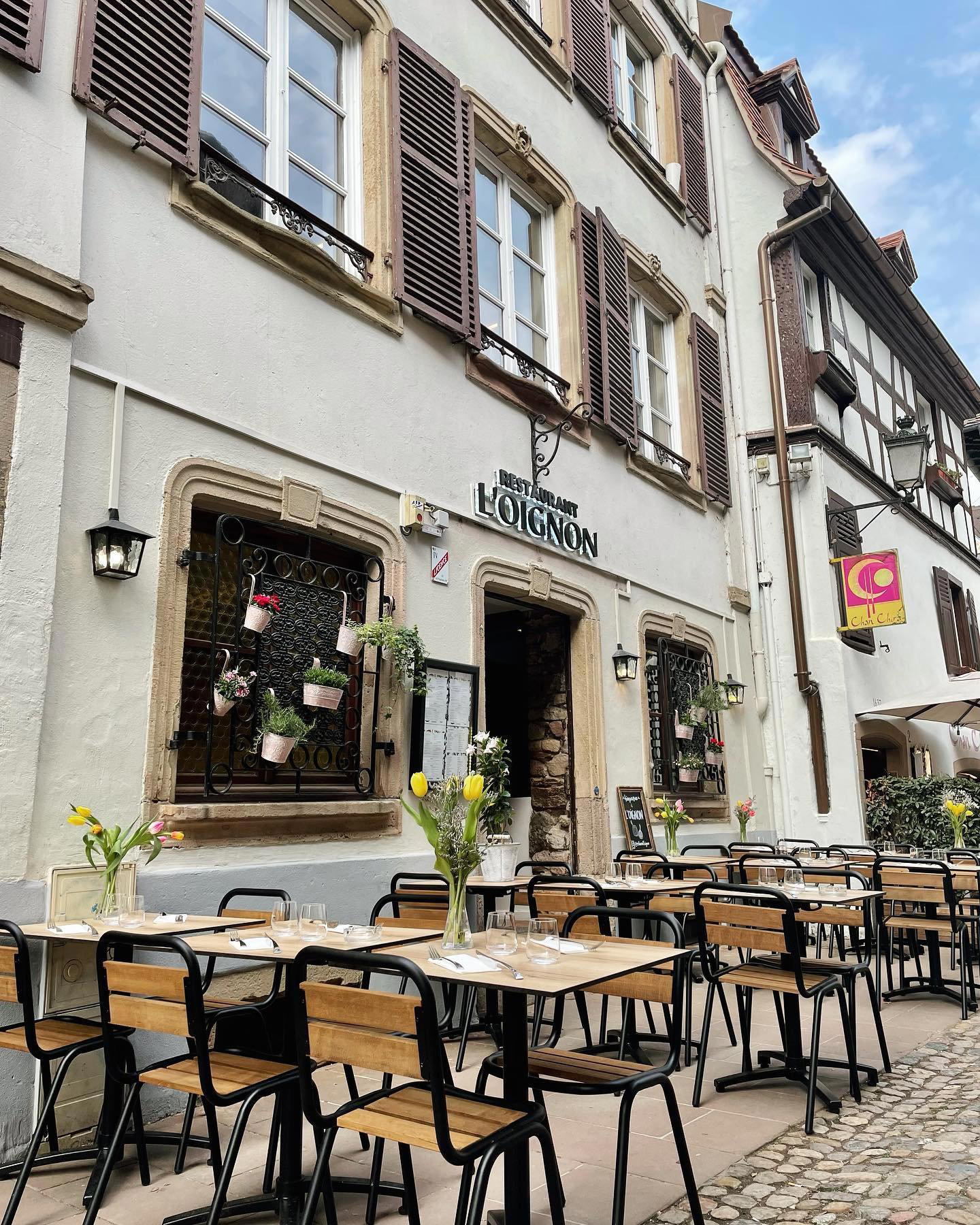
Where Alsace Meets the Table
Strasbourg occupies a singular position in French dining. Geographically and culturally positioned on the Rhine border with Germany, the city has spent centuries absorbing and synthesising two distinct culinary traditions, the precision and sauce work of classical French cooking, and the earthy, fermentation-forward larder of Germanic Alsace. The result is a regional cuisine that resists easy categorisation: choucroute prepared with a seriousness that would befit a Parisian grand brasserie, foie gras treated as an everyday ingredient rather than a luxury flourish, and a wine culture built around Riesling and Pinot Gris that sits apart from the Burgundy and Bordeaux hierarchies dominating most French fine dining conversations. It operates within this tradition, an address that places it at the intersection of the city's historic restaurant quarter and its ongoing conversation about what Alsatian cooking can mean in a contemporary context.
The Alsatian Table: A Tradition Worth Understanding
To eat well in Strasbourg is to understand why the city's restaurant culture developed differently from Lyon, Paris, or Marseille. Alsace changed hands between France and Germany four times between 1870 and 1945, and the culinary inheritance of that history is visible on every serious menu in the city. The winstub, a wine tavern format that sits somewhere between a Parisian bistro and a German Weinstube, remains the primary vehicle for everyday Alsatian cooking, serving dishes like baeckeoffe (a slow-braised meat and potato casserole sealed in bread dough), flammekueche (thin-crusted tarte flambée with crème fraîche and lardons), and the various preparations of pork and charcuterie that define the regional larder. Strasbourg's more ambitious restaurants, however, have spent the past two decades asking how that larder can be expressed with the technical tools of contemporary French cuisine, without losing the regional specificity that gives the cooking its identity.
That tension between tradition and refinement is what makes the city's dining scene worth paying attention to. Venues like Au Crocodile have long anchored the formal end of Alsatian fine dining, while addresses like 1741 and de:ja push toward creative formats that use Alsatian ingredients as a starting point rather than a constraint. L'Oignon occupies this broader conversation, a Strasbourg address whose name alone signals a rootedness in the elemental ingredients that have always defined the regional table.
The City's Dining Quarter and What It Tells You
The Grande Île, Strasbourg's UNESCO-listed historic island centre, concentrates the city's most visited restaurants within walking distance of the cathedral. This geography shapes the competitive dynamics considerably: tourists flowing through the Petite France quarter sustain a tier of casual brasseries and winstubs, while a smaller number of serious tables draw local regulars and visitors who have done their research. Rue des Moulins sits within this central zone, meaning L'Oignon operates in proximity to both the tourist-facing economy and the more demanding local clientele that keeps Strasbourg's restaurant standards accountable.
For context on how Strasbourg fits into France's broader fine dining geography, the Alsace region's most decorated address remains Auberge de l'Ill in Illhaeusern, a three-Michelin-star institution that has held its stars since 1967 and represents the pinnacle of classical Alsatian cuisine. Strasbourg's city-centre restaurants operate in its shadow and, in recent years, have increasingly defined themselves against it, favouring lighter technique and more explicit engagement with the city's cross-border identity. Elsewhere in France, the ambition visible in addresses like Mirazur in Menton or Troisgros in Ouches reflects how regional French cooking has evolved nationally, a context that informs how Strasbourg's own scene positions itself.
What to Expect From L'Oignon
The name references among the more fundamental ingredients in Alsatian cooking, the onion appears in flammekueche, in the base of choucroute, in soupe à the restaurant preparations that predate French bistro culture by several centuries. It is a choice that signals a commitment to the unglamorous, foundational elements of the regional table rather than the showpiece luxury ingredients that drive many contemporary tasting menus. Within Strasbourg's dining scene, that kind of positioning tends to attract a clientele that values craft over spectacle, and regulars over one-time visitors. The address at 4 Rue des Moulins is central enough to draw both, but the name alone suggests the kitchen's orientation.
For those building a Strasbourg dining itinerary around this kind of engagement with regional cooking, the city rewards a sequenced approach: a winstub lunch for charcuterie and Riesling, followed by a more structured evening meal at a table like L'Oignon that applies additional technique to the same larder. Nearby addresses worth considering in the same visit include Les Funambules and Umami, both of which represent different approaches to contemporary cooking in the city.
Planning Your Visit
The restaurant is located at 4 Rue des Moulins, 67000 Strasbourg, within easy walking distance of the cathedral and the Petite France district.
For those interested in how Strasbourg's serious dining fits into the broader French fine dining circuit, Alléno Paris au Pavillon Ledoyen, Bras in Laguiole, AM par Alexandre Mazzia in Marseille, Assiette Champenoise in Reims, Paul Bocuse in Collonges-au-Mont-d'Or, Auberge du Vieux Puits in Fontjoncouse, and Flocons de Sel in Megève each represent distinct regional expressions of the ambition Alsatian cooking is in dialogue with. Further afield, Le Bernardin in New York and Atomix in New York illustrate how French technical discipline translates across contexts, a useful frame for understanding what Strasbourg's better tables are reaching toward.
Price Lens
Comparable venues nearby, for context on price, style, and recognition.
| Venue | Cuisine | Price | Notes |
|---|---|---|---|
| L'OignonThis venue — the venue you are viewing | Centre, Traditional French Alsatian | $$ | Not listed |
| Muensterstuewel | Centre, Traditional Alsatian Winstub | $$ | Not listed |
| Les Innocents | Not listed | $$ | Tribunal-Gare-Porte De Schirmeck, Modern French Bistronomic |
| Zuem Strissel | Centre, Traditional Alsatian Winstub | $$ | Not listed |
| Lisa en Cuisine | Neudorf, French Market Bistro | $$ | Not listed |
| Honesty | Centre, Contemporary French Gastropub | $$$ | Not listed |
Continue exploring
More in Strasbourg
Restaurants in Strasbourg
Browse all →

Bars in Strasbourg
Browse all →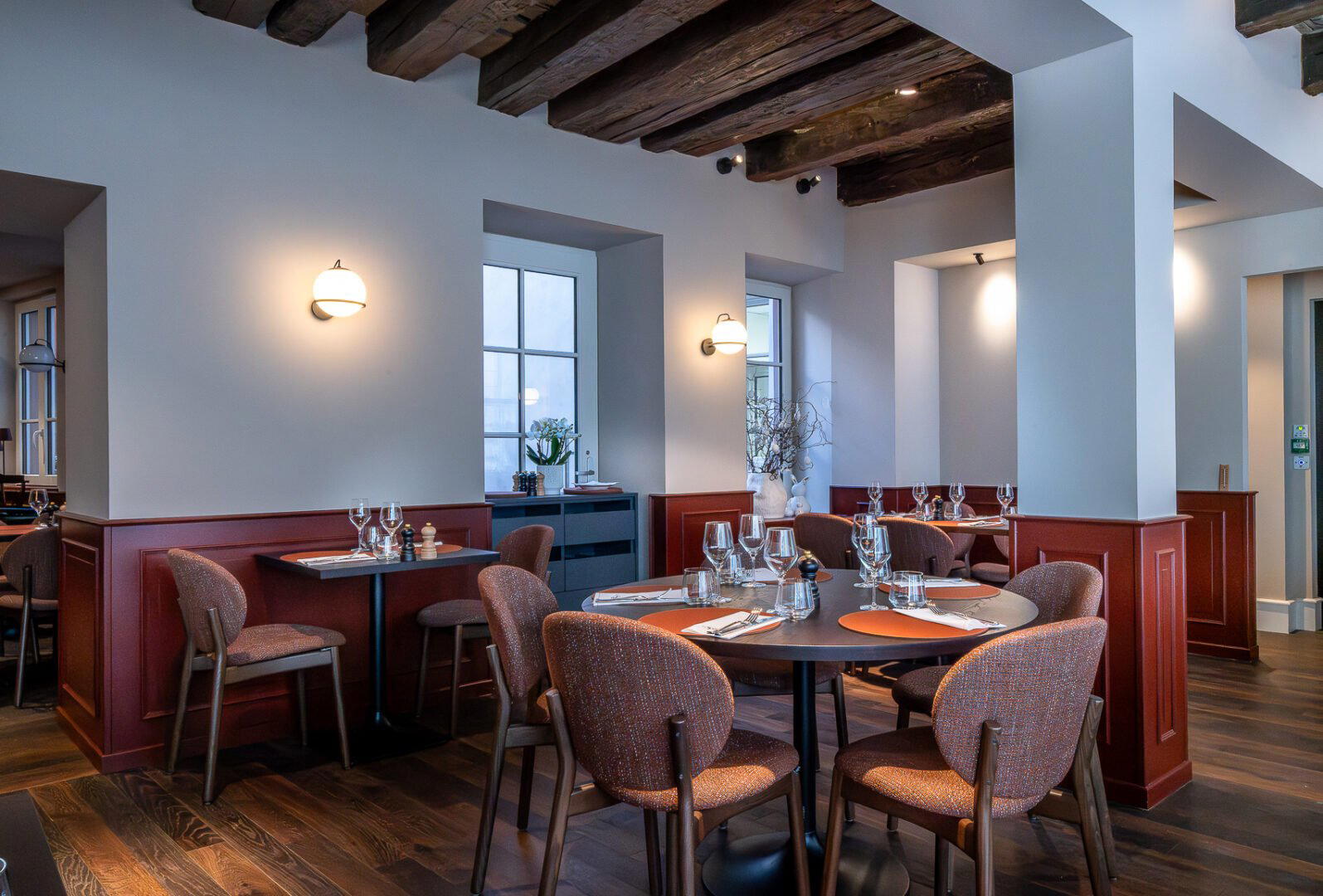

Hotels in Strasbourg
Browse all →
At a Glance
- Cozy
- Classic
- Intimate
- Date Night
- Casual Hangout
- Historic Building
- Terrace
- Extensive Wine List
- Local Sourcing
- Street Scene
Current opening hours
- Monday
- 12–2 PM, 7–10 PM
- Tuesday
- 12–2 PM, 7–10 PM
- Wednesday
- 12–2 PM, 7–10 PM
- Thursday
- 12–2 PM, 7–10 PM
- Friday
- 12–3 PM, 7–10 PM
- Saturday
- 12–3 PM, 7–10 PM
- Sunday
- 12–3 PM, 7–10 PM
Hours can change for holidays and private events. Last verified .
Charming and cozy traditional setting with a welcoming, intimate atmosphere.