
A medieval hilltop château above the Alsace wine route, Château d'Isenbourg earned Gault & Millau's Exceptional Hotel designation (5pts, 2025), placing it among a small tier of French properties recognised for architectural integrity and hospitality depth. The setting, vineyard terraces, Romanesque stonework, and Rhine plain views, does more editorial work than any amenity list could.
Pearl is the En Primeur Club membership app — saves, bookings, and concierge access live there. Same editors, same standards.
- Address
- 9-11 Rue de Pfaffenheim, 68250 Rouffach, France
- Phone
- +33 3 89 78 58 50
- Website
- grandesetapes.com
- Directions
- Get directions
 Saves & bookings on Pearl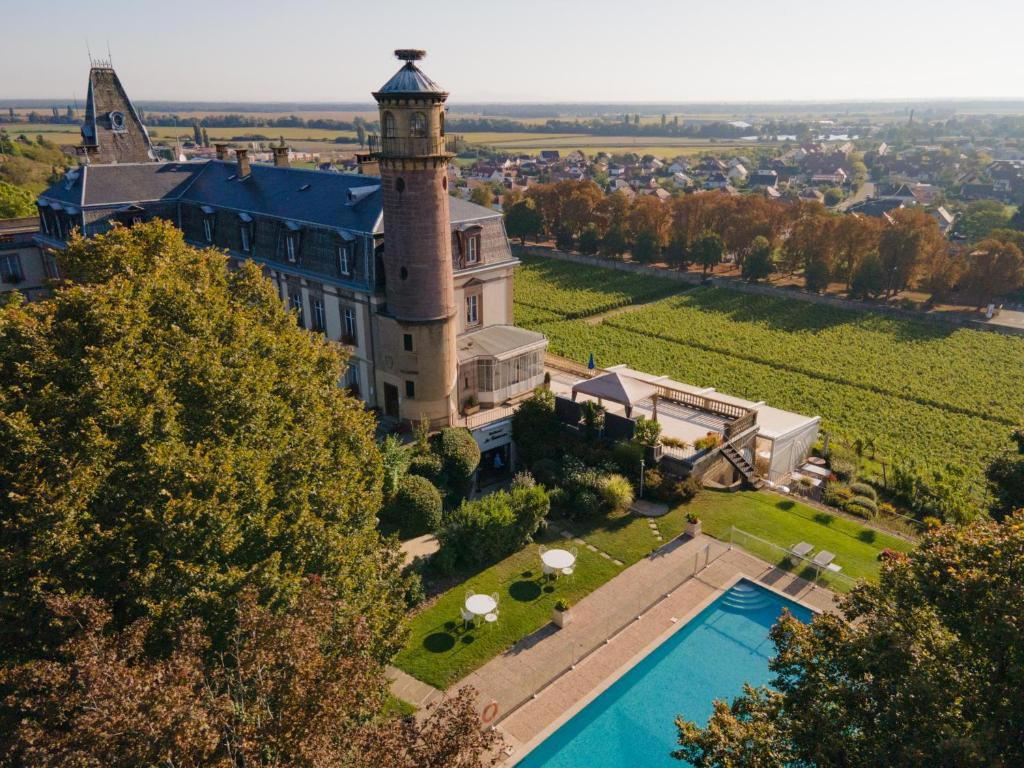
A Château That Earns Its Position on the Alsace Wine Route
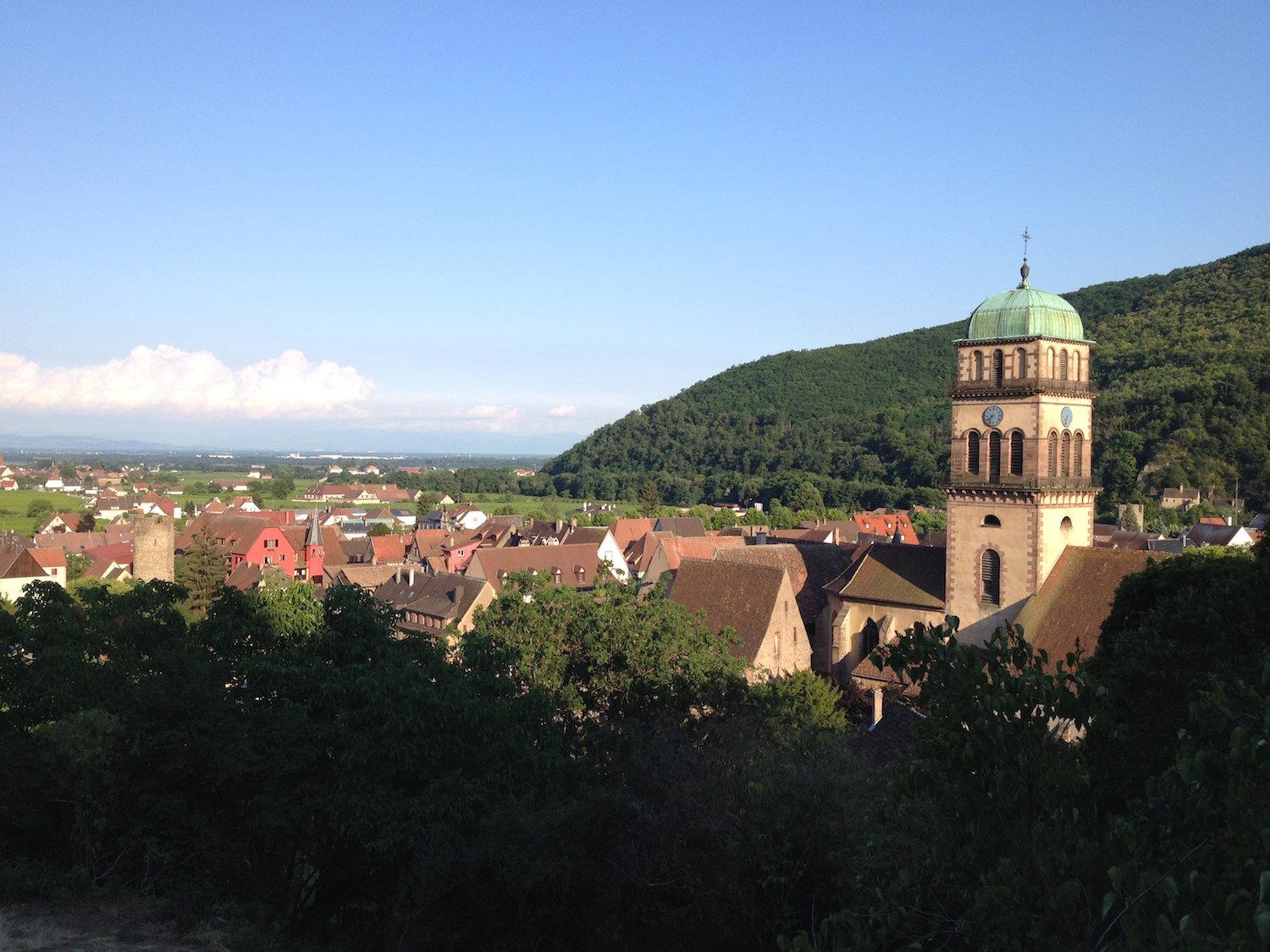
The southern Alsace village of Rouffach sits roughly 25 kilometres south of Colmar on the Route des Vins, a corridor where medieval market towns alternate with grand cru vineyard slopes and the Vosges mountains close in from the west. In that geography, the hilltop position of Château d'Isenbourg reads less as a selling point and more as a structural fact: the building occupies refined ground above the village with a commanding orientation toward the Rhine plain that has defined the site for centuries. Approaching from the D83, the château's silhouette appears before any signage does.
France's premium château hotel category has split in recent years between properties that use historical architecture as backdrop for fully contemporary programming, and those where the fabric of the building remains the primary experience. Château d'Isenbourg belongs to the latter group, a position confirmed by Gault & Millau's 2025 Exceptional Hotel designation at 5 points, a classification that the guide applies selectively to properties where hospitality quality and setting combine at a level above the standard luxury tier. The designation places Isenbourg in a limited recognition framework among French regional hotels, though its location in Alsace, rather than Provence or the Loire, gives it a distinct character.
The Architecture as the Primary Text
The château structure dates to the medieval period, with significant additions and renovations layered through successive centuries. That accumulation is visible in the fabric of the building: Romanesque stonework sits alongside later Renaissance and classical interventions, and the overall composition reads as a document of Alsatian architectural history rather than a single coherent design statement. This is a different proposition from purpose-built château hotels or heavily restored properties where a single design vision overrides historical complexity.
Across French château hospitality more broadly, properties in this category, genuine medieval or early modern structures with layered architectural histories, occupy a distinct niche. The comparison set includes properties like Château de la Chèvre d'Or in Èze, where a perched village setting similarly dominates the guest experience, or Château du Grand-Lucé in Le Grand-Lucé, where an 18th-century structure has been preserved with deliberate restraint. The difference at Isenbourg is the Alsatian vernacular: the region's architecture draws on both French and Germanic traditions, and the château reflects that dual inheritance in its materials and massing.
The vineyard terraces immediately surrounding the building extend the architectural argument outdoors. Alsace's grand cru vineyard system is one of France's most precisely delimited, and the slopes around Rouffach include parcels of recognised quality. The terraced gardens at Isenbourg sit within that agricultural and viticultural context, which gives the outdoor spaces a density of meaning beyond ornamental landscaping. The Rhine plain visible from the upper terraces extends east toward the river and, on clear days, to the Black Forest in Germany.
Rouffach and the Southern Alsace Context
Rouffach itself is a working market town rather than a polished tourist destination, which distinguishes it from the better-trafficked centres of Colmar or Ribeauvillé further north. The town has a documented history stretching to the early medieval period, and its central market square retains a concentration of Gothic and Renaissance civic architecture. Staying at Isenbourg gives access to that townscape without the visitor density that the northern wine route towns attract, particularly in summer and during the autumn harvest season.
The southern Alsace wine route corridor running through Rouffach and into the Guebwiller area is less covered in international travel media than the stretch between Colmar and Strasbourg, which partly explains the lower profile of properties like Isenbourg relative to their equivalents in more-visited regions. In regional terms, the area's grand cru vineyards, Zinnkoepflé and Goldert among the notable parcels near Rouffach, produce Riesling and Gewurztraminer at a level that positions this stretch of Alsace as a serious wine destination independent of its hospitality offer.
Within the broader French luxury château hotel category, the southern Alsace position is genuinely distinct. Properties like Domaine Les Crayères in Reims or Royal Champagne Hotel & Spa in Champillon operate in wine regions with higher international recognition; Les Sources de Caudalie in Bordeaux and Château Lafaurie-Peyraguey in Sauternes draw on the Bordeaux appellation's global reach. Isenbourg's Alsatian context is less marketed internationally, which keeps the property within a more specialist travel conversation, one where the audience is specifically interested in Alsace's architectural and viticultural identity rather than arriving via a broader French luxury circuit.
Where It Sits in the French Luxury Hotel Conversation
The Gault & Millau Exceptional Hotel designation (5pts, 2025) is the primary recognition available for Isenbourg at this level of detail. Gault & Millau's hotel assessments are distinct from their restaurant guides in methodology, but the 5-point notable tier is applied to a limited number of French properties annually. That places Isenbourg in a tier above standard luxury classification without the scale or brand infrastructure of properties like Cheval Blanc Paris or Hotel du Cap-Eden-Roc, and closer in character to design-led or architecturally significant regional properties such as La Bastide de Gordes or Château de Montcaud in Sabran.
Planning a Stay
Rouffach is accessible from Basel-Mulhouse-Freiburg Airport (EuroAirport), which serves the tri-border region of France, Germany, and Switzerland, and from Colmar by road or rail. The Route des Vins is navigable by bicycle along well-maintained paths, and the château's hilltop position means arrival by car is more practical than on foot from the village centre.
Side-by-Side Snapshot
Comparable venues nearby, for context on price, style, and recognition.
| Venue | Cuisine | Price | Awards | Notes |
|---|---|---|---|---|
| Château d'IsenbourgThis venue — the venue you are viewing | Historic chateau hotel in a park-like setting surrounded by vineyards | $$$$ | 5-Star | Not listed |
| L'Esquisse Hôtel & Spa - MGallery | Contemporary luxury boutique hotel with 20th-century modernism aesthetic, positioned as a design destination in a historic city setting. | $$$$ | 5-Star | Centre Colmar |
| Hotel De La Cite Carcassonne | Neo-Gothic castle hotel blending historic charm with modern luxury | $$$$ | 5-Star | Cité Médiévale |
| Vernet | Design hotel blending post-Haussmann heritage architecture with contemporary minimalist interiors; positioned as a luxury boutique property emphasizing French craftsmanship and artistic curation. | $$$$ | 5-Star | 8th arrondissement, Champs-Élysées/Golden Triangle |
| Molitor | Urban resort in restored Art Deco swimming pool complex | $$$$ | 5-Star | 16th arrondissement |
| Louis Vuitton Hotel | flagship luxury hotel | $$$$ | 5-Star | 8th arrondissement / Champs-Élysées |
Recognition history
Dated appearances from independent guides and award organizations, with the underlying list record or original source where available.
Gault & Millau Exceptional Hotel
Gault & Millau
Continue exploring
More in Rouffach
Hotels in Rouffach
Browse all →
Bars in Rouffach
Browse all →


Restaurants in Rouffach
Browse all →
At a Glance
- Romantic
- Elegant
- Scenic
- Classic
- Sophisticated
- Romantic Getaway
- Anniversary
- Wellness Retreat
- Weekend Escape
- Historic Building
- Panoramic View
- Terrace
- Wi Fi
- Pool
- Spa
- Fitness Center
- Room Service
- Concierge
- Tennis
- Sauna
- Vineyard
- Garden
- Mountain
- Wi Fi
- Pool
- Spa
- Fitness Center
- Room Service
- Concierge
- Tennis
- Sauna
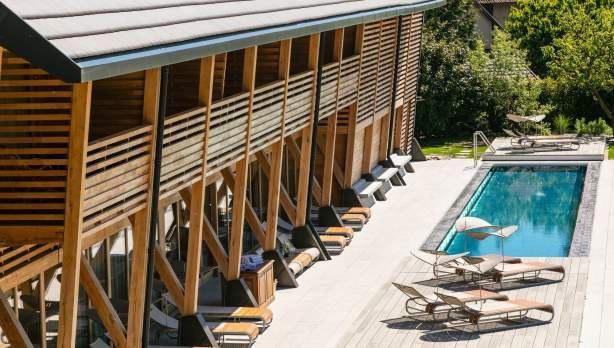
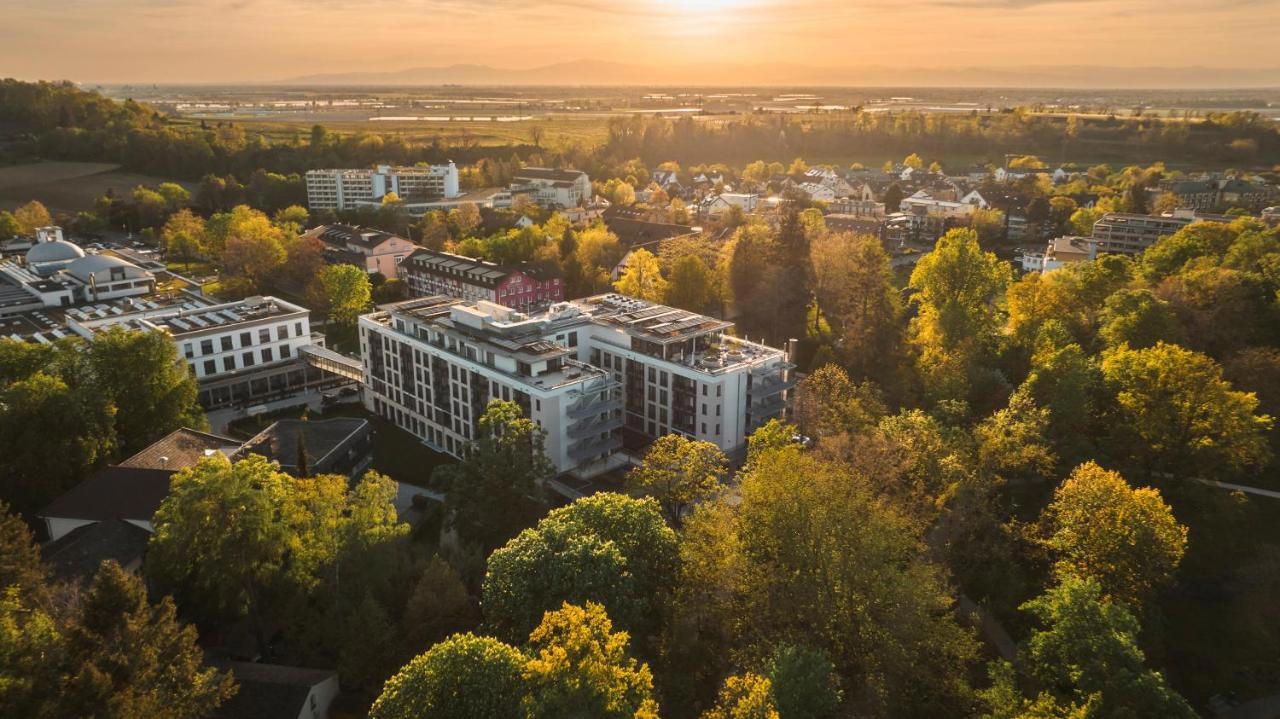
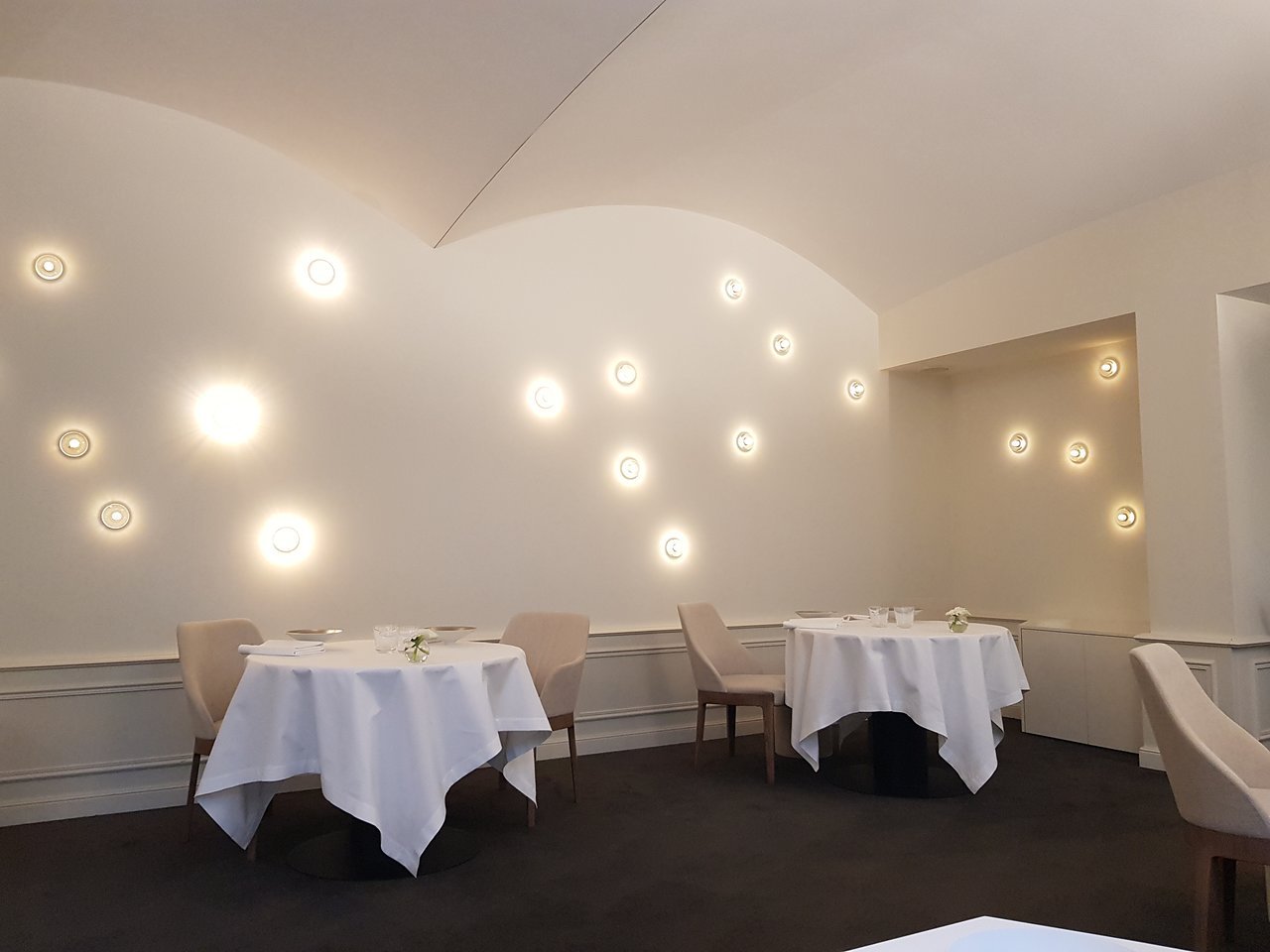
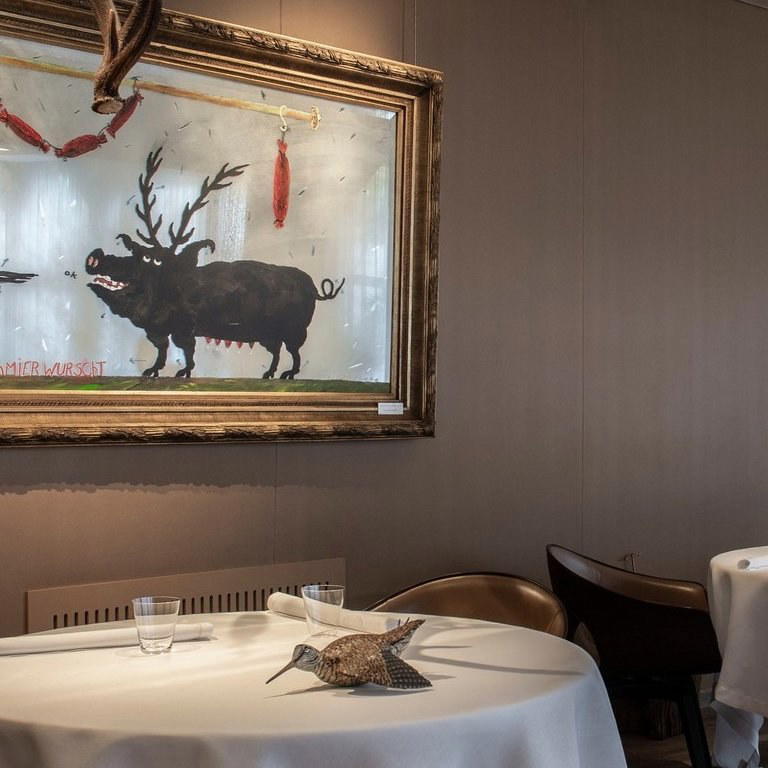
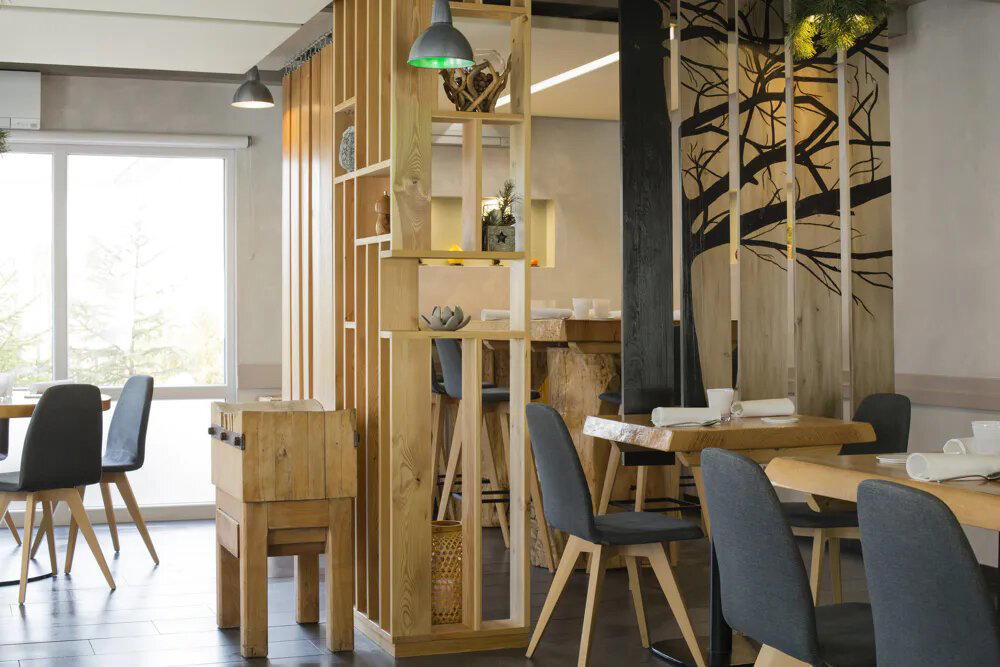
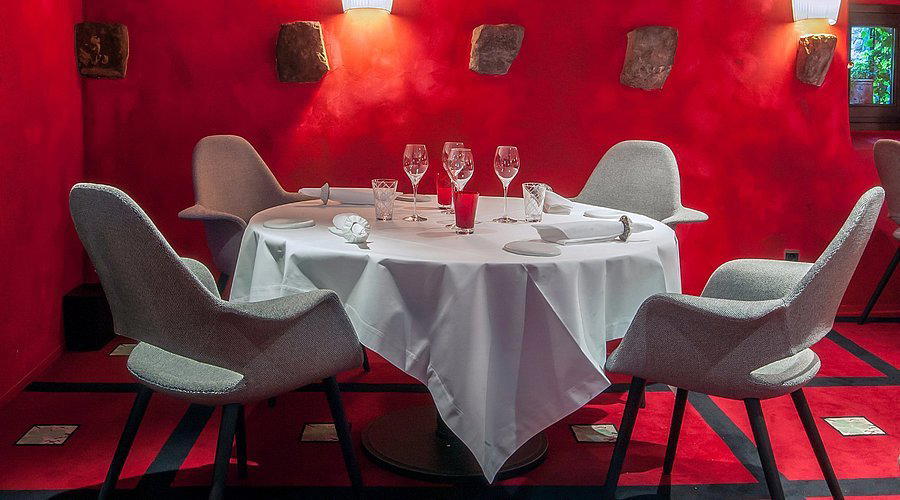
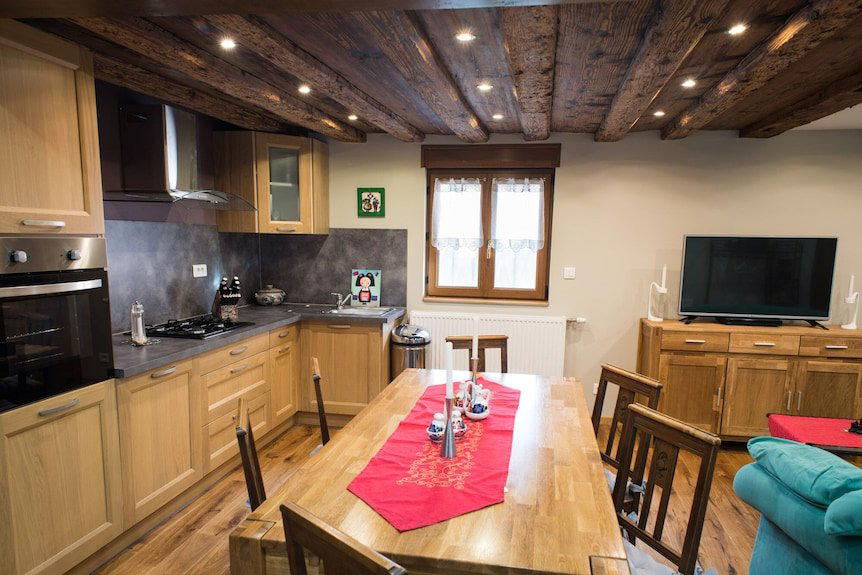
Elegant and relaxing castle atmosphere with panoramic views, cozy lounges, and a serene spa featuring soft lighting and wellness facilities.