Oz is a small ski village in the Belledonne range of the French Alps, and L'aventure sits within that mountain context where altitude and season govern what reaches the kitchen. The address alone signals a particular kind of dining: remote, terrain-defined, and shaped by the logistics of high-altitude supply. For travellers combining serious skiing with serious eating, it occupies a different register from the valley-floor restaurant circuit.
Pearl is the En Primeur Club membership app — saves, bookings, and concierge access live there. Same editors, same standards.
- Address
- 38114 Oz
- Website
- laventure-alpedhuez.com
- Directions
- Get directions
 Saves & bookings on Pearl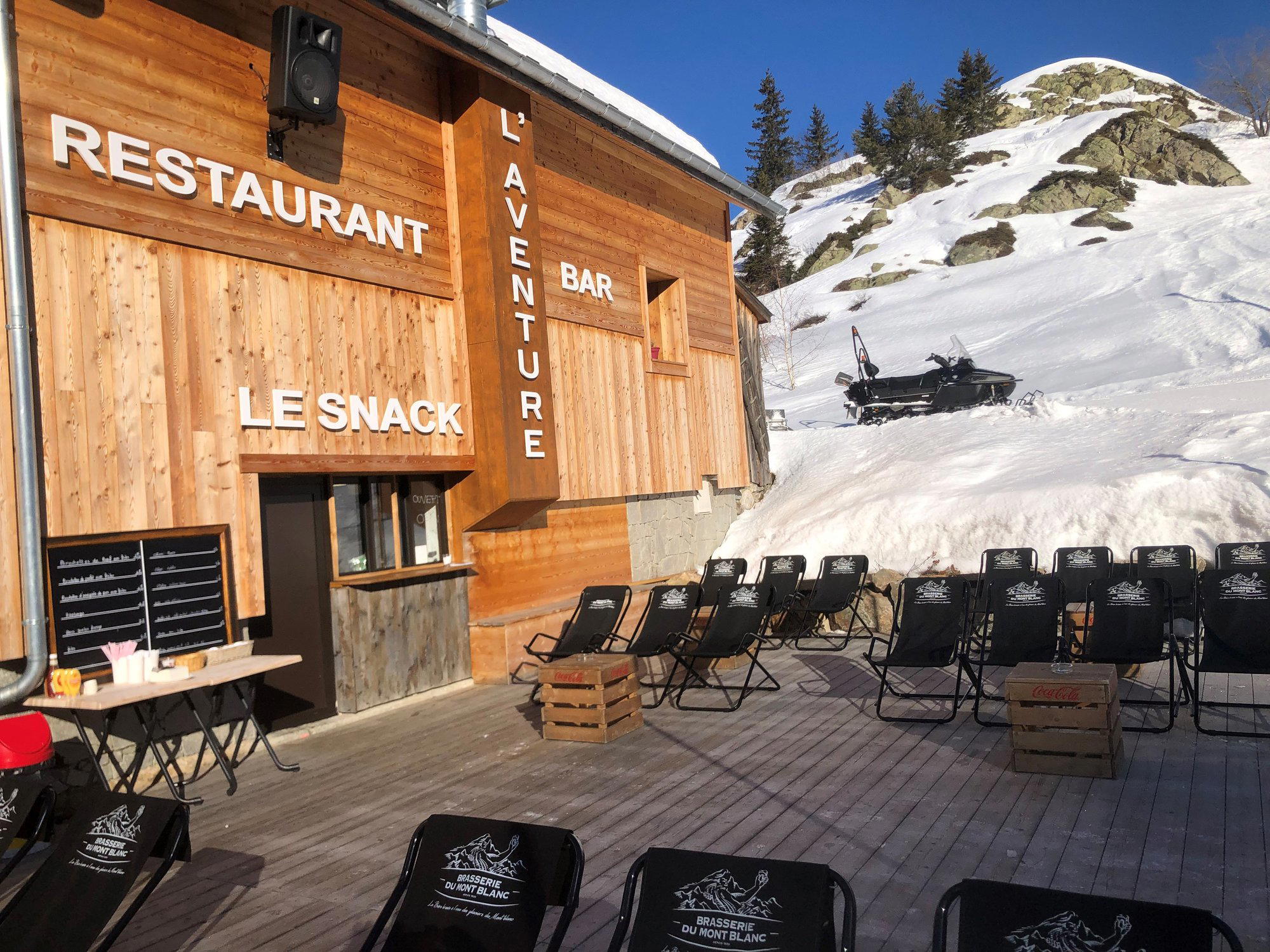
Altitude as Ingredient: Dining in the French Alpine Village of Oz
There is a particular category of French restaurant that only makes sense when understood through its geography. Not the Paris dining room where produce arrives via Rungis at dawn, and not the Riviera address where Mirazur in Menton draws on a kitchen garden spilling down toward the Mediterranean. The Alpine mountain restaurant operates under different rules entirely. Supply routes are seasonal, the growing window at elevation is compressed, and the kitchen’s relationship to its raw materials is defined by what can realistically arrive at altitude and in what condition. L’aventure is a restaurant at 38114 Oz in France, serving French Mountain Grill cuisine with a casual dress code and recommended reservations.
Oz itself sits at around 1,350 metres above sea level, connected to the larger Alpe d’Huez ski domain. The village is small enough that restaurants here serve a community of second-home owners, seasonal workers, and visiting skiers rather than a year-round metropolitan dining public. That shapes everything: the rhythm of service, the sourcing logic, and the kind of cooking that makes sense when the nearest major distribution hub is a winding mountain road away.
The Sourcing Logic of High-Altitude Kitchens
France’s mountain restaurant tradition has always been shaped by constraint turned into asset. The Savoie and Dauphiné regions that bracket the central Alps developed a larder around what the terrain produced: aged mountain cheeses, cured meats from pigs kept through winter, river trout, foraged mushrooms and herbs during the brief summer months, and game in the autumn shoulder season. This is not the ingredient sourcing story of a chef who decided philosophically to work locally. It is the result of historical necessity that later became identity.
What distinguishes better mountain cooking from resort-circuit catering is precisely the degree to which that local larder remains the actual foundation of the menu rather than decoration around imported proteins. In the broader French fine dining conversation, this tension between terroir sourcing and supply-chain convenience is visible across the spectrum: Bras in Laguiole built its identity over decades around the volcanic plateau of the Aubrac and its specific plant life, while L’Oustau de Baumanière in Les Baux operates with the olive groves and garrigue of Provence as both pantry and conceptual anchor. The mountain kitchen’s version of this is less glamorous and more contingent on weather and road access, but the underlying discipline is the same.
In the Isère, that means the Chartreuse range’s herb traditions, the Belledonne’s summer grazing pastures and their dairy output, and the Romanche and Eau d’Olle river valleys. A kitchen working with these materials is operating inside one of France’s less-documented regional food identities, one that lacks the institutional prestige of Alsace (where Auberge de l’Ill in Illhaeusern has anchored a particular vision of Alsatian haute cuisine for generations) or the Burgundian canon, but has its own coherent logic.
Where L’aventure Sits in the Mountain Dining Tier
The French Alps produce a wide spread of dining formats. At the upper end, addresses like Flocons de Sel in Megève operate at Michelin three-star level in a resort context where the clientele arrives with significant dining expectations and the budgets to match. That tier is small and geographically clustered around Megève, Courchevel, and a handful of other destinations where luxury real estate and premium hospitality have developed in parallel.
Oz sits in a different segment of the market: a working ski village rather than a luxury resort, with a price point and format calibrated to a mixed clientele of returning seasonal visitors and passing skiers. This is closer in spirit to what Auberge du Vieux Puits in Fontjoncouse represents in Languedoc, in the sense that its location in a small, off-circuit village is itself part of the story. The remoteness is not a liability to be apologised for but a condition that shapes the cooking and the experience of eating there.
Direct comparisons to starred peers like Assiette Champenoise in Reims or AM par Alexandre Mazzia in Marseille would be speculative. What can be said is that the category of mountain village restaurant in France operates with a different set of success metrics than the city fine dining room: consistency across a compressed seasonal window, reliability of sourcing under variable conditions, and the ability to serve a community that returns year after year rather than a one-off destination diner.
Planning a Visit
Oz is accessible from Grenoble via the D526 through the Romanche valley, a drive of roughly an hour depending on conditions. In ski season, road access requires winter tyres and awareness of closure schedules during heavy snowfall. The village connects to the Alpe d’Huez Grand Domaine ski area, which makes it a logical base for skiers who want proximity to one of France’s largest ski domains without staying in Alpe d’Huez itself. The summer season also brings hikers and cyclists to the area. Visitors should check current opening periods and reservation availability before heading up the mountain. For context on how French regional dining handles booking depth and seasonal planning, restaurants like Georges Blanc in Vonnas or Troisgros - Le Bois sans Feuilles in Ouches in Burgundy is instructive: even outside Paris, advance planning of several weeks is standard for serious dining addresses in France.
Comparable Spots, Quickly
Comparable venues nearby, for context on price, style, and recognition.
| Venue | Cuisine | Price | Notes |
|---|---|---|---|
| L’aventureThis venue — the venue you are viewing | French Mountain Grill | $$ | Not listed |
| Restaurant des Plantes | Traditional French Seasonal Bistro | $$ | Loire riverside |
| Wistub de la Petite Venise | Traditional Alsatian | $$ | Petite Venise |
| Le Café Voltaire | French Bistro | $$ | centre ville |
| Le Puzzle | Modern French Bistro | $$ | Citadelle |
| La Cabane à Matelot | Loire River Fish French | $$ | Bréhémont |
Continue exploring
More in Oz
Restaurants in Oz
Browse all →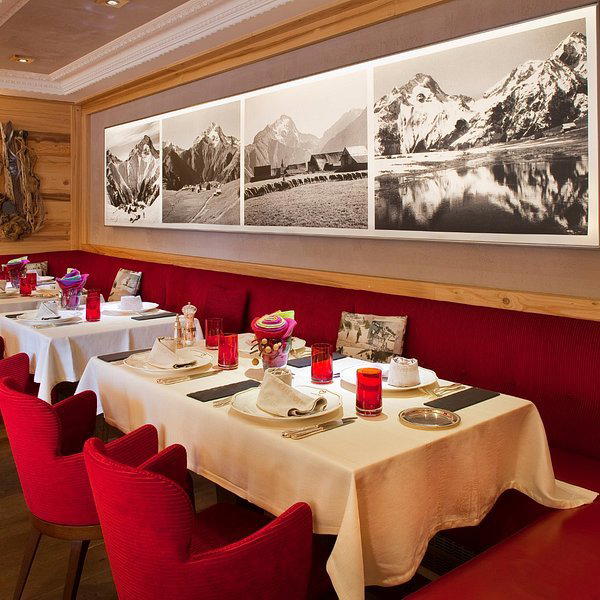
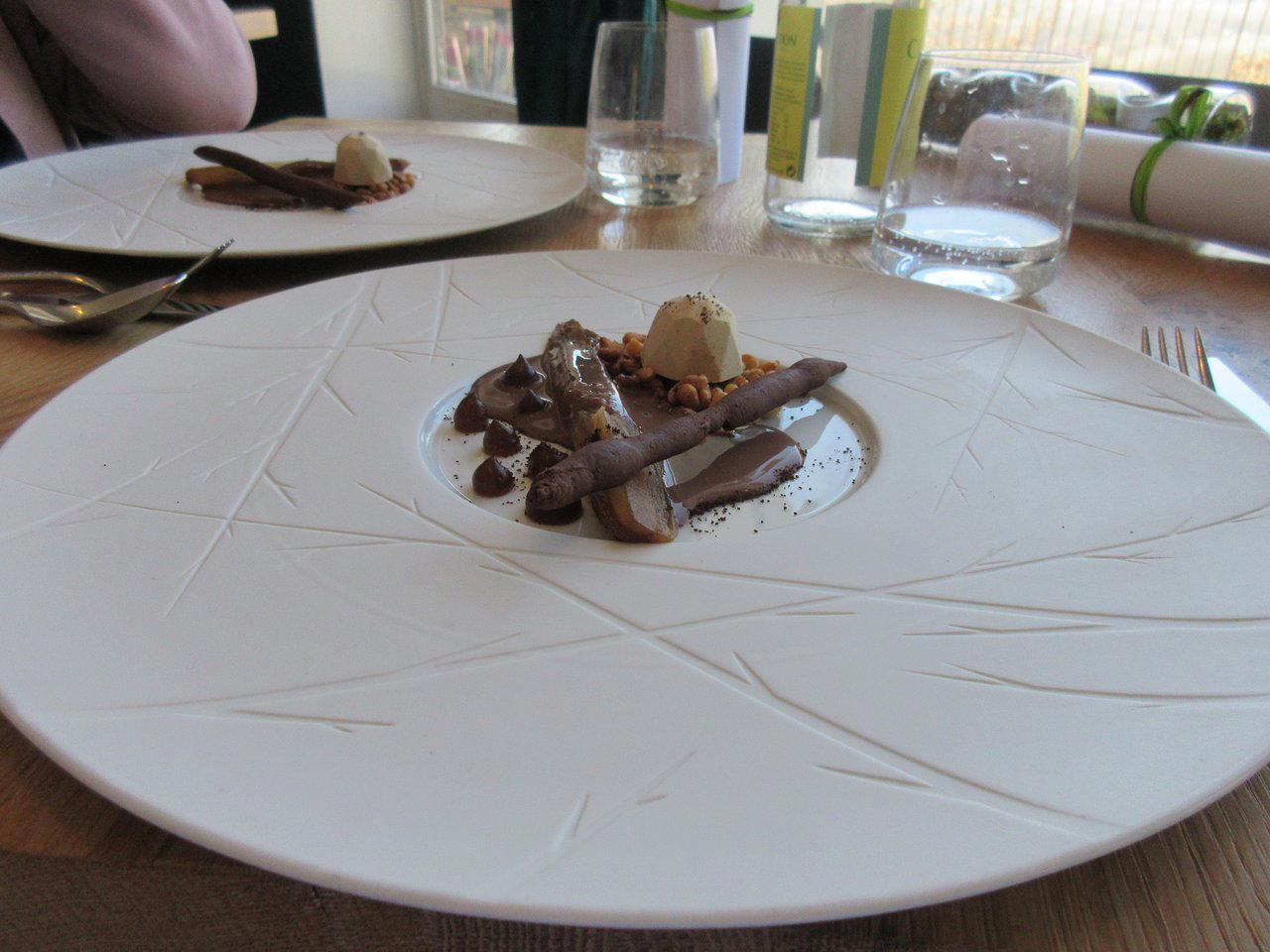
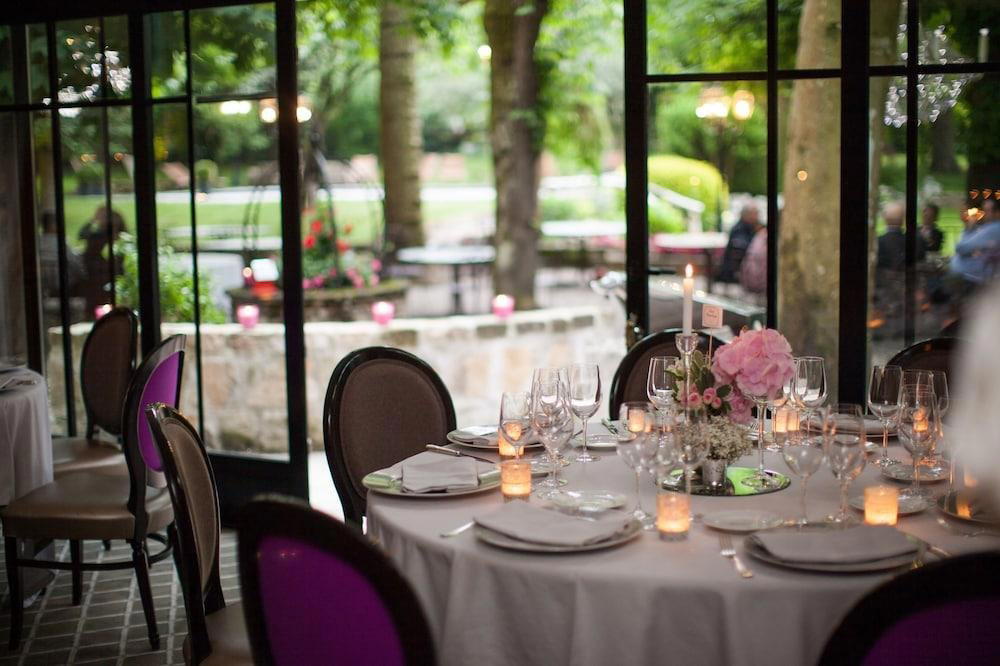
Bars in Oz
Browse all →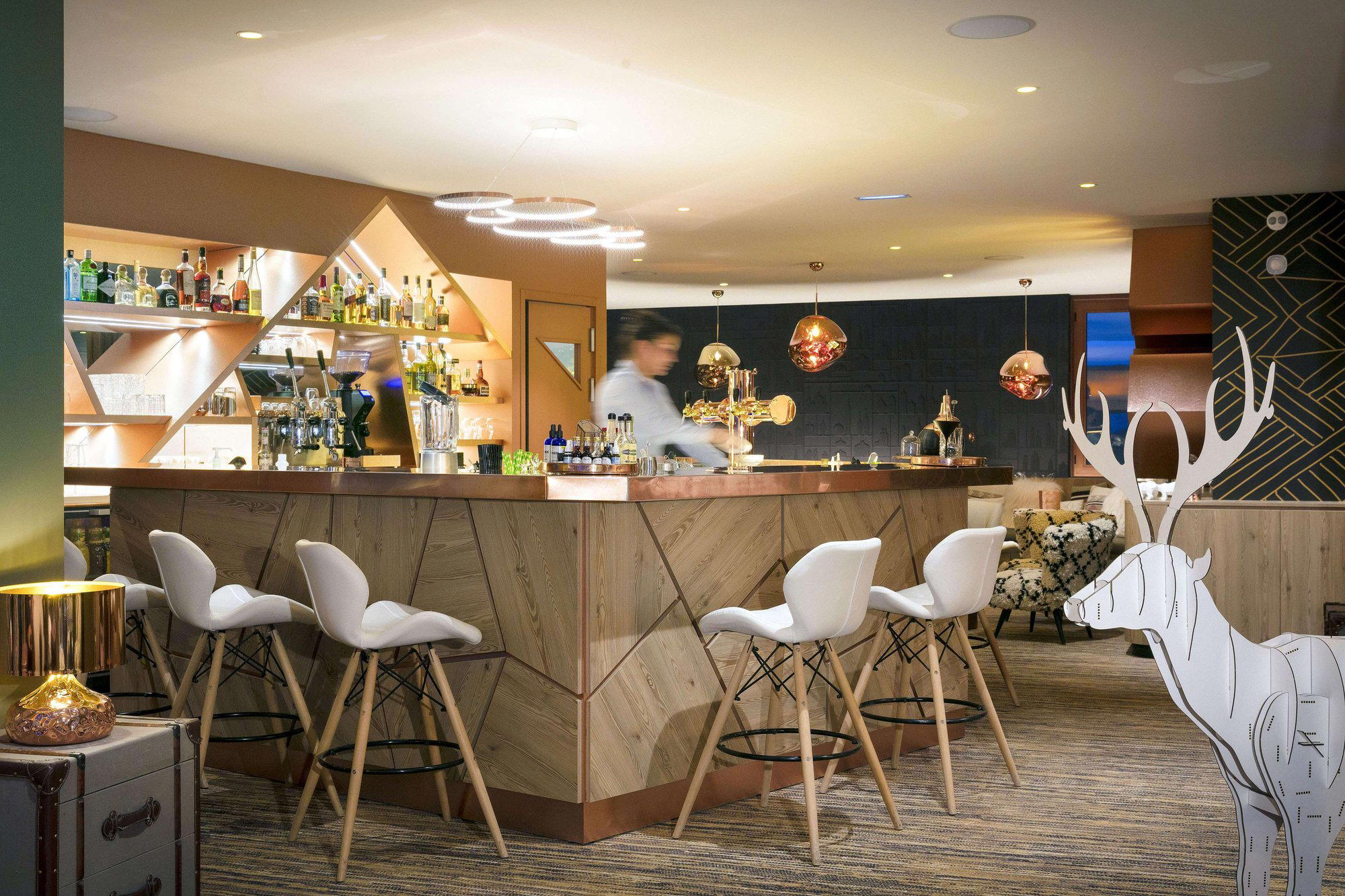
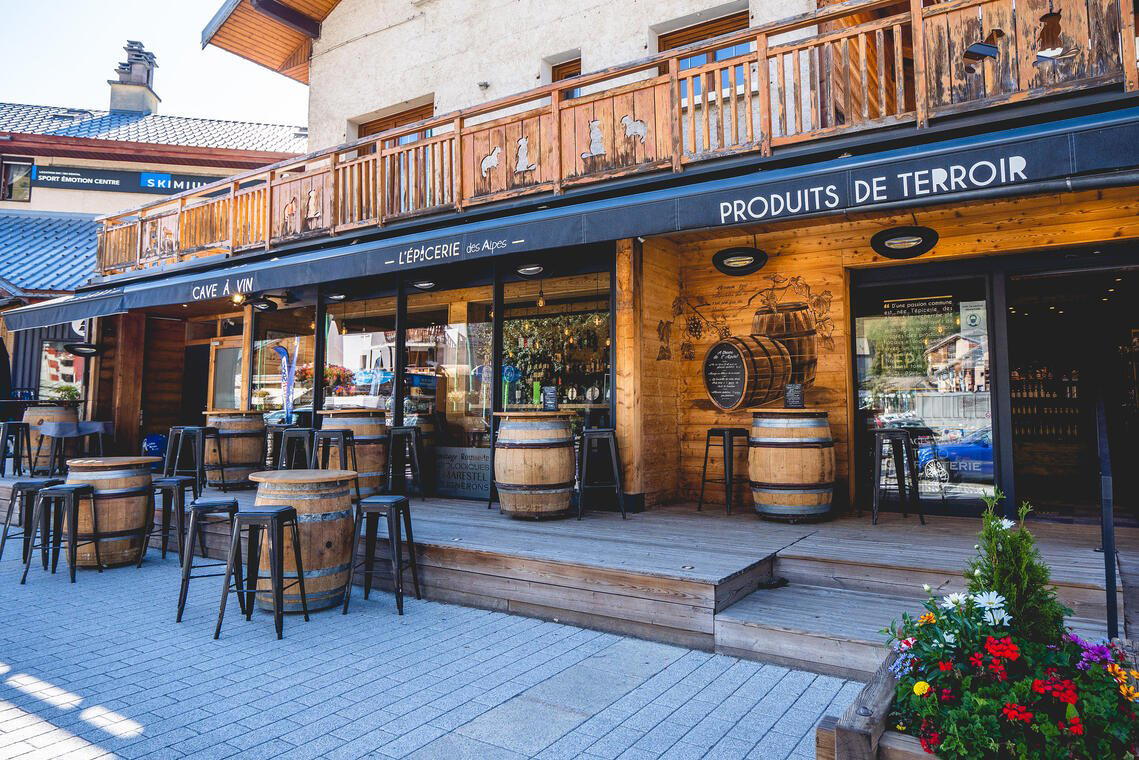
Hotels in Oz
Browse all →

At a Glance
- Cozy
- Scenic
- Rustic
- Family
- Open Kitchen
- Terrace
- Mountain
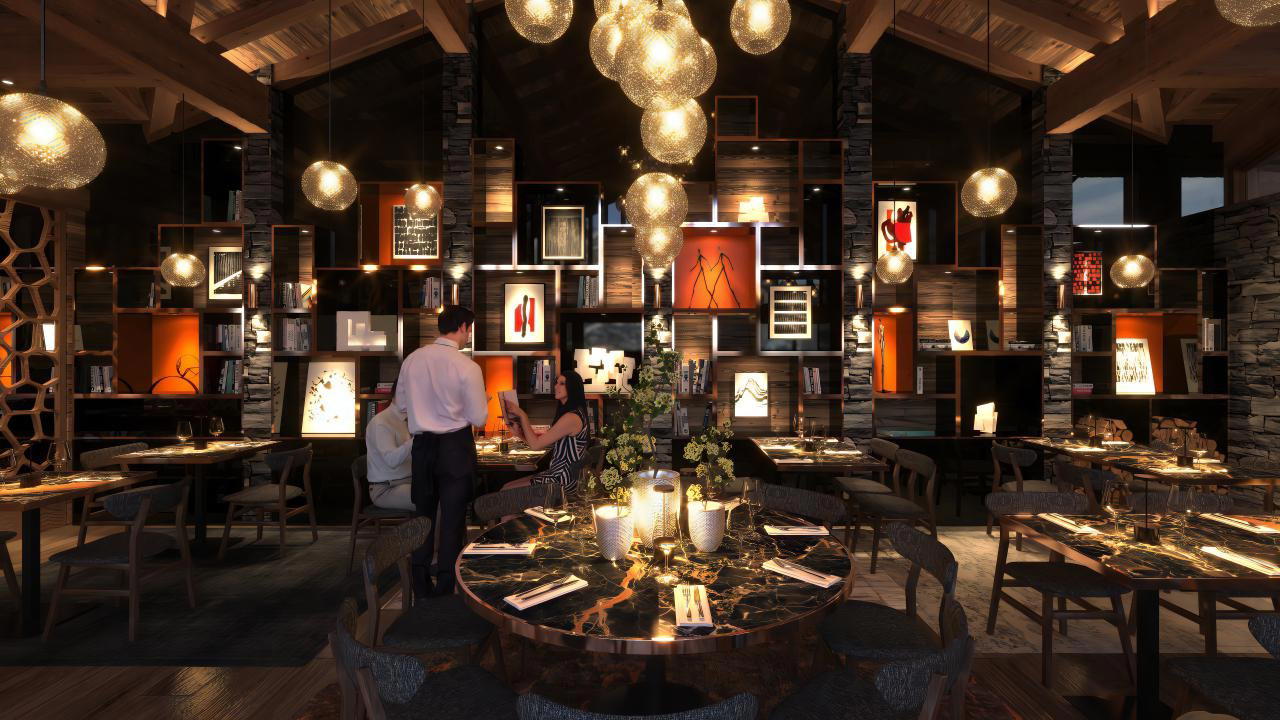
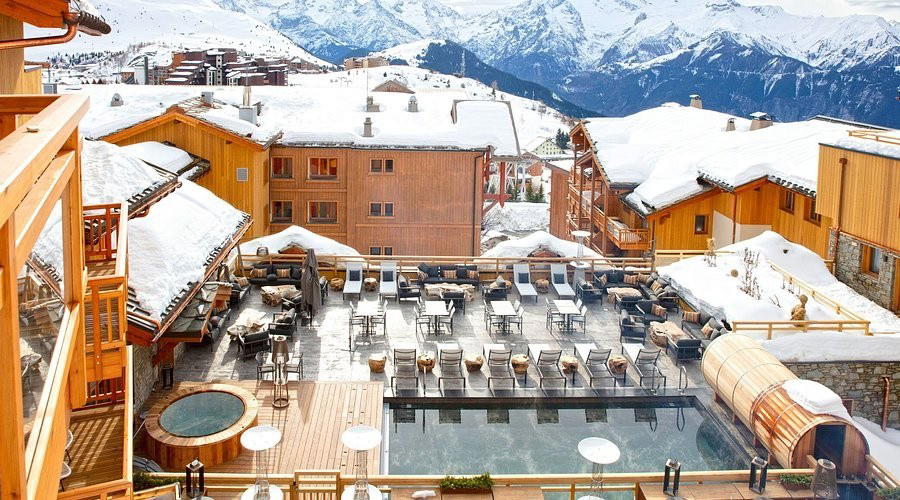
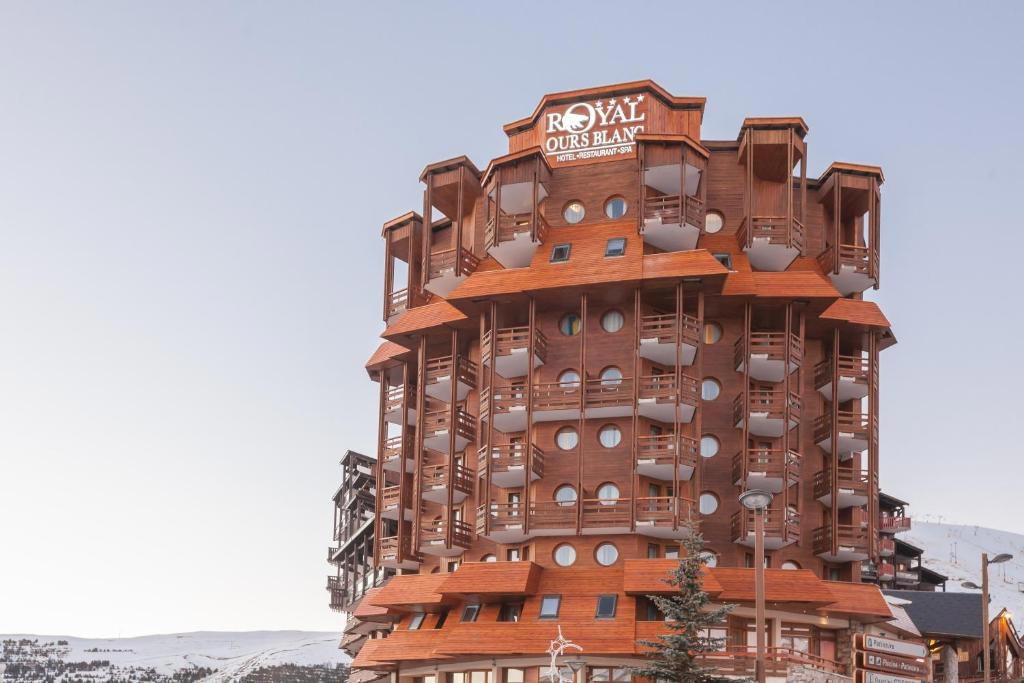
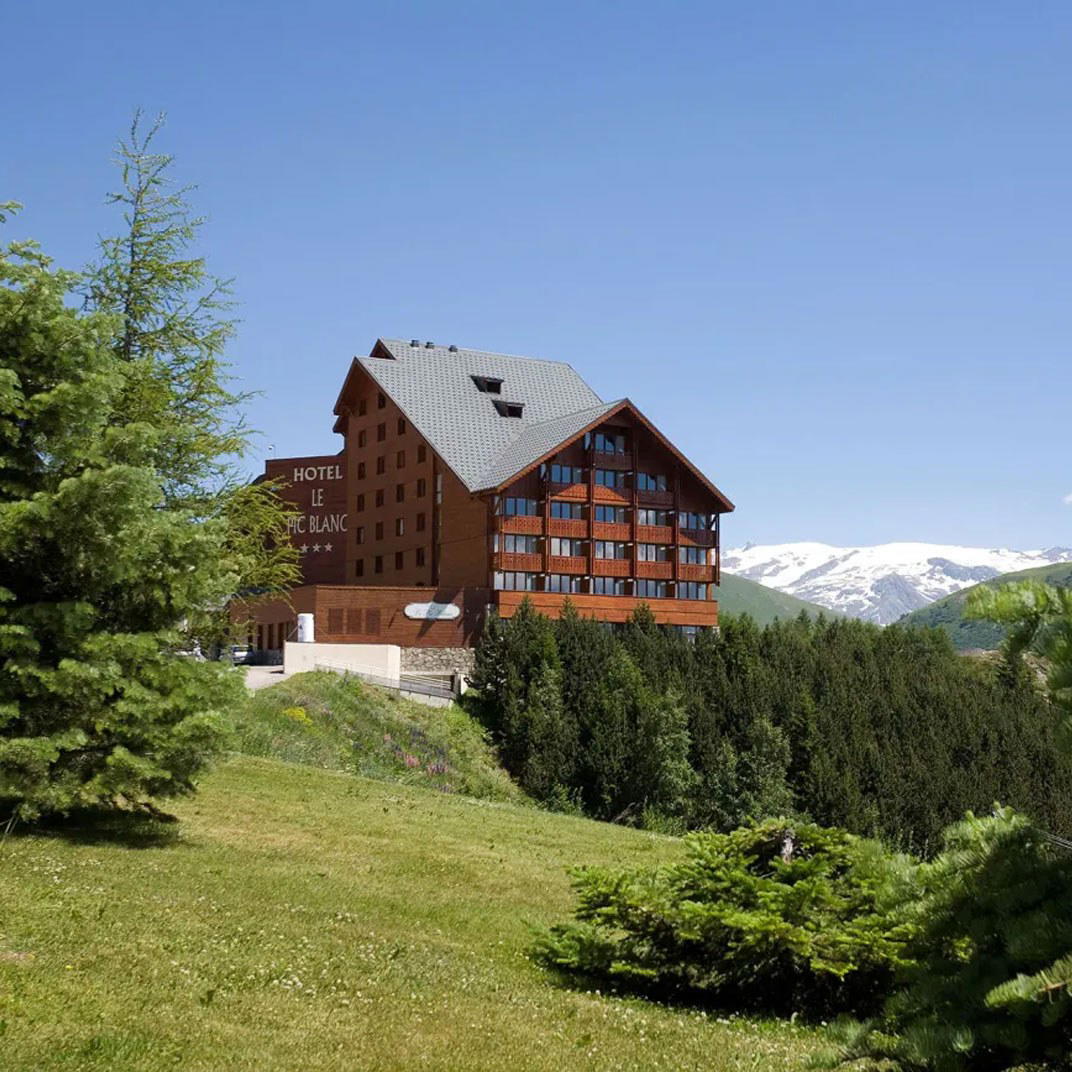
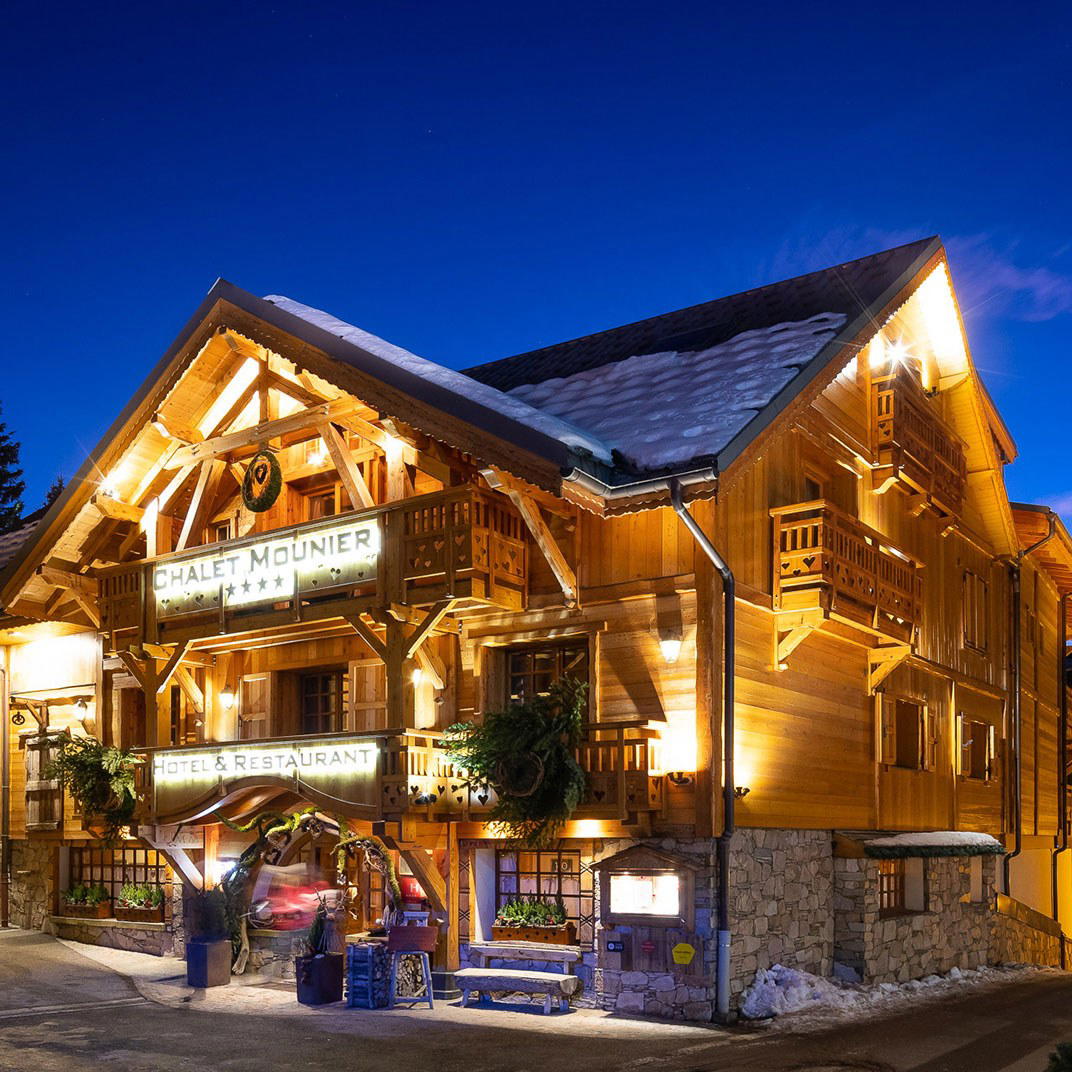
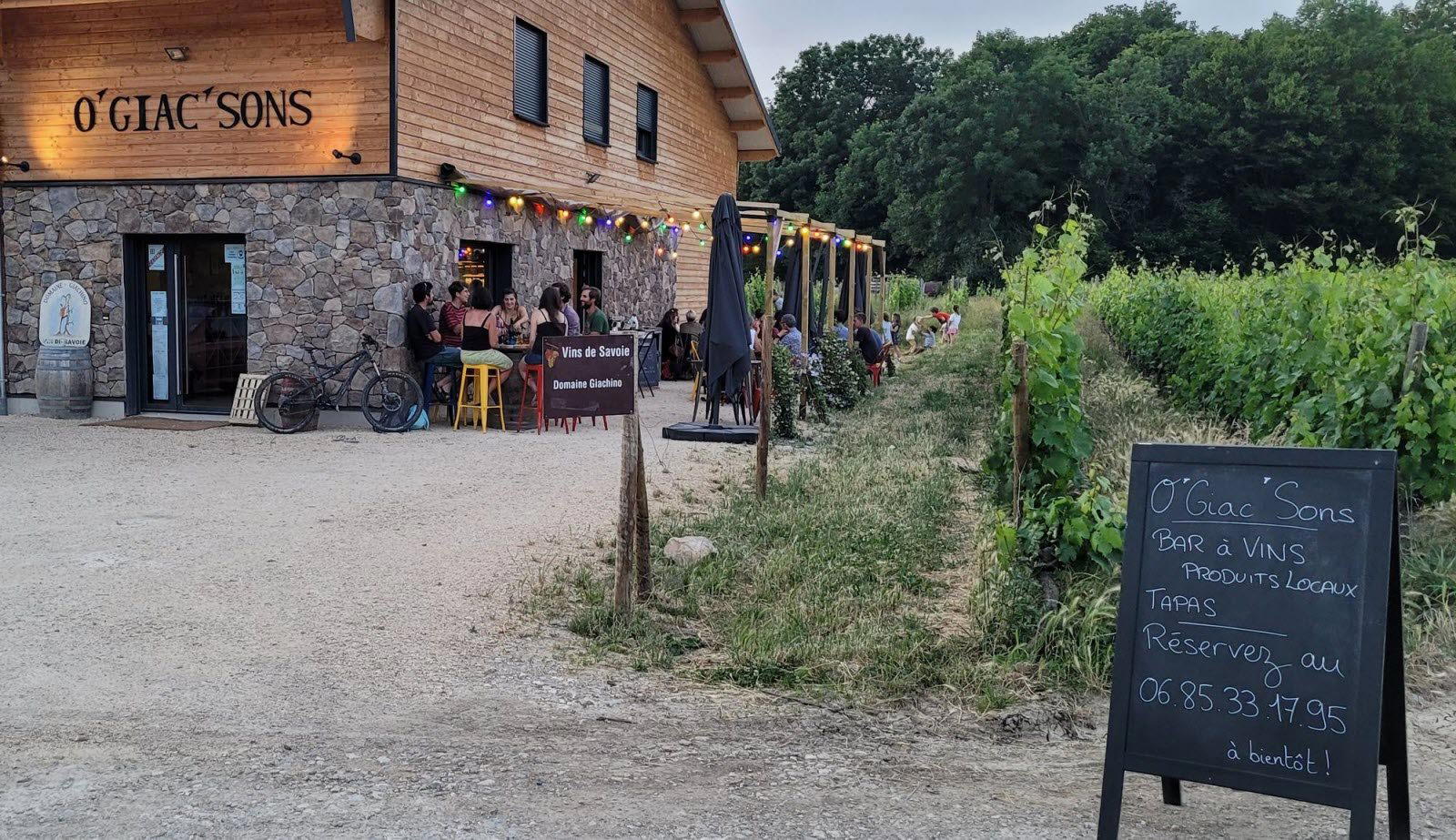
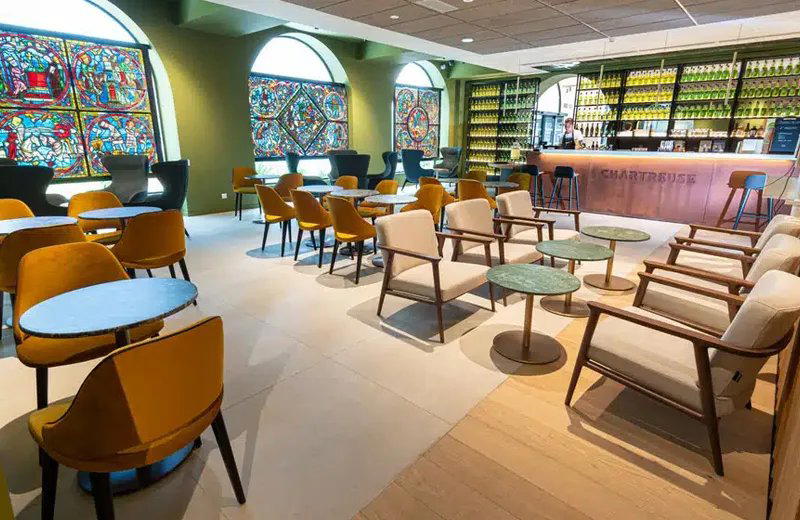
Warm and cozy interior with a fireplace, plus sunny terrace overlooking the slopes.