Au Brasseur
Au Brasseur occupies a address on Rue des Veaux in Strasbourg's historic core, placing it squarely within a city that takes its brasserie tradition more seriously than almost anywhere in France. Alsace's larder, river fish, charcuterie, farmhouse cheese, local hops and malt, has long defined what a Strasbourg brasserie puts on the table, and Au Brasseur draws on that same regional depth.
Pearl is the En Primeur Club membership app — saves, bookings, and concierge access live there. Same editors, same standards.
- Address
- 22 Rue des Veaux, 67000 Strasbourg, France
- Phone
- +33 3 88 36 12 13
- Website
- aubrasseur.fr
- Directions
- Get directions
 Saves & bookings on Pearl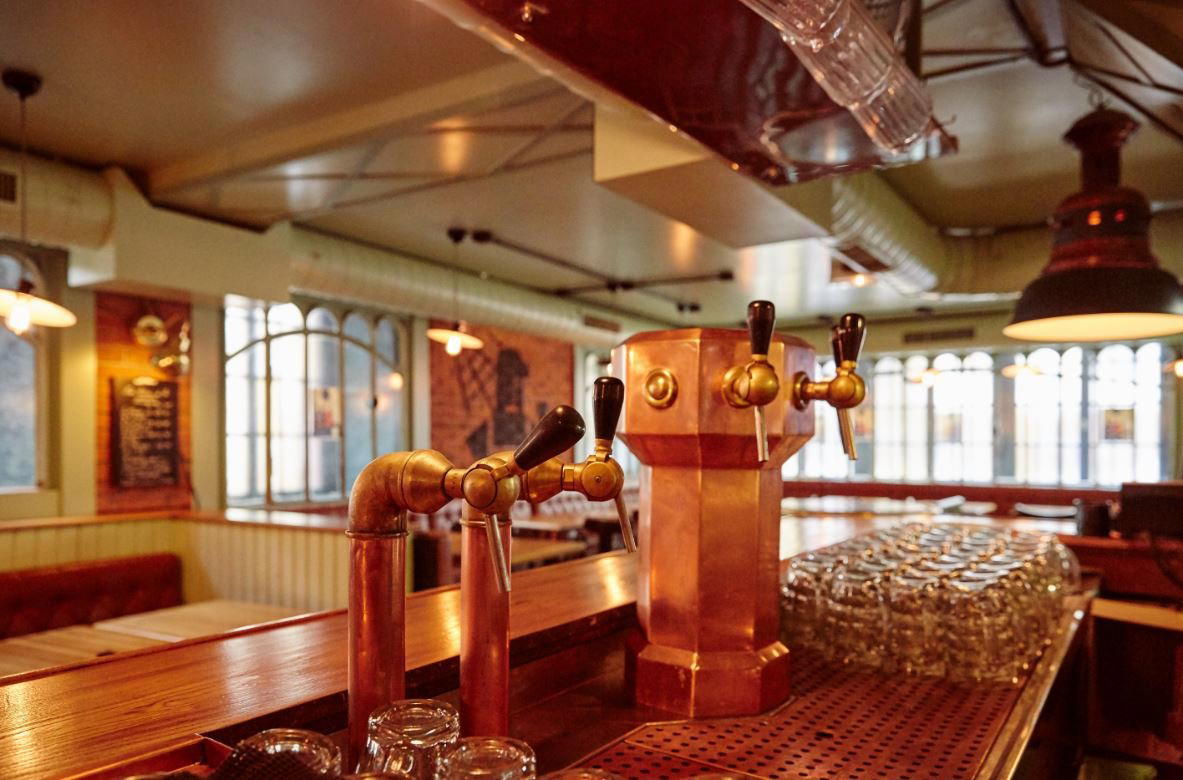
Strasbourg's Brasserie Tradition and Where Au Brasseur Fits
Few French cities defend the brasserie format as earnestly as Strasbourg. The word itself is Alsatian in origin, rooted in the region's brewing culture, and the institutions that carry the name here tend to operate with a specificity, smoked meats cured locally, carp and pike pulled from Rhine tributaries, choucroute built on locally fermented cabbage, that separates them from the Parisian imitations that borrowed the aesthetic and softened the cuisine. Au Brasseur, at 22 Rue des Veaux in the city's central quarter, sits within that tradition rather than commenting on it from a distance.
Rue des Veaux runs close to the Grande Île, Strasbourg's UNESCO-listed island district, where half-timbered facades and canals create among the more architecturally dense urban cores in western France. The neighbourhood draws visitors and locals in equal measure, but the restaurants along its side streets tend to serve the latter more honestly than those fronting the main tourist corridors. A brasserie at this address is expected to work hard: produce that reflects the season and the region, a format that balances conviviality with seriousness, and a price point that doesn't price out the city's own residents.
Ingredient Geography: What Alsace Puts on the Table
The editorial angle that matters most for any Strasbourg brasserie is provenance. Alsace occupies a particular position in French gastronomy: it is the only major French wine region that also produces significant quantities of beer, it borders Germany without being German, and its agricultural output, from Munster AOP cheese to Strasbourg sausage with its own protected status, gives kitchens a local larder that requires less creative reach than kitchens elsewhere in France. The Vosges forests sit to the west, the Rhine plain to the east, and the river itself to the city's immediate boundary. This geography produces a cuisine built on accumulation: preserved, smoked, fermented, and braised preparations that reflect long winters and the need to make stored ingredients perform at the table.
Brasserie cooking in this tradition is not about restraint. It is about density of flavour achieved through process: choucroute that ferments for weeks before it reaches the pot, baeckeoffe assembled the day before and sealed under pastry, tarte flambée dough stretched thin enough to blister in seconds on a wood-fired surface. These are techniques that reward patience in production and reward speed in service, which is why the brasserie format suits them so naturally. Among Strasbourg's dining options, the full-service brasserie remains the format most aligned with this kind of cooking, positioned at a middle register between the city's high-end Alsatian rooms, such as Au Crocodile, with its Michelin pedigree and modern Alsatian approach, and the quick-service winstubs that serve a more abbreviated version of the same larder.
Strasbourg's Dining Hierarchy and the Brasserie's Position Within It
Strasbourg's restaurant scene has stratified considerably over the past decade. At the leading end, destination restaurants like 1741 and creative operations such as de:ja compete for a clientele that arrives specifically for the kitchen rather than the neighbourhood. One tier down, modern cuisine venues including Les Funambules and Umami run tighter formats with shorter menus and higher creative ambition relative to their price point. The traditional brasserie sits in a third category: larger rooms, longer menus, and a value proposition based on generosity of portion and reliability of execution rather than novelty. This is not a lesser category by default. In a city with as strong a regional cuisine as Alsace, the brasserie that executes its tradition well provides something that more ambitious kitchens cannot always match: a direct, unmediated encounter with the food the region actually produces.
For comparison, one celebrated Alsatian table at regional scale is Auberge de l'Ill in Illhaeusern, which has held three Michelin stars for decades and represents the apex of formal Alsatian cooking. Further south, Flocons de Sel in Megève shows what haute montagne cooking looks like with similar Alpine-larder discipline. Nationally, the template for multi-generational French institutional dining runs from Paul Bocuse - L'Auberge du Pont de Collonges through Troisgros - Le Bois sans Feuilles and on to Bras in Laguiole, each one a study in how French regional identity translates into serious kitchen culture. Au Brasseur operates in a different register but within the same broader argument: that French dining at its most convincing is always, in the end, an argument about a specific place and what grows or brews or ages there.
Internationally, the comparison is equally instructive. Kitchens like Le Bernardin in New York City and Mirazur in Menton have built reputations partly on an acute awareness of where their primary ingredients come from and what proximity to those sources allows. The same logic operates at brasserie scale: a kitchen in Strasbourg that uses smoked meats from Alsatian producers, white asparagus from the Rhine plain in spring, and Alsace wine throughout is making a coherent argument about place, even without a starred dining room to frame it.
Comparison Snapshot
Comparable venues nearby, for context on price, style, and recognition.
| Venue | Cuisine | Price | Notes |
|---|---|---|---|
| Au BrasseurThis venue — the venue you are viewing | Traditional Alsatian Brasserie | $$ | Not listed |
| Au Cruchon | Traditional Alsatian Winstub | $$ | Centre |
| Meiselocker | Traditional Alsatian Cuisine | $$ | Centre |
| Le Tire-Bouchon | Traditional Alsatian Winstub | $$ | Centre |
| L'Oignon | Traditional French Alsatian | $$ | Centre |
| Au Fond du Jardin | French Tea Salon & Patisserie | $$$ | Centre |
Continue exploring
More in Strasbourg
Restaurants in Strasbourg
Browse all →

Bars in Strasbourg
Browse all →


Hotels in Strasbourg
Browse all →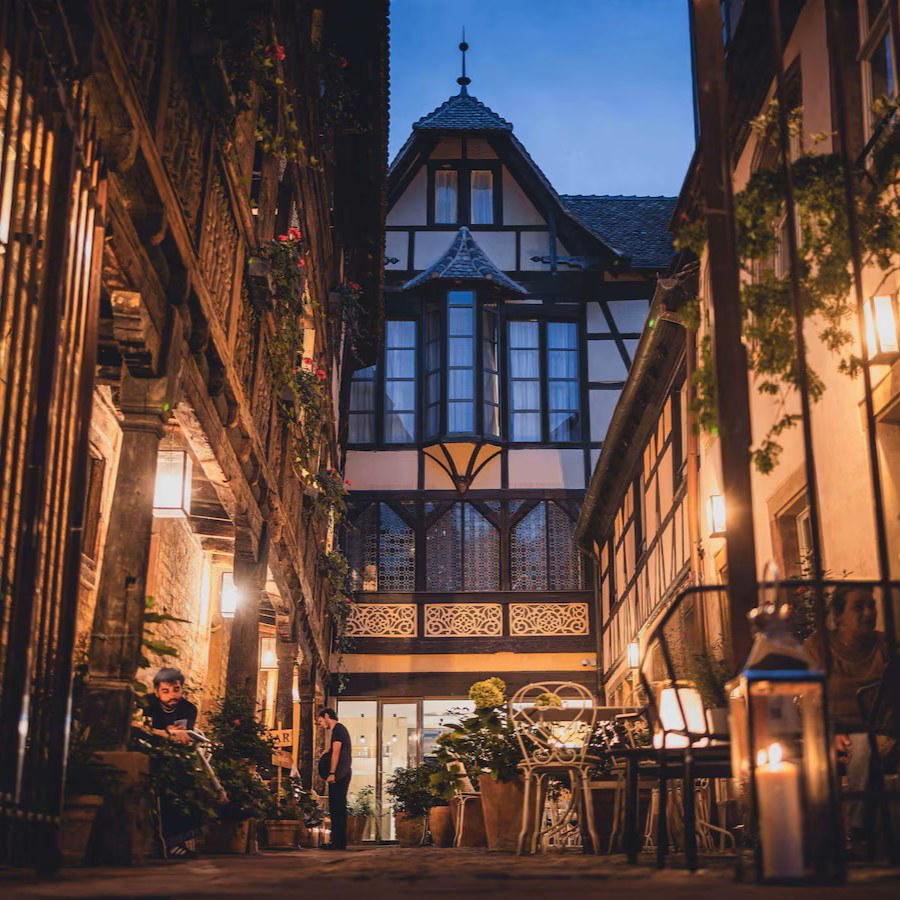
At a Glance
- Lively
- Cozy
- Rustic
- Group Dining
- Casual Hangout
- After Work
- Open Kitchen
- Terrace
- Historic Building
- Beer Program
- Street Scene
Current opening hours
- Monday
- 11 AM–12 AM
- Tuesday
- 11 AM–12 AM
- Wednesday
- 11 AM–12 AM
- Thursday
- 11 AM–12 AM
- Friday
- 11 AM–1 AM
- Saturday
- 11 AM–1 AM
- Sunday
- 11 AM–12 AM
Hours can change for holidays and private events. Last verified .
Warm, friendly, and convivial atmosphere in a traditional bierstub with terrace seating.