Schwarzer Adler



1 Michelin Star · Star Wine List · Falstaff Restaurant - 97 Falstaff Points
Our verdict
Few addresses in Germany's Baden wine country carry the dual authority of a Michelin-starred kitchen and a wine list ranked first in Germany by Star Wine List in 2025. Schwarzer Adler in Vogtsburg-Oberbergen sits at the intersection of classic Franco-German cuisine and one of the Kaiserstuhl's most respected cellars, operating as a restaurant, hotel, and winery from a single estate on the volcanic slopes above the Rhine plain.

Pearl is the En Primeur Club membership app, where members save venues, book tables and use the concierge.
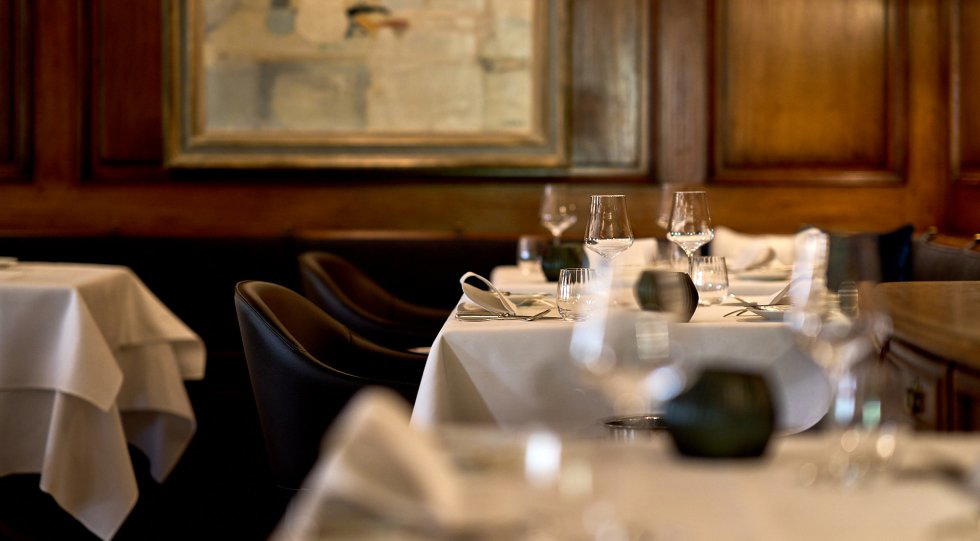
The menu
What to order
- Poularde truffée dans la vessie farcie
- Turbot with beurre blanc
Where the Kaiserstuhl's Volcanic Terroir Meets the Dining Room
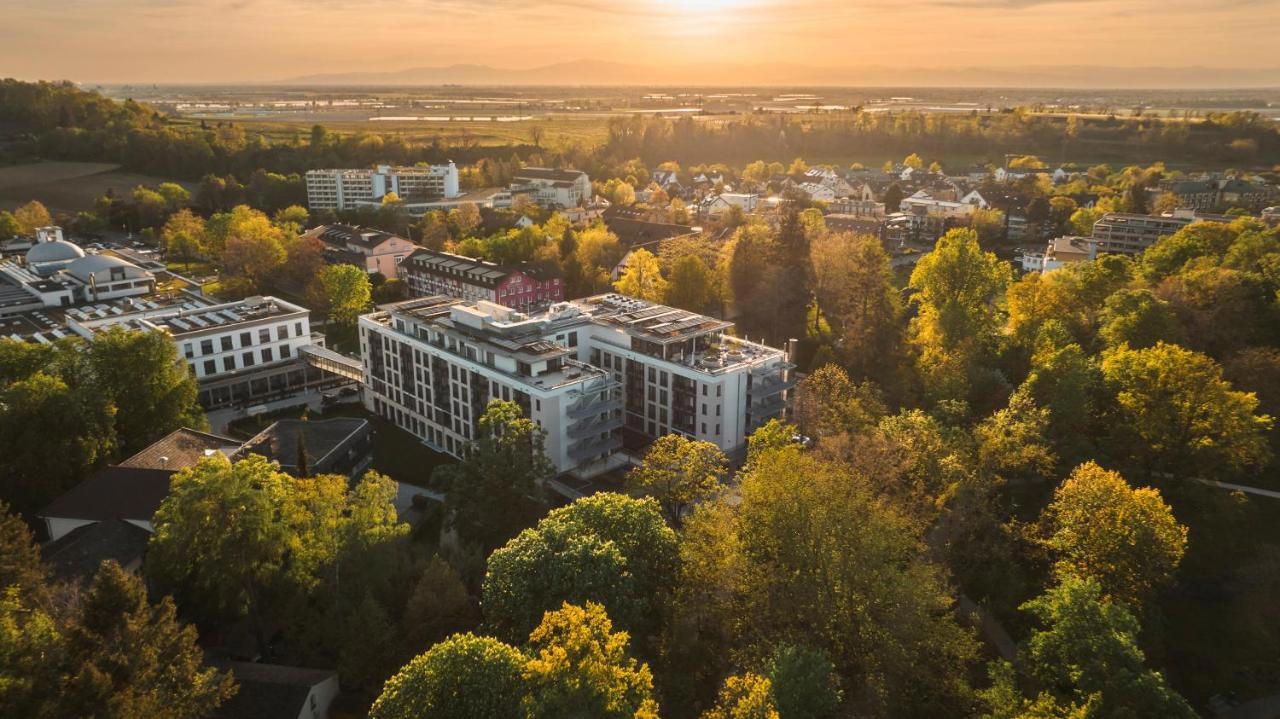
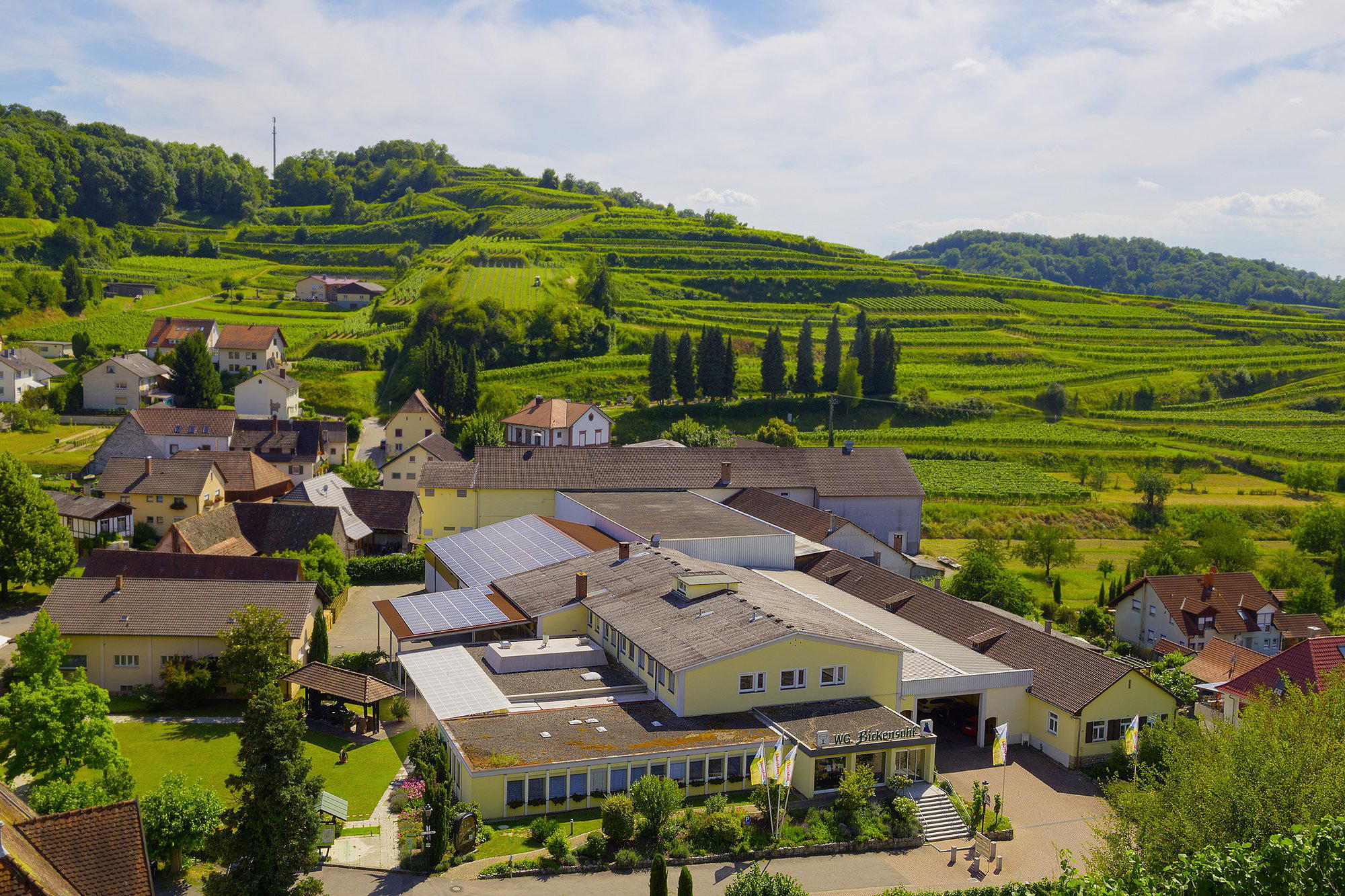
The road into Vogtsburg-Oberbergen rises through vine rows that produce some of Baden's most concentrated Spätburgunder and Grauburgunder. The Kaiserstuhl, a compact volcanic massif rising from the Upper Rhine plain between Freiburg and the Alsatian border, has long supplied premium restaurants on both sides of the river with bottles that rarely travel far. Schwarzer Adler, addressed at Badbergstraße 23, occupies this terrain not just geographically but structurally: the property functions simultaneously as a restaurant, hotel, and winery, a configuration that makes it genuinely different in competitive set from a standalone kitchen. The dining room's wine list is fed by its own production and by a cellar assembled over decades, which explains why Star Wine List placed it first in Germany in 2025, a ranking built on breadth, depth, and the kind of regional coherence that only comes when a wine programme has institutional memory behind it.
The Wine Programme: Germany's Highest-Ranked Cellar in Its Category
Germany's fine-dining wine culture tends to divide along two axes: the northern Riesling estates serving food as a vehicle for aged GGs, and the southern Baden and Pfalz kitchens where Burgundy varieties and Franco-German cuisine run in parallel. Schwarzer Adler sits firmly in the second camp. The Star Wine List ranking, first in Germany in 2025, fifth nationally in 2023 before climbing, signals a list that has been assessed by specialists and found to lead its peer group on curation and depth. That is a specific credential: Star Wine List evaluates wine programmes against a defined set of criteria including range, value, and representation of the region, not simply bottle count or trophy vintages.
What makes a Kaiserstuhl-based wine list particularly compelling to serious drinkers is the immediacy of provenance. The volcanic basalt and loess soils of the region produce Spätburgunder with a structure that can age alongside fine Burgundy, and Grauburgunder that reaches textural richness without the flabbiness that warmer-year Pinot Gris can acquire further south. A list anchored in this appellation and complemented by Alsatian selections from directly across the Rhine represents a regional logic that few programmes elsewhere in Germany can replicate. For comparison, consider that similarly oriented wine-led addresses in Germany, venues like Waldhotel Sonnora in Dreis or Schanz in Piesport, draw their cellar identity primarily from the Mosel axis. Baden occupies a different register entirely.
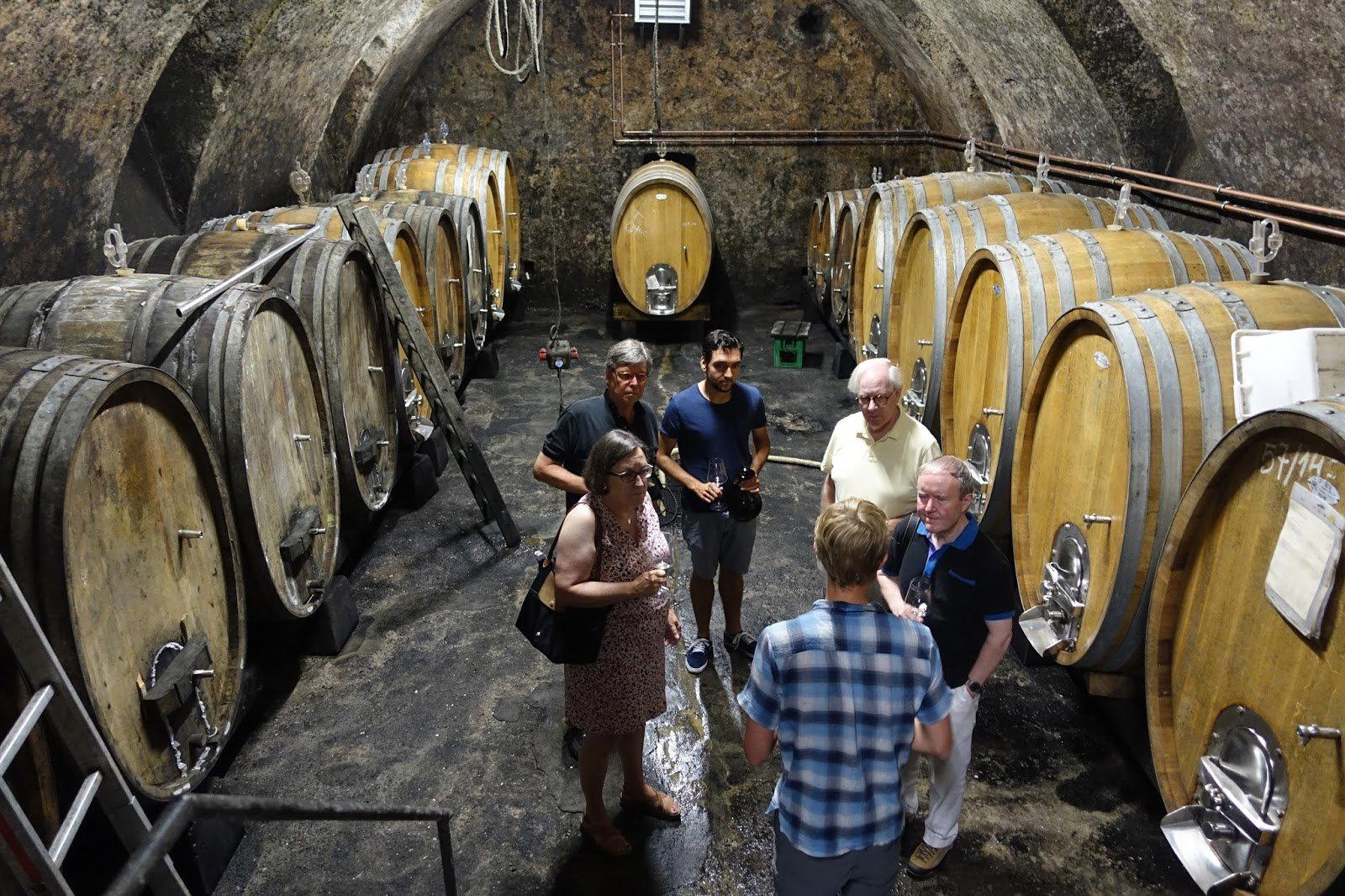
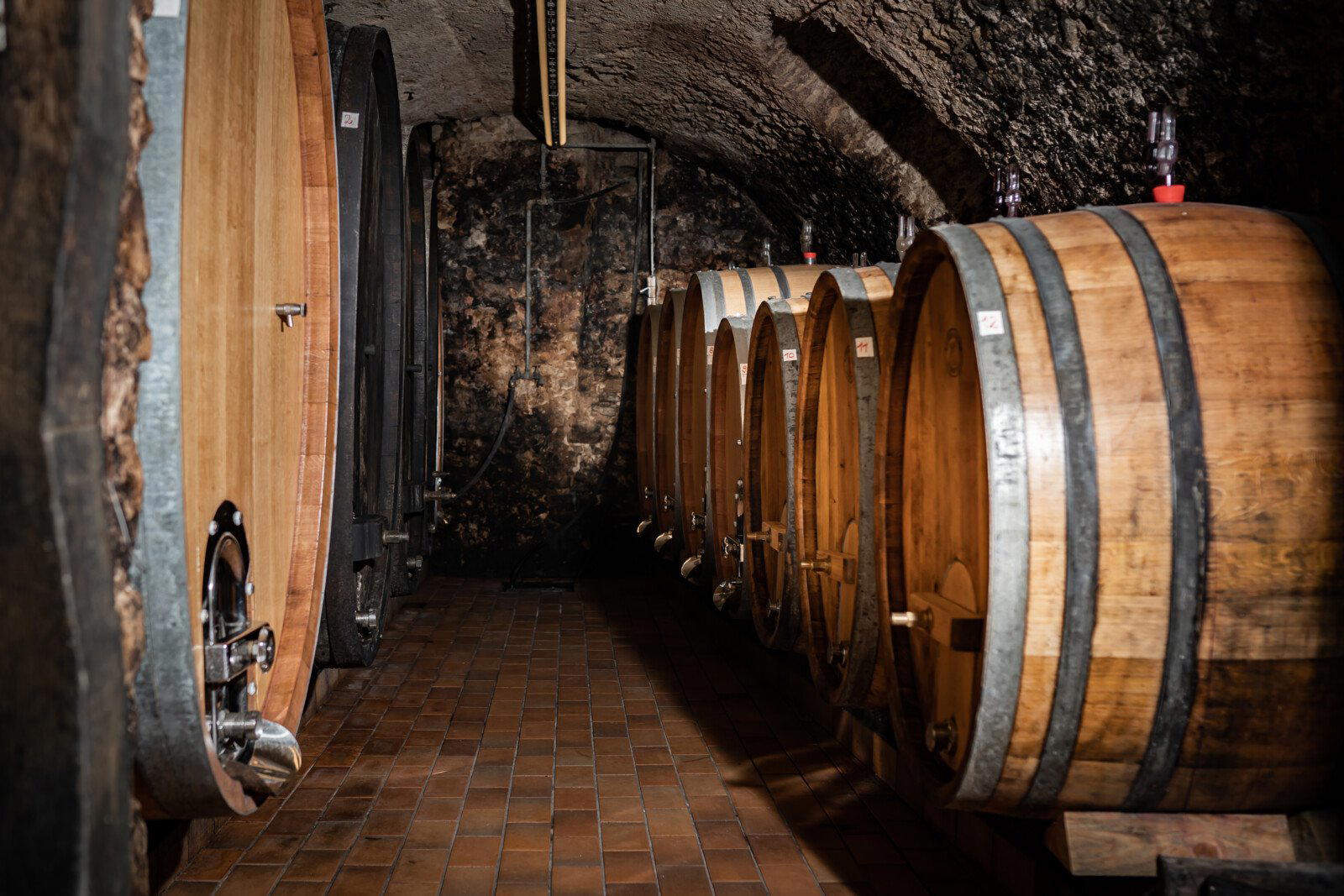
For guests staying at the hotel, the wine programme extends beyond the dinner service: the estate's winery production means that bottles available at the table originate on the same hillside. That integration between production, cellar, and dining room is relatively uncommon in German fine dining, where the norm is a restaurant sourcing externally even in wine-producing regions.
The Kitchen: Classic Franco-German at the €€€€ Tier
The cuisine at Schwarzer Adler is classified as French-German and Classic French, a designation that locates it in a specific and historically grounded Baden tradition rather than in the contemporary Nordic or product-led minimalist movements that have reshaped much of German fine dining over the past decade. Baden's culinary identity has always been oriented toward France: proximity to Alsace, shared ingredients across the Rhine, and a longer history of classical technique in the region's kitchens than in most of Germany. The Michelin star held consecutively through 2024 and 2025 confirms that the kitchen operates at a consistent standard within its chosen register.
At the €€€€ price point, Schwarzer Adler sits in the upper tier of the Vogtsburg area's dining options. Regional restaurants like Die Achkarrer Krone and Winzerhaus Rebstock serve the local Kaiserstuhl cuisine at lower price brackets, while Steinbuck Stube occupies the classic cuisine tier below. None of these carry Michelin recognition, which positions Schwarzer Adler as the area's clear reference point for a formal, wine-serious dinner. Chef Franz Keller leads the kitchen, and the name appears in the property's full designation, Franz Keller Schwarzer Adler, indicating that the kitchen's identity is anchored to that lineage rather than to a rotating culinary programme. Classic Franco-German cooking at this level typically centres on precision in sauce-making, sourcing of regional produce, and restraint in composition rather than elaborate plating or contemporary technique for its own sake.
The service schedule, with dinner running from 6:30 to 11 pm on Monday, Tuesday, Friday, Saturday, and Sunday, and lunch added on Saturday and Sunday from 12 to 3 pm, means the kitchen is closed Wednesday and Thursday. For a destination restaurant in a village rather than a city, that schedule reflects the operational logic of a serious estate rather than a commercial volume play.
Baden Fine Dining in National Context
Schwarzer Adler belongs to a small cohort of German addresses where the wine programme is as much the draw as the kitchen. In most of Germany's Michelin-starred tier, food drives the reputation and wine follows. The restaurants that invert or equalise that relationship, where the cellar genuinely co-anchors the proposition, are fewer. JAN in Munich, Schwarzwaldstube in Baiersbronn, and Restaurant Haerlin in Hamburg each carry their own wine reputations, but none operate their own winery on site. The integrated model at Vogtsburg-Oberbergen places Schwarzer Adler in a narrower, more specific niche. Among internationally recognised addresses, the closest structural analogues tend to be found in Burgundy or Tuscany rather than in German fine dining, which makes the estate format here relatively unusual for the country.
At the two- and three-star level elsewhere in Germany, addresses like Aqua in Wolfsburg, Vendôme in Bergisch Gladbach, or ES:SENZ in Grassau operate at higher Michelin counts but without the wine-estate integration. CODA Dessert Dining in Berlin takes an entirely different approach to the fine-dining format. What Schwarzer Adler offers is a one-star kitchen within a property that competes at a different standard on wine, the Star Wine List number-one ranking in Germany is a harder credential to earn than additional Michelin stars are to hold.
For guests thinking about the broader Vogtsburg area, the full Vogtsburg im Kaiserstuhl restaurants guide covers the range of options across price points. Those combining dinner with a stay should consult the hotels guide, while the wineries guide maps the region's production landscape for those who want to visit estates beyond the Schwarzer Adler holding. The bars guide and experiences guide complete the area overview.
Planning a Visit
Schwarzer Adler is located at Badbergstraße 23 in Vogtsburg im Kaiserstuhl, within the Oberbergen district. The combination of restaurant, hotel, and winery means that an overnight stay is a logical extension of a dinner reservation, particularly for guests travelling from outside the region. The village sits roughly equidistant between Freiburg im Breisgau to the southeast and Colmar in Alsace to the northwest, making it accessible either as a destination in itself or as part of a broader Upper Rhine itinerary. Dinner service runs Tuesday, Friday, Saturday, and Sunday evenings from 6:30 pm; Saturday and Sunday lunches begin at noon. Wednesday and Thursday are closed. At the €€€€ tier with a wine programme of this depth, booking well in advance is advisable, particularly for weekend services during the harvest season when regional demand for cellar-to-table dining peaks across the Kaiserstuhl.
For a broader perspective on the Franco-German classic tradition at the highest international level, Le Bernardin in New York City demonstrates how classical French discipline translates into a completely different urban context, while Schwarzwaldstube in Baiersbronn represents the Black Forest's own approach to the same regional-classical inheritance that shapes cooking in Baden more broadly.
What Should I Order at Schwarzer Adler?
Schwarzer Adler's kitchen operates within the Classic French and Franco-German tradition, which means the menu is built around precise classical technique applied to Baden and broader regional produce. Given the estate's wine production on-site, a pairing menu that sequences through the cellar's own Spätburgunder and Grauburgunder alongside dishes from the kitchen represents the most coherent way to engage with what the address does specifically rather than generically. The Michelin star through 2024 and 2025, combined with the Star Wine List number-one Germany ranking for 2025, suggests that the wine-led pairing format is where the full proposition is realised. For those wanting to orient themselves against the broader dining options nearby, the Vogtsburg restaurant guide provides context across the area's price tiers.
Frequently asked questions
What kind of recognition has Schwarzer Adler received?
Schwarzer Adler has received recognition including: Franz Keller Schwarzer Adler is a restaurant, hotel venue.without_translation_and winery in Vogtsburg-Oberbergen, Germany. It was published on Star Wine List on March 22, 2023 and is a White Star.; Star Wine List #1 (2025); Michelin 1 Star ….
What should I order at Schwarzer Adler?
The kitchen operates in the Classic French and Franco-German tradition, meaning dishes are built around precise classical technique rather than modernist reinvention. Given the restaurant's position as Star Wine List's #1-ranked cellar in Germany (2025), the stronger argument is to let the wine list lead: ask the sommelier to anchor your menu choices to a Kaiserstuhl Spätburgunder or aged Burgundy. The €€€€ price tier signals a multi-course format where the kitchen's range is most coherently experienced across the full progression rather than à la carte selections.
What days is Schwarzer Adler closed?
Hours at Schwarzer Adler: Hours: Monday 6:30–11 pm Tuesday 6:30–11 pm Wednesday Closed Thursday Closed Friday 6:30–11 pm Saturday 12–3 pm, 6:30–11 pm Sunday 12–3 pm, 6:30–11 pm.
Compact Comparison
| Venue | Cuisine | Price | Awards | Notes |
|---|---|---|---|---|
| Schwarzer AdlerThis venue (the venue you are viewing) | Classic French Fine Dining | $200–300 | 1 Michelin Star · Star Wine List | Not listed |
| Die Achkarrer Krone | Traditional Badische with French Accents | $30–50 | Michelin Plate | Regional Cuisine |
| Steinbuck Stube | Classic German with Mediterranean influences | $50–100 | Michelin Plate | Classic Cuisine |
| Winzerhaus Rebstock | Traditional Badisch-Alsatian Regional Cuisine | $30–50 | Michelin Plate | Regional Cuisine |
Recognition history
Dated appearances from independent guides and award organizations, with the underlying list record or original source where available.
Michelin 1 Star
Michelin
Star Wine List
Star Wine List
Falstaff Restaurant - 97 Falstaff Points
Falstaff
Full recognition history (5 entries)
Michelin 1 Star
Michelin
Michelin 1 Star
Michelin
Continue exploring
More in Vogtsburg im Kaiserstuhl
Restaurants in Vogtsburg im Kaiserstuhl
All restaurants in Vogtsburg im Kaiserstuhl →
Bars in Vogtsburg im Kaiserstuhl
Browse all →
Hotels in Vogtsburg im Kaiserstuhl
Browse all →
Wineries in Vogtsburg im Kaiserstuhl
All wineries in Vogtsburg im Kaiserstuhl →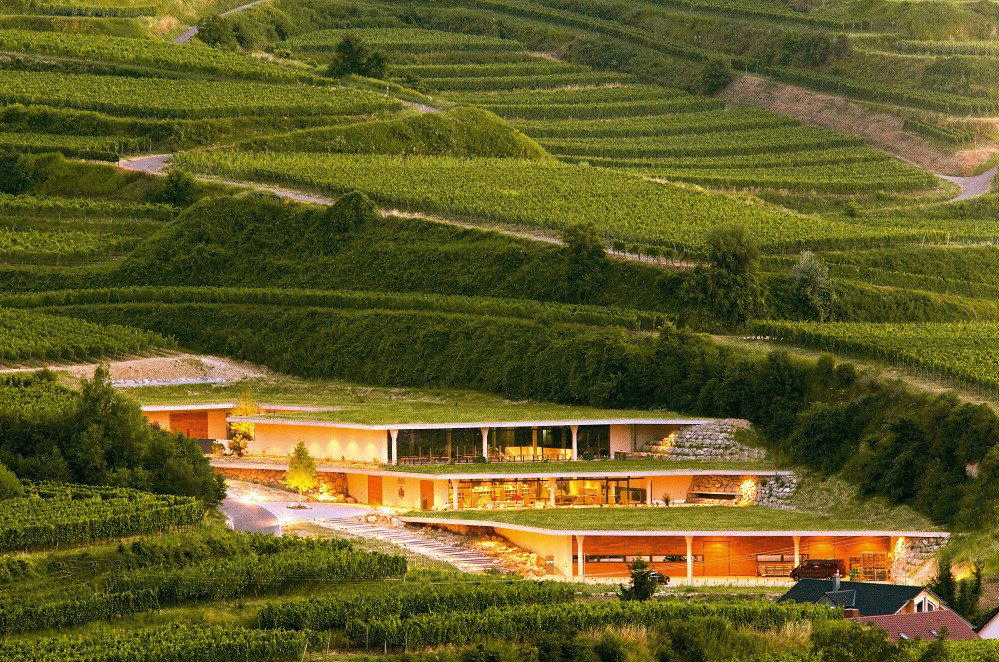
Schwarzer Adler
The wine
- Wine program
- Deep wine list
- Extensive wine list
- Sommelier-led
Details
- Elegant
- Classic
- Cozy
- Sophisticated
- Special Occasion
- Date Night
- Business Dinner
- Historic Building
- Wine Cellar
- Extensive Wine List
- Sommelier Led
- Local Sourcing
- Vineyard
- Tasting Menu
- A La Carte
- Wine
- Vegetarian Friendly
- Gluten Free Options
Current opening hours
- Monday
- 6:30–11 PM
- Tuesday
- 6:30–11 PM
- Wednesday
- Closed
- Thursday
- Closed
- Friday
- 6:30–11 PM
- Saturday
- 12–3 PM, 6:30–11 PM
- Sunday
- 12–3 PM, 6:30–11 PM
Hours can change for holidays and private events. Hours as of .
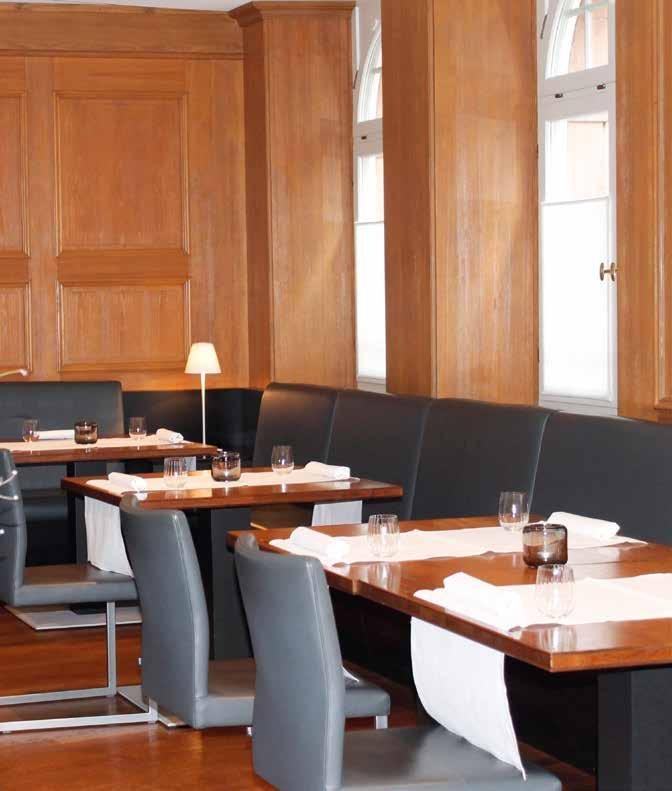
Cosy, stylish, and elegant dining rooms with traditional charm, professional yet warm service, and an atmosphere evoking old-school fine dining.