On a quiet street in central Colmar, Au Cygne represents a strand of Alsatian dining that prioritises regional produce over culinary spectacle. The address at 15 Rue Edouard Richard places it within walking distance of the city's historic core, and the setting reflects the kind of understated seriousness that the region's mid-tier restaurant scene does well. For visitors building a fuller picture of Colmar's table, it belongs in the itinerary.
Pearl is the En Primeur Club membership app — saves, bookings, and concierge access live there. Same editors, same standards.
- Address
- 15 Rue Edouard Richard, 68000 Colmar, France
- Phone
- +33389237626
- Website
- winstublecygne.fr
- Directions
- Get directions
 Saves & bookings on Pearl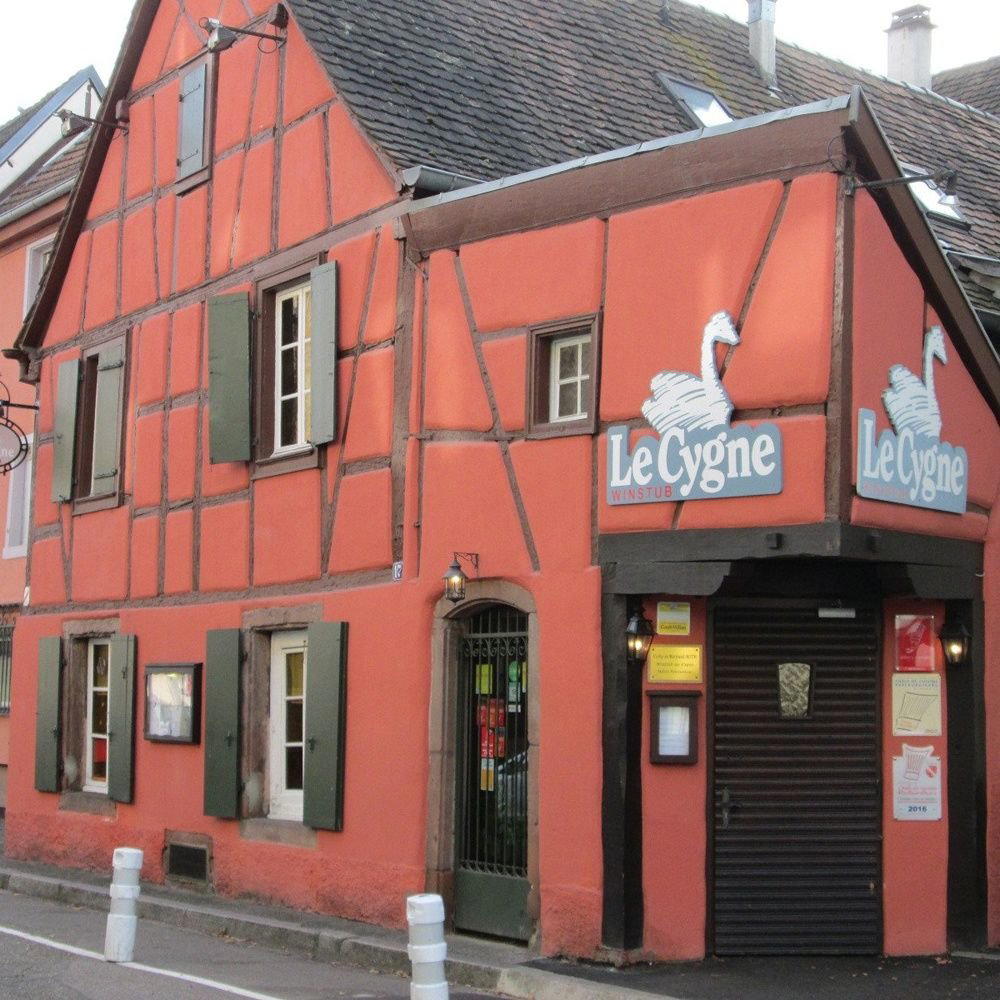
Where Alsace Puts Its Produce First
Colmar's restaurant scene divides, roughly, into two camps. There are the destination addresses that draw visitors from Strasbourg and Basel on reputation alone, places like JY'S at the creative end of the price range, or L'Atelier du Peintre with its more accessible modern cuisine format. And then there are the quieter addresses that occupy a different register: restaurants where the sourcing logic and the regional larder do most of the talking. Au Cygne is a Traditional Alsatian Winstub at 15 Rue Edouard Richard, 68000 Colmar, France, with. Au Cygne, at 15 Rue Edouard Richard, belongs to the second group.
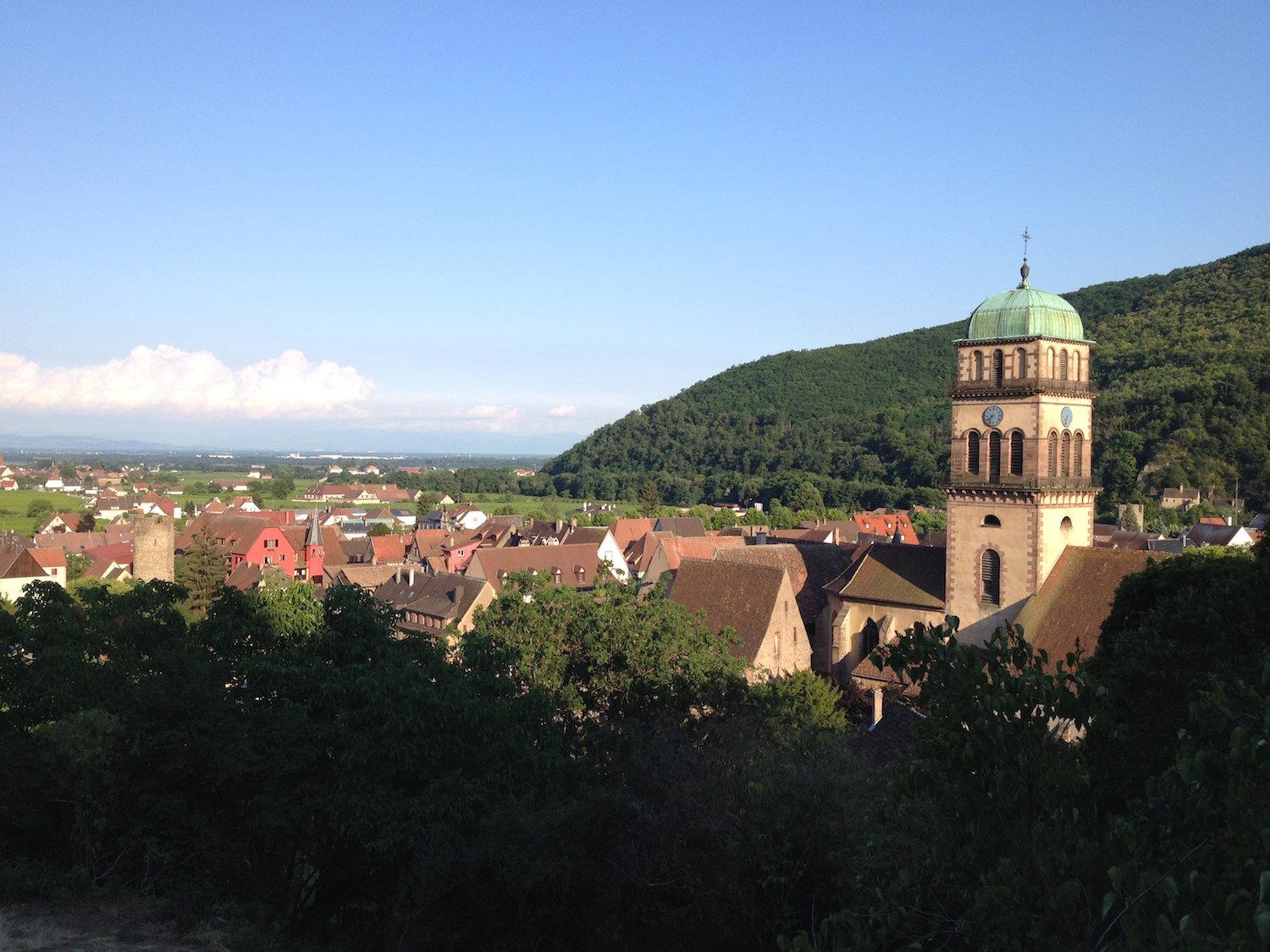
The street itself gives little away. Rue Edouard Richard runs through the residential fringe of Colmar's historic centre, far enough from the tourist circulation of the Petite Venise canal district to feel settled rather than performative. Approaching the address, the city feels like a working Alsatian town rather than a backdrop for Instagram content, a useful orientation before sitting down to food that draws from the same regional logic.
The Alsatian Sourcing Tradition
To understand where a restaurant like Au Cygne sits, it helps to understand what the Alsatian kitchen has historically demanded from its suppliers. The region occupies an agricultural corridor between the Vosges foothills and the Rhine plain: market gardens, small-scale livestock farms, river fish, and forests that supply game through autumn and winter. Alsatian cooking at its most coherent is an expression of that corridor, not an interpretation of it, meaning the ingredient is the argument, and technique exists in service of it rather than the reverse.
That philosophy shows up across the region's dining tier, from the rarefied setting of Auberge de l'Ill in Illhaeusern, one of France's longest-standing three-Michelin-star addresses, down through the mid-range tables that form the everyday fabric of Colmar's food culture. The addresses that hold up over time are those that maintain tight relationships with regional producers, adjusting menus to what is actually in season rather than to what the menu design requires.
This sourcing discipline is not distinctive to Alsace, Bras in Laguiole built an entire culinary identity around the terroir of the Aubrac plateau, and Flocons de Sel in Megève does the same for the Alpine larder, but in Alsace it carries particular cultural weight because the region spent decades asserting its French identity through its cuisine after periods of German annexation. The table here is always partly a political statement, even when it reads as a simple plate of choucroute.
Au Cygne in Its Colmar Context
Within Colmar's mid-to-upper dining tier, the restaurant occupies a position that sits between the casual winstub tradition and the more technically ambitious creative addresses. The winstub format, think shared tables, wine by the carafe, choucroute and baeckeoffe, represents one pole of Alsatian eating. The contemporary creative end, represented locally by Restaurant Girardin, represents the other. The restaurant reads as neither: it is a restaurant with a clear commitment to the regional kitchen, operating in a register that values care over ambition.
That positioning has its own logic in a city where visitor expectations range enormously. Colmar receives substantial tourist traffic through spring and summer, and the leading addresses at every price tier show the strain of managing quality across high-volume periods. Restaurants that survive this pressure with reputation intact tend to have supply chains that do not flex to the season in the wrong direction, that is, they do not quietly downgrade sourcing when covers increase. The evidence for the restaurant's approach here lies in its continued presence as a named address in a competitive small city, at a location without the footfall advantage of the tourist core.
For comparison within the broader French fine dining tradition, the sourcing-first philosophy finds its most celebrated expressions at addresses like Troisgros - Le Bois sans Feuilles in Ouches and Les Prés d'Eugénie - Michel Guérard in Eugénie-les-Bains, restaurants where the relationship between kitchen and land is the organising principle of the entire enterprise. The restaurant operates on a smaller, more local scale, but the underlying logic connects to the same French provincial tradition that produced those celebrated houses.
What Colmar's Dining Tradition Expects
A city of Colmar's scale and visitor volume, roughly 70,000 residents but handling several times that annually in tourism, tends to develop a restaurant ecosystem with clear stratification. The addresses that draw international attention, such as those comparable in ambition to Mirazur in Menton or Alléno Paris au Pavillon Ledoyen, exist at the summit of that structure. But the functional spine of any French regional city's food culture is the tier below: the restaurants that feed locals at weekday lunch, that handle private celebrations, and that maintain a consistent regional identity without the marketing infrastructure of a starred kitchen.
The restaurant operates in that functional tier. Its address at 15 Rue Edouard Richard, off the main tourist circuits, suggests a kitchen oriented toward a local and returning clientele rather than walk-in volume. That pattern, common across French provincial towns, tends to produce more reliable sourcing discipline simply because the customer base knows the difference. A local diner in Colmar recognises when the choucroute has been made properly, when the Munster is at the right stage of ripeness, and when the riesling-based sauce has been built from the correct quality of Alsace wine. Restaurants that serve this audience do not cut the same corners available to tourist-facing addresses.
Addresses like Au Soleil Levant and Bartholdi offer further reference points across the city's range.
Planning a Visit
The restaurant sits at 15 Rue Edouard Richard in central Colmar, reachable on foot from the city's historic quarter in under ten minutes. Colmar is served by TGV connections from Paris Gare de l'Est, with journey times under two hours to Colmar station; the restaurant is walkable from there without requiring a taxi. As with most Alsatian restaurants in this tier, the strongest seasonal period runs from late autumn through winter, when the regional larder is at its richest, game, root vegetables, and preserved cabbage.
How It Stacks Up
Comparable venues nearby, for context on price, style, and recognition.
| Venue | Cuisine | Price | Awards | Notes |
|---|---|---|---|---|
| Au CygneThis venue — the venue you are viewing | Traditional Alsatian Winstub | $$ | Not listed | Not listed |
| L'Auberge | Traditional Alsatian Brasserie | $$ | Not listed | Place de la Gare |
| La Cocotte de Grand-Mère | Homemade French Bistro | $$ | Not listed | Place de l'École |
| L'Essentiel | Modern French Bistro | $$$ | Not listed | . Colmar center |
| Wistub Brenner | Traditional Alsatian | $$ | Michelin Plate | Petite Venise |
| La Table du Lac | Modern French Bistronomie | $$$ | Not listed | Kraehenbruckle Weg |
Continue exploring
More in Colmar
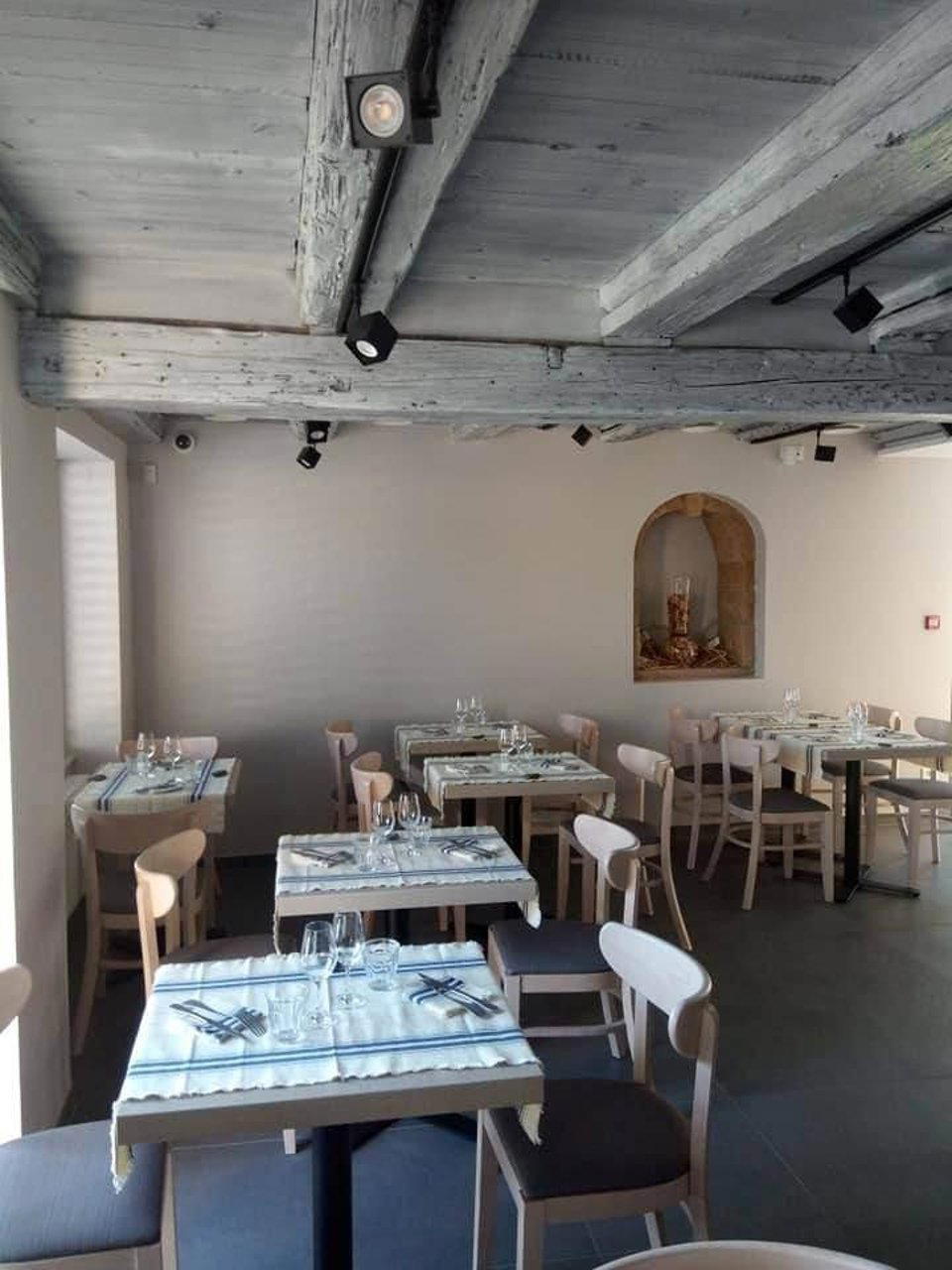
Restaurants in Colmar
Browse all →
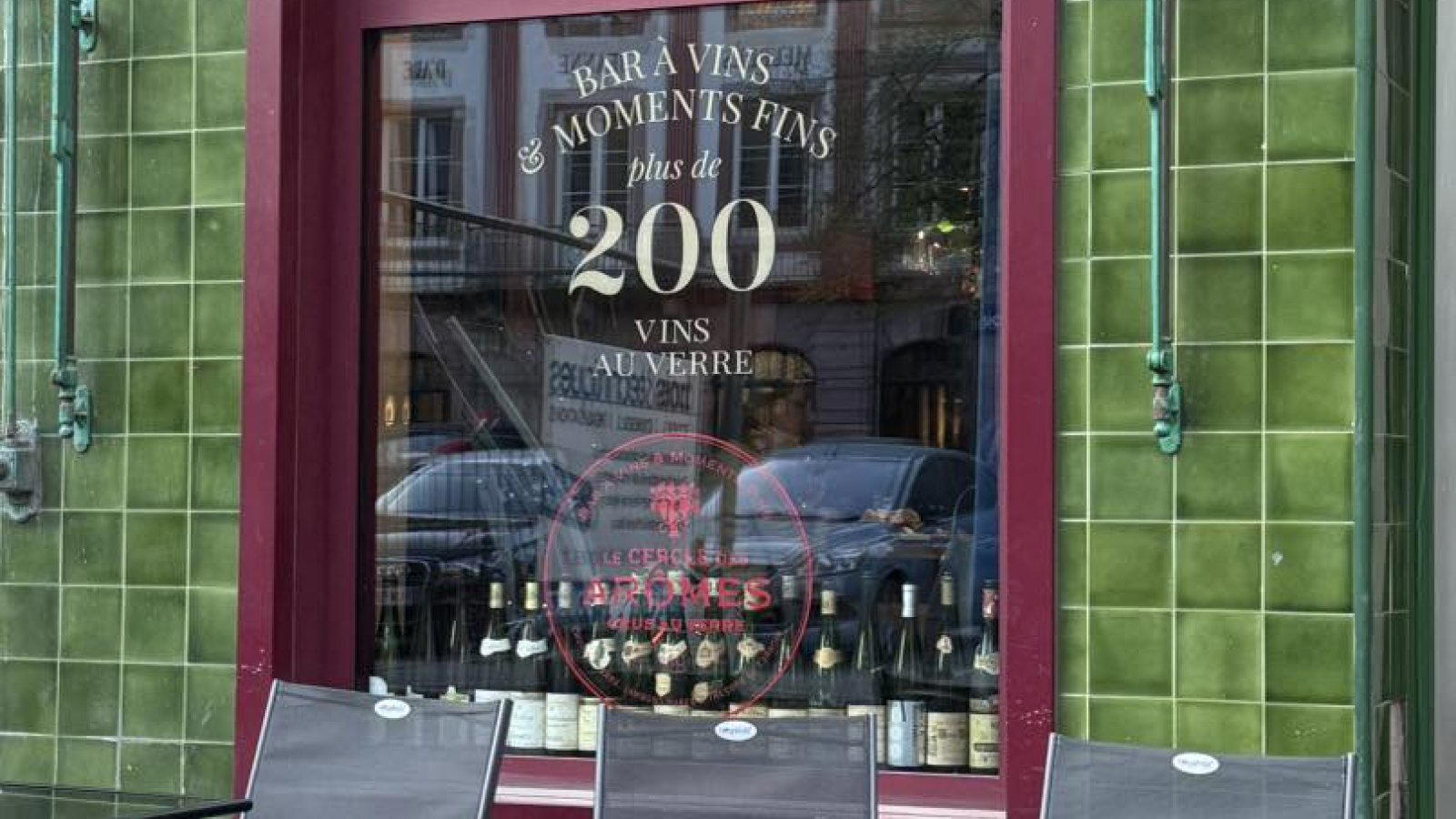
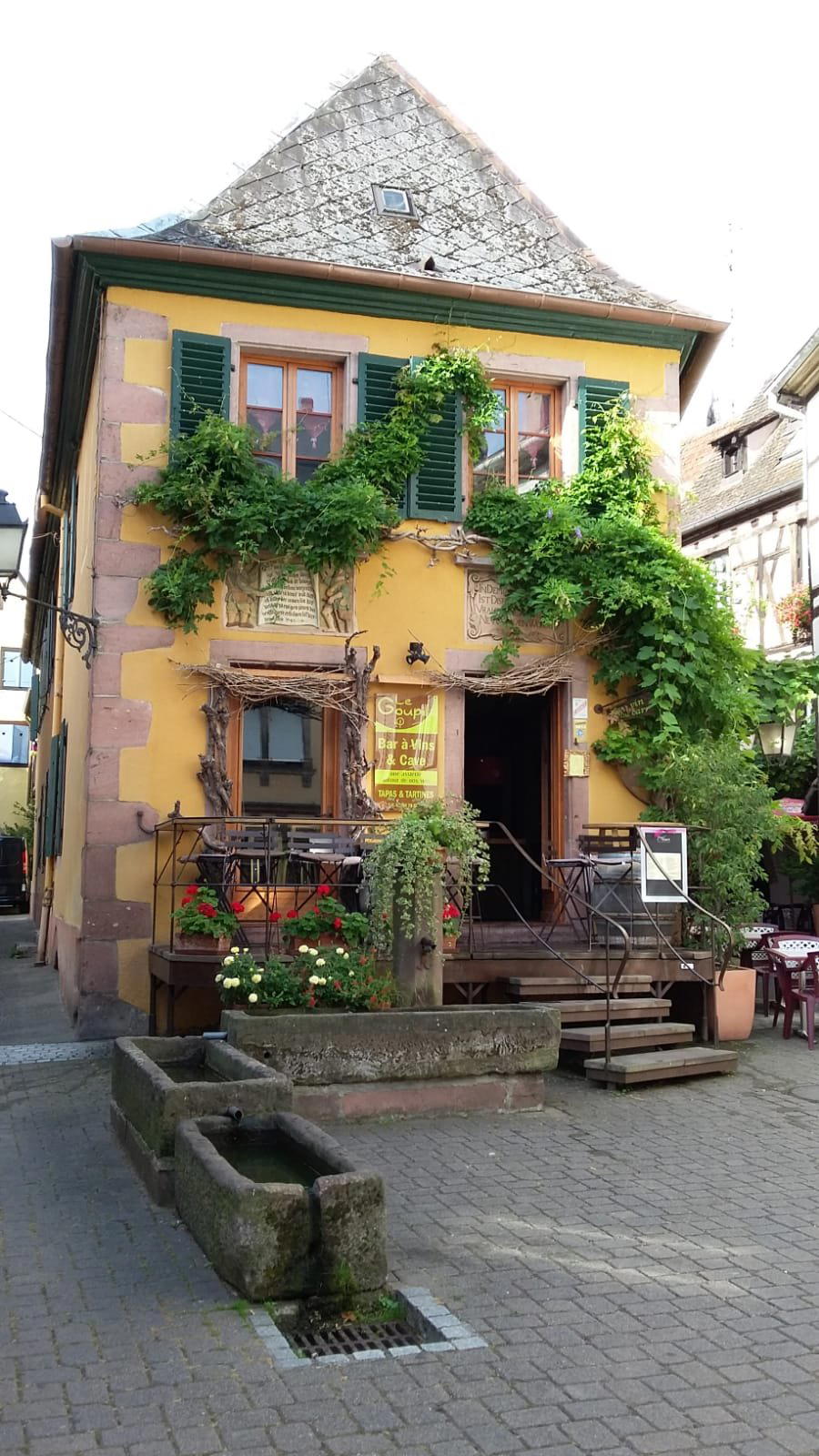
Bars in Colmar
Browse all →
Hotels in Colmar
Browse all →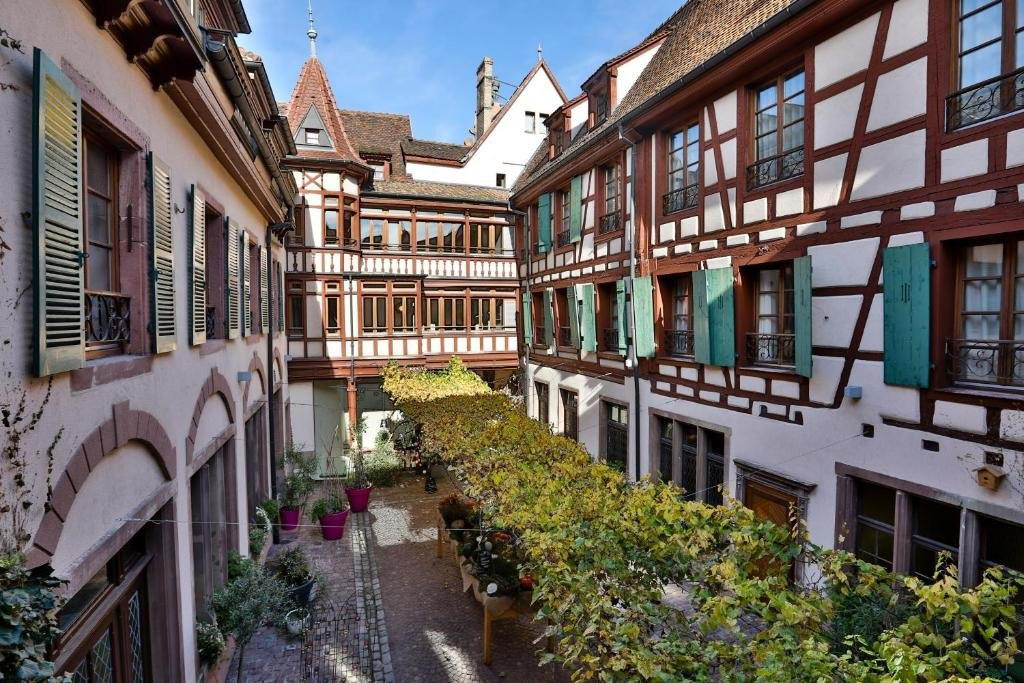
At a Glance
- Cozy
- Classic
- Rustic
- Intimate
- Casual Hangout
- Family
- Courtyard
Current opening hours
- Monday
- 12–2 PM
- Tuesday
- 12–2 PM, 7–11 PM
- Wednesday
- 12–2 PM, 7–11 PM
- Thursday
- 12–2 PM, 7–11 PM
- Friday
- 12–2 PM, 7–11 PM
- Saturday
- 7–11 PM
- Sunday
- Closed
Hours can change for holidays and private events. Last verified .