



2 Michelin Stars · La Liste Top Restaurants · Falstaff Restaurant - 95 Falstaff Points
Our verdict
Hirschen in Sulzburg holds two Michelin stars and a Les Grandes Tables du Monde listing under chef Douce Steiner, placing it among a small cohort of destination restaurants operating well outside Germany's major cities. The kitchen delivers Modern European cooking with genuine creative range, drawing serious diners into the southern Black Forest on merit rather than proximity.

Pearl is the En Primeur Club membership app, where members save venues, book tables and use the concierge.
The menu
What to order
- Turbot with lobster
- Menu Douce
- Foie gras
A Village Address With Serious Credentials
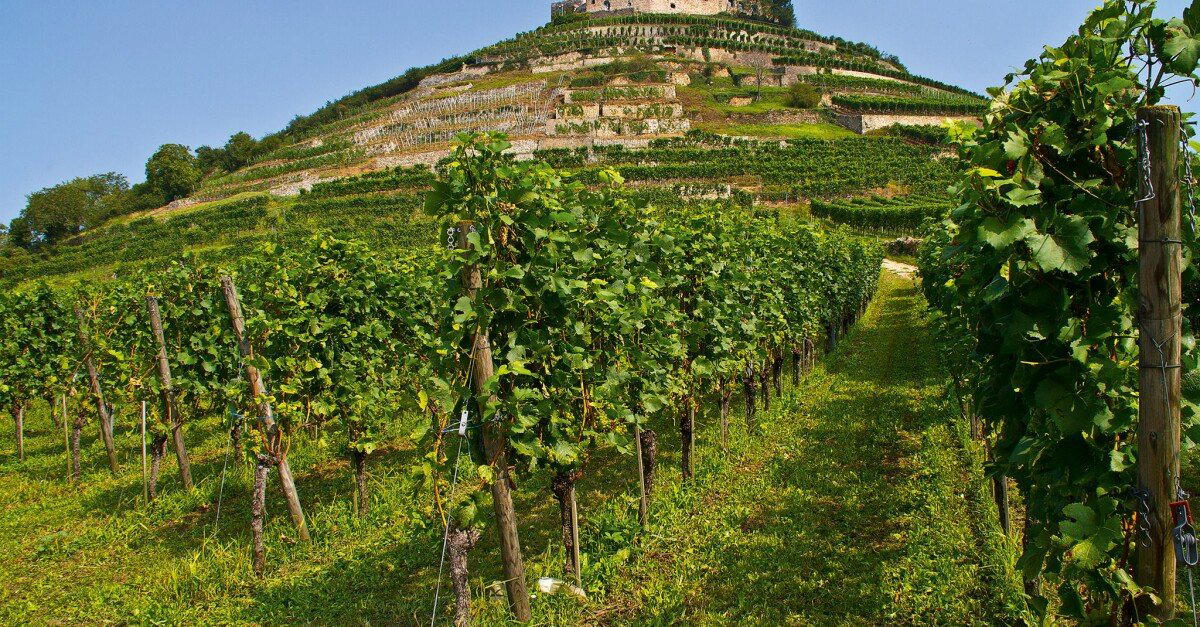
The southern Black Forest has a long tradition of serious cooking in small settings. Sulzburg, a compact historic town in Baden with fewer than three thousand residents, sits in a wine-growing corridor between Freiburg and Basel where the combination of good local produce, proximity to Alsace, and a tradition of Gasthof hospitality has supported fine dining at a level that consistently surprises visitors expecting the format only in larger cities. Hirschen, at Hauptstraße 69, sits inside that tradition and has extended it considerably.
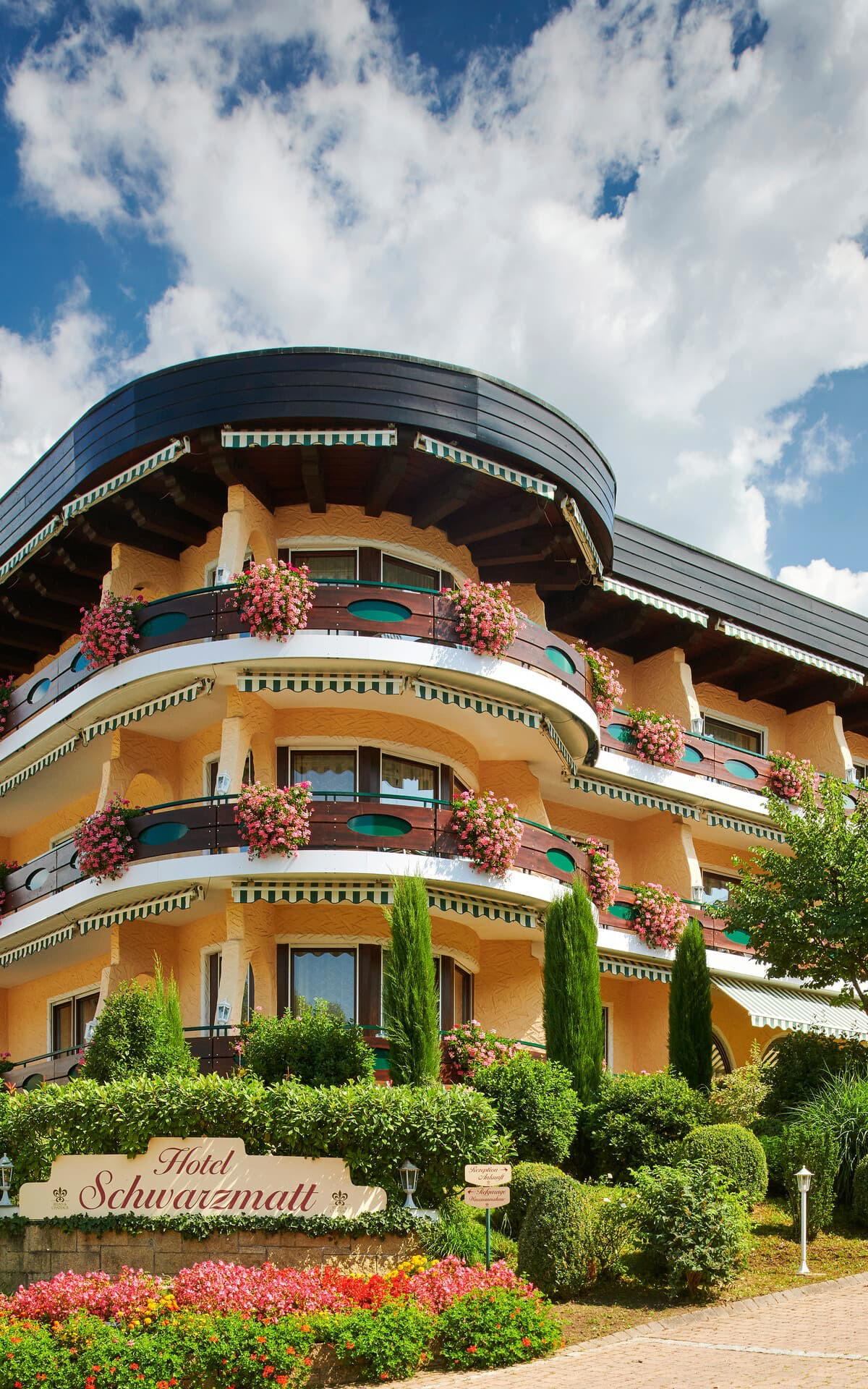
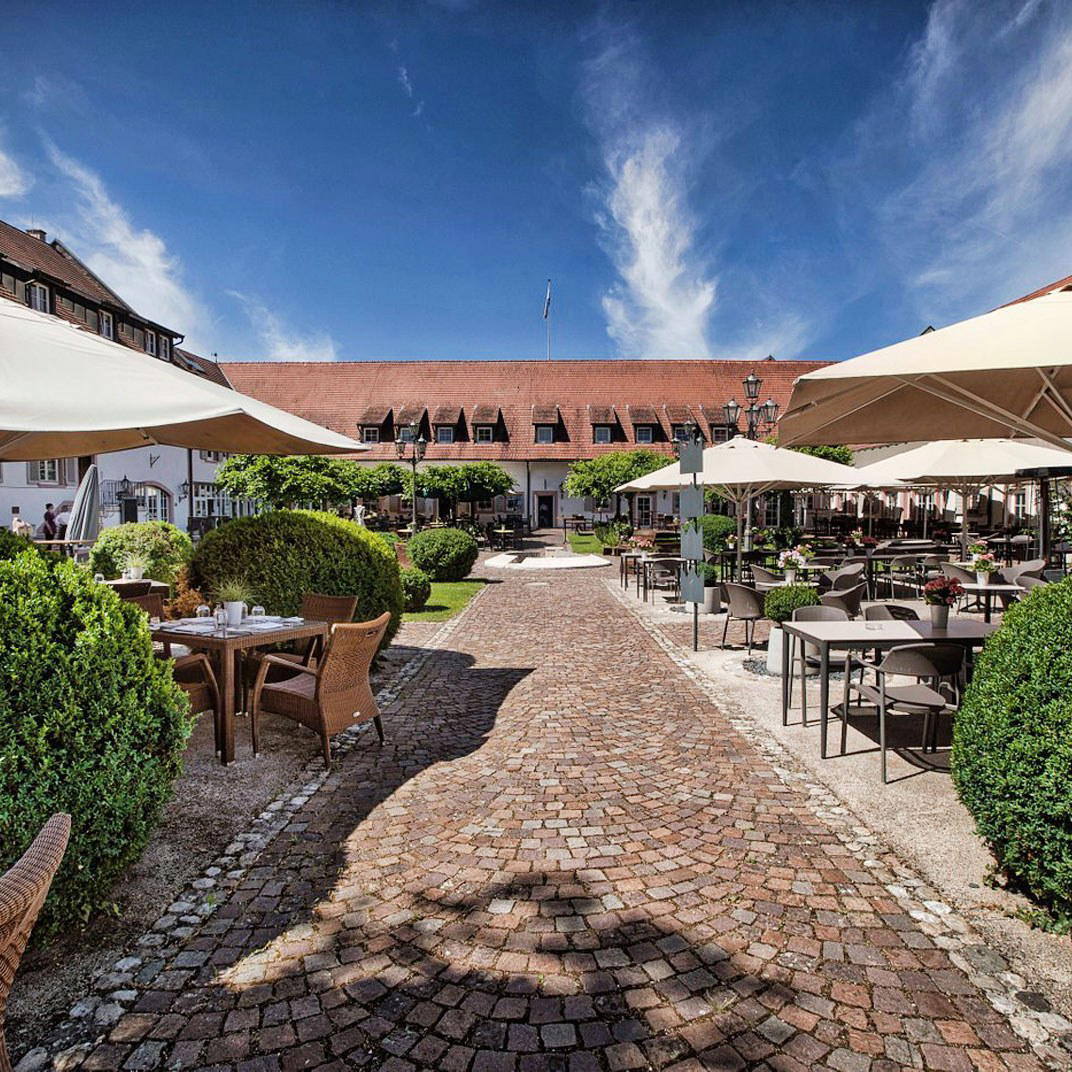
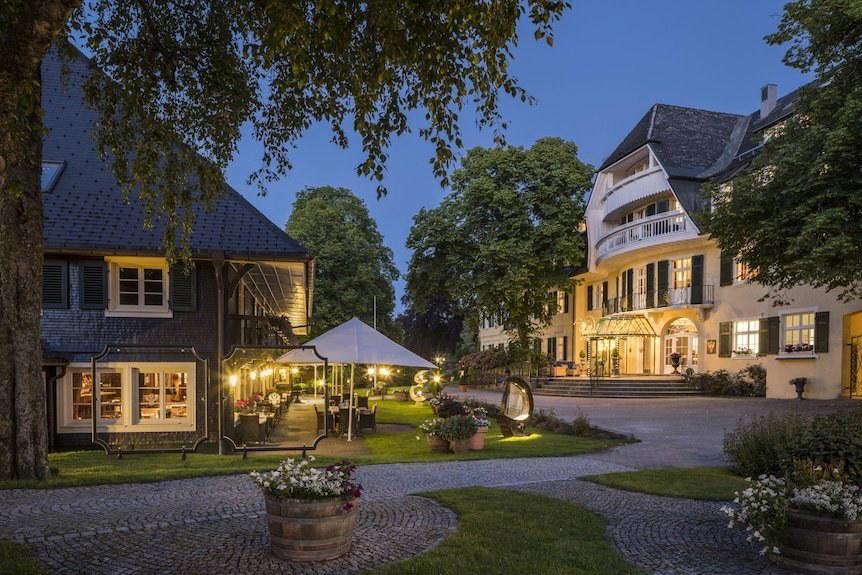
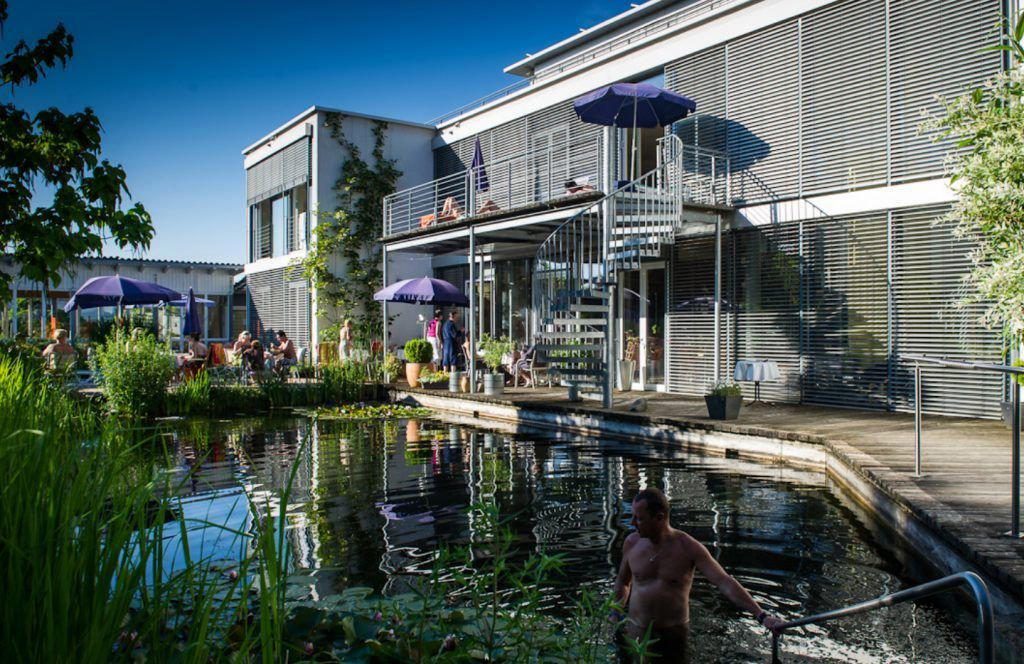
Approaching the address, the building reads as a classic German inn, the kind of half-timbered facade that lines main streets across the Baden region. That framing matters, because the cooking inside operates at a fundamentally different register than the setting implies. For context, La Liste scores in that range align Hirschen with a tier that sits below the country's three-star houses but at or above many two-star urban addresses.
The Chef in Context: Douce Steiner and the Southern German Two-Star Tier
Germany's two-star scene is more geographically distributed than France's equivalent, with significant kitchens spread across Baden-Württemberg, Bavaria, and the Rhineland. Chef Douce Steiner's position at Hirschen places her in a relatively small group of chefs who have sustained that recognition outside metropolitan areas, where the logistics of sourcing, staffing, and building a consistent guest base are considerably harder. The comparison set here is not Munich or Hamburg but rather venues like ES:SENZ in Grassau or Schanz in Piesport, kitchens that operate at two-star level in towns where fine dining requires the restaurant to function as a destination in itself rather than benefiting from urban foot traffic.
The editorial angle on Steiner's trajectory follows a pattern recognizable across the leading regional kitchens in the German-speaking world: a cooking style described as Modern European and Creative, which in Baden specifically tends to draw on French classical technique, local seasonal produce from the Rhine plain and surrounding hills, and an openness to influences from across the Alps and into the Mediterranean. That position is distinct from the French classicism of Schwarzwaldstube in Baiersbronn (three Michelin stars, a longer-established name in the Black Forest dining canon) and equally distinct from the dessert-led creativity of CODA Dessert Dining in Berlin. Hirschen operates in the territory between rigorous classical grounding and contemporary freedom, which is precisely where the Modern European label earns its weight.
The Les Grandes Tables du Monde membership is a useful credential here. The association's criteria emphasize cooking quality alongside hospitality, service, and the overall table experience, meaning the recognition reflects something broader than kitchen technique alone. Among German members, the list tends toward houses where the dining room experience matches the ambition of the cooking, a standard that is harder to meet when the format is an inn rather than a purpose-built fine dining space.
The Cooking: Modern European in a Baden Frame
Baden sits at one of the most productive culinary crossroads in Central Europe. The region borders Alsace to the west, with centuries of shared culinary tradition across both sides of the Rhine, and sits close enough to Switzerland and northern Italy that ingredients, techniques, and ideas have moved freely across the area for generations. Restaurants operating at the serious end of this geography tend to reflect that accumulated influence rather than asserting a single national identity, and Hirschen's Modern European, Creative designation points precisely in that direction.
The same price tier applies to Vendôme in Bergisch Gladbach and JAN in Munich, both two-star houses where the investment per head reflects tasting-menu formats, serious wine programs, and kitchen teams with substantial training behind them. Diners arriving at Hirschen should calibrate expectations accordingly.
Without venue-confirmed dish descriptions, it would be misleading to specify individual plates here. What the awards record does confirm is consistency: two consecutive Michelin star cycles, an improving La Liste score, and a membership in one of the more demanding hospitality associations in European fine dining all point to a kitchen that is not coasting on a single strong season.
Where Hirschen Sits in the Sulzburg Dining Picture
Sulzburg's dining options spread across a narrow range. La Maison Eric represents the classic cuisine end of the local offer, while Landgasthof Rebstock occupies the country cooking tier. Hirschen operates at the far end of the seriousness spectrum, a position that becomes clearer when you set it against the broader German two-star landscape. Kitchens at a comparable level elsewhere in Germany include Restaurant Haerlin in Hamburg, Victor's Fine Dining by Christian Bau in Perl, and Aqua in Wolfsburg (three stars). The fact that Hirschen holds its ground in that company from a village main street speaks to the durability of the kitchen's output.
For context on the Modern European, Creative category more broadly, the style also defines two of the stronger destination addresses in the wider Alpine and Central European region: Hiša Franko in Kobarid and Schloss Schauenstein in Fürstenau. Both, like Hirschen, operate from small-town or village addresses and have built international reputations on the quality of their cooking rather than on urban visibility.
Planning a Visit: Logistics and Timing
Hirschen operates Tuesday, Friday, and Saturday from 11am to 2:30pm and 5pm to 10pm, with Monday hours running the same split service pattern, Sunday service from 11:30am to 3pm, and Wednesday and Thursday closed. The mid-week closure is standard practice for serious kitchens operating at this level, particularly in smaller towns where a five-day service week is difficult to sustain without compromising kitchen quality. Visitors travelling specifically for dinner should note that Friday and Saturday evenings represent the most reliable service windows for a two-course approach to the meal.
Sulzburg is accessible from Freiburg, which has direct rail connections to Basel, Zurich, and the main German intercity network. The village's position in the wine-growing southern Black Forest means visitors combining a Hirschen booking with time in the broader region will find context in our full Sulzburg restaurants guide, Sulzburg wineries guide, Sulzburg hotels guide, Sulzburg bars guide, and Sulzburg experiences guide. Given the restaurant's sustained awards recognition and relatively small-town setting, advance booking is advisable rather than optional, particularly for weekend evenings.
The Case for Making the Trip
Germany's fine dining geography rewards effort. The kitchens that have built the most sustained reputations over the past two decades are not always in Frankfurt or Berlin; a significant number sit in smaller cities, market towns, and, in Hirschen's case, a village with a Roman-era history and a current population that would fill a mid-sized theatre. The two-star recognition in that context is not a consolation for lacking an urban address. It is an argument that the cooking is serious enough to pull guests from wherever they happen to be.
At the four-symbol price level, with two stars attached, diners are making a deliberate investment.
What's the signature dish at Hirschen?
Hirschen holds two Michelin stars and a Les Grandes Tables du Monde listing under chef Douce Steiner, and the kitchen works across a Modern European, Creative framework that draws on Baden's position between French Alsace and the broader Alpine region. No specific signature dish is confirmed in available published records, and given the format typical of kitchens at this level, the menu is likely seasonal and subject to regular change rather than built around a fixed centrepiece plate. Booking directly with the restaurant is the reliable route to current menu information.
Frequently asked questions
What does dinner at Hirschen typically cost?
Pricing at Hirschen is listed as €€€€.
What's the address for Hirschen?
Hirschen is located at Hauptstraße 69, 79295 Sulzburg, Germany, Sulzburg.
What kind of recognition has Hirschen received?
Hirschen has received recognition including: La Liste Top Restaurants (2026): 86pts; La Liste Top Restaurants (2025): 85.5pts; Les Grandes Tables Du Monde Award (2025); Michelin 2 Stars (2025); Michelin 2 Stars (2024).
What's the signature dish at Hirschen?
Hirschen does not publish a fixed signature dish, which is consistent with a two-Michelin-star kitchen working in the Modern European and creative register. Chef Douce Steiner's cooking draws on Baden's position between Alsace and the southern Black Forest, meaning seasonal and regional produce shape the menu more than a single set-piece dish. The Les Grandes Tables du Monde listing alongside the two-star recognition points to a kitchen defined by range and consistency rather than one calling-card plate.
| Venue | Cuisine | Price | Awards | Notes |
|---|---|---|---|---|
| HirschenThis venue (the venue you are viewing) | Creative French Fine Dining | $200–300 | 2 Michelin Stars · La Liste Top Restaurants | Not listed |
| Schwarzwaldstube | Modern French Fine Dining | $150–200 | 3 Michelin Stars · World's 50 Best #47 | French, Classic French |
| Aqua | Contemporary German, Italian/Japanese, Creative | Not listed | Michelin 3 Star | Not listed |
| CODA Dessert Dining | Dessert-Inspired Fine Dining | $200–300 | 2 Michelin Stars · World's 50 Best #82 | Creative |
| Tantris | Modern French, French Contemporary | Not listed | Michelin 2 Star | Not listed |
| Vendôme | Modern German Haute Cuisine | $200–300 | 2 Michelin Stars · World's 50 Best #47 | Modern European, Creative |
Recognition history
Dated appearances from independent guides and award organizations, with the underlying list record or original source where available.
Michelin 2 Stars
Michelin
La Liste Top Restaurants
La Liste
Falstaff Restaurant - 95 Falstaff Points
Falstaff
Les Grandes Tables du Monde Member
Les Grandes Tables du Monde
Full recognition history (7 entries)
La Liste Top Restaurants
La Liste
Michelin 2 Stars
Michelin
Michelin 2 Stars
Michelin
Continue exploring
More in Sulzburg
Restaurants in Sulzburg
All restaurants in Sulzburg →
Bars in Sulzburg
Browse all →
Details
- Cozy
- Rustic
- Intimate
- Classic
- Special Occasion
- Date Night
- Historic Building
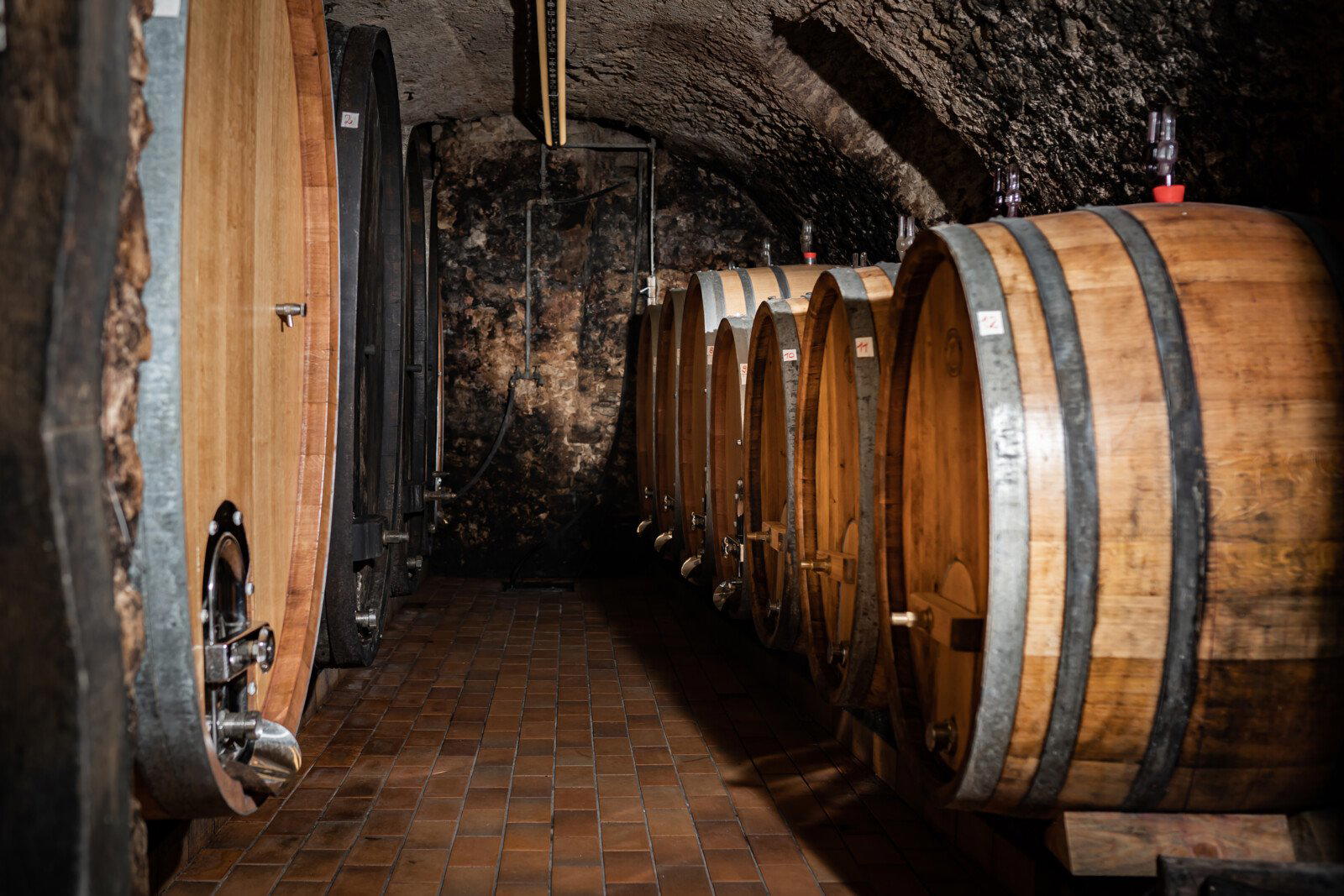
- Extensive Wine List
- Local Sourcing
- Tasting Menu
- A La Carte
- Wine
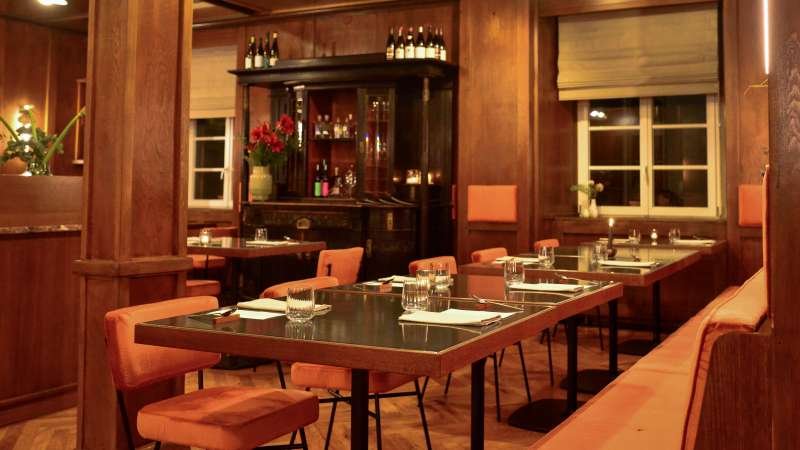
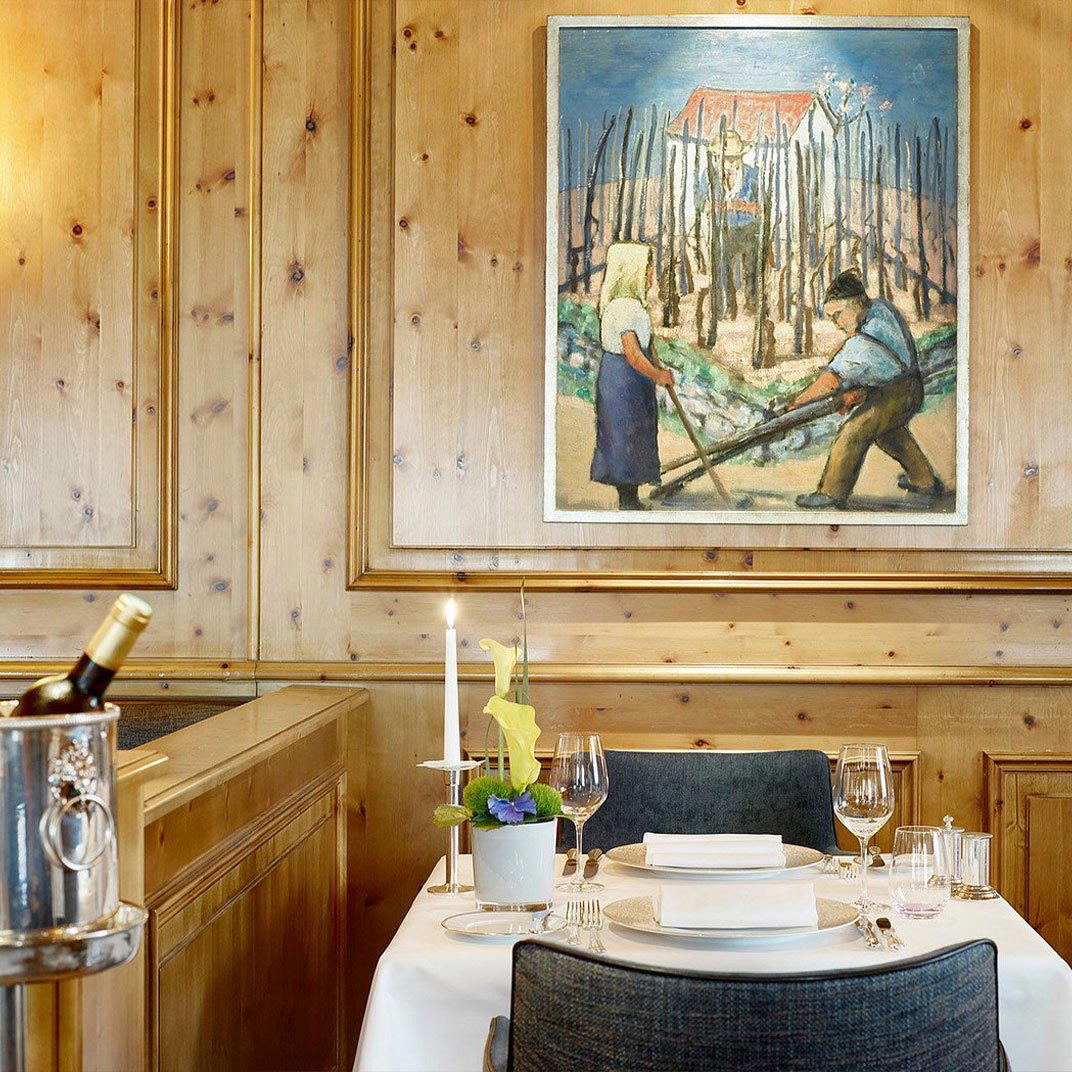
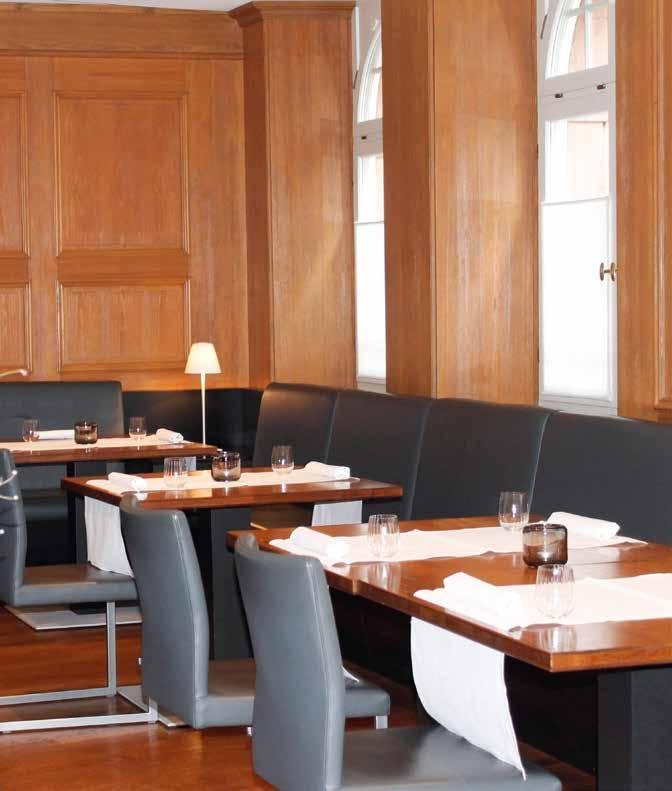
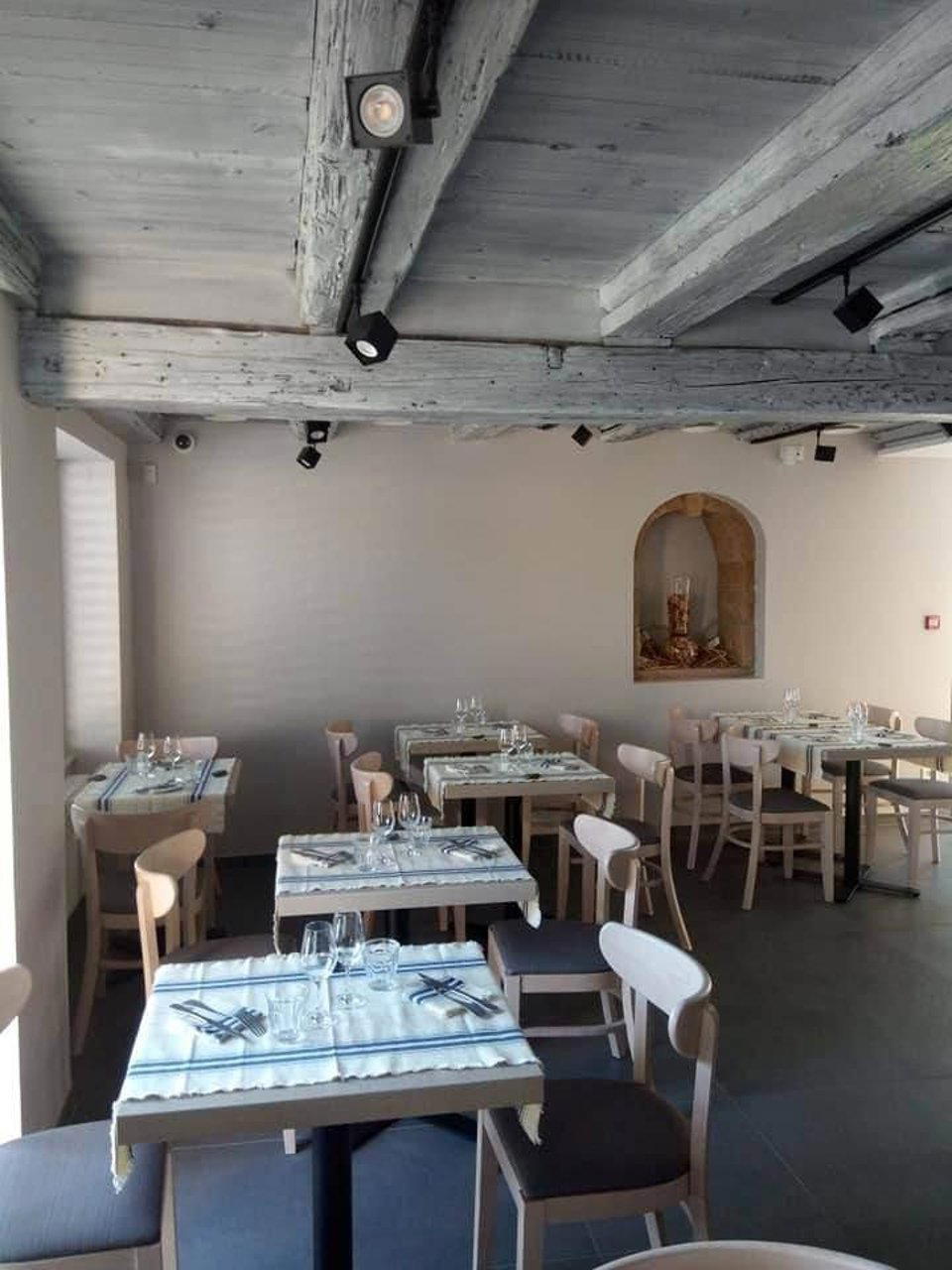
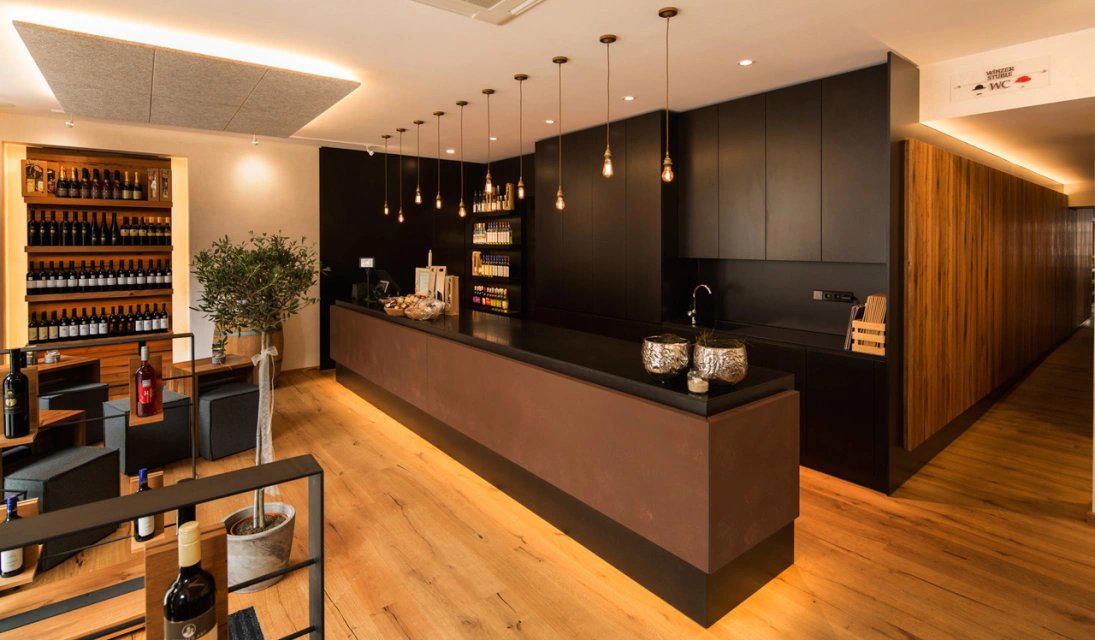
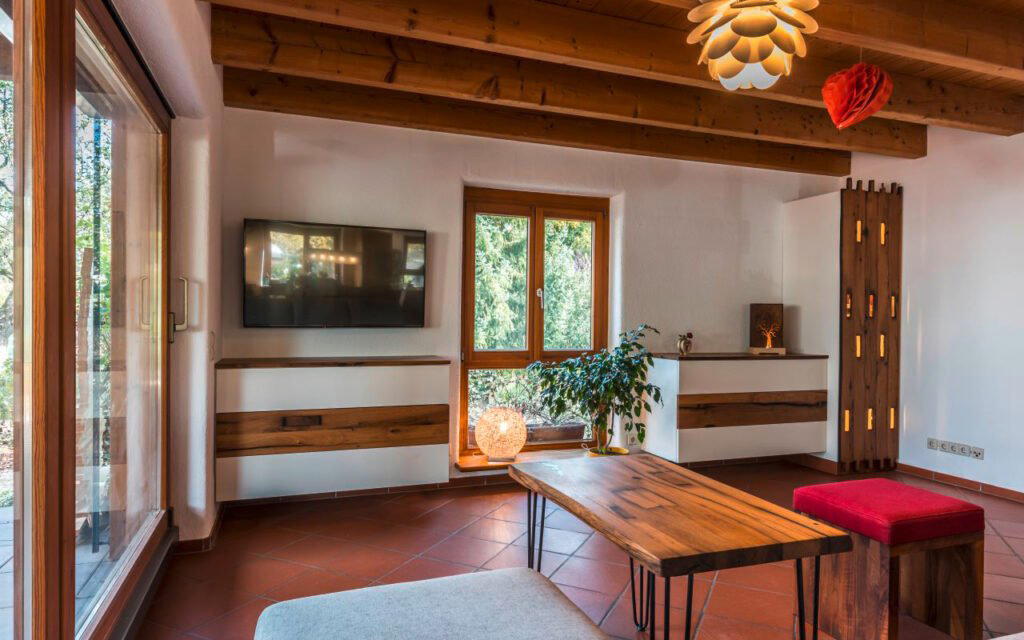
Cozy and traditional with antique furniture, wooden walls, warm lighting, and a familial, unpretentious atmosphere.