Weingut Fritz Waßmer

Falstaff Winery - 4 Stars
Weingut Fritz Waßmer operates from the southern Baden village of Bad Krozingen-Schlatt, a corner of Germany where the Kaiserstuhl and Markgräflerland converge to produce some of the country's most distinctive Pinot Noir and white Burgundy-style wines.

Pearl is the En Primeur Club membership app — saves, bookings, and concierge access live there. Same editors, same standards.
- Address
- Lazariterstraße 2, 79189 Bad Krozingen
- Phone
- +49 7633 3965
- Website
- weingutfritzwassmer.de
- Directions
- Get directions
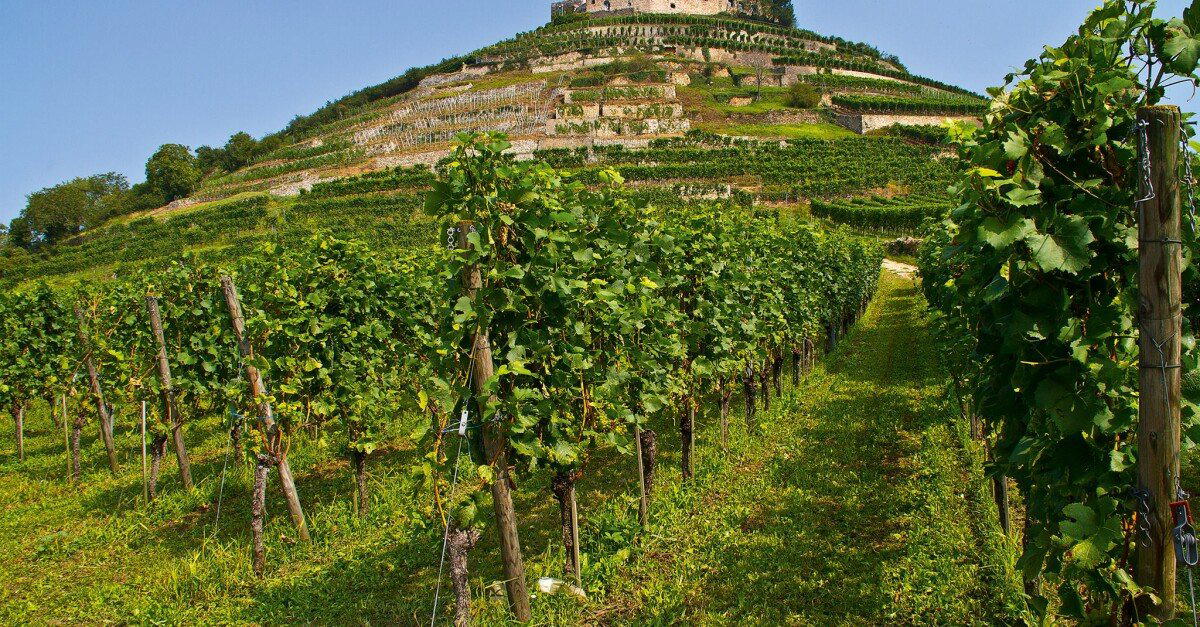
Baden's Southern Edge and What the Soil Tells You
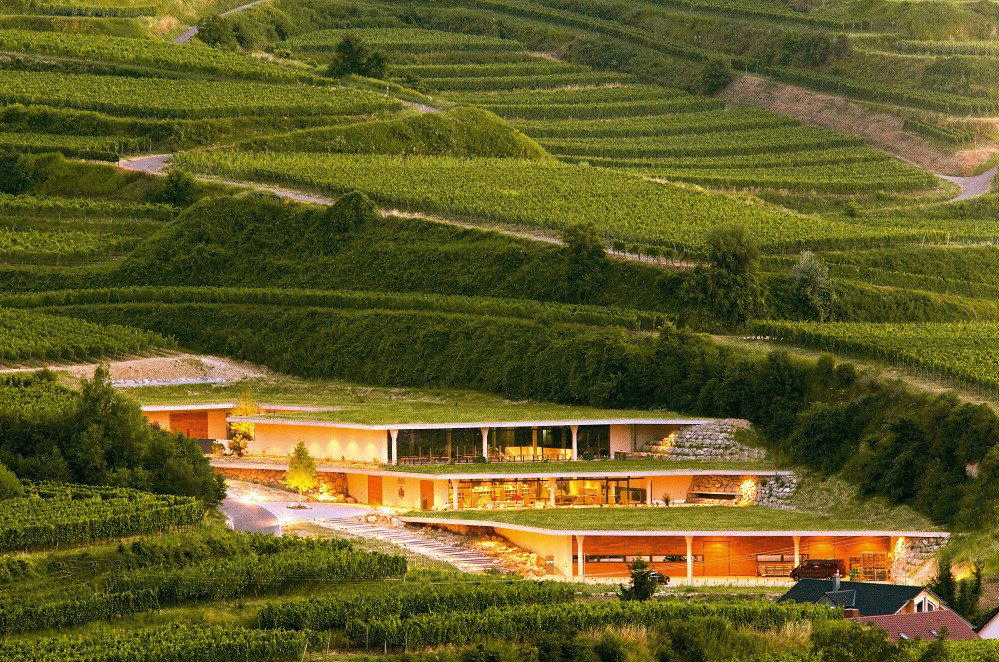
The Upper Rhine Plain narrows as it approaches the Swiss border, and the vineyards strung across the hills above Bad Krozingen sit at one of its quieter junctions. This is Baden's southernmost serious wine country, where the Freiburg gap funnels warm, dry air off the Vosges and the Black Forest slopes retain enough altitude to preserve acidity in what would otherwise be an unambiguously warm-climate zone. It is terrain that has long shaped a distinctive house style across the region's better estates: Pinot Noir with actual structure, not just ripeness, and white wines that carry textural weight without losing precision.
Weingut Fritz Waßmer, addressed at Lazariterstraße 2 in the village of Schlatt, sits inside that terroir argument rather than above it. For context, that tier in Germany sits alongside names like Weingut A. Christmann in Neustadt an der Weinstraße, Weingut Battenfeld-Spanier in Hohen-Sülzen, and Weingut Dr. Bürklin-Wolf in Wachenheim an der Weinstraße, estates whose competitive reference point is international rather than provincial.
What the Land Brings to the Glass
Southern Baden's soil mosaic is one of the most varied in Germany. The Markgräflerland, which is the sub-region most directly relevant to Schlatt's position, runs on a base of calcareous loess and clay-rich loam, with pockets of limestone that echo, however loosely, the geology of Burgundy's Côte d'Or. That comparison is made carefully and often in this region, and for reasonably defensible cause: the latitudinal alignment with Burgundy, combined with the thermal moderation that altitude and forest proximity provide, creates conditions where Spätburgunder (Germany's Pinot Noir) can achieve the kind of mid-weight tension that defines the better Côte de Nuits villages.
The region's wine argument is also partly an argument against the Kaiserstuhl to the north, where volcanic basalt produces a fuller, rounder style of Spätburgunder that reads differently in the glass. Estates working the Markgräflerland and its fringes are, in effect, asserting a lighter-textured, more mineral-driven counter-thesis. The best of them price accordingly and find their audience among buyers who already know the difference. Among Germany's broader prestige-tier Pinot producers, the peer conversation also reaches across regions to estates like Weingut Georg Breuer in Rüdesheim am Rhein and, for Mosel contrast, Weingut Clemens Busch in Pünderich, whose site-driven philosophy rhymes even across grape varieties.
Baden's Position in the German Quality Conversation
Germany's fine wine narrative has historically been dominated by Riesling and the Mosel, Nahe, and Rheingau corridors. Baden's prestige story is newer and, for much of the international market, still underpriced relative to comparable quality in France or even the Pfalz.
That shift matters for how to read an estate like Waßmer. It sits within a benchmarking system that compares across all of Germany's fine wine producing regions, and achieving it in Baden's Pinot-dominant southern zone requires demonstrating that the wines hold up against structurally different styles from the Rheingau, Franken, or Mosel. For Franken reference, Weingut Bürgerspital zum Heiligen Geist in Würzburg sits in that broader peer conversation. At the international end of the comparative spectrum, the terroir-expression emphasis that defines Baden's more ambitious estates connects to the same conversation happening at Kloster Eberbach in Eltville and, beyond Germany, at Accendo Cellars in St. Helena and Weingut Allendorf in Oestrich-Winkel.
Visiting: The Approach and What to Expect
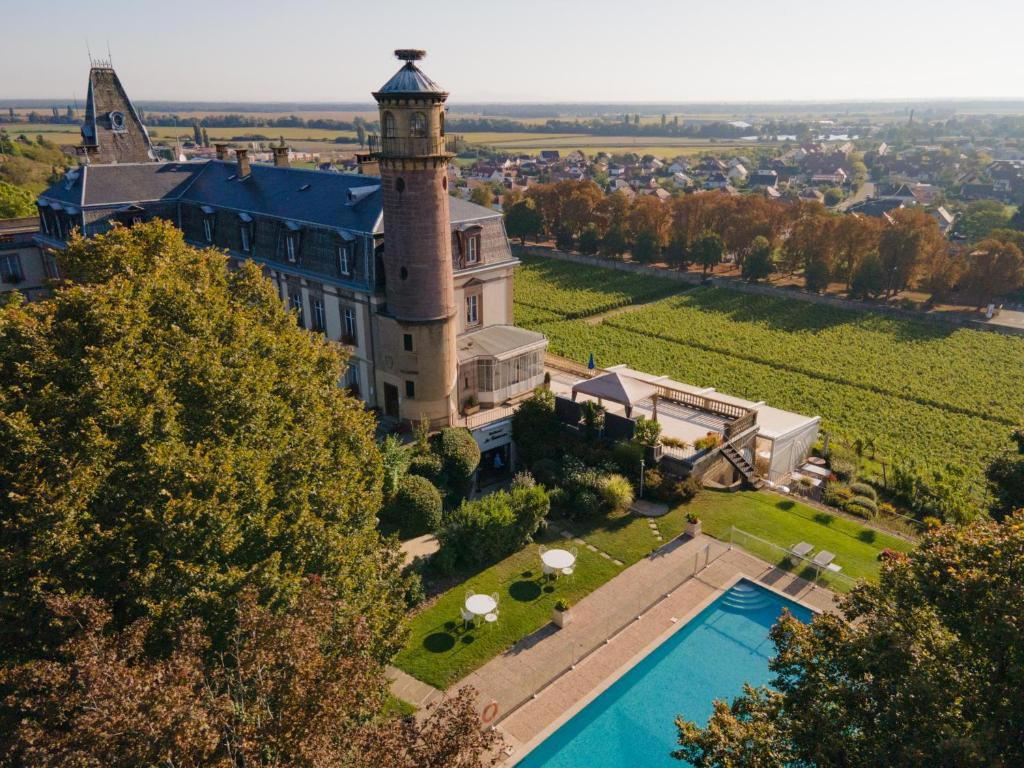
Bad Krozingen sits roughly 20 kilometres south of Freiburg im Breisgau, and Schlatt is a short drive into the quieter agricultural edge of the municipality. The village is not on a wine tourism circuit in any commercial sense. There is no tasting room signage visible from a motorway, no cluster of adjacent cellar doors. Arriving at Lazariterstraße 2 means arriving at a working estate in a quiet residential-agricultural street, which shapes the experience from the first moment. This is the geography of production, not presentation, and that distinction carries through to what the visit tends to offer: direct access to the wines and the land rather than a managed hospitality format.
Visitors planning a stop should approach with advance contact, as estates at this tier in Germany operate primarily on appointment. Freiburg's main station connects the city to an extensive regional rail and road network; the drive from Freiburg to Schlatt takes under 30 minutes by car and remains the practical choice for anyone combining this stop with the broader Markgräflerland or Black Forest corridor. Those building a multi-estate itinerary might also factor in Mosel visits to Weingut Fritz Haag in Brauneberg, Weingut Grans-Fassian in Leiwen, or Weingut Heymann-Löwenstein in Winningen to understand the stylistic range that Germany's prestige tier now spans.
For a fuller picture of what Bad Krozingen-Schlatt's wine and dining scene has to offer, see our full Bad Krozingen-Schlatt restaurants guide.
Practical Notes for the Serious Visitor
The appropriate approach is direct contact with the estate. Given the production scale typical of quality-focused southern Baden estates, availability at cellar door is not guaranteed without prior arrangement, particularly for older vintages or single-vineyard bottlings. The autumn harvest period, broadly September through October in this part of Baden, tends to be both the most atmospheric time to visit and the most logistically demanding for the estate team. Late spring through early summer offers better access without the operational pressure of harvest.
How It Stacks Up
Comparable venues nearby, for context on price, style, and recognition.
| Venue | Cuisine | Price | Awards | Notes |
|---|---|---|---|---|
| Weingut Fritz WaßmerThis venue — the venue you are viewing | Pinot Noir, Pinot Gris | Not listed | Falstaff Winery - 4 Stars | Not listed |
| Weingut Georg Mosbacher | Riesling, Pinot Blanc | Not listed | Falstaff Winery - 4 Stars | Forst an der Weinstraße |
| Weingut Graf Neipperg | Lemberger, Riesling | Not listed | Falstaff Winery - 5 Stars | Schwaigern |
| Weingut Karl Haidle | Riesling, Lemberger | $20–30 | Falstaff Winery - 5 Stars | Kernen-Stetten |
| Weingut Bernhard Huber | Spätburgunder (Pinot Noir), Chardonnay | $50–100 | Falstaff Winery - 5 Stars | Malterdingen |
| Weingut Reinhold Haart | Riesling | Not listed | Falstaff Winery - Listed | Piesport |
Recognition history
Dated appearances from independent guides and award organizations, with the underlying list record or original source where available.
Falstaff Winery - 4 Stars
Falstaff
Continue exploring
More in Bad Krozingen-Schlatt
Wineries in Bad Krozingen-Schlatt
Browse all →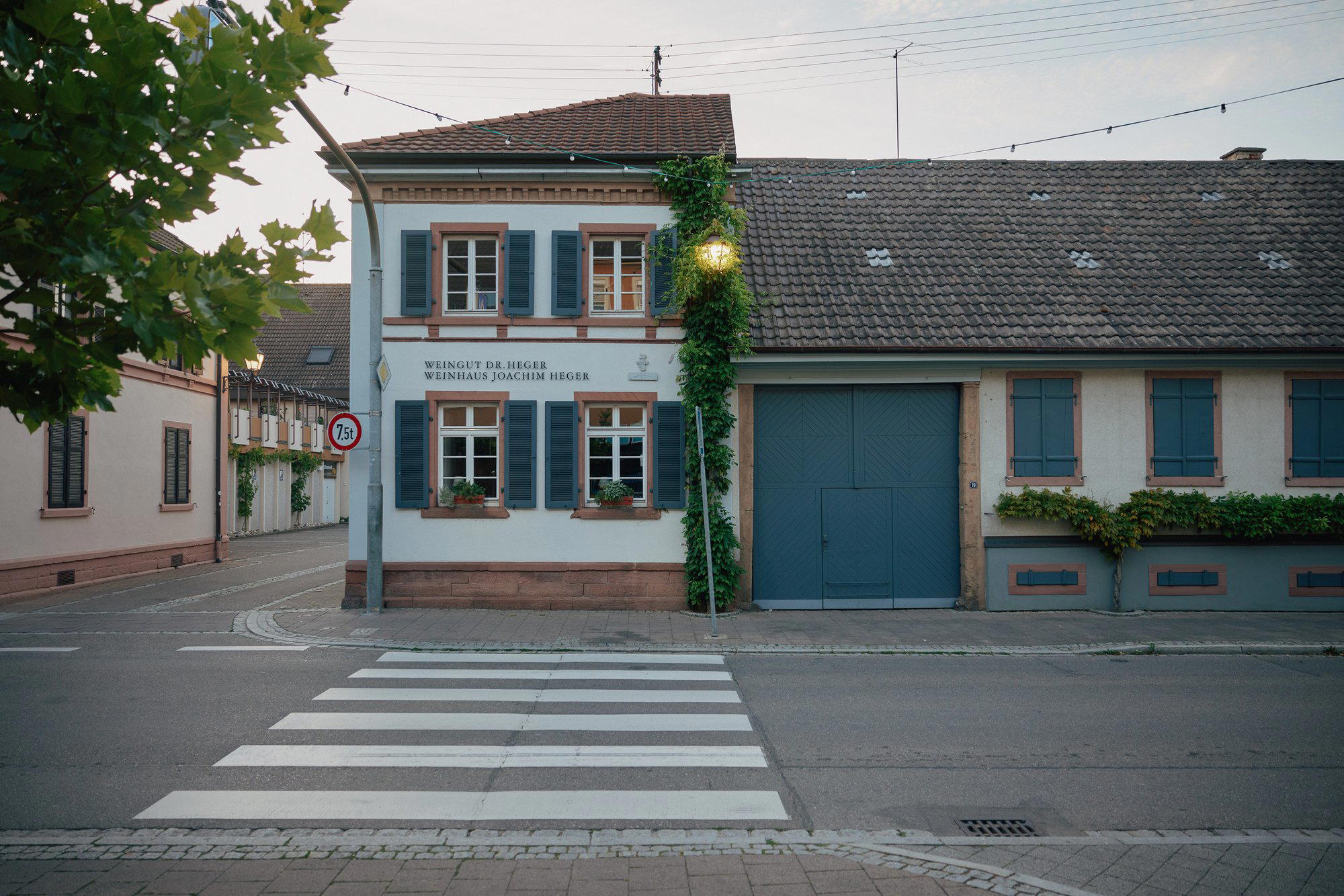
Bars in Bad Krozingen-Schlatt
Browse all →



Restaurants in Bad Krozingen-Schlatt
Browse all →
Details
- Rustic
- Scenic
- Classic
- Wine Education
- Solo Exploration
- Vineyard Tour
- Vineyard
- Pinot Noir
- Pinot Gris
- Pinot Blanc
- Chardonnay
- Syrah
- Cabernet Franc
- Still Red
- Still White
- Sparkling
- Estate Tasting
- Single Vineyard Tasting