André Stentz

Falstaff Winery - Listed
A family-run Alsace estate in Wettolsheim, André Stentz belongs to the region’s cellar-door tradition rather than the design-led tasting room circuit. The draw is terroir: organic viticulture, a dry early microclimate, classic Alsatian varieties, Crémant, Grand Cru bottlings and late-harvest wines shaped by the slopes below the Vosges.

Pearl is the En Primeur Club membership app — saves, bookings, and concierge access live there. Same editors, same standards.
- Address
- Wettolsheim, Alsace, Frankreich
- Directions
- Get directions
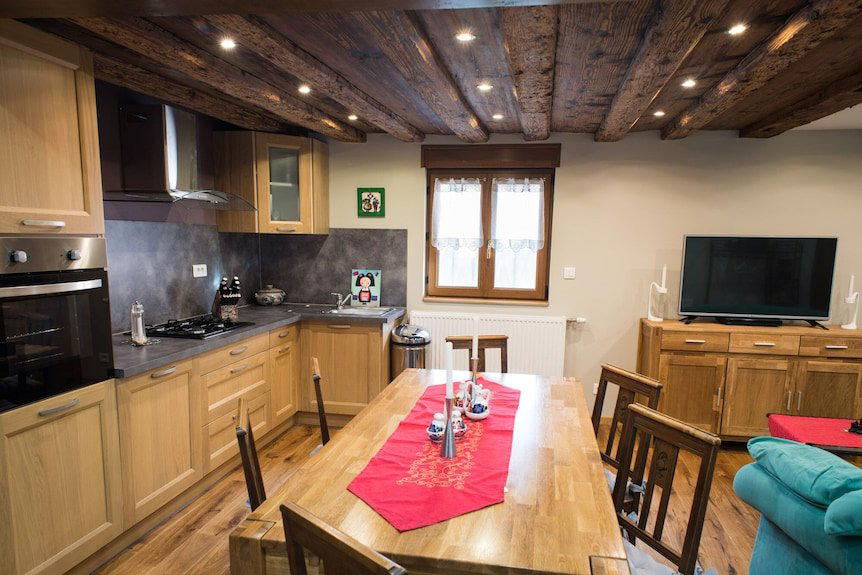
André Stentz in Wettolsheim is best understood as a traditional Alsatian family estate with organic viticulture at the center of its identity. The appeal is not a high-design tasting room or a theatrical visitor experience, but a direct cellar-door setting for serious yet welcoming tastings of terroir-driven wines. For EP Club readers, that makes the venue useful in a specific way: it is a place to approach Wettolsheim through farming, wine and place rather than through restaurant-style polish.
The most reliable way to frame a visit is modestly. André Stentz is a classic, rustic and scenic stop in Wettolsheim, with a tasting format oriented around the estate’s wines and the character of the local terroir.
Organic Alsace through the lens of a Wettolsheim cellar door
The confirmed identity of André Stentz rests on organic viticulture and a grounded Alsatian estate setting. That matters because the visit is not being sold as a luxury lounge, a destination restaurant or a design-led wine bar. It is better read as a cellar-door tasting in which the subject is the wine and the place behind it. The tone is serious without being forbidding: the available description points to a welcoming environment for people who want to taste with attention rather than simply collect a scenic stop.
What can be said is that the estate’s positioning is terroir-driven. In practical terms, visitors should arrive ready to listen for how the wines are explained in relation to site, farming and the broader Wettolsheim context. The strongest use of a visit is comparative and educational: not chasing a trophy label, but using the tasting to understand how an organic Alsatian estate presents its own ground.
The dress and atmosphere cues are also important. “Traditional,” “classic,” “rustic” and “scenic” are more useful expectations than “glamorous” or “formal.” This is the kind of description that suggests a direct, estate-focused encounter. It should suit visitors who are comfortable with a simple setting and who value substance over spectacle.
A cellar-door format for people who want the region, not the theatre
André Stentz is best positioned as a direct Wettolsheim wine stop. The phrase “cellar-door” is doing real work here: it signals a tasting experience close to the producer’s identity rather than a separate hospitality concept layered on top. The guide should not overstate what that includes. The honest recommendation is to treat the venue as a focused wine-tasting address and check directly for current practical arrangements.
That restraint is not a weakness. In Alsatian wine travel, a simple estate visit can be exactly the point. The confirmed draw is an organic family estate in Wettolsheim offering serious but welcoming tastings of terroir-driven wines. For travellers who prefer direct conversation, rustic setting and a sense of place, that is enough to make André Stentz relevant. It is not necessary to invent a long list of amenities or awards to explain why the stop belongs on a wine-focused itinerary.
The listed price is $17 per person. That gives the visit a clear practical anchor, but it should not be stretched into claims about what is included unless the estate confirms those details. Use the price as a planning reference, then verify timing, availability and tasting structure before arranging the day.
How to approach the tasting: ask about farming, place and style
A good way to get value from André Stentz is to approach the tasting with focused questions. Ask how organic viticulture shapes the estate’s work, how the wines are intended to express Wettolsheim, and what the team wants visitors to notice in the glass. Those questions stay within the confirmed premise of the venue while leaving room for the estate to supply the details in person. They also help avoid treating the tasting as a checklist of grapes, vineyard names or special bottlings.
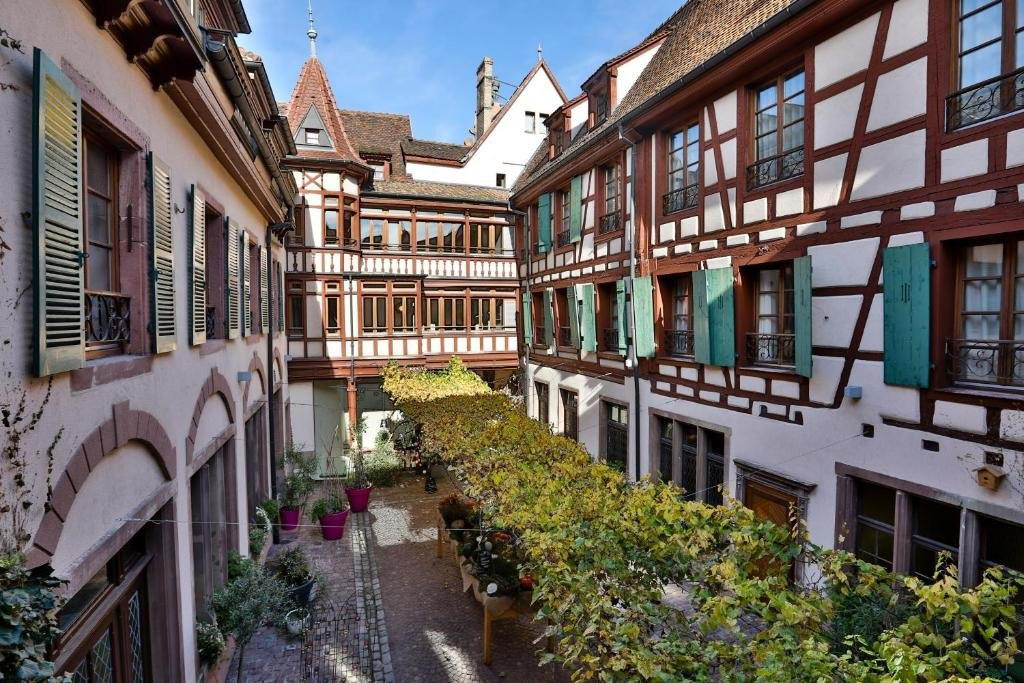
The setting is described as classic, rustic, scenic and somewhat hidden, so visitors should expect a place-led experience rather than a glossy production. That kind of atmosphere rewards patience. Instead of measuring the visit by luxury cues, pay attention to clarity of explanation, the relationship between farming and flavour, and whether the wines feel connected to the estate’s stated terroir-driven approach. These are the grounded criteria that fit the available facts.
For EP Club readers planning around Wettolsheim, André Stentz is a compact, honest entry in the premium guide: traditional Alsatian family estate, organic viticulture, direct cellar-door tasting and a listed price of $17 per person. The story is narrow, but coherent. It is a serious, welcoming wine stop for visitors who want the substance of a local estate without needing design theatrics to justify the visit.
Recognition history
Dated appearances from independent guides and award organizations, with the underlying list record or original source where available.
Falstaff Winery - Listed
Falstaff
Continue exploring
More in Wettolsheim
Wineries in Wettolsheim
Browse all →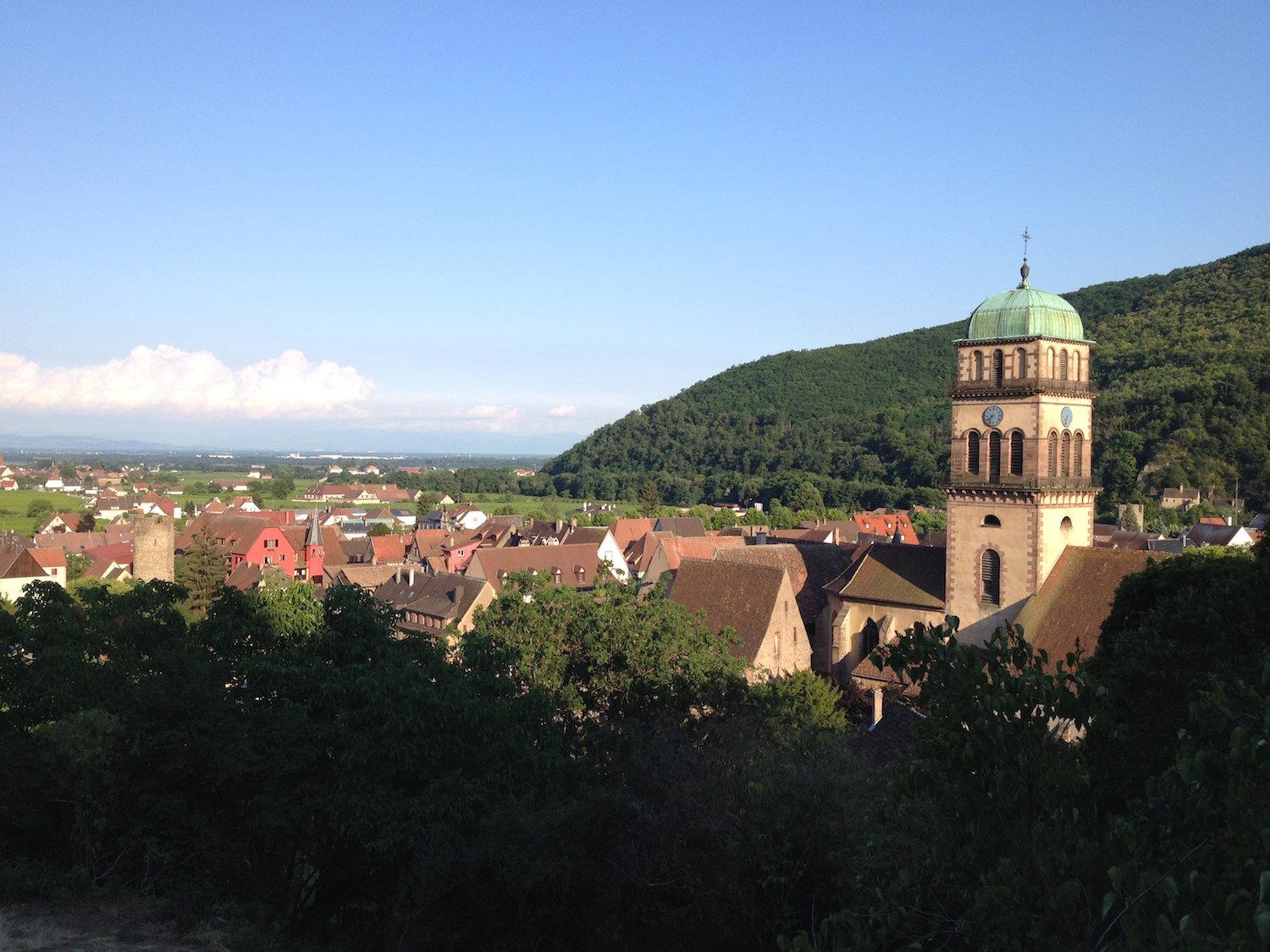
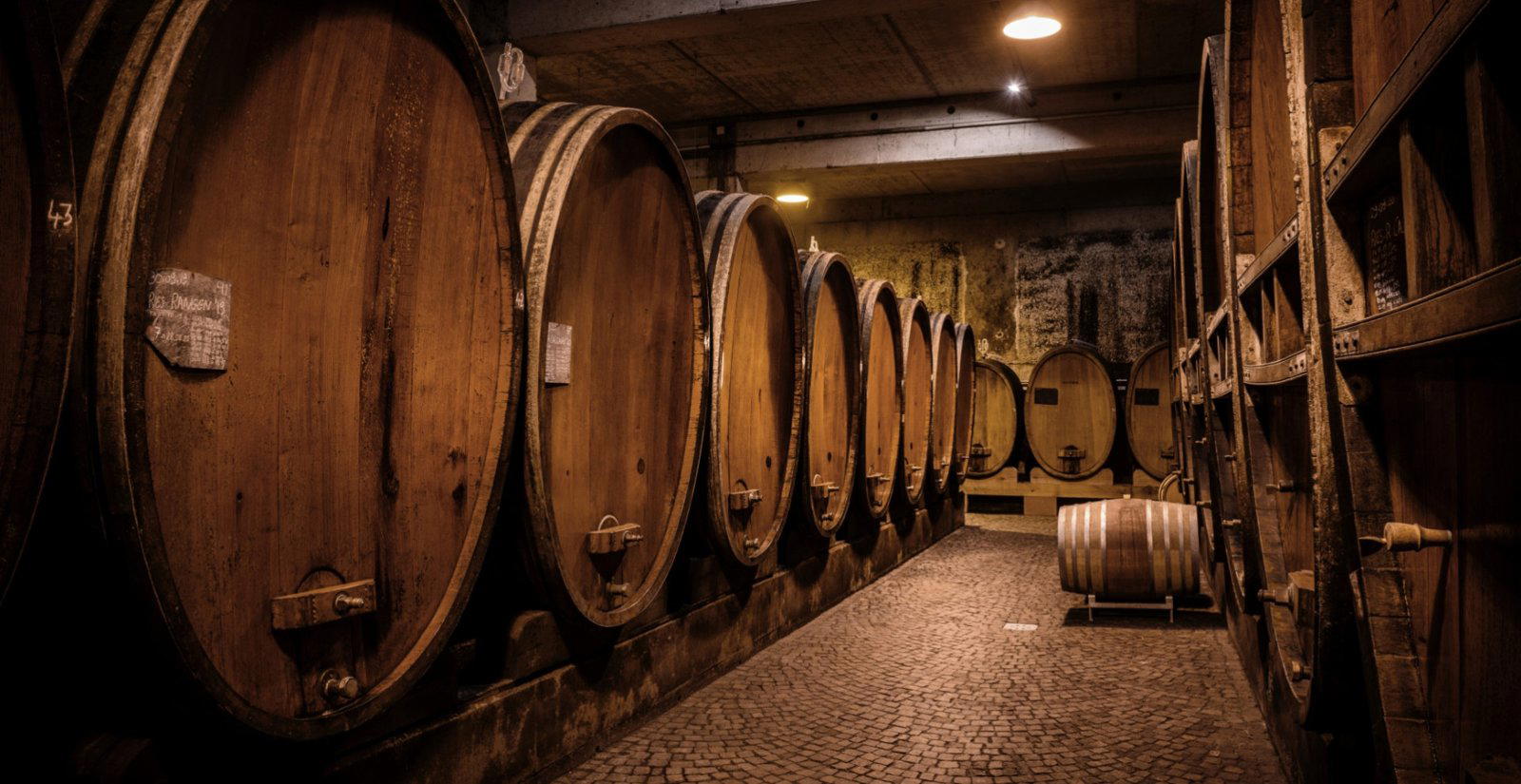
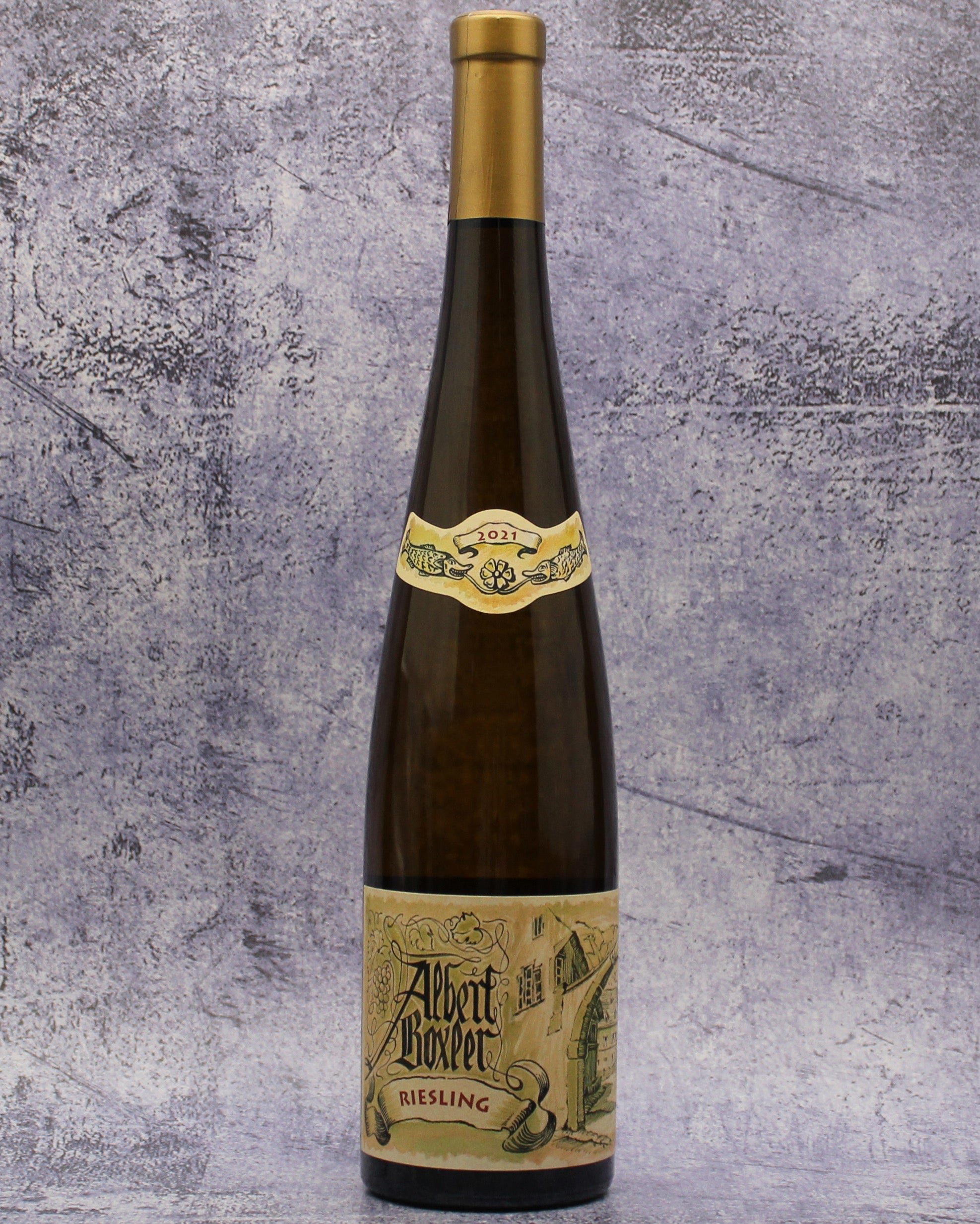
Bars in Wettolsheim
Browse all →
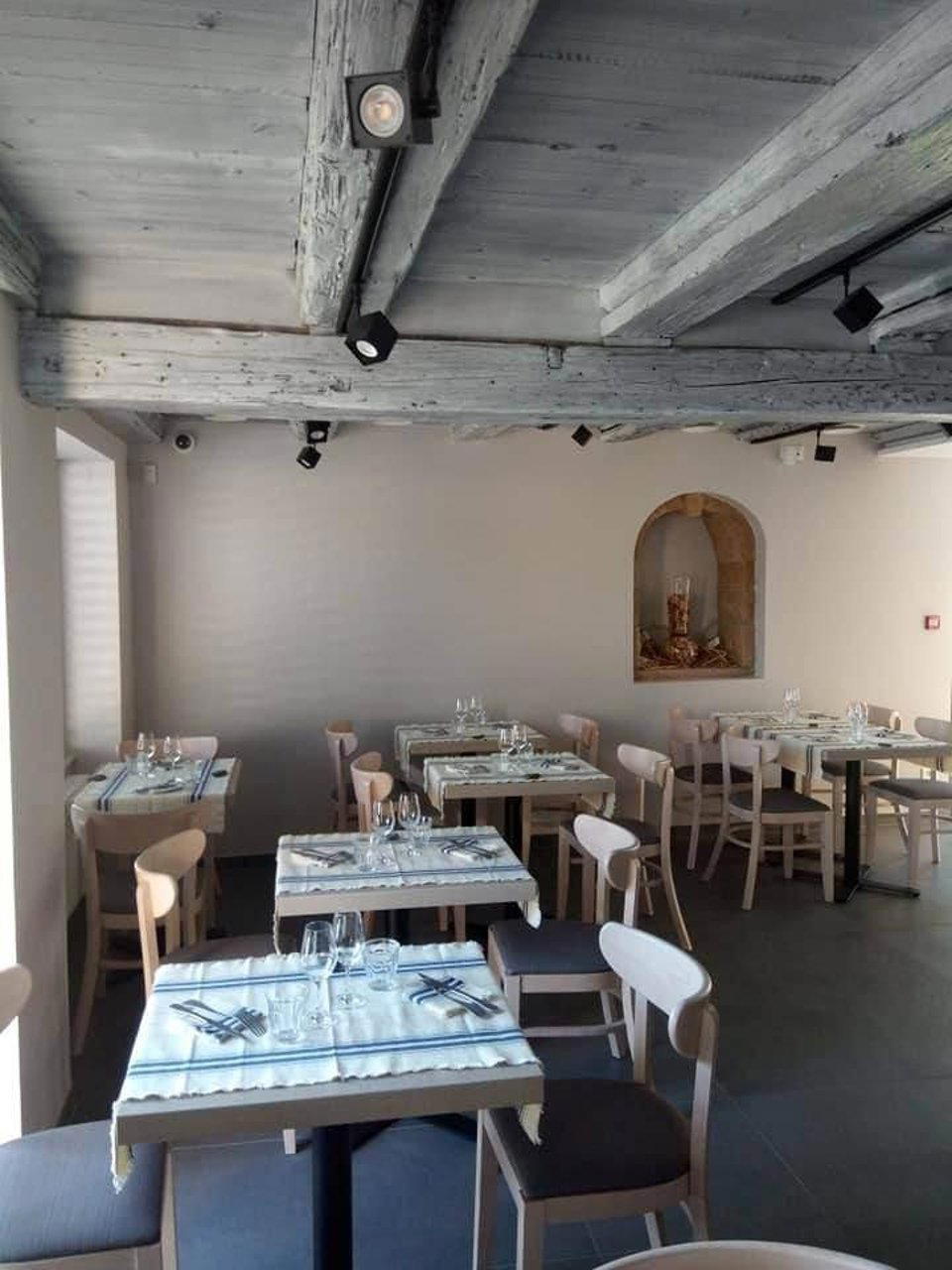
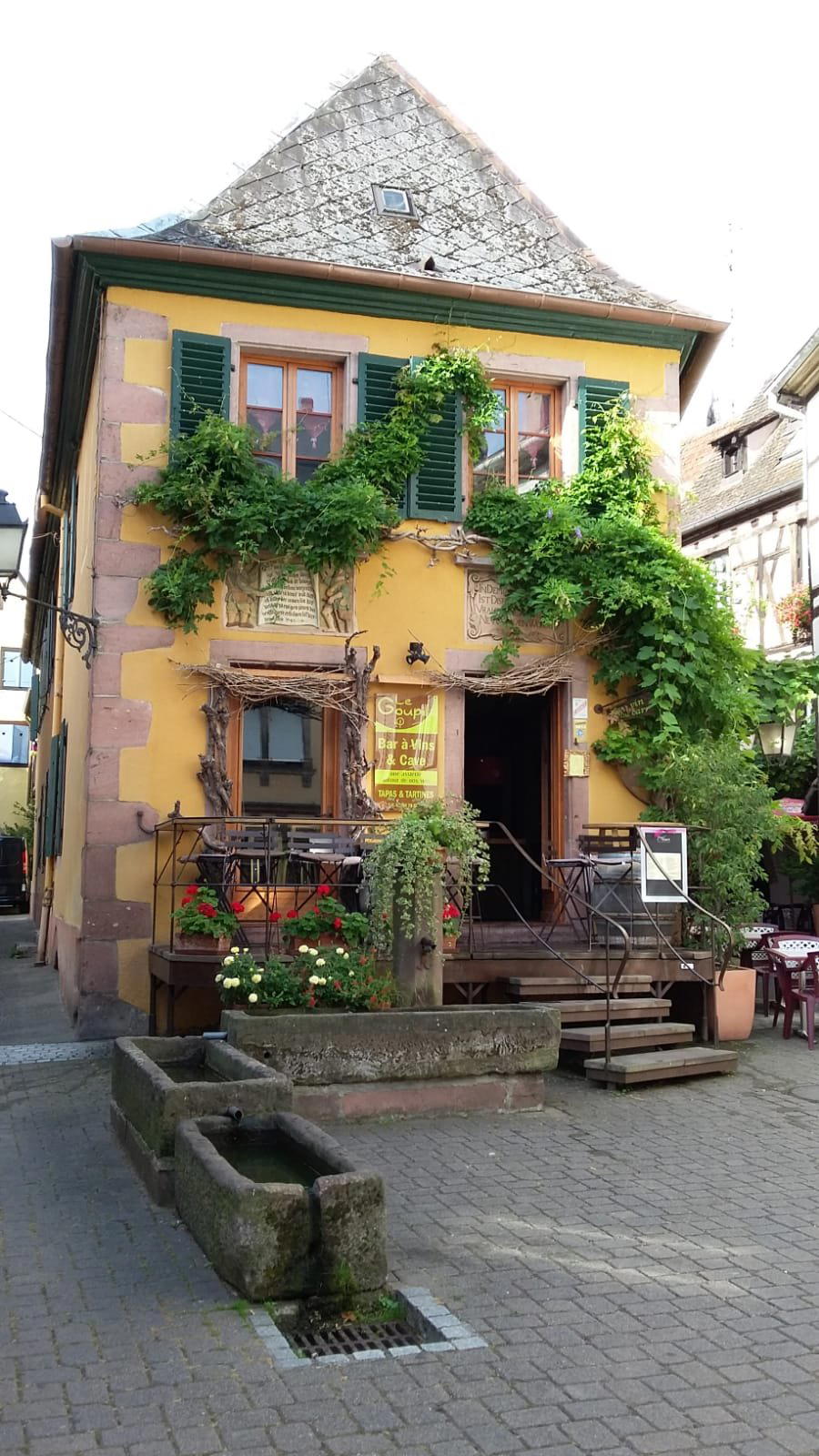
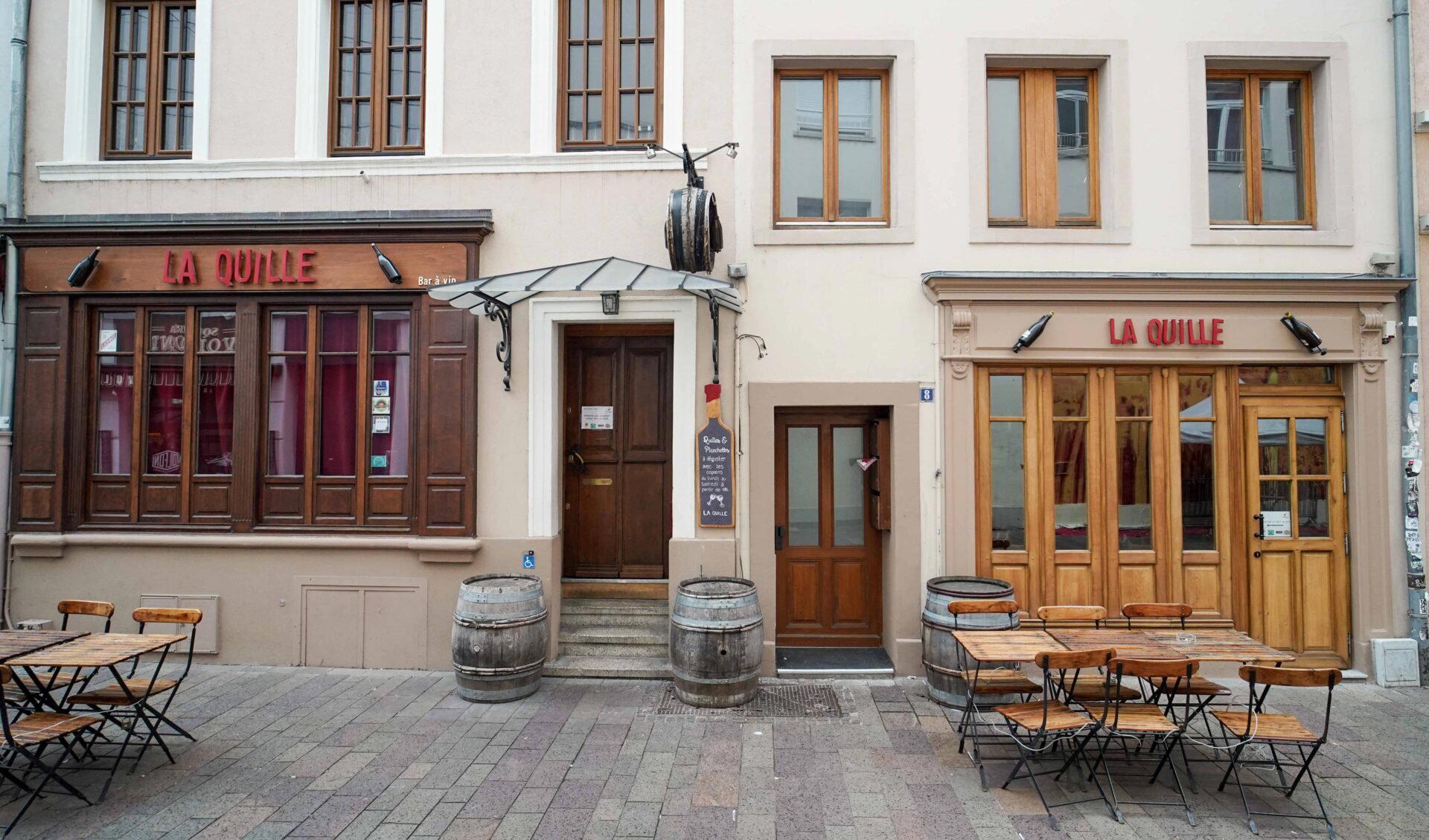
Restaurants in Wettolsheim
Browse all →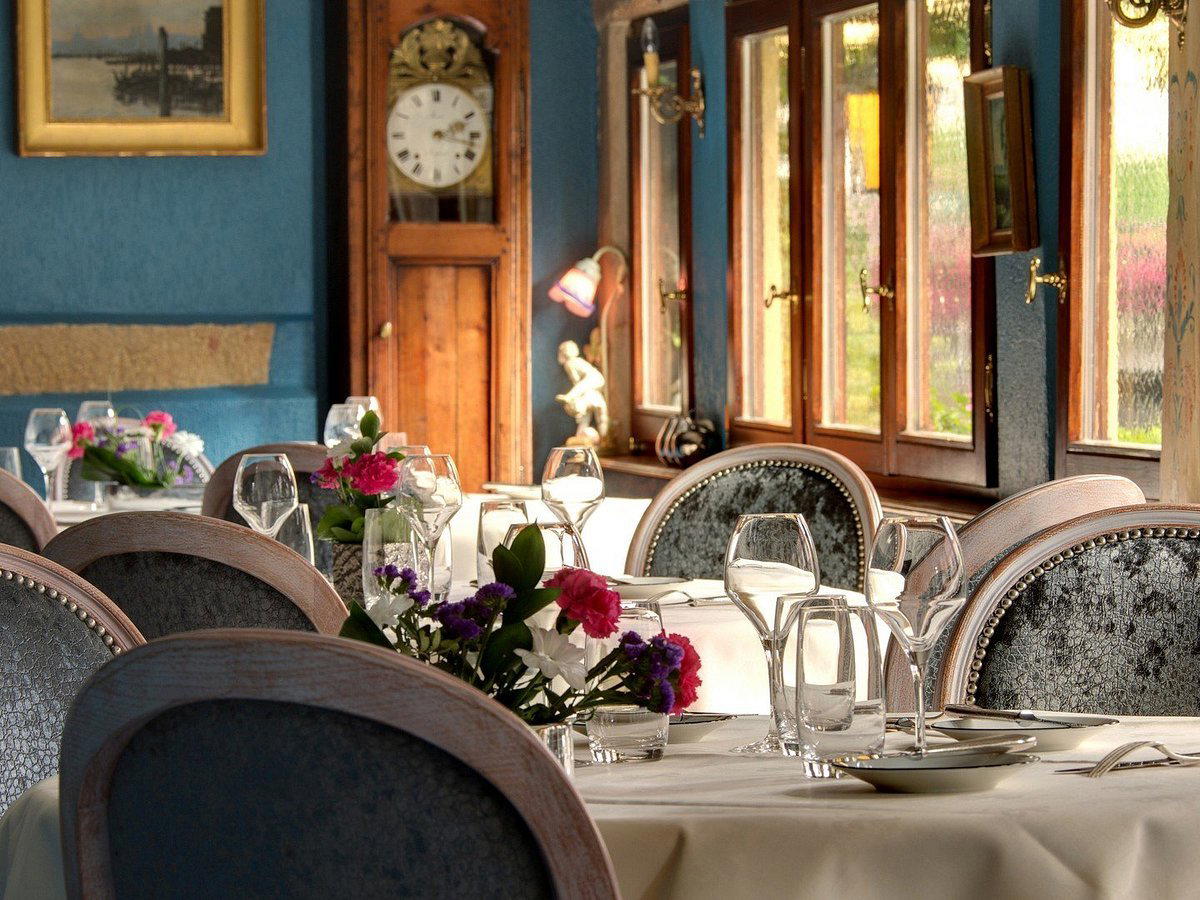
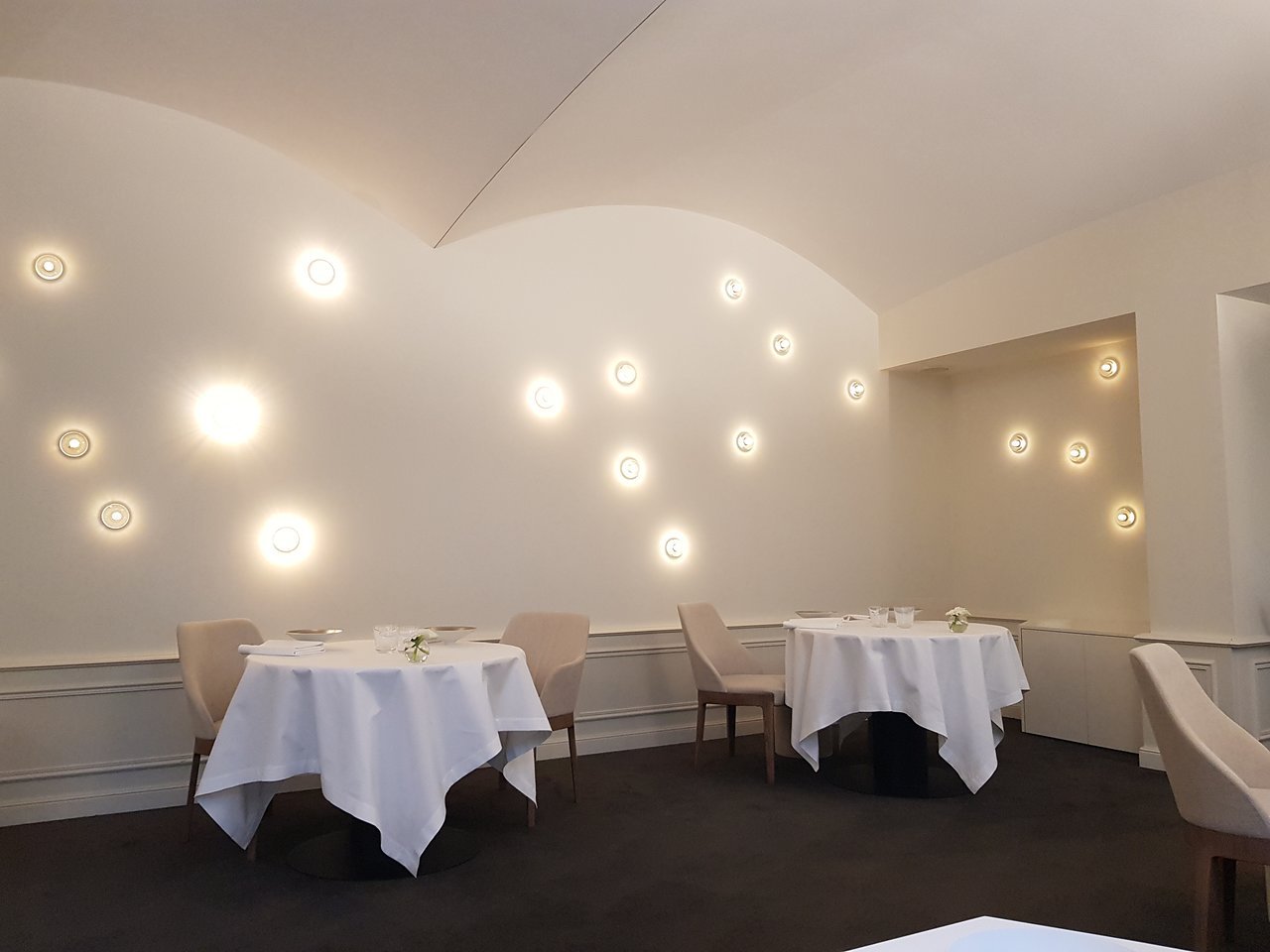
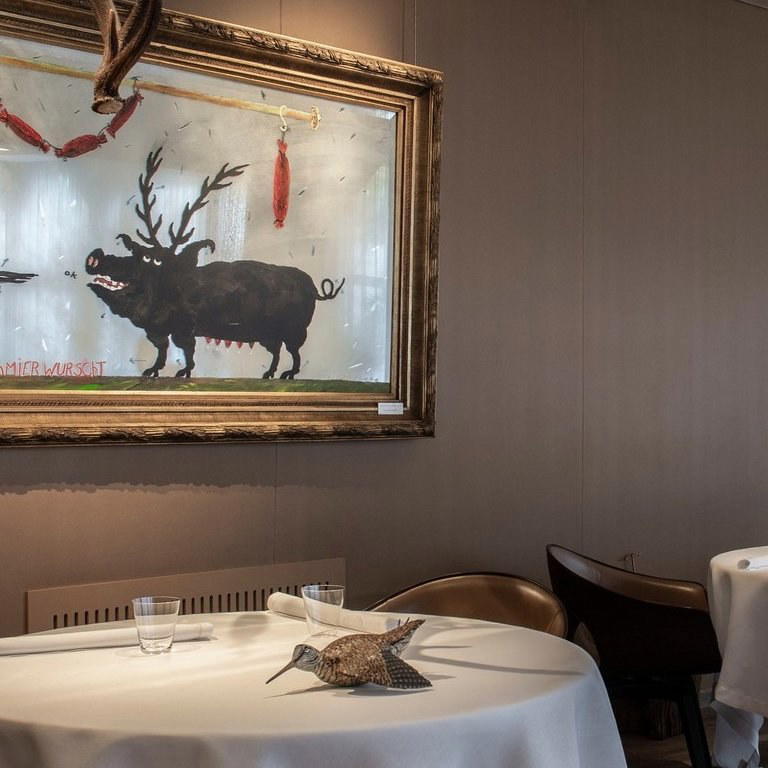
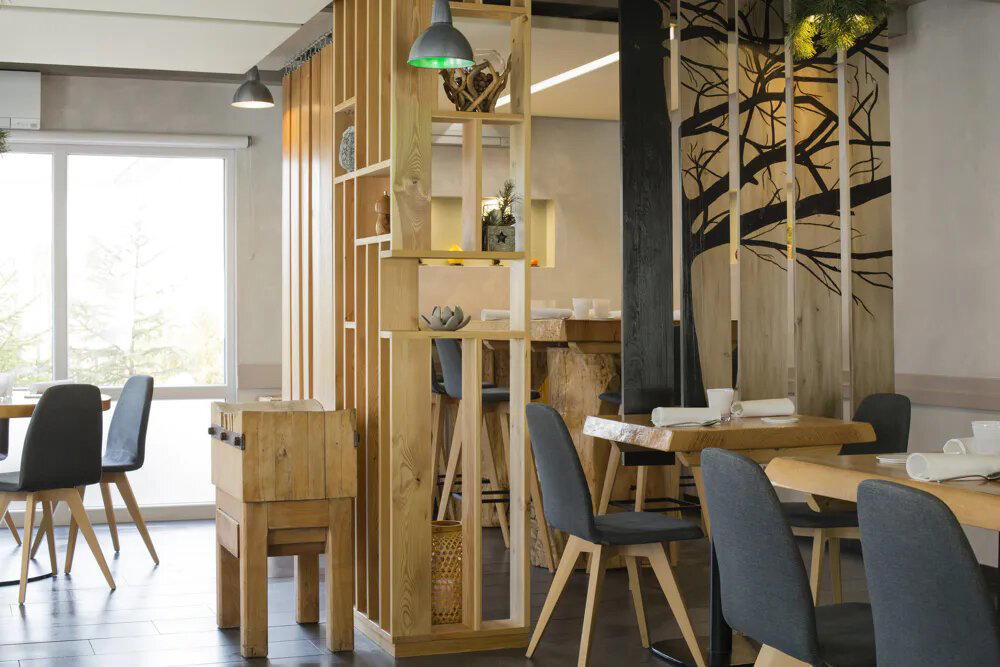
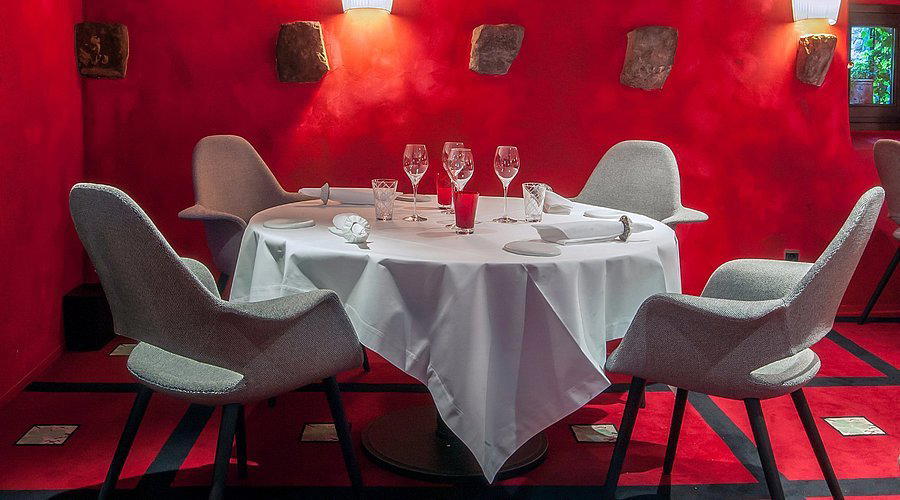
Details
- Classic
- Rustic
- Scenic
- Group Outing
- Romantic Getaway
- Solo Exploration
- Wine Education
- Estate Grounds
- Organic
- Biodynamic
- Sustainable
- Vineyard
- Mountain
- Sylvaner
- Pinot Blanc
- Riesling
- Pinot Gris
- Muscat
- Gewurztraminer
- Pinot Noir
- Still White
- Still Red
- Sparkling
- Dessert
- Standard Tasting
- Vineyard Tour
- French
- German
Traditional Alsatian family estate focused on organic viticulture, with a direct cellar-door setting oriented around serious yet welcoming tastings of terroir-driven wines rather than design theatrics.