La Table d'Olivier Nasti








2 Michelin Stars · La Liste Top Restaurants · Star Wine List
Our verdict
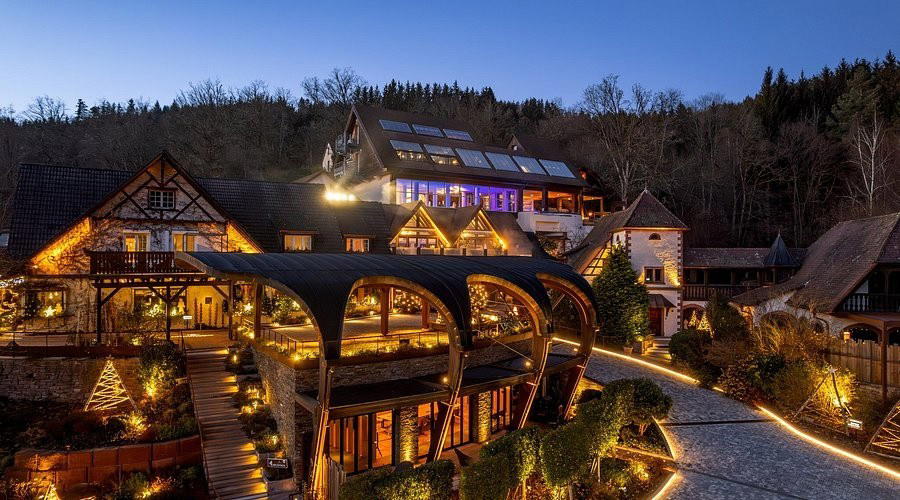
La Table d'Olivier Nasti holds two Michelin stars inside Kaysersberg's Le Chambard hotel, where Alsatian ingredients meet creative French technique honed over more than two decades. Recognised by Les Grandes Tables du Monde, La Liste (96.5 points), and Star Wine List, it occupies the top tier of regional fine dining in France's Alsace wine country. Thursday through Sunday service only; advance booking is essential.

Pearl is the En Primeur Club membership app, where members save venues, book tables and use the concierge.
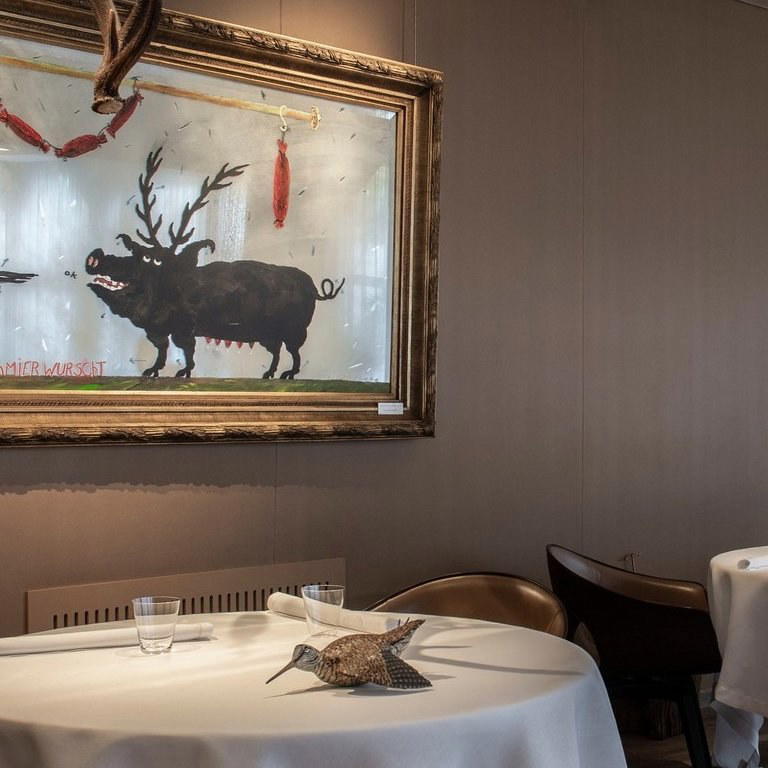
The menu
What to order
- Noisette de chevreuil d’été
- Filet d’anguille au vert
- Pâté chaud de chamois
A Village Address, a Regional Argument
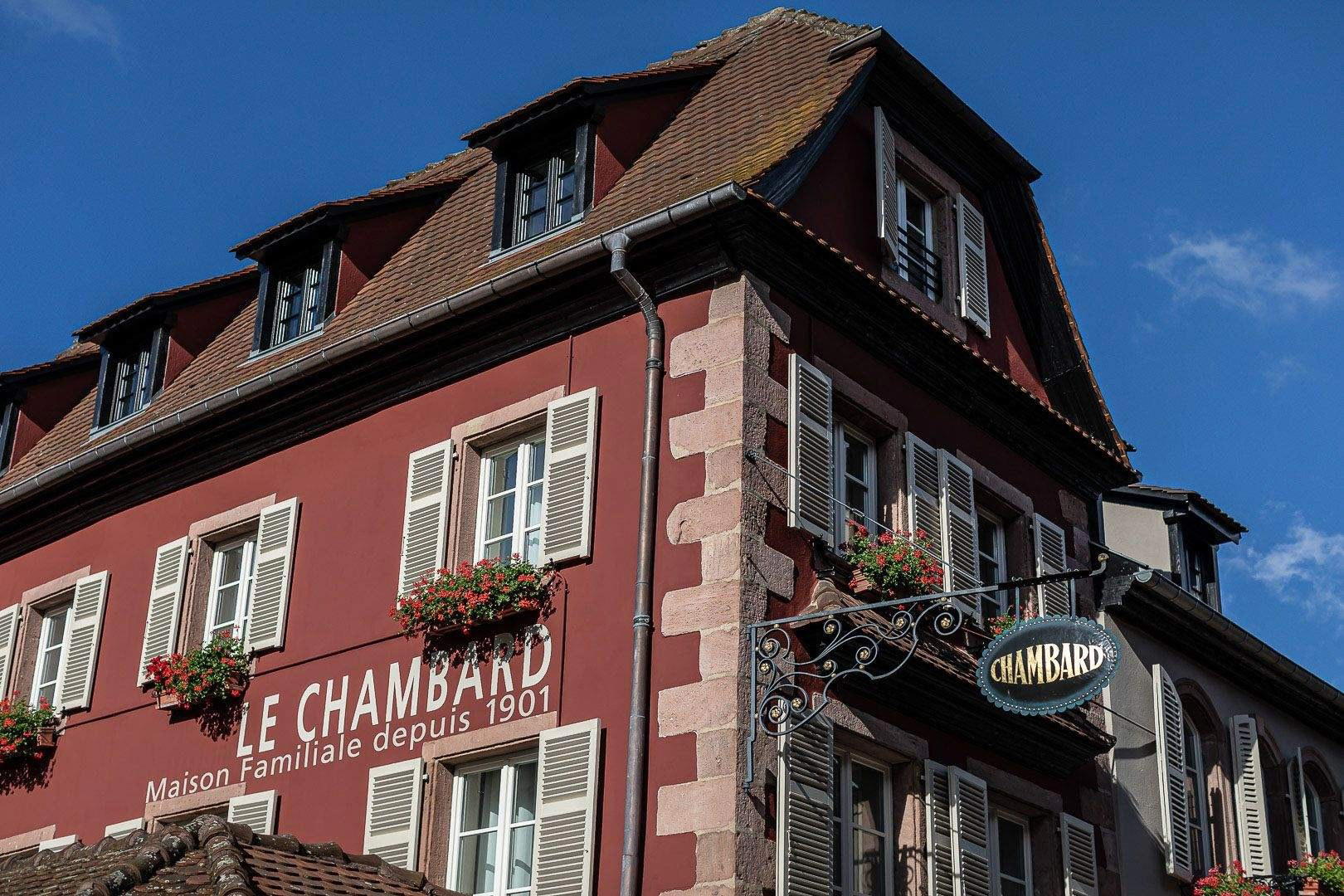
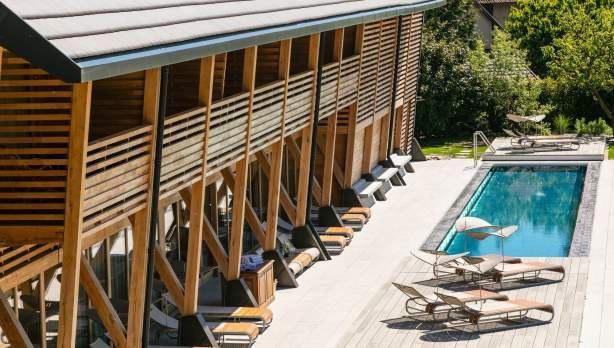
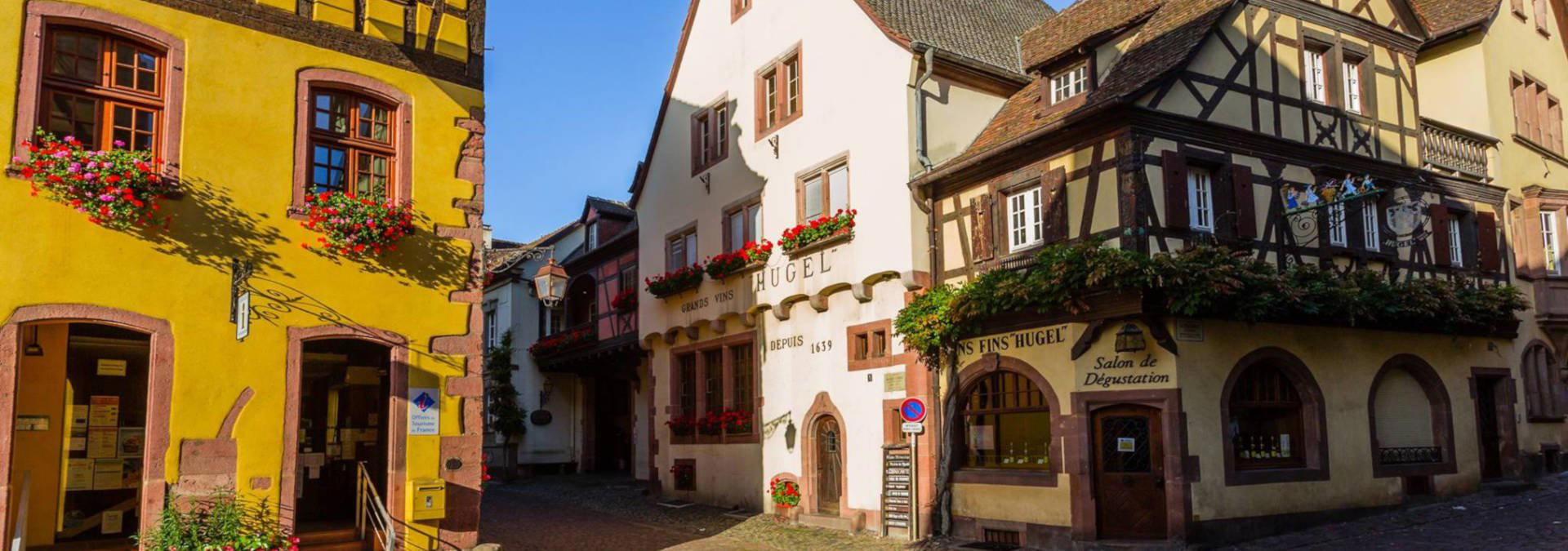
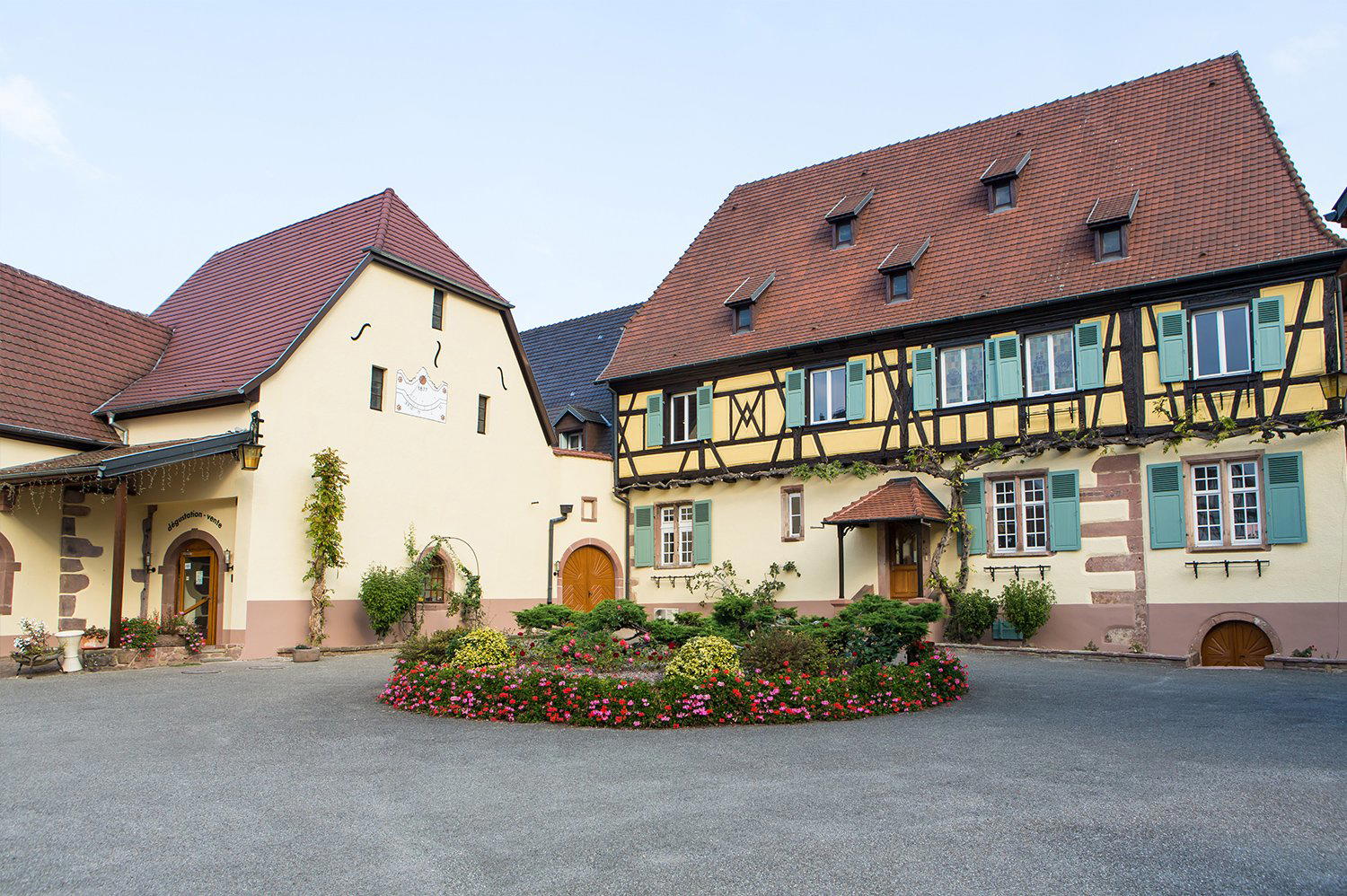
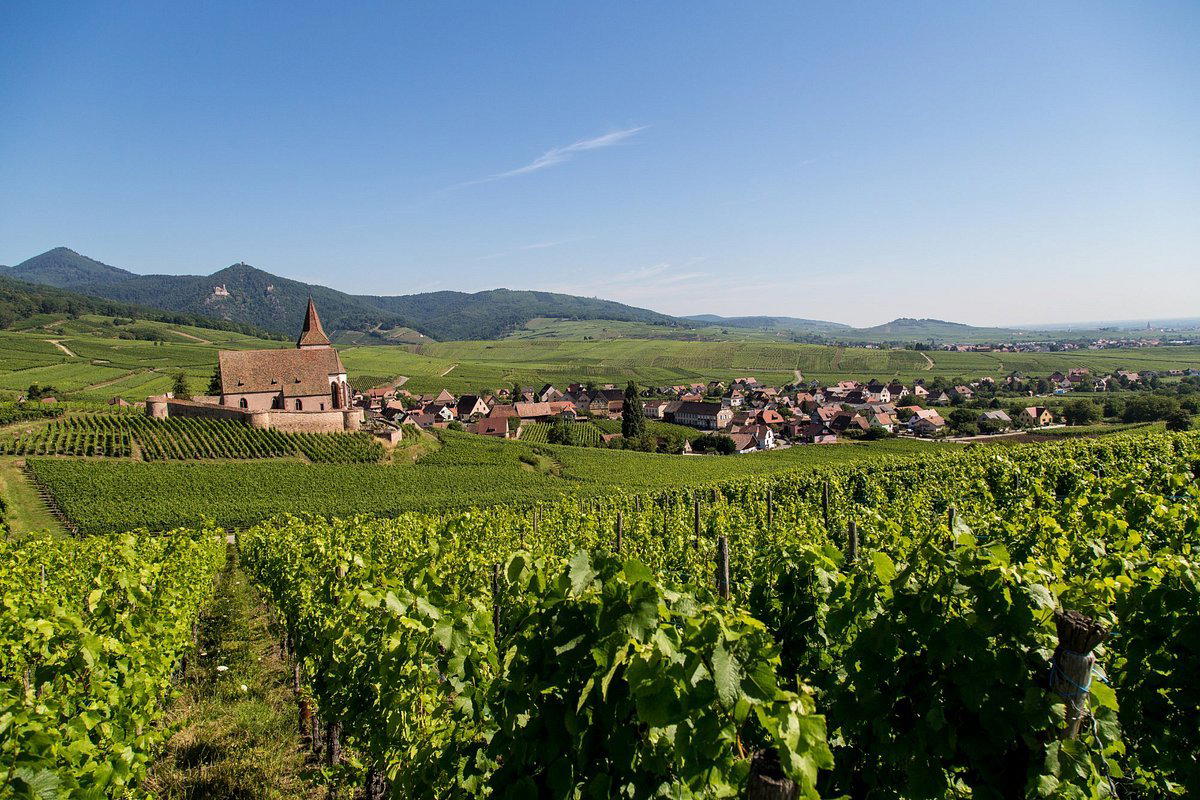
Kaysersberg sits roughly midway along the Alsatian wine route between Colmar and Ribeauvillé, a medieval village of half-timbered houses and fortified towers that draws visitors for its Riesling producers and Christmas market as much as for any single table. What makes it notable for serious diners is that the village sustains a concentration of restaurants that would be unusual in a town many times its size. At the top of that concentration, housed inside the Le Chambard hotel on the main thoroughfare at 13 Rue du Général de Gaulle, La Table d'Olivier Nasti has held two Michelin stars since a period that now spans more than twenty years of continuous kitchen tenure, a duration that, in French fine dining terms, signals institutional standing rather than a recent rise.
The broader context matters here. Alsace has long produced France's most distinctive regional cooking: a cuisine shaped by centuries of alternating German and French sovereignty, by its own grape varieties, by choucroute and baeckeoffe traditions, and by a larder that differs sharply from anything south of Burgundy or west of the Rhine. Two-star addresses in the region are rare. The better-known benchmark for Alsatian fine dining at this level sits at Auberge de l'Ill in Illhaeusern, a three-star institution with dynastic history. La Table d'Olivier Nasti operates in a different register: a hotel restaurant in a working village, with creative cooking that draws on regional produce without treating Alsatian tradition as a constraint.
What the Awards Signal About the Cooking
Michelin's two-star designation carries a specific meaning in the guide's own language: cooking worth a detour. At this level, the expectation is technical discipline, a coherent identity, and consistent execution rather than a single dazzling dish. La Table d'Olivier Nasti has held that designation through multiple annual guide cycles, appearing in the 2024 and 2025 editions and carrying a recommendation from Opinionated About Dining's Classical in Europe list since at least 2023, where it reached rank 280 in 2024. Those are not the same assessment: Michelin weighs consistency and technique; OAD's classical ranking reflects the aggregate opinion of a global reviewer panel weighted toward frequent travellers. Agreement between the two is a reasonable indicator of sustained performance.
The restaurant's membership in Les Grandes Tables du Monde, a peer-elected body whose French members include addresses like Troisgros in Ouches and Bras in Laguiole, places it inside a network defined by rigorous selection criteria and biennial audits. Membership is withdrawn when standards slip. La Liste's 96.5-point score from 2025 further anchors it within the upper tier of French regional restaurants, though La Liste aggregates data across multiple sources and its scoring should be read comparatively rather than as an absolute. The Star Wine List recognition, appearing across multiple categories in 2025, points to a cellar programme that treats Alsatian wine seriously, logical given the village's position at the heart of Grand Cru Riesling and Gewurztraminer production, and a differentiator from metropolitan creative-French addresses like Pierre Gagnaire in Paris or AM par Alexandre Mazzia in Marseille, where the wine offer is often secondary to the chef's personal culinary language.
The Kaysersberg Tier and Its Immediate Neighbours
Within the village itself, La Table d'Olivier Nasti occupies a distinct price and complexity tier. The Le Chambard property also runs Winstub du Chambard, a lower-priced Alsatian address operating at the €€ level that handles the informal register, and Le Chambard itself as the broader hotel context. This two-tier structure, where a luxury hotel maintains both a grand table and a regional-food bistro under the same roof, is common in French provincial fine dining and allows the kitchen to engage with local tradition at different levels of formality.
The closest external comparison in town is Alchémille, a one-Michelin-starred address at the same €€€€ price point, offering a different creative-French interpretation. La Vieille Forge operates at the €€ level with modern cuisine. The presence of two starred restaurants and several well-regarded mid-range addresses in a village of under 3,000 residents reflects the Alsatian wine-route tourism economy, which sustains serious hospitality infrastructure across small communes throughout the year, not only in summer. For a wider view of where to eat and drink in the area, the full Kaysersberg restaurants guide maps the complete picture.
Creative French Cooking in a Regional Frame
Michelin's descriptor for La Table d'Olivier Nasti flags both French and Creative as primary cuisine categories. In practical terms, that combination, at two-star level in Alsace, typically means a kitchen working with the regional larder, Munster cheese, foie gras, river fish, Alsatian charcuterie traditions, and produce from the Rhine plain, but applying contemporary French technique rather than reproducing heritage recipes. This is the same structural territory occupied by Flocons de Sel in Megève, where Alpine regionalism and creative French method coexist at three-star level, or by Mirazur in Menton, where Mediterranean geography informs a broadly creative approach. The difference is that Alsace's culinary identity is among the most historically layered in France, which gives a kitchen working at this level more material to engage with, and more precedent to either honour or depart from.
Nasti has led the kitchen for over two decades, a tenure that places him in the same category of long-established provincial French chefs as the families behind Paul Bocuse, L'Auberge du Pont de Collonges in Collonges-au-Mont-d'Or, though the comparison is tonal rather than historical. The point is that a chef sustaining two-star recognition in a single regional property over that duration has built a kitchen identity that is not contingent on novelty cycles. The Michelin classification of the cooking as Creative suggests evolution within that framework rather than stasis.
Planning a Visit
The restaurant operates a limited weekly schedule: closed Monday and Tuesday, dinner only on Wednesday and Thursday (7–9 pm), and both lunch (12–2 pm) and dinner (7–9 pm) on Friday, Saturday, and Sunday. For visitors travelling specifically to dine here, Saturday offers the most flexibility, combining both services in a village that warrants time on foot regardless of the meal. The restaurant is inside the Le Chambard hotel, which makes it accessible for guests staying on the property; the full Kaysersberg hotels guide covers the broader accommodation picture.
At the €€€€ price tier, the cost sits in line with other two-star provincial French restaurants. Given the limited weekly service windows and the restaurant's recognition profile, booking several weeks ahead is prudent, particularly for Friday or Saturday evening. For those building a full itinerary around the visit, the bars guide, wineries guide, and experiences guide for Kaysersberg cover the supporting programme. The wine route's Grand Cru vineyards begin effectively at the village edge, and several producers offer tasting appointments that pair logically with a dinner reservation at this level.
Among French regional two-star addresses that combine serious wine programming with a clearly defined geographic identity, La Table d'Olivier Nasti occupies a position that is difficult to replicate closer to Paris. The village setting is not incidental: it shapes the sourcing, the cellar logic, and the structural reason to travel. In that respect, the address functions in the same register as Alléno Paris au Pavillon Ledoyen inverted: where Alléno operates at the centre of metropolitan French fine dining, La Table d'Olivier Nasti is an argument for the periphery.
Frequently asked questions
What's the price range at La Table d'Olivier Nasti?
Pricing at La Table d'Olivier Nasti is listed as €€€€.
Is La Table d'Olivier Nasti Michelin-listed?
La Table d'Olivier Nasti has received recognition including: La Table d'Olivier Nasti is a two-Michelin-starred restaurant in Kaysersberg’s Le Chambard hotel. Run by chef and owner Olivier Nasti for over 20 years, its high-level cuisine is deeply rooted in the...; Star Wine List #3 (2025); Star Wine ….
What do regulars order at La Table d'Olivier Nasti?
5 points indicate a kitchen operating at the level where the full tasting menu is the intended format. Michelin's own language classifies the cooking as both French and Creative, suggesting classical foundations expressed through original technique rather than a fixed regional canon. Booking the chef's full sequence, rather than a shorter à la carte selection, reflects how the restaurant is recognised at this level.
What are La Table d'Olivier Nasti's hours?
Hours at La Table d'Olivier Nasti: Hours: Monday Closed Tuesday Closed Wednesday 7–9 pm Thursday 7–9 pm Friday 12–2 pm, 7–9 pm Saturday 12–2 pm, 7–9 pm Sunday 12–2 pm, 7–9 pm.
How do I find La Table d'Olivier Nasti?
La Table d'Olivier Nasti is located at 13 Rue du Général de Gaulle, 68240 Kaysersberg Vignoble, France, Kaysersberg.
Is there a head chef associated with La Table d'Olivier Nasti?
The chef associated with La Table d'Olivier Nasti is Olivier Nasti.
A Credentials Check
| Venue | Cuisine | Price | Awards | Notes |
|---|---|---|---|---|
| La Table d'Olivier NastiThis venue (the venue you are viewing) | Modern Alsatian Fine Dining | $300–500 | 2 Michelin Stars · La Liste Top Restaurants | Not listed |
| Alchémille | Modern French Nature-Driven Fine Dining | $150–200 | 1 Michelin Star · We're Smart World 5 Radishes | French |
| Winstub du Chambard | Traditional Alsatian Winstub | $30–50 | Michelin Bib Gourmand · Star Wine List | Not listed |
| La Vieille Forge | Modern Alsatian French Bistro | $50–100 | Michelin Bib Gourmand | Not listed |
Recognition history
Dated appearances from independent guides and award organizations, with the underlying list record or original source where available.
Michelin 2 Stars
Michelin
La Liste Top Restaurants
La Liste
Star Wine List
Star Wine List
Falstaff Restaurant - 96 Falstaff Points
Falstaff
Les Grandes Tables du Monde Member
Les Grandes Tables du Monde
Full recognition history (14 entries)
Opinionated About Dining Classical in Europe Ranked #25
Opinionated About Dining
Relais Chateaux Award
Relais Chateaux
Gault & Millau Exceptional Restaurant
Gault & Millau
Michelin 2 Stars
Michelin
Relais Chateaux Award
Relais Chateaux
Star Wine List
Star Wine List
Michelin 2 Stars
Michelin
Opinionated About Dining Classical in Europe Ranked #280
Opinionated About Dining
Opinionated About Dining Classical in Europe Recommended
Opinionated About Dining
Continue exploring
More in Kaysersberg
More from Chef Olivier Nasti
Browse all →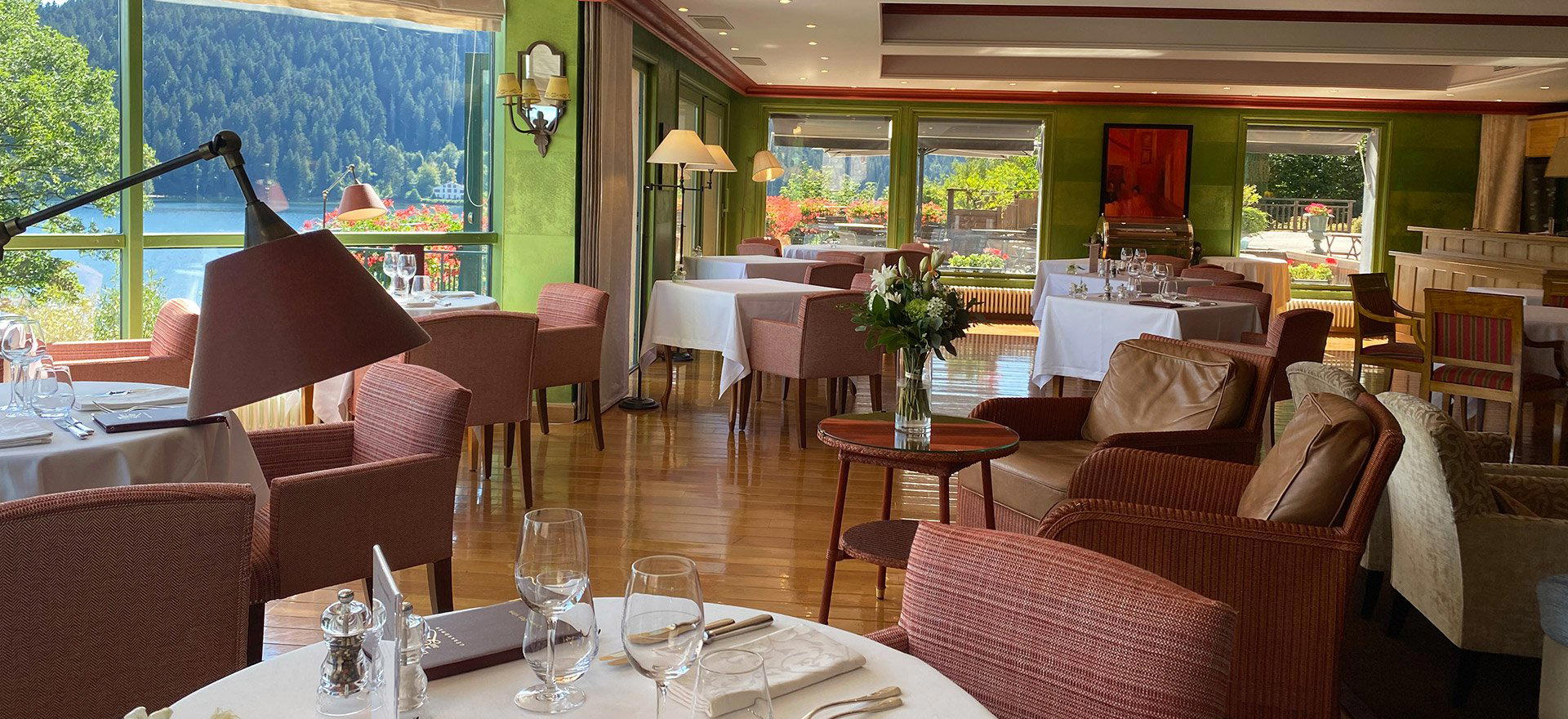
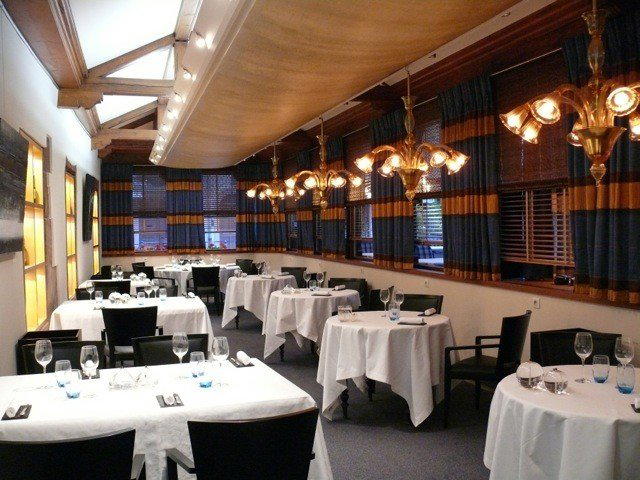
Restaurants in Kaysersberg
All restaurants in Kaysersberg →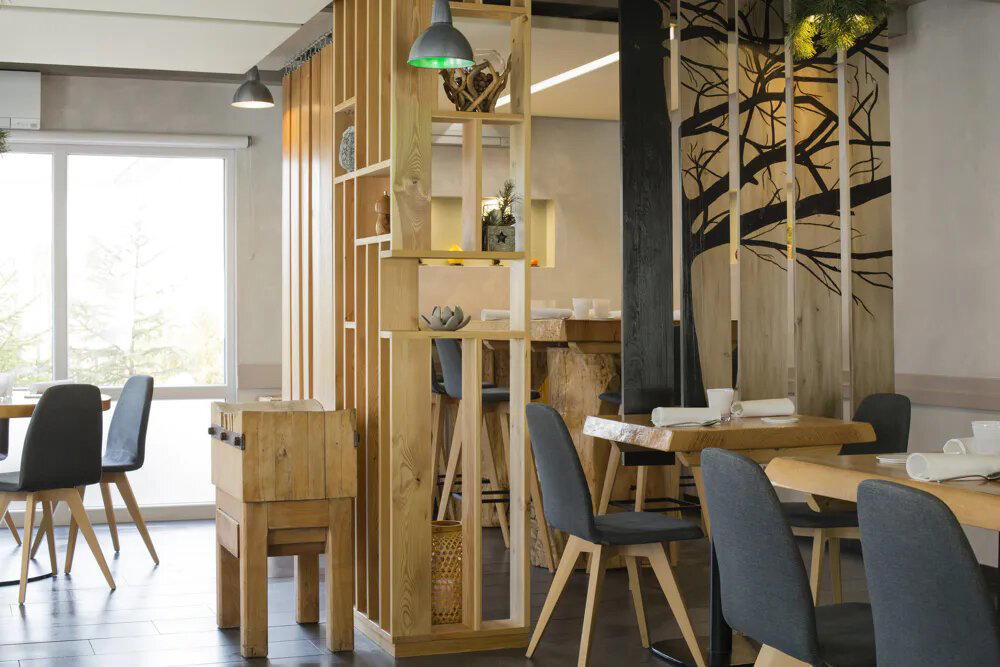
Bars in Kaysersberg
Browse all →
La Table d'Olivier Nasti
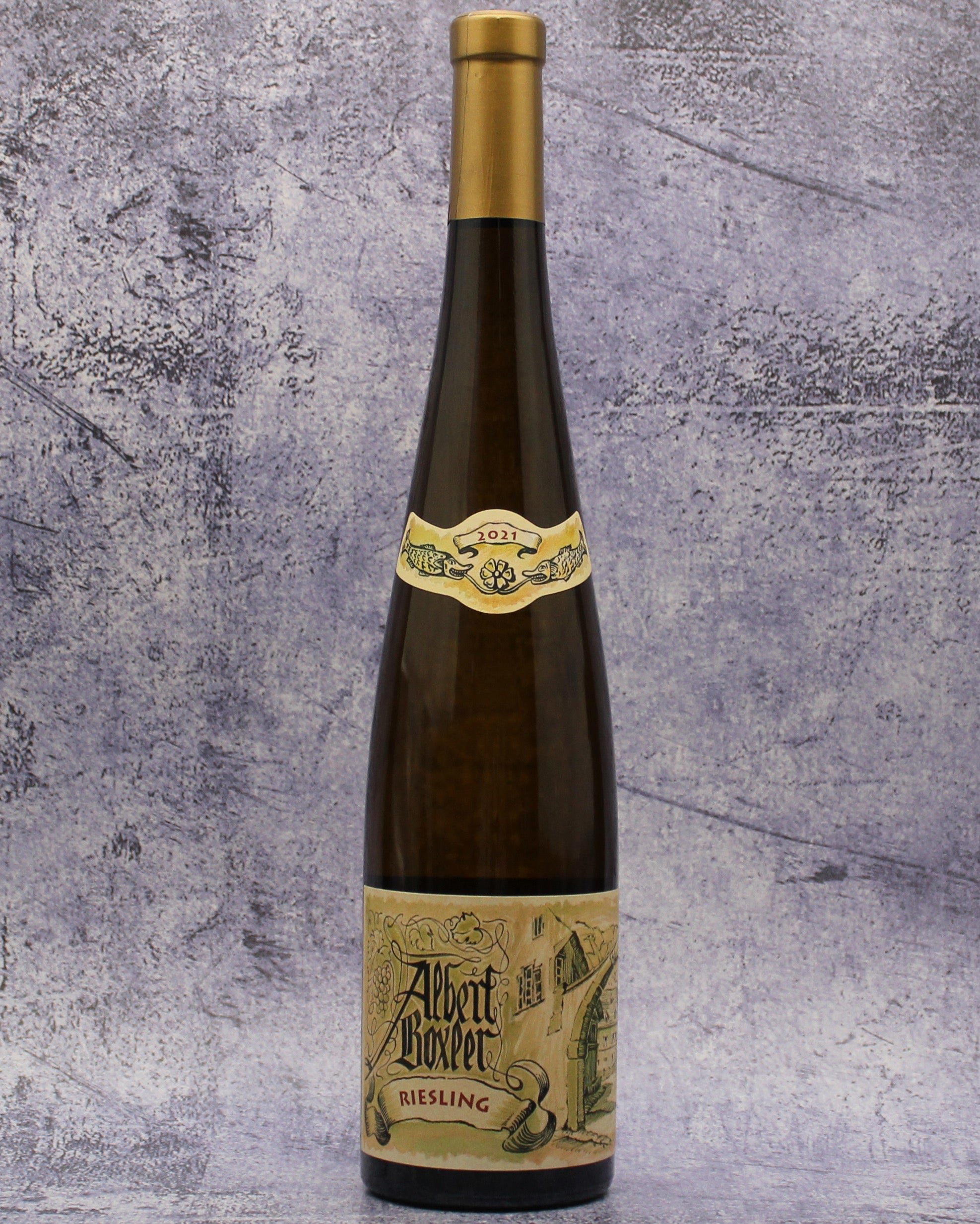
The wine
- Wine program
- Deep wine list
- Extensive wine list
- Sommelier-led
Details
- Elegant
- Intimate
- Sophisticated
- Rustic
- Special Occasion
- Date Night
- Celebration
- Open Kitchen
- Historic Building
- Extensive Wine List
- Sommelier Led
- Local Sourcing
- Tasting Menu
- Prix Fixe
- Wine
- Vegetarian Friendly
Current opening hours
- Monday
- Closed
- Tuesday
- Closed
- Wednesday
- 7–8:30 PM
- Thursday
- 7–8:30 PM
- Friday
- 12–1:30 PM, 7–8:30 PM
- Saturday
- 12–1:30 PM, 7–8:30 PM
- Sunday
- 12–1:30 PM, 7–8:30 PM
Hours can change for holidays and private events. Hours as of .
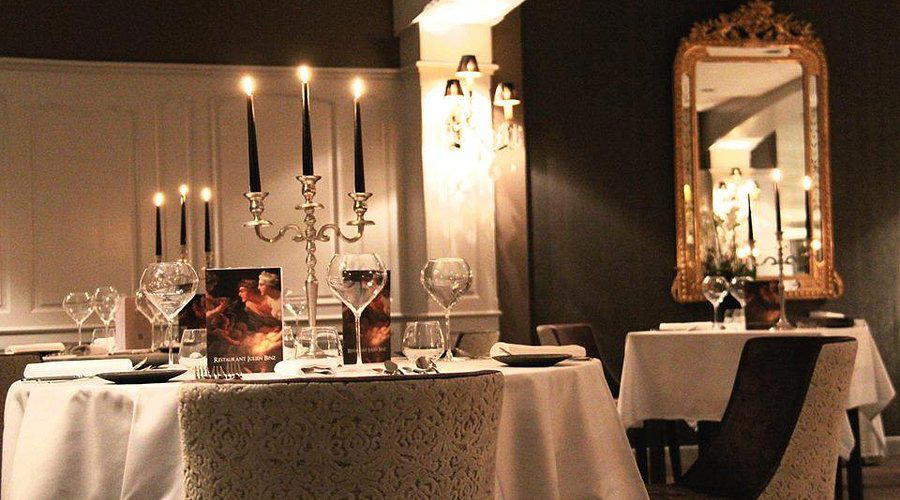
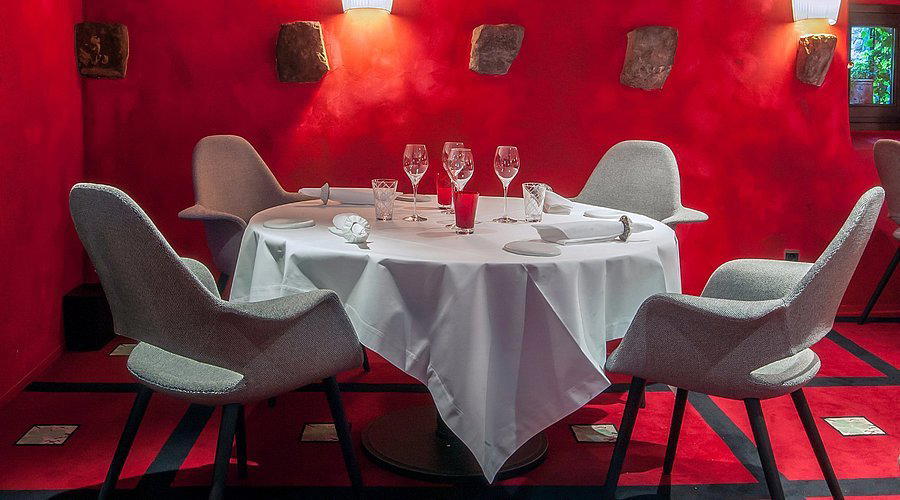
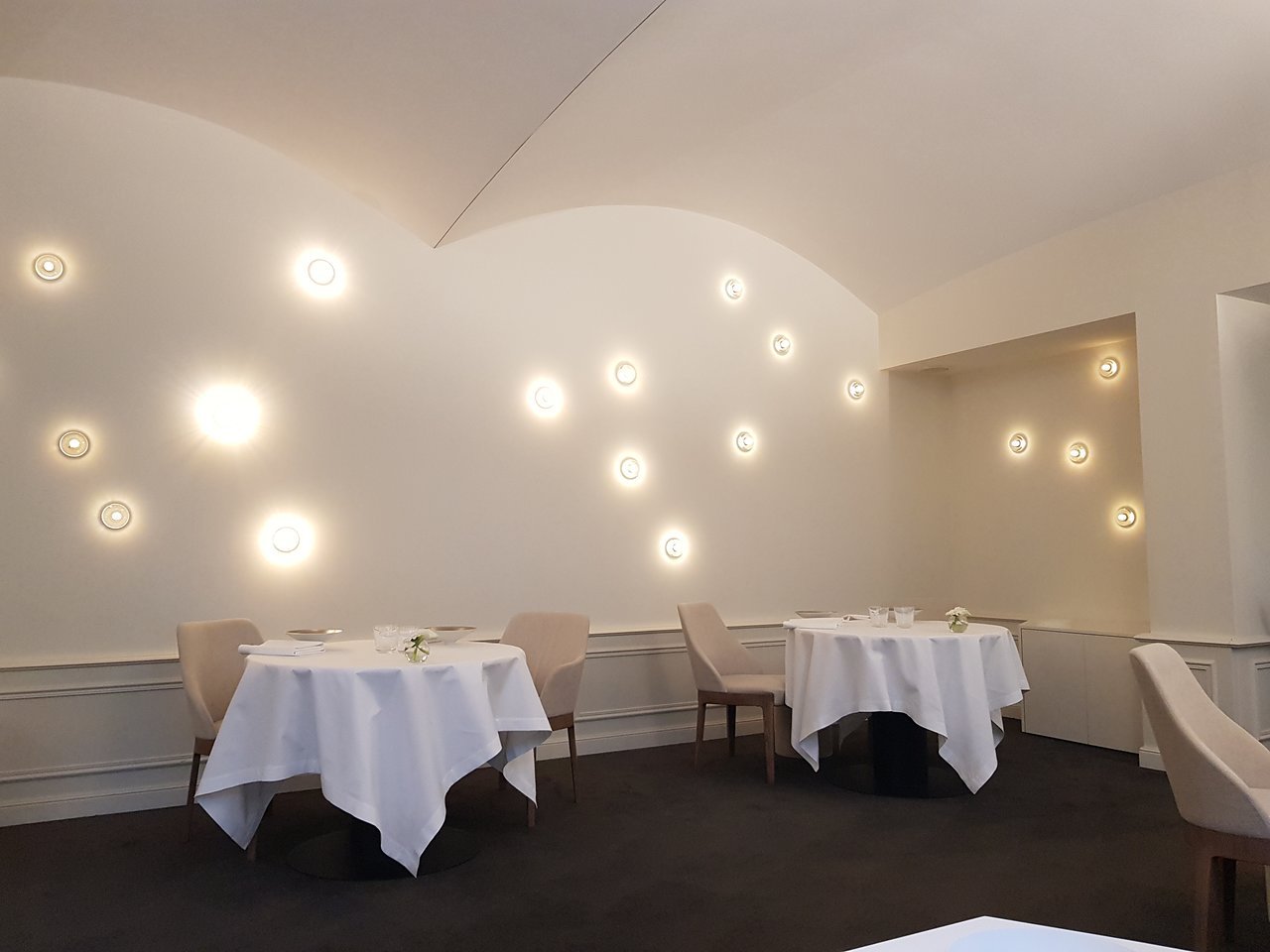
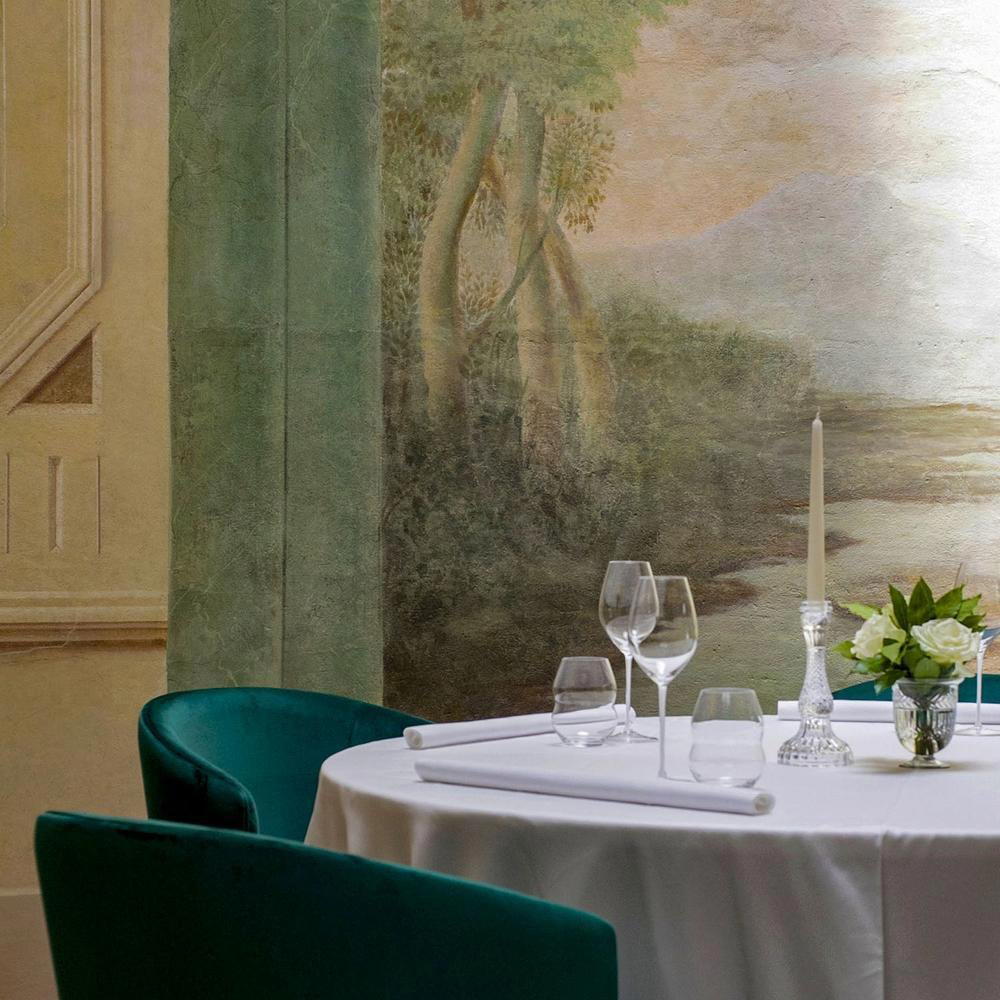
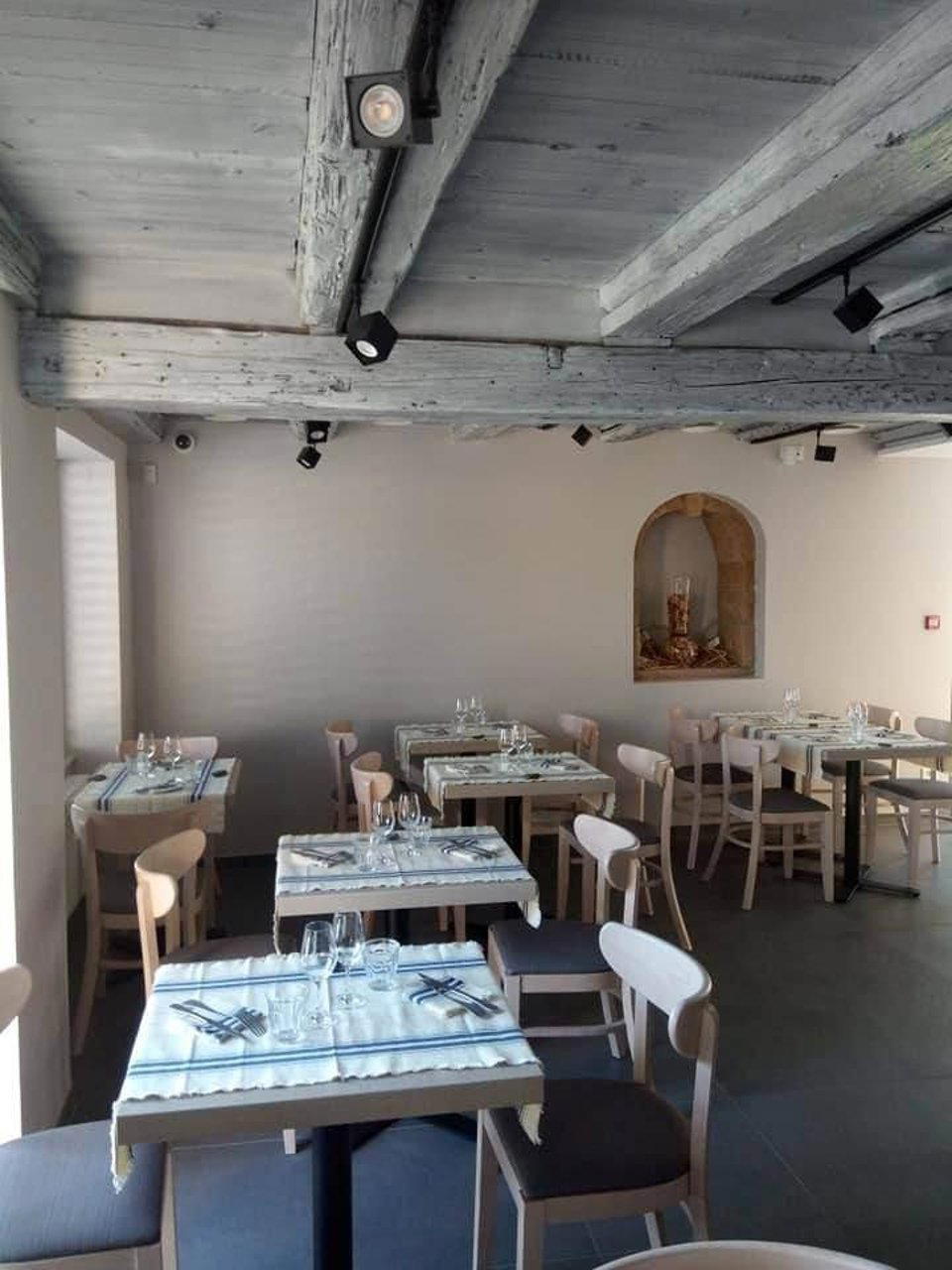
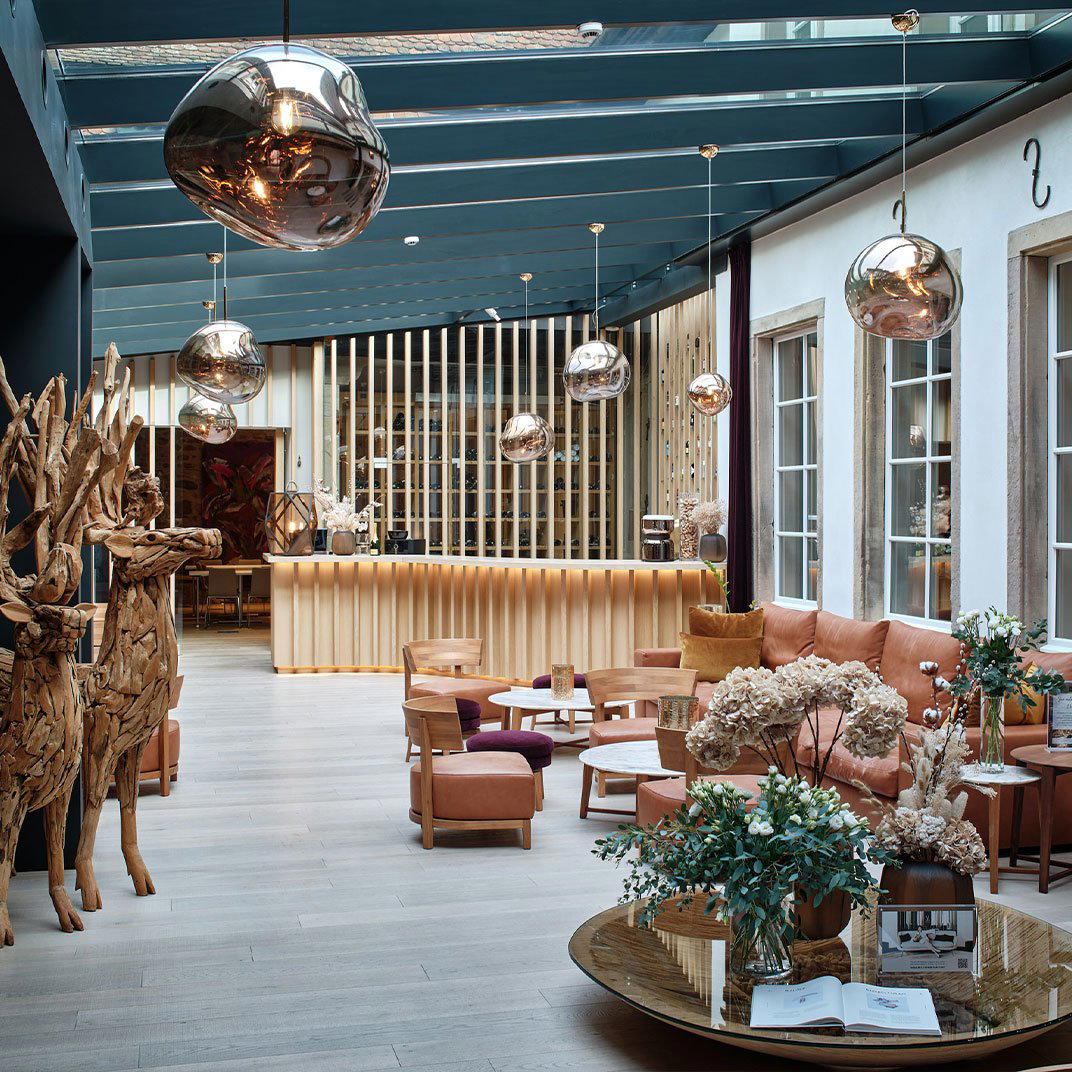
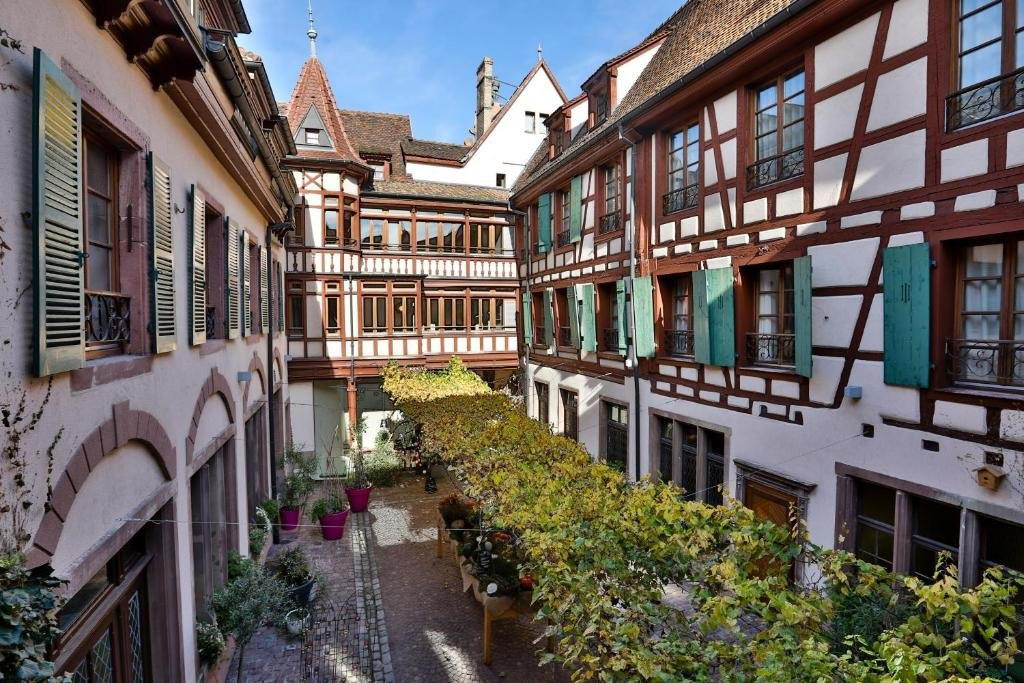
Chaleureuse et raffinée ambiance with handcrafted wooden furniture, century-old Alsatian beams, and a nature-inspired decor evoking the surrounding forests.