Musashino Dentou no Aji Ryotaro

Musashino Dentou no Aji Ryotaro gives Tokorozawa a serious udon address without moving into luxury-restaurant territory. Its Tabelog 100 Udon EAST selections in 2020, 2022, and 2024 place it within a regional conversation about wheat, texture, and everyday noodle craft rather than destination dining spectacle.
Pearl is the En Primeur Club membership app — saves, bookings, and concierge access live there. Same editors, same standards.
- Address
- 3 Chome-14-4 Kusunokidai, Tokorozawa, Saitama 359-0037, Japan
- Phone
- +81 4-2993-8877
- Website
- tabelog.com
- Directions
- Get directions
 Saves & bookings on Pearl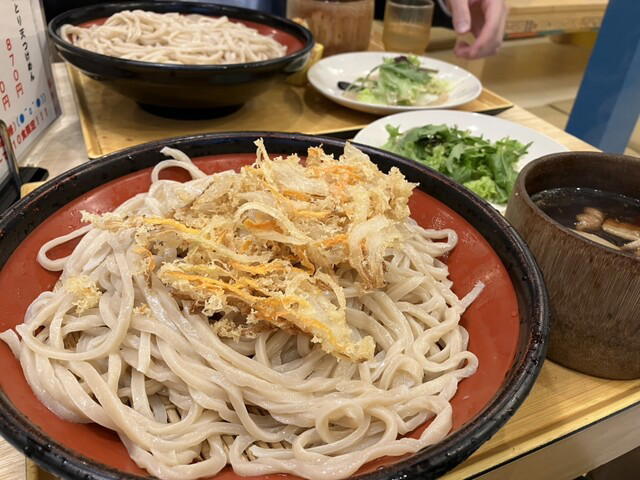
Approaching a house-style udon restaurant in Tokorozawa changes the tempo of lunch. The city sits outside central Tokyo’s theatre of queues and tasting menus, but that distance is part of the point: Saitama’s wheat-noodle culture has long belonged to daily eating, local milling traditions, and the kind of room where counter seats, tables, and tatami seating make equal sense.
Musashino Dentou no Aji Ryotaro belongs to that category. Its recognition on Tabelog 100 Udon EAST in 2020, 2022, and 2024 gives it a credible place among eastern Japan’s serious udon specialists, yet the format remains grounded: udon and curry udon, take-out available, children welcome, and no private-room choreography. In a region where noodle shops can be judged as much by chew and wheat character as by broth, repeated selection matters because it signals consistency in a field built on repetition.
Musashino udon, wheat texture, and why Tokorozawa matters
Musashino udon is not Tokyo’s polished counter-performance cuisine. Its appeal lies in wheat structure, handwork, and local appetite. The old Musashino plain, covering parts of western Tokyo and Saitama, has a practical noodle identity shaped by agriculture rather than courtly refinement. That context helps explain why a Tokorozawa udon shop can draw attention without adopting the codes of high-end dining.
The ingredient story here begins with wheat. Udon quality is not only about broth or toppings; it is about how flour, hydration, kneading, resting, and cutting create resistance. Curry udon adds another measure, because the noodle has to hold against a heavier sauce without turning soft. The listed categories, udon and curry udon, point to a focused kitchen rather than a broad casual menu. That narrowness is useful for readers: the decision is not between many genres, but between expressions of the same noodle craft.
Tokorozawa’s dining scene supports that kind of specificity. Around the city, the strongest meals tend to be focused rather than sprawling: ramen at Ramen Kappa House, hand-worked noodles at Jikasei Temomi Men Suzunoki, soba at Kuromugi, and curry culture represented by negombo33. In that company, Musashino Dentou no Aji Ryotaro reads as the udon anchor, especially for travellers trying to understand how Tokorozawa eats at lunch rather than how it performs for visitors.
The city’s range is broader than noodles, but its value is in contrast. Beruteko, CHOPPERS HAMBURGER & CAFE, and CP RESTAURANT pull Tokorozawa in different directions, from casual Western formats to a more composed restaurant register. The udon tradition sits apart from those categories because it asks a simpler question: how much character can a bowl of wheat noodles carry?
A modest room with serious recognition
The room’s scale keeps the experience close to ordinary Japanese lunch culture. There are 27 seats, split between tables, tatami seating, and a seven-seat counter, which means the restaurant functions for solo diners, friends, and families rather than only for specialists. That mix matters. Many noodle shops gain authority by narrowing the social field; this one keeps the room accessible while maintaining enough craft signal to appear repeatedly on a regional udon list.
Tabelog score of 3.65 adds another useful calibration. In Japan, ratings on major restaurant platforms tend to be compressed, so mid-three scores can carry more weight than many travellers expect. The stronger signal is the repeated Tabelog 100 Udon EAST selection, because it places the restaurant in a curated noodle category across eastern Japan, not only inside Tokorozawa. The award does not turn the meal into ceremony. It simply tells the informed diner to take the noodles seriously.
That distinction is important when comparing local choices. Kuromugi occupies a higher listed price band than Musashino Dentou no Aji Ryotaro, while Ramen Kappa House sits in a similarly inexpensive bracket. Those differences are not just budget notes; they map separate eating traditions. Soba often carries a more contemplative image, ramen leans into broth engineering and speed, and udon, especially in the Musashino orbit, is about wheat firmness and satisfying repetition.
For a broader itinerary, Tokorozawa rewards category-hopping rather than a single destination meal. Use Our full Tokorozawa restaurants guide for dining context, then check Our full Tokorozawa hotels guide, Our full Tokorozawa bars guide, Our full Tokorozawa wineries guide, and Our full Tokorozawa experiences guide if the plan extends beyond lunch. The city makes more sense as a lived-in suburb with specialist pockets than as a polished dining district.
How to read the meal in a wider Japanese context
Japan’s casual food culture is often stronger when the format is narrow. That is true across regions, from sukiyaki-focused dining such as -Grilled beef Sukiyaki- KAMAKURA TANUKIAN 鎌倉 たぬき庵 in Kamakura to seafood-and-grill formats like. 鮪と炭火焼き うお炭 秋葉原店 in Tokyo. The same pattern appears outside Japan too: Jōdo Saké Bar in Los Angeles and Onigiri Time in Pasadena show how Japanese formats travel when the core product remains legible.
That lens also helps separate real specialization from menu sprawl. A cafe such as.cafe in Osaka, a regional room like.know in Kumamoto, or a focused non-Japanese address such as (Shoku) Vietnam in Kawasaki can succeed on different terms, but the sharper the format, the easier it is for travellers to understand what the kitchen is protecting. Even a curry specialist such as [Curry Senmon Ten] Maruyama Kyoju. in Sapporo sits in the same editorial conversation: repetition, sourcing, and technique over breadth.
The practical reading is simple. The restaurant is for travellers who care about regional noodle culture and want a Tokorozawa meal anchored in wheat rather than spectacle. The strongest reason to go is not rarity for its own sake, but the combination of repeated udon recognition, modest format, and a cuisine whose quality is revealed through texture.
Comparison Snapshot
Comparable venues by cuisine and price in the same metro.
| Venue | Cuisine | Price | Notes |
|---|---|---|---|
| Musashino Dentou no Aji Ryotaro | Japanese Udon | $ | Tokorozawa |
| Jikasei Temomi Men Suzunoki | Handmade ramen with house-made temomi noodles | $ | Sayamagaoka |
| Udonya Kazu | Udon and tempura shop | $ | Kotesashi |
| Gyoza no Manshu (ぎょうざの満洲) | Japanese Gyoza Specialist | $$ | 新所沢 |
| Unagiya Shubo Gasou Echigoya | Traditional Unagi & Kaiseki | $$$ | Kotesashi |
| Kuromugi | Traditional handmade soba & sake | $$ | Nishitokorozawa |
Recognition history
Dated appearances from independent guides and award organizations, with the underlying list record or original source where available.
Tabelog 100 #88 · No. 88
Tabelog · Tabelog 100 - Udon - EAST - 2024
Continue exploring
More in Tokorozawa
Restaurants in Tokorozawa
Browse all →



Bars in Tokorozawa
Browse all →


Hotels in Tokorozawa
Browse all →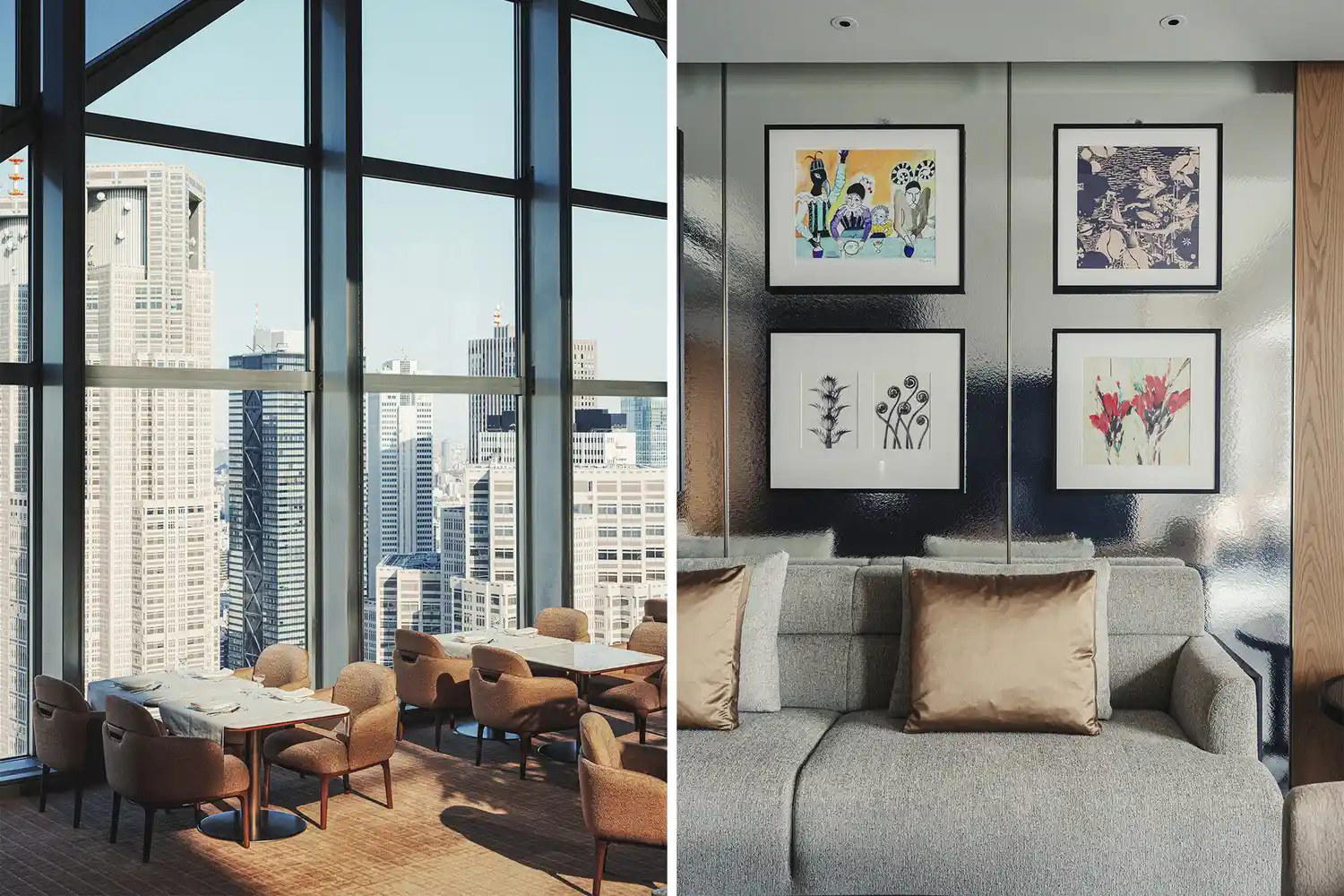




Wineries in Tokorozawa
Browse all →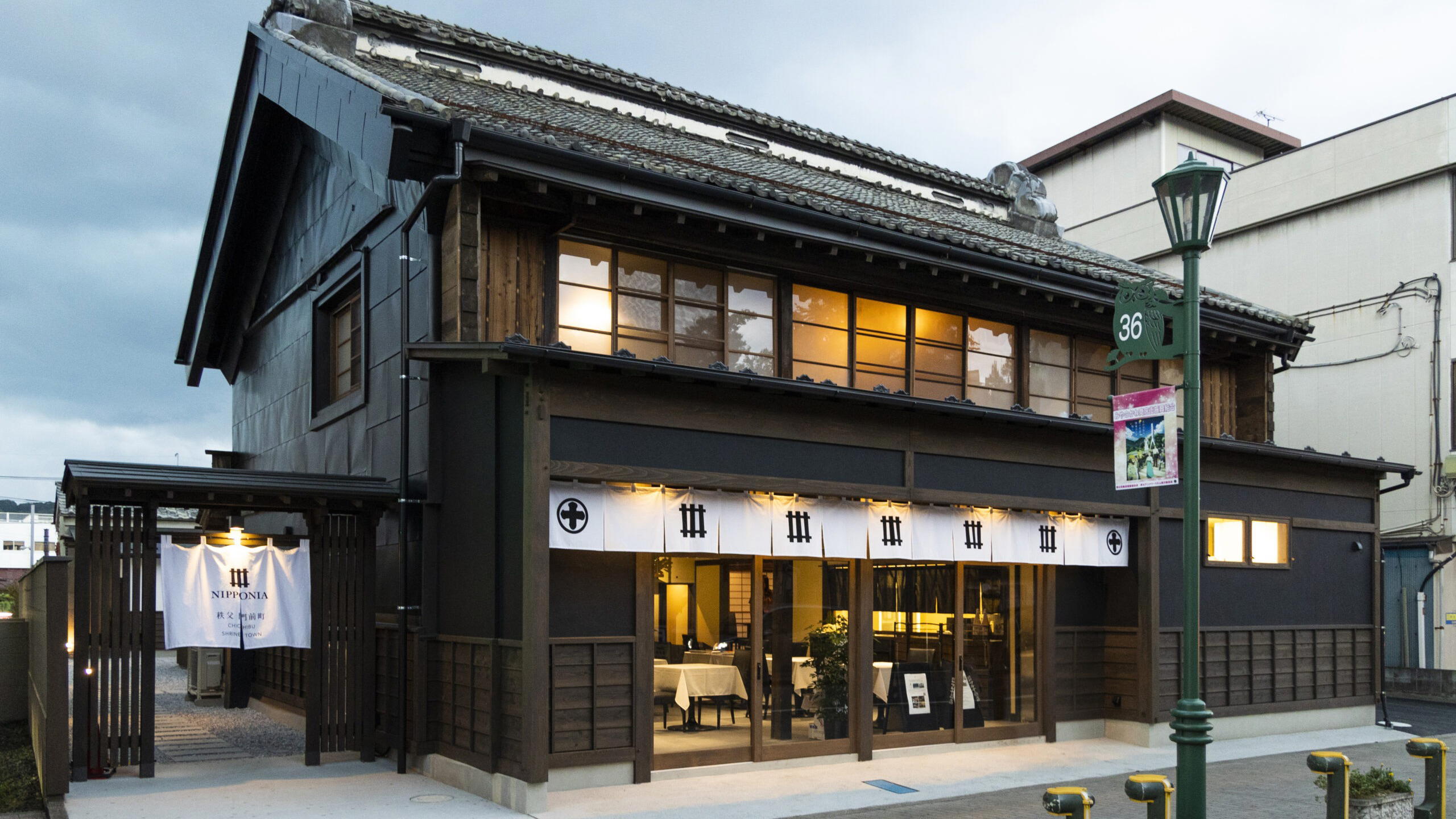
At a Glance
- Classic
- Cozy
- Family
- Solo
- Casual Hangout
- Standalone
Current opening hours
- Monday
- Closed
- Tuesday
- 11 AM–2:45 PM
- Wednesday
- 11 AM–2:45 PM
- Thursday
- 11 AM–2:45 PM
- Friday
- 11 AM–2:45 PM
- Saturday
- 11 AM–2:45 PM
- Sunday
- 11 AM–2:45 PM
Hours can change for holidays and private events. Last verified .
A compact, house-style neighborhood udon shop with a casual, traditional feel.