


A Michelin-starred address on Gijón's marina breakwater, Auga holds a one-star rating (2024) and a €€€ price point that positions it at the upper end of the city's dining scene. Chef Gonzalo Pañeda works from a market-driven menu rooted in Asturian tradition, with a terrace directly facing the sea and a dining room that balances contemporary design with regional character.
Pearl is the En Primeur Club membership app — saves, bookings, and concierge access live there. Same editors, same standards.
- Address
- C. de Claudio Alvargonzález, s/n, 33201 Gijón, Asturias, Asturias, Spain
- Phone
- +34 985 16 81 86
- Website
- restauranteauga.com
- Directions
- Get directions
 Saves & bookings on Pearl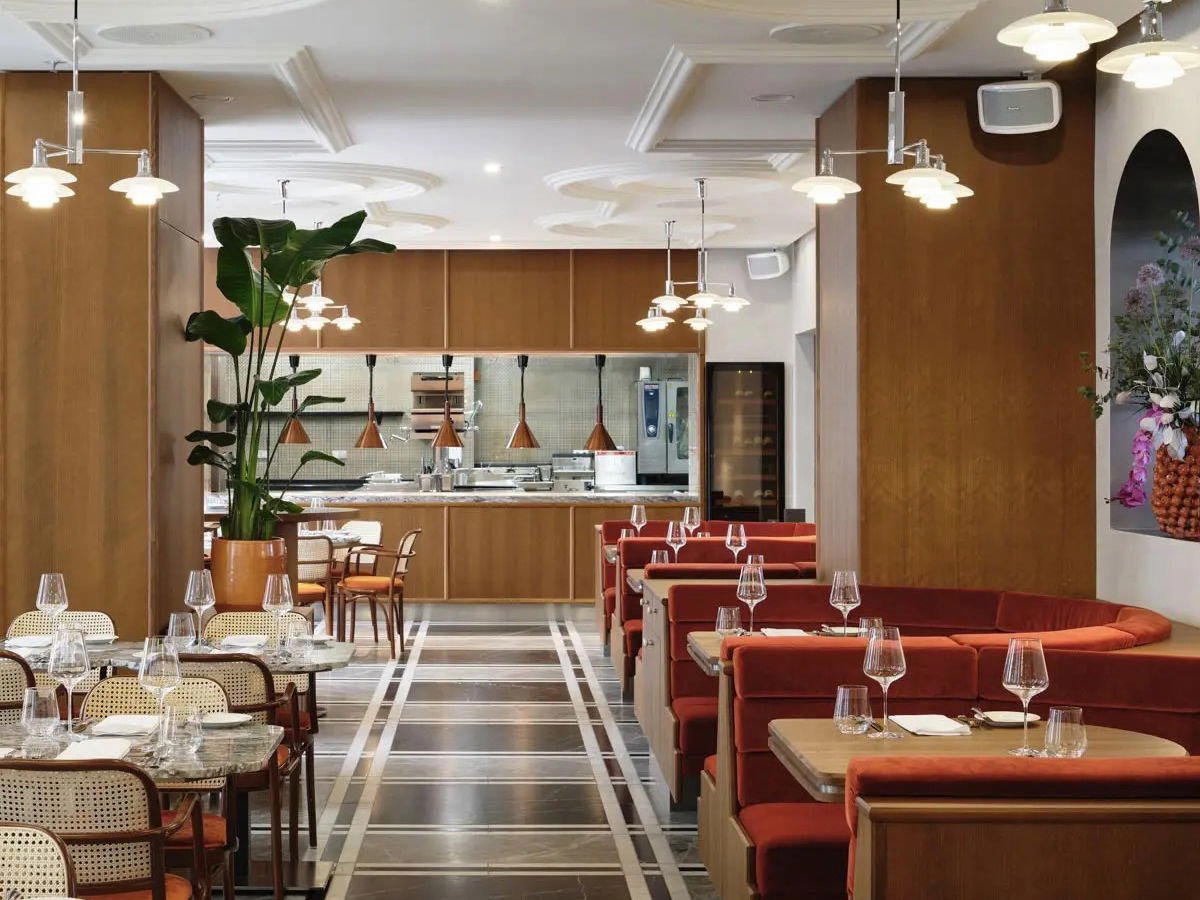
Where the Cantabrian Sea Sets the Menu
Gijón's waterfront has always defined the city's relationship with food. The fishing port, the morning market, the afternoon sidrería: each is a station in a culinary calendar that runs on tides and seasons rather than fixed formulas. Auga sits at the apex of that logic, occupying a breakwater position at the marina where the proximity to the water is not decorative but functional. The kitchen takes its lead from whatever arrives from the Cantabrian that day, and the menu reconfigures accordingly.
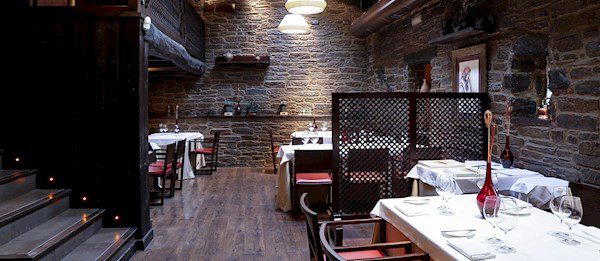
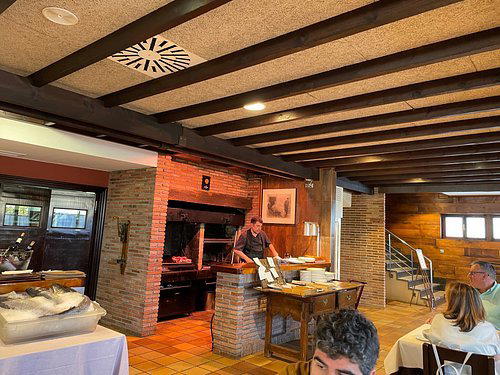
The dining room reads as calm and considered: wood surfaces, natural light, a contemporary frame set around a decidedly regional sensibility. The terrace extends over the water, giving diners a direct line of sight to the sea that supplied their meal. That physical relationship between table and source is characteristic of how Asturias approaches its finest restaurants, and Auga makes the connection explicit rather than symbolic.
Asturian Tradition as a Living Standard
Asturian cuisine occupies a specific position within Spain's broader culinary geography. It is not as codified as Basque cooking, which has built institutions around its traditions, nor as globally promoted as Catalan avant-garde. What it has instead is an extraordinary larder: the Cantabrian coastline producing bream, turbot, and spider crab of consistent quality; the interior mountain pastures supplying dairy and aged cheeses; the rivers offering salmon and trout. The cuisine built around these ingredients has historically favoured directness over transformation.
The recent Michelin recognition of Asturian restaurants reflects a broader shift in how the guide evaluates regional Spanish cooking. Rather than rewarding only technical complexity, the 2024 awards cycle continued to acknowledge kitchens that demonstrate mastery of a specific territory's ingredients. Auga's one star, awarded in 2024, sits within that reading. Chef Gonzalo Pañeda works in a register where deep familiarity with Asturian produce and technique is the foundation, and the creative work happens within that constraint rather than in spite of it.
That approach puts Auga in a meaningful peer group at the European level. Restaurants like Auberge Grand'Maison in Mûr-de-Bretagne and Boroa in Amorebieta-Etxano operate from a similar premise: that traditional cuisine, handled with enough skill and seasonal discipline, warrants formal recognition on its own terms. The category is smaller and less visible than haute cuisine or tasting-menu innovation, but it carries a specific integrity.
The Kitchen's Approach and Its Results
Market-driven menus are common in aspirational Spanish dining, but the phrase means different things at different price points. At the €€€ level, where Auga operates, market-driven implies a genuine daily recalibration rather than a loosely seasonal rotation. The menu shifts with supply, which means repeat visits across a season will encounter different compositions built from the same underlying commitment to Cantabrian seafood and Asturian land produce.
Michelin's write-up of Auga specifically notes a scallop preparation with roe and seaweed, and a dessert of goat's cheese soup with hazelnuts and honey. Both dishes illustrate the kitchen's working method: coastal ingredients handled with enough technique to clarify their flavour rather than embellish it, and Asturian dairy appearing at a point in the meal where other kitchens might reach for something more neutral. The hazelnuts and honey combination is a reference that will be legible to anyone familiar with the region's agricultural character.
Within Gijón's current restaurant scene, Auga's position is relatively clear. Marcos operates at €€€€ with a Modern Cuisine format, placing it above Auga on price and in a more explicitly contemporary register. El Recetario and Abarike both sit at €€, offering seafood and contemporary formats at lower entry points. Farragua occupies the same €€ Modern Cuisine tier. Auga's €€€ pricing alongside its Michelin star places it in a specific bracket: the city's most formally recognised address for traditional Asturian cooking, at a price point that reflects the quality of the raw material and the precision of what happens to it.
Auga in the Context of Spanish Starred Dining
Spain's Michelin map has become denser over the past decade, particularly outside the historically dominant clusters of San Sebastián and Barcelona. The recognition of restaurants in secondary cities and coastal towns reflects both the guide's evolving methodology and the genuine depth of Spanish regional cooking. Asturias now has a small but credible concentration of starred addresses, and Gijón sits at its centre.
That regional context matters when placing Auga relative to Spain's higher-profile starred restaurants. Operations like Arzak in San Sebastián, Azurmendi in Larrabetzu, El Celler de Can Roca in Girona, Cocina Hermanos Torres in Barcelona, DiverXO in Madrid, and Aponiente in El Puerto de Santa María represent different registers of ambition and investment. Auga does not compete in that field. It competes in the more specific category of regionally grounded, single-star kitchens where the measure of quality is fidelity to place rather than the scale of reinvention. That is a smaller and arguably more demanding standard to meet consistently.
A score that high across that many data points, at a price point that invites scrutiny, suggests that the kitchen's consistency extends beyond formal inspection cycles.
Planning a Visit
Auga operates Tuesday through Saturday for both lunch (1 PM to 4 PM) and dinner (9 PM to 11:30 PM), and Sunday for lunch only. Monday is closed. The dinner service ending at 11:30 PM aligns with northern Spanish eating patterns, where 9 PM is a standard dinner start rather than a late option. Visitors unfamiliar with Asturian dining rhythms should note that arriving at the start of the lunch window, around 1 PM, will be less crowded than the 2 PM to 3 PM peak.
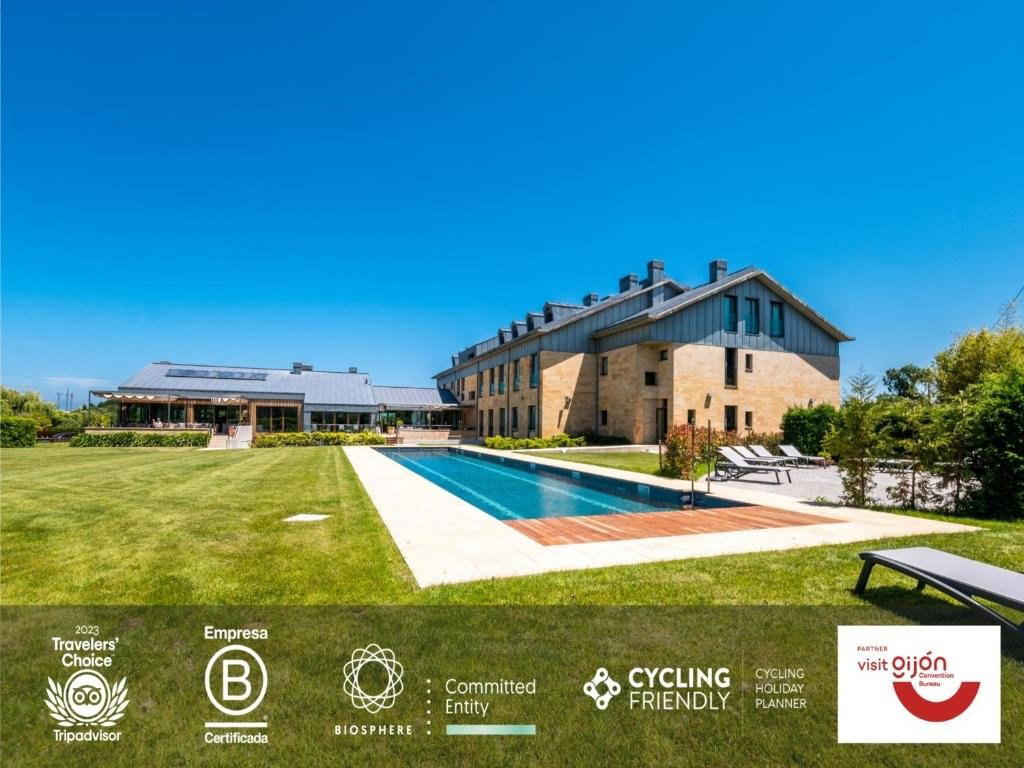
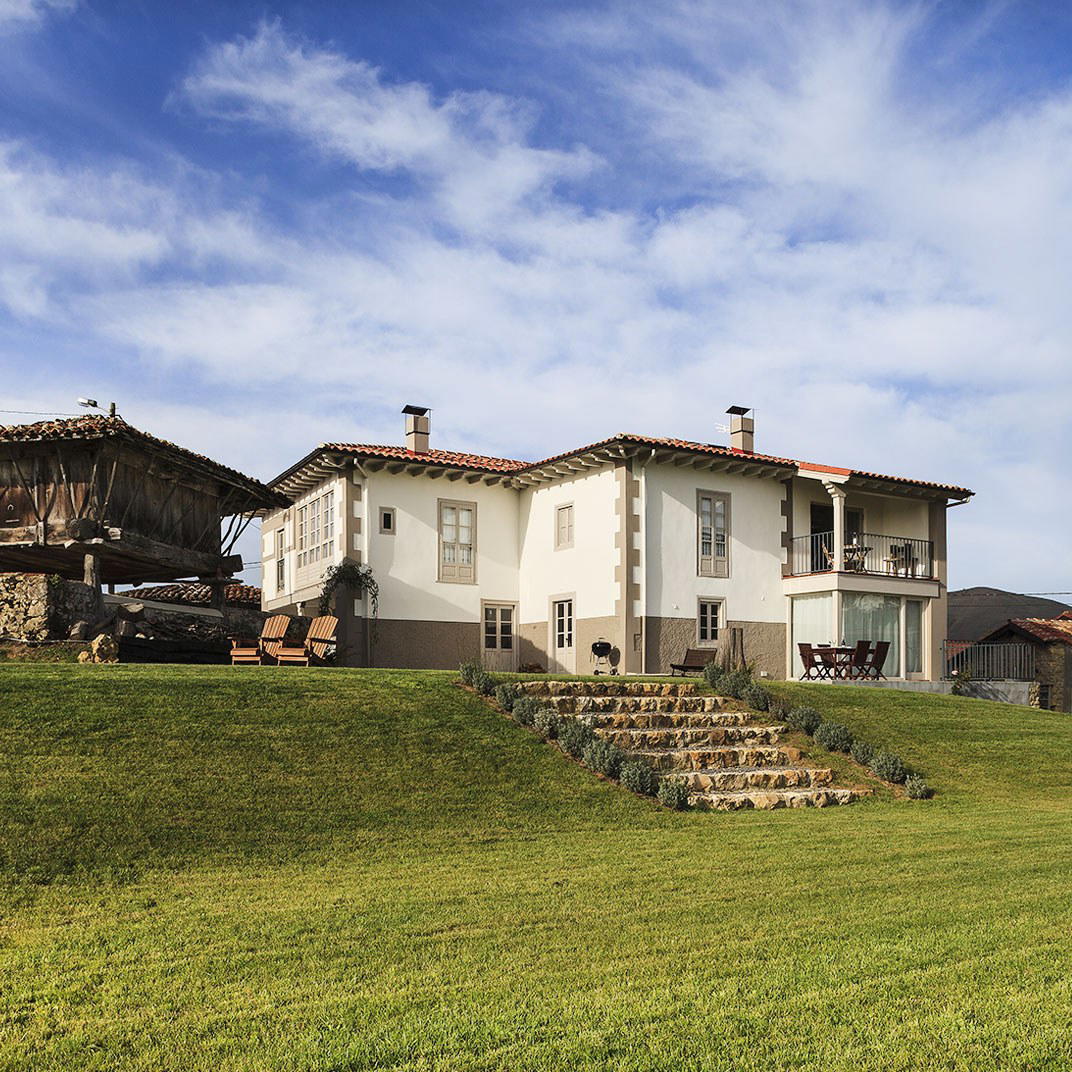
The breakwater address on Claudio Alvargonzández gives the restaurant a distinct arrival experience: you approach along the marina rather than through a city block, which means the transition from street to dining room carries a specific sense of arrival. The terrace facing the sea is the premium option on the right day; the enclosed dining room, with its wood-dominant interior, functions as a genuine alternative rather than a fallback. At €€€, Auga sits at a price point where advance planning is worth the effort.
For those building a wider itinerary around Gijón's food and drink scene, Fūmu offers another angle on the city's current restaurant generation. The broader context for eating, drinking, and staying in the city is covered across our full Gijón restaurants guide, Gijón bars guide, Gijón hotels guide, Gijón wineries guide, and Gijón experiences guide.
Price Lens
| Venue | Cuisine | Price | Awards |
|---|---|---|---|
| AugaThis venue — the venue you are viewing | Traditional Cuisine | €€€ | Michelin 1 Star |
| Marcos | Modern Cuisine | €€€€ | Michelin 1 Star |
| El Recetario | Not listed | €€ | Contemporary, €€ |
| Abarike | Not listed | €€ | Seafood, €€ |
| Farragua | Not listed | €€ | Modern Cuisine, €€ |
Recognition history
Dated appearances from independent guides and award organizations, with the underlying list record or original source where available.
Guía Repsol 2 Soles
Guía Repsol
Macarfi 9.1 Food Rating
Macarfi
Michelin 1 Star
Michelin
Michelin 1 Star
Michelin
Michelin 1 Star
Michelin
Continue exploring
More in Gijón
Restaurants in Gijón
Browse all →
At a Glance
- Elegant
- Modern
- Sophisticated
- Scenic
- Special Occasion
- Date Night
- Business Dinner
- Waterfront
- Terrace
- Extensive Wine List
- Local Sourcing
- Waterfront
Current opening hours
- Monday
- Closed
- Tuesday
- 1–3:30 PM, 9–11:30 PM
- Wednesday
- 1–3:30 PM, 9–11:30 PM
- Thursday
- 1–3:30 PM, 9–11:30 PM
- Friday
- 1–3:30 PM, 9–11:30 PM
- Saturday
- 1–3:30 PM, 9–11:30 PM
- Sunday
- 1–3:30 PM
Hours can change for holidays and private events. Last verified .
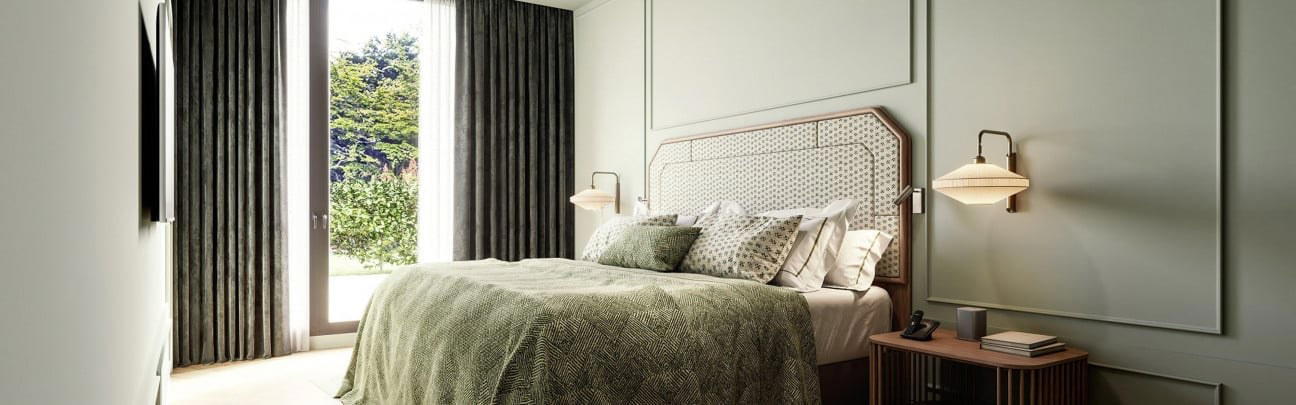
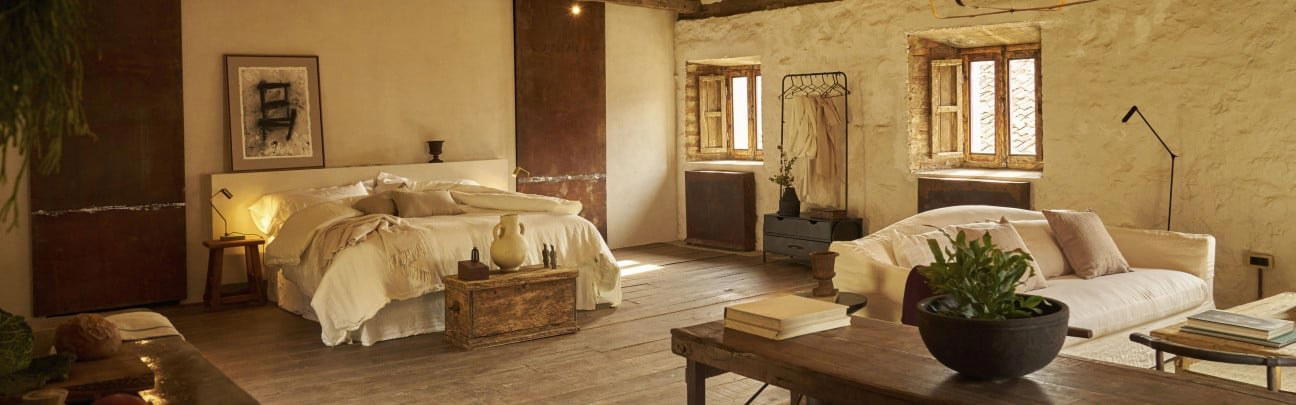
Bright, elegant dining room with wood elements and a superb sea-view terrace, providing a classic-contemporary atmosphere.
Know Before You Go
- Getting there
- C. de Claudio Alvargonzález, s/n, 33201 Gijón, Asturias, Asturias, Spain