





Three Michelin stars and a decade-long presence in the World's 50 Best Restaurants, yet Quique Dacosta operates from the small coastal town of Dénia, on Spain's Mediterranean Costa Blanca. The annually reinvented tasting menu, named Octavo in deliberate provocation of the classical seven fine arts, frames each course as a form of sensory communication rather than conventional gastronomy. This is one of Spain's most decorated restaurants, positioned well outside the obvious fine-dining capitals.
 Discover on Pearl
Pearl is the En Primeur Club membership app — saves, bookings, and concierge access live there. Same editors, same standards.
- Address
- Carrer Rascassa, 1, 03700 Dénia, Alicante, Spain
- Phone
- +34 965 78 41 79
- Website
- quiquedacosta.es
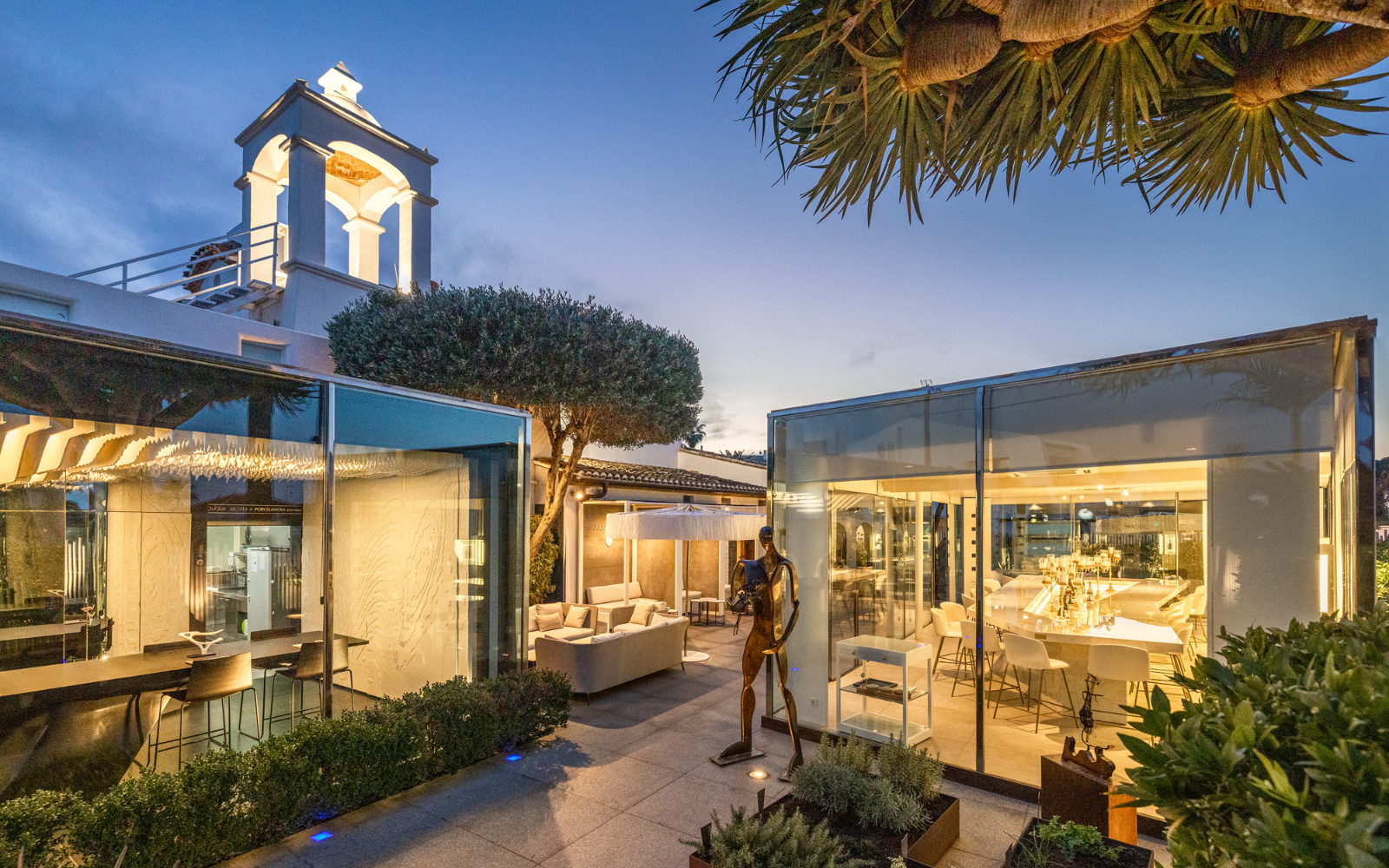
Where the Mediterranean Meets Its Most Demanding Table
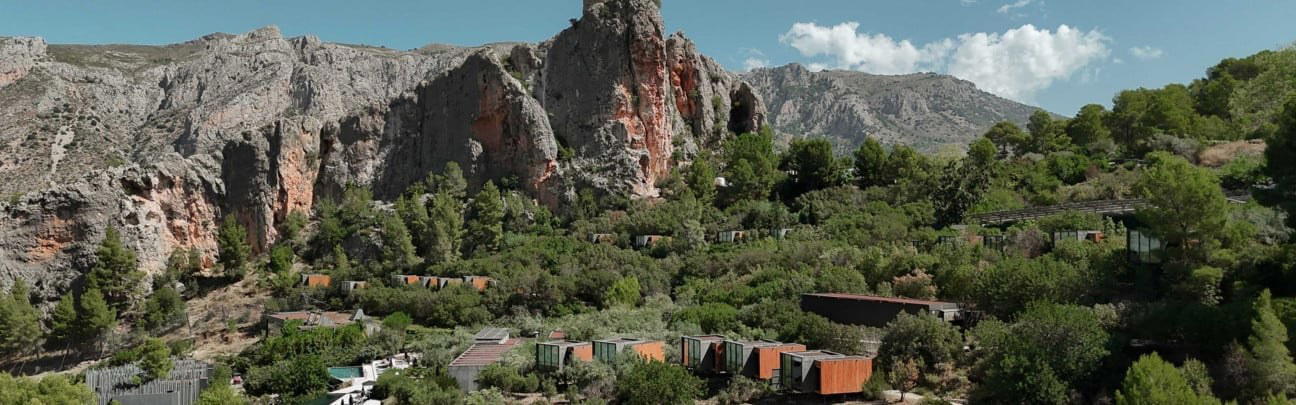
Dénia sits on the Costa Blanca, roughly halfway between Valencia and Alicante, where the Serra de Segària drops toward a coastline of modest fishing harbours and rice fields. It is not, by any conventional calculation, where you would expect to find a restaurant that ranked 14th in the World's 50 Best Restaurants in 2024 and held three Michelin stars continuously. The town's dining culture otherwise runs to excellent but unfussy marisquerías and Mediterranean grills, places like El Faralló and El Pegoli serving the day's catch with a directness that the region does well. That context matters. The distance between those tables and a meal at Quique Dacosta is not merely one of price or formality; it is a difference in what a restaurant is being asked to do.
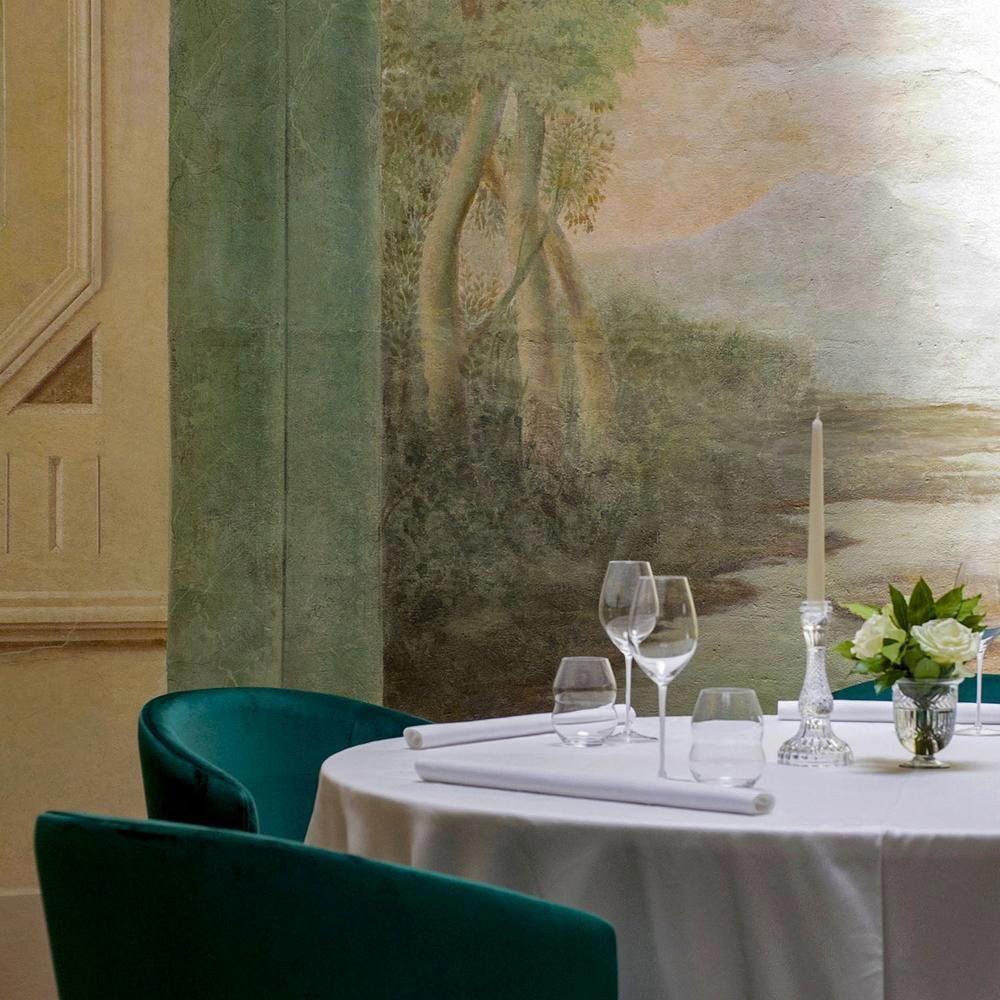
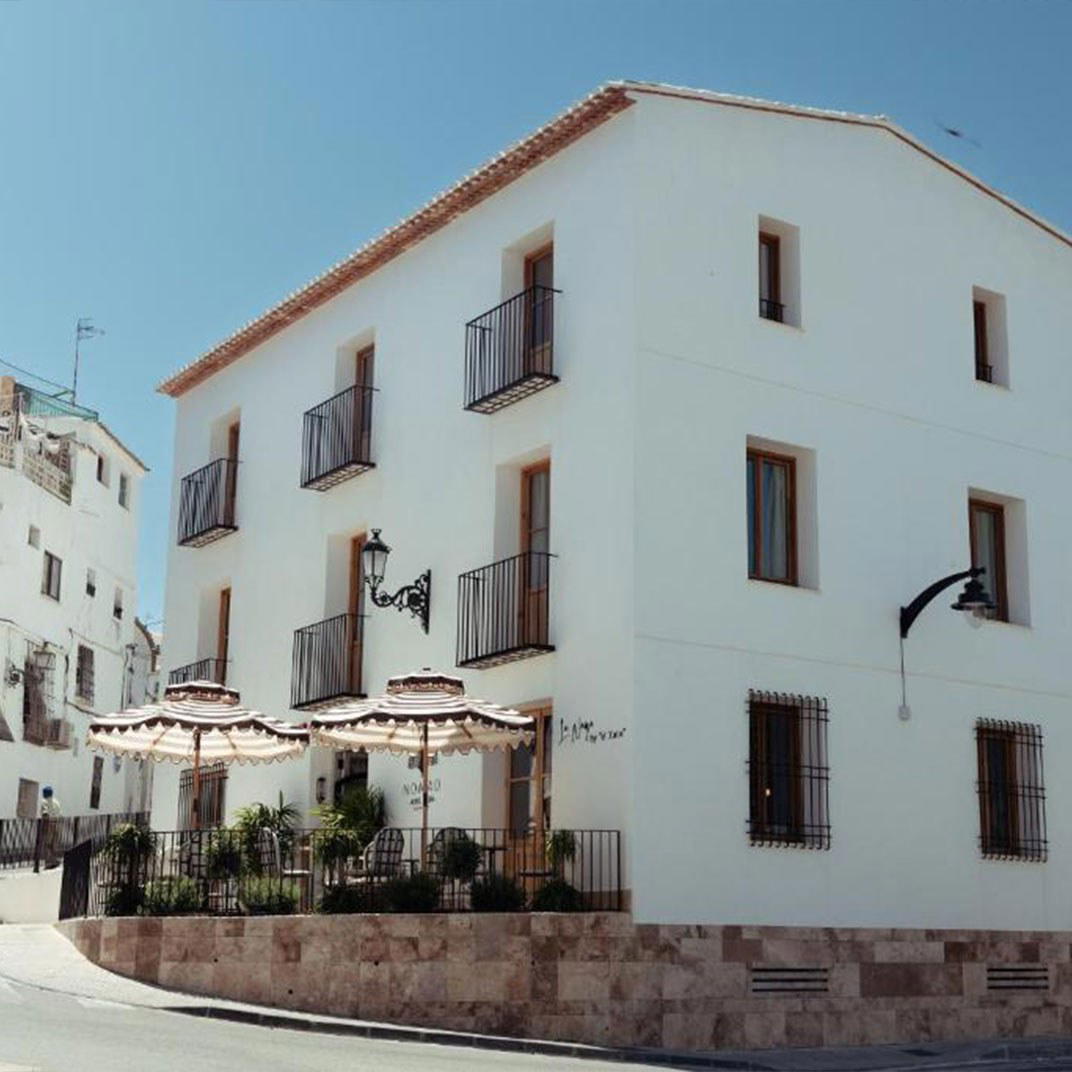
The address on Carrer Rascassa places the restaurant away from the waterfront tourist circuit, in the kind of quiet residential periphery that only becomes legible once you understand it was chosen deliberately. Arriving here on foot, you are not greeted by the visual grammar of luxury hospitality, no grand approach, no theatrical entrance. The architecture works at a lower register, which makes the shift in register once inside all the more pronounced. Spain's most conceptually demanding tasting menus are not, as a rule, housed in the grandest rooms; the emphasis is directed inward, toward what arrives at the table.
The Octavo Framework: Art as a Competitive Claim
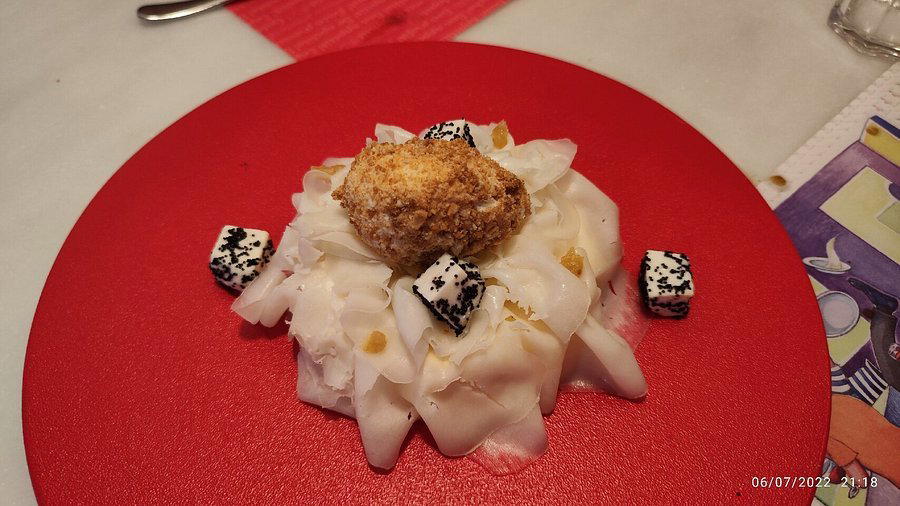
Spain's vanguard restaurant movement has never been merely about cooking. From the early days of elBulli's influence outward, the country's leading creative kitchens have consistently framed their work in relation to art, philosophy, and communication. Quique Dacosta's tasting menu follows that tradition while making an unusually explicit argument within it. The menu is called Octavo, the Eighth, a name that positions the act of eating alongside painting, sculpture, architecture, music, dance, literature, and cinema as a legitimate art form. La Liste's 2026 entry for the restaurant describes it as a programme that functions as "a form of communication with his guests" in service of what Dacosta calls "culinary beauty."
The menu changes almost completely each year, which is a meaningful operational commitment at this level. Most three-star kitchens evolve incrementally; wholesale annual reinvention at a 50 Best-ranked property implies a particular relationship with the creative process, one that prioritises the freshness of the proposition over the consistency of a signature canon. The source of inspiration is declared as the Mediterranean, its light, its ingredients, its rhythms, though the treatment is conceptual rather than documentary. For context on how other Spanish three-star kitchens approach this balance between place and abstraction, the contrast with El Celler de Can Roca in Girona or Arzak in San Sebastián is instructive: both are rooted in specific regional traditions, while Dacosta's project uses the Mediterranean as a launching point rather than a constraint.
comparable set and Standing
The award trajectory here is not ambiguous. Three Michelin stars. World's 50 Best appearances in every year from 2012 through 2025, with a peak of 14th globally in 2024. Opinionated About Dining ranked the restaurant 8th in Europe in 2024, among the most granular and peer-reviewed rankings in the field. La Liste awarded 96.5 points in 2025, placing it firmly in the tier that the guide treats as the global elite. The FoodArt Award in 2025 adds a credential specific to restaurants that operate at the intersection of gastronomy and artistic practice.
Within Spain specifically, that ranking puts Quique Dacosta in the same tier as Disfrutar in Barcelona, DiverXO in Madrid, Azurmendi in Larrabetzu, Martin Berasategui in Lasarte-Oria, and Aponiente in El Puerto de Santa María. What distinguishes the Dénia context from those addresses is the absence of a metropolitan support structure. Barcelona, Madrid, and San Sebastián generate their own gravitational fields; diners combine a meal with the broader apparatus of the city. Dénia offers none of that. The journey here is the point of the journey, and the meal has to justify the trip on its own terms. A decade-plus in the World's 50 Best suggests it does.
In a European context, comparable creative-format restaurants operating at the highest recognised level include Alléno Paris au Pavillon Ledoyen and Enrico Bartolini in Milan, both of which share the multi-star, annually evolving format. The difference in setting, a small Mediterranean coastal town versus central Paris or Milan, makes Quique Dacosta an outlier in geographic terms, a position it has held without apparent compromise to its competitive standing.
The Dénia Context: Why Location Is Part of the Argument
The broader Dénia dining scene rewards understanding before you arrive. The town has a genuinely strong food culture at lower price points: Peix & Brases handles Mediterranean seafood at the €€€ tier with care; El Baret de Miquel covers tapas with local focus.
Rice is the region's dominant culinary identity, the rice fields south of the town feed one of Spain's most serious arroz traditions, and the proximity to the sea means the raw material arriving in Dénia's kitchens is, by any reasonable measure, among the finest on the Mediterranean coast. That agricultural and maritime base provides the literal ingredients of what Dacosta transforms into something more difficult to categorise. The terroir is not incidental; it is the material from which the concept is built.
Planning Your Visit
Service runs Wednesday through Sunday, with a lunch sitting from 1:30 to 3:30 pm and dinner from 8:30 to 10:30 pm. The restaurant closes Monday and Tuesday. It is not open from 13 December through 10 February. At the €€€€ price tier, this is one of the most expensive dining experiences in Spain, priced against peer counters in Barcelona and Madrid rather than against anything else in Dénia. Google ratings hold at 4.5 across 1,428 reviews. The restaurant sits at Carrer Rascassa, 1, 03700 Dénia. Reaching Dénia from Valencia takes approximately 90 minutes by road; from Alicante, closer to 75 minutes. There is no high-speed rail connection, so most diners driving or arranging a transfer are making the trip specifically for the meal.
Standing Among Peers
Comparable venues nearby, for context on price, style, and recognition.
| Venue | Cuisine | Price | Awards | Notes |
|---|---|---|---|---|
| Quique Dacosta | Avant-Garde Spanish Fine Dining | $$$$ | Michelin 3 Star | El Poblet |
| Peix & Brases | Modern Mediterranean Grill | $$$ | Michelin 1 Star | Port |
| El Faralló | Authentic Dénia Seafood | $$$ | Las Rotas | |
| Ossadia | International Fusion Tasting Menu with Mediterranean & Asian Influences | $$$ | , | |
| El Pegoli | Traditional Mediterranean Seafood | $$$ | Les Rotes | |
| El Baret de Miquel | Modern Spanish Tapas | $$$ | Old Town Denia |
Continue exploring
More in Dénia
More from Chef Quique Dacosta
Browse all →
Restaurants in Dénia
Browse all →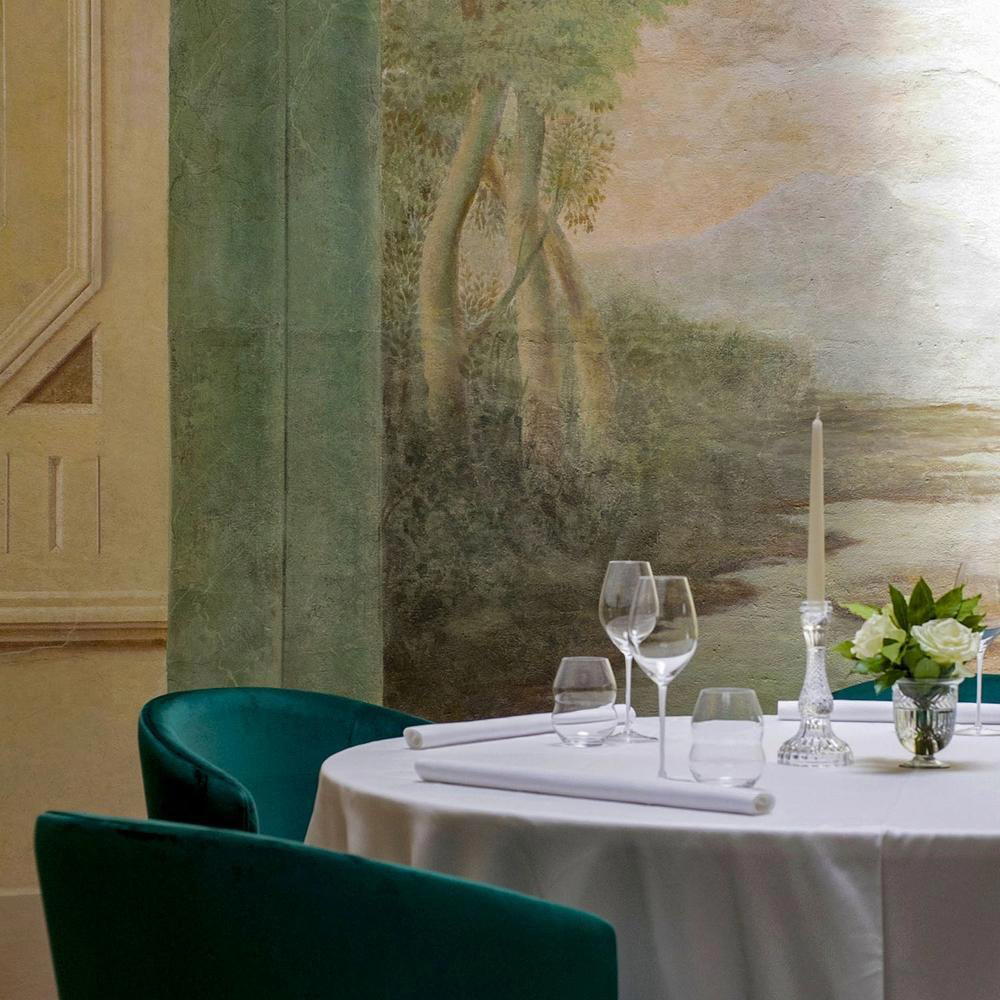
At a Glance
- Elegant
- Sophisticated
- Modern
- Iconic
- Special Occasion
- Date Night
- Celebration
- Private Dining
- Extensive Wine List
- Sommelier Led
- Local Sourcing
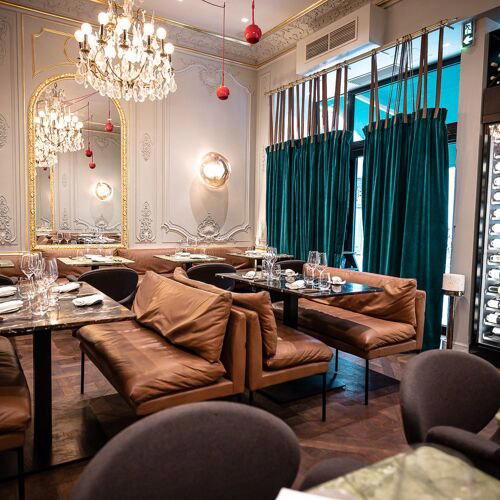
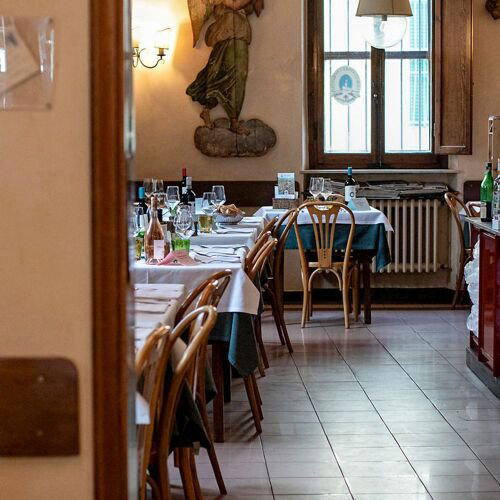
Pleasant, tastefully decorated environment with precise, coordinated service and an emphasis on culinary beauty and hospitality.