

Michelin Bib Gourmand · Macarfi 7.4 Food Rating
Our verdict
Inside the Picualia mill in Bailén, Aureum by Picualia turns extra-virgin olive oil into fine dining art under chef Paco Simón, with tasting menus—Labora Oliva and Fenologicum—paired to Jaén’s terroir and an elegant, season-led cellar.

Pearl is the En Primeur Club membership app, where members save venues, book tables and use the concierge.

The menu
What to order
- Labora Olivae
- Fenologicum
- Grilled octopus
- Trout from Coto Ríos
- Olive oil ice cream
Olive Oil Country, on a Plate
The road between Madrid and Cádiz cuts through the heart of Jaén province, where olive groves run to every horizon and the air carries a faint, grassy note that locals simply call home. At kilometre marker 298 on that route, the Picualia cooperative sits as one of the anchoring institutions of Spanish extra-virgin olive oil production, and inside it, Aureum frames that agricultural context as a full dining proposition. You arrive to find a functioning cooperative, storage tanks, sorting lines, the working machinery of oil production, before stepping into a restaurant that treats the product of those machines as its primary ingredient. It is a framing device few dining rooms in Spain attempt, and fewer pull off.
What the Bib Gourmand Signals in This Setting
Michelin's Bib Gourmand, awarded to Aureum in both 2024 and 2025, is a designation that rewards good cooking at accessible prices rather than technical ambition for its own sake. In cities like Seville or Madrid, a Bib Gourmand can go unnoticed in a dense field of recognised addresses. In Bailén, a mid-sized Andalusian town without a deep dining reputation, consecutive Bib Gourmand awards signal something more pointed: that a kitchen operating inside an agricultural cooperative has reached a standard of consistency that Michelin's inspectors returned to confirm. For context on the range of Spain's Michelin-recognised dining, the country's upper tier runs through addresses like El Celler de Can Roca in Girona, Arzak in San Sebastián, and Azurmendi in Larrabetzu, all three-star houses at the €€€€ price tier. Aureum operates at the opposite end of that price bracket, at a €€ level, making the Bib recognition read as a statement about value-to-quality ratio rather than luxury positioning.
The wider Spain Michelin map also includes three-star creative houses such as Aponiente in El Puerto de Santa María, Cocina Hermanos Torres in Barcelona, DiverXO in Madrid, Mugaritz in Errenteria, Quique Dacosta in Dénia, Martin Berasategui in Lasarte-Oria, and Ricard Camarena in València. Aureum belongs to a different conversation entirely: not progressive fine dining, but traditional cuisine with a specific agricultural thesis and the infrastructure to back it.
The Kitchen's Position in Spanish Olive Oil Culture
Spain produces more olive oil than any other country in the world, and Jaén province produces more than most Spanish regions combined. That makes Bailén ground-level in a global supply chain, which gives a restaurant like Aureum a locational argument that no city address can replicate. The format at Aureum responds to that position directly. Chefs Paco Simón and Toña López de la Huerta have built a menu architecture in which extra-virgin olive oil is treated not as a finishing element but as a structural ingredient across both the à la carte and the two tasting menus, named Fenologicum and Labora Olivae II. The tasting menu names themselves signal intent: Fenologicum references the phenological cycle of olive growth; Labora Olivae reads as a direct Latin tribute to olive labour. These are culinary choices that reflect a coherent editorial stance toward the cooperative's product.
Olive oil as a central culinary argument is not unique to Aureum within Spain's broader food culture, but the cooperative context puts it on different footing than a chef who simply uses quality oils sourced from a supplier. The kitchen has on-site access to Picualia production, with educational tours, tastings, and olive oil-related programming running alongside the restaurant. A functioning wine bodega sits adjacent, giving the property a hospitality range that extends well beyond the dining room. Traditional cuisine restaurants with this combination of agricultural provenance, dual tasting menus, and a Bib Gourmand validation represent a fairly narrow category anywhere in Europe. For comparable formats at the traditional end of the spectrum, see Auberge Grand'Maison in Mûr-de-Bretagne or Auga in Gijón.
What the Kitchen Actually Produces
The Michelin record for Aureum singles out the trout from Coto Ríos, cooked on the Josper grill and served with mayonnaise, as a dish that demonstrates the kitchen's approach: local sourcing, direct technique, and olive oil as the binding agent in the preparation. Coto Ríos is a village in the Sierra de Cazorla, the mountain natural park north of Jaén, known for cold-water trout from its rivers. The choice of that specific provenance inside a province-level dish is a signal of how seriously the kitchen maps its ingredient sources. The Josper grill, a Spanish-made charcoal oven-grill combination widely used in high-end Spanish kitchens, adds a wood-and-charcoal note to proteins while retaining moisture, a technique that works with rather than against the relatively delicate texture of freshwater trout. The mayonnaise component, made with olive oil from the cooperative, closes the loop on the restaurant's central argument.
The Dining Experience in Context
That demographic skews toward visitors who arrived with purpose rather than passing diners, which tends to produce more reliable signal than volume-driven city scores. The €€ price range positions Aureum within reach of a broad audience for Andalusia, particularly relative to the tasting menu tier charged at comparable Bib Gourmand addresses in Seville or Granada.
Cooperative setting also shapes the experience practically. Educational tours and tastings run alongside restaurant service, meaning a visit can reasonably extend across most of a day: oil education in the morning, a long lunch at Aureum, a walk through the wine bodega. For visitors driving the Madrid-Cádiz route, kilometre 298 represents a natural stop rather than a detour. The address (Carr. Madrid Cádiz, km. 298, Picualia, 23710 Bailén) sits directly on that arterial road, making it accessible without specialist navigation. For planning further into the area, our full Bailén restaurants guide covers the broader dining scene, and our full Bailén hotels guide covers accommodation options. Bailén also has a local bar culture worth exploring via our full Bailén bars guide, as well as wine and cooperative destinations in our full Bailén wineries guide and curated activities through our full Bailén experiences guide. If you want to pair lunch at Aureum with a local seafood dinner, Taberna de Miguel represents the Bailén marisquería option worth considering.
What Regulars Order
What do regulars order at Aureum by Picualia?
Dish with the clearest signal in Aureum's Michelin record is the trout from Coto Ríos, Josper-grilled and served with olive oil mayonnaise. It demonstrates the kitchen's thesis in a single plate: local provenance, clean technique, and Picualia oil as the connective thread. Among the menu formats, the Labora Olivae II tasting menu frames the cooperative's product most systematically across courses, making it the more complete expression of what the kitchen is trying to argue. Visitors coming specifically for the olive oil angle are better served by the tasting menus than the à la carte, which allows the kitchen to sequence its ingredient narrative rather than leaving it to individual dish selection.
Frequently asked questions
What should I budget for a meal at Aureum by Picualia?
Pricing at Aureum by Picualia is listed as €€.
What's the address for Aureum by Picualia?
Aureum by Picualia is located at Carr. Madrid Cádiz, km. 298, Picualia, 23710 Bailén, Jaén, Spain, Bailén.
A Quick Peer Check
| Venue | Cuisine | Price | Awards | Notes |
|---|---|---|---|---|
| Aureum by PicualiaThis venue (the venue you are viewing) | Traditional Spanish Olive Oil Focused Fine Dining | Not listed | Michelin Bib Gourmand · Macarfi 7.4 Food Rating | Not listed |
| Aponiente | Avant-Garde Marine Seafood | $200–300 | 3 Michelin Stars · World's 50 Best #84 | Progressive - Seafood, Creative |
| Arzak | Contemporary Basque Fine Dining | $300–500 | 3 Michelin Stars · World's 50 Best #31 | Modern Basque, Creative |
| DiverXO | Avant-Garde Spanish Tasting Menu | $300–500 | 3 Michelin Stars · World's 50 Best #4 | Progressive - Asian, Creative |
| El Celler de Can Roca | Creative Catalan Fine Dining | $300–500 | 3 Michelin Stars · World's 50 Best #2 | Progressive Spanish, Creative |
| Quique Dacosta | Avant-Garde Spanish Fine Dining | $300–500 | 3 Michelin Stars · World's 50 Best #65 | Creative |
Recognition history
Dated appearances from independent guides and award organizations, with the underlying list record or original source where available.
Michelin Bib Gourmand
Michelin
Macarfi 7.4 Food Rating
Macarfi
Full recognition history (4 entries)
Michelin Bib Gourmand
Michelin
Michelin Bib Gourmand
Michelin
Continue exploring
More in Bailén
Restaurants in Bailén
All restaurants in Bailén →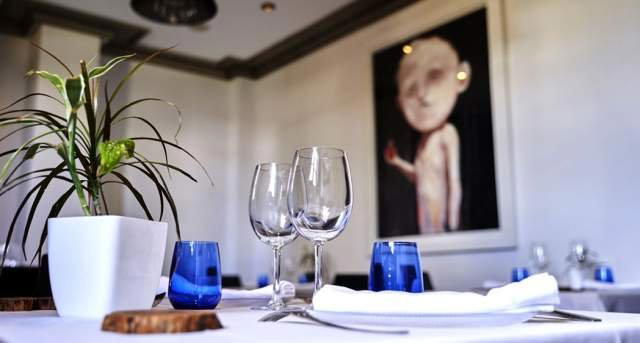
Details
- Elegant
- Cozy
- Sophisticated
- Special Occasion
- Date Night
- Open Kitchen
- Sommelier Led
- Local Sourcing
- Tasting Menu
Current opening hours
- Monday
- Closed
- Tuesday
- Closed
- Wednesday
- 1:30–4 PM
- Thursday
- 1:30–4 PM
- Friday
- 1:30–4 PM
- Saturday
- 1:30–4 PM
- Sunday
- 1:30–4 PM
Hours can change for holidays and private events. Hours as of .
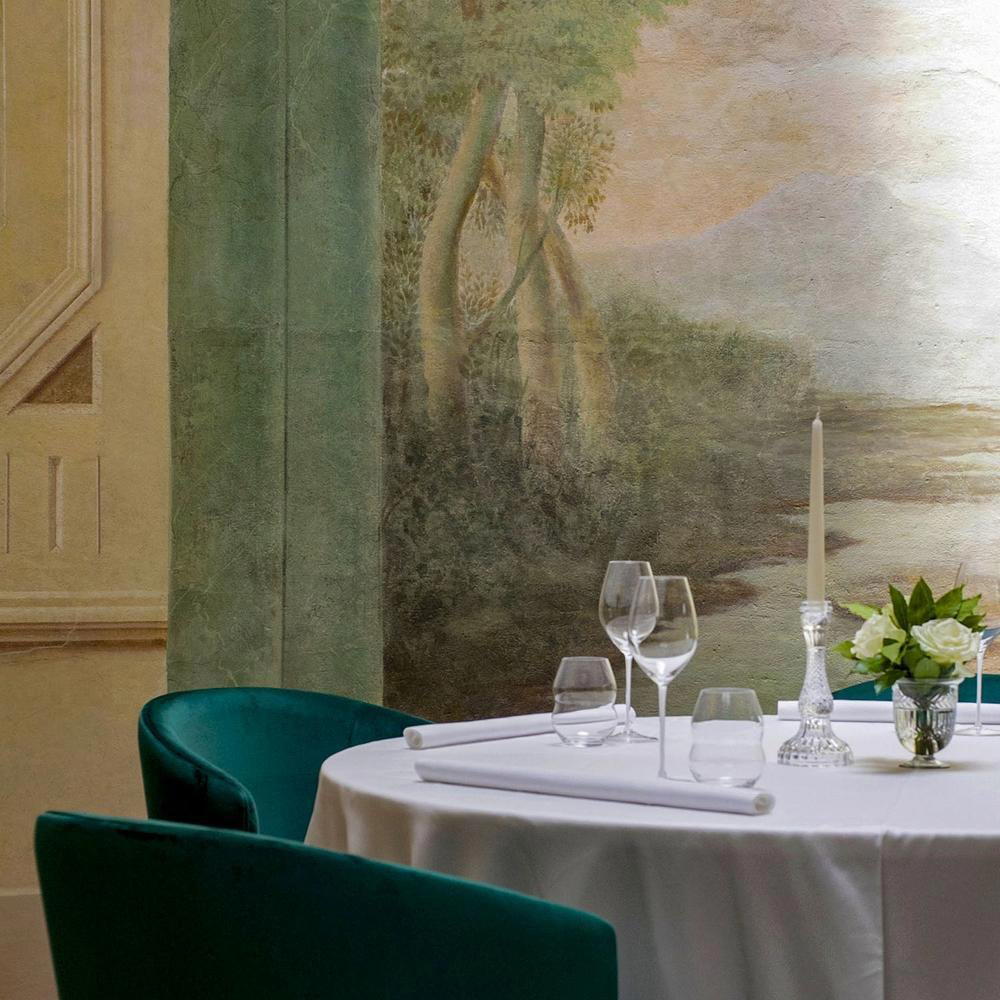
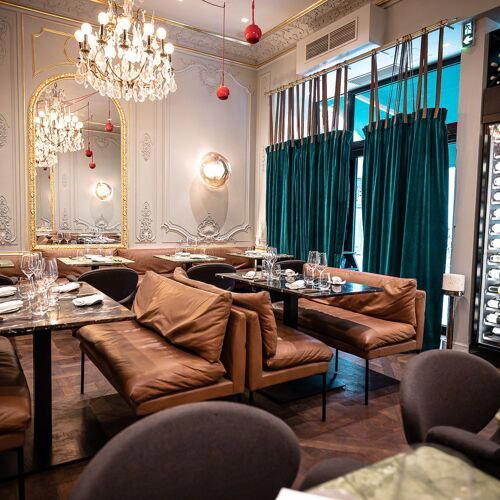
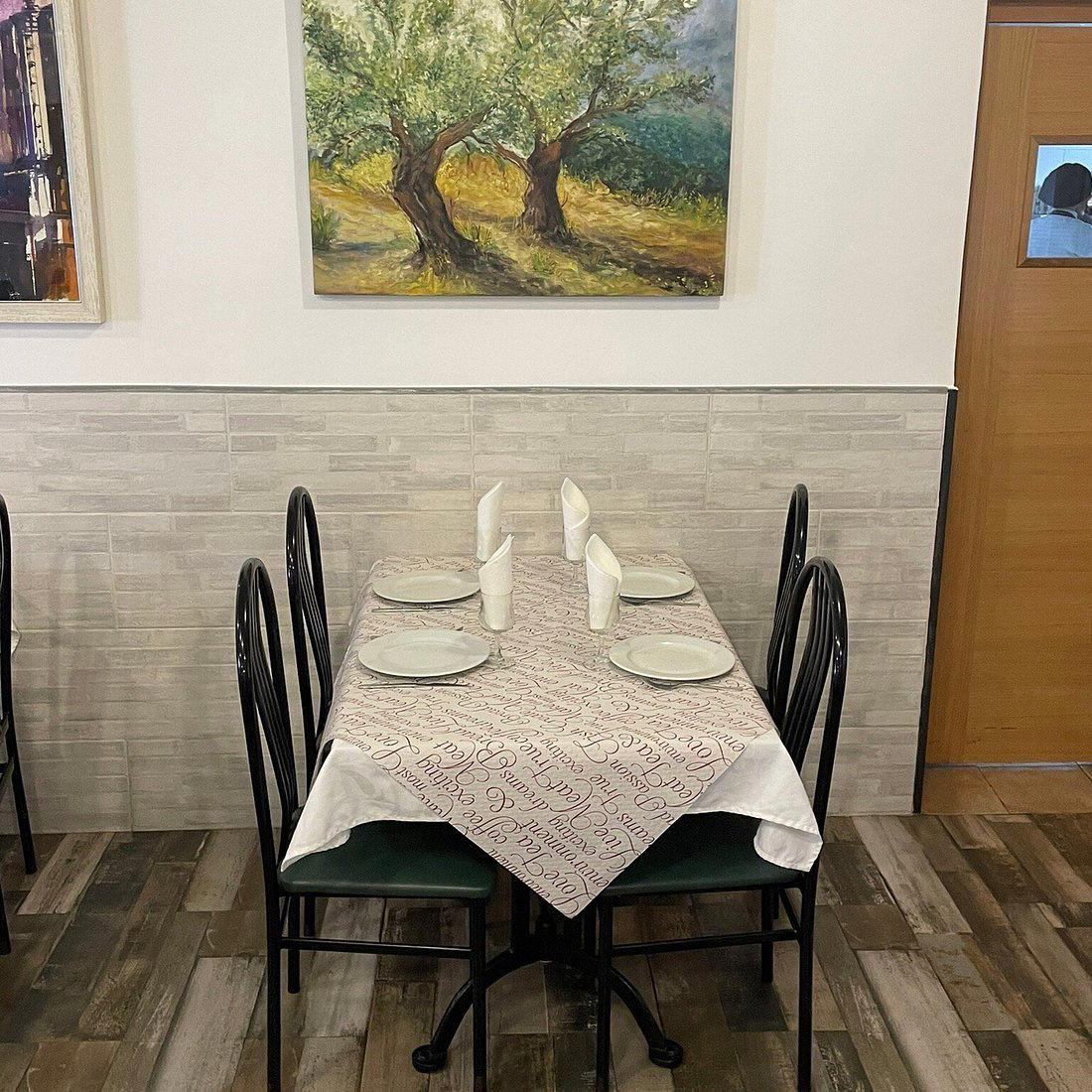
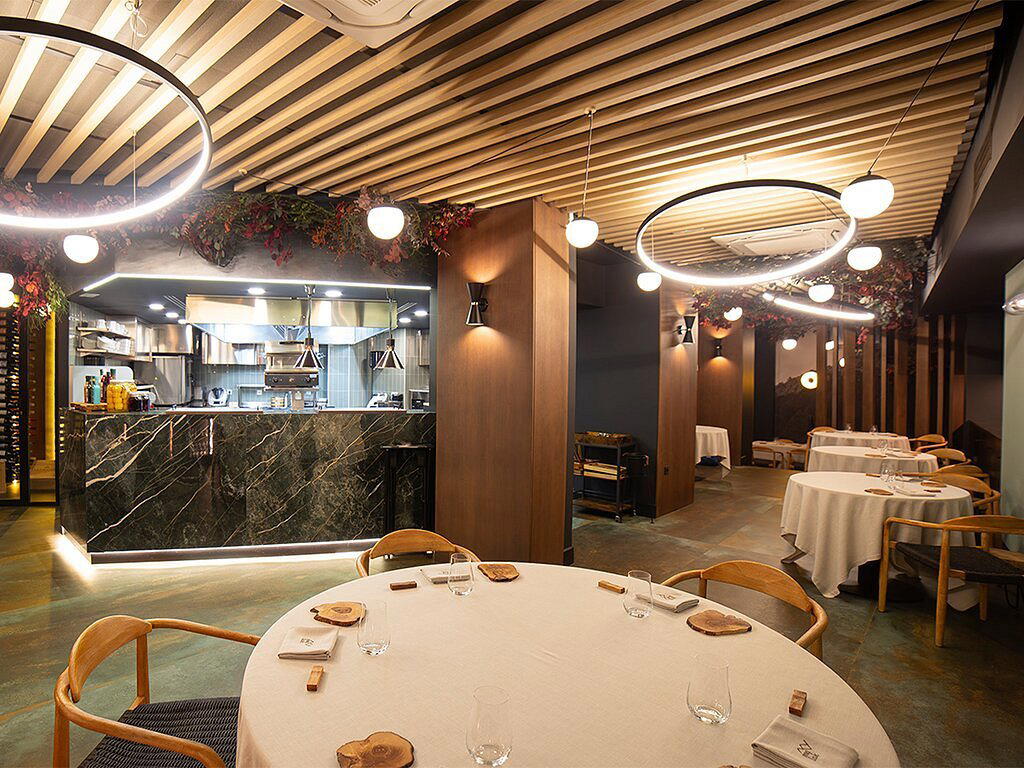
Elegant room with views of the winery/oil vat room, comfortable spacing, warm lighting, and low noise levels creating an intimate atmosphere.